## Overview
Como Primary School is a public primary school within the Western Australian education system, serving students in the local Como community. The school fosters a medium-sized, inclusive environment where students are encouraged to develop academic skills while building social and emotional competencies in a nurturing setting.
- School type: public
- School size: medium
- Class size: typically mid-20s
- Atmosphere/culture: inclusive, nurturing, community-focused
## Academics & Learning
Como Primary School emphasizes a well-rounded curriculum with strong foundations in literacy and numeracy, and opportunities to explore STEM, the arts, and leadership activities.
- Academic strengths: literacy and numeracy, STEM enrichment, leadership development, English; language programs may be offered as part of the curriculum
- Special programs: opportunities for extension and gifted/talented learning within the classroom; focus on a balanced curriculum
- NAPLAN trends: steady improvement and ongoing refinement across reading and numeracy over recent years (trends rather than scores)
- Student-teacher ratios: typically around 1:22 to 1:28, varying by year level
- Support for diverse learners: comprehensive support for EAL learners and students with additional needs (SEN) to promote inclusive education
## Sports & Extracurricular Strengths
Como Primary School provides a broad range of sport and extracurricular options, supporting both team participation and individual interests.
- Sports offered: netball, soccer/football, cricket, athletics, swimming, cross-country, and general fitness activities
- Strong teams or achievements: participation in local inter-school events and competitions; emphasis on teamwork and sportsmanship
- Music, arts, drama programs: choir, instrumental lessons, and performing arts opportunities as part of the curriculum
- Clubs: robotics, chess, coding, debating, and other enrichment activities
- Partnerships: connections with local clubs and regional competitions to broaden competitive opportunities
## Wellbeing & Pastoral Care
Student wellbeing is central to the school culture, with structures in place to support positive relationships and personal growth.
- Anti-bullying approach: whole-school policies with restorative practices and clear conduct expectations
- House system: house groups to foster belonging, healthy competition, and leadership opportunities
- Counsellors / wellbeing officers: dedicated staff to support student wellbeing and social-emotional learning
- Transition support for new students: buddy programs, orientation activities, and smooth transition processes to help new students settle in
## Facilities
Como Primary School features a range of facilities designed to support learning, creativity, and physical activity.
- Sports grounds
- Libraries
- Science labs
- Music/performing arts centers
- Tech/innovation labs
- Cafeteria
- Updated playgrounds
## School Values & Community Culture
The school is guided by clearly defined values and a collaborative leadership approach, with a focus on respectful, responsible, and resilient students.
- School values / mission: values-driven education emphasizing respect, responsibility, resilience, and inclusion
- Leadership style: distributed leadership with opportunities for student voice and teacher collaboration
- Behaviour expectations: positive behavior supports and consistent expectations across the school
- Community reputation: family-focused and actively engaged with the local community
- Diversity & inclusion: commitment to an inclusive environment that welcomes students from diverse backgrounds
## School Logistics & Daily Operations
Key daily logistics are designed to be straightforward for families, with options for care and meals where available.
- School hours: typical day runs from around 8:30am to 3:00pm
- Before/after school care: available through school or external providers
- Uniform requirements: school uniform encouraged or required
- Transport: local bus routes and public transport access; walking or riding to school where feasible
- Canteen availability: on-site or school-facilitated canteen options
- Fees: low to moderate contributions typically requested for materials, activities, and programs
## Enrolment & Admissions
Getting into Como Primary School follows the standard public school process, with considerations for local intake and space availability.
11. What is the enrolment process and timeline?
- Enrolment is generally handled through the WA Department of Education, with local intake area (LIA) considerations. Families submit an enrolment application, which is processed in line with space availability and placement priorities. Timelines vary based on demand and term starting points.
12. Is there a waiting list, and how does it work?
- Waiting lists may apply if the year level or intake is full. Placement from the waiting list is determined by space, age/grade eligibility, and the school’s alignment with the applicant’s needs and timing.
13. Are there any entry requirements, tests, or interviews?
- For public primary schools, there are typically no entrance tests or interviews for general enrolment. Schools may offer tours or information sessions and may request basic documentation (proof of identity, residency, immunisation status) as part of the enrolment process.
14. Does the school accept mid-year transfers?
- Mid-year transfers are possible subject to space and the completion of the standard transfer procedures. Parents should contact the school administration early to discuss availability and required documentation.
## Frequently Ask Questions
- Why Parents Choose This School?
- A supportive, inclusive environment with strong literacy and numeracy foundations, broad extracurriculars, and a focus on student wellbeing and community involvement.
- What type of student thrives at this school?
- Students who appreciate a balanced approach to academics, sport, arts, and social development within a collaborative, values-based community.
- What opportunities are available for students to extend their skills (academics, sports, arts)?
- Extension within core subjects, participation in STEM and coding activities, music and drama programs, sports teams, and external competitions or partnerships.
- How does the school communicate with parents?
- Regular updates through newsletters, emails, the school website, parent-teacher meetings, and informal channels; emphasis on timely and clear communication.
- What is the school’s approach to teaching and learning?
- Curriculum aligned with the Australian Curriculum, a mix of direct instruction, inquiry-based learning, and differentiated support to meet diverse needs.
- How does the school support students who need extra academic help?
- Targeted interventions in literacy and numeracy, EAL support, SEN services, and access to classroom-based differentiation.
- What support is available for academic challenges?
- Additional tutoring, small-group or one-on-one support within the school day, and referrals to specialist staff as needed.
- How does the school communicate with parents? (Duplicate)
- See above: regular formal and informal communication channels to keep families informed.
- What are the class sizes and how much individual attention do students receive?
- Class sizes typically in the mid-20s, with teachers providing differentiation and opportunities for individual attention within the classroom.
- What extracurricular and sports opportunities are available?
- A range of sports, clubs (robotics, chess, coding, debating), and arts activities, plus opportunities to participate in inter-school events and local competitions.
- What facilities does the school offer (sports, science, arts)?
- Sports grounds, libraries, science labs, music/performing arts centers, tech/innovation labs, canteen, and updated playgrounds.
- What is the school’s approach to technology and digital learning?
- Integration of digital tools within the curriculum to enhance learning, with a focus on digital literacy, safe use, and project-based activities.
- What transport and accessibility options are available?
- Access to local bus routes and public transport; options for walking or biking where feasible; accessibility considerations addressed through school policies.
- What are the typical school fees or additional costs?
- Public primary schools have low to moderate voluntary contributions for materials, activities, and programs; additional costs may apply for certain excursions or resources.
## Short Pros & Cons list
- Pros:
- Public, community-focused and inclusive
- Balanced academics with strong literacy/numeracy foundations
- Broad range of extracurriculars and clubs
- Good wellbeing and pastoral care
- Solid facilities supporting science, arts, and technology
- Cons:
- May have limited entry into highly specialized programs compared to private or selective schools
- Waiting lists can occur for popular year levels or intake periods
- Mid-year transfers depend on space and administrative processes
- Uniforms and incidental costs are still part of the school experience










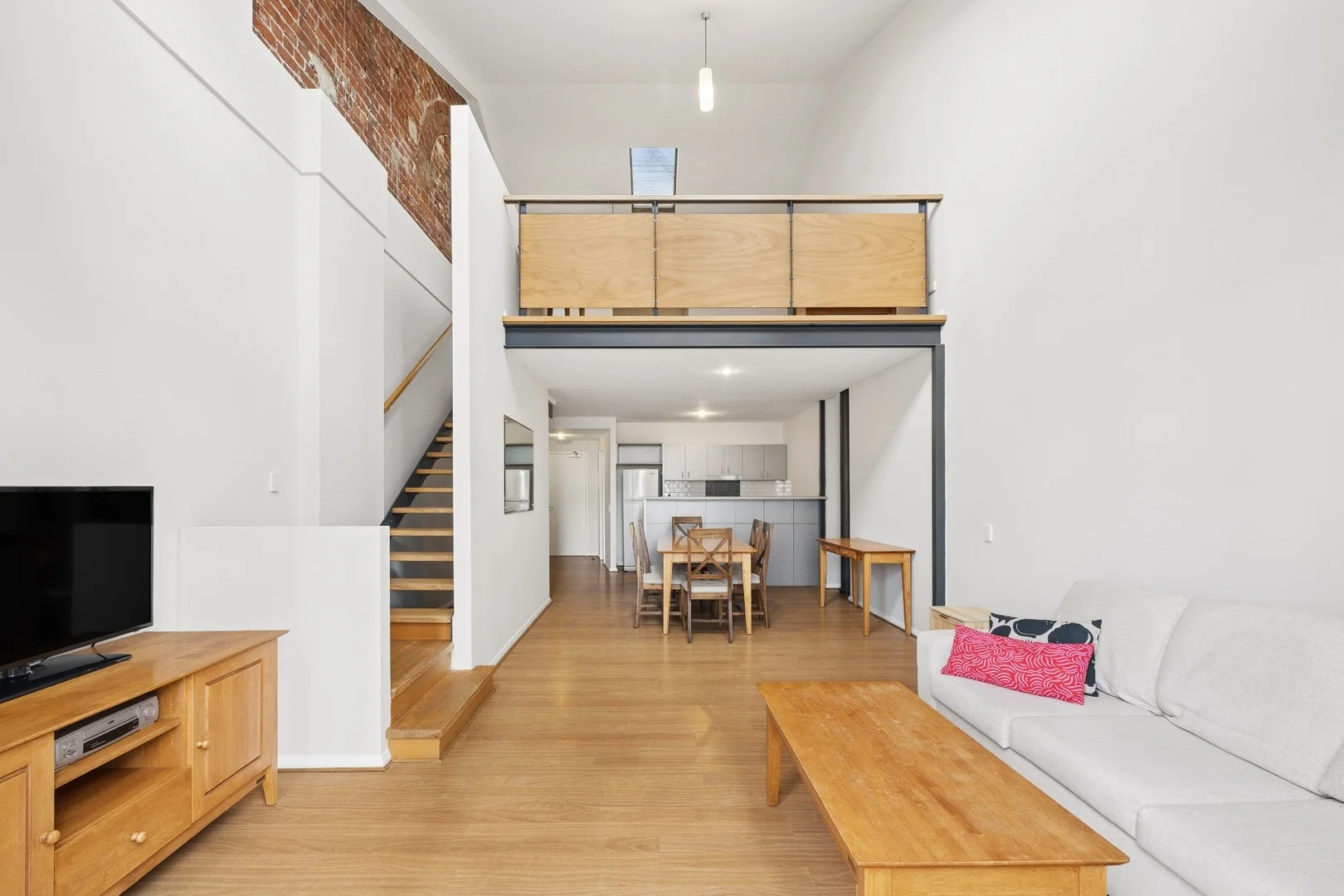 $549,000
Apartment / Unit / Flat
$549,000
Apartment / Unit / Flat
 $580,000
Apartment / Unit / Flat
$580,000
Apartment / Unit / Flat
 $700,000
Apartment / Unit / Flat
$700,000
Apartment / Unit / Flat