1. Overview
St Dominic's Priory College is a Catholic independent school located in North Adelaide, offering education for primary and secondary students within a values-based, faith-informed framework. The college aims to provide a holistic education that combines academic rigour with pastoral care and a broad range of co-curricular opportunities.
The campus environment is typically described as medium-sized, with a focus on an inclusive, supportive culture. The atmosphere often emphasises a balance between academic achievement and character development, encouraging students to engage in learning, service, and community life.
⸻
2. Academics & Learning
- Academic strengths: The college focuses on strong literacy and numeracy foundations, critical thinking, and development of communication and leadership skills, alongside core subjects such as English, mathematics, science, and humanities. There is an emphasis on languages and well-rounded education within a Catholic framework.
- Special programs: The school commonly offers opportunities for leadership development and community service. Options for accelerated or gifted/talented pathways may be available, depending on year level and cohort needs.
- NAPLAN trends: Publicly available data and school profiles typically show stable or improving trends over recent years, with a focus on continuous improvement and supportive learning environments.
- Student-teacher ratios: The school emphasises supportive student-to-teacher ratios to enable more individual attention and targeted feedback within classes.
- Support for diverse learners: The college provides support for diverse learners, including EAL and SEN, with in-school learning support and targeted interventions as appropriate.
⸻
3. Sports & Extracurricular Strengths
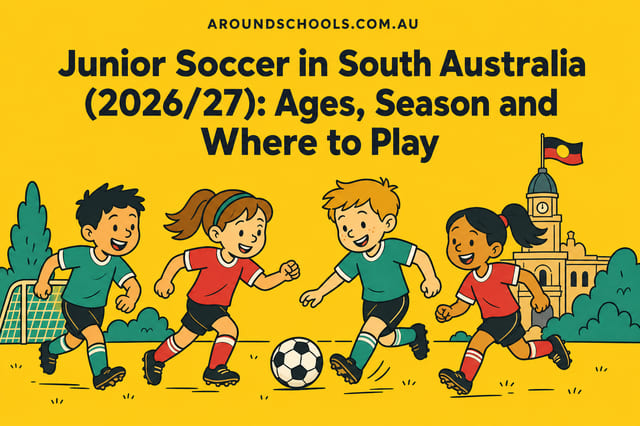
- Sports offered: A range of team and individual sports is typically available, including netball, basketball, football (soccer), athletics, swimming, and other activities depending on facilities and season.
- Strong teams or achievements: The college participates in inter-school competitions and fields competitive teams across multiple sports, with opportunities for leadership and team-building experiences.
- Music, arts, drama programs: Comprehensive music and performing arts programs are usually offered, along with school productions and opportunities to engage in visual arts.
- Clubs: Robotics, chess, coding, debating, and other interest-based clubs are commonly available to broaden skill development beyond the classroom.
- Partnerships: The school often engages with local clubs, arts and sports organizations, and inter-school competitions to extend learning beyond the campus.
⸻
4. Wellbeing & Pastoral Care
- Anti-bullying approach: A proactive, school-wide approach to wellbeing and safety is typically in place, with clear guidelines, reporting mechanisms, and a culture of respect.
- House system: A house-based structure is commonly used to foster belonging, leadership opportunities, and healthy competition in pastoral activities and events.
- Counsellors / wellbeing officers: On-site counsellors or wellbeing staff provide student support, with access to advisory services and wellbeing programs.
- Transition support for new students: Induction programs, buddy systems, and targeted orientation help new students settle into the school community smoothly.
⸻
5. Facilities
- Sports grounds: On-site sports facilities and grounds are available for physical education and games.
- Libraries: Libraries support study, research, and reading across year levels.
- Science labs: Dedicated science laboratories support hands-on science learning.
- Music/performing arts centers: Facilities for music practice, rehearsals, and performances are provided.
- Tech/innovation labs: Technology and innovation spaces support STEM learning and creative projects.
- Cafeteria: On-site canteen or catering facilities serve students during the day.
- Updated playgrounds: Play and recreation areas are maintained to support activity and social interaction.
⸻
6. School Values & Community Culture
- School values / mission: The college centers its mission on Catholic values, service, respect, responsibility, and the development of the whole person.
- Leadership style: A collaborative leadership approach is common, with opportunities for student voice and involvement in school life.
- Behaviour expectations: Clear codes of conduct promote respectful behaviour, responsibility, and accountability within the community.
- Community reputation: The school is typically regarded as a supportive, faith-based community with a focus on inclusion and service.
- Diversity & inclusion: The college emphasizes inclusion and respect for diverse backgrounds and abilities as part of its community culture.
⸻
7. School Logistics & Daily Operations
- School hours: The school day runs on a structured timetable with start and finish times that align with primary and secondary schedules.
- Before/after school care: After-school care or supervision is commonly available to families.
- Uniform requirements: A uniform policy is in place, with requirements varying by year level and season.
- Transport (train/bus routes): Transport options, including school buses or public transit routes, are available to support student commute.
- Canteen availability: An on-site canteen or school-based food service provides meal and snack options.
- Fees (low/medium/high ranges): As a Catholic independent school, fee ranges typically fall into mid-to-high ranges relative to the broader market; exact amounts are published in the school's current prospectus.
⸻
8. Enrolment & Admissions
11. What is the enrolment process and timeline?
- Submit an online or paper application with required documentation (birth certificates, immunisation records, school reports as applicable).
- Pay any applicable application fees and complete interviews or assessments as requested.
- Shortlisting and notification of offers follow, with deadlines for acceptance and required deposits.
- Enrolment is formalised upon acceptance, provision of necessary documents, and payment of fees and levies.
12. Is there a waiting list, and how does it work?
- Waiting lists are commonly used when applications exceed available places. On acceptance, families may be added to the queue by date or priority criteria set by the school, with space becoming available as cohorts progress.
13. Are there any entry requirements, tests, or interviews?
- Entry often involves an interview with the student and family, and may include academic or readiness discussions. Tests or assessments may be used for certain year levels to help place students appropriately.
14. Does the school accept mid-year transfers?
- Mid-year transfers are sometimes possible if space is available. Prospective families typically need to submit official transcripts, immunisation and enrolment documents, and complete the school’s transfer process.
⸻
9. Frequently Asked Questions
- Why Parents Choose This School?
- A values-based Catholic independent environment that emphasises academic learning, wellbeing, and character development within a supportive community.
- What type of student thrives at this school?
- Students who are engaged in academics and co-curriculars, who value a respectful, principled community and opportunities to contribute to school life.
- What opportunities are available for students to extend their skills (academics, sports, arts)?
- Access to leadership opportunities, enrichment programs, sports teams, music and drama programs, clubs such as robotics, coding, debatin g, and opportunities to participate in inter-school events.
- How does the school communicate with parents?
- Through regular newsletters, a parent portal or learning management system, parent-teacher interviews, and information evenings.
- What is the school’s approach to teaching and learning?
- Student-centred, with a blend of faith-based education and modern pedagogy; emphasis on differentiated learning, critical thinking, and collaboration.
- How does the school support students who need extra academic help?
- Dedicated learning support, targeted interventions, EAL support, and access to specialists as needed.
- What support is available for academic challenges?
- Screening and monitoring, personalised plans, tutoring or small-group sessions, and ongoing teacher communication with families.
- How does the school communicate with parents? (Duplicate)
- See above: newsletters, portals, interviews, and information sessions.
- What are the class sizes and how much individual attention do students receive?
- Class sizes are designed to be small-to-medium to enable individual attention, with ongoing progress monitoring and targeted feedback.
- What extracurricular and sports opportunities are available?
- A broad range of sports, arts, music, drama, and clubs such as robotics, chess, coding, and debating, plus participation in inter-school events.
- What facilities does the school offer (sports, science, arts)?
- Sports grounds, libraries, science laboratories, music/performing arts facilities, tech/innovation labs, a canteen, and updated playgrounds.
- What is the school’s approach to technology and digital learning?
- Emphasis on digital literacy and responsible use, with ICT resources and integrated technology into learning, supported by a suitable learning platform.
- What transport and accessibility options are available?
- Transport options including school-provided or coordinated bus services and access to public transit routes; parking and accessibility considerations are provided by the school.
- What are the typical school fees or additional costs?
- Fees and levies vary by year level and program; prospective families should consult the current prospectus for the latest figures and any additional costs (camps, excursions, etc.).
⸻
10. Short Pros & Cons list
Pros
- Catholic independent environment with a values-based education
- Balanced focus on academics, wellbeing, and co-curriculars
- Supportive pastoral care and student support services
- Broad range of clubs, arts, and sports opportunities
- Modern facilities and dedicated learning spaces
Cons
- Fees and levies typical of independent schools
- Availability of places can involve a waitlist
- Middle-to-high demand for popular year levels may affect intake timing
- Transportation needs may vary depending on family location
⸻
 Free
Free









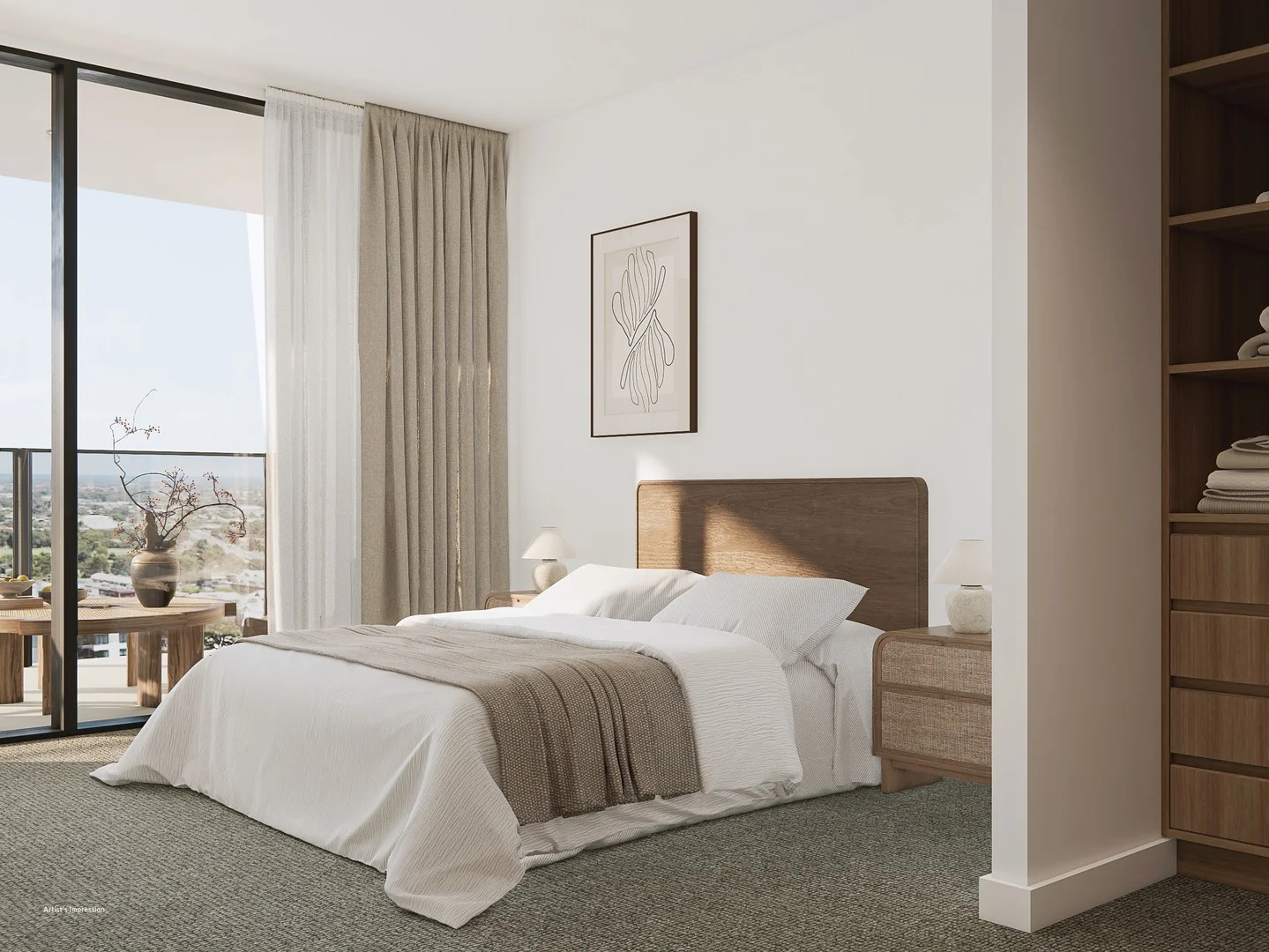 $935,000
Apartment / Unit / Flat
$935,000
Apartment / Unit / Flat
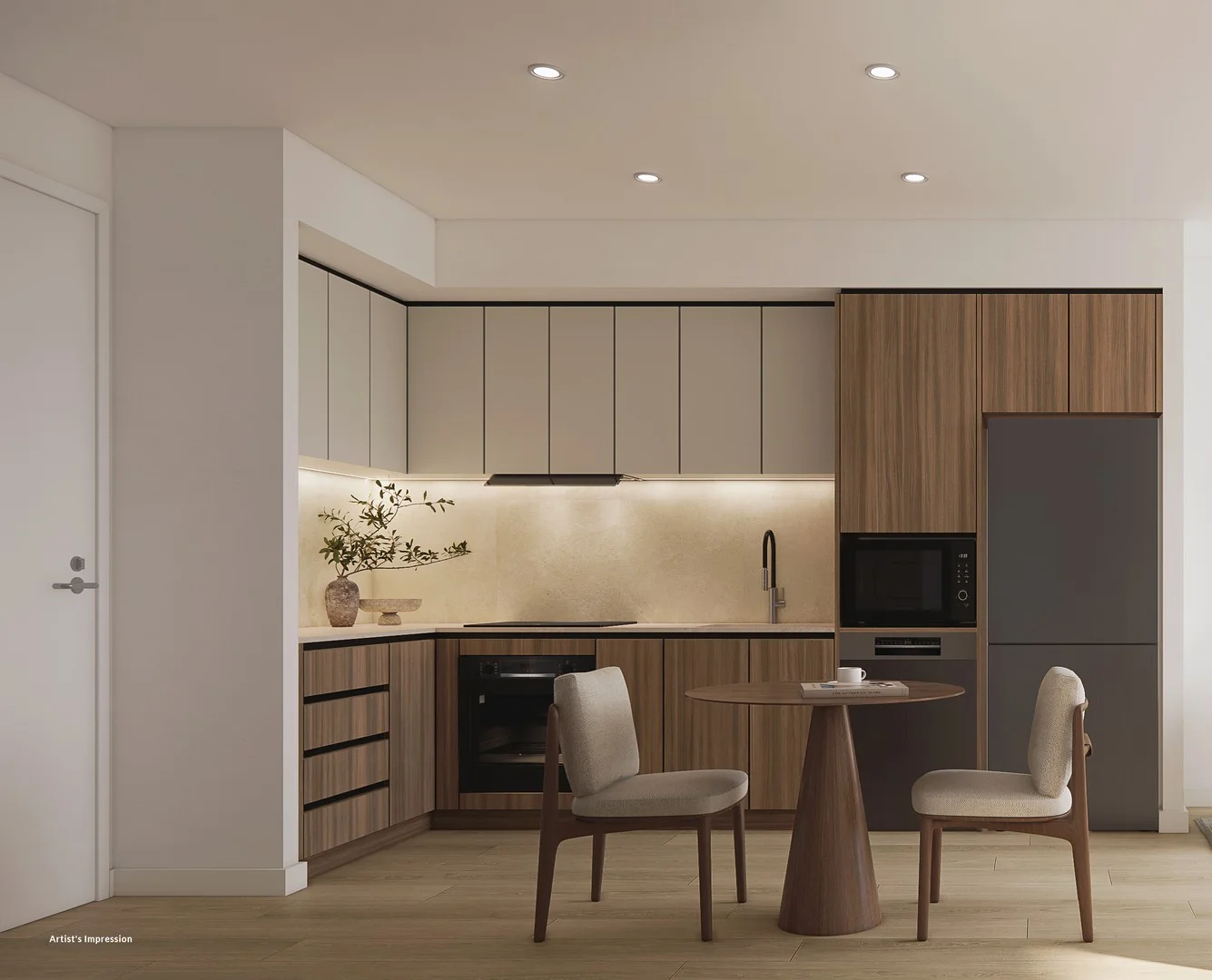 $557,000
Apartment / Unit / Flat
$557,000
Apartment / Unit / Flat
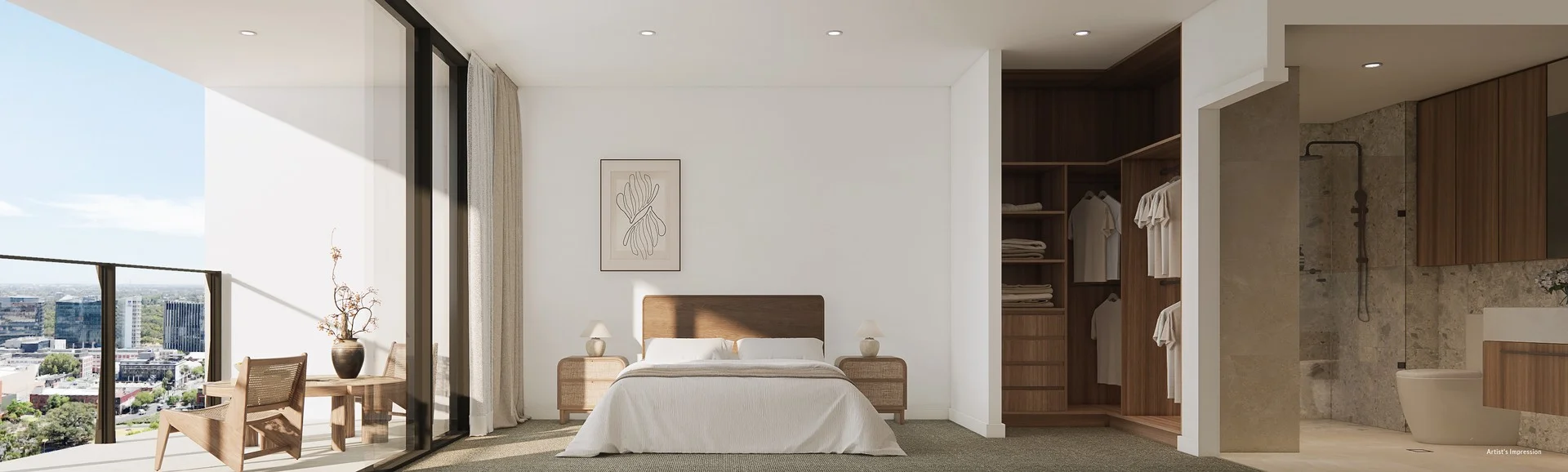 $1,056,000
Apartment / Unit / Flat
$1,056,000
Apartment / Unit / Flat
 $588,000
Apartment / Unit / Flat
$588,000
Apartment / Unit / Flat
 $440,000
Apartment / Unit / Flat
$440,000
Apartment / Unit / Flat
 $1,100,000
Apartment / Unit / Flat
$1,100,000
Apartment / Unit / Flat
 $545,000
Apartment / Unit / Flat
$545,000
Apartment / Unit / Flat
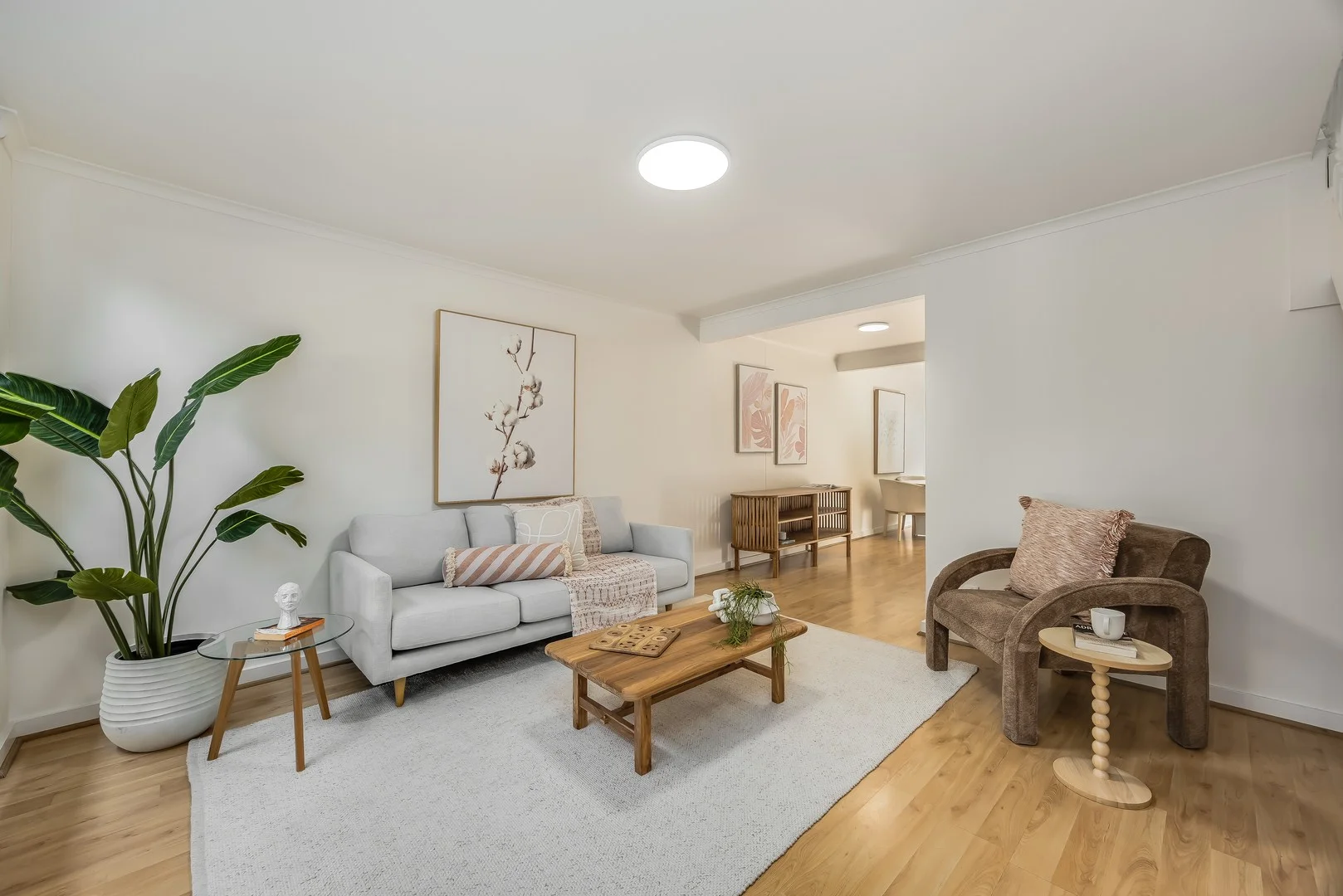 $775,000
House
$775,000
House