## 1. Overview
Temple Christian College is an independent, co-educational Christian school serving families in Mile End, South Australia. The school provides faith-based education across primary and secondary years, with a focus on academic achievement, character formation and community involvement. Class sizes are designed to be manageable and conducive to individualized attention, supporting students to grow in knowledge, confidence and service.
The environment is welcoming and inclusive, balancing academic effort with opportunities for faith formation, leadership and sport. The campus culture emphasises respect, responsibility and teamwork, helping students develop strong values alongside their studies.
## 2. Academics & Learning
- Academic strengths: English, Mathematics and Science form a robust core, with solid programs in the humanities, STEM and language study. Leadership development and community engagement are integrated into many curriculum areas.
- Special programs: SACE pathways and Vocational Education and Training (VET) options are available, along with opportunities for accelerated learning in appropriate year levels.
- NAPLAN trends: Public-facing data over recent years show steady performance with encouraging growth in key bands, indicating improving achievement and broader proficiency across year levels.
- Student-teacher ratios: Class sizes are medium, designed to enable meaningful teacher-student interaction and timely feedback (roughly in the 1:12–1:22 range, depending on year level and cohort).
- Support for diverse learners: Strong support for diverse learners, including English as an Additional Language (EAL) assistance and targeted learning support for students with additional needs (SEN), ensuring inclusive access to the curriculum.
## 3. Sports & Extracurricular Strengths
- Sports offered: Basketball, soccer, netball, cricket, athletics, swimming and other school-based programs are part of the season schedule.
- Strong teams or achievements: Competitive school teams participate in regional competitions and inter-school events, with emphasis on teamwork, discipline and sportsmanship.
- Music, arts, drama programs: Active music ensembles, choir and performing arts activities, with opportunities to participate in school productions and concerts.
- Clubs: Robotics, chess, coding and debating are available to extend learning beyond the classroom and develop problem-solving and communication skills.
- Partnerships: The school engages with local sporting and arts communities, participates in inter-school competitions and collaborates with external programs to broaden student opportunities in sports, tech and the arts.
## 4. Wellbeing & Pastoral Care
- Anti-bullying approach: A clear anti-bullying policy and reporting channels support a safe, respectful school climate.
- House system: A house-based structure supports pastoral care, friendly competition and collaboration across grades.
- Counsellors / wellbeing officers: On-site wellbeing staff and counsellors provide support for emotional, social and academic wellbeing.
- Transition support for new students: Orientation programs, buddy systems and family liaison help new students settle in smoothly and build connections quickly.
## 5. Facilities
- Sports grounds: On-site sporting fields and courts support physical education and extracurricular sport.
- Libraries: A well-resourced library and learning centre supports reading, research and study.
- Science labs: Modern science laboratories enable hands-on experiments and inquiry-based learning.
- Music/performing arts centers: Dedicated spaces for music, drama and rehearsals enhance arts education.
- Tech/innovation labs: Computer and maker spaces promote digital literacy and hands-on STEM learning.
- Cafeteria: On-site dining options provide convenient meal and break-time facilities.
- Updated playgrounds: Contemporary outdoor spaces support active play and outdoor learning.
## 6. School Values & Community Culture
- School values / mission: A Christian mission underpins daily learning, with emphasis on integrity, compassion, service and respect.
- Leadership style: Leadership is collaborative and values-driven, with teachers, staff and students encouraged to contribute to a positive school culture.
- Behaviour expectations: Clear behavioural expectations promote responsibility, respect for others and a safe learning environment.
- Community reputation: The school is known for a welcoming community, active parental involvement and a commitment to holistic student development.
- Diversity & inclusion: The school fosters an inclusive culture that welcomes students from diverse backgrounds and fosters belonging.
## 7. School Logistics & Daily Operations
- School hours: Typical day runs from around 8:30am to 3:15pm, with variations by year level.
- Before/after school care: Before and after school care options are available to support families’ schedules.
- Uniform requirements: A school uniform is required, with details provided by the school.
- Transport (train/bus routes): Access to bus routes and public transport is available, with parking and drop-off zones on campus.
- Canteen availability: An on-site canteen provides meals and snacks for students.
- Fees (low/medium/high ranges): Tuition and associated fees are in the mid-to-high range for private schooling in SA, with additional costs for excursions, materials and activities.
## 8. Enrolment & Admissions
### 11. What is the enrolment process and timeline?
- Start with an inquiry and submission of the completed application form along with required documents (birth certificate, previous school records, immunization history, etc.).
- The school may arrange a family interview or student intake discussion, and provide information about year-level readiness and placement.
- If an offer is made, families confirm enrolment and complete any enrolment paperwork, pay deposits or fees, and receive orientation information for the upcoming year.
- Timeline varies by year level and intake demand, but many families begin applications well in advance of the start of term to secure a place.
### 12. Is there a waiting list, and how does it work?
- Yes, there can be a waiting list, especially for popular year levels. Placement on the list typically reflects availability, year level demand and, where applicable, sibling priority and family considerations.
- Families may be contacted as vacancies arise, and the school may offer provisional placements or alternate year-level options where appropriate.
### 13. Are there any entry requirements, tests, or interviews?
- Entry often involves a family interview or intake discussion, and may include review of previous reports or records.
- Some year levels may require readiness assessments or discussions with the student to ensure alignment with program expectations.
- Referee or reference checks may be requested for new enrolments.
### 14. Does the school accept mid-year transfers?
- Mid-year transfers are possible if spaces are available. The school will typically require transfer documentation from the current school, a record of academic progress, and any necessary compliance forms.
- Availability depends on current cohort numbers and program capacity; it’s best to contact Admissions early to explore feasibility.
## 9. Frequently Asked Questions
- Why Parents Choose This School?
- A faith-based, values-driven education with a supportive community, solid academic programs and a focus on character development and service.
- What type of student thrives at this school?
- Motivated learners who value a faith-informed, inclusive environment, engage proactively with teachers and participate in co-curricular opportunities.
- What opportunities are available for students to extend their skills (academics, sports, arts)?
- Strong core academics with pathways through SACE and VET, competitive sports teams, music and performing arts programs, and clubs such as robotics, coding and debating.
- How does the school communicate with parents?
- Through newsletters, a parent portal/app, emails, and regular parent-teacher meetings to share progress and events.
- What is the school’s approach to teaching and learning?
- Student-centered, inquiry-based learning integrated with Christian values, aiming to develop critical thinking, collaboration and real-world application.
- How does the school support students who need extra academic help?
- Dedicated learning support staff, EAL assistance, SEN services and targeted interventions to help students reach their goals.
- What support is available for academic challenges?
- Additional tutoring, extra time accommodations where appropriate, and ongoing monitoring by learning support teams.
- What are the class sizes and how much individual attention do students receive?
- Class sizes are designed to be medium, enabling meaningful interaction and regular feedback from teachers.
- What extracurricular and sports opportunities are available?
- A broad program including team sports, arts, music, robotics, coding and debating, with opportunities to compete regionally and showcase talents.
- What facilities does the school offer (sports, science, arts)?
- Modern science labs, performing arts spaces, well-equipped libraries, technology labs, sports facilities and on-site canteen.
- What is the school’s approach to technology and digital learning?
- Emphasis on digital literacy, use of learning platforms and devices to enhance instruction and prepare students for a tech-enabled world.
- What transport and accessibility options are available?
- Convenient bus routes and public transport access, with on-site parking and accessible facilities for students with mobility needs.
- What are the typical school fees or additional costs?
- Fees are in the mid-to-high range for SA private schools, with additional costs for uniforms, excursions and some year-level activities.
## 10. Short Pros & Cons list
- Pros
- Faith-based, values-driven education with a supportive community
- Medium class sizes that support individual attention
- Wide range of co-curriculars (sports, arts, clubs)
- Strong inclusive practices and learning support
- Clear emphasis on wellbeing, character and service
- Cons
- Fees are higher than public schooling
- Private schooling options may involve ongoing out-of-pocket costs for activities and uniforms
- Limited to Christian school pathways and SA private system (not a national or international program)









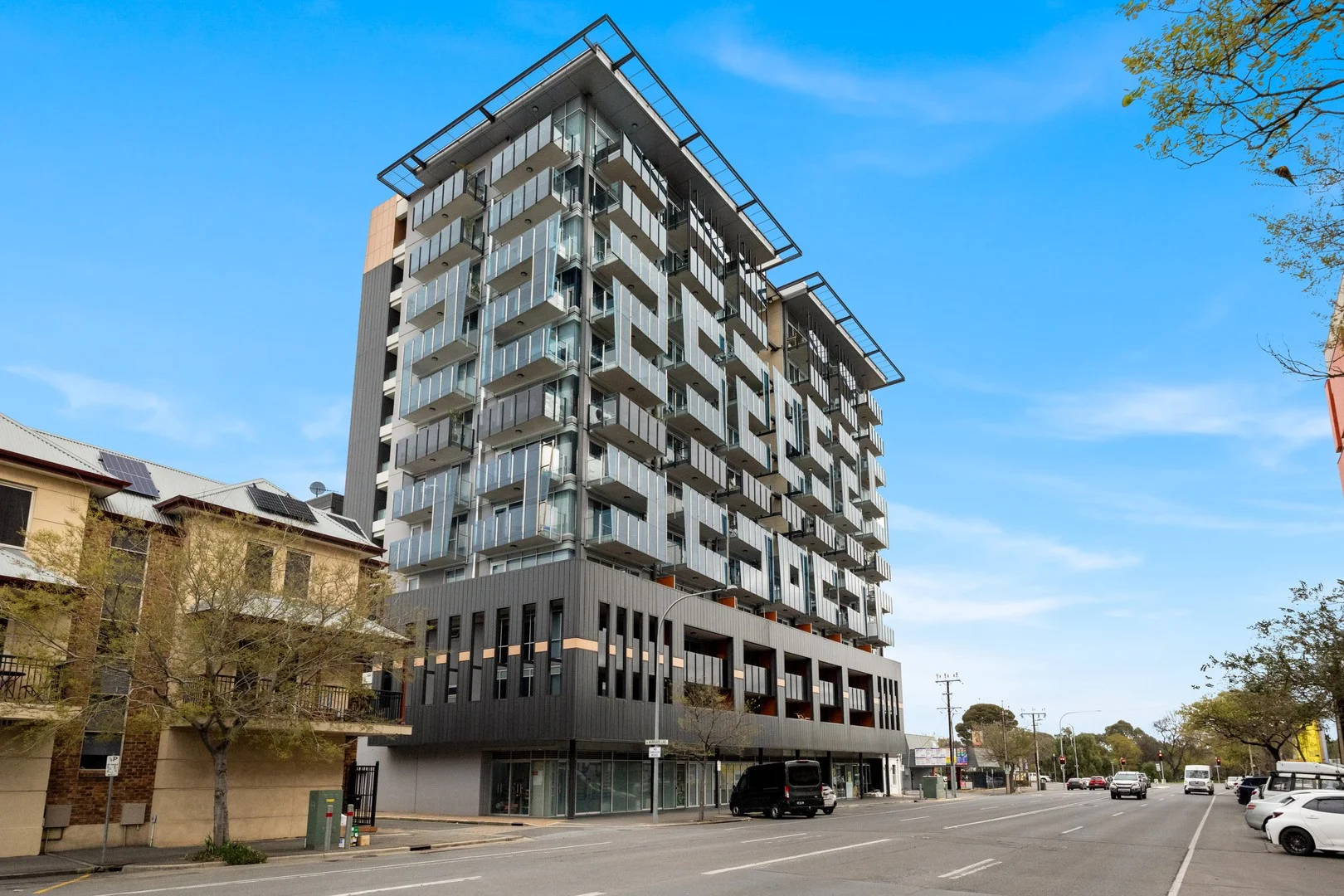 $1,100,000
Apartment / Unit / Flat
$1,100,000
Apartment / Unit / Flat
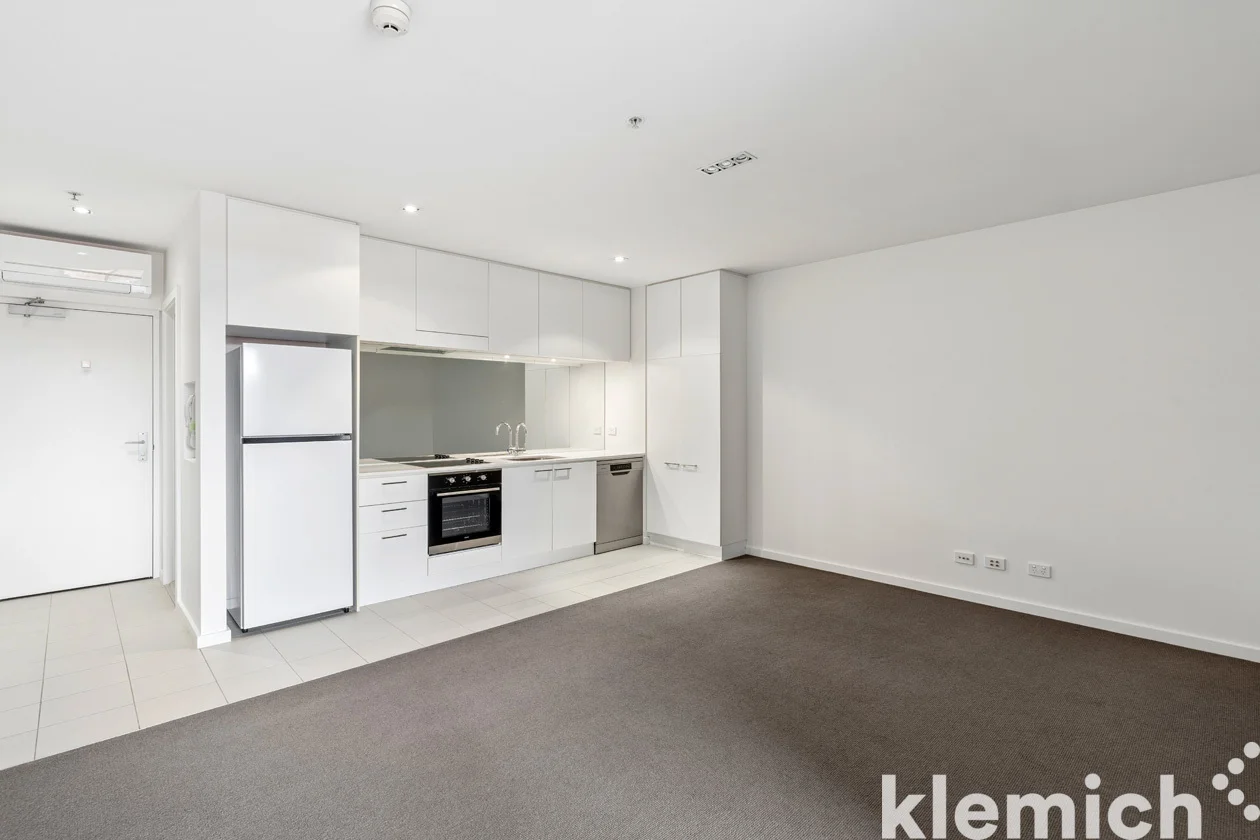 $440,000
Apartment / Unit / Flat
$440,000
Apartment / Unit / Flat
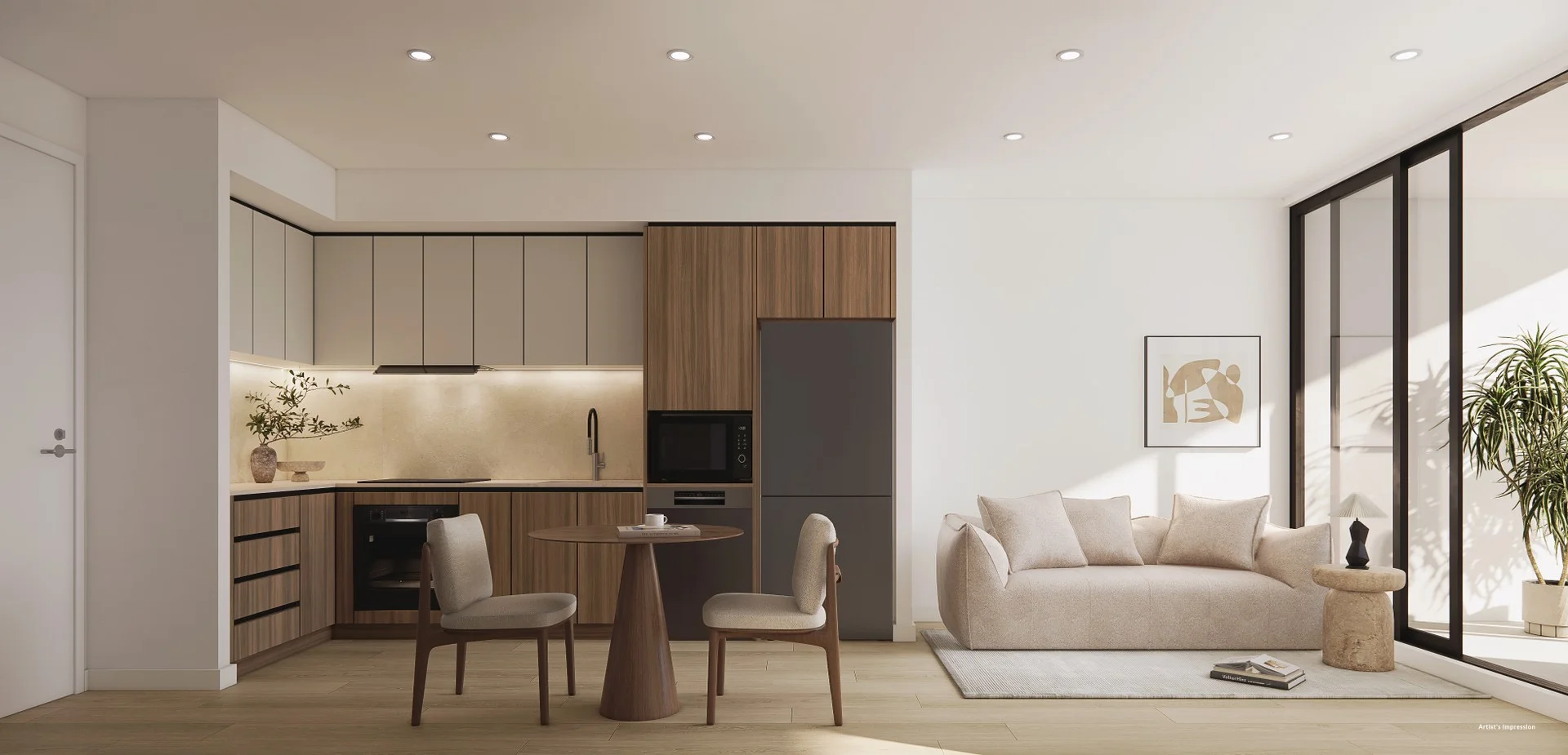 $588,000
Apartment / Unit / Flat
$588,000
Apartment / Unit / Flat
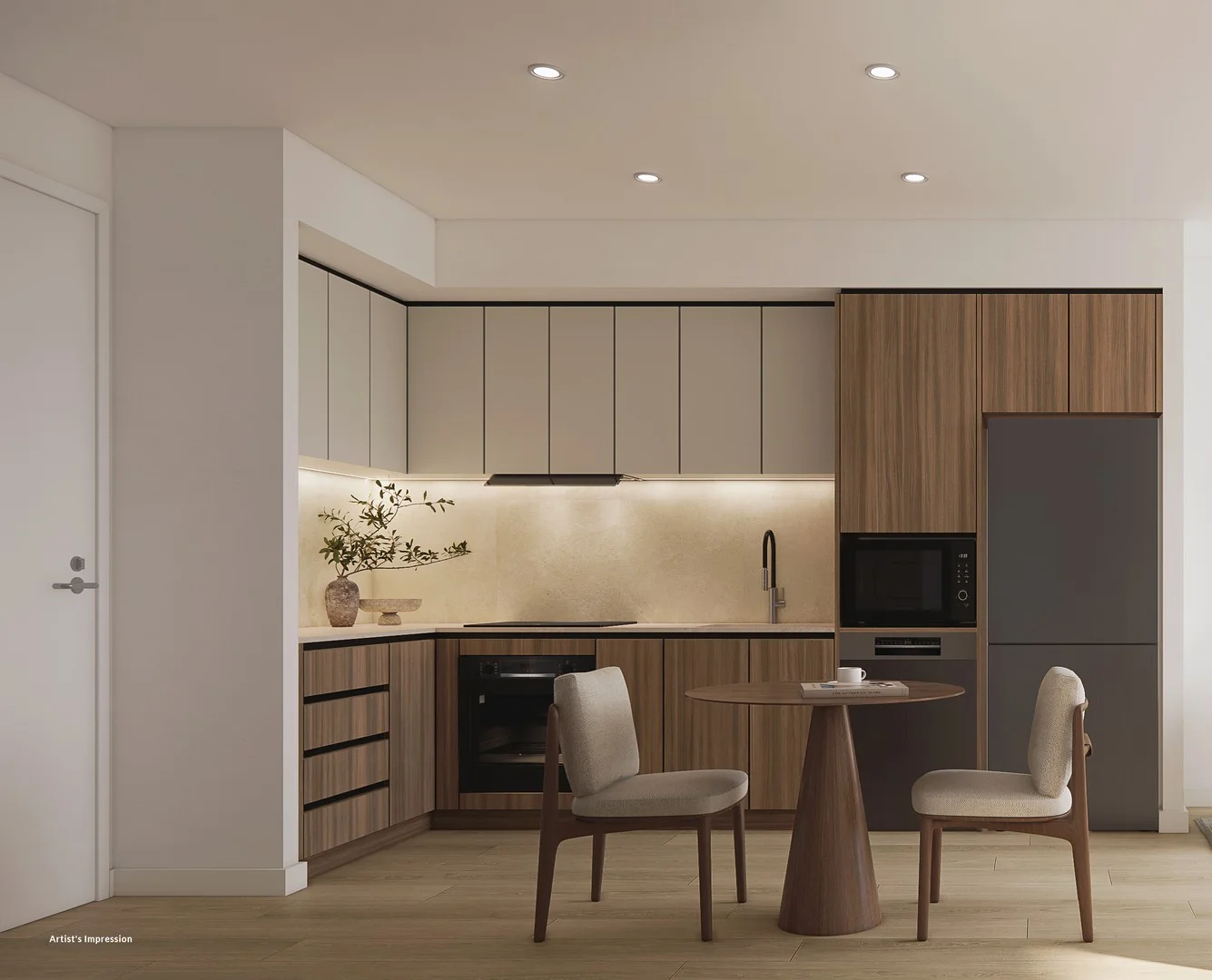 $557,000
Apartment / Unit / Flat
$557,000
Apartment / Unit / Flat
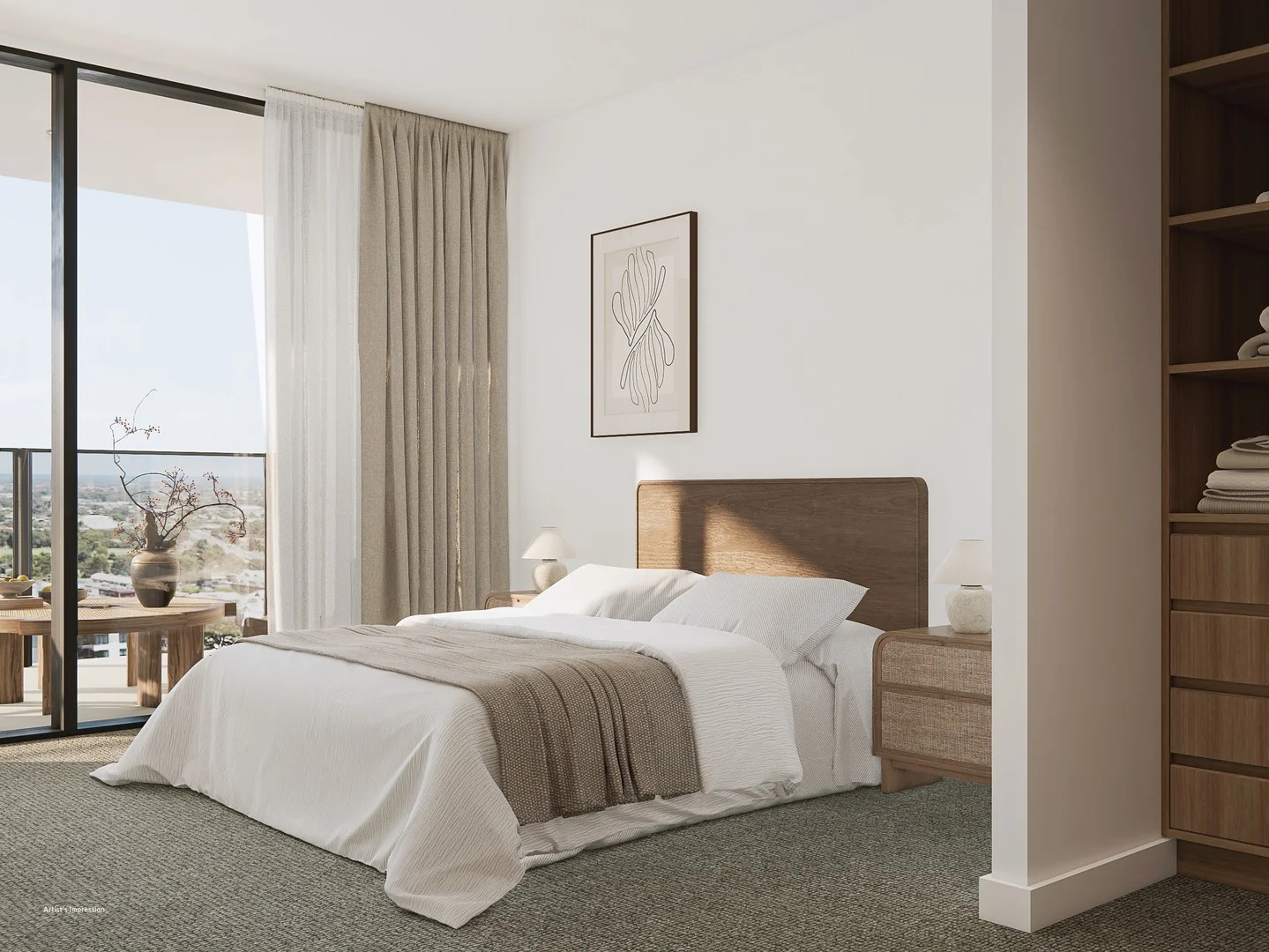 $935,000
Apartment / Unit / Flat
$935,000
Apartment / Unit / Flat
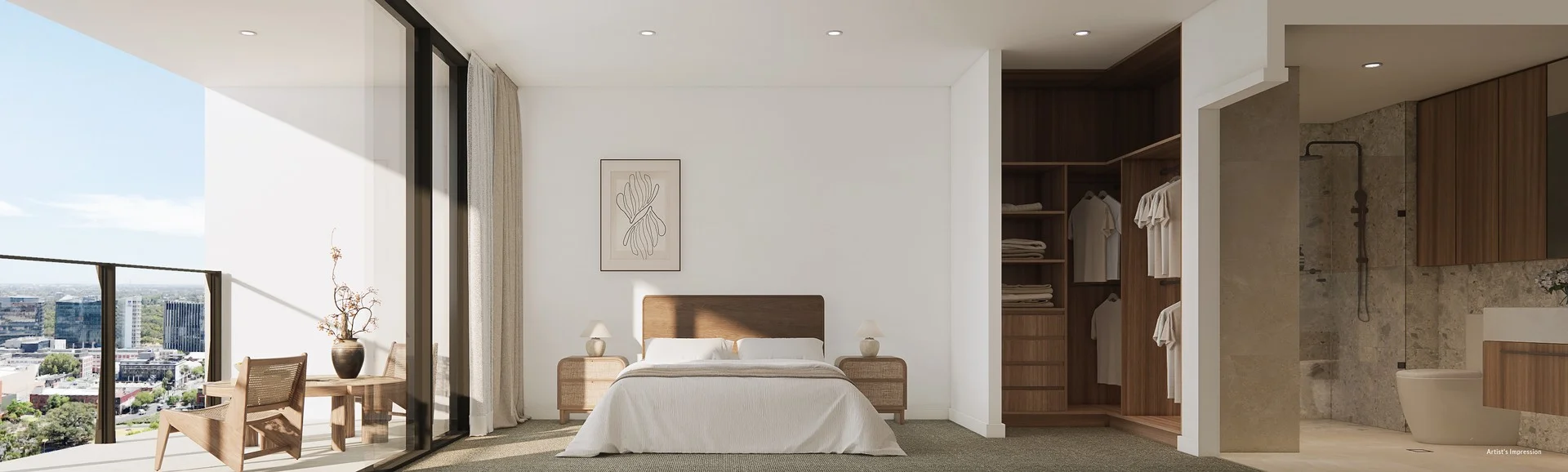 $1,056,000
Apartment / Unit / Flat
$1,056,000
Apartment / Unit / Flat
 $775,000
House
$775,000
House
 $545,000
Apartment / Unit / Flat
$545,000
Apartment / Unit / Flat