Overview
## 1. Overview
University Senior College (USC) is a public senior secondary college located in central Adelaide, offering Year 11 and Year 12 programs to prepare students for the South Australian Certificate of Education (SACE) and pathways to tertiary study. The college provides a broad range of subjects across STEM, humanities, languages, arts and physical education, with a strong focus on academic preparation and personal development.
- School type: Public
- School size: Large
- Class size: Typically 22–28 students per class
- Atmosphere/culture: Academic, diverse, inclusive, with a collaborative and supportive learning environment
USC emphasises a balanced senior-school experience, enabling students to customise their study plan while benefiting from structured pastoral support and pathways guidance.
---
## 2. Academics & Learning
USC supports a well-rounded senior schooling program designed to prepare students for tertiary study and careers.
- Academic strengths: Strong offerings in STEM and English, with robust humanities, languages, and digital media programs.
- Special programs: Gifted and Talented programs and opportunities for accelerated study in selected subjects; college-wide enrichment activities and leadership programs.
- NAPLAN / trends: The school tracks NAPLAN trends over time, focusing on literacy and numeracy improvements and targeted interventions where needed.
- Student-teacher ratios: Generally favorable ratios for class sizes (roughly 22–28 students per class) with teacher support aligned to subject areas.
- Support for diverse learners: EAL (English as an Additional Language) support, SEN/coordinated support plans, and targeted interventions to help students reach their individual goals.
USC aims to provide smooth subject progression, strong academic guidance, and targeted support to meet diverse learner needs.
---
## 3. Sports & Extracurricular Strengths
Extracurricular life is a key component, with opportunities across sport, arts and clubs.
- Sports offered: AFL, soccer, basketball, netball, cricket, tennis, athletics, swimming and more; competition through inter-school events and regional fixtures.
- Strong teams or achievements: Regular representation in regional competitions and school-level championships across several sports.
- Music, arts, drama: Active music ensembles, drama productions, choir and visual arts opportunities.
- Clubs: Robotics, coding, chess, debating, environmental clubs and other student-led activities.
- Partnerships: Connections with local sports academies, community clubs, and external competitions to extend opportunities.
This vibrant mix supports a range of interests, particularly for boys aged 10–14 and their evolving passions.
---
## 4. Wellbeing & Pastoral Care
A focus on wellbeing helps students feel secure, supported and ready to learn.
- Anti-bullying approach: Whole-school anti-bullying strategies with restorative practices and student-led initiatives.
- House system: House-based activities and competitions that foster belonging and positive peer networks.
- Counsellors / wellbeing officers: Access to qualified counsellors and wellbeing staff for academic and personal support.
- Transition support: Structured orientation for new students, buddy programs and family engagement to ease transitions between year levels.
The wellbeing framework aims to build trust, resilience and a positive school culture.
---
## 5. Facilities
Facilities are designed to support a modern senior school experience.
- Sports grounds: On-site sports facilities and courts for a range of activities.
- Libraries: Well-equipped library with study spaces and resource materials.
- Science labs: Modern laboratories for chemistry, physics, biology and related subjects.
- Music/performing arts centers: Rehearsal spaces and performance venues for music and drama.
- Tech/innovation labs: Computer labs, media suites and makerspaces for digital projects.
- Cafeteria: On-site canteen for meals and snacks.
- Updated playgrounds: Outdoor spaces and seating areas for breaks and socialising.
Facilities focus on readability, accessibility and versatile learning environments.
---
## 6. School Values & Community Culture
USC’s community is shaped by its values and leadership style.
- School values / mission: Commitment to academic excellence, integrity, inclusion and personal growth.
- Leadership style: Collaborative leadership with student voice in appropriate settings, supported by clear guidance from staff.
- Behaviour expectations: Consistent code of conduct, respectful interaction, and responsible decision-making.
- Community reputation: A known hub for engaged families seeking rigorous senior secondary education and broad subject choices.
- Diversity & inclusion: Active emphasis on inclusive practices and celebrating student diversity.
The culture emphasises respect, responsibility and high expectations.
---
## 7. School Logistics & Daily Operations
Practical information to help families plan.
- School hours: Typically aligned with standard school day timings; start and finish times published by the college each year.
- Before/after school care: Availability varies; information is provided to families and can involve on-site or partnered services.
- Uniform requirements: Uniform dress code for daily attendance; details provided by the college’s uniform policy.
- Transport: Bus routes and public transport access available; campus location is well served by city transit.
- Canteen availability: On-site canteen or food service options for students.
- Fees: Public schools generally have low to moderate fees; any additional costs for materials or activities are communicated each year.
Daily operations are designed to be straightforward for students and families, with clear communication channels.
---
## 8. Enrolment & Admissions
Key steps and timelines for enrolling.
11. What is the enrolment process and timeline?
- Applications are typically submitted during the annual enrolment period, with timelines published by the college. The process includes submitting required documentation and confirming place allocations.
12. Is there a waiting list, and how does it work?
- Waiting lists may apply when year levels are full. Applicants are prioritised by intake needs, eligibility, and sequence of application.
13. Are there any entry requirements, tests, or interviews?
- Entry requirements usually include current student records, proof of residency or eligibility, and may involve information sessions. Some programs may require interviews or auditions for specific emphasis areas.
14. Does the school accept mid-year transfers?
- Mid-year transfers are considered where space allows, with a streamlined process to integrate new students quickly.
Enrolment is guided by the college’s admissions team, with information and timelines published annually.
---
## 9. Frequently Asked Questions
- Why Parents Choose This School?
- Wide subject choice, strong academic pathways, supportive wellbeing systems, and opportunities across sports, arts and clubs.
- What type of student thrives at this school?
- Students who are motivated to study a broad senior curriculum, engage in co-curriculars, and benefit from supportive pastoral care.
- What opportunities are available for students to extend their skills (academics, sports, arts)?
- Accelerated or enriched subjects, leadership programs, clubs (robotics, coding, debating), sport teams, music and drama ensembles, and partnerships with local community groups.
- How does the school communicate with parents?
- Regular updates through newsletters, parent portals, and scheduled meetings; quick communications for important notices.
- What is the school’s approach to teaching and learning?
- A mix of teacher-led instruction, student-centred activities, and data-informed interventions to support all learners.
- How does the school support students who need extra academic help?
- Targeted tutoring, EAL/SEN support, small-group interventions, and additional resources within the timetable.
- What support is available for academic challenges?
- Access to counsellors, learning support staff, and targeted academic plans to help students reach their goals.
- How does the school communicate with parents? (see above)
- See above: newsletters, portals, meetings, and responsive channels for ongoing dialogue.
- What are the class sizes and how much individual attention do students receive?
- Typical class sizes are around 22–28 students, with teacher support and smaller guidance groups available in certain subjects or for interventions.
- What extracurricular and sports opportunities are available?
- A broad mix including AFL, soccer, basketball, netball, cricket, tennis, athletics, music, drama, robotics, coding, chess and debating clubs.
- What facilities does the school offer (sports, science, arts)?
- Sports grounds, libraries, science labs, music/performing arts centers, tech/innovation labs, cafeteria and updated outdoor spaces.
- What is the school’s approach to technology and digital learning?
- Integration of digital tools across the curriculum, computer labs and media suites to support modern learning and project-based work.
- What transport and accessibility options are available?
- City-based transport links with bus routes and public transit access; campus layouts consider accessibility for all students.
- What are typical school fees or additional costs?
- Public schools have low to moderate fees; some materials, trips or activities may incur additional costs, communicated at enrolment.
---
## 10. Short Pros & Cons list
- Pros
- Broad senior subject range and pathway flexibility
- Strong emphasis on academics with targeted student support
- Comprehensive wellbeing and pastoral care
- Active co-curricular program across sports, arts and clubs
- Inclusive, diverse school culture with community engagement
- Cons
- Large school size may mean fewer opportunities for highly personalised attention in some subjects
- Transport and timetable logistics can be complex due to city location
- Some extra costs for equipment, trips or optional programs may apply
If you’d like, I can tailor these sections further with more specific, up-to-date details from USC Adelaide’s official materials or school publications.









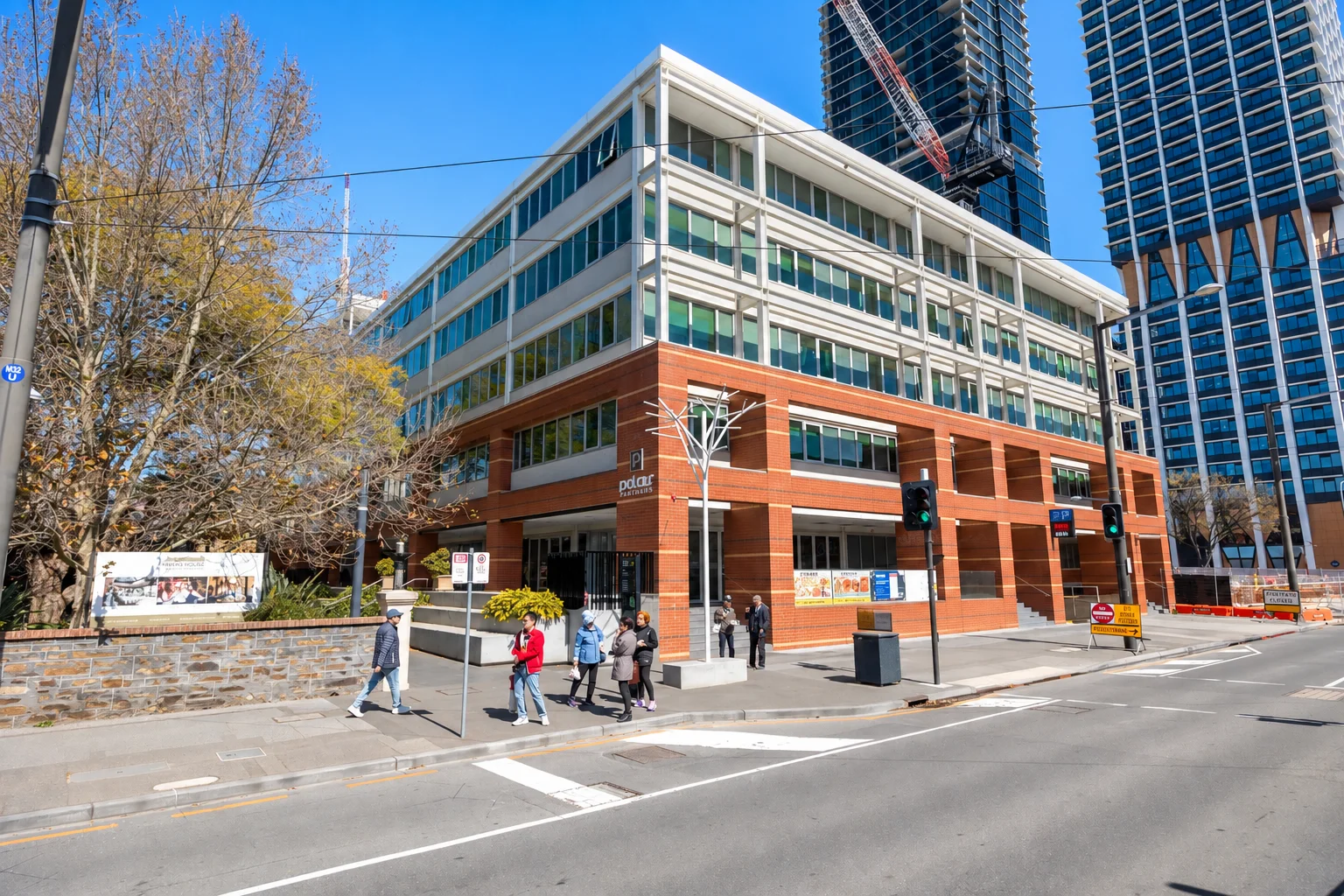 $545,000
Apartment / Unit / Flat
$545,000
Apartment / Unit / Flat
 $588,000
Apartment / Unit / Flat
$588,000
Apartment / Unit / Flat
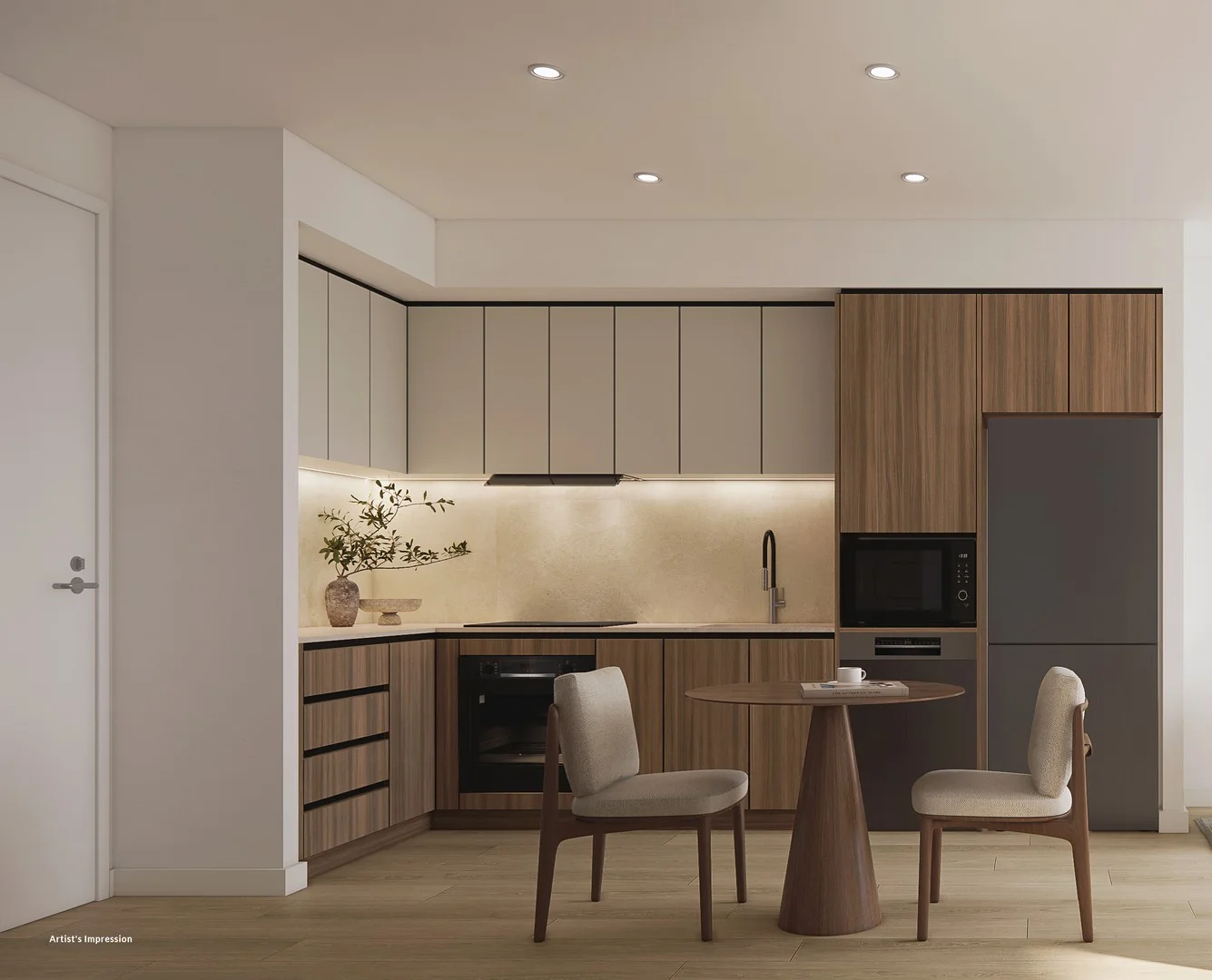 $557,000
Apartment / Unit / Flat
$557,000
Apartment / Unit / Flat
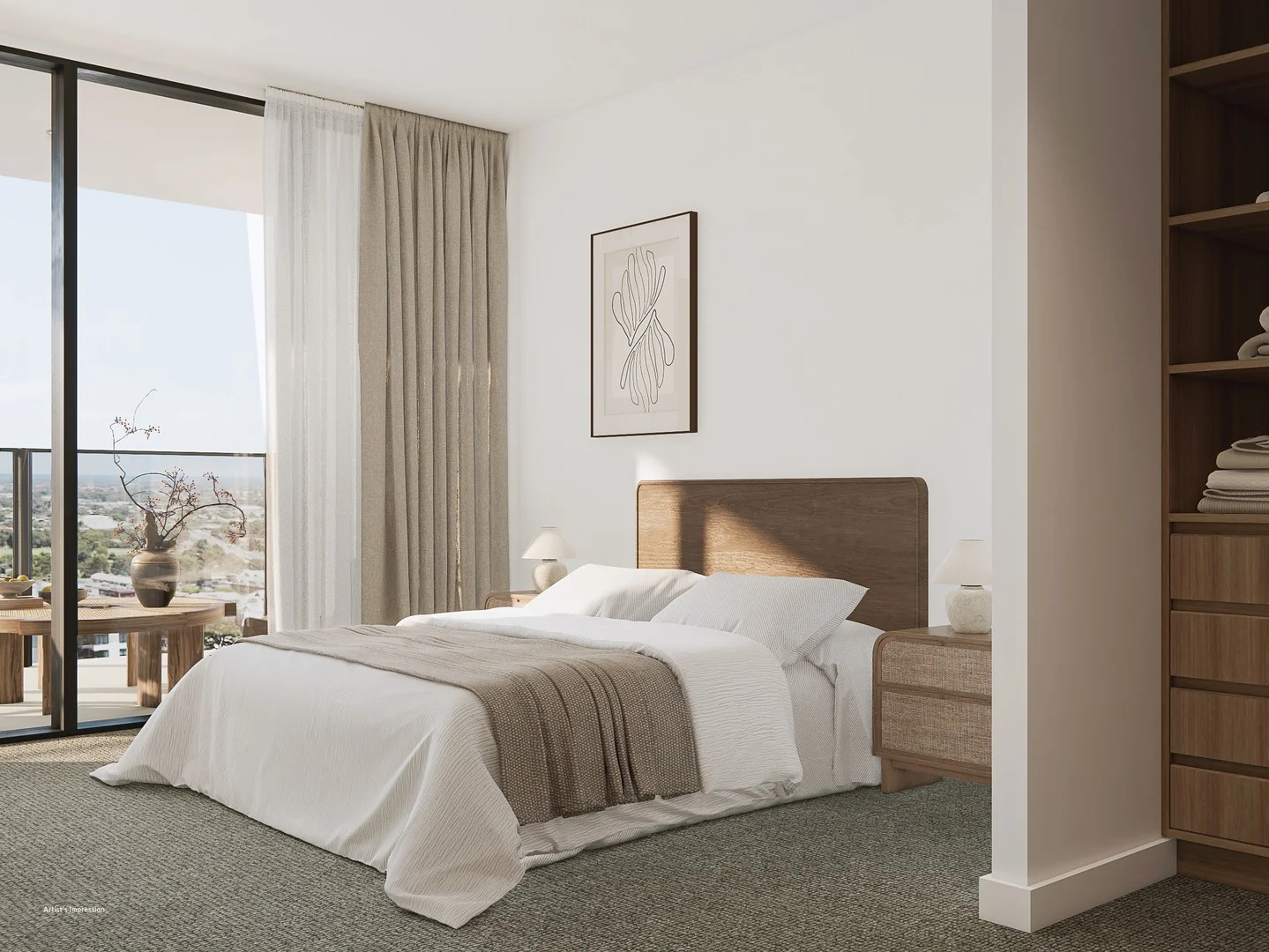 $935,000
Apartment / Unit / Flat
$935,000
Apartment / Unit / Flat
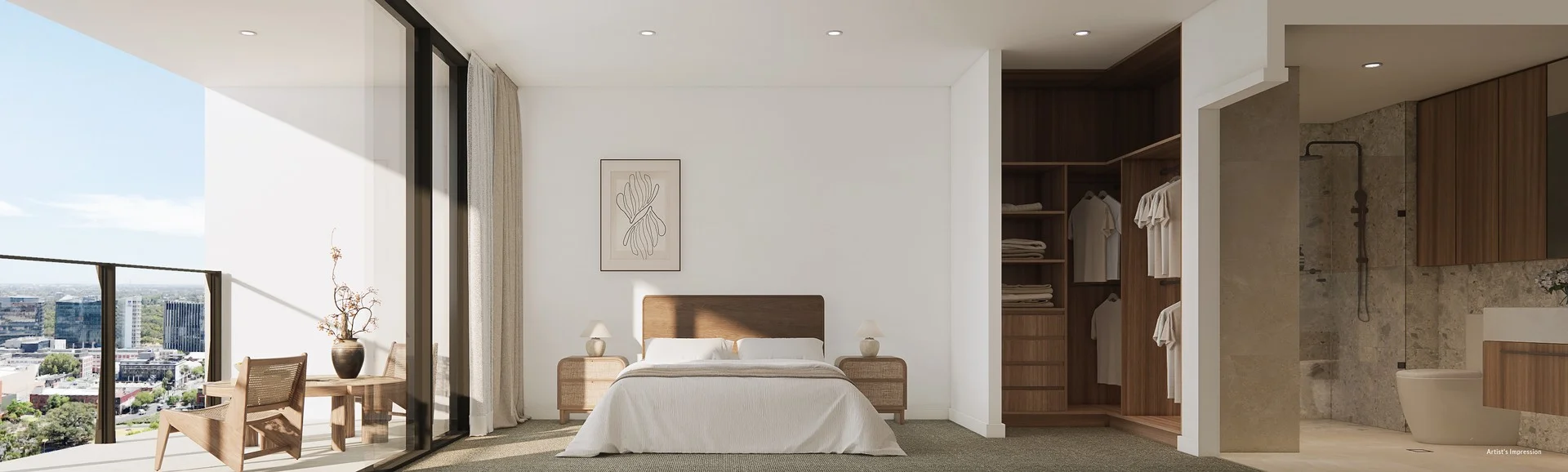 $1,056,000
Apartment / Unit / Flat
$1,056,000
Apartment / Unit / Flat
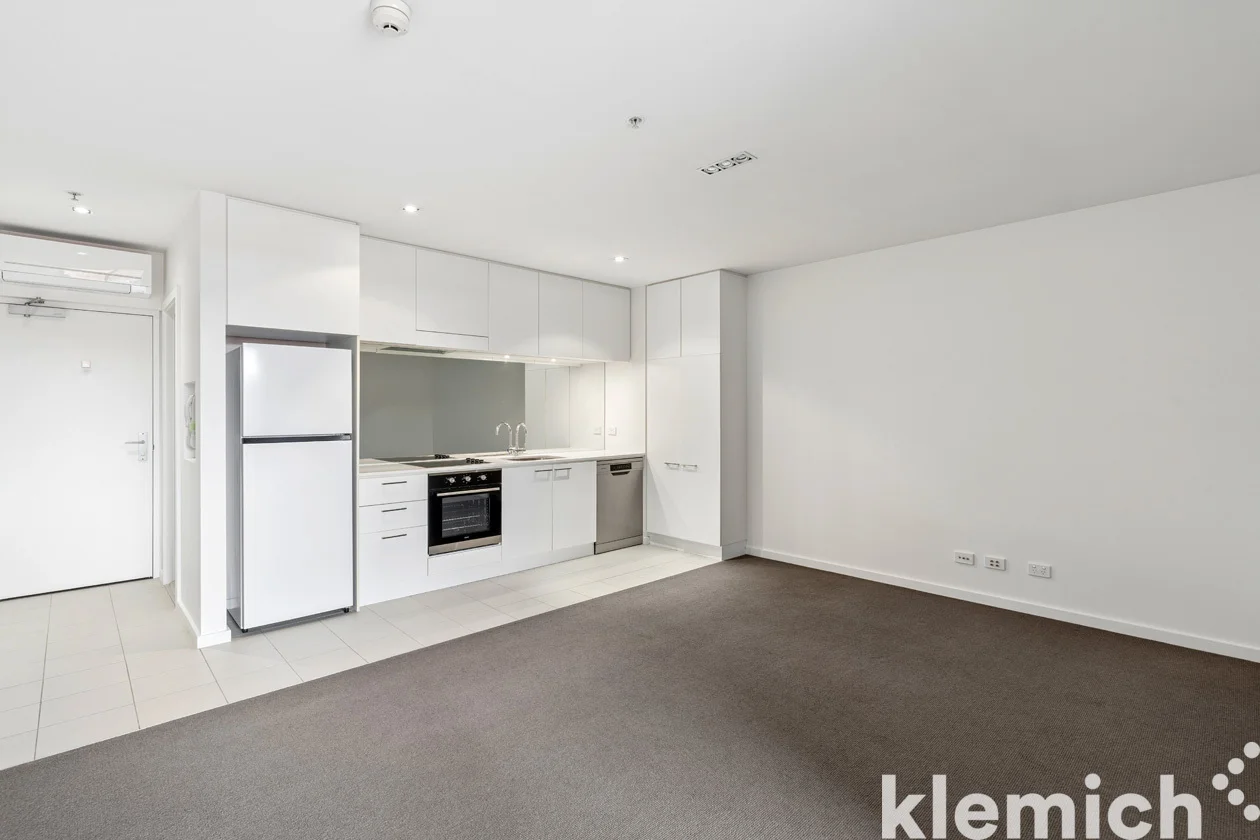 $440,000
Apartment / Unit / Flat
$440,000
Apartment / Unit / Flat
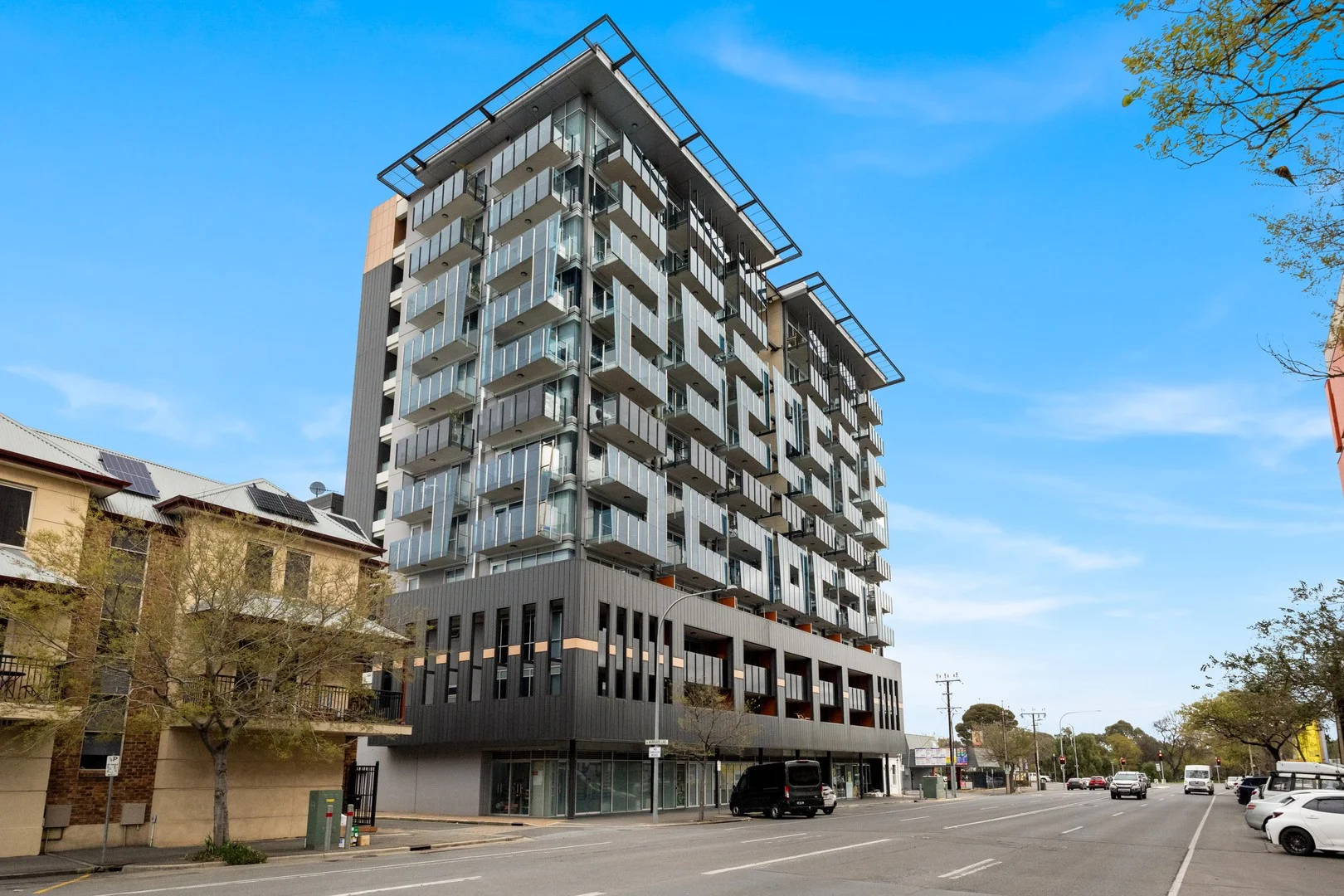 $1,100,000
Apartment / Unit / Flat
$1,100,000
Apartment / Unit / Flat
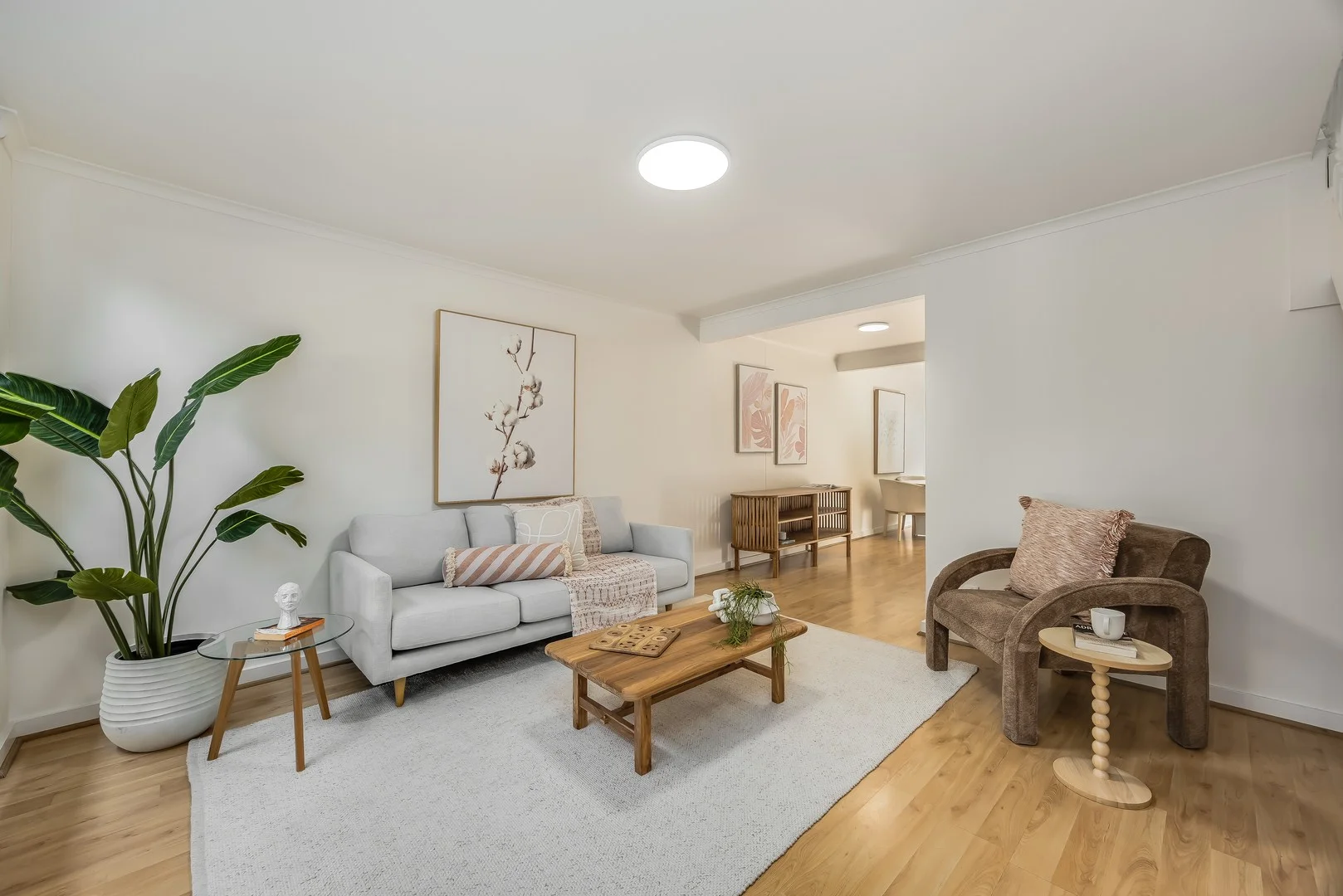 $775,000
House
$775,000
House