Overview
## 1. Overview
St John Vianney’s Primary School in Parkdale is a Catholic, co-educational primary school serving families in Melbourne’s southern suburbs. The school aims to provide a faith-centered education within a small-to-medium community setting, fostering a welcoming and inclusive atmosphere.
This school typically offers a medium-sized cohort with class sizes around 20–25 students. The culture is nurturing and supportive, with an emphasis on respectful relationships, community involvement, and a faith-informed approach to learning.
---
## 2. Academics & Learning
- Academic strengths: Strong foundations in literacy and numeracy, integrated religious education, and opportunities for digital literacy. STEM and creative problem-solving are encouraged through hands-on learning and inquiry-based activities.
- Special programs: Catholic faith formation is integral, with opportunities for involvement in sacramental programs and faith-based activities. Where available, gifted and talented provisions and enrichment options may be offered. Language learning and cross-curricular literacy support are commonly available.
- NAPLAN / trends: Trends typically show steady progress in literacy and numeracy over recent years, with ongoing focus on targeted improvements in key year groups. Schools track performance to inform teaching and support.
- Student-teacher ratios: Generally around 1:12–1:20, varying by year level and class allocation.
- Support for diverse learners: Inclusive education practices include EAL (English as an Additional Language) support, targeted literacy/numeracy interventions, and SEN (Special Educational Needs) assistance as part of student support plans.
---
## 3. Sports & Extracurricular Strengths
- Sports offered: A range of primary-level sports such as athletics, football (soccer), netball, basketball, cricket, and swimming participation in seasonally appropriate activities.
- Strong teams or achievements: Schools often participate in inter-school events and district-level competitions; success varies by year and cohort.
- Music, arts, drama programs: School choirs, music programs, and opportunities in drama and performances are commonly available.
- Clubs: Robotics, coding, chess, debating, and other activity clubs are typical options to extend learning beyond the classroom.
- Partnerships: Local inter-school partnerships and participation in regional competitions or festivals help broaden opportunities for students.
---
## 4. Wellbeing & Pastoral Care
- Anti-bullying approach: Schools emphasise a respectful culture and clear anti-bullying policies, with pastoral care strategies to promote safety and belonging.
- House system: A house-based framework often supports teamwork, school events, and leadership opportunities.
- Counsellors / wellbeing officers: Access to school-based wellbeing staff or counsellors to support student mental health and resilience.
- Transition support for new students: Orientation programs, buddy systems, and targeted support to help new students settle in smoothly.
---
## 5. Facilities
- Sports grounds: On-site playing fields and courts for outdoor physical activity.
- Libraries: A learning-focused library with collections to support literacy and research.
- Science labs: Dedicated spaces for hands-on science exploration and experiments.
- Music/performing arts centers: Facilities for music and drama, including rehearsal spaces.
- Tech/innovation labs: Computing and digital learning spaces to support technology education.
- Cafeteria: On-site canteen or cafeteria offering daily meals or snacks.
- Updated playgrounds: Modern outdoor play areas designed for safe, active play and interaction.
---
## 6. School Values & Community Culture
- School values / mission: A Catholic ethos emphasizing faith, service, respect, responsibility, and compassion within daily learning.
- Leadership style: Collaborative leadership with emphasis on student voice, teacher collaboration, and community involvement.
- Behaviour expectations: Clear standards for respect, responsibility, kindness, and integrity, supported by restorative practices where appropriate.
- Community reputation: Generally viewed as a supportive, faith-driven community focusing on holistic development.
- Diversity & inclusion: Commitment to inclusive practices and welcoming families from diverse backgrounds.
---
## 7. School Logistics & Daily Operations
- School hours: Typically morning start with a structured day ending in the afternoon; exact times vary by year level.
- Before/after school care: Often available through on-site or partner arrangements, with supervision before and after school.
- Uniform requirements: Standard school uniform policy (with designated clothing items); guidelines provided by the school.
- Transport (train/bus routes): Access via local transport; school may provide guidance on bus routes or vicinity of train stations and parking.
- Canteen availability: Canteen or canteen services typically available for snacks or lunch orders on certain days.
- Fees (low/medium/high ranges): Fees are generally in the mid-range for Catholic primary schools in the area, with known annual increases published by the school.
---
## 8. Enrolment & Admissions
11. What is the enrolment process and timeline?
- Inquiry and information session; submission of an application; family interview or meeting; assessment of placement and availability; notification of placement; enrolment confirmation and documentation. Timelines vary by intake period and year level.
12. Is there a waiting list, and how does it work?
- Waiting lists may operate when year-level capacity is reached. Offers are made as places become available, with preference often given to siblings and Catholic families in the parish, subject to policy and availability.
13. Are there any entry requirements, tests, or interviews?
- Most Catholic primary schools conduct family and student interviews or information sessions. There may be discussions about readiness, values alignment, and general readiness for school life; formal entrance tests are not universally required.
14. Does the school accept mid-year transfers?
- Mid-year transfers are considered if there is suitable placement and space. Families should contact the school early to discuss availability and the transfer process, including provision of previous school records and transitional support.
---
## 9. Frequently Asked Questions
- Why Parents Choose This School?
- A faith-based, nurturing environment with strong community values, solid academic foundations, and a focus on holistic development.
- What type of student thrives at this school?
- Students who value community, faith-based learning, supportive relationships, and opportunities to participate in a broad range of academics, arts, and sports.
- What opportunities are available for students to extend their skills (academics, sports, arts)?
- Enrichment in literacy and numeracy, STEM and digital learning, arts and drama, music programs, sports, and clubs such as robotics, coding, chess, and debating.
- How does the school communicate with parents?
- Regular newsletters, a parent portal or app, emails, parent-teacher meetings, and school events to keep families engaged and informed.
- What is the school’s approach to teaching and learning?
- Student-centered, differentiated instruction with a blend of traditional and modern approaches, inquiry-based learning, and integration of faith-informed perspectives.
- How does the school support students who need extra academic help?
- Targeted interventions, small-group support, EAL services, and SEN accommodations as part of individualized learning plans.
- What support is available for academic challenges?
- Access to learning support staff, progress monitoring, and referral to specialists as needed, along with collaboration with families.
- How does the school communicate with parents? (repeated)
- See above: newsletters, portals/apps, emails, meetings, and events.
- What are the class sizes and how much individual attention do students receive?
- Class sizes typically around 20–25 students with opportunities for targeted teacher attention and small-group support.
- What extracurricular and sports opportunities are available?
- A broad range of sports, arts, music, drama, and clubs such as robotics, coding, chess, and debating, with opportunities for inter-school events.
- What facilities does the school offer (sports, science, arts)?
- Sports grounds, libraries, science labs, music/performing arts facilities, technology/innovation spaces, canteen, and updated playgrounds.
- What is the school’s approach to technology and digital learning?
- Emphasis on digital literacy and responsible technology use, with access to devices and learning platforms to support curriculum.
- What transport and accessibility options are available?
- Local public transport options, guidance on bus/train routes, parking and drop-off zones, and accessible facilities as appropriate.
- What are the typical school fees or additional costs?
- Fees are usually mid-range for Catholic primary schools, with annual charges for tuition, books, activities, and occasional levies disclosed by the school.
---
## 10. Short Pros & Cons list
- Pros
- Strong Catholic ethos and values-based approach
- Nurturing, inclusive culture with a focus on community
- Solid academic foundation with emphasis on literacy, numeracy, and faith-based learning
- Broad range of extracurriculars, sports, arts, and clubs
- Supportive wellbeing and pastoral care; transition support for new students
- Cons
- Limited to medium-sized school environment; preferences may vary for those seeking very large or very specialized programs
- Fees typical of Catholic primary schools; families should review annual fee schedules
- Availability of certain enrichment programs can vary by year level and cohort
- Transport options depend on local routes and proximity; some families may rely on car travel for drop-off/pick-up










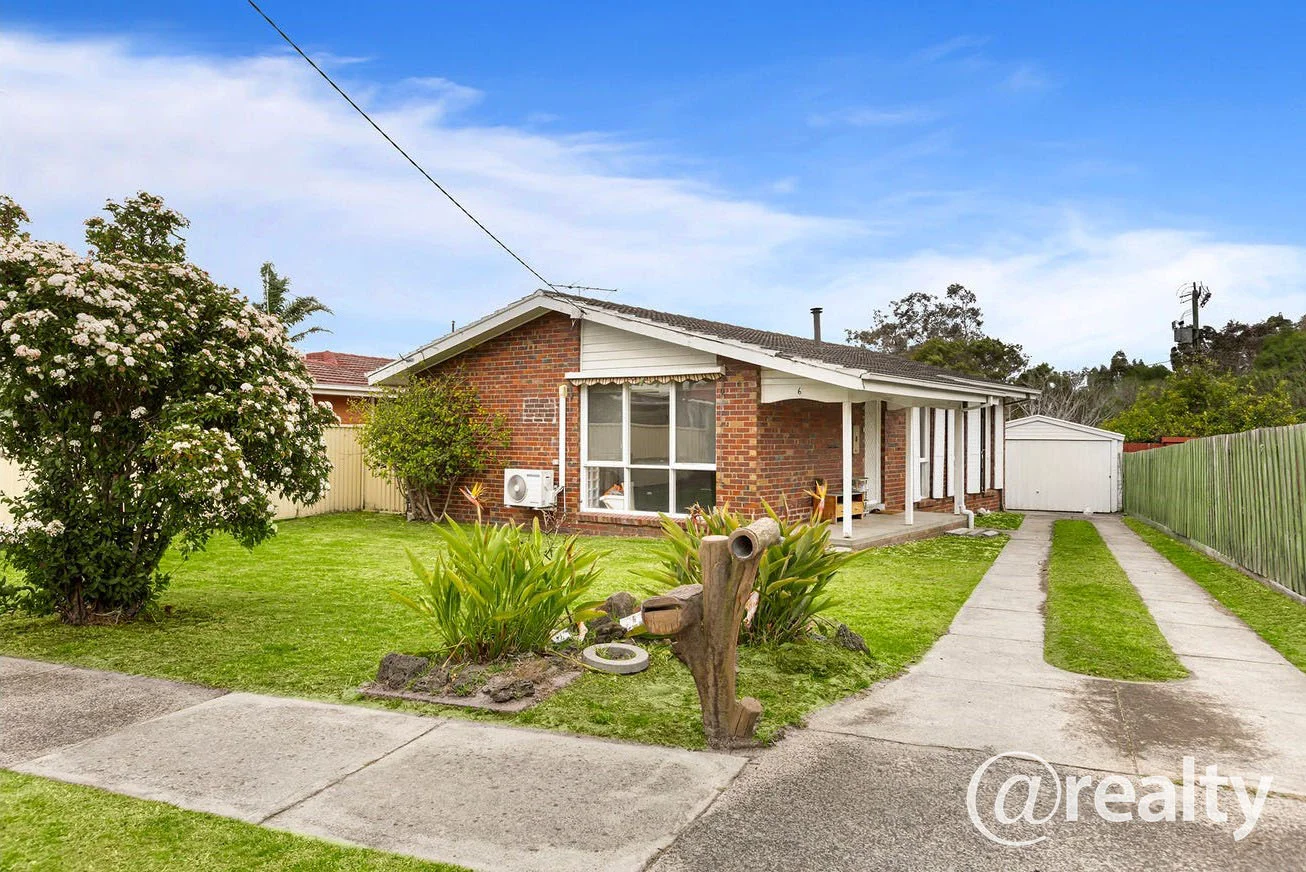 $610
House
$610
House
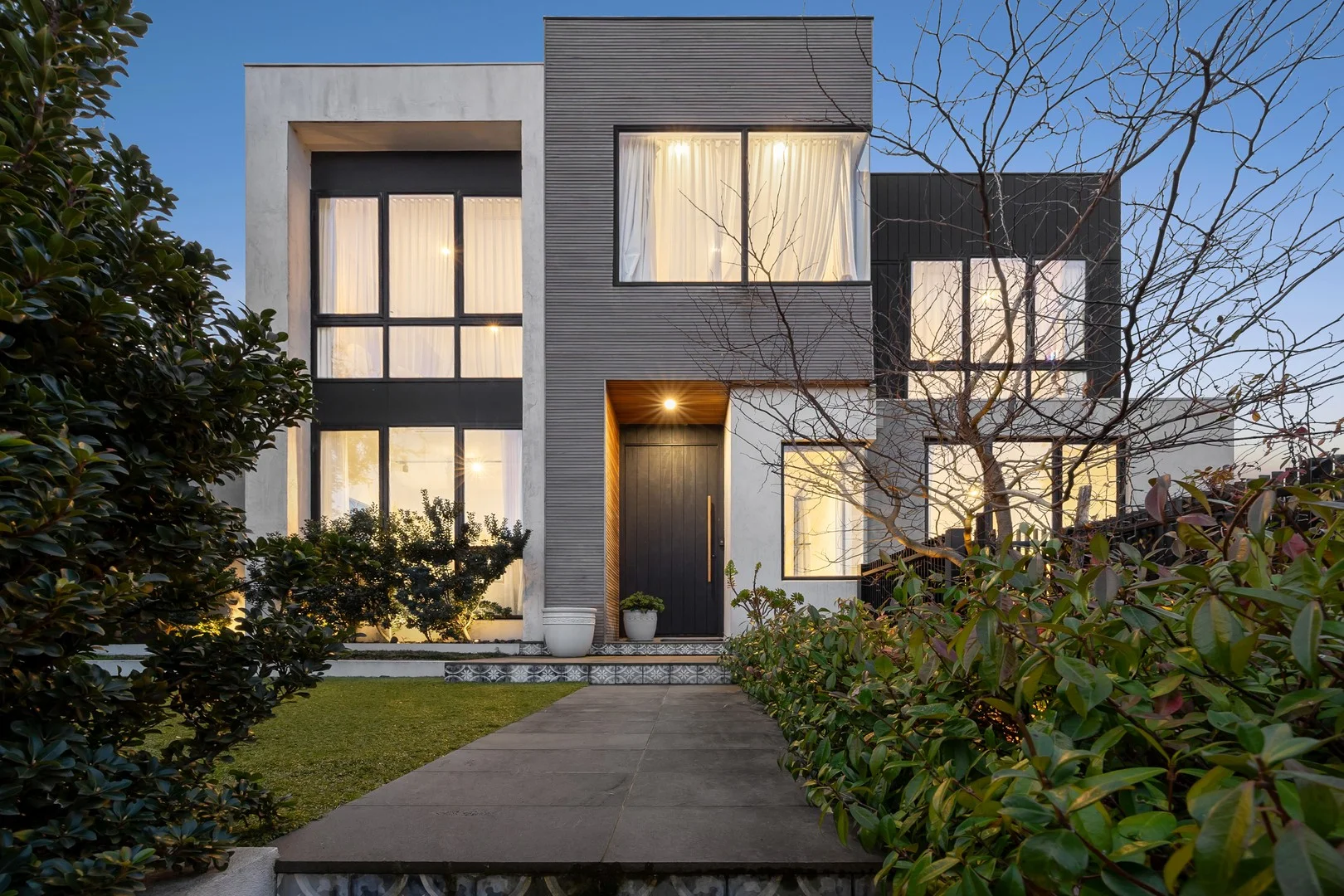 $4,200,000
House
$4,200,000
House
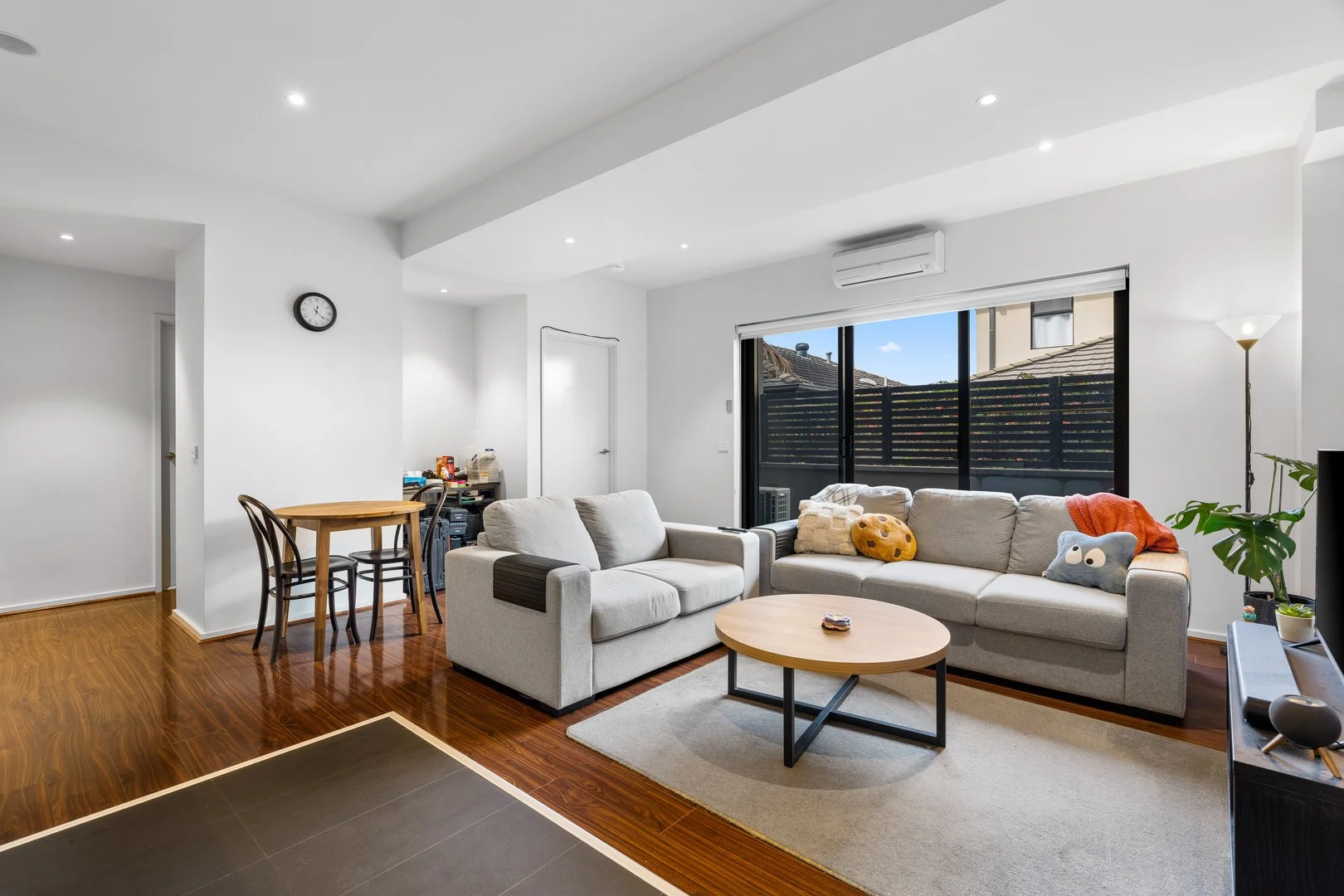 $385,000 - $410,000
Apartment / Unit / Flat
$385,000 - $410,000
Apartment / Unit / Flat
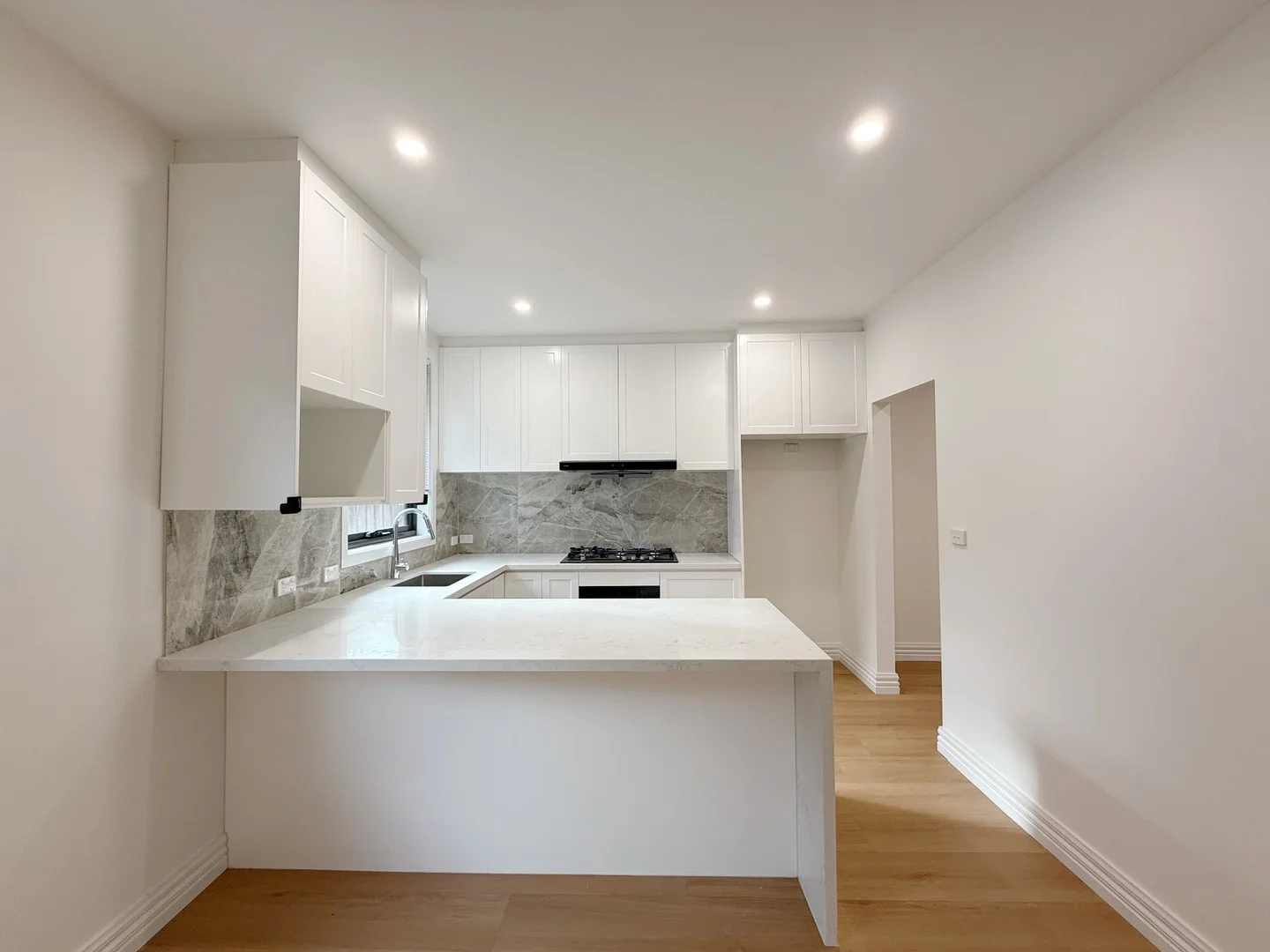 $1,280
House
$1,280
House
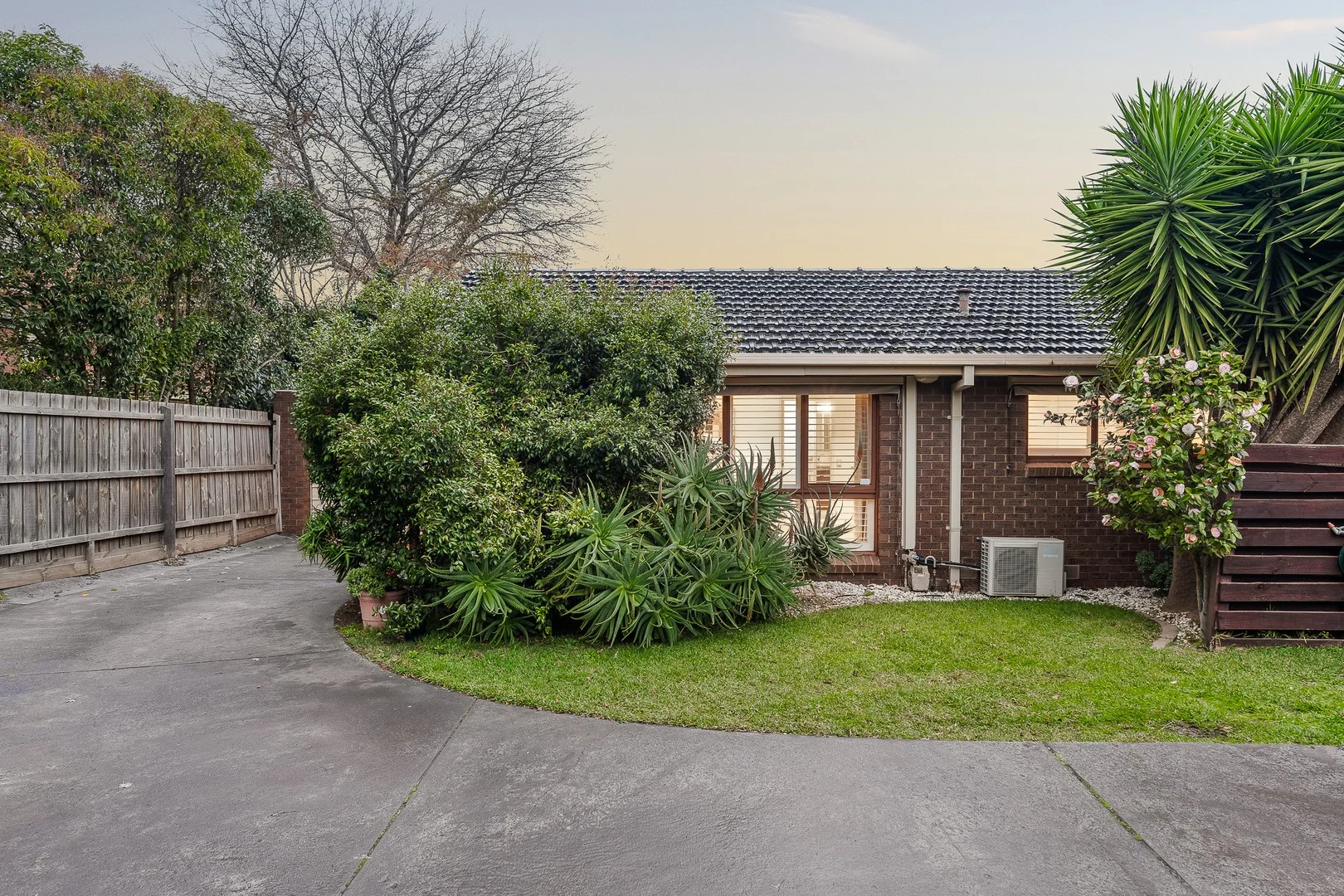 $770,000 - $820,000
Apartment / Unit / Flat
$770,000 - $820,000
Apartment / Unit / Flat