## 1. Overview
St Patrick’s Parish Primary School, Mentone, is a Catholic primary school catering to families seeking a faith-informed, community-focused education. The school combines a nurturing environment with a strong academic program, helping students grow in resilience, curiosity and service to others. Class sizes aim to be manageable for individual attention, creating an atmosphere that balances academic rigour with pastoral care.
School type: Catholic
School size: Medium
Class size: Generally around 20–24 students per class
Atmosphere/culture: Nurturing, inclusive, faith-based, community-oriented
---
## 2. Academics & Learning
Academic strengths include literacy and numeracy foundations, with a developing emphasis on STEM concepts and digital literacy integrated across year levels. English and mathematics are prioritized to build strong reading, writing and problem-solving skills, while science and inquiry-based learning foster curiosity. The school also emphasises faith formation as part of the learning journey, promoting values such as respect, responsibility and service.
Special programs: Catholic identity integrated across the curriculum, opportunities for student leadership, choir/music programs, and access to enrichment or accelerated pathways where appropriate.
NAPLAN / Ofsted trends: Consistent year-to-year progress with positive trends in reading and numeracy; school reports typically show steady improvement and strong growth in key literacy and numeracy measures.
Student-teacher ratios: Approximately 1:12–1:22 depending on year level and class configuration.
Support for diverse learners: EAL support where needed, learning support for students with SEN, and targeted interventions to assist students requiring extra help.
---
## 3. Sports & Extracurricular Strengths
Sports offered: AFL-inspired activities, netball, cricket, basketball, athletics, swimming, and general fitness programs. The school participates in local and district competitions where available.
Strong teams or achievements: Active participation in inter-school events with a culture of teamwork and fair play; emphasis on development and participation alongside achievement.
Music, arts, drama programs: School choir, instrumental programs (where available), school productions and regular performing arts activities to showcase student creativity.
Clubs: Robotics, coding, chess, debating, and other computer/cognition clubs; opportunities to engage in problem-solving and teamwork.
Partnerships: Connections with local sporting clubs and community organizations to extend opportunities; involvement in regional competitions and diocesan events where feasible.
---
## 4. Wellbeing & Pastoral Care
Anti-bullying approach: Proactive anti-bullying policies and continuing wellbeing education; emphasis on respect, empathy and positive relationships.
House system: House-based activities and gatherings to foster belonging, leadership and healthy competition.
Counsellors / wellbeing officers: Access to school wellbeing staff or a designated counsellor to support students’ emotional and social needs.
Transition support for new students: Orientation programs, buddy systems and targeted onboarding to help new families settle in smoothly.
---
## 5. Facilities
- Sports grounds: On-site courts and fields for a range of physical activities.
- Libraries: A well-stocked library supporting reading for pleasure and research.
- Science labs: Practical science space for experiments and inquiry-based learning.
- Music/performing arts centers: Space and resources for music education and performances.
- Tech/innovation labs: Digital classrooms and access to coding/tech resources.
- Cafeteria: On-site canteen or lunch facilities supporting healthy meals.
- Updated playgrounds: Safe, engaging outdoor play areas with age-appropriate equipment.
---
## 6. School Values & Community Culture
- School values / mission: Catholic education grounded in faith, service, respect and community; emphasis on character development alongside academic progress.
- Leadership style: Collaborative leadership with opportunities for student voice and leadership roles.
- Behaviour expectations: Clear expectations around respect, responsibility and kindness; consistent positive-behaviour supports.
- Community reputation: Family-focused, welcoming environment with active parent involvement and community partnerships.
- Diversity & inclusion: Inclusive culture that welcomes families from diverse backgrounds and works to support all learners within the Catholic ethos.
---
## 7. School Logistics & Daily Operations
- School hours: Typical primary school hours with an emphasis on a full school day; exact times communicated at enrolment.
- Before/after school care: OSHC or equivalent programs available to families needing wrap-around care.
- Uniform requirements: School uniform policy with seasonal options; hats or sun protection as required; details provided on enrolment.
- Transport (train/bus routes): Access to local public transport options and drop-off/pick-up procedures; bike racks and safe access for students.
- Canteen availability: On-site canteen or lunch program operating on select days.
- Fees (low/medium/high ranges): Fees and charges are outlined in the enrolment documentation; typically described as moderate with additional costs for excursions or activities.
---
## 8. Enrolment & Admissions
11. What is the enrolment process and timeline?
- Expressions of interest and initial information sessions.
- Submission of enrolment application with required documentation.
- Family interview or meeting with staff to discuss fit, learning needs and faith formation.
- Confirmation of placement and orientation planning for new students.
- Timeline varies by intake; timelines are published in the school’s enrolment information and communicated at the time of application.
12. Is there a waiting list, and how does it work?
- Yes, there is often a waiting list when year levels reach capacity.
- The waiting list is typically managed by date of application and availability of places; families may be contacted as spaces become available.
13. Are there any entry requirements, tests, or interviews?
- Generally, no high-stakes entrance tests for primary years; instead, a family interview and intake discussion to understand needs and values alignment.
- In some cases, there may be discussions about readiness for school programs or SEN considerations; baptism or Catholic parish involvement may be requested but is not always mandatory.
14. Does the school accept mid-year transfers?
- Yes, subject to vacancy and completion of required documentation; mid-year transfers are considered based on space and alignment with the year group’s program.
---
## 9. Frequently Ask Questions
- Why Parents Choose This School?
- A faith-based community that prioritizes values, pastoral care, strong literacy and numeracy foundations, and opportunities to participate in a broad range of programs and activities.
- What type of student thrives at this school?
- Students who value a supportive, faith-infused environment, active participation in school life, and a balance of academics, sports, arts and service.
- What opportunities are available for students to extend their skills (academics, sports, arts)?
- Literacy and numeracy enrichment, STEM and digital learning, school music/theatre opportunities, sports programs and inter-school events, and clubs such as robotics, coding and debating.
- How does the school communicate with parents?
- Regular newsletters, parent portals, email updates, parent-teacher meetings, and information evenings; direct lines to teachers and leadership when needed.
- What is the school’s approach to teaching and learning?
- Differentiated instruction within a Catholic framework; emphasis on inquiry, critical thinking, collaboration and real-world application.
- How does the school support students who need extra academic help?
- Targeted interventions, learning support plans, EAL assistance, and collaboration with families to implement appropriate strategies.
- What support is available for academic challenges?
- Access to a designated support team, time-limited interventions, and ongoing monitoring of progress; referral pathways to additional services if required.
- How does the school communicate with parents? (Repeated)
- See above: newsletters, portal, meetings, and direct contacts.
- What are the class sizes and how much individual attention do students receive?
- Typical class sizes around 20–24 students, with teachers differentiating instruction and offering targeted supports to individual needs.
- What extracurricular and sports opportunities are available?
- A range of sports (team and fitness activities), music/theatre programs, and clubs such as robotics, coding, chess and debating.
- What facilities does the school offer (sports, science, arts)?
- Sports grounds, libraries, science labs, music/arts spaces, tech/innovation labs, canteen, and well-maintained playgrounds.
- What is the school’s approach to technology and digital learning?
- Integrated digital literacy across the curriculum, use of appropriate devices and software, safety education and responsible use policies.
- What transport and accessibility options are available?
- Access to local bus/train networks, drop-off/pick-up arrangements, bike racks and accessibility considerations for families.
- What are the typical school fees or additional costs?
- Fee schedules are provided at enrolment and include tuition/levies; additional costs may include excursions, camps, uniform and activities.
---
## 10. Short Pros & Cons list
Pros
- Catholic, values-driven education with strong pastoral care
- Medium-sized, community-focused environment
- Balanced emphasis on academics, arts, sport and leadership
- Clear anti-bullying stance and strong wellbeing support
- Active parent involvement and supportive school community
- Range of clubs and extracurricular opportunities
- Modern facilities supporting learning across disciplines
Cons
- Religious alignment may not suit all families
- Class sizes are larger in some year levels; individual attention can vary by year
- Availability of places may lead to waiting lists in popular intake years
- Transport options depend on local networks and may require planning
- Some enrichment programs may have additional costs or usage requirements
If you’d like, I can tailor this content further with any known specifics from the school’s latest prospectus or enrolment information, or adjust emphasis to match particular parent audience segments.
 $25+
$25+













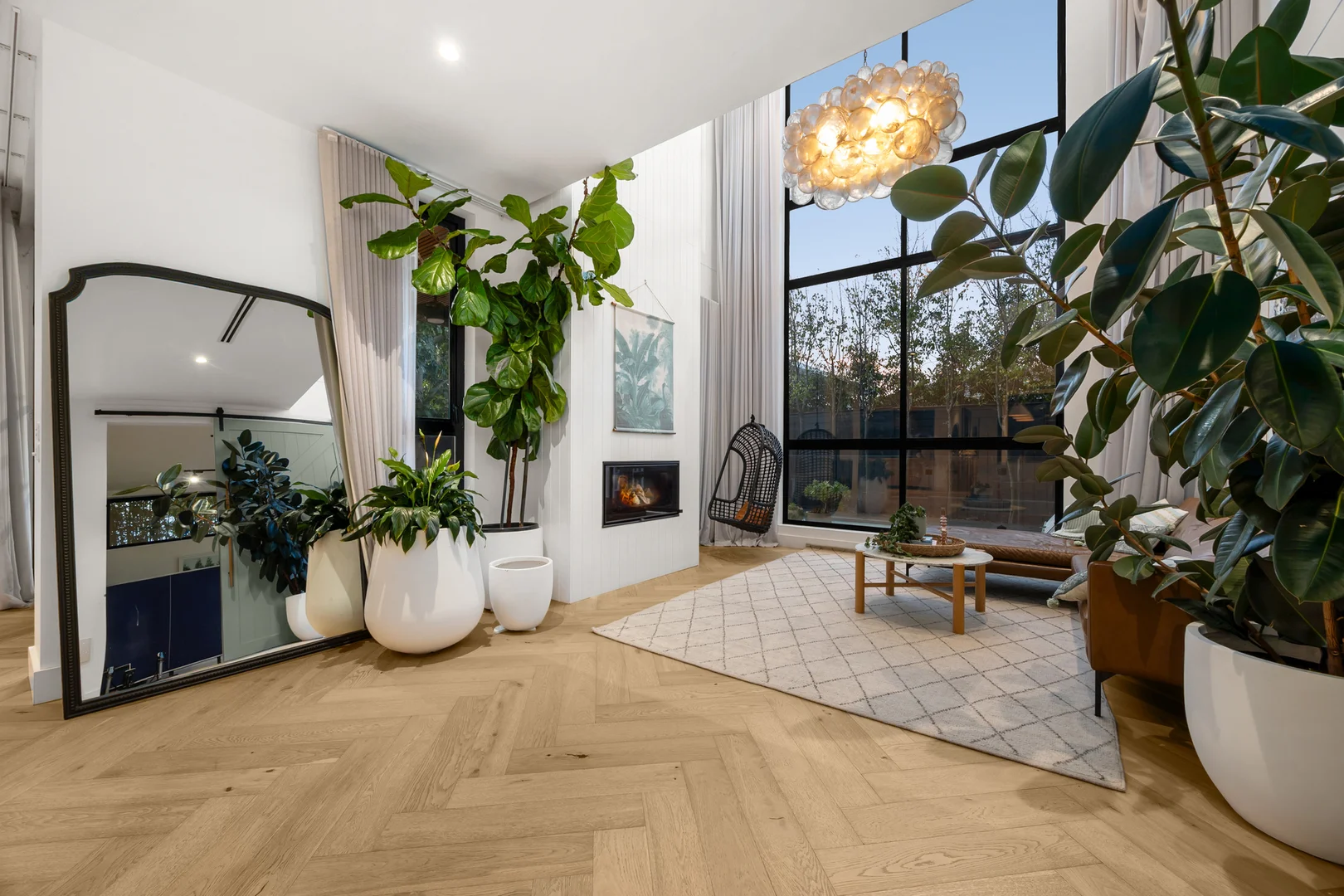 $3,300,000
House
$3,300,000
House
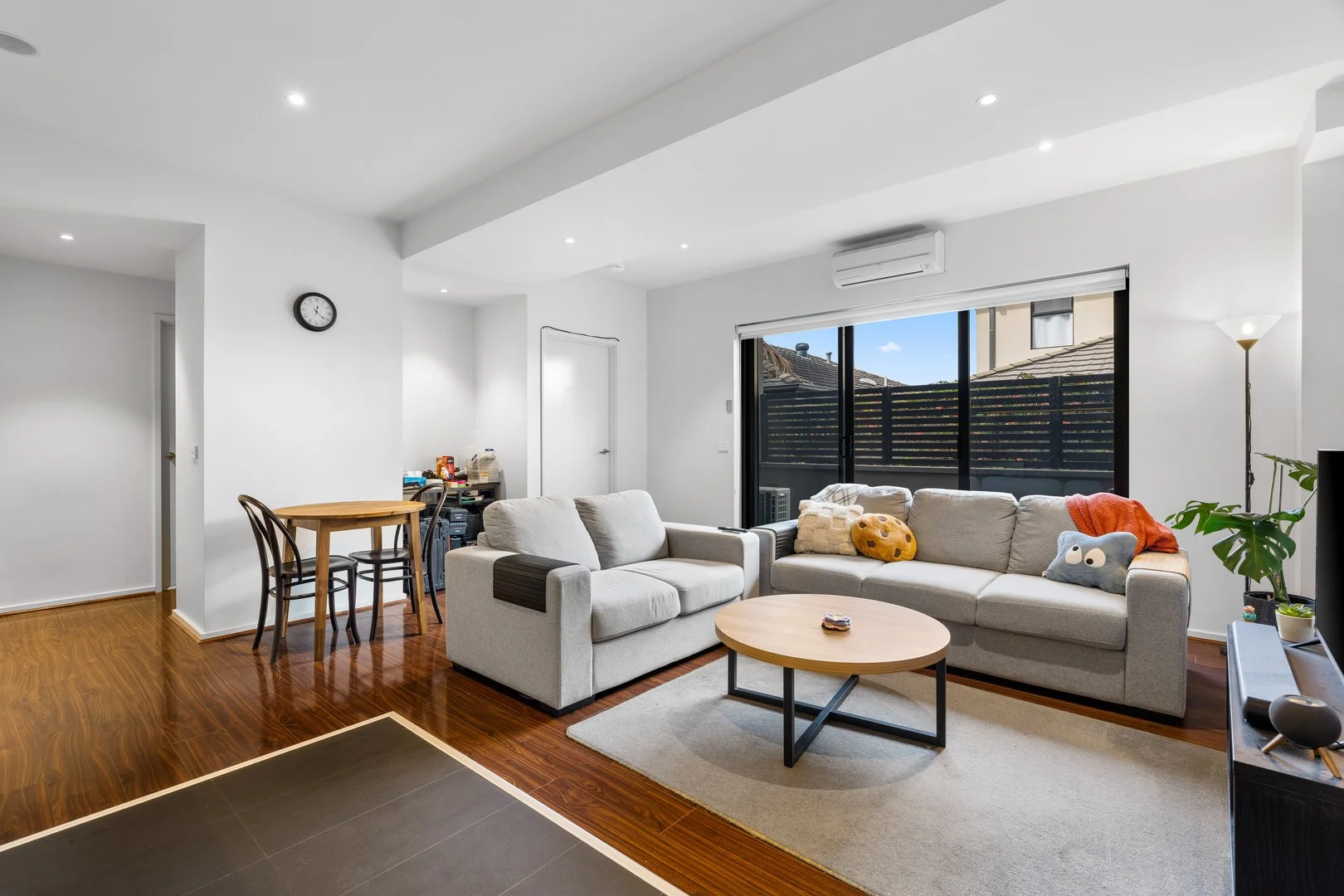 $385,000 - $410,000
Apartment / Unit / Flat
$385,000 - $410,000
Apartment / Unit / Flat
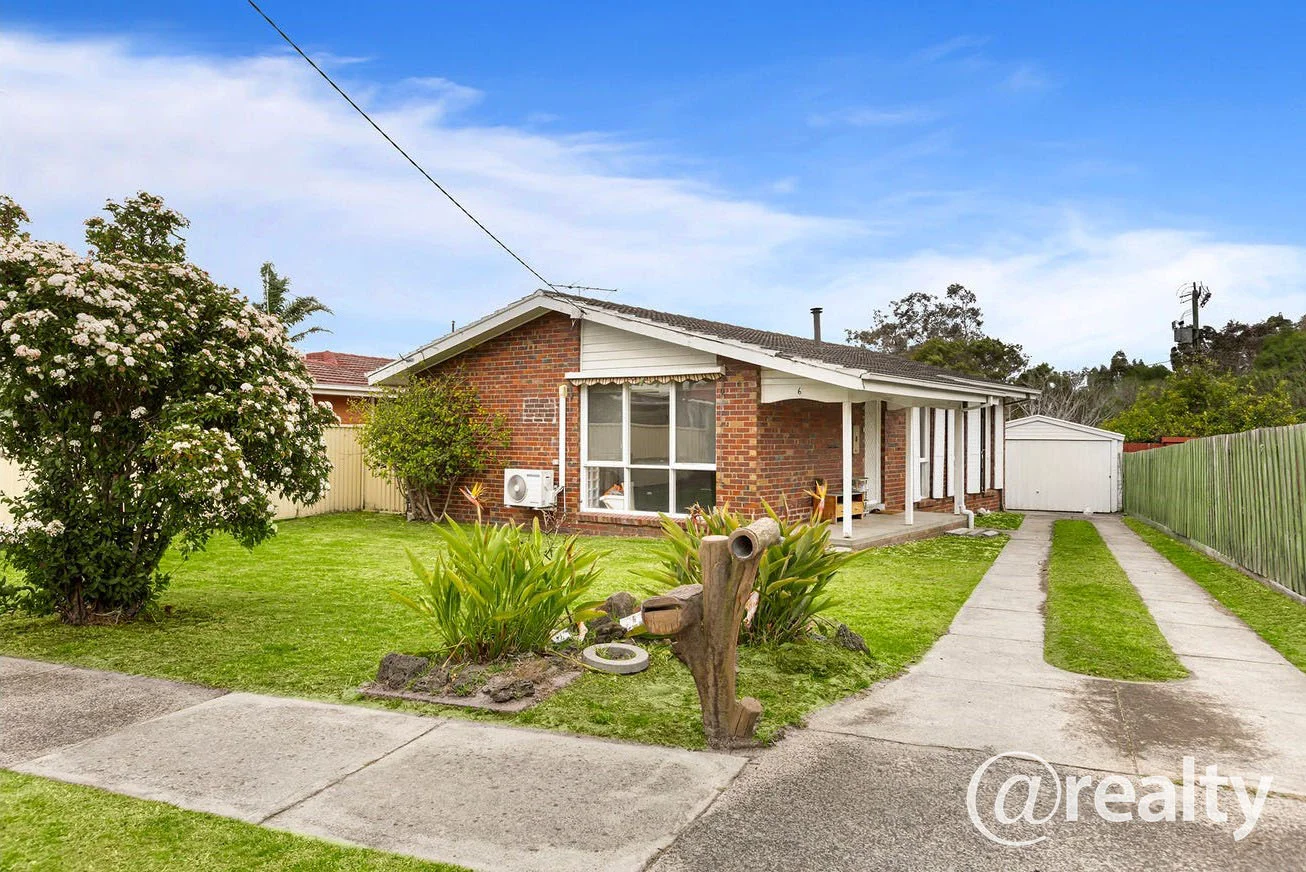 $610
House
$610
House
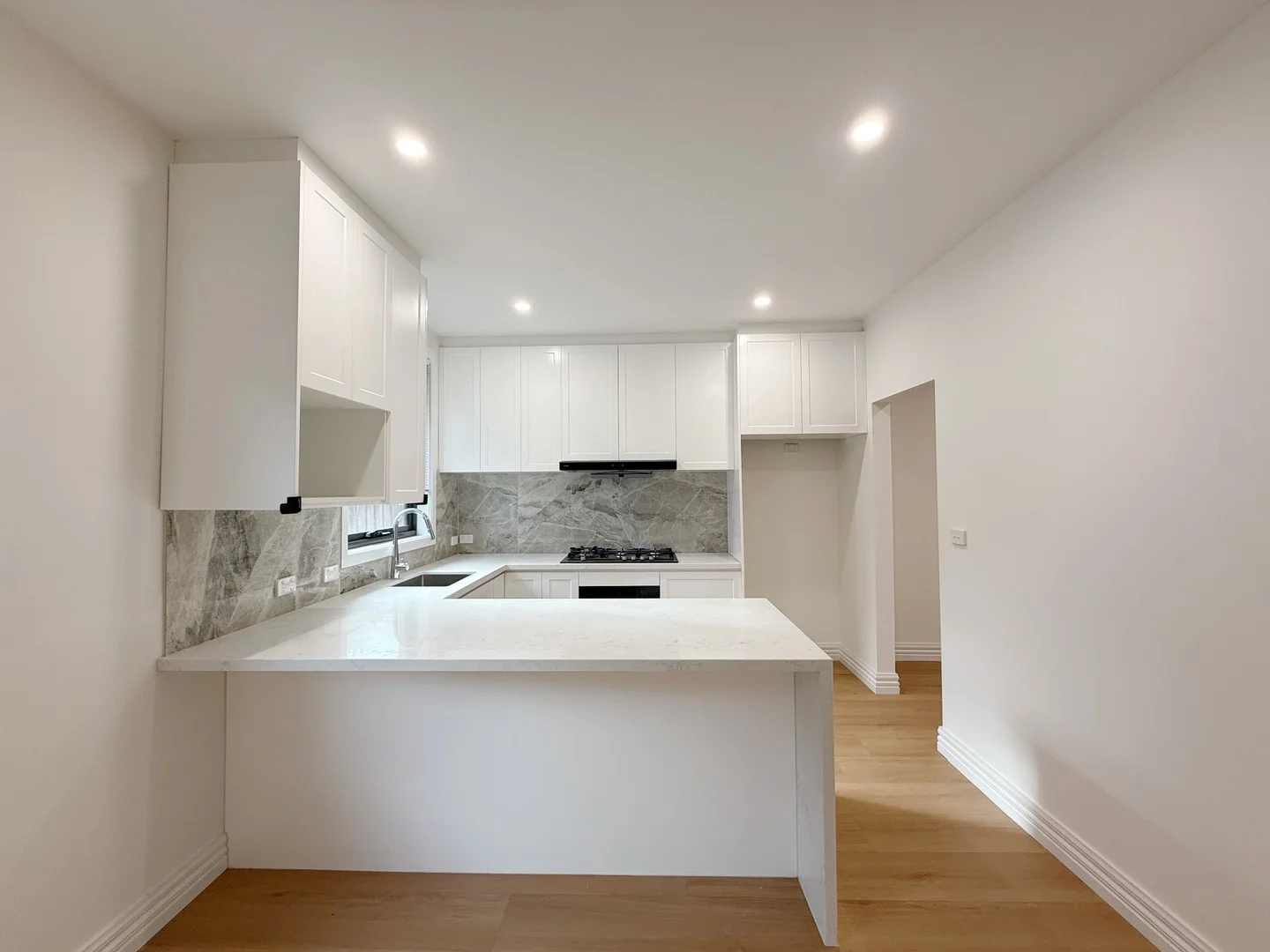 $1,280
House
$1,280
House
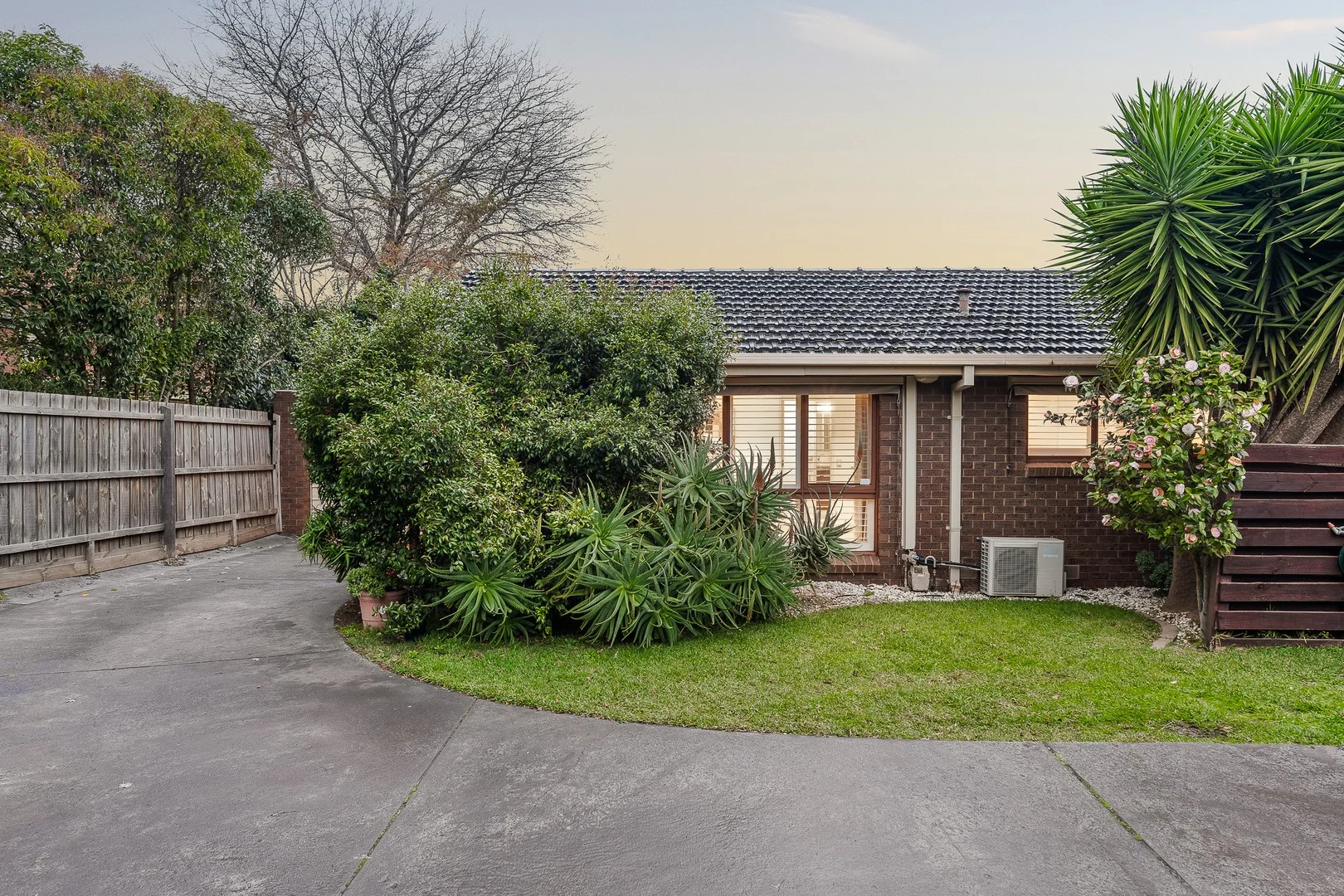 $770,000 - $820,000
Apartment / Unit / Flat
$770,000 - $820,000
Apartment / Unit / Flat


