1. Overview
Bialik College Hawthorn is an independent Jewish day school serving Melbourne families in the eastern suburbs. The campus offers co-educational learning from Preparatory through to Year 12, integrating a rigorous academic program with Jewish studies, Hebrew language, and a values-based culture. Class sizes are moderate, supporting strong teacher–student relationships in a nurturing, inclusive environment. The school emphasises achievement in academics alongside character, leadership, and community service, creating a learning atmosphere that is both challenging and supportive.
With a medium-sized student body and a broad co-curricular program, Bialik provides facilities and opportunities across STEM, the arts, sport, and wellbeing. The atmosphere is typically described as balanced—academically focused without sacrificing warmth, inclusivity, and a strong sense of community within Melbourne’s Jewish and wider education networks.
2. Academics & Learning
- Academic strengths: English, STEM, Hebrew language and Jewish studies, and leadership development are core focuses. The school strives to develop critical thinking, literacy and numeracy, and global awareness across year levels.
- Special programs: Gifted and Talented pathways, accelerated options where available, and Hebrew language immersion programs support students looking for additional challenge and language fluency. There are leadership and student-voice opportunities integrated into the curriculum.
- NAPLAN trends: NAPLAN data, when reviewed over time, indicates strong performance in key domains with steady or improving trends. The school uses NAPLAN results to monitor progress and tailor supports, rather than focusing on scores alone.
- Student-teacher ratios: Class sizes are designed to be manageable, with typical student–teacher ratios that favour close instruction and support (often in the range of small to mid-sized classes). Senior years maintain a conducive ratio for collaboration and independent study.
- Support for diverse learners: EAL (English as an Additional Language) support is available for students new to English, alongside Learning Support teams and SEN (Special Educational Needs) provisions to help students access the curriculum and reach individual goals.
3. Sports & Extracurricular Strengths
- Sports offered: A broad program typically includes team and individual sports such as basketball, soccer, cricket, volleyball, swimming, and athletics, with pathways to interschool competition.
- Strong teams or achievements: Regular participation in interschool and regional competitions with a focus on teamwork, fair play, and personal bests.
- Music, arts, drama programs: Active music ensembles, choir, drama productions, and theatre experiences are part of the performing arts offering.
- Clubs: Robotics, coding, chess, debating, and other academic or interest-based clubs help students explore passions and develop skills beyond the core curriculum.
- Partnerships: Connections with local community and cultural organizations, sport academies, and extended learning opportunities enhance pathways in both academics and extracurricular spheres.
4. Wellbeing & Pastoral Care
- Anti-bullying approach: Proactive policies and programs promote safe, respectful interactions; restorative practices are used to address conflicts and build a supportive culture.
- House system: A house-based structure supports belonging, friendly competition, and peer mentoring across year groups.
- Counsellors / wellbeing officers: Access to school counsellors and wellbeing staff supports social-emotional learning, with a focus on resilience and mental health.
- Transition support for new students: Orientation programs, buddy systems, and targeted induction activities help new students settle in smoothly and build connections early.
5. Facilities
- Sports grounds: On-site fields or courts suitable for multiple sports and physical education programs.
- Libraries: Well-resourced library spaces with study zones and access to digital resources.
- Science labs: Modern laboratories for hands-on experiments across science disciplines.
- Music/performing arts centers: Dedicated spaces for music, drama, and performance activities.
- Tech/innovation labs: Dedicated spaces for STEM, coding, robotics, and digital fabrication.
- Cafeteria: On-site canteen or dining facilities supporting healthy food options.
- Updated playgrounds: Child-friendly spaces and outdoor areas for recreation and learning.
6. School Values & Community Culture
- School values / mission: A values-driven education built on Jewish learning, community engagement, respect, integrity, and service.
- Leadership style: Collaborative and inclusive, with opportunities for student leadership and voice within the school community.
- Behaviour expectations: Clear codes of conduct and restorative approaches to behaviour, emphasizing respect, responsibility, and empathy.
- Community reputation: Strong ties to the Melbourne Jewish community and broader educational networks, with a reputation for cultivating well-rounded, responsible young people.
- Diversity & inclusion: A culture that welcomes diverse backgrounds and ensures inclusive practices across the school community.
7. School Logistics & Daily Operations
- School hours: Typical school day begins in the morning and ends in the afternoon, with gaps for breaks and lunch; early arrival and after-school activities may be available.
- Before/after school care: AOSC/after-school care or wrap-around options may be offered or coordinated through partner services.
- Uniform requirements: A structured uniform policy with seasonal variations; sports and formal uniforms for different activities and events.
- Transport (train/bus routes): Public transport connections and bus routes serve the area; information about routes and timetables is available from the school or local transit providers.
- Canteen availability: On-site canteen or food service options for snacks and meals.
- Fees (low/medium/high ranges): Fee levels align with independent schooling; families should consult the latest fee schedule for exact numbers and any additional costs (book lists, excursions, camps).
8. Enrolment & Admissions
11. What is the enrolment process and timeline?
- The process typically starts with an online application and submission of required documents, followed by any school-specific assessments, interviews, or campus visits. The timeline varies by year level and space availability, so prospective families are advised to contact the admissions team for a current timeline.
12. Is there a waiting list, and how does it work?
- Waiting lists may apply when classes are full. The school prioritises offers based on space, cohort balance, and readiness for the program. Applications on the waiting list are kept until a suitable place becomes available.
13. Are there any entry requirements, tests, or interviews?
- Entry often includes an interview or meeting with key staff, and may involve age-appropriate assessments or demonstrations of readiness. There may also be consideration of alignment with the school’s values and community expectations.
14. Does the school accept mid-year transfers?
- Mid-year transfers are considered where space and cohort structures allow. Availability depends on current enrolments and the student’s ability to integrate into the program at the chosen year level.
9. Frequently Ask Questions
- Why Parents Choose This School?
A strong sense of community, values-based education, commitment to academic excellence, and opportunities to engage in Jewish life and broader learning.
- What type of student thrives at this school?
Students who value inclusive communities, high-quality teaching, active involvement in learning, and opportunities to grow academically, socially, and morally.
- What opportunities are available for students to extend their skills (academics, sports, arts)?
Extended programs include gifted and talented pathways, enrichment in STEM and languages, diverse music and drama offerings, competitive sports, robotics, coding, debating and other clubs.
- How does the school communicate with parents?
Regular newsletters, a parent portal or app, email updates from teachers and coordinators, and scheduled parent-teacher meetings.
- What is the school’s approach to teaching and learning?
Student-centered, inquiry-based learning with an emphasis on literacy, numeracy, critical thinking, and values-based education integrated with Jewish studies.
- How does the school support students who need extra academic help?
Learning Support teams, EAL support, targeted interventions, and individualized plans to help students access and progress in the curriculum.
- What support is available for academic challenges?
Additional tutoring, study skills coaching, and collaboration with teachers and specialists to set achievable goals and track progress.
- How does the school communicate with parents? (Repeated)
See above: newsletters, portals, calls, and parent-teacher meetings.
- What are the class sizes and how much individual attention do students receive?
Class sizes are designed to be moderate to promote individual attention, with dedicated time for teachers to work closely with students across year levels.
- What extracurricular and sports opportunities are available?
A broad range of sports, arts, music, drama, and clubs (robotics, coding, chess, debating) are available to suit varied interests.
- What facilities does the school offer (sports, science, arts)?
Modern facilities include sports grounds, libraries, science labs, performing arts spaces, tech/innovation labs, and well-equipped learning environments.
- What is the school’s approach to technology and digital learning?
Integrated digital learning with appropriate devices and platforms, supported by cyber safety and digital citizenship education.
- What transport and accessibility options are available?
Public transport connections and local bus/train routes; information about accessibility and parking is available through the school.
- What are typical school fees or additional costs?
Fees reflect independent schooling levels; families should consult the latest fee schedule for exact amounts and potential extra costs (uniforms, books, excursions, camps).
10. Short Pros & Cons list
Pros
- Strong community with a values-based education
- Balanced focus on academics, Jewish studies, and wellbeing
- Moderate class sizes and supportive learning environment
- Broad co-curricular program (sports, arts, clubs, STEM)
- Comprehensive wellbeing andTransition support
Cons
- Fees are higher than public or some other options
- Independent school logistics may require commuting or travel planning
- Availability of places can be limited during peak entry years
- Specific programs (e.g., IB) may not be offered; confirm current offerings
- Travel times can be longer for families outside the immediate area












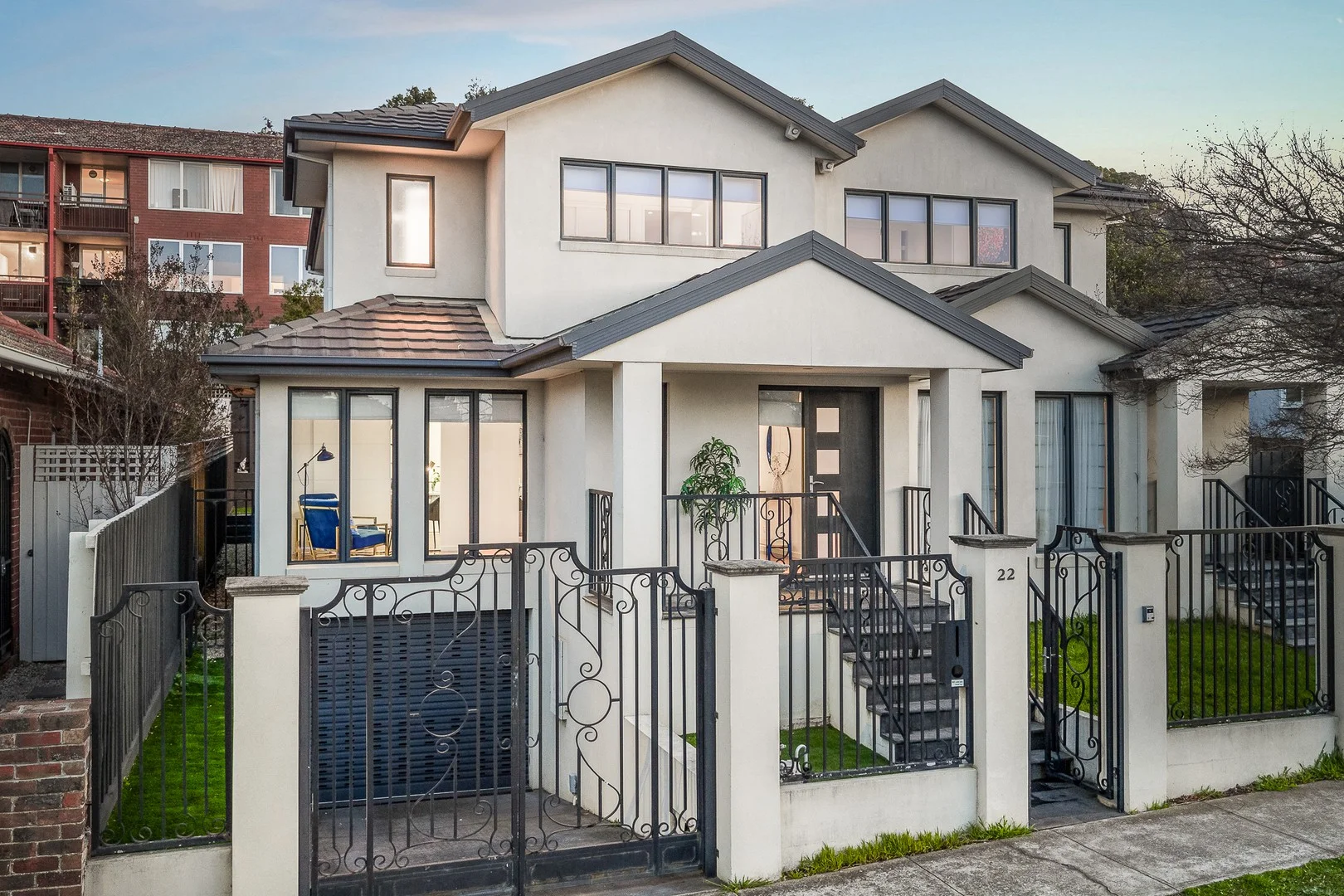 $2,100,000
Townhouse
$2,100,000
Townhouse
 $1,250,000
Apartment / Unit / Flat
$1,250,000
Apartment / Unit / Flat
 $2,680,000
House
$2,680,000
House
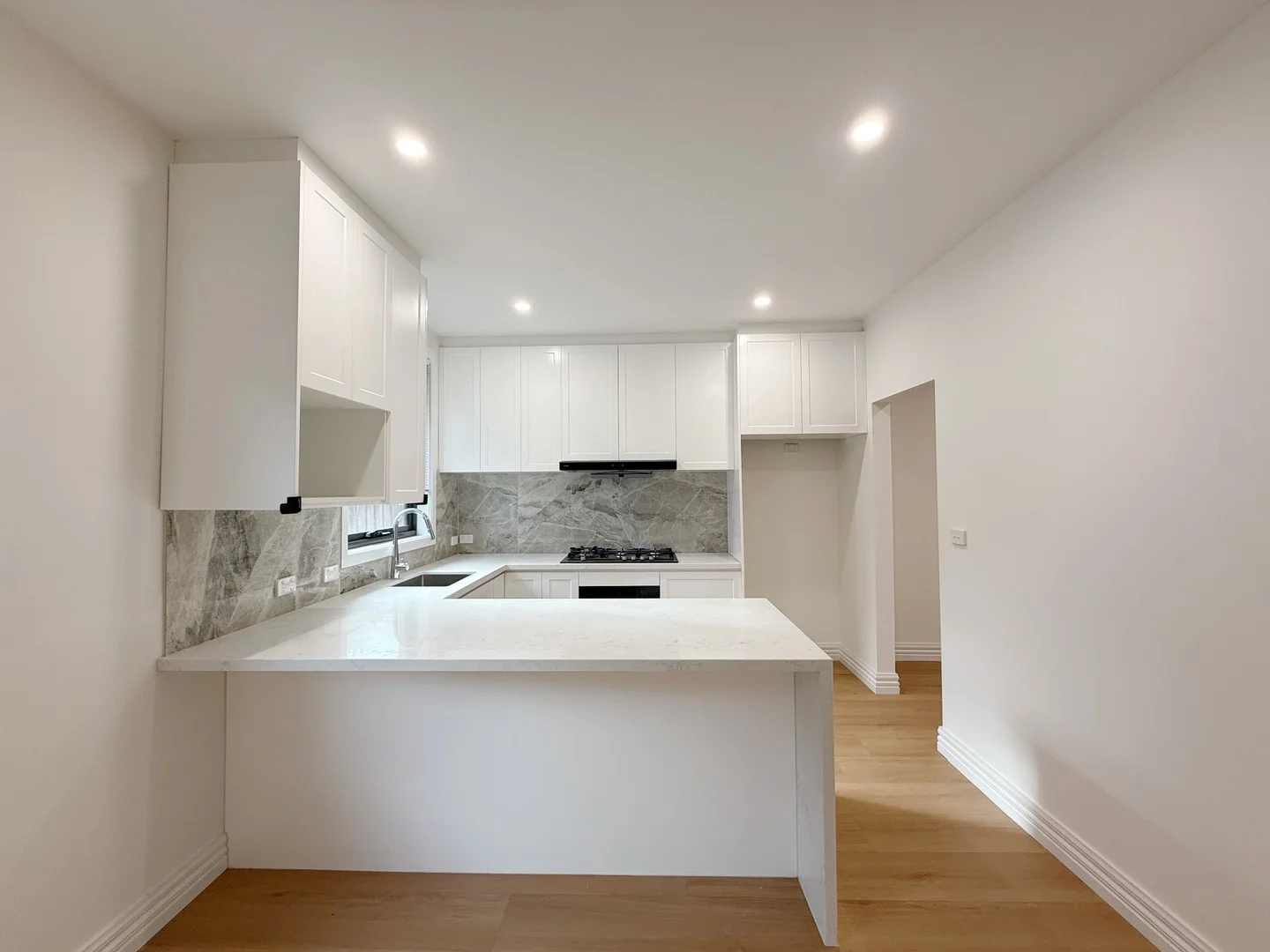 $1,280
House
$1,280
House
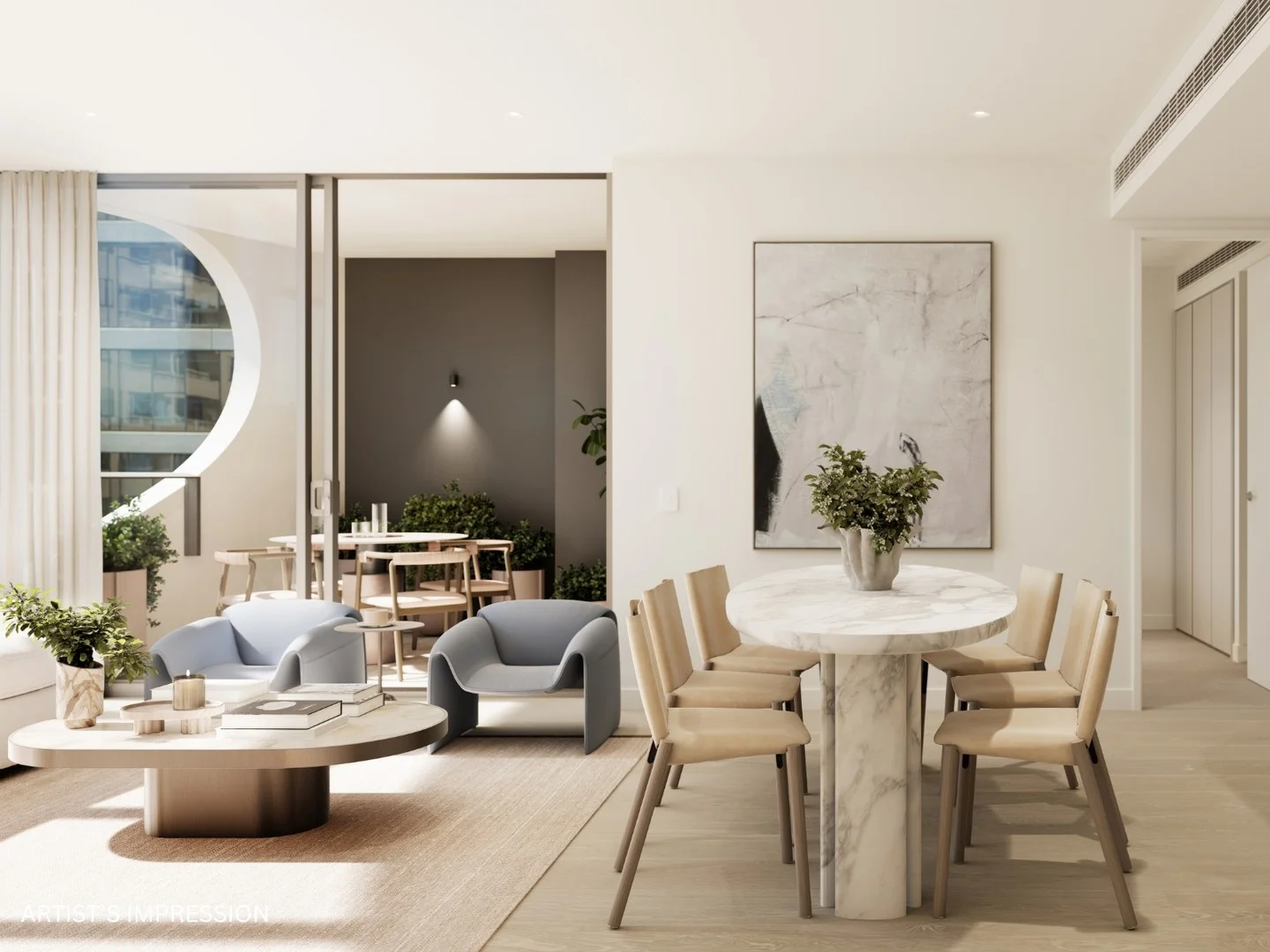 $1,640,000
Apartment / Unit / Flat
$1,640,000
Apartment / Unit / Flat
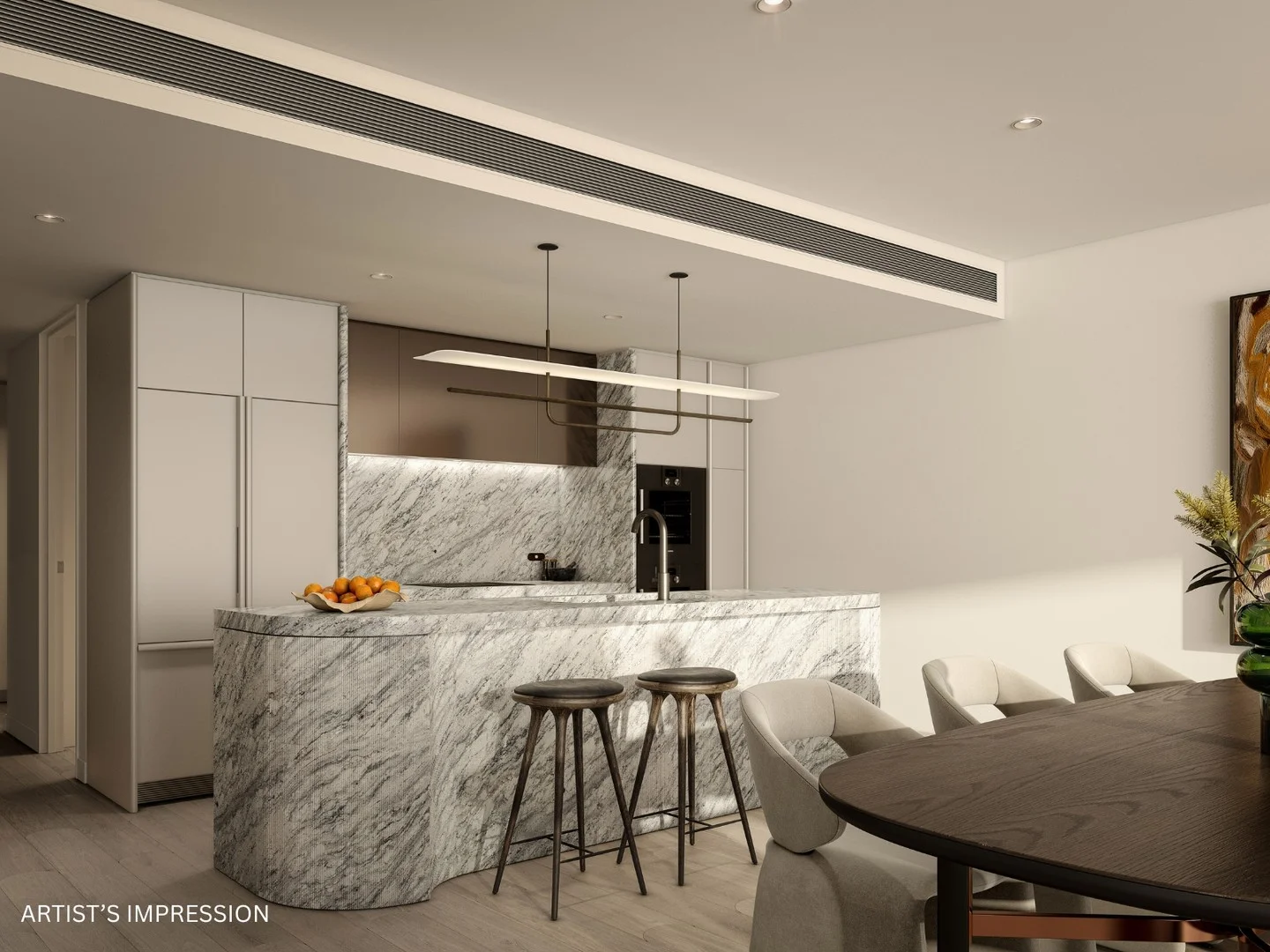 $2,900,000
Apartment / Unit / Flat
$2,900,000
Apartment / Unit / Flat
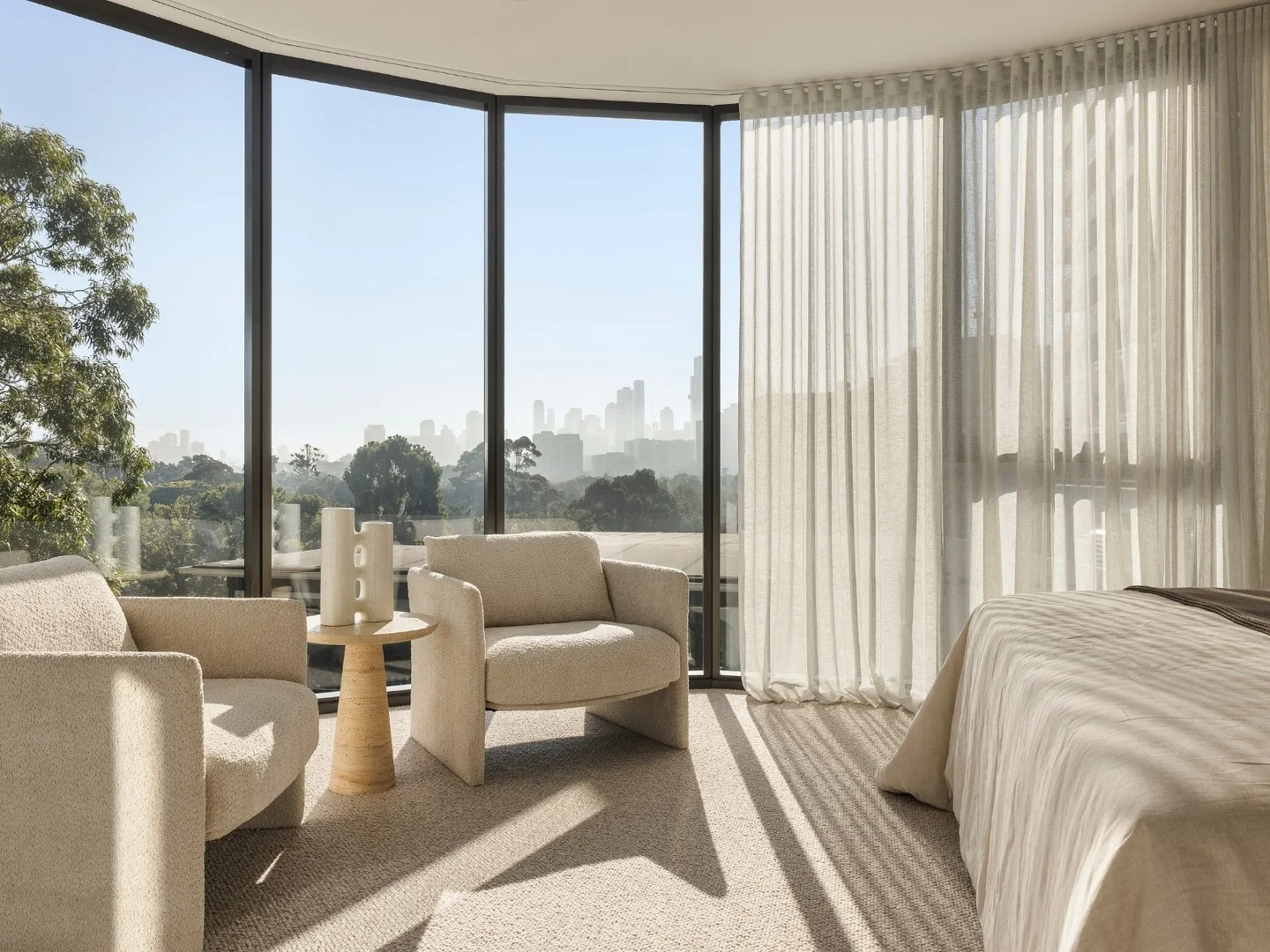 $2,750,000
Apartment / Unit / Flat
$2,750,000
Apartment / Unit / Flat
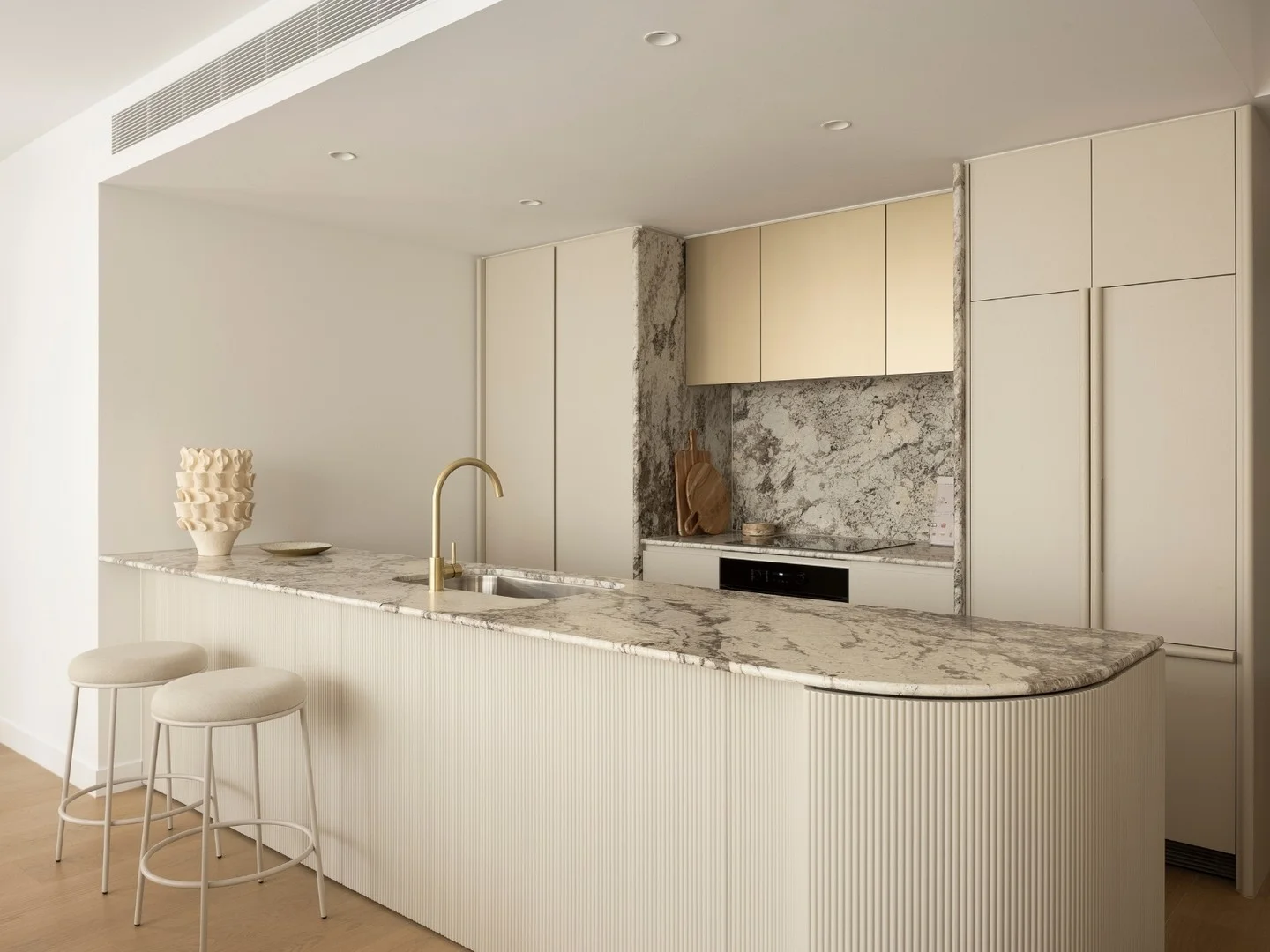 $1,345,000
Apartment / Unit / Flat
$1,345,000
Apartment / Unit / Flat
 $2,550,000
House
$2,550,000
House


