### 1. Overview
St Luke's Grammar School is an independent, co-educational day school with a values-driven approach on Sydney’s Northern Beaches. The school offers a broad K–12 program designed to develop academics, character and involvement in the wider community. It operates as a medium-sized school, fostering a welcoming and supportive culture where students are encouraged to strive for personal best across academics, sport and the arts.
The atmosphere is often described as nurturing, inclusive and community-focused, with class sizes kept intentionally small to support personalised learning. Students are encouraged to engage across a range of pursuits, balancing strong academic expectations with opportunities to lead, create and collaborate.
### 2. Academics & Learning
- Academic strengths: Strong programs across English, sciences, mathematics, humanities and languages, with an emphasis on critical thinking, communication and problem-solving.
- Special programs: Gifted and talented pathways, accelerated learning options, leadership development opportunities and access to relevant enrichment experiences.
- NAPLAN trends: Historically, the school aims for steady or improving performance across reading, writing and numeracy; trends are best understood from the most recent school reports and publications.
- Student–teacher ratios: Purposefully maintained to enable meaningful teacher support and timely feedback in class.
- Support for diverse learners: EAL support, learning support and SEN assistance available to help students progress with confidence.
### 3. Sports & Extracurricular Strengths
- Sports offered: A broad program including team and individual sports across seasons (e.g., ball sports, athletics, swimming, and court-based activities).
- Strong teams or achievements: Competitive participation in inter-school and local competitions with emphasis on teamwork, discipline and sportsmanship.
- Music, arts, drama programs: Active ensembles, choirs, theatre and performance opportunities, as well as visual arts and media productions.
- Clubs: Robotics, chess, coding, debating and other interest-based clubs designed to develop problem-solving and collaboration.
- Partnerships: Collaboration with local academies and competitions to extend learning beyond the classroom.
### 4. Wellbeing & Pastoral Care
- Anti-bullying approach: Clear anti-bullying policies and proactive wellbeing programs that promote respectful relationships.
- House system: A house structure that supports belonging, friendly competition and peer mentoring.
- Counsellors / wellbeing officers: Dedicated counsellors and wellbeing staff to support academic and emotional health.
- Transition support for new students: Orientation programs, buddy systems and targeted transition support to help new students settle in.
### 5. Facilities
- Sports grounds: On-site playing fields and facilities suitable for a range of sports.
- Libraries: Well-stocked libraries with study spaces and resources for research and projects.
- Science labs: Modern laboratories supporting biology, chemistry, physics and related inquiry.
- Music/performing arts centers: Dedicated spaces for rehearsals, ensembles and performances.
- Tech/innovation labs: Contemporary spaces for STEM, coding and digital creation.
- Cafeteria: On-site dining facilities with offerings suitable for students.
- Updated playgrounds: Safe, well-maintained outdoor spaces for recreation and play.
### 6. School Values & Community Culture
- School values / mission: A values-led education emphasizing integrity, respect, resilience and service within a supportive learning community.
- Leadership style: Collaborative and student-inclusive, with opportunities for student voice and leadership across year levels.
- Behaviour expectations: Clear codes of conduct and consistent expectations that promote responsible citizenship.
- Community reputation: A close-knit, respected community with emphasis on character development and inclusive involvement.
- Diversity & inclusion: Commitment to creating an inclusive environment that values varied backgrounds and perspectives.
### 7. School Logistics & Daily Operations
- School hours: Typically aligned with year levels; start and finish times vary by cohort. Check the current timetable for exact times.
- Before/after school care: Available in many year levels to support families with working hours.
- Uniform requirements: Mandatory school uniform with specified items and guidelines.
- Transport (train/bus routes): Accessible via local public transport routes; school may provide transport information and potential bus services.
- Canteen availability: On-site canteen or food services supporting daily meal needs.
- Fees (low/medium/high ranges): Fees exist and are in the mid-to-high range for independent schools; scholarships and payment plans may be available. Confirm current figures in the school prospectus.
### 8. Enrolment & Admissions
11. What is the enrolment process and timeline?
- Begin with an online application or enquiry.
- Submit required documentation (birth certificate, school reports, immunisation records, etc.).
- Participate in relevant assessments or interviews (where applicable) and complete any year-level entry requirements.
- Attend a family interview or information session.
- Receive offer and confirm enrollment by the specified deadline; complete any remaining onboarding steps and orientation.
12. Is there a waiting list, and how does it work?
- There is typically a waiting list for popular year levels or when spaces are limited.
- Families may be placed on the waiting list after submitting an application; priority and timing depend on school policy and vacancies.
13. Are there any entry requirements, tests, or interviews?
- Some year levels may require an intake interview and/or an entry assessment to understand prior learning and readiness.
- References and school reports are often requested as part of the process.
- Language requirements or assessments may apply for EAL learners.
14. Does the school accept mid-year transfers?
- Mid-year transfers are considered subject to vacancies and the ability to integrate current students without disruption.
- Transfer applications typically follow the standard enrolment process, with additional steps to assess the fit mid-year.
### 9. Frequently Asked Questions
- Why Parents Choose This School?
- A values-led, independent education with a focus on academic breadth, wellbeing and community involvement, delivered in a supportive, inclusive environment.
- What type of student thrives at this school?
- Students who are motivated, curious and collaborative, who value both academic achievement and participation in the arts, sports and service.
- What opportunities are available for students to extend their skills (academics, sports, arts)?
- A range of enrichment programs, accelerated learning paths, leadership opportunities, high-quality arts programs, competitive sports and numerous clubs.
- How does the school communicate with parents?
- Regular newsletters, a school app/portal, parent-teacher meetings and annual reports; notification systems for important updates.
- What is the school’s approach to teaching and learning?
- A student-centered, inquiry-based approach that fosters critical thinking, collaboration and real-world application of knowledge.
- How does the school support students who need extra academic help?
- Targeted learning support, EAL assistance and access to specialised staff to guide individual progress.
- What support is available for academic challenges?
- Diagnostic assessments, personalised learning plans and additional tutoring or small-group support where needed.
- How does the school communicate with parents? (Repeated)
- See above: newsletters, portal, meetings, and timely communications for important developments.
- What are the class sizes and how much individual attention do students receive?
- Class sizes are designed to be conducive to learning, with a focus on providing opportunities for teacher feedback and support.
- What extracurricular and sports opportunities are available?
- A wide range across sports, music, drama and clubs (robotics, chess, coding, debating) to suit varied interests.
- What facilities does the school offer (sports, science, arts)?
- Comprehensive facilities including sports grounds, libraries, science labs, performing arts spaces and modern tech labs.
- What is the school’s approach to technology and digital learning?
- Integration of technology across learning, with digital literacy and responsible use promoted throughout the curriculum.
- What transport and accessibility options are available?
- Access to local public transport and information on school-arranged routes; assistance with planning commuting options.
- What are the typical school fees or additional costs?
- Fees are in the private-school range with potential scholarships and payment plans; exact figures are in the current prospectus.
### 10. Short Pros & Cons list
- Pros
- Independent, values-led education with a focus on character and academics.
- Supportive, inclusive community with opportunities across academics, arts and sport.
- Reasonable student–teacher ratios and a broad enrichment program.
- Strong wellbeing and pastoral care, plus transition support for new students.
- Comprehensive facilities across science, arts, and technology.
- Cons
- Fees are higher than public options (as is typical for independent schools).
- Availability of places may be limited in certain year levels; possible waiting lists.
- Specific programs (e.g., particular enrichment tracks) may depend on cohort and staffing.
If you’d like, I can tailor this content further with up-to-date specifics (current enrolment numbers, exact hours, uniform details, recent NAPLAN trends, and the latest admissions steps) once you provide or confirm the latest data from St Luke’s Grammar School’s official materials.













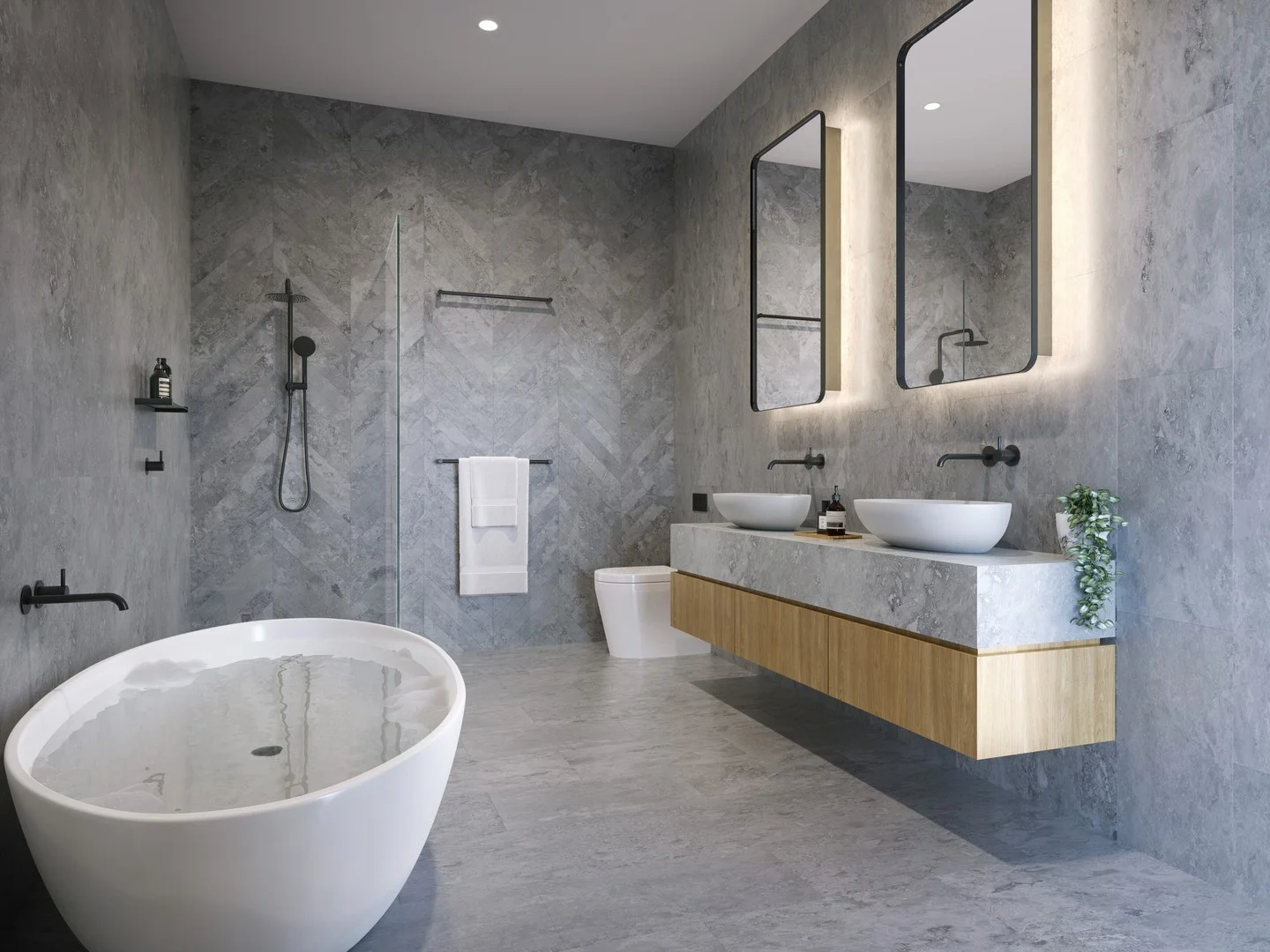 $2,824,000
Apartment / Unit / Flat
$2,824,000
Apartment / Unit / Flat
 $26,550,000
propertyType.NEW APARTMENTS / OFF THE PLAN
$26,550,000
propertyType.NEW APARTMENTS / OFF THE PLAN
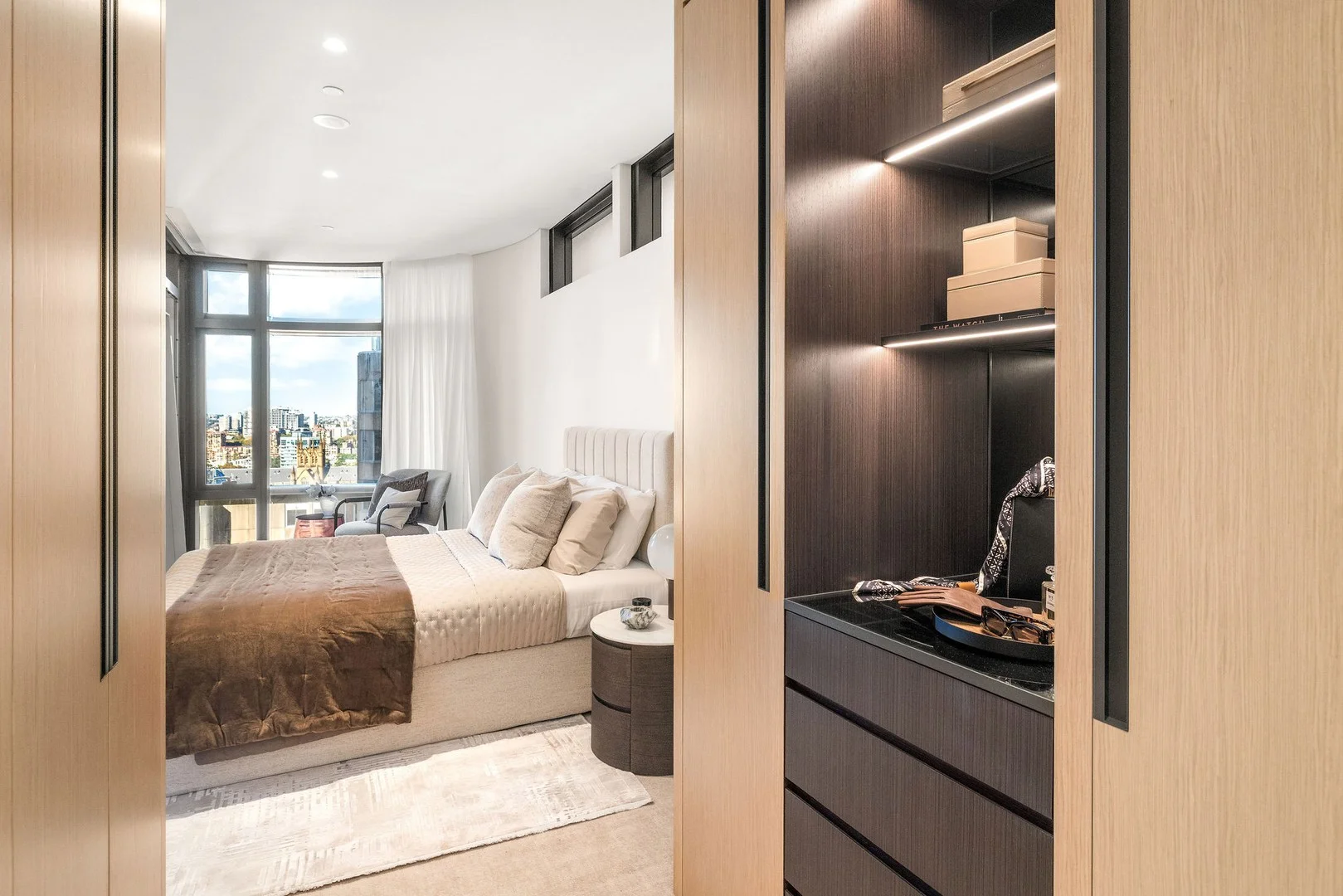 $2,745,000
propertyType.NEW APARTMENTS / OFF THE PLAN
$2,745,000
propertyType.NEW APARTMENTS / OFF THE PLAN
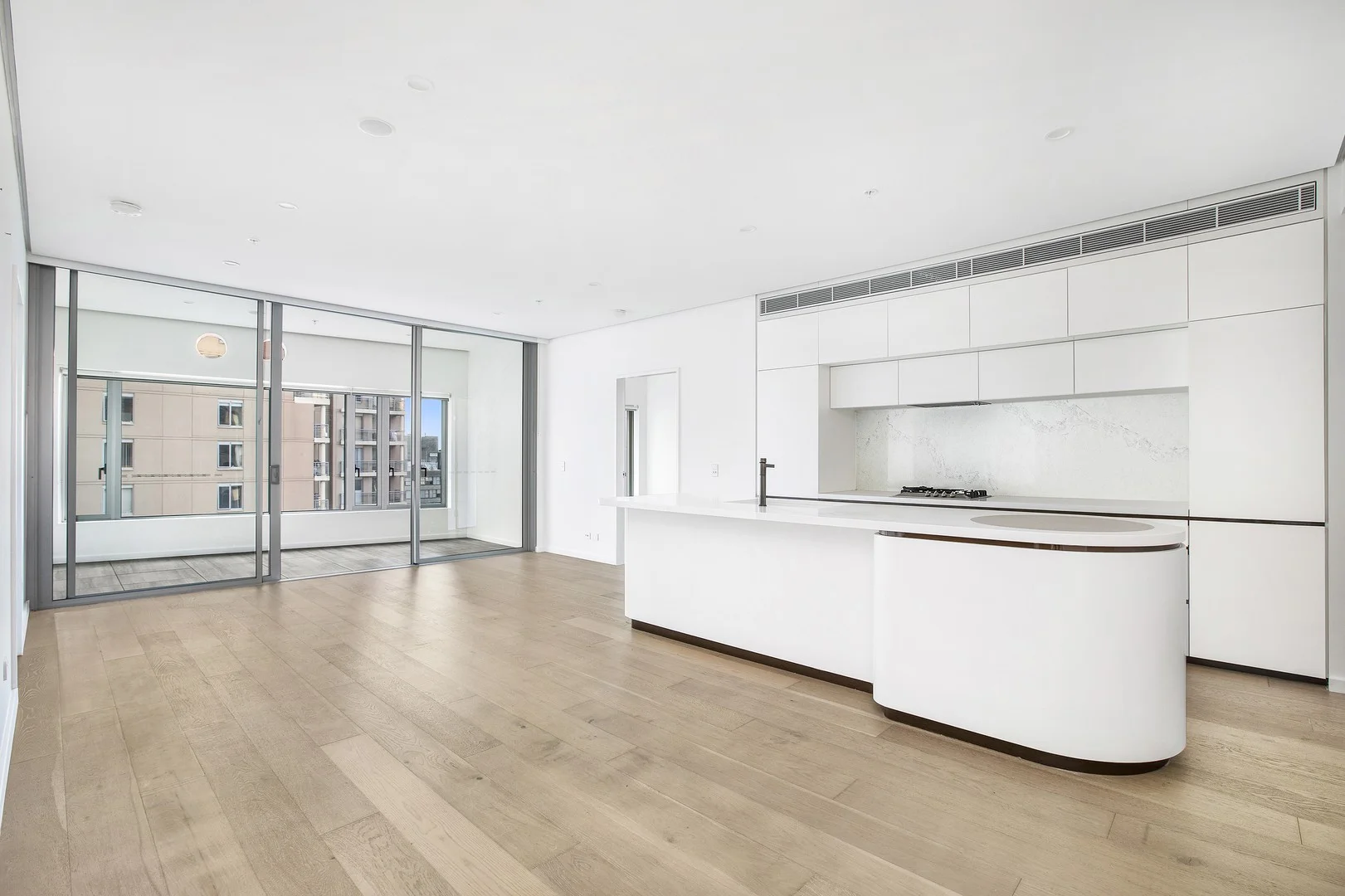 $2,250,000
Apartment / Unit / Flat
$2,250,000
Apartment / Unit / Flat
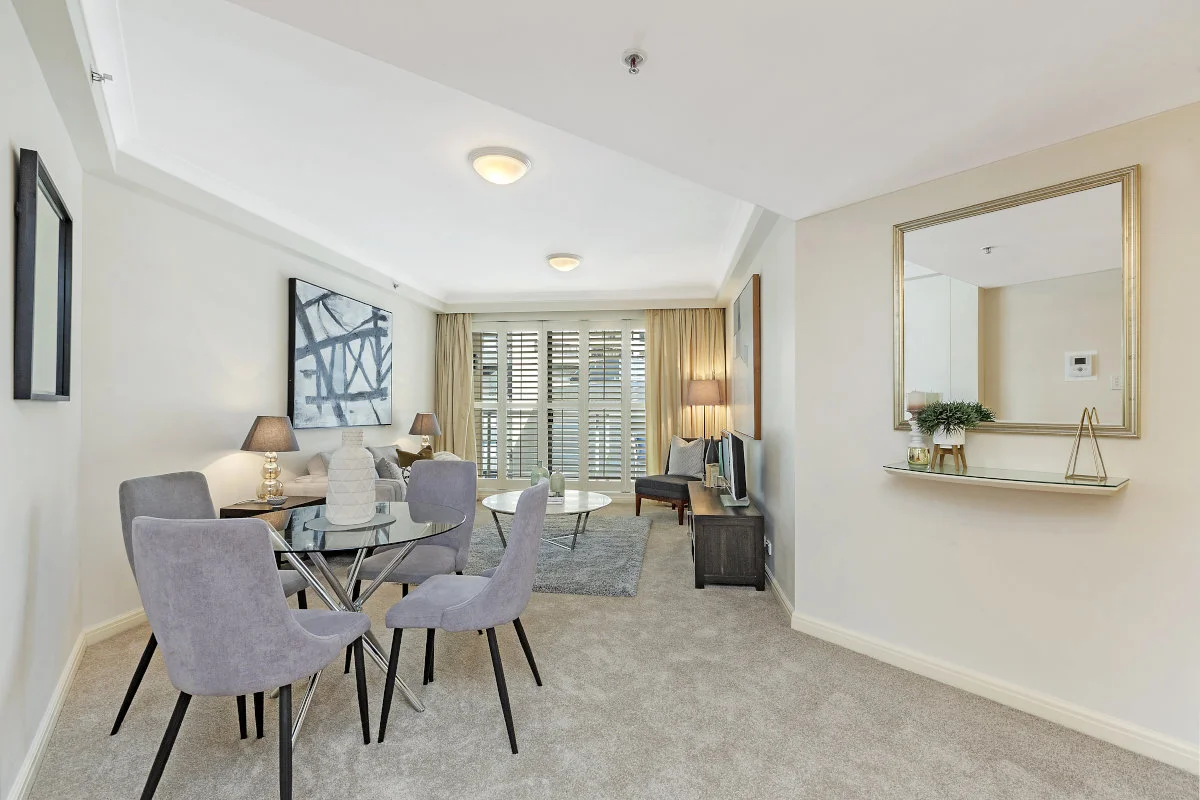 $660,000 - $725,000
Apartment / Unit / Flat
$660,000 - $725,000
Apartment / Unit / Flat
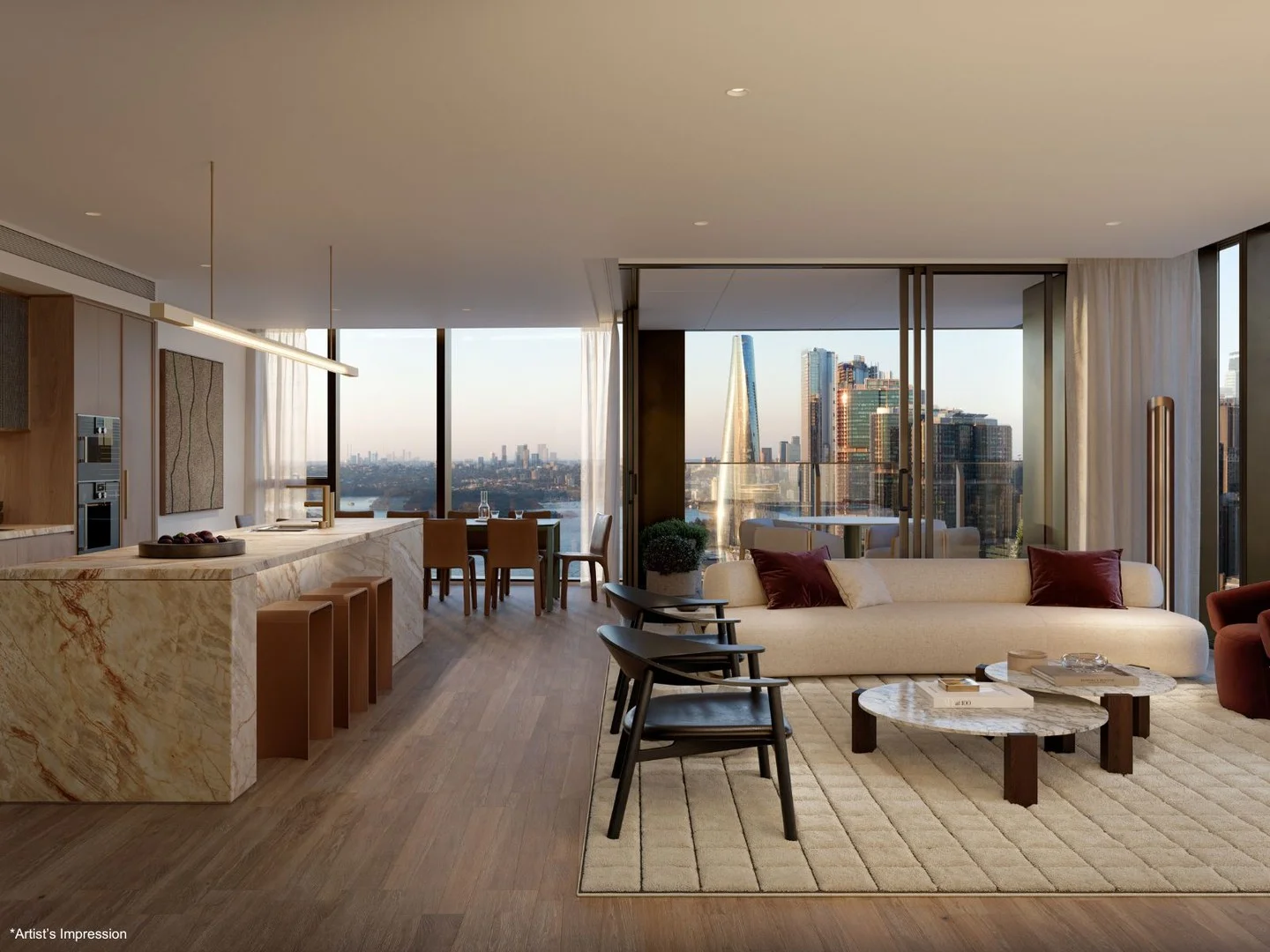 $12,980,000
propertyType.NEW APARTMENTS / OFF THE PLAN
$12,980,000
propertyType.NEW APARTMENTS / OFF THE PLAN
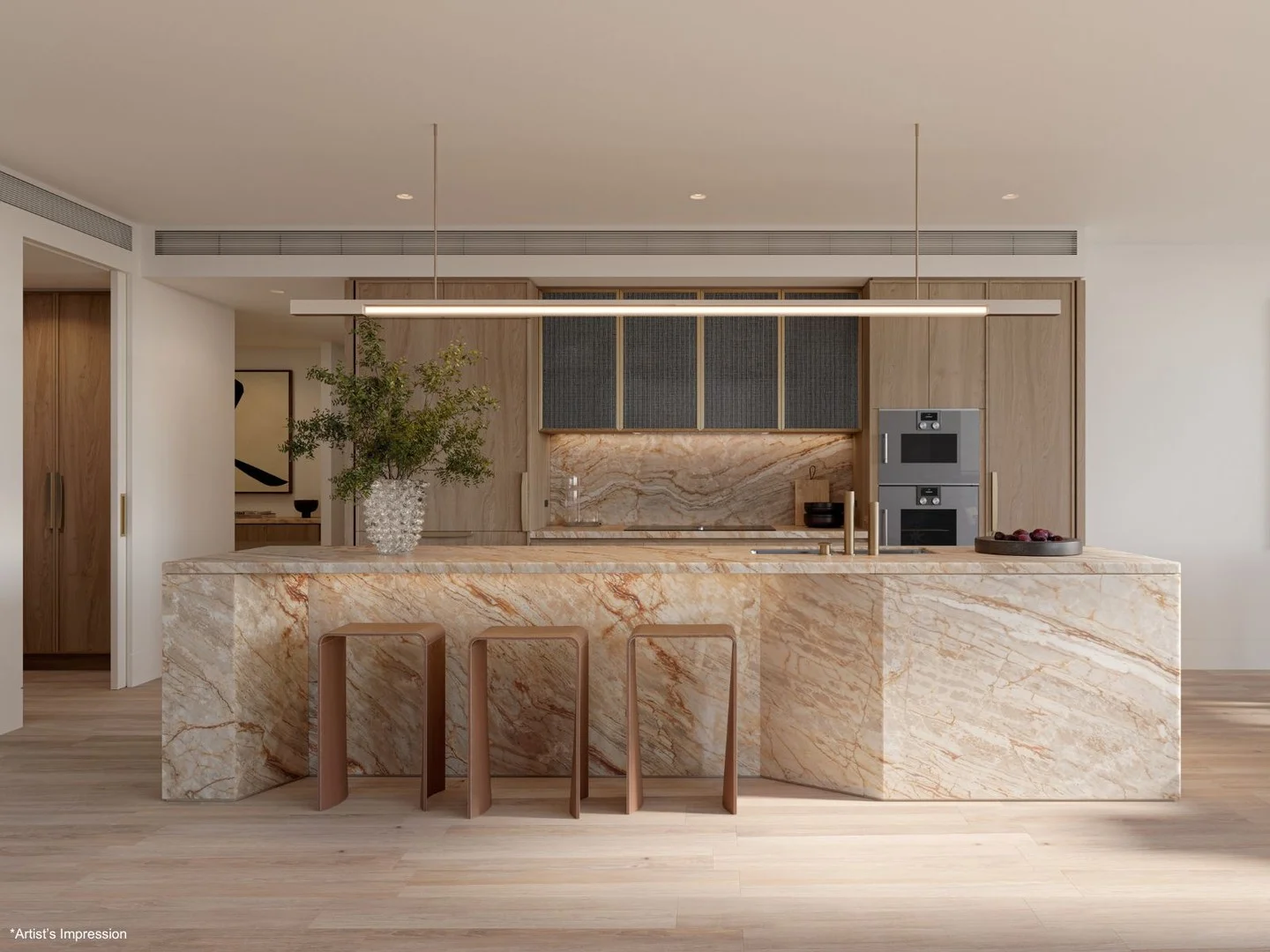 $6,225,000
propertyType.NEW APARTMENTS / OFF THE PLAN
$6,225,000
propertyType.NEW APARTMENTS / OFF THE PLAN
 $8,630,000
propertyType.NEW APARTMENTS / OFF THE PLAN
$8,630,000
propertyType.NEW APARTMENTS / OFF THE PLAN
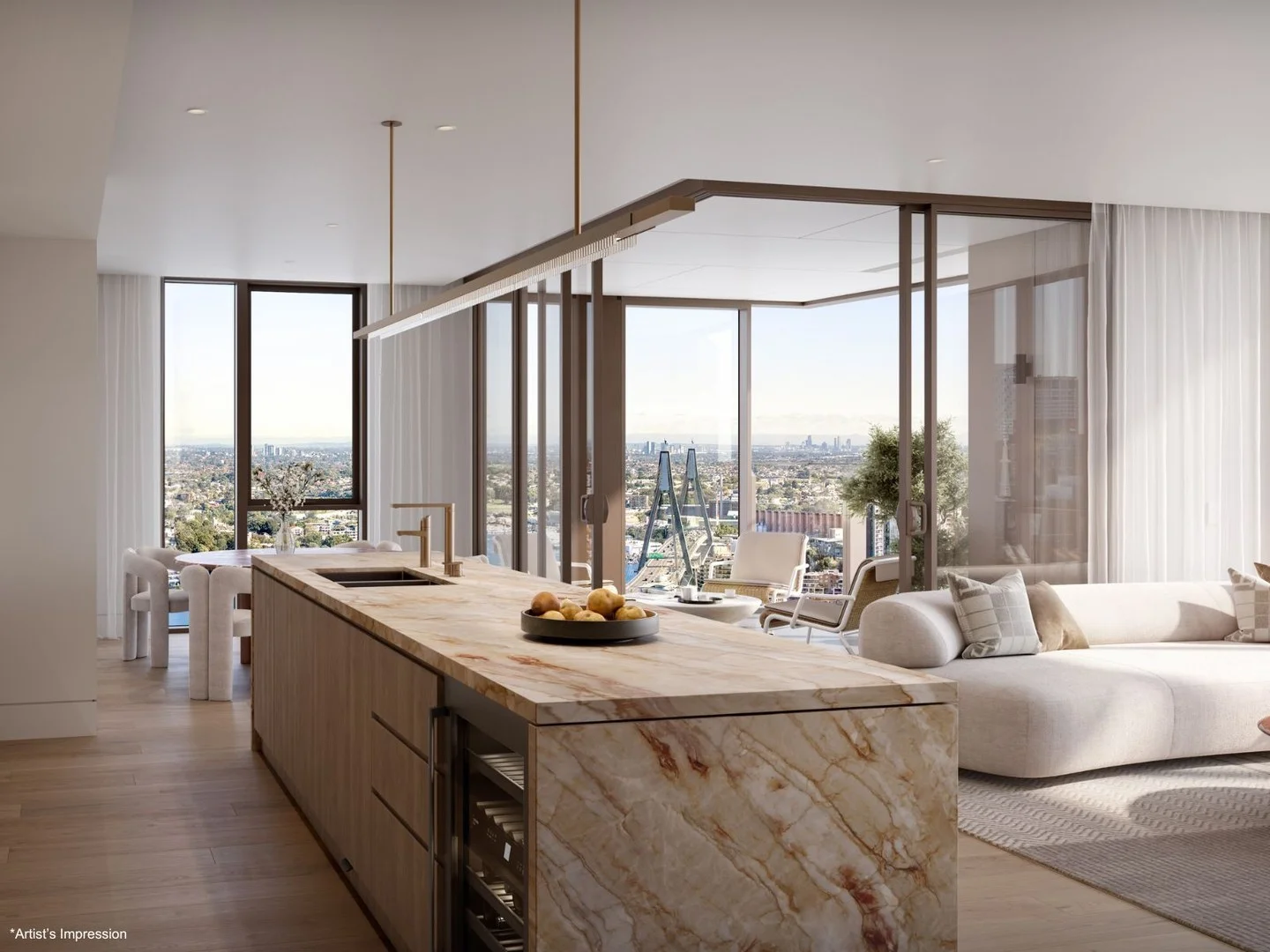 $9,020,000
propertyType.NEW APARTMENTS / OFF THE PLAN
$9,020,000
propertyType.NEW APARTMENTS / OFF THE PLAN


