## Overview
St Augustine's College, Brookvale is a Catholic, systemic high school serving families across the Northern Beaches. It is a medium-to-large school that emphasizes faith-informed education, character development, and community involvement. The atmosphere is nurturing and inclusive, with a strong pastoral focus that supports students academically and socially.
- School type: Catholic (systemic)
- School size: Medium to large
- Class size: Approximately 22–25 students per class
- Atmosphere/culture: Nurturing, inclusive, academically focused with emphasis on values and service
⸻
## Academics & Learning
St Augustine's College focuses on a well-rounded curriculum with opportunities for growth across key areas.
- Academic strengths: English and Mathematics, Science, Humanities, and Religious Education; emphasis on STEM pathways and leadership development
- Special programs: Gifted and Talented / accelerated opportunities where available; leadership development programs
- NAPLAN / trends: Consistent performance in reading and numeracy with positive year-on-year trends; emphasis on literacy and numeracy improvement across cohorts
- Student-teacher ratios: About 1:12–1:15 in core classrooms, with smaller groups for targeted support
- Support for diverse learners: EAL support and dedicated SEN/learning support pathways; inclusive education and targeted interventions
⸻
## Sports & Extracurricular Strengths
A key area for many families, with a broad offering and competitive opportunities.
- Sports offered: Rugby league, rugby union, soccer, basketball, cricket, AFL, swimming, athletics, tennis, and more
- Strong teams or achievements: Regular representation in regional competitions and school-scale championships; emphasis on teamwork and sportsmanship
- Music, arts, drama: School bands, choir, theatre productions, and performing arts opportunities
- Clubs: Robotics, chess, coding, debating, and other interest-based clubs
- Partnerships: Local community clubs and district competitions; opportunities to participate in NSW-wide and regional events
⸻
## Wellbeing & Pastoral Care
Pastoral systems are a central component of student life, supporting wellbeing and resilience.
- Anti-bullying approach: Clear policies, proactive education, and supportive reporting mechanisms
- House system: House-based activities to foster belonging, leadership, and healthy competition
- Counsellors / wellbeing officers: Access to school counsellors and wellbeing staff for personal, academic, and social support
- Transition support: Year 7 orientation, buddy systems, and ongoing transition programs to help new students settle in
⸻
## Facilities
Facilities are designed to support learning, creativity, and physical development.
- Sports grounds: On-site sports fields and courts
- Libraries: Well-stocked library with study spaces
- Science labs: Modern science facilities for practical work
- Music/performing arts centers: Rehearsal spaces and performance venues
- Tech/innovation labs: Computers, maker spaces, and ICT facilities
- Cafeteria: On-site canteen with healthy meal options
- Updated playgrounds: Safe outdoor spaces and play areas
⸻
## School Values & Community Culture
A values-driven environment that shapes character and community involvement.
- School values / mission: Catholic values, service, integrity, respect, and responsibility
- Leadership style: Collaborative and student-centered, with opportunities for student leadership
- Behaviour expectations: Respectful conduct, responsibility, and accountability
- Community reputation: Positive regard for faith-based education, community engagement, and supportive networks
- Diversity & inclusion: Welcoming to diverse backgrounds; emphasis on inclusion and belonging
⸻
## School Logistics & Daily Operations
Practical information to help families plan around school life.
- School hours: Typical day runs roughly 8:15 am–3:15 pm
- Before/after school care: On-site or partner arrangements available for before/after care
- Uniform requirements: Full school uniform plus sports uniform for relevant activities
- Transport: Access to public transport options and bus routes; planning support for commuting families
- Canteen availability: On-site canteen offering daily options
- Fees: Medium to high range for NSW Catholic high schools; details provided by the school and families are advised to check current schedules
⸻
## Enrolment & Admissions
What families need to know about joining St Augustine's College.
11. What is the enrolment process and timeline?
- Typically begins with an open day or information session, followed by submitting an application form within the stated window. Interviews or assessments may be scheduled for shortlisted applicants, with offers following once processing and eligibility checks are complete.
12. Is there a waiting list, and how does it work?
- There may be a waiting list when demand exceeds places. Priority in offers is usually guided by factors such as sibling attendance, parish affiliation, and date of application. The school’s admissions team can provide current waitlist details and timelines.
13. Are there any entry requirements, tests, or interviews?
- Entry often involves a combination of application, interview (student and parent), and potential assessment tasks. Religious education considerations and documentation may also be requested.
14. Does the school accept mid-year transfers?
- Yes, subject to space and placement availability, with the normal transfer process applied to ensure a smooth transition for the student.
⸻
## Frequently Asked Questions
- Why Parents Choose This School?
- A faith-based, values-driven education with strong pastoral care and a broad co-curricular program designed to develop both intellect and character.
- What type of student thrives at this school?
- Students who respond well to a supportive, structured environment with opportunities to participate in sports, arts, leadership, and service.
- What opportunities are available for students to extend their skills (academics, sports, arts)?
- Accelerated pathways or gifted programs where offered, extended leadership roles, competitive sports, music and drama productions, robotics, coding, debating, and more.
- How does the school communicate with parents?
- Regular newsletters, a parent portal, email updates, and scheduled information evenings; open channels with pastoral and academic staff.
- What is the school’s approach to teaching and learning?
- Balanced emphasis on core academic outcomes, values-based education, and opportunities for inquiry, collaboration, and practical application.
- How does the school support students who need extra academic help?
- Targeted Learning Support, EAL assistance, and small-group or one-to-one interventions as needed.
- What support is available for academic challenges?
- Access to tutors, counsellors, and academic advisors; early identification and intervention strategies.
- How does the school communicate with parents? (repeated)
- See above: newsletters, portal, and direct correspondence from teachers and coordinators.
- What are the class sizes and how much individual attention do students receive?
- Typical class sizes around 22–25 students; teachers provide regular feedback and opportunities for differentiation.
- What extracurricular and sports opportunities are available?
- A broad range of sports (rugby, soccer, basketball, cricket, AFL, etc.), music and drama programs, robotics, chess, coding, debating, and more.
- What facilities does the school offer (sports, science, arts)?
- Well-equipped sports facilities, libraries, science labs, performing arts venues, tech/innovation spaces, and a canteen.
- What is the school’s approach to technology and digital learning?
- Integration of ICT and digital learning tools to support teaching, learning, and collaboration; emphasis on responsible use of technology.
- What transport and accessibility options are available?
- Access to public transport options and school-run arrangements as needed; information provided to families about travel planning.
- What are the typical school fees or additional costs?
- Fees are in the mid-to-high range for NSW Catholic high schools; family details and exact costs are provided by the school’s enrolment team.
⸻
## Short Pros & Cons list
- Pros
- Catholic values-based education with strong pastoral care
- Broad range of academics, sports, and arts
- Supportive environment with focus on inclusion and service
- Good student-teacher ratios and targeted learning support
- Comprehensive facilities and modern learning spaces
- Cons
- Fees are higher than some non-government options
- Competitive admissions at peak intake periods may require early application
- Transport options depend on local routes and schedules
⸻










 $2,824,000
Apartment / Unit / Flat
$2,824,000
Apartment / Unit / Flat
 $26,550,000
propertyType.NEW APARTMENTS / OFF THE PLAN
$26,550,000
propertyType.NEW APARTMENTS / OFF THE PLAN
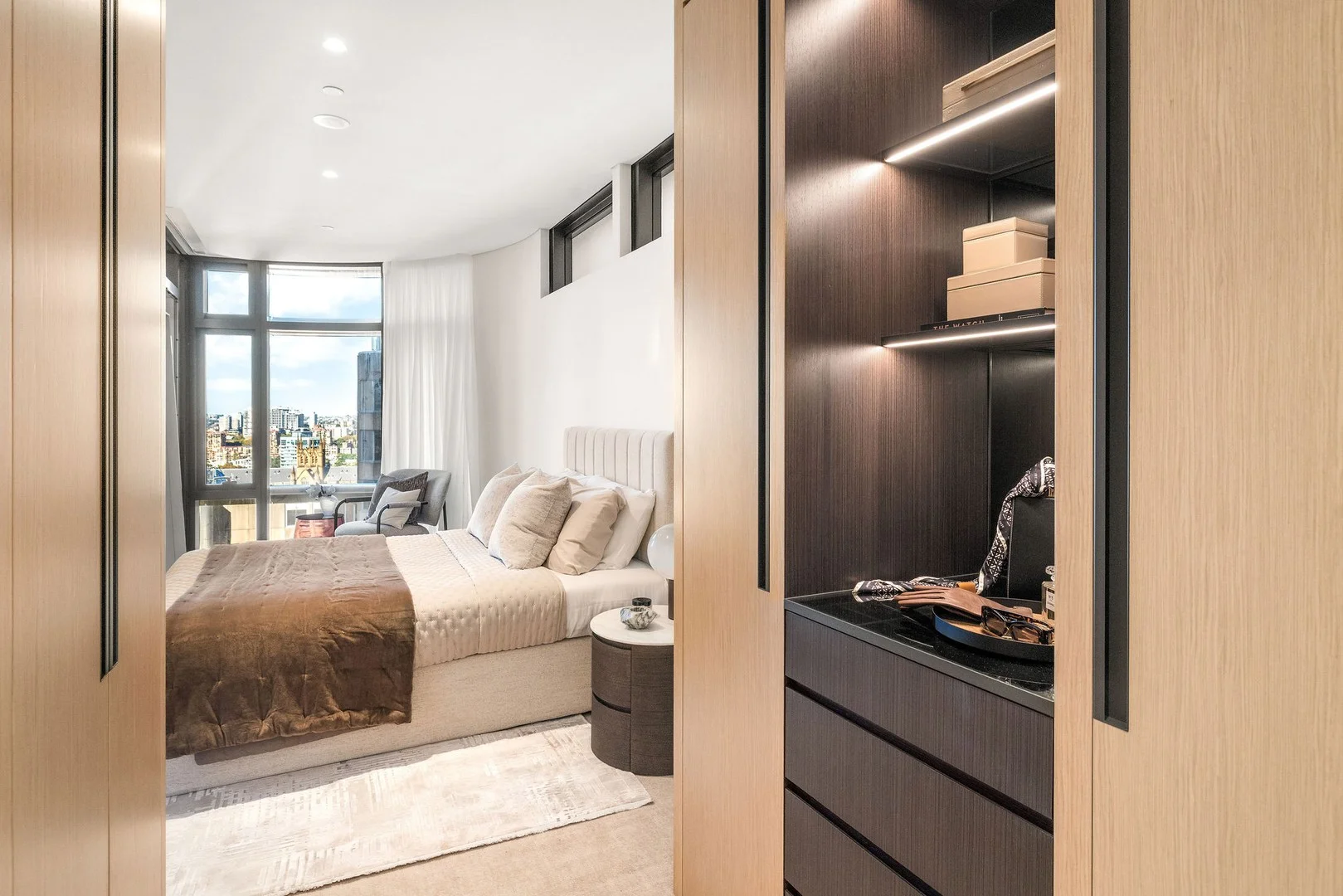 $2,745,000
propertyType.NEW APARTMENTS / OFF THE PLAN
$2,745,000
propertyType.NEW APARTMENTS / OFF THE PLAN
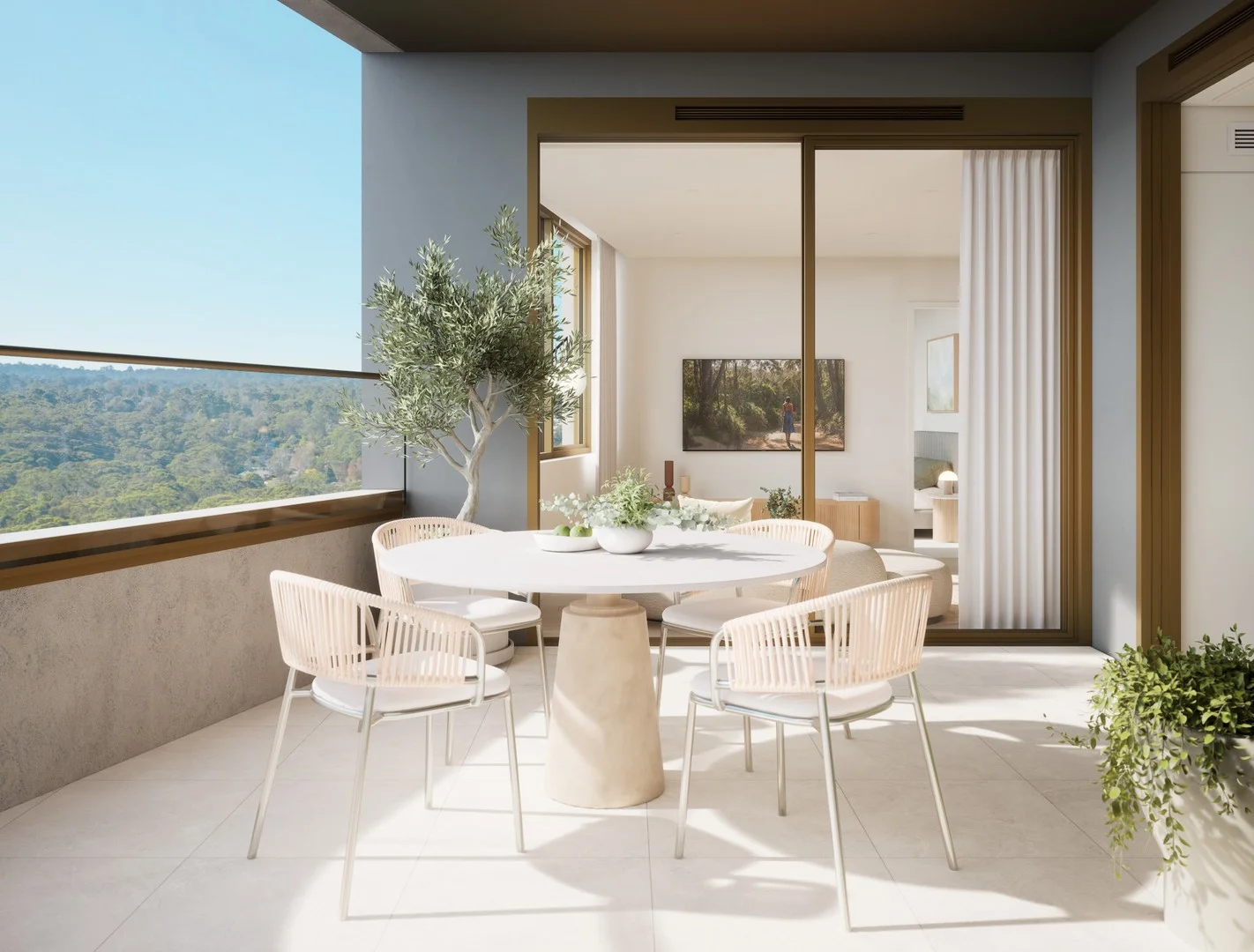 $1,525,000
Apartment / Unit / Flat
$1,525,000
Apartment / Unit / Flat
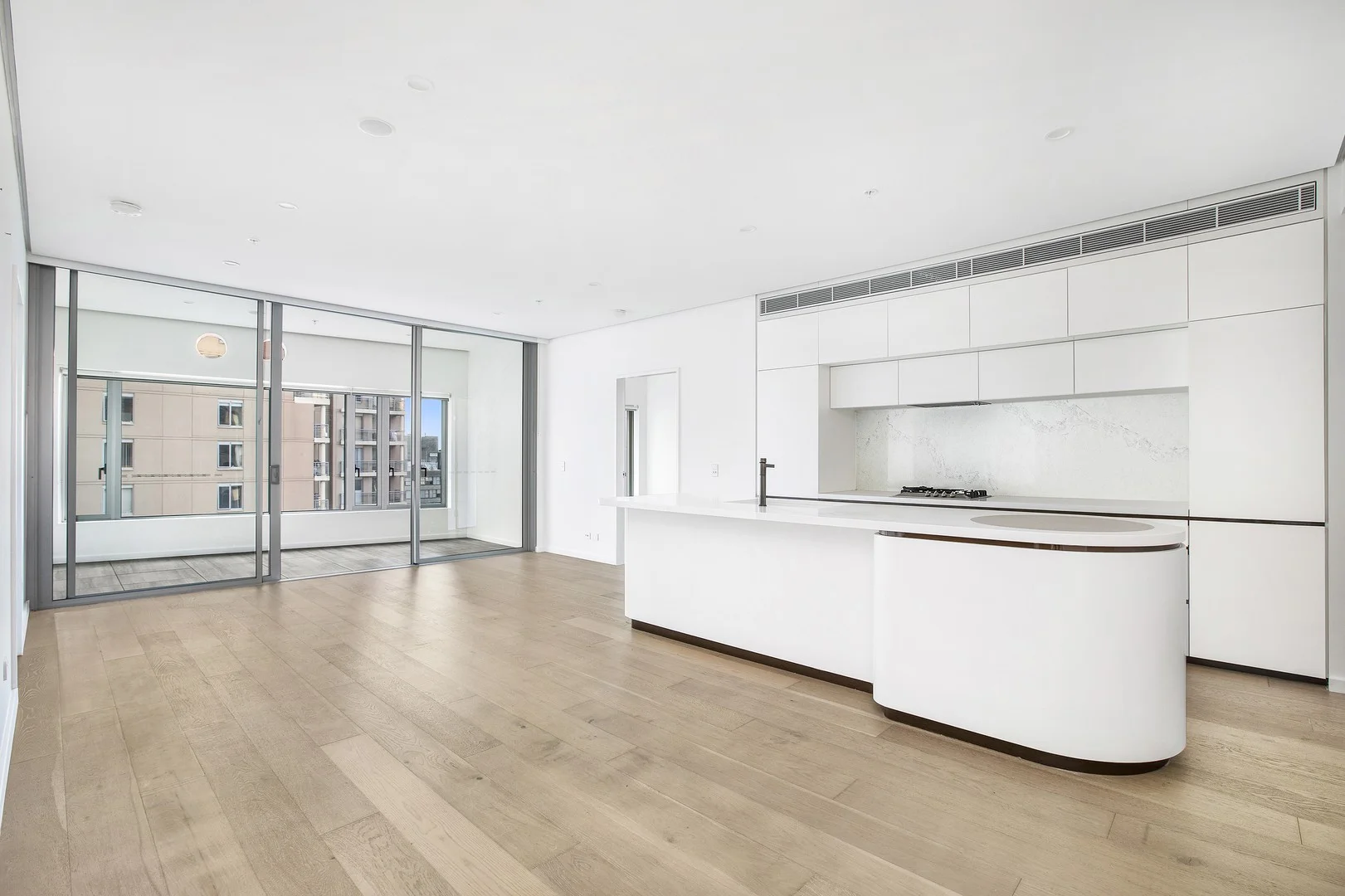 $2,250,000
Apartment / Unit / Flat
$2,250,000
Apartment / Unit / Flat
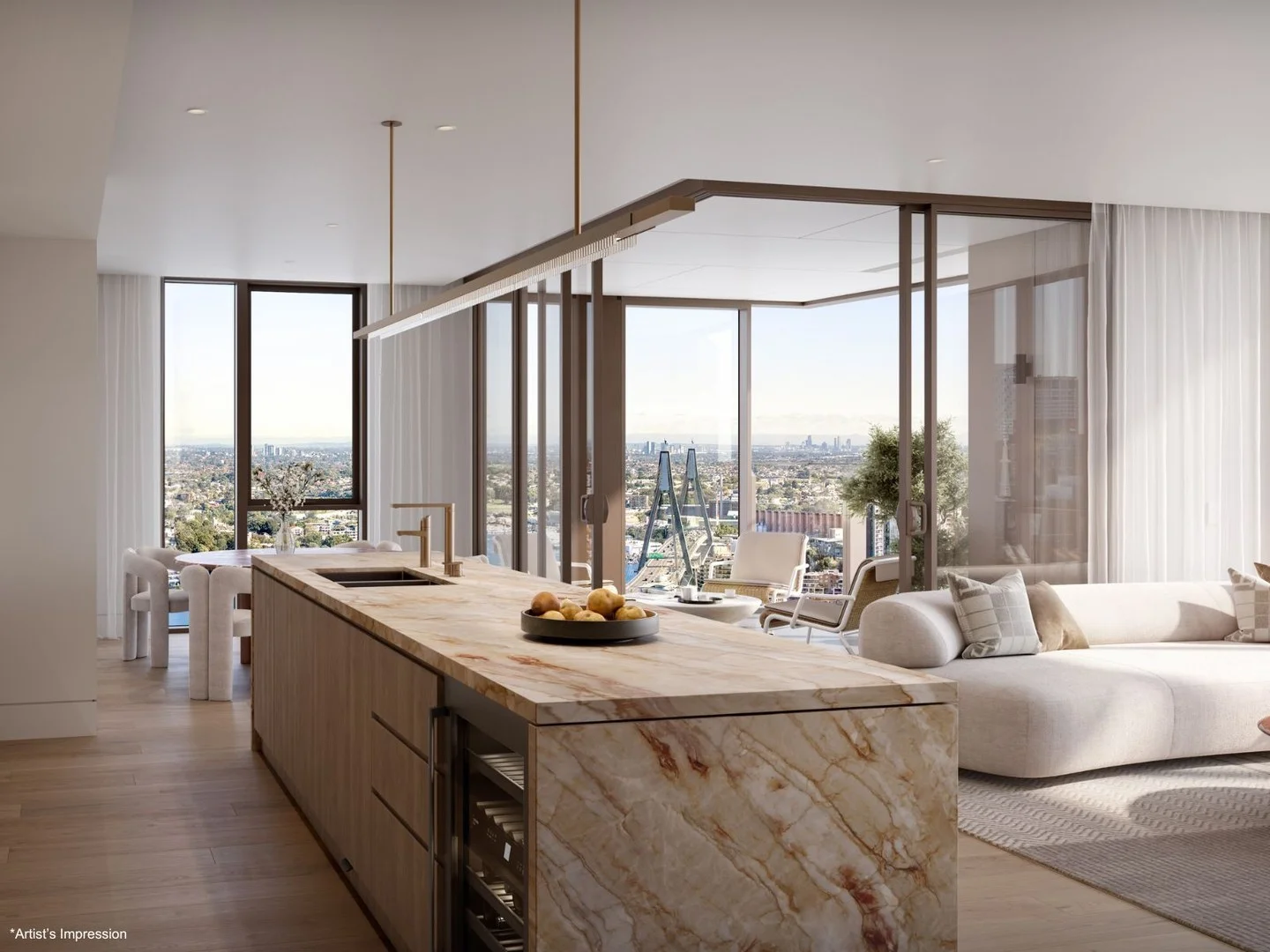 $9,020,000
propertyType.NEW APARTMENTS / OFF THE PLAN
$9,020,000
propertyType.NEW APARTMENTS / OFF THE PLAN
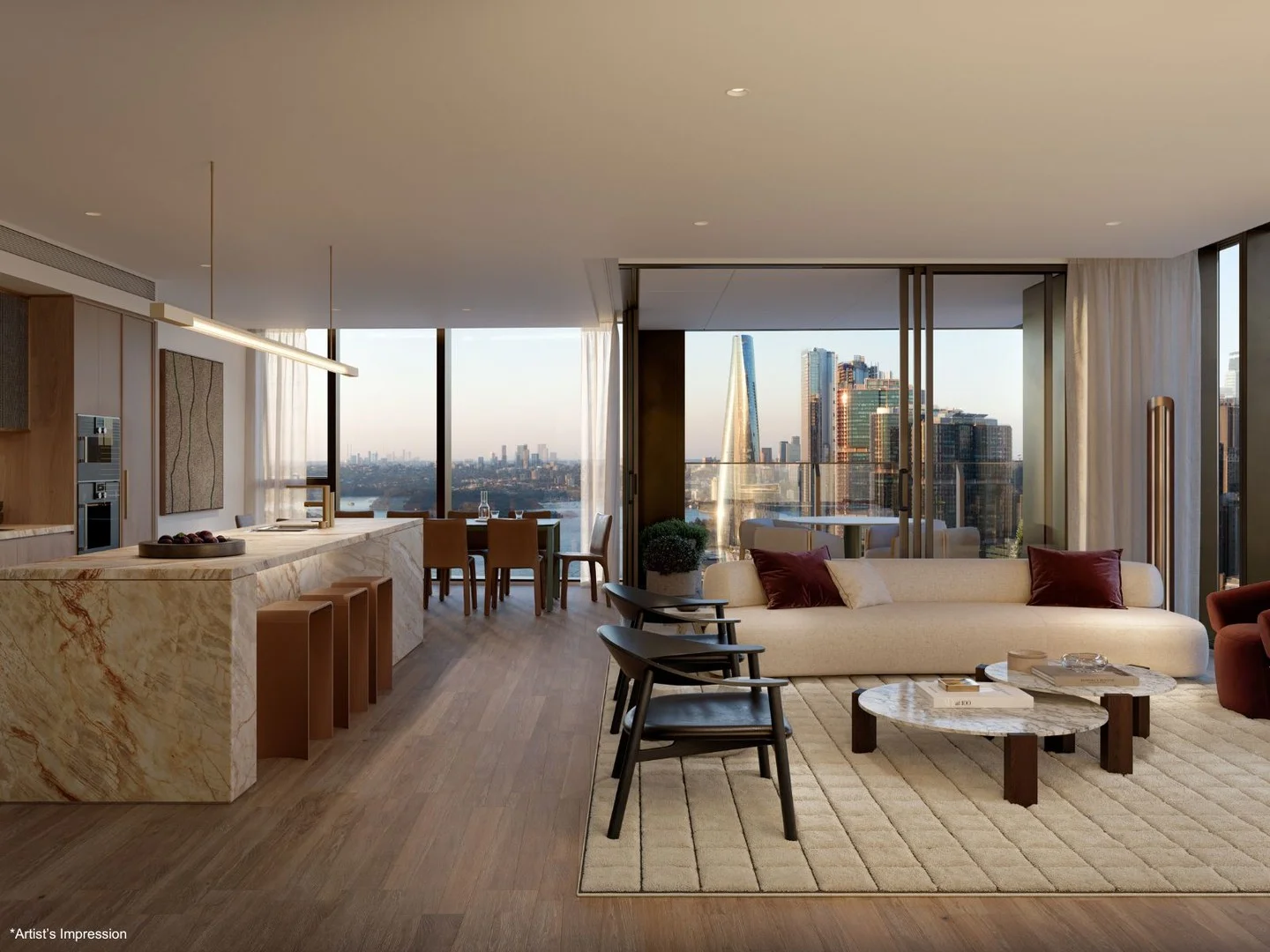 $12,980,000
propertyType.NEW APARTMENTS / OFF THE PLAN
$12,980,000
propertyType.NEW APARTMENTS / OFF THE PLAN
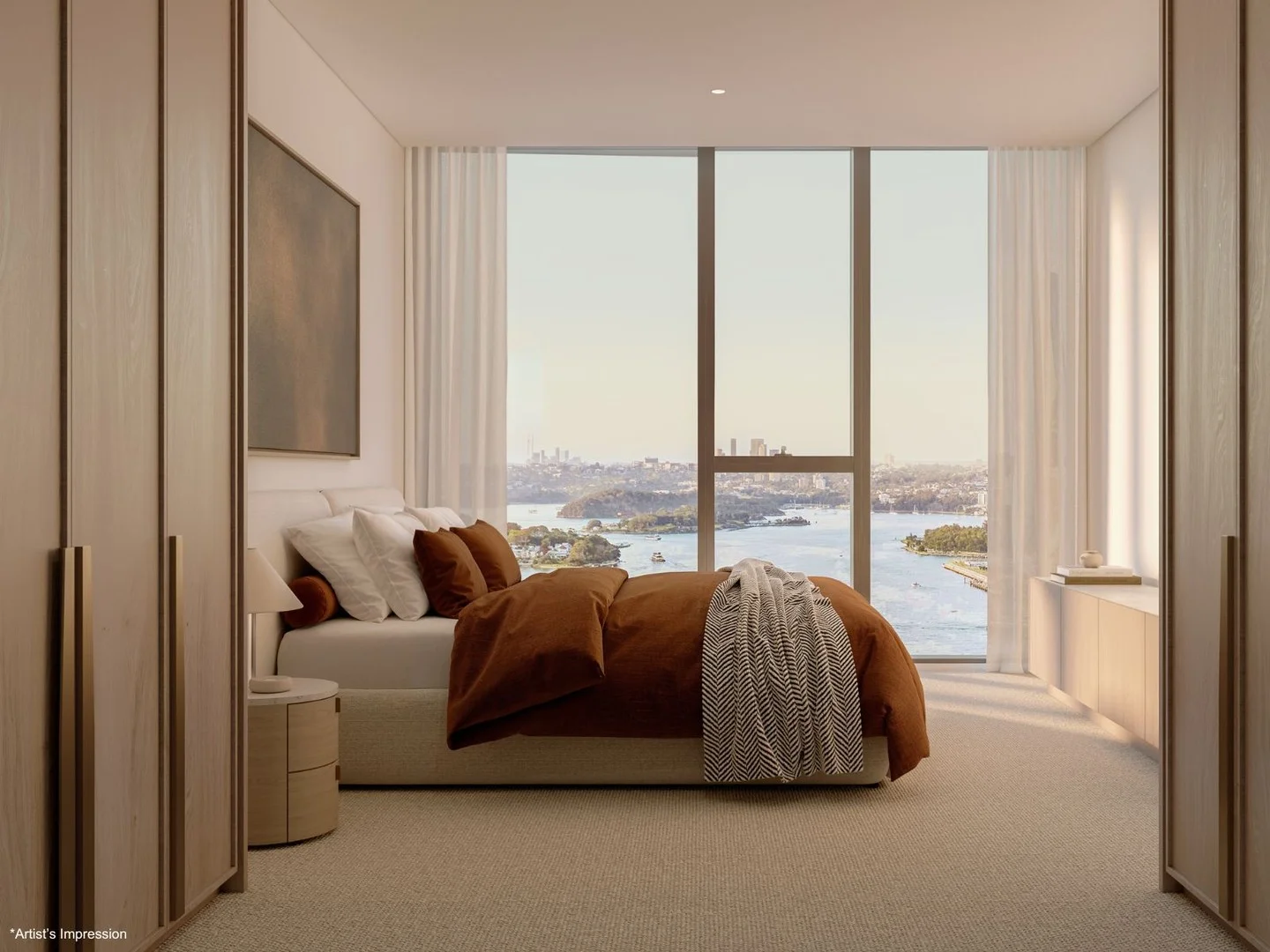 $8,630,000
propertyType.NEW APARTMENTS / OFF THE PLAN
$8,630,000
propertyType.NEW APARTMENTS / OFF THE PLAN
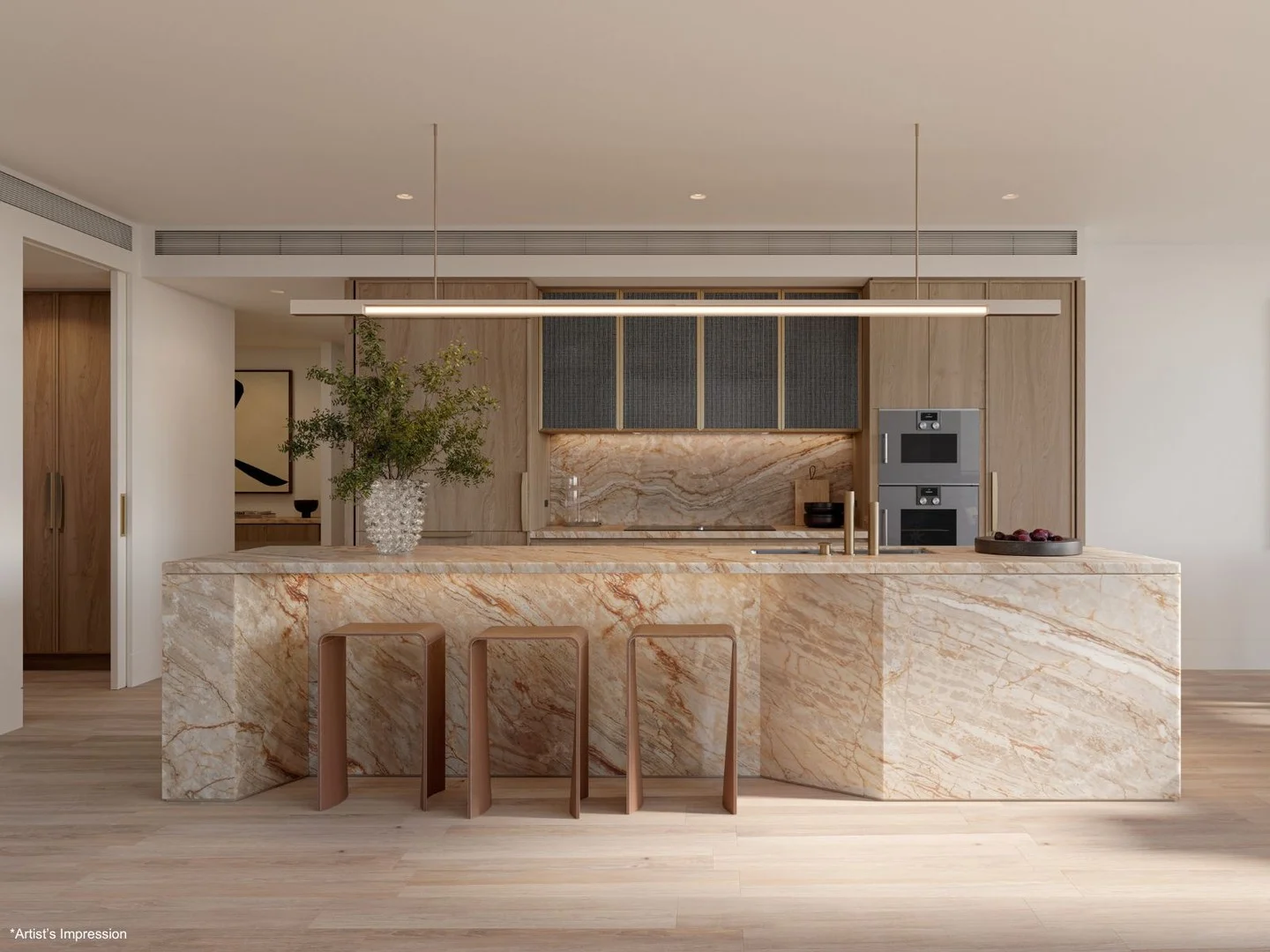 $6,225,000
propertyType.NEW APARTMENTS / OFF THE PLAN
$6,225,000
propertyType.NEW APARTMENTS / OFF THE PLAN


