1. Overview
St Margaret's Anglican Girls School is an independent Anglican day school for girls, catering to students from early learning through to Year 12. Located in Ascot, Brisbane, it offers a broad, values-driven education with a strong emphasis on academics, leadership and service.
This is a large school with a wide range of programs and opportunities. Class sizes are generally mid-sized, enabling strong teacher attention and a collaborative learning environment. The atmosphere blends high academic expectations with nurturing, inclusive culture and a strong commitment to sport and the arts.
⸻
2. Academics & Learning
- Academic strengths: English and literacy; mathematics and STEM subjects; leadership development and languages (e.g., French and Chinese) are well-supported through dedicated programs.
- Special programs: gifted and talented/accelerated learning pathways; leadership programs; robust music and arts streams; minority of students access targeted extension opportunities.
- NAPLAN / trends: recent years show steady improvement and positive trends across literacy and numeracy, with sustained performance in senior schooling.
- Student-teacher ratios: supportive ratios that enable individual attention, with smaller classes in the primary years and strong teacher support in senior years.
- Support for diverse learners: comprehensive learning support, including EAL (English as an Additional Language) services and SEN (special education needs) support, plus access to wellbeing and tutoring resources as needed.
⸻
3. Sports & Extracurricular Strengths
- Sports offered: a broad program including netball, hockey, swimming, athletics, tennis, basketball, cricket and other team and individual sports; strong participation across grades.
- Strong teams or achievements: competitive inter-school and regional pathways with notable performances in selected sports.
- Music, arts, drama programs: extensive performing arts facilities and programs; opportunities across choir, orchestra, drama and production.
- Clubs: robotics, chess, coding, debating, and other academic and interest-based clubs available to extend learning beyond the classroom.
- Partnerships: affiliations with local sport and arts programs and intra-school competitions to broaden exposure and opportunity.
Most parents skimming for boys aged 10–14 will notice the school’s emphasis on well-rounded development, combining sport, arts and academics.
⸻
4. Wellbeing & Pastoral Care
- Anti-bullying approach: clear anti-bullying policies, proactive wellbeing education and a culture of respect and inclusion.
- House system: house structure to foster belonging, friendly competition and peer support across year levels.
- Counsellors / wellbeing officers: on-site counsellors and wellbeing staff to support mental health, transition and daily wellbeing.
- Transition support for new students: structured induction, buddy programs, mentoring and parent communication to ease entry for new students.
⸻
5. Facilities
- Sports grounds: extensive outdoor fields and courts to support a wide range of sports.
- Libraries: well-equipped libraries supporting reading and research across year levels.
- Science labs: modern science facilities with dedicated labs for chemistry, biology, physics and hands-on learning.
- Music/performing arts centers: dedicated spaces for music, drama and dance, including performance venues.
- Tech/innovation labs: dedicated spaces for STEM and digital learning, including makerspaces or design labs.
- Cafeteria: on-site dining facilities with a variety of meal options.
- Updated playgrounds: modern, safe play areas for younger students.
- Visual overview: facilities are designed to support a holistic curriculum with strong emphasis on performance, creativity and practical learning.
⸻
6. School Values & Community Culture
- School values / mission: anchored in Anglican ethos, with emphasis on respect, integrity, service, leadership and community contribution.
- Leadership style: student-centred leadership opportunities alongside teacher guidance, fostering responsibility and initiative.
- Behaviour expectations: clear codes of conduct and high expectations for conduct, responsibility and respect.
- Community reputation: well-regarded within the local community for academic achievement, family engagement and a supportive school culture.
- Diversity & inclusion: commitment to inclusivity and creating opportunities for a diverse student body to thrive.
⸻
7. School Logistics & Daily Operations
- School hours: typical day runs from morning to afternoon with structure aligned to year levels (approximately 8:00 am–3:00 pm in many year groups).
- Before/after school care: available options to support families with early drop-offs or late pick-ups.
- Uniform requirements: formal school uniform required; practical guidelines for correct attire and presentation.
- Transport (train/bus routes): school-supported transport options and local public transport connections; bus services often available to various Brisbane districts.
- Canteen availability: on-site canteen or cafe facilities offering daily meals and snacks.
- Fees (low/medium/high ranges): fees are in the higher range for Australian independent day schools; scholarships and bursaries may be available, with information provided through the school’s enrolment office.
⸻
8. Enrolment & Admissions
11. What is the enrolment process and timeline?
- Begin with an enquiry and submission of required documents, followed by an application. The process typically includes assessments or interviews, and a formal offer if a vacancy exists. Timelines vary by year level and independence of intake, so early application is advised.
12. Is there a waiting list, and how does it work?
- Yes, waitlists can apply, especially for popular year levels or entry points. Vacancy availability, priority given to siblings or current families, and readiness of applicants influence wait times and placement.
13. Are there any entry requirements, tests, or interviews?
- Entry commonly involves an application, academic/transcript submission, and an interview or assessment. Some years may require written tasks or demonstrations of ability in core subjects; pastoral fit is also considered.
14. Does the school accept mid-year transfers?
- Mid-year transfers are considered subject to vacancy and subject/level alignment. Applicants should expect a transition process including documentation and potential assessments.
⸻
9. Frequently Asked Questions
- Why Parents Choose This School?
Families choose St Margaret’s for a strong academic program within a values-based, inclusive community that supports leadership, sport and the arts alongside a nurturing pastoral environment.
- What type of student thrives at this school?
A student who is motivated, community-minded and eager to engage across academics, arts and sport; someone who values service, resilience and collaboration tends to thrive.
- What opportunities are available for students to extend their skills (academics, sports, arts)?
Opportunities include accelerated or gifted programs, leadership roles, specialist STEM and language programs, multiple sports and arts streams, and a broad range of clubs (robotics, debating, coding, chess).
- How does the school communicate with parents?
Regular newsletters, parent-teacher conferences, digital portals and targeted updates from tutors, year coordinators and the wellbeing team.
- What is the school’s approach to teaching and learning?
A balanced, student-centered approach that emphasizes literacy and numeracy foundations, critical thinking, collaboration, and real-world application, supported by targeted pastoral care.
- How does the school support students who need extra academic help?
Access to learning support services, EAL and SEN programs, tutoring options and personalised study plans where appropriate.
- What support is available for academic challenges?
Dedicated teachers and learning specialists work with students to address gaps, build strategies for success and monitor progress.
- How does the school communicate with parents? (repeat)
See above: newsletters, portals, conferences and direct outreach from teachers and wellbeing staff.
- What are the class sizes and how much individual attention do students receive?
Class sizes are mid-sized, with strong teacher availability for individual attention, especially in lower year levels and targeted support periods in senior years.
- What extracurricular and sports opportunities are available?
A wide range across sports, music, drama and clubs such as robotics, coding, chess and debating, with inter-school competitions and performances.
- What facilities does the school offer (sports, science, arts)?
Comprehensive facilities include sports grounds, libraries, science labs, performing arts centers, tech/innovation labs, a canteen and modern playgrounds.
- What is the school’s approach to technology and digital learning?
Integrated digital learning across the curriculum with dedicated STEM spaces and opportunities to engage with coding, robotics and media production.
- What transport and accessibility options are available?
School-supported transport options and connections to public transport; flexible arrangements to support commuting families.
- What are the typical school fees or additional costs?
Fees are in the higher range for independent day schools; families should inquire about scholarships, bursaries and potential additional costs for activities and travel.
⸻
10. Short Pros & Cons list
Pros
- Strong academic program with wide range of subject and leadership opportunities
- Comprehensive wellbeing and pastoral care
- Diverse co-curricular offerings in sport, arts and clubs
- Supportive, values-based school culture and community
- Excellent facilities across science, arts, and technology
Cons
- Tuition and fees are higher than public and some other private options
- Competitive environment may feel intense for some students
- Demand can lead to waitlists for popular year levels
- Transportation options may require planning for families outside immediate area
⸻








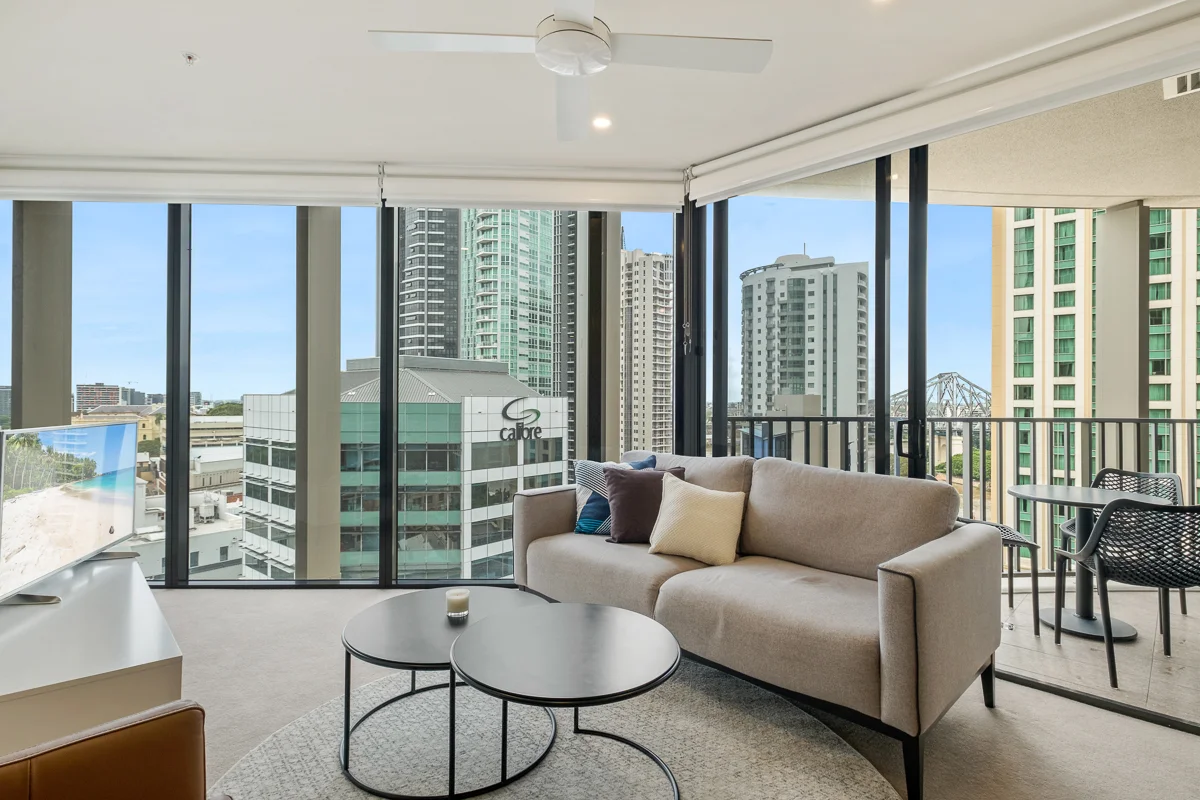 $950,000
Apartment / Unit / Flat
$950,000
Apartment / Unit / Flat
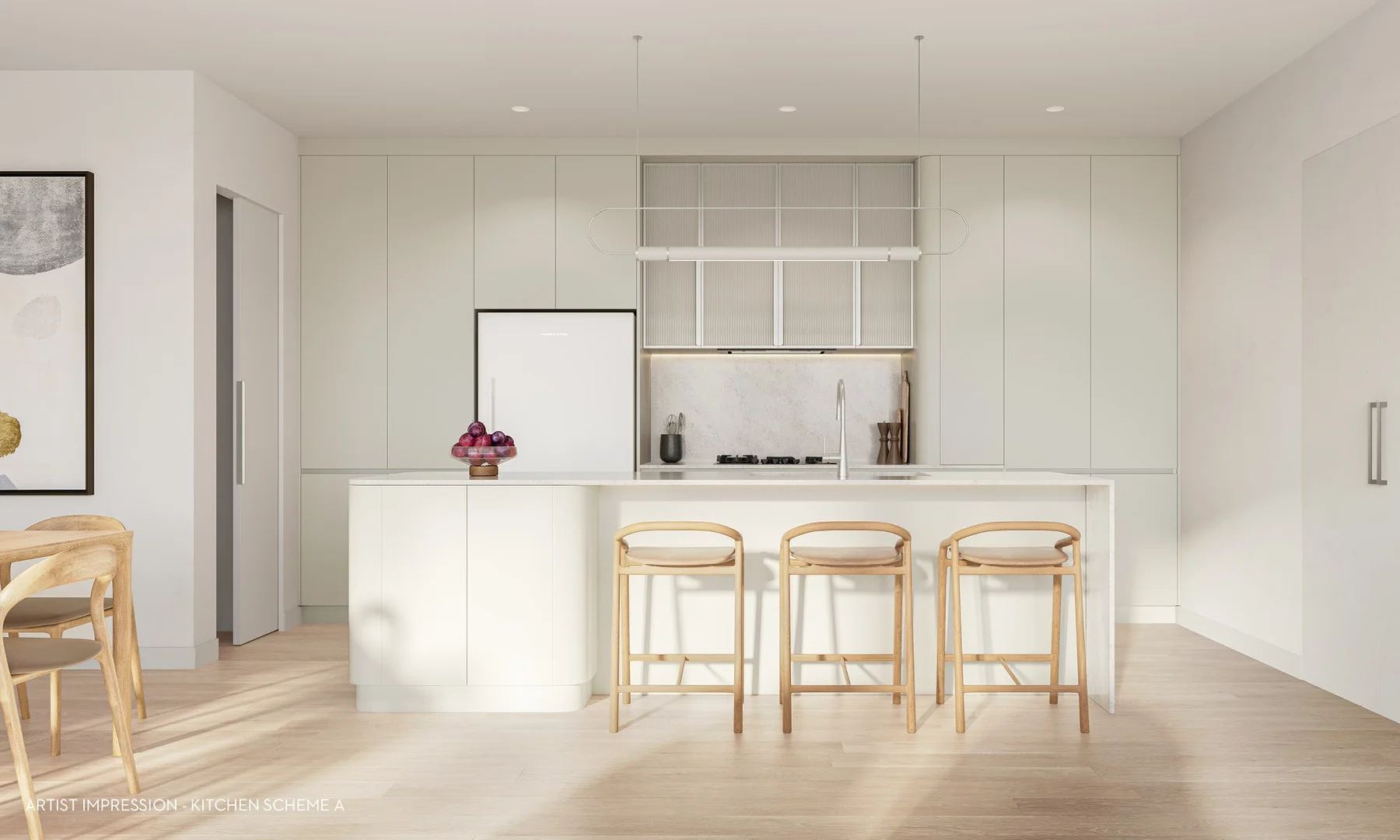 $1,527,000 - $1,870,000
propertyType.NEW APARTMENTS / OFF THE PLAN
$1,527,000 - $1,870,000
propertyType.NEW APARTMENTS / OFF THE PLAN
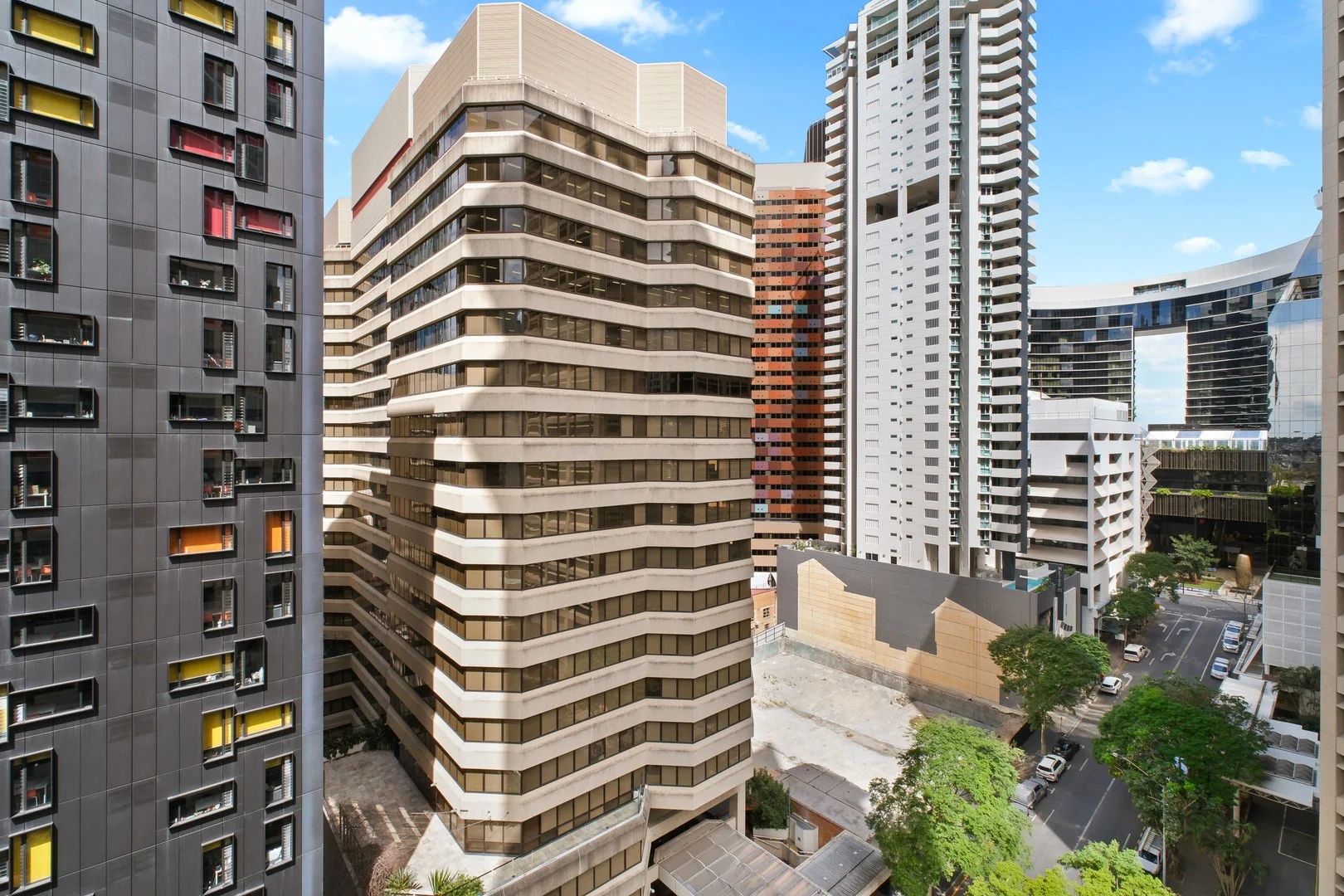 $550,000
Apartment / Unit / Flat
$550,000
Apartment / Unit / Flat
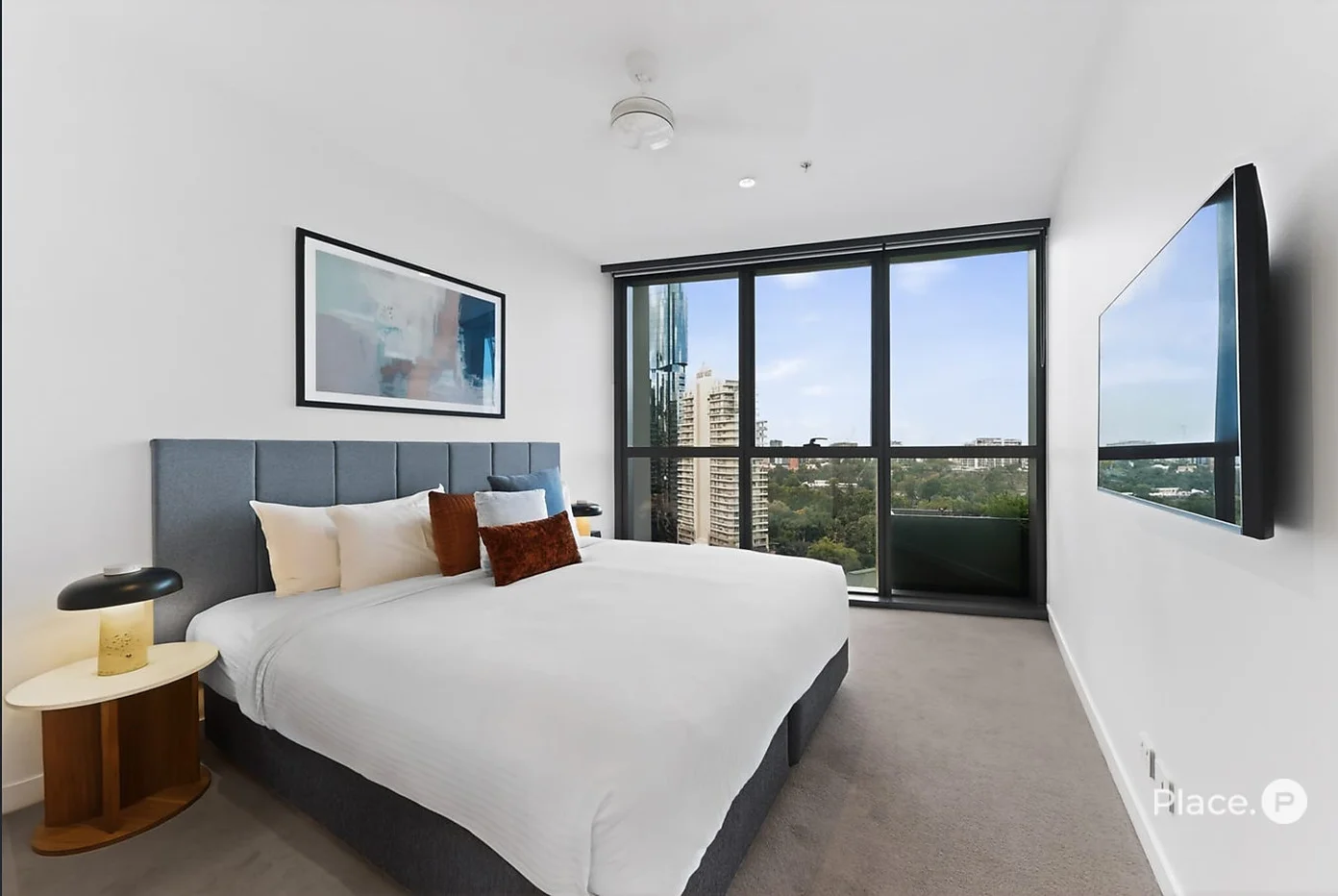 $770,000
Apartment / Unit / Flat
$770,000
Apartment / Unit / Flat