1. Overview
Clayfield College is an independent private day school located in Brisbane’s Clayfield area, serving students across the early years to Year 12. The college emphasises a holistic education that blends strong academics with a broad co-curricular program, fostering curiosity, resilience and responsible citizenship. It is a medium‑sized school with class sizes typically in the low 20s, creating a supportive, inclusive atmosphere where students can pursue academic achievement and personal growth.
The culture is one of high expectations balanced by care and guidance. Students are encouraged to take leadership roles, contribute to their community and engage in a wide range of activities beyond the classroom.
2. Academics & Learning
Academic strengths and focus:
- English and humanities, STEM disciplines, and modern languages are integral parts of the curriculum.
- Leadership development and opportunities for student initiative are encouraged across year levels.
Special programs:
- Accelerated learning options and gifted/talented programs where available.
- Structured leadership and service opportunities integrated into the learning journey.
NAPLAN trends:
- Publicly available patterns show consistent attainment and ongoing improvement in key domains over recent years.
Student-teacher ratios:
- Class sizes and student-teacher ratios are in the low-to-mid teens, supporting individual attention and teacher accessibility.
Support for diverse learners:
- Robust support for diverse learners, including EAL (English as an Additional Language) assistance and SEN (Special Educational Needs) support, with a dedicated team to help students access learning.
3. Sports & Extracurricular Strengths
Sports offered:
- Common options such as netball, basketball, soccer (football), tennis, athletics, swimming, and cricket, with facilities to support training and competition.
Strong teams or achievements:
- Competitive school teams across multiple sports, with participation in local and regional competitions and a record of achievement in various age groups.
Music, arts, drama programs:
- Active music ensembles, performing arts programs and annual productions that provide performance opportunities for students.
Clubs:
- Robotics, chess, coding, debating and other clubs that appeal to students with technical or intellectual interests.
Partnerships:
- Participation in inter-school competitions and partnerships with local clubs or associations to extend opportunities beyond the classroom.
4. Wellbeing & Pastoral Care
Anti-bullying approach:
- Clear anti-bullying policies and proactive, whole-school strategies to promote respectful relationships and safe environments.
House system:
- A house-based pastoral structure supports mentoring, friendly competition and social connection.
Counsellors / wellbeing officers:
- Access to school counsellors and wellbeing professionals to support academic, social and personal wellbeing.
Transition support for new students:
- Orientation programs, buddy systems and targeted transition support to help new students acclimate smoothly.
5. Facilities
- Sports grounds and athletic facilities
- Libraries and study spaces
- Science laboratories
- Music and performing arts centres
- Tech and innovation labs
- On-site canteen
- Updated playgrounds and outdoor learning spaces
6. School Values & Community Culture
School values / mission:
- A values-driven education focused on excellence, integrity, respect and service.
Leadership style:
- A collaborative, student-centered leadership approach that encourages student voice and responsibility.
Behaviour expectations:
- Clear codes of conduct and positive behaviour support that foster respectful, responsible behavior.
Community reputation:
- Strong community involvement and supportive parent networks, with an emphasis on collaboration between home and school.
Diversity & inclusion:
- Commitment to diversity and inclusive education, with programs and practices designed to respect and celebrate differences.
7. School Logistics & Daily Operations
School hours:
- Typical school day runs from around 8:00–3:00, with year-level variations as needed.
Before/after school care:
- On-site or nearby arrangements available for before and after-school care.
Uniform requirements:
- A formal uniform policy with prescribed attire for each year level.
Transport (train/bus routes):
- Accessible by local public transport networks and school-specific bus routes where offered; parking and drop-off zones available on site.
Canteen availability:
- On-site canteen or lunch service options with healthy meal choices.
Fees (low/medium/high ranges):
- Fee structure is in the private/independent school range; details vary by year level and program.
8. Enrolment & Admissions
11. What is the enrolment process and timeline?
- Online information and application, followed by documents submission, campus tour or information session, and parent–teacher or admissions interviews. Offers are issued subject to space and meeting entry requirements; timelines vary by intake.
12. Is there a waiting list, and how does it work?
- Depending on year level and space, a waiting list may operate. Applications stay on the list until a place becomes available, with priority given to siblings or other criteria set by the school.
13. Are there any entry requirements, tests, or interviews?
- Entry typically involves submission of past academic reports, an entrance assessment or interview, and an alignment check with the school’s expectations and program offerings.
14. Does the school accept mid-year transfers?
- Mid-year transfers are considered if there is available space and the applicant meets entry requirements; timing and placement are assessed on a case-by-case basis.
9. Frequently Asked Questions
- Why Parents Choose This School?
- A strong academic program, supportive community, balanced focus on academics, arts and sport, and a commitment to student wellbeing.
- What type of student thrives at this school?
- Motivated, curious students who engage across academics, sport, arts and leadership and who value a collaborative, inclusive environment.
- What opportunities are available for students to extend their skills (academics, sports, arts)?
- A broad range of advanced coursework options, leadership opportunities, competitive sports, performing arts programs, robotics, coding, debating and other clubs.
- How does the school communicate with parents?
- Regular updates through newsletters, parent portals, emails, school app notifications and scheduled parent–teacher interviews.
- What is the school’s approach to teaching and learning?
- Student-centered, evidence-based approaches that incorporate inquiry, collaboration and real-world applications.
- How does the school support students who need extra academic help?
- Learning support services, targeted interventions, EAL and SEN assistance, and access to tutoring or small-group support where needed.
- What support is available for academic challenges?
- Ongoing progress tracking, remediation plans and individualized support to help students meet their learning goals.
- How does the school communicate with parents? (Note: covered above, but often reiterated)
- Through multiple channels including the school app, portal, newsletters and direct contact with teachers.
- What are the class sizes and how much individual attention do students receive?
- Class sizes are in the low-to-mid 20s with ample opportunities for teacher feedback, targeted support and small-group instruction where needed.
- What extracurricular and sports opportunities are available?
- A wide range of sports, music and drama programs, and clubs such as robotics, chess, coding and debating.
- What facilities does the school offer (sports, science, arts)?
- Comprehensive facilities including sports grounds, libraries, science labs, performing arts spaces, tech labs and a canteen.
- What is the school’s approach to technology and digital learning?
- Integrated digital learning with dedicated tech spaces, digital literacy programs and use of learning platforms to support teaching and home learning.
- What transport and accessibility options are available?
- Public transport access, school bus routes where offered, car drop-off zones and accessible facilities for students with mobility needs.
- What are typical school fees or additional costs?
- Fees fall within the private/independent school range; specific costs depend on year level and chosen programs.
10. Short Pros & Cons list
Pros
- Strong, well-rounded academic program
- Broad co-curricular and performing arts offerings
- Comprehensive wellbeing and pastoral care
- Solid facilities across science, arts, tech and sport
- Active parent and community involvement
Cons
- Private school fees can be higher than public options
- Commute or travel considerations for some families
- Large school environment may feel less intimate for some students
If you’d like, I can tailor these sections with more precise figures or wording once you provide any official data or preferences from Clayfield College (e.g., exact class size ranges, current programs, or recent performance trends).







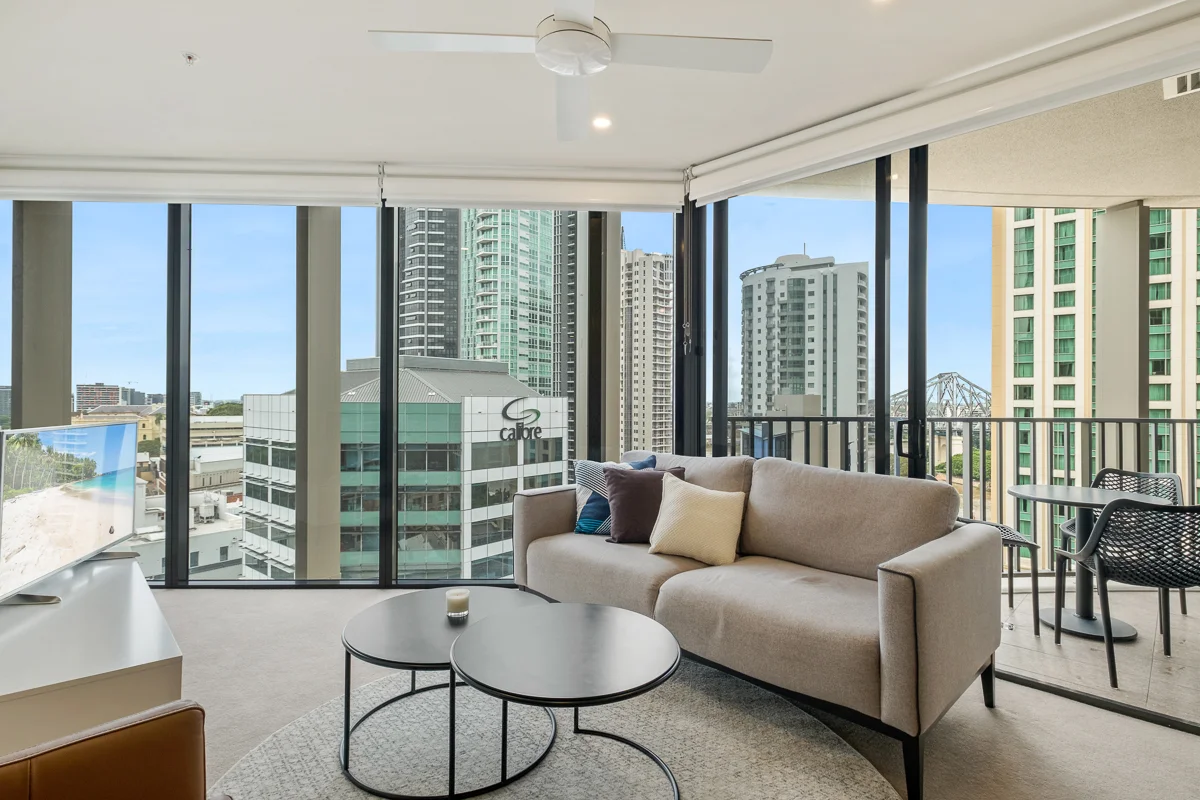 $950,000
Apartment / Unit / Flat
$950,000
Apartment / Unit / Flat
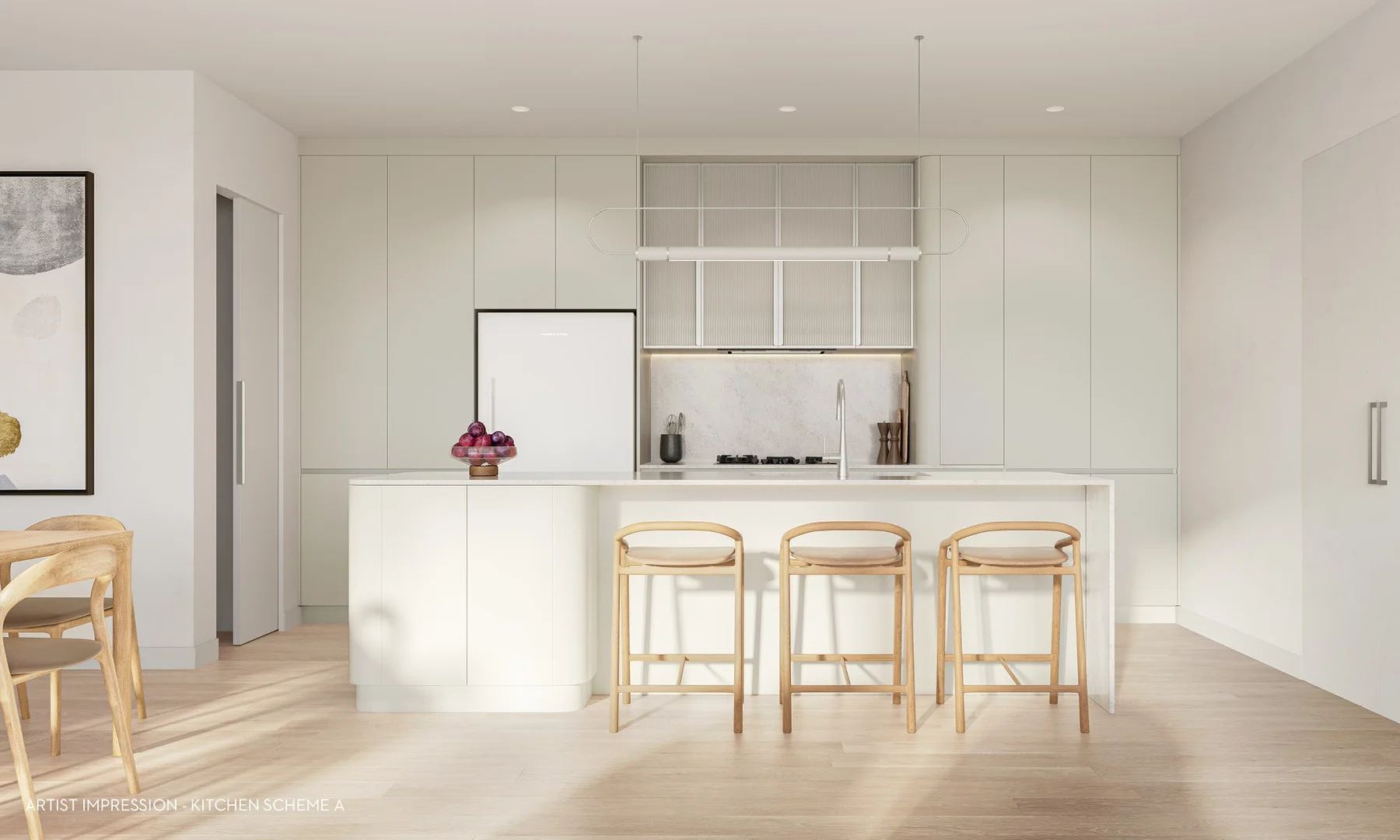 $1,527,000 - $1,870,000
propertyType.NEW APARTMENTS / OFF THE PLAN
$1,527,000 - $1,870,000
propertyType.NEW APARTMENTS / OFF THE PLAN
 $550,000
Apartment / Unit / Flat
$550,000
Apartment / Unit / Flat
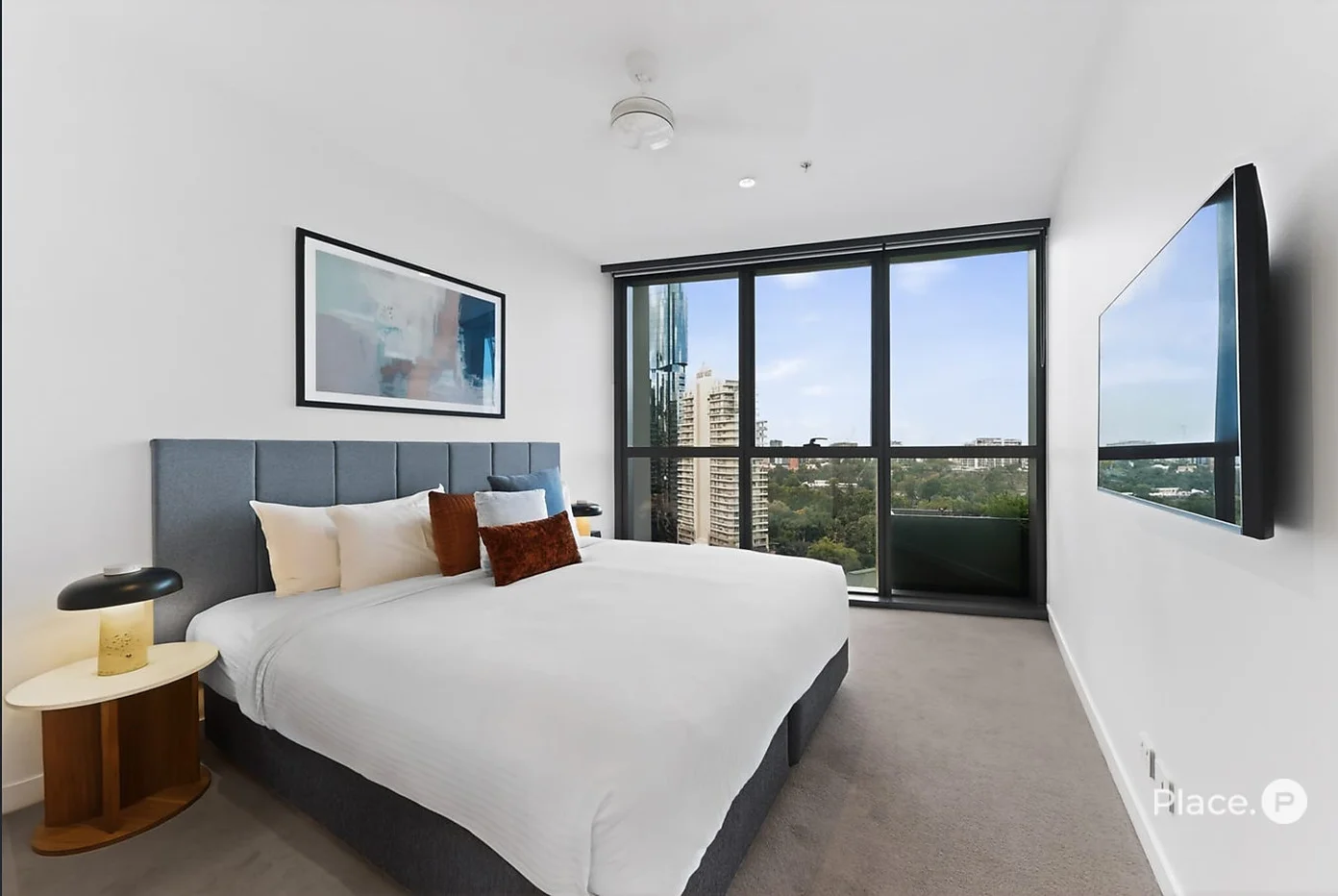 $770,000
Apartment / Unit / Flat
$770,000
Apartment / Unit / Flat