# Overview
St Rita’s College, Clayfield is a private Catholic girls’ school renowned for a values-based education and strong academic outcomes. Serving students in the Brisbane area, the college emphasizes a nurturing, inclusive community where faith, leadership, sport and the arts are integrated into daily school life.
The school tends to be described as a medium-to-large community with mid-range class sizes that support individual attention. The atmosphere blends academic rigour with a supportive culture, encouraging girls to pursue excellence while developing resilience, service to others and a sense of belonging.
# Academics & Learning
- Academic strengths: English, STEM, leadership development, and languages are prioritized within a broad curriculum shaped by Catholic values and high expectations.
- Special programs: ATAR-based senior pathways, opportunities for accelerated or enriched learning, and leadership development programs are commonly highlighted.
- NAPLAN trends: The school typically shows strong year-over-year literacy and numeracy trends, with continuing emphasis on improving outcomes across grades.
- Student-teacher ratios: Generally mid-range, allowing for meaningful teacher-student interaction and support.
- Support for diverse learners: Programs and staff support EAL (English as an Additional Language) learners and students with additional needs (SEN), including targeted learning assistance and inclusive practices.
# Sports & Extracurricular Strengths
- Sports offered: Netball, basketball, swimming, tennis, athletics, cross-country and other team sports commonly available through school programs.
- Strong teams or achievements: The college often features competitive interschool teams and district-level participation across major sports.
- Music, arts, drama programs: Robust offerings in music, performing arts and drama, including ensembles and productions.
- Clubs: Robotics, chess, coding, debating and other academic or interest-based clubs are part of the extracurricular landscape.
- Partnerships: Links with local clubs, external coaching groups and competitions support sport and arts development.
# Wellbeing & Pastoral Care
- Anti-bullying approach: A proactive, policy-driven approach to bullying with clear pastoral care pathways.
- House system: A house-based structure that promotes belonging, friendly competition and student leadership.
- Counsellors / wellbeing officers: On-campus support from counsellors and wellbeing staff to assist with academic and personal wellbeing.
- Transition support for new students: Induction programs, buddy systems and orientation activities help new students settle in smoothly.
# Facilities
- Sports grounds: On-site athletic facilities and fields suitable for training and fixtures.
- Libraries: Modern library spaces with access to resources and study areas.
- Science labs: Well-equipped laboratories for chemistry, biology, physics and related subjects.
- Music/performing arts centers: Dedicated spaces for concerts, rehearsals and theatre productions.
- Tech/innovation labs: Modern classrooms and labs supporting digital learning and STEM projects.
- Cafeteria: On-site dining facilities with healthy meal options.
- Updated playgrounds: Well-maintained outdoor spaces and play areas for breaks and activities.
# School Values & Community Culture
- School values / mission: A Catholic ethos centered on service, compassion, integrity and community, with an emphasis on leadership and ethics.
- Leadership style: Collaborative and student-centered, with opportunities for student voice in leadership roles.
- Behaviour expectations: Clear codes of conduct and uniform standards aligned with the school’s ethos.
- Community reputation: A long-standing, supportive school community with strong alumnae connections and local engagement.
- Diversity & inclusion: Committed to a diverse and inclusive environment, welcoming students from varied backgrounds and abilities.
# School Logistics & Daily Operations
- School hours: Typical day starts in the morning and ends in the mid-to-late afternoon, with variations by year level.
- Before/after school care: Availability of supervision and care outside normal hours.
- Uniform requirements: Official school uniforms with seasonal adjustments; standards for appearance and presentation.
- Transport (train/bus routes): Access to public transport options (bus and nearby train services) with practical guidance for families.
- Canteen availability: On-site canteen offering a range of meal and snack options.
- Fees (low/medium/high ranges): Fees are in the private school range, with information typically provided via the admissions team and especially clear during the enrollment process.
# Enrolment & Admissions
- 11. What is the enrolment process and timeline?
- Applications typically begin with an expression of interest, followed by an information/evening session, submission of documents, and an assessment/interview process. Offers are issued subject to vacancies and the timeline can vary by year.
- 12. Is there a waiting list, and how does it work?
- A waiting list is common when demand exceeds vacancies. Placement is usually determined by the order on the list and consideration of factors such as year level availability, sibling preference, and the applicant’s fit with the school’s goals.
- 13. Are there any entry requirements, tests, or interviews?
- Entry commonly involves an interview and/or assessment, along with academic records. Some years may include additional considerations related to Catholic education requirements and alignment with the school’s values.
- 14. Does the school accept mid-year transfers?
- Mid-year transfers are possible subject to vacancies and admission assessment. Parents typically contact the admissions team to discuss options and available intake periods.
# Frequently Asked Questions
- Why Parents Choose This School?
- A combination of Catholic values, strong academic programs, supportive pastoral care and a vibrant co-curricular life that helps students grow in character and capability.
- What type of student thrives at this school?
- Girls who are academically motivated, engaged in community life, and who value leadership, service and a well-rounded education.
- What opportunities are available for students to extend their skills (academics, sports, arts)?
- Extension programs in academics, leadership opportunities, competitive sports, music ensembles, drama productions, robotics, debating and other clubs.
- How does the school communicate with parents?
- Through a mix of newsletters, emails, a parent portal, and regular meetings or information evenings.
- What is the school’s approach to teaching and learning?
- Student-centered, faith-informed education with emphasis on critical thinking, literacy and numeracy, and responsible use of technology.
- How does the school support students who need extra academic help?
- Learning support services, tutoring options, SEN coordination and targeted assistance for students who need extra help.
- What support is available for academic challenges?
- Access to tutors, mentoring, counsellors and proactive collaboration between home and school to address difficulties early.
- How does the school communicate with parents?
- See above: regular updated channels, portal access and responsive staff.
- What are the class sizes and how much individual attention do students receive?
- Class sizes are typically mid-range, enabling meaningful teacher-student interaction and targeted guidance.
- What extracurricular and sports opportunities are available?
- A wide range of sports, music, drama and clubs such as robotics, chess, coding, debating and more.
- What facilities does the school offer (sports, science, arts)?
- Comprehensive facilities including sports grounds, modern libraries, science labs, performing arts venues and tech labs.
- What is the school’s approach to technology and digital learning?
- Integrated digital learning with appropriate use of technology in classrooms and practical digital literacy programs.
- What transport and accessibility options are available?
- Access to public transport options (bus and rail) and practical arrangements for drop-off/pick-up; parking and accessibility considerations are addressed by the school.
- What are the typical school fees or additional costs?
- Fees align with private school expectations in the region; the admissions team provides detailed, year-specific information and potential scholarship options.
# Short Pros & Cons list
Pros
- Strong Catholic values framework with an emphasis on service and leadership
- Solid academic program and supportive learning environment
- Wide range of co-curriculars (sports, arts, clubs)
- Comprehensive pastoral care and wellbeing supports
- Good facilities supporting STEM, arts and digital learning
Cons
- Tuition and associated costs are higher than many public options
- Competitive environment may not suit all learners
- Admissions can involve wait times or competitiveness for popular year levels
- Transport logistics may require planning for families depending on location
If you’d like, I can tailor any section to emphasize particular programs or achievements you want highlighted, or align the tone more closely with Aroundschools’ style.







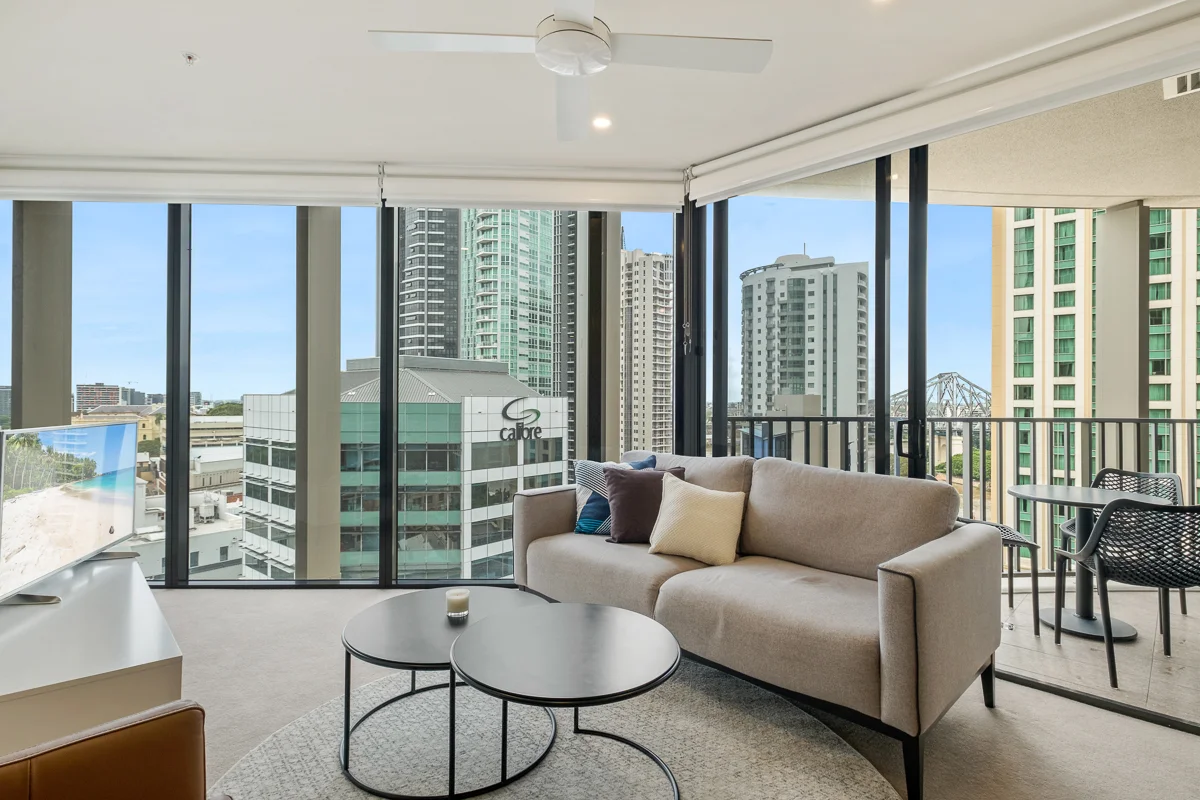 $950,000
Apartment / Unit / Flat
$950,000
Apartment / Unit / Flat
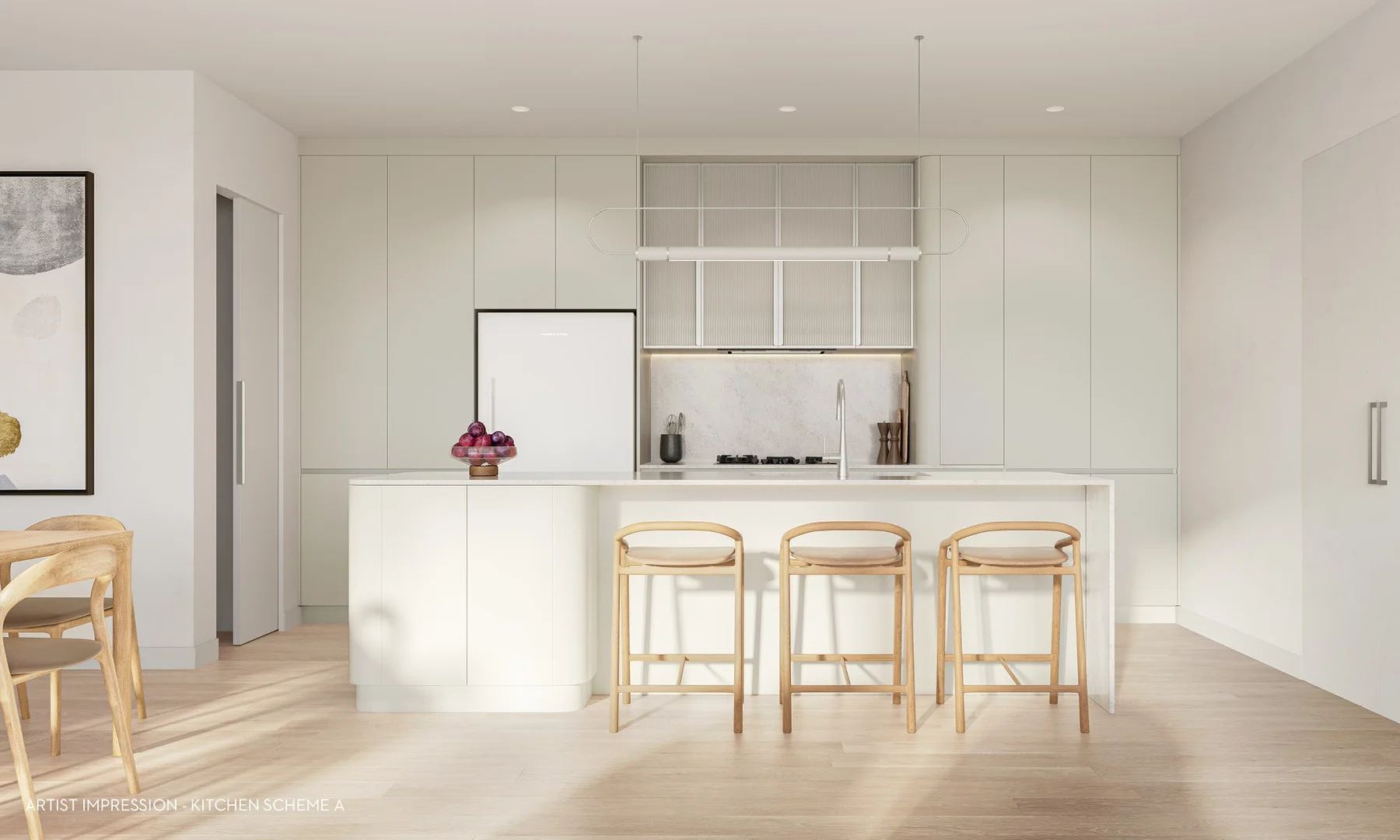 $1,527,000 - $1,870,000
propertyType.NEW APARTMENTS / OFF THE PLAN
$1,527,000 - $1,870,000
propertyType.NEW APARTMENTS / OFF THE PLAN
 $550,000
Apartment / Unit / Flat
$550,000
Apartment / Unit / Flat
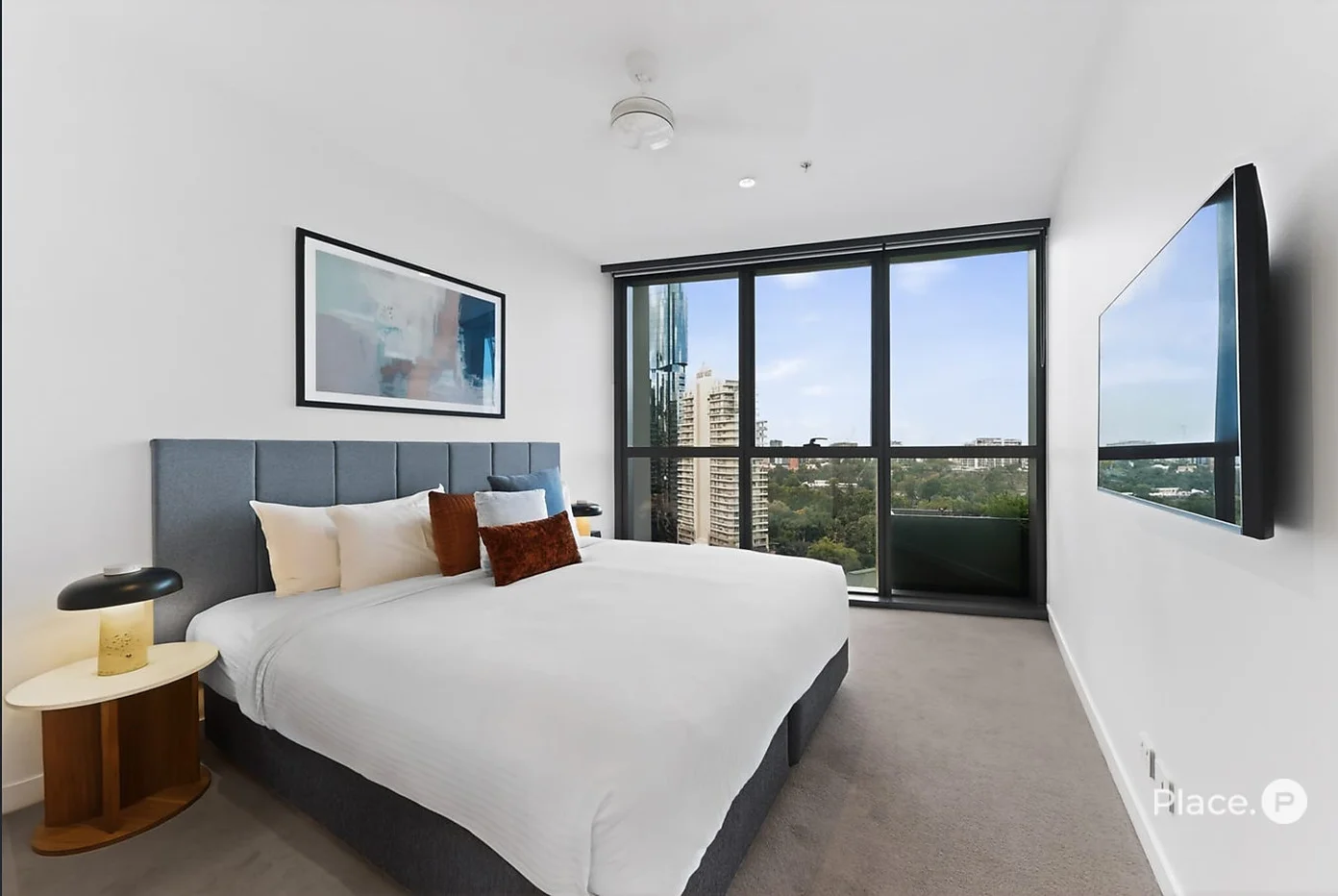 $770,000
Apartment / Unit / Flat
$770,000
Apartment / Unit / Flat


