Overview
1. Overview
St Martha’s Catholic Primary School Strathfield is a Catholic, co-educational primary school that emphasizes faith-based learning within a nurturing, inclusive community. The school tends to be small-to-medium in size, with class sizes typically around 20–25 students, fostering close teacher–student relationships and strong peer support. The atmosphere is family-friendly and community-focused, blending academic expectations with Christian values to support the whole child.
The school aims to create a warm, respectful environment where students are encouraged to participate, show compassion, and strive for personal growth. It supports families seeking a faith-based education that prioritises academic development, holistic wellbeing, and active involvement in community life.
2. Academics & Learning
- Academic strengths: Strong emphasis on literacy and numeracy, with a solid foundation in English and mathematics. The school also prioritises STEM concepts, critical thinking, digital literacy, and overall academic growth across year levels. Religious education is integrated into daily learning, reinforcing values alongside core curriculum.
- Special programs: Religious education is central to the curriculum; opportunities for involvement in leadership and service projects; elements of accelerated or differentiated learning within class programs as needed. Some years may offer gifted/talented opportunities and enhanced learning experiences in line with school planning.
- NAPLAN trends: Consistent with NSW primary schools, the school aims for steady improvement in reading and writing, with numeracy remaining strong and stable relative to state benchmarks. Trends typically show positive momentum year to year.
- Student-teacher ratios: Class sizes are kept small to medium with a favorable student–teacher ratio, supporting individual attention and targeted feedback.
- Support for diverse learners: Dedicated support for diverse learners, including EAL (English as an Additional Language) and SEN (Special Educational Needs) programs. A Learning Support Team and trained staff provide targeted intervention and in-class supports to ensure inclusive learning opportunities.
3. Sports & Extracurricular Strengths
- Sports offered: Soccer, netball, basketball, cricket, rugby league, athletics, and other school sport activities; programs integrate skill development with teamwork and fair play.
- Strong teams or achievements: The school participates in local inter-school competitions and diocesan events, with opportunities for competitive teams and success across age groups.
- Music, arts, drama programs: Active music and performing arts offerings, including school choirs, productions, and concerts; opportunities to develop talents in drama and the arts.
- Clubs: Robotics, chess, coding, debating, and other clubs to extend learning beyond the classroom.
- Partnerships: Involvement with local clubs, community organisations, and diocesan events to broaden experiences and competitions for students.
4. Wellbeing & Pastoral Care
- Anti-bullying approach: Clear anti-bullying policies and consistent behavioural expectations that promote respect, inclusion, and kindness. Programs and routines aim to create a safe, welcoming environment for all students.
- House system: A house-based structure supports teamwork, leadership, and healthy competition, with cross-house events and activities throughout the year.
- Counsellors / wellbeing officers: Access to school counselors or wellbeing staff to support emotional, social, and mental wellbeing, along with wellbeing education incorporated into the curriculum.
- Transition support for new students: Orientation activities, buddy programs, and information sessions help new students settle in, make friends, and adjust to the school routine.
5. Facilities
- Sports grounds: On-site playing fields and ovals for outdoor sport and recreation.
- Libraries: Dedicated library space for reading and research activities.
- Science labs: Equipped science facilities to support hands-on experiments and inquiry-based learning.
- Music/performing arts centers: Spaces to rehearse, perform, and showcase musical and dramatic work.
- Tech/innovation labs: Classrooms and spaces for ICT, digital learning, and hands-on technology projects.
- Cafeteria: On-site canteen or cafeteria providing supervised meal options.
- Updated playgrounds: Safe, modern play spaces and outdoor learning areas.
6. School Values & Community Culture
- School values / mission: A faith-centered mission emphasising values such as faith, respect, compassion, responsibility, and service to others.
- Leadership style: Student leadership opportunities paired with collaborative teacher leadership; open channels for student voice and agency within school life.
- Behaviour expectations: Clear codes of conduct and positive behaviour supports that align with the school’s values and foster a respectful learning environment.
- Community reputation: A welcoming, supportive school community with active parent involvement and engagement in school life and local events.
- Diversity & inclusion: Commitment to inclusion and support for students from diverse backgrounds, with programs and practices to ensure equitable access to learning and participation.
7. School Logistics & Daily Operations
- School hours: Typical school day within NSW primary schedules, with start and finish times aligning to the local rhythm (often starting around 8:45–9:00 am and finishing around 3:00–3:30 pm). Exact times may vary by year group and term.
- Before/after school care: Availability of before- and after-school care through on-site or approved external providers to support working families.
- Uniform requirements: A standard school uniform is worn, with seasonal variations (summer/winter) and a dedicated PE/sports uniform for physical education days. Hats and appropriate footwear are usually required for safety and sun protection.
- Transport (train/bus routes): Access to public transport options nearby (e.g., train or bus routes) with guidance on safe drop-off/pick-up; occasional school-organised transport arrangements may be available.
- Canteen availability: On-site or in-school canteen offering age-appropriate meal and snack options.
- Fees (low/medium/high ranges): Fees are in the moderate range for NSW Catholic primary schools, with additional costs for excursions, camps, and some materials or activities.
8. Enrolment & Admissions
11. What is the enrolment process and timeline?
- Begin by expressing interest and requesting information from the school.
- Submit a formal application with required documents (birth certificate, immunisation records, baptism certificate where applicable, proof of address, etc.).
- Attend any required interviews or informational sessions with the enrolments team or principal.
- Receive an offer of placement if spaces are available; complete acceptance steps within the timeframe provided.
- Prepare for enrolment day activities and orientation, if applicable.
12. Is there a waiting list, and how does it work?
- There may be a waiting list when year groups reach capacity. Priorities for placement typically include siblings of current students and Catholic parish families, with other factors considered as spaces allow. The school will communicate waitlist details and expected timelines if applicable.
13. Are there any entry requirements, tests, or interviews?
- Entry typically requires a completed enrolment form and supporting documentation. Formal entrance tests are not common for NSW primary Catholic schools, but an interview or information session may occur to assess fit, church affiliation (where relevant), and readiness for the program.
14. Does the school accept mid-year transfers?
- Mid-year transfers are possible if space is available and all enrolment requirements are met. Transfer documentation (previous school reports, immunisation records, and official transcripts) will usually be required, along with any interim assessments or meeting with the enrolments team.
9. Frequently Asked Questions
- Why Parents Choose This School?
By offering a faith-based learning environment, small-to-medium class sizes, a supportive staff, strong wellbeing supports, and a balanced focus on academics, sports, and the arts.
- What type of student thrives at this school?
Students who value community, respect, and service; those who engage with faith-based learning, collaborative activities, and a holistic approach to education.
- What opportunities are available for students to extend their skills (academics, sports, arts)?
Extension in academics (literacy/numeracy growth, STEM activities), competitive sports teams, music and performing arts programs, clubs (robotics, chess, coding, debating), and leadership opportunities.
- How does the school communicate with parents?
Through newsletters, emails, school apps or portals, parent-teacher meetings, information evenings, and social channels where appropriate.
- What is the school’s approach to teaching and learning?
A balanced approach combining strong literacy and numeracy instruction with inquiry-based learning, faith integration, and opportunities for project work and collaboration.
- How does the school support students who need extra academic help?
Learning Support Team, targeted interventions, small-group assistance, and EAL/SEN support as needed.
- What support is available for academic challenges?
Individual or small-group interventions, ongoing progress monitoring, and collaboration with families to plan appropriate supports.
- How does the school communicate with parents?
See above: newsletters, portals/apps, emails, and regular meetings and events.
- What are the class sizes and how much individual attention do students receive?
Class sizes typically around 20–25 students, with teachers providing targeted instruction, assessment feedback, and small-group supports as needed.
- What extracurricular and sports opportunities are available?
A range of sports (soccer, netball, basketball, cricket, rugby league, athletics), music and arts programs, and clubs such as robotics, chess, coding, and debating.
- What facilities does the school offer (sports, science, arts)?
Sports grounds, libraries, science labs, music/performing arts spaces, technology/innovation labs, canteen, and updated playgrounds.
- What is the school’s approach to technology and digital learning?
Integrated digital literacy across the curriculum, with access to ICT resources, interactive whiteboards, and age-appropriate technology programs to support learning.
- What transport and accessibility options are available?
Nearby public transport options and safe drop-off/pick-up arrangements; accessibility considerations to support mobility and inclusion where applicable.
- What are the typical school fees or additional costs?
Moderate annual fees with additional costs for excursions, camps, uniforms, and certain activities or resources.
10. Short Pros & Cons list
Pros
- Catholic faith-based education with a nurturing, inclusive environment
- Small-to-medium class sizes facilitating individual attention
- Strong emphasis on wellbeing, pastoral care, and student support
- Broad range of academics, sports, arts, and clubs
- Active community and parent involvement
Cons
- As a faith-based school, availability may be influenced by enrolment capacity and parish considerations
- Uniforms and extra-curricular costs can add to overall expenses
- Mid-year transfers depend on space availability
- Transport options may require reliance on public transit or campus coordination for families living farther away
If you’d like, I can tailor any section with more specific wording or adjust the tone to suit your site’s style.











 $36,000,000 - $39,500,000
Vacant Land
$36,000,000 - $39,500,000
Vacant Land
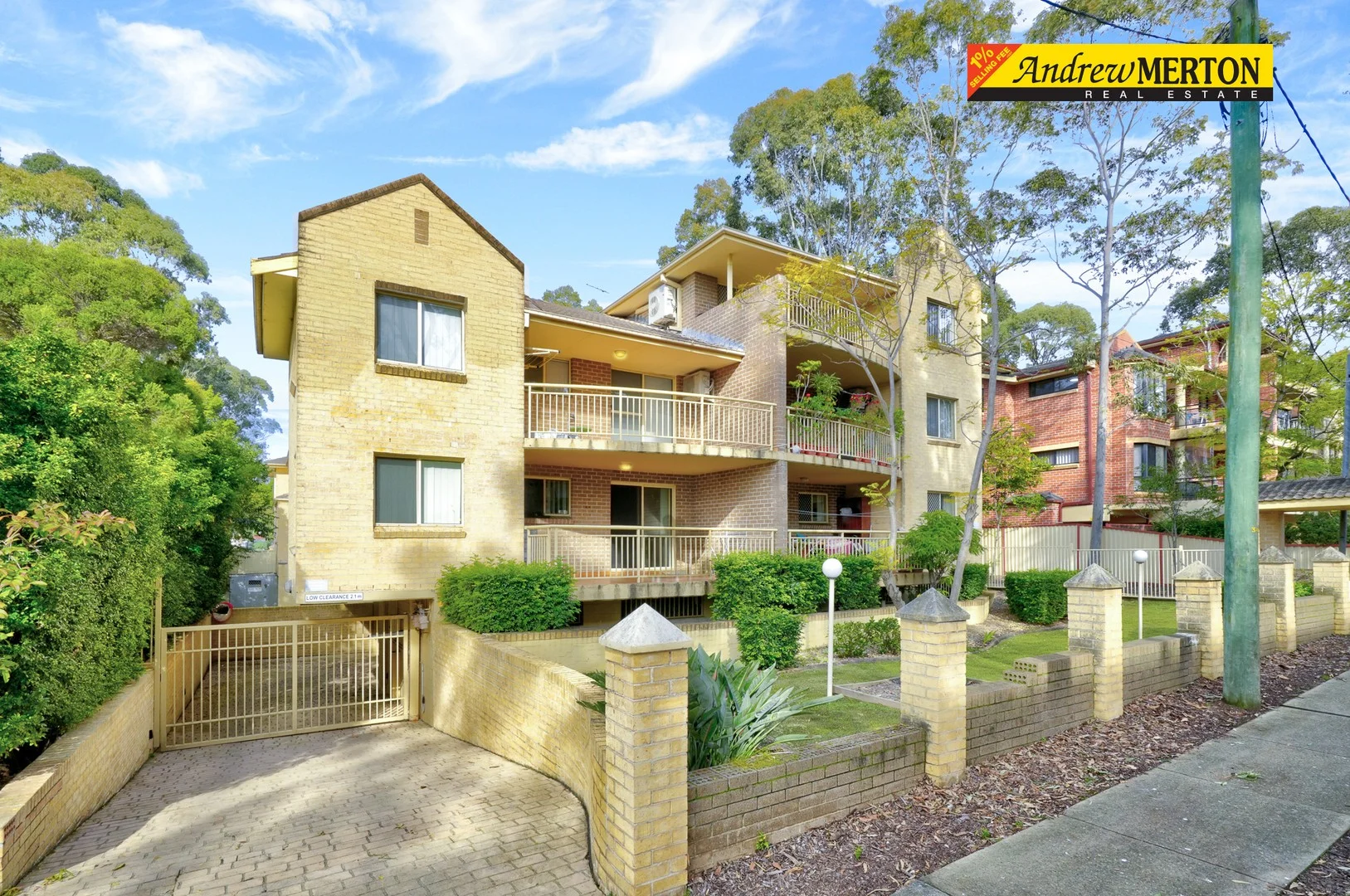 $530,000
Apartment / Unit / Flat
$530,000
Apartment / Unit / Flat
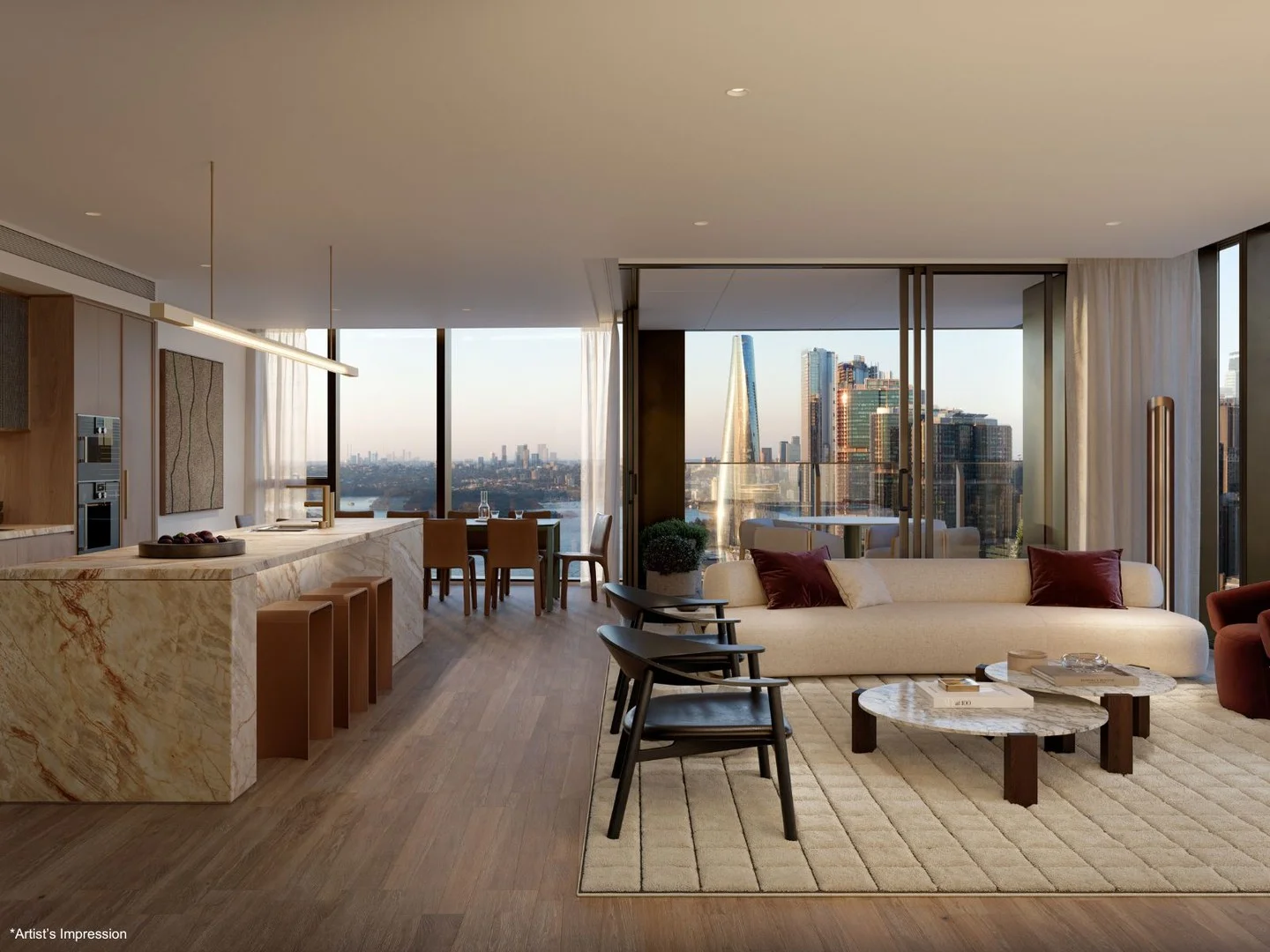 $12,980,000
propertyType.NEW APARTMENTS / OFF THE PLAN
$12,980,000
propertyType.NEW APARTMENTS / OFF THE PLAN
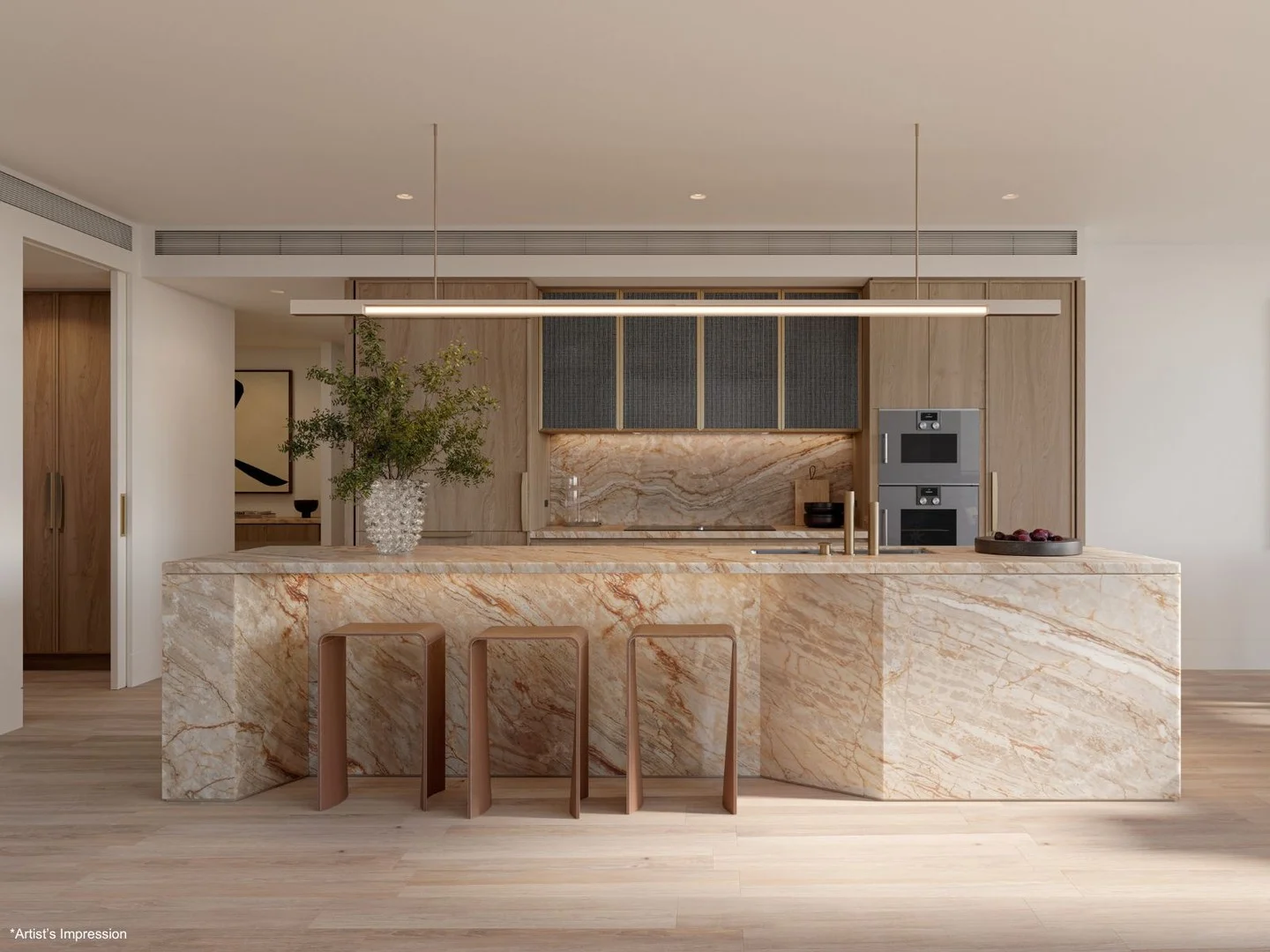 $6,225,000
propertyType.NEW APARTMENTS / OFF THE PLAN
$6,225,000
propertyType.NEW APARTMENTS / OFF THE PLAN
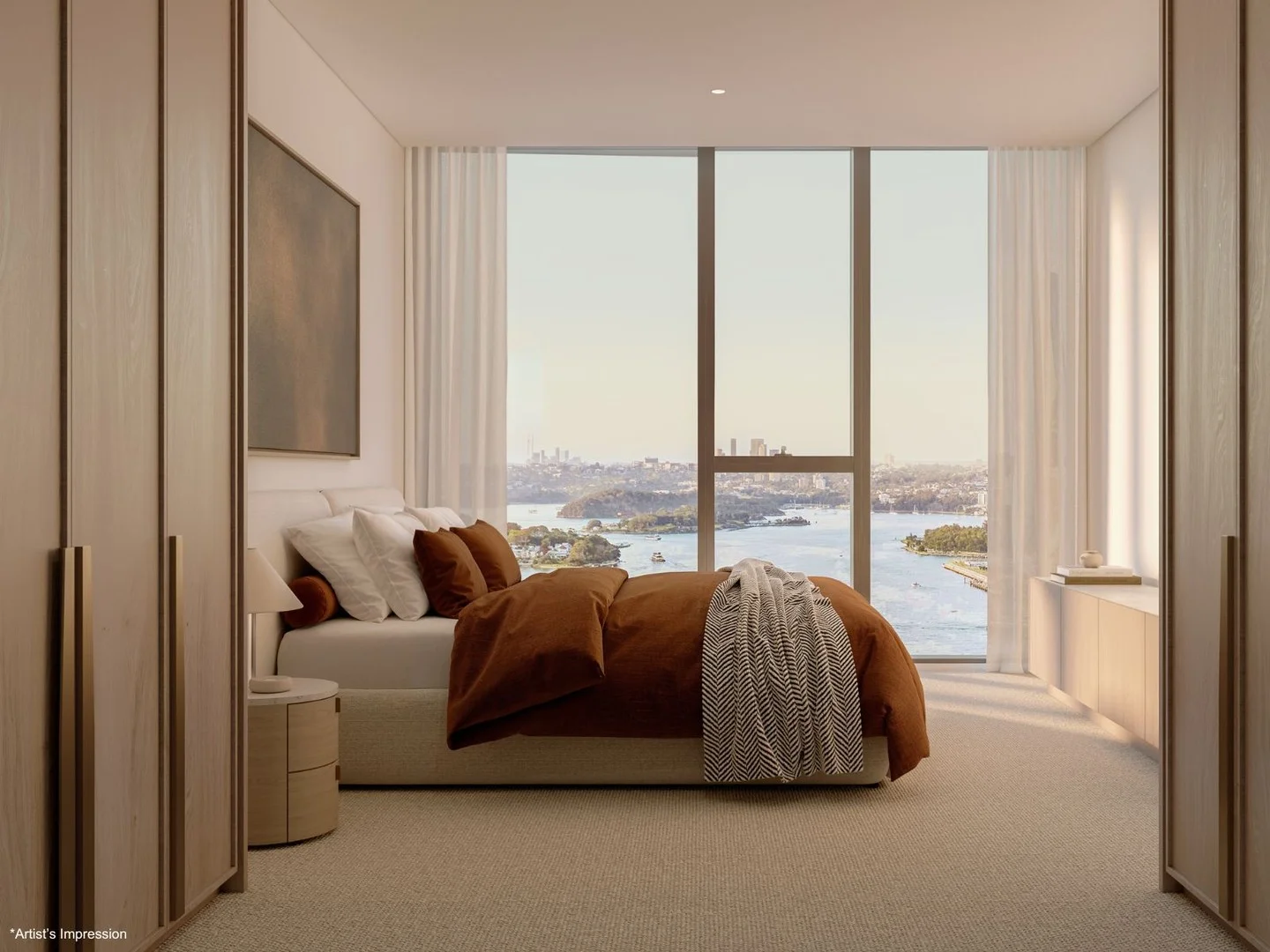 $8,630,000
propertyType.NEW APARTMENTS / OFF THE PLAN
$8,630,000
propertyType.NEW APARTMENTS / OFF THE PLAN
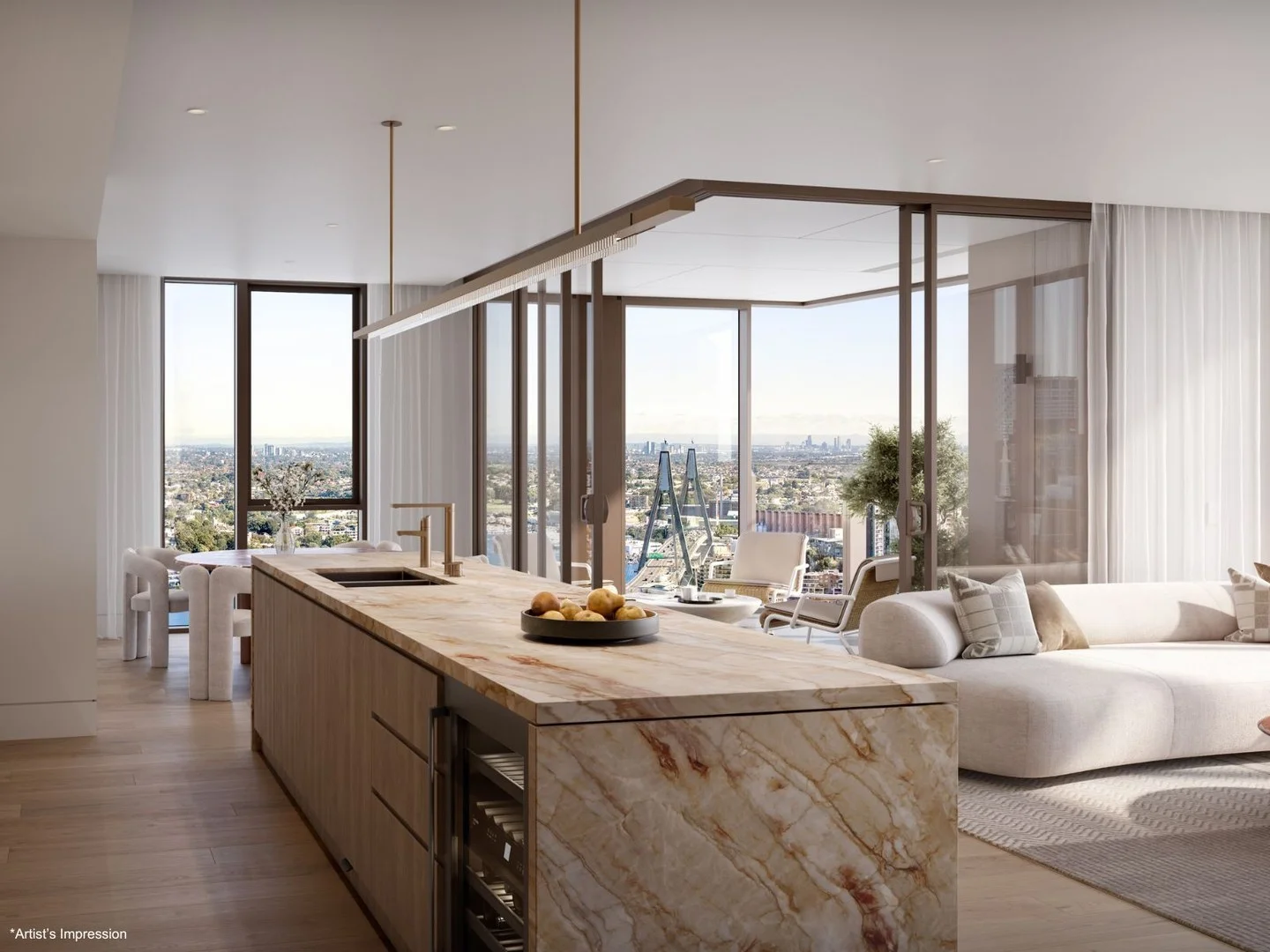 $9,020,000
propertyType.NEW APARTMENTS / OFF THE PLAN
$9,020,000
propertyType.NEW APARTMENTS / OFF THE PLAN
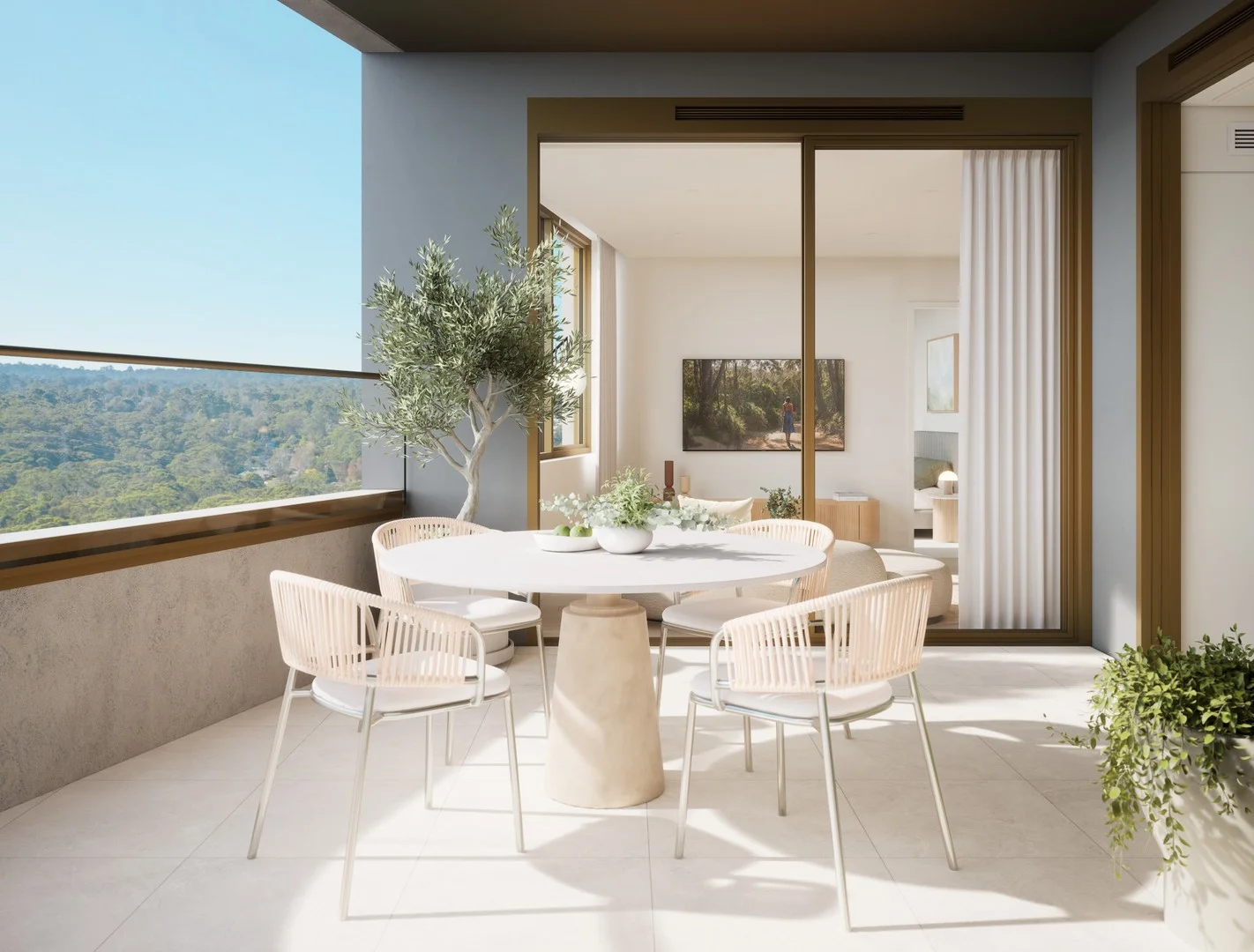 $1,525,000
Apartment / Unit / Flat
$1,525,000
Apartment / Unit / Flat
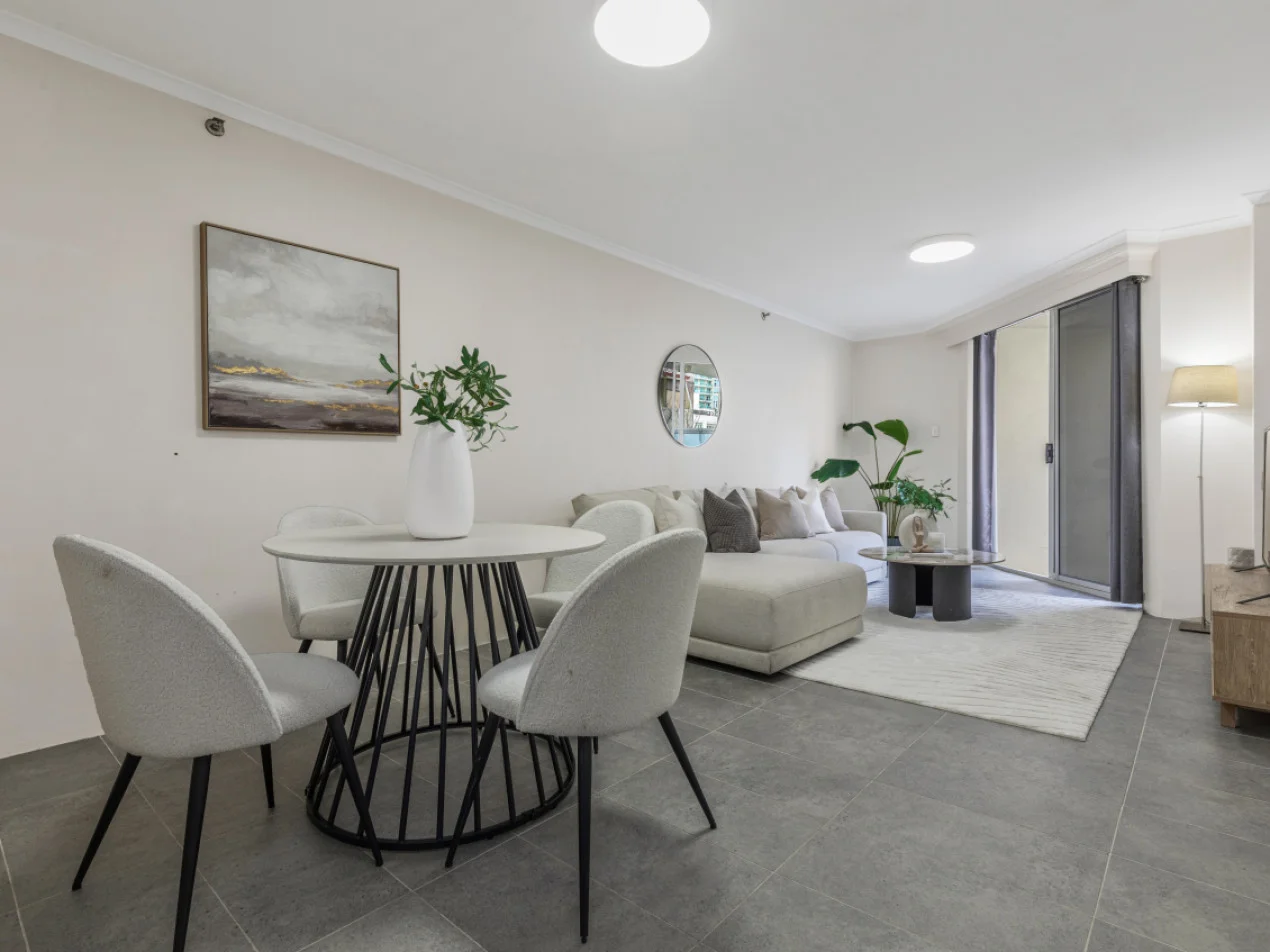 $640,000 - $675,000
Apartment / Unit / Flat
$640,000 - $675,000
Apartment / Unit / Flat
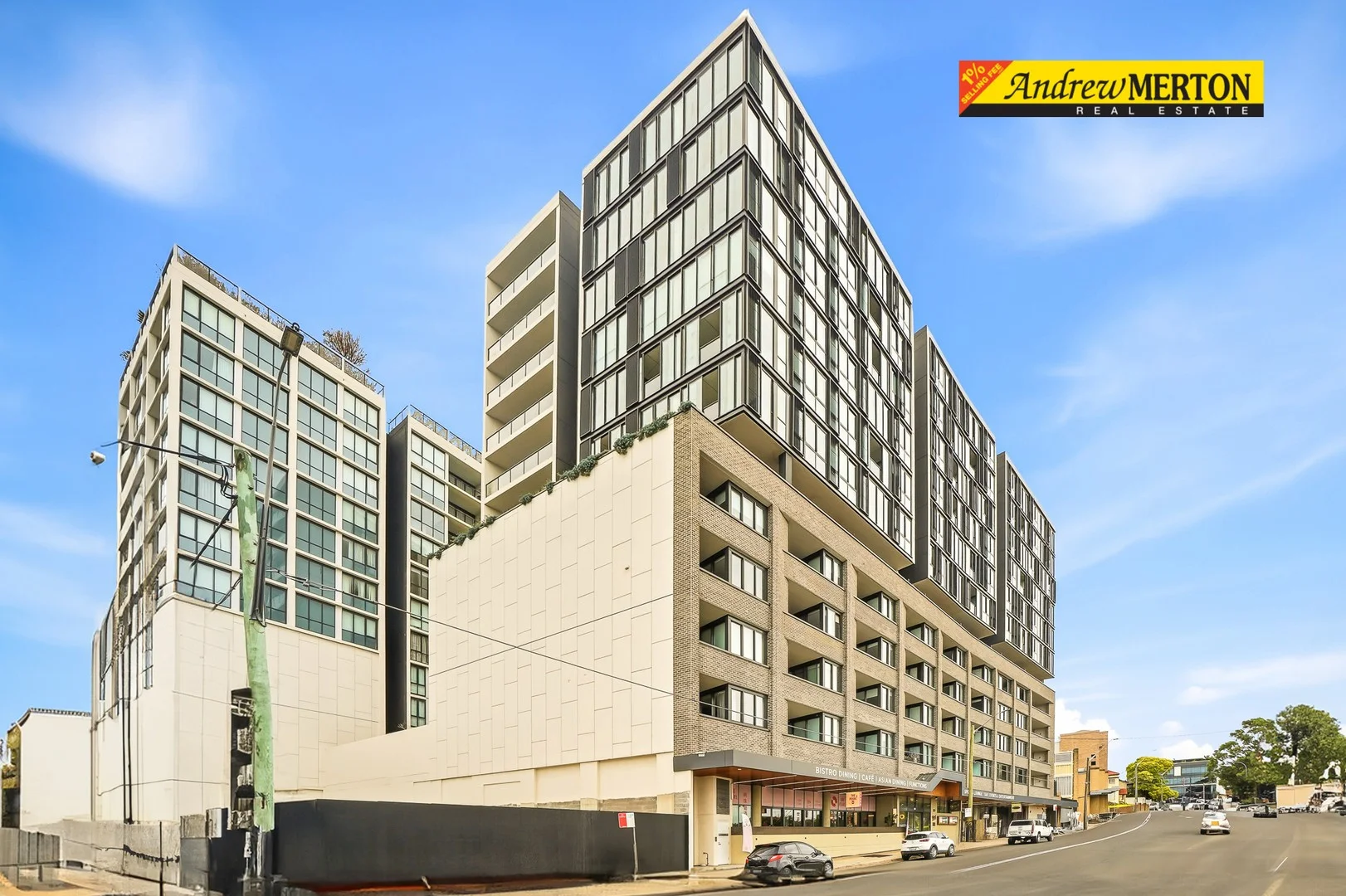 $699,000
Apartment / Unit / Flat
$699,000
Apartment / Unit / Flat