## 1. Overview
Meriden School is an independent day school for girls in Strathfield, Sydney, offering a values-based education that aims to develop academic ability, leadership and community responsibility. The school emphasises a supportive and inclusive learning environment where students are encouraged to think creatively, work collaboratively and strive for personal best.
- School type: Independent
- School size: Medium
- Class size: Approximately 20–22 students
- Atmosphere/culture: Nurturing, academically focused, diverse and inclusive
---
## 2. Academics & Learning
Meriden focuses on strong academic foundations across core disciplines, with particular emphasis on English, STEM and languages, complemented by leadership development and community engagement. The school typically provides a rigorous curriculum aligned with NSW standards and prepares students for secondary school pathways such as the NSW Higher School Certificate (HSC).
- Academic strengths: English, STEM, languages; leadership development; strong literacy and numeracy focus
- Special programs: Accelerated learning and gifted/talented pathways; opportunities for enhanced study and enrichment
- NAPLAN / trend: Historically, Meriden has shown steady progress in NAPLAN results across reading, writing and numeracy over recent years
- Student-teacher ratios: Designed to enable individual attention; typical class configurations support small-group work and teacher access
- Support for diverse learners: EAL support, SEN-friendly planning and inclusive learning strategies
---
## 3. Sports & Extracurricular Strengths
Meriden offers a broad range of sports and co-curricular activities, with emphasis on teamwork, discipline and participation. The school supports both competitive teams and broader participation in performing arts and clubs.
- Sports offered: Netball, Basketball, Hockey, Soccer (Football), Athletics, Swimming, Tennis, Cricket
- Strong teams/achievements: Competitive programs across key codes; regular participation in inter-school fixtures and championships
- Music, arts, drama: Active music ensembles, choir and drama productions; opportunities in performing arts
- Clubs: Robotics, Chess, Coding, Debating, various STEM and creative clubs
- Partnerships: Links with local academies, inter-school competitions and external arts/sport programs
Most parents of boys aged 10–14 (and families evaluating Australia/UK options) often look for clear pathways in these areas; Meriden’s offerings are structured to support both breadth and depth.
---
## 4. Wellbeing & Pastoral Care
Wellbeing is a central focus, with systems in place to support students emotionally, socially and academically.
- Anti-bullying approach: Proactive anti-bullying policies and a culture of respect and inclusivity
- House system: House-based activities and pastoral support to foster belonging and healthy competition
- Counsellors / wellbeing officers: Access to school counsellors and wellbeing staff for student support
- Transition support for new students: Orientation programs, buddy systems and targeted transition support
---
## 5. Facilities
Meriden’s facilities are designed to support a comprehensive education experience, from STEM and creative arts to sport and social spaces.
- Sports grounds
- Libraries
- Science labs
- Music/performing arts centers
- Tech/innovation labs
- Cafeteria
- Updated playgrounds
---
## 6. School Values & Community Culture
The school communicates a clear set of values and expectations that shape daily life and long-term character.
- School values / mission: Values-driven education focused on integrity, service, respect and leadership
- Leadership style: Collaborative, student-centered leadership with opportunities for student voice
- Behaviour expectations: High standards of conduct, respectful interaction and responsibility
- Community reputation: Strong sense of community and a positive reputation within the independent school sector
- Diversity & inclusion: Commitment to inclusivity and supporting a diverse student body
---
## 7. School Logistics & Daily Operations
Practical daily details help families plan and prepare.
- School hours: Typically start mid-morning and finish mid-afternoon; after-school activities run beyond dismissal
- Before/after school care: Available to support working families
- Uniform requirements: Formal uniform with designated sports attire; details provided by the school
- Transport (train/bus routes): Access via nearby public transport options with bus services and proximity to local train stations
- Canteen availability: On-site canteen or cafeteria service for students
- Fees (low/medium/high ranges): Fees are in the higher range for independent schools in NSW; specific fee schedules are published by the school
---
## 8. Enrolment & Admissions
11. What is the enrolment process and timeline?
- Inquiries typically start with submission of an application, followed by documentation review, and an invitation to attend assessments/interviews as part of a formal intake process. Offers are issued after a review of the applicant’s materials and internal scheduling.
12. Is there a waiting list, and how does it work?
- A waitlist may apply when intake capacity is limited. Applications on the waitlist are prioritized based on vacancies and competing applicants, with timelines varying by year level.
13. Are there any entry requirements, tests, or interviews?
- Entry requirements often include a combination of academic records, family and student interviews, and possibly assessments or auditions for specific programs.
14. Does the school accept mid-year transfers?
- Mid-year transfers may be considered depending on vacancies, class composition and meeting entry criteria.
---
## 9. Frequently Asked Questions
- Why Parents Choose This School?
- Independent, values-based environment with a balance of academics, wellbeing and development opportunities.
- What type of student thrives at this school?
- Motivated, curious learners who value community, leadership and well-rounded development.
- What opportunities are available for students to extend their skills (academics, sports, arts)?
- Enriched programs in English, STEM and languages; accelerated learning or gifted pathways; strong sports, music and drama programs; clubs such as robotics, coding and debating.
- How does the school communicate with parents?
- Regular updates via newsletters, parent portals, meetings and events; open channels with teachers and pastoral staff.
- What is the school’s approach to teaching and learning?
- Rigorous academics supported by a student-centered, inclusive approach with emphasis on critical thinking and collaboration.
- How does the school support students who need extra academic help?
- Targeted support through EAL/SEN services, tutoring options and differentiated instruction within classrooms.
- What support is available for academic challenges?
- Access to tutoring, study skills guidance and personalised learning plans as appropriate.
- How does the school communicate with parents?
- See above: ongoing, transparent communication through multiple channels.
- What are the class sizes and how much individual attention do students receive?
- Class sizes are designed to be small-to-medium to enable teacher-student interaction and tailored feedback.
- What extracurricular and sports opportunities are available?
- A broad range across sports, arts, music and a variety of clubs (robotics, chess, coding, debating).
- What facilities does the school offer (sports, science, arts)?
- Comprehensive facilities including sports grounds, science labs, libraries, performing arts spaces and tech/innovation labs.
- What is the school’s approach to technology and digital learning?
- Integration of technology to support learning, with digital literacy and innovation opportunities embedded in curriculum and projects.
- What transport and accessibility options are available?
- Nearby bus routes and public transport access; consideration for families’ commute needs.
- What are the typical school fees or additional costs?
- Fees are in the independent NSW school range; families should consult the latest fee schedule for exact amounts.
---
## 10. Short Pros & Cons list
- Pros
- Independent school with a values-based, inclusive culture
- Strong academic programs with support for diverse learners
- Broad range of sports, arts and clubs
- Focus on wellbeing, pastoral care and transition support
- Modern facilities across science, arts and technology
- Cons
- Fees are higher than government or some other non-government options
- Competitive environment may not suit every student’s learning pace
- Availability of spaces can be limited in popular year levels












 $36,000,000 - $39,500,000
Vacant Land
$36,000,000 - $39,500,000
Vacant Land
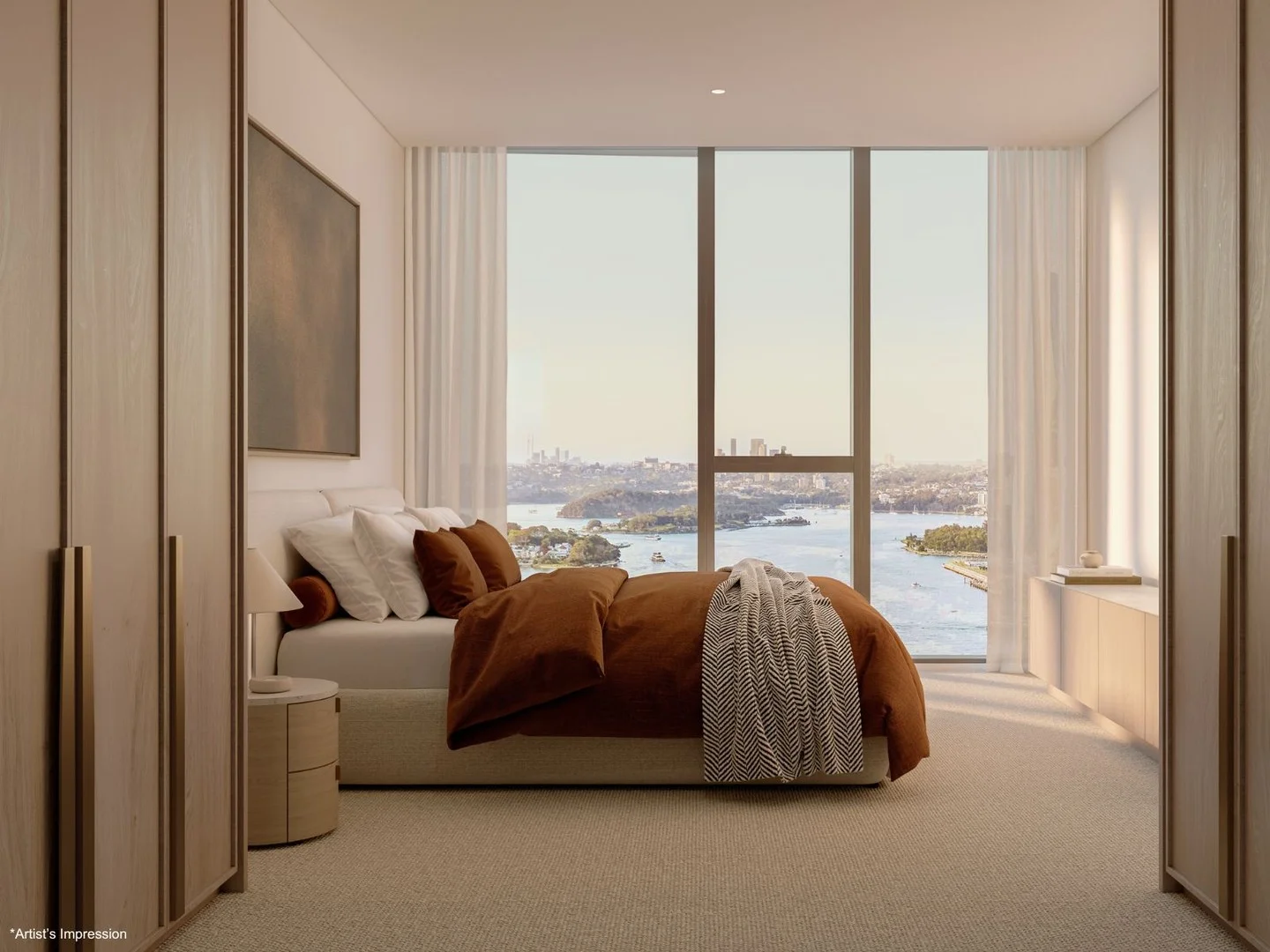 $8,630,000
propertyType.NEW APARTMENTS / OFF THE PLAN
$8,630,000
propertyType.NEW APARTMENTS / OFF THE PLAN
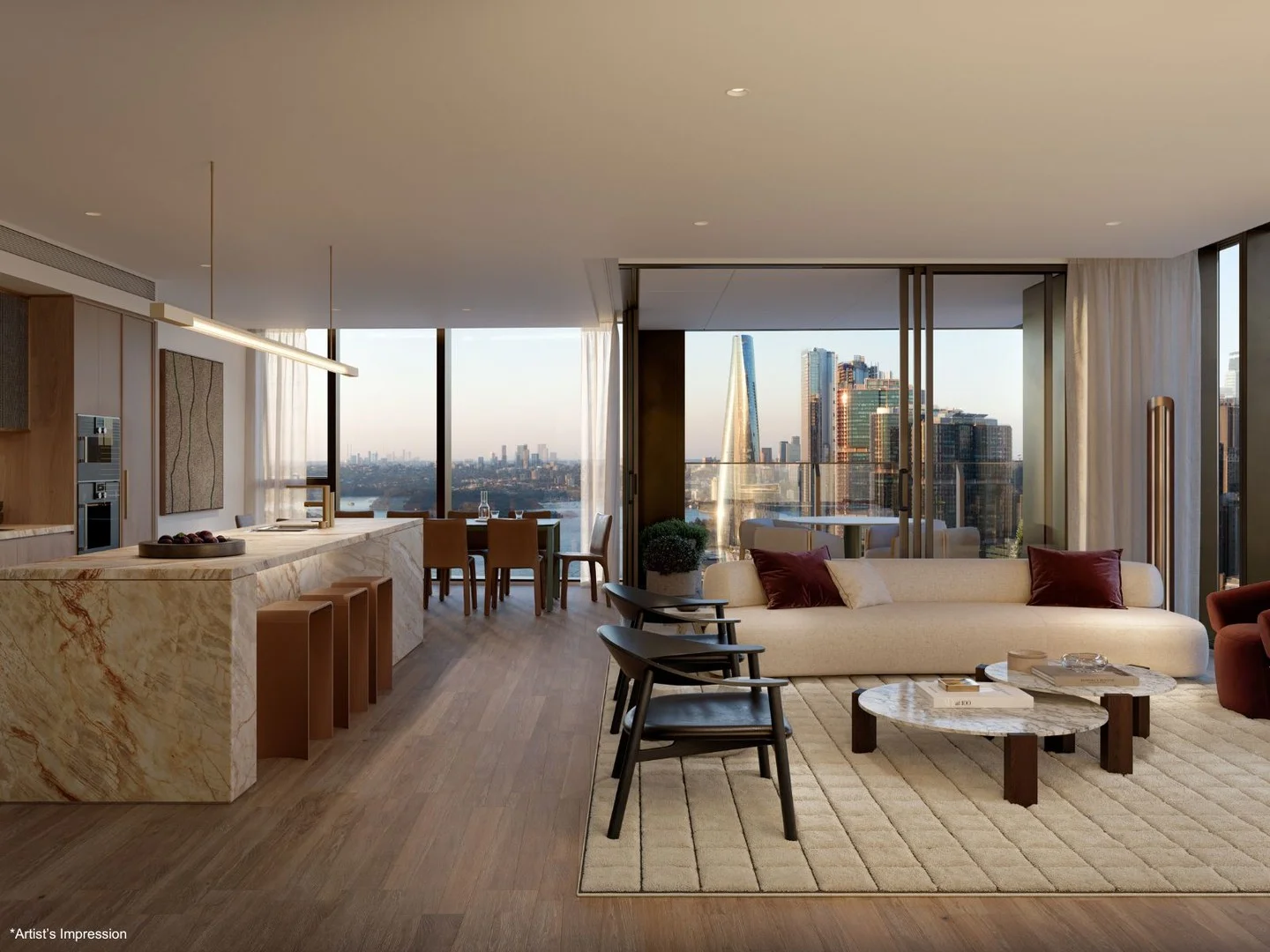 $12,980,000
propertyType.NEW APARTMENTS / OFF THE PLAN
$12,980,000
propertyType.NEW APARTMENTS / OFF THE PLAN
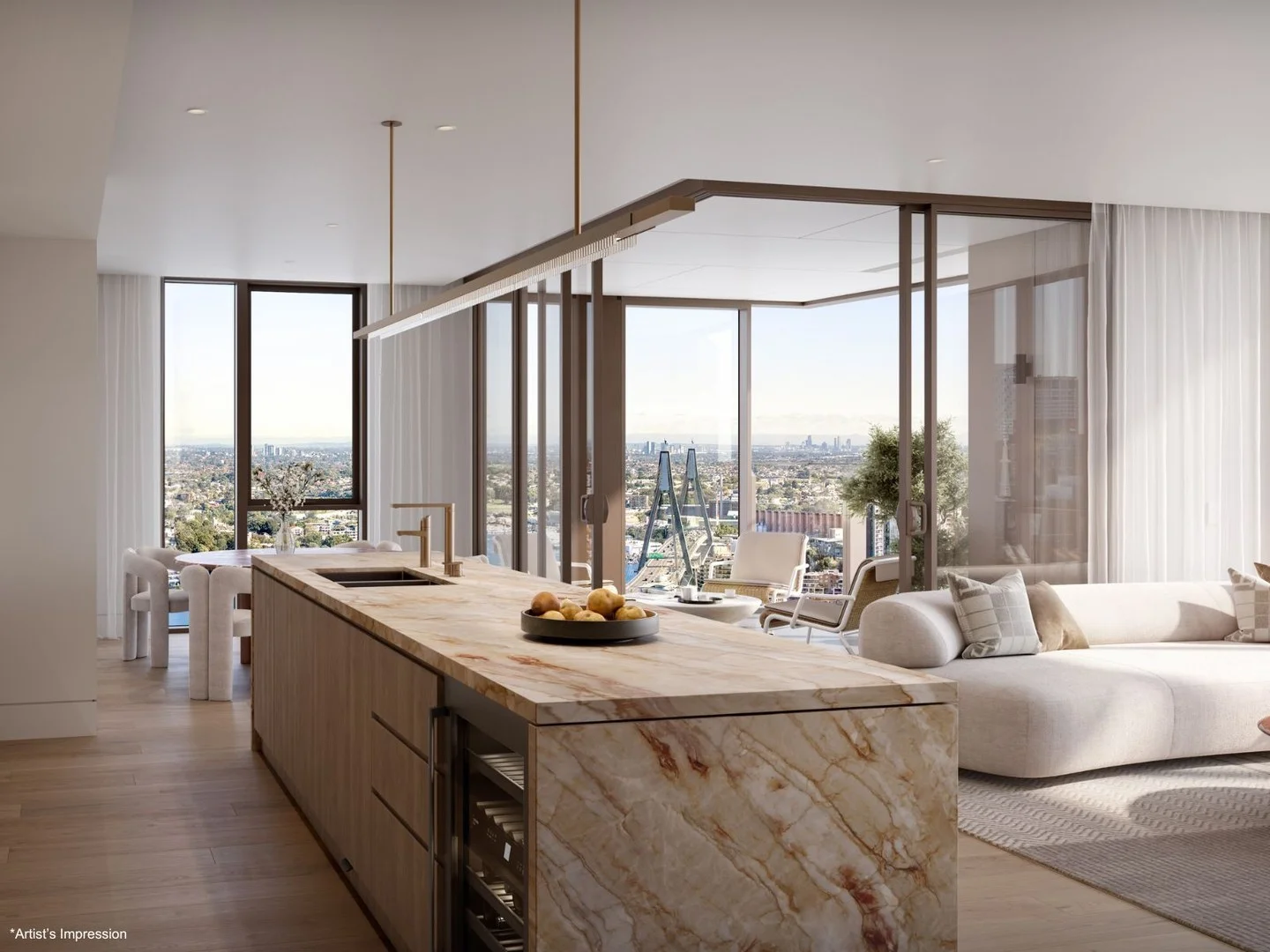 $9,020,000
propertyType.NEW APARTMENTS / OFF THE PLAN
$9,020,000
propertyType.NEW APARTMENTS / OFF THE PLAN
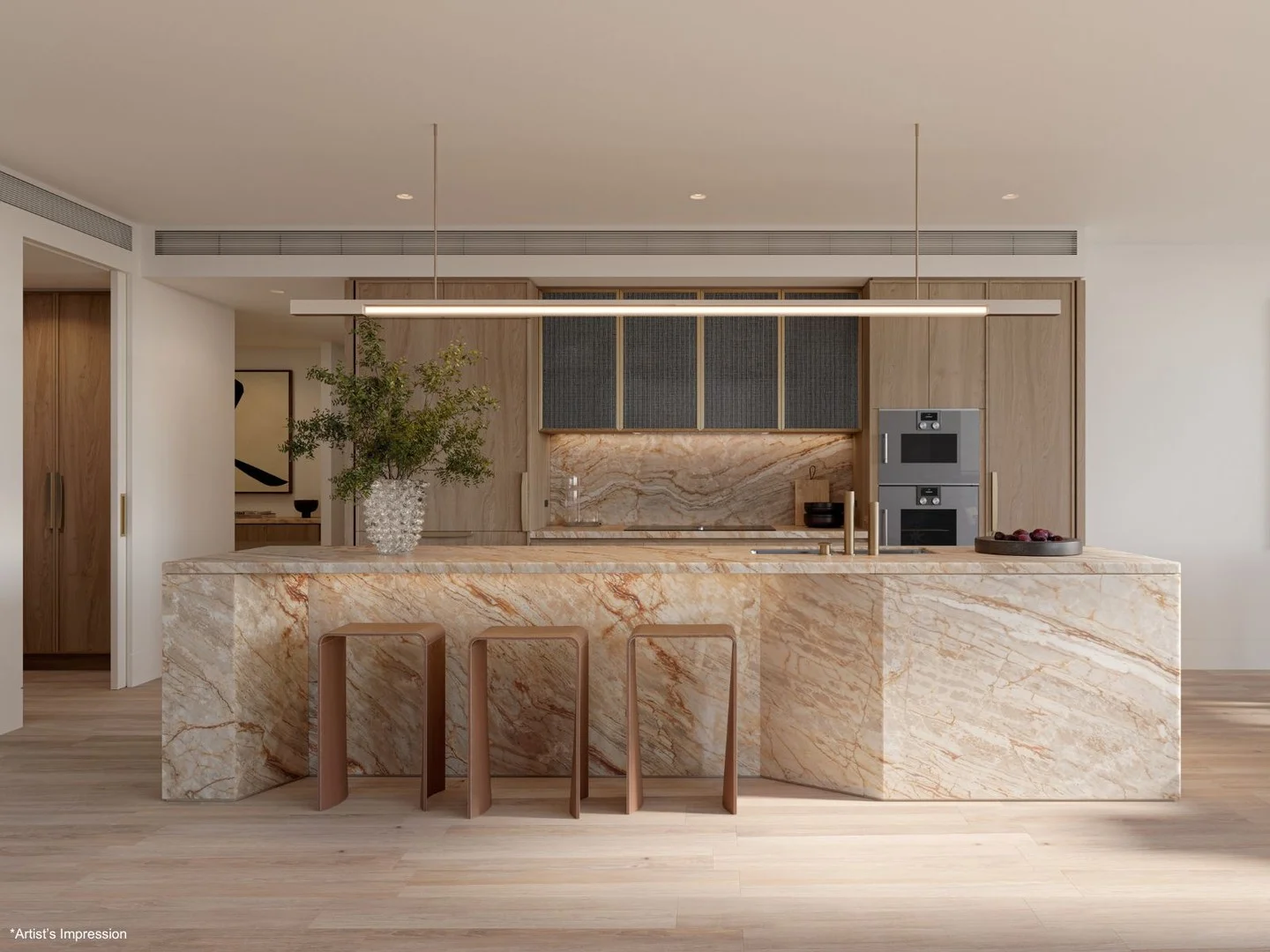 $6,225,000
propertyType.NEW APARTMENTS / OFF THE PLAN
$6,225,000
propertyType.NEW APARTMENTS / OFF THE PLAN
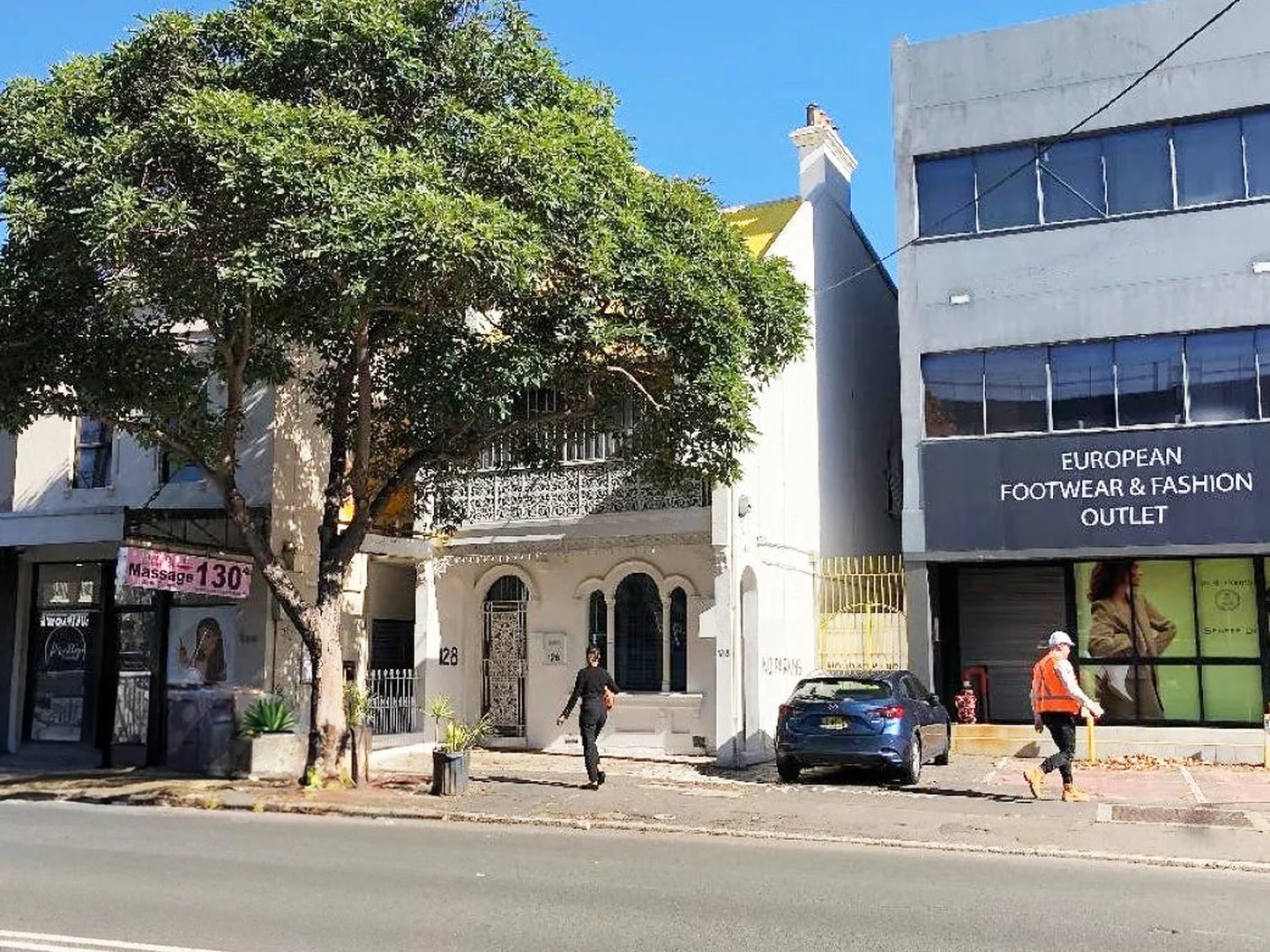 $3,900,000
House
$3,900,000
House
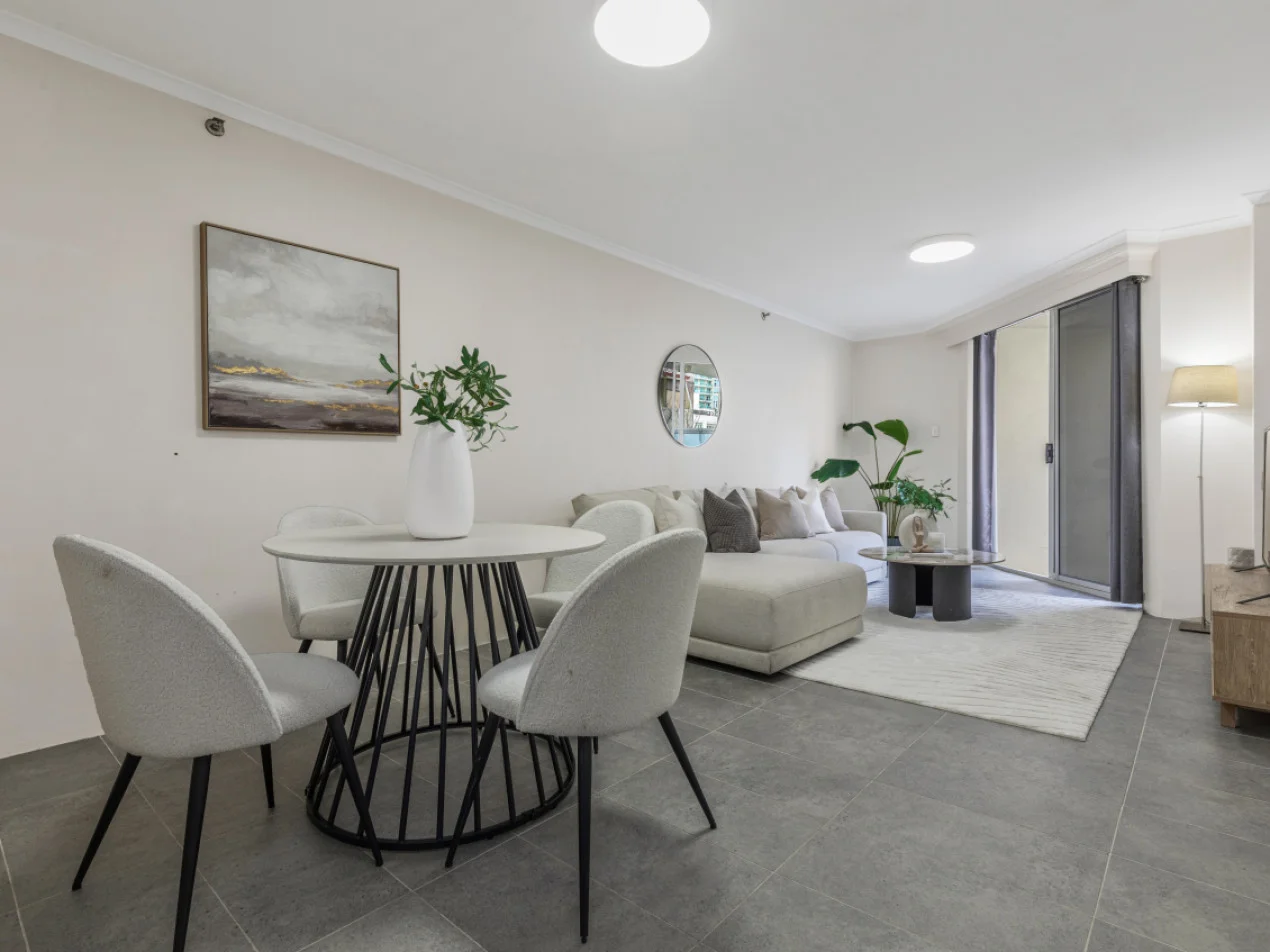 $640,000 - $675,000
Apartment / Unit / Flat
$640,000 - $675,000
Apartment / Unit / Flat
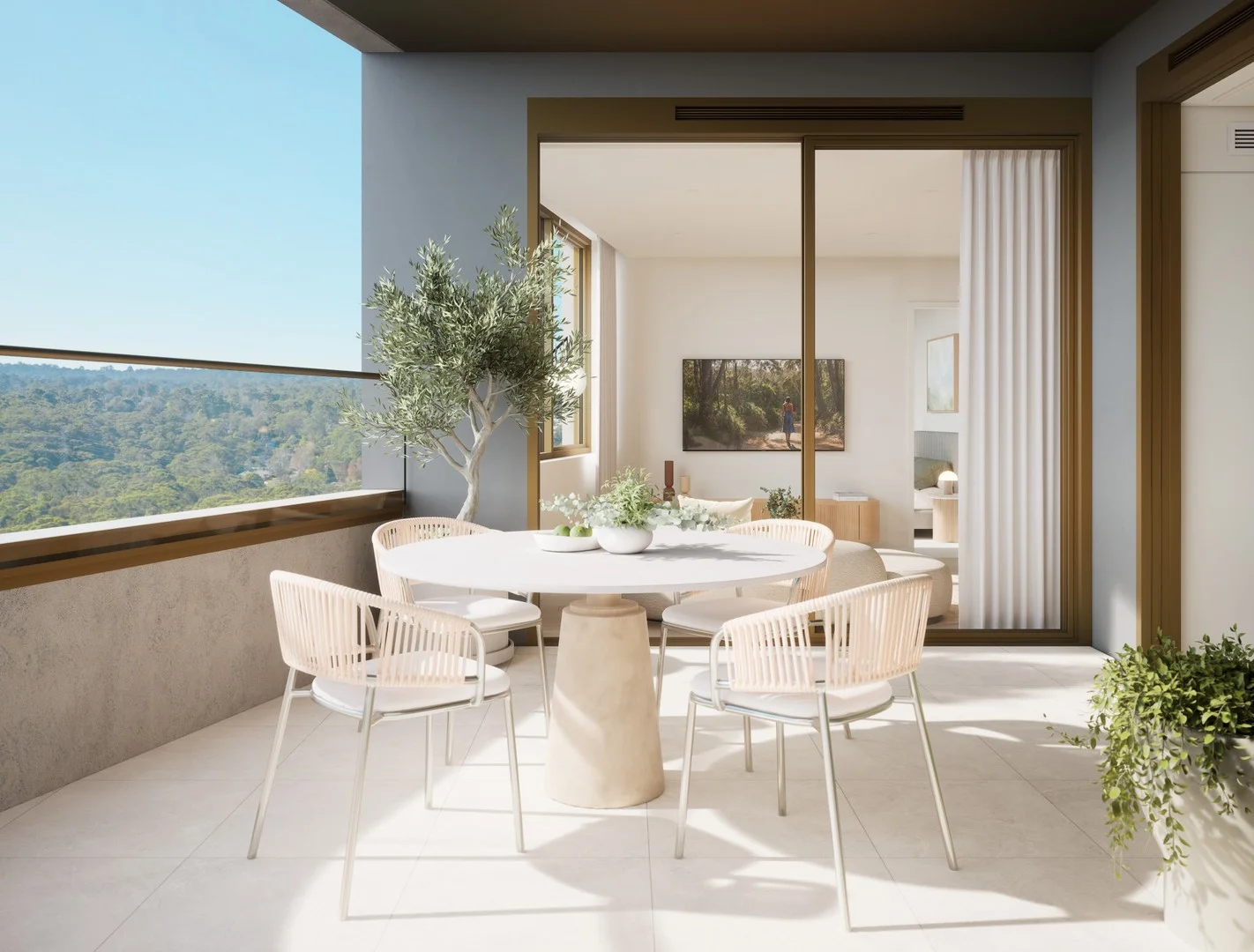 $1,525,000
Apartment / Unit / Flat
$1,525,000
Apartment / Unit / Flat
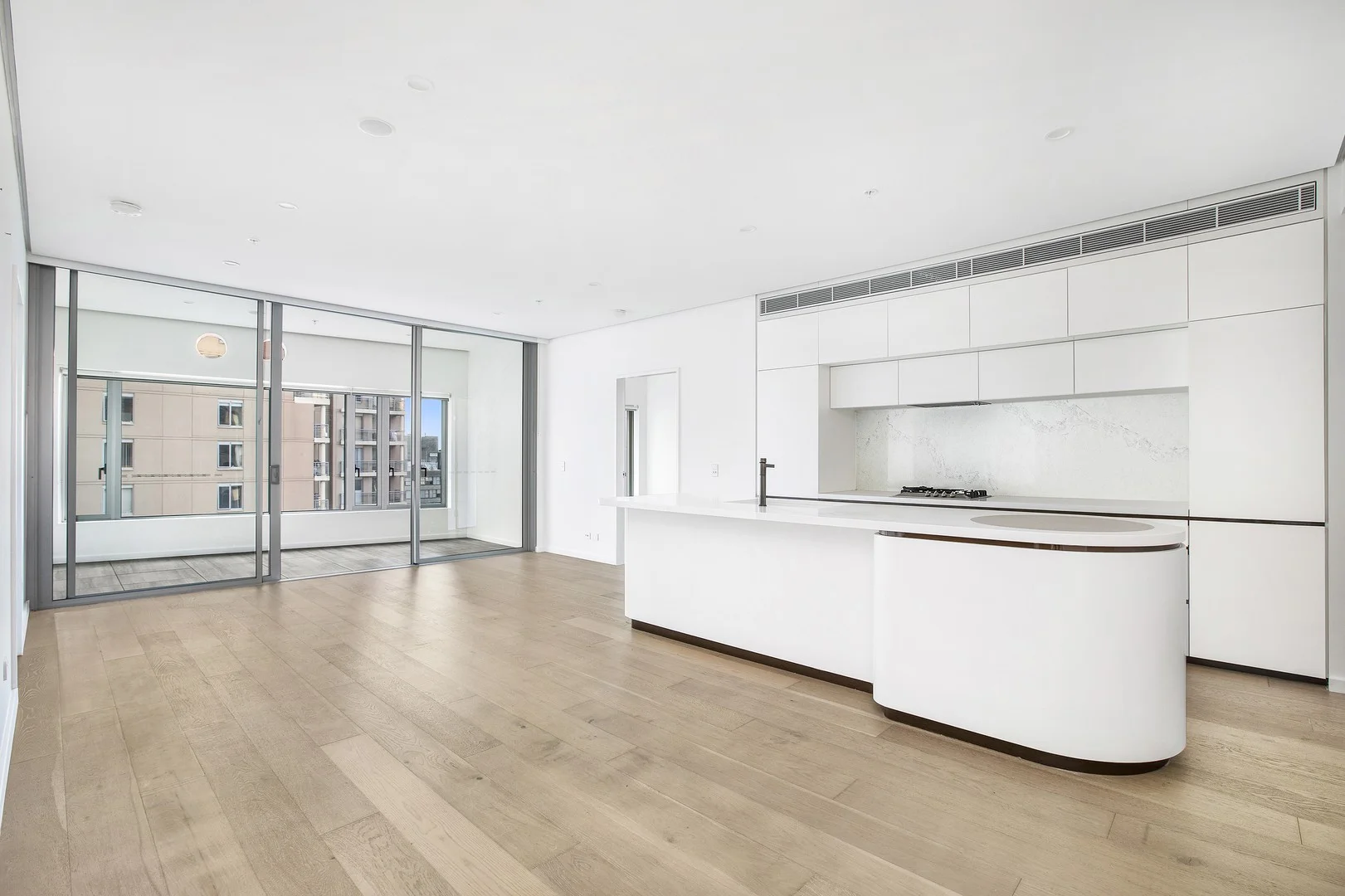 $2,250,000
Apartment / Unit / Flat
$2,250,000
Apartment / Unit / Flat


