Overview
## 1. Overview
St Mary of the Cross Catholic Parish School, Windsor is a Catholic primary school in Brisbane, offering a faith‑based, values‑driven education for students in Prep to Year 6. The school aims to cultivate a nurturing, inclusive community where children develop academically, spiritually, and socially.
School size is small to medium, enabling a close‑knit atmosphere. Class sizes are typically in the low to mid‑20s, fostering personalised attention and supportive relationships between students and teachers. The culture emphasises care, service, and collaboration, with a strong focus on building character alongside academic growth.
⎯
## 2. Academics & Learning
- Academic strengths: English and Maths are core strengths, complemented by strong Religious Education, digital literacy, and a focus on high‑quality literacy and numeracy outcomes.
- Special programs: Catholic faith formation, leadership opportunities, and integration of technology and creative arts. Opportunities for student voice and learning across disciplines are encouraged.
- NAPLAN trends: Trends over recent years show steady improvement and consistency in literacy and numeracy, with continued participation and engagement across year groups.
- Student-teacher ratios: Roughly 1:18 to 1:22, supporting targeted support and small‑group instruction.
- Support for diverse learners: EAL/D support available; dedicated learning support team; individualised plans and differentiated instruction to assist students with additional learning needs.
⎯
## 3. Sports & Extracurricular Strengths
- Sports offered: Soccer, rugby league, cricket, basketball, and athletics are commonly available, with opportunities to represent the school in local inter‑school events.
- Strong teams or achievements: Competitive participation in local Catholic school networks with opportunities for interschool sport pathways and team recognition.
- Music, arts, drama: Active music programs, choir, and drama/performing arts activities to support student creativity and performance.
- Clubs: Robotics, coding, chess, debating, and other STEM and humanities clubs to broaden interests.
- Partnerships: Local community and parish connections support excursions, competitions, and collaborative events that enhance learning beyond the classroom.
⎯
## 4. Wellbeing & Pastoral Care
- Anti‑bullying approach: Proactive wellbeing framework with clear anti‑bullying policies and positive behavior supports to promote safe, respectful environments.
- House system: House groups foster belonging, teamwork, and healthy competition while building leadership and responsibility.
- Counsellors / wellbeing officers: Access to school counselling and wellbeing supports to assist students with social, emotional, or academic concerns.
- Transition support for new students: Orientation programs and buddy systems help new students settle in smoothly and build peer connections.
⎯
## 5. Facilities
- Sports grounds: On‑site facilities suitable for a range of physical education activities.
- Libraries: A well‑stocked library supporting reading and inquiry.
- Science labs: Dedicated spaces for practical science learning.
- Music/performing arts centers: Space for music instruction and performances.
- Tech/innovation labs: Digital learning spaces to explore coding, robotics, and technology.
- Cafeteria: Onsite canteen or café facilities supporting healthy meal options.
- Updated playgrounds: Safe, modern play areas for recess and lunch activities.
⎯
## 6. School Values & Community Culture
- School values / mission: A faith‑based mission focusing on compassion, respect, excellence, and service within a Catholic ethos.
- Leadership style: Collaborative leadership with opportunities for student leadership initiatives and teacher collaboration.
- Behaviour expectations: Clear expectations around respect, responsibility, safety, and positive conduct.
- Community reputation: Strong sense of community and family‑oriented atmosphere, with families actively involved in school life.
- Diversity & inclusion: Welcoming environment that values diversity and fosters inclusive practices for all students.
⎯
## 7. School Logistics & Daily Operations
- School hours: Typical day runs from morning start to mid‑afternoon finish (e.g., around 8:30am–3:00pm), with arranged drop‑offs and pick‑ups.
- Before/after school care: After‑school care options commonly available or accessible via partner providers.
- Uniform requirements: Formal school uniform required; sports/physical education uniform on designated days.
- Transport: Access to local public transport routes; proximity to bus/train options; drop‑off/pick‑up zones in place.
- Canteen availability: Canteen or canteen services available on school days with kid‑friendly options.
- Fees: Fees positioned in the mid‑range for private Catholic primary schools; information on any additional costs (uniforms, excursions, camps) provided by the school.
⎯
## 8. Enrolment & Admissions
11. What is the enrolment process and timeline?
- Submit an enrolment application with the school’s required documentation.
- Provide evidence of identity, age, and, where applicable, baptism or Catholic parish verification.
- Complete any school‑specific forms or assessments as part of the process.
- Interview or family conversation may be conducted; notification of outcome follows.
12. Is there a waiting list, and how does it work?
- Waiting lists may apply when year levels are full. Placement typically follows application order, availability, and preference policies; families are kept informed of status and next steps.
13. Are there any entry requirements, tests, or interviews?
- Entry often involves a short interview or conversation, and may require baptism/catholic verification for Catholic schools. Standard assessments may occur to gauge readiness for the prep year and to understand support needs.
14. Does the school accept mid‑year transfers?
- Mid‑year transfers are considered subject to space availability and alignment with the enrolment process. Priorities and requirements are explained during the enquiry.
⎯
## 9. Frequently Asked Questions
- Why Parents Choose This School?
- A faith‑based, values‑driven education in a welcoming, family‑oriented setting with a focus on the whole child, strong community connections, and opportunities across academics, sport, and the arts.
- What type of student thrives at this school?
- Students who are collaborative, curious, respectful, and motivated to grow academically, socially, and spiritually within a Catholic context.
- What opportunities are available for students to extend their skills (academics, sports, arts)?
- Strong core academics in English and Maths, leadership opportunities, a range of sports, performing arts, and clubs such as robotics, coding, chess, and debating.
- How does the school communicate with parents?
- Through newsletters, email, a school app or portal, parent–teacher meetings, and timely updates about events and student progress.
- What is the school’s approach to teaching and learning?
- A holistic, faith‑influenced approach that emphasises differentiated instruction, inquiry, collaboration, and the integration of technology to support modern learning.
- How does the school support students who need extra academic help?
- Learning Support Team, targeted interventions, differentiated instruction, and access to EAL/D and SEN support where needed.
- What support is available for academic challenges?
- Individualised plans, small‑group tutoring or support sessions, and coordination with families to align strategies at home and school.
- How does the school communicate with parents? (Repeat)
- See above.
- What are the class sizes and how much individual attention do students receive?
- Class sizes are typically in the low‑ to mid‑20s, with teacher differentiation and small‑group work to ensure individual attention.
- What extracurricular and sports opportunities are available?
- Soccer, rugby league, cricket, basketball, athletics; clubs in robotics, coding, chess, debating; music and drama programs.
- What facilities does the school offer (sports, science, arts)?
- Sports grounds, library, science labs, music/performing arts spaces, tech/innovation labs, canteen, updated playgrounds.
- What is the school’s approach to technology and digital learning?
- Integrated ICT across the curriculum with digital literacy, coding, and safe technology usage.
- What transport and accessibility options are available?
- Proximity to public transport routes; designated drop‑off/pick‑up zones; school‑supported or partner arrangements for travel.
- What are typical school fees or additional costs?
- Fees are described as mid‑range for private Catholic primary schools; additional costs may include uniforms, excursions, and camps.
⎯
## 10. Short Pros & Cons
- Pros
- Faith‑based, values‑driven education in a welcoming, family‑oriented community.
- Small‑to‑medium class sizes with opportunities for individualized attention.
- Broad range of academics, sports, arts, and clubs (including robotics, coding, chess, debating).
- Strong wellbeing supports, house system, and transition programs for new students.
- Modern facilities across science, ICT, music, and libraries.
- Cons
- As a private Catholic school, fees may be higher than public options.
- Availability of places can be limited in certain year levels; mid‑year transfers subject to space.
- Some programs and resources may vary by year or cohort; confirm current offerings with the school.






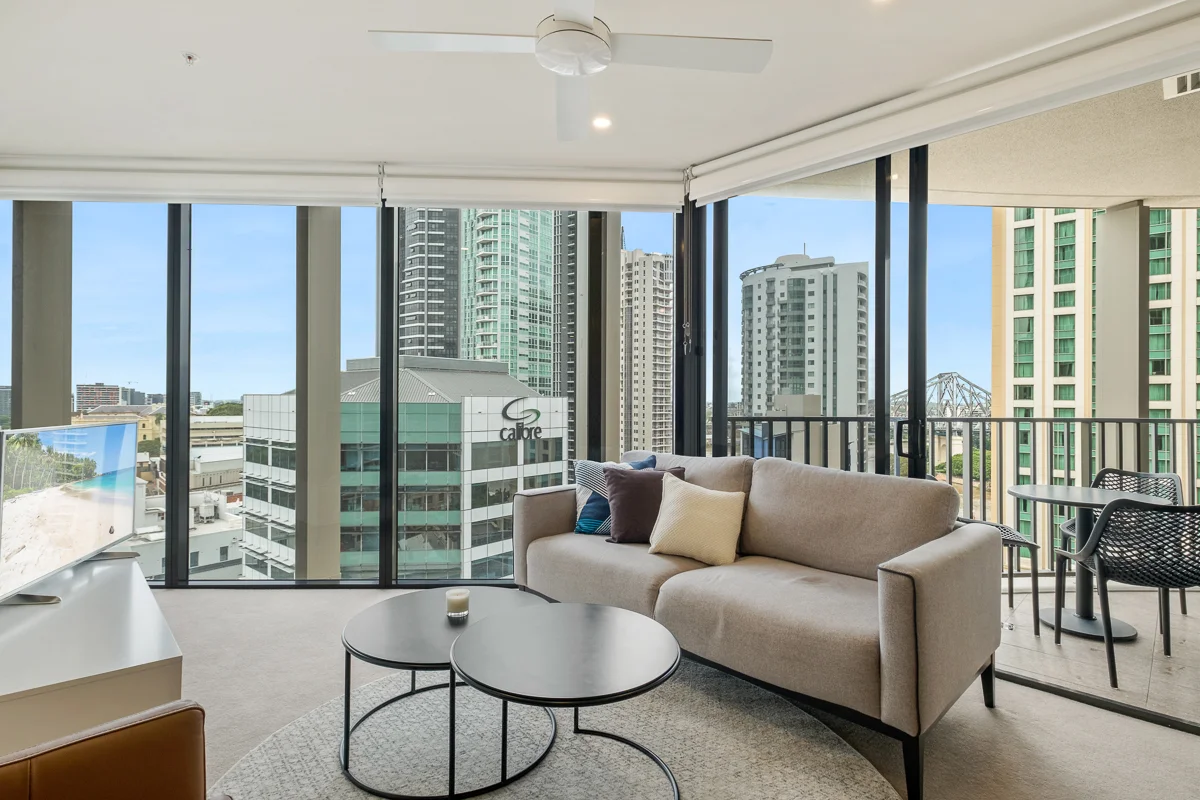 $950,000
Apartment / Unit / Flat
$950,000
Apartment / Unit / Flat
 $550,000
Apartment / Unit / Flat
$550,000
Apartment / Unit / Flat
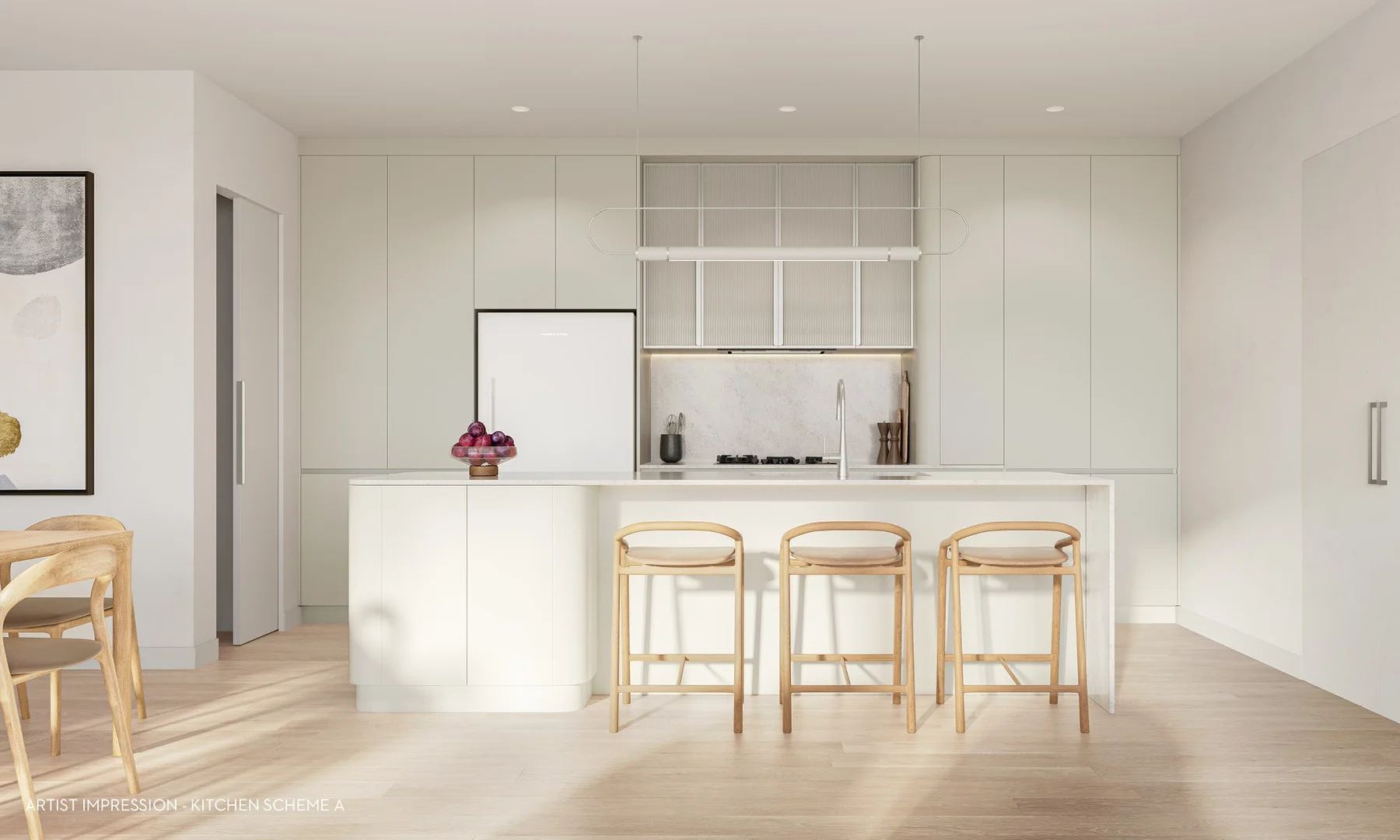 $1,527,000 - $1,870,000
propertyType.NEW APARTMENTS / OFF THE PLAN
$1,527,000 - $1,870,000
propertyType.NEW APARTMENTS / OFF THE PLAN
 $770,000
Apartment / Unit / Flat
$770,000
Apartment / Unit / Flat