Overview
## 1. Overview
Wooloowin State School is a public, co-educational primary school serving families in Brisbane’s inner-north. The school focuses on creating a welcoming, inclusive environment where students feel supported to learn and grow.
- School size: medium
- Class size: typically around 20–24 students per class
- Atmosphere/culture: nurturing, inclusive, diverse, and community-focused
⸻
## 2. Academics & Learning
Wooloowin State School emphasises strong literacy and numeracy foundations, with a clear focus on developing curious, confident learners. The school blends core curriculum with opportunities to explore STEM, leadership and languages through targeted programs.
- Academic strengths: English and maths literacy, STEM-integrated learning, leadership development, and language exposure through the curriculum
- Special programs: gifted and talented pathways, accelerated learning options where appropriate, and targeted intervention to support learners
- NAPLAN / trends: trends over recent years show gradual improvement in reading and numeracy with continued focus on supporting all learning levels; data is reviewed regularly to inform teaching
- Student-teacher ratios: approximately 1:20 (varies by year level and class)
- Support for diverse learners: dedicated support for EAL/D students, SEN coordination, in-class adjustments and targeted literacy/numeracy assistance
⸻
## 3. Sports & Extracurricular Strengths
Community-minded and activity-rich, the school offers a range of sports and co-curricular programs that appeal to a broad spectrum of interests.
- Sports offered: athletics, cricket, soccer, netball, basketball, swimming, and other standard primary-school activities
- Strong teams/achievements: participates in district/inter-school events with ongoing participation and recognition across sports days and local competitions
- Music, arts, drama programs: regular music and performing arts opportunities; school ensembles and drama activities
- Clubs: robotics, chess, coding, debating, and other coding/tech clubs
- Partnerships: connections with local clubs and competitions to broaden opportunities for students
⸻
## 4. Wellbeing & Pastoral Care
Wellbeing and strong pastoral care are central to the school’s approach, helping students feel secure and supported as they learn.
- Anti-bullying approach: explicit anti-bullying policies, student voice opportunities, and proactive whole-school education
- House system: typically used to foster connection, teamwork, and healthy competition
- Counsellors / wellbeing officers: access to school counsellors or wellbeing staff for student support
- Transition support: orientation and transition programs for new students to help them settle into school life
⸻
## 5. Facilities
Facilities are designed to support a vibrant learning environment while remaining accessible and functional.
- Sports grounds
- Libraries
- Science labs
- Music/performing arts centers
- Tech/innovation labs
- Cafeteria
- Updated playgrounds
⸻
## 6. School Values & Community Culture
The school’s values and community culture shape daily life and long-term development for students.
- School values / mission: focus on respect, responsibility, resilience, and belonging
- Leadership style: collaborative and student-centred with opportunities for leadership roles
- Behaviour expectations: clear codes of conduct that promote positive interactions and responsible choices
- Community reputation: known for a welcoming, family-friendly atmosphere and strong school–home partnerships
- Diversity & inclusion: commitment to an inclusive environment that respects and supports diverse backgrounds
⸻
## 7. School Logistics & Daily Operations
Practical information to help families plan routines and travel.
- School hours: typically 9:00 am–3:00 pm (subject to term calendar); before/after school care options available
- Before/after school care: available through school or approved external providers (varies by term)
- Uniform requirements: standard school uniform with seasonal variants; details available from the school
- Transport: bus routes and access via local transport services; convenient drop-off/pick-up arrangements
- Canteen availability: on-site canteen or lunch program options
- Fees: public school contributions are generally modest; there may be booklists, excursions, and voluntary contributions
⸻
## 8. Enrolment & Admissions
11. What is the enrolment process and timeline?
- Enrolment is managed through the Queensland Department of Education. Parents typically submit an enrolment application online or via the school, provide proof of identity and residence, and complete any required documentation. Confirmations and start dates align with the school calendar; new student orientation is often offered prior to starting.
12. Is there a waiting list, and how does it work?
- Waiting lists can apply for out-of-area requests or programs with limited spaces. Placement is typically determined by residence/catchment eligibility, availability, and date of application.
13. Are there any entry requirements, tests, or interviews?
- Public primary schools generally do not require entrance tests. There may be a brief enrolment interview or discussion for certain programs or to discuss student needs and supports.
14. Does the school accept mid-year transfers?
- Yes, mid-year transfers are considered. Families should coordinate with their previous school and the Wooloowin State School enrolment team to ensure records and immunisation requirements are up to date.
⸻
## 9. Frequently Asked Questions
- Why Parents Choose This School?
- A strong sense of community, supportive staff, inclusive culture, and a balanced focus on academics and wellbeing.
- What type of student thrives at this school?
- Curious, motivated learners who enjoy a broad curriculum, participate in a range of activities, and value positive relationships.
- What opportunities are available for students to extend their skills (academics, sports, arts)?
- Extensions in literacy and numeracy, leadership roles, STEM activities, sports teams, music and drama programs, robotics and coding clubs, debating.
- How does the school communicate with parents?
- Newsletters, emails, school app or portal updates, parent-teacher interviews, and regular information about events and activities.
- What is the school’s approach to teaching and learning?
- Student-centred, differentiated instruction, evidence-based practices, and a focus on developing core literacy and numeracy skills across all year levels.
- How does the school support students who need extra academic help?
- In-class supports, targeted interventions, learning support teachers or assistants, EAL/D and SEN services as needed.
- What support is available for academic challenges?
- Access to intervention programs, one-on-one or small-group assistance, and collaboration with families to implement Individual Learning Plans if required.
- How does the school communicate with parents? (duplicate)
- See above: periodic updates, direct communications, and active channels for questions and feedback.
- What are the class sizes and how much individual attention do students receive?
- Typical class sizes around 20–24 students with opportunities for targeted small-group support and differentiation by teachers.
- What extracurricular and sports opportunities are available?
- A broad mix of sports, music, drama, robotics, chess, coding, debating, and other clubs aligned to student interests.
- What facilities does the school offer (sports, science, arts)?
- Sports grounds, libraries, science labs, music/performing arts facilities, tech/innovation labs, a cafeteria, and updated playgrounds.
- What is the school’s approach to technology and digital learning?
- Integration of ICT across the curriculum with access to devices and digital learning platforms to support modern learning.
- What transport and accessibility options are available?
- Local bus routes and easy access to public transport; planned drop-off/pick-up zones and accessible facilities.
- What are typical school fees or additional costs?
- As a public school, there are no tuition fees; costs may include uniforms, booklists, excursions, and optional programs.
⸻
## 10. Short Pros & Cons list
- Pros
- Strong sense of community and supportive staff
- Balanced focus on academics, wellbeing, and extracurriculars
- Inclusive environment with attention to diverse learners
- Accessible location with solid transport options
- Various clubs and programs (STEM, arts, sports, robotics, debating)
- Cons
- Limited spaces for some out-of-area enrolments
- Class sizes can vary by year and resource availability
- Out-of-hours options may depend on external arrangements
- Some specialist programs may have waitlists during peak years
⸻








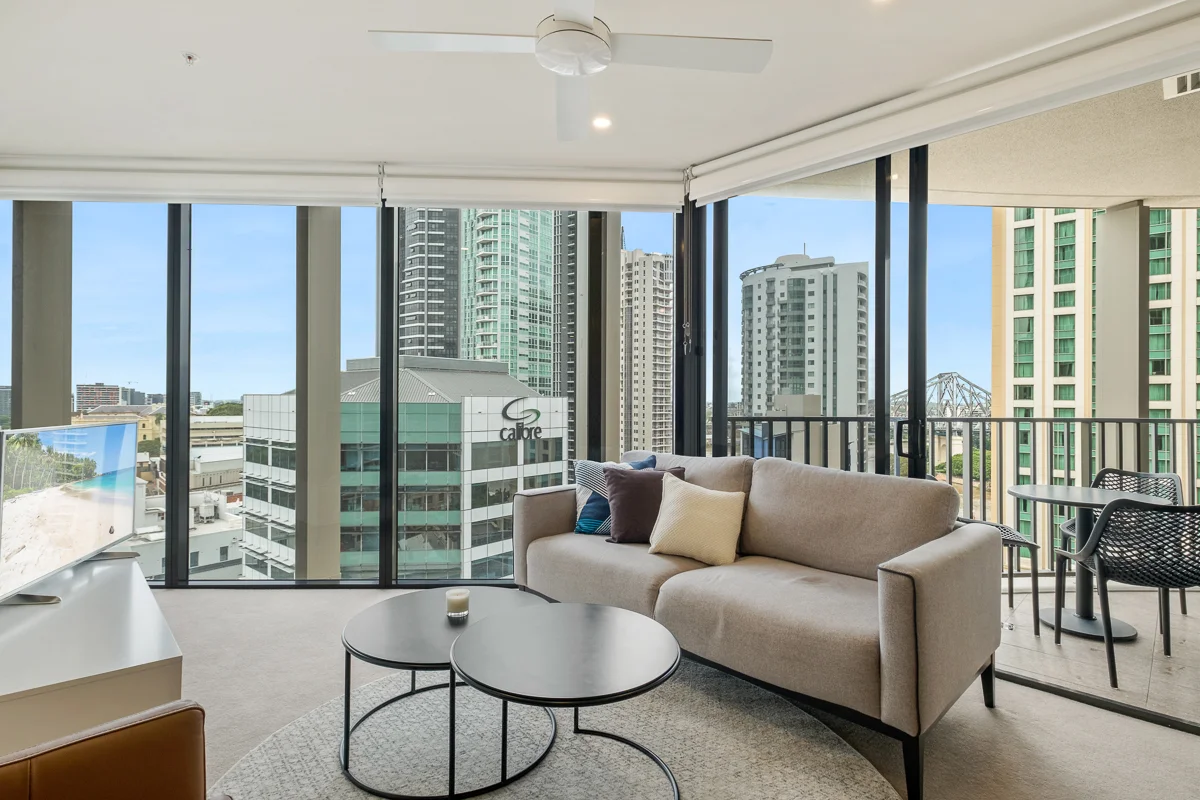 $950,000
Apartment / Unit / Flat
$950,000
Apartment / Unit / Flat
 $550,000
Apartment / Unit / Flat
$550,000
Apartment / Unit / Flat
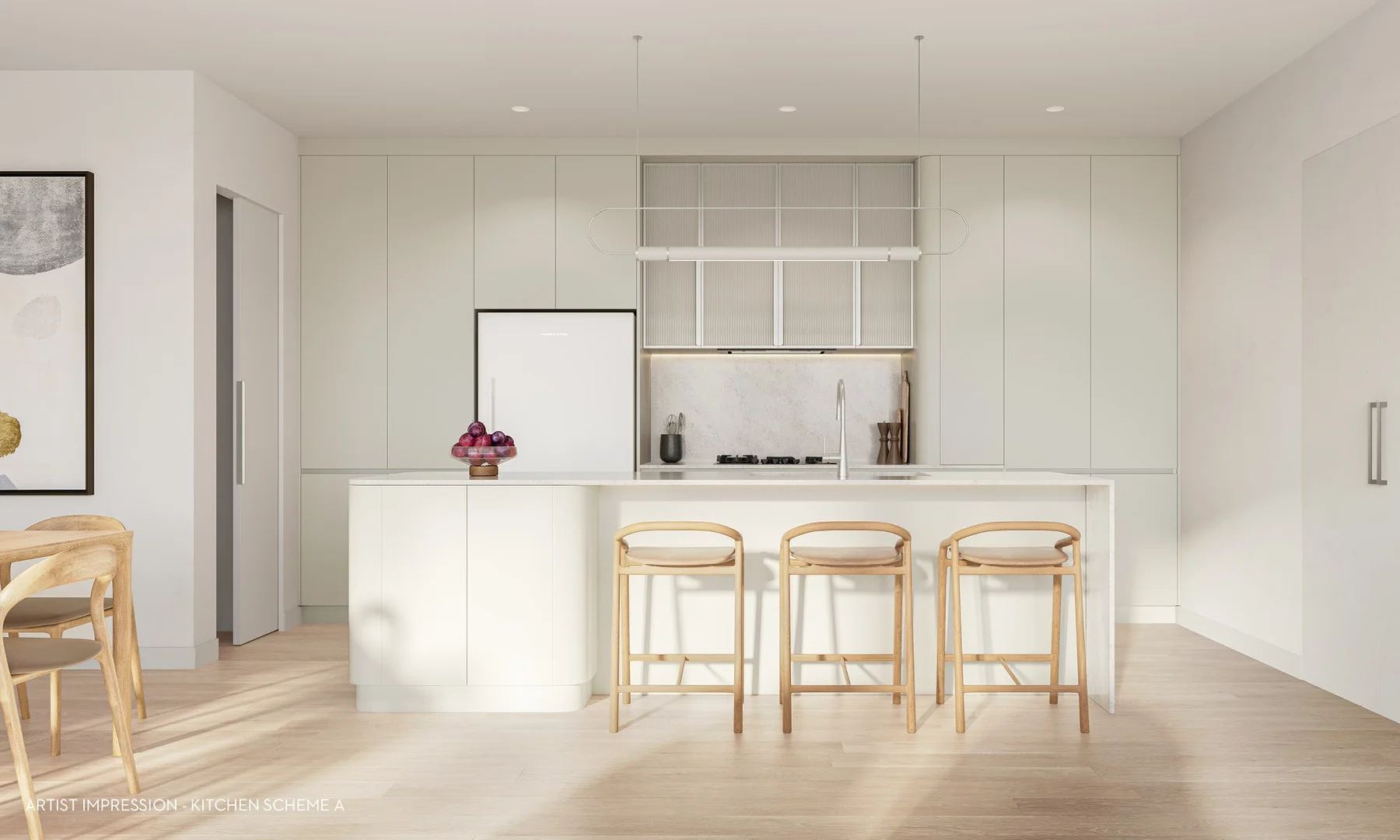 $1,527,000 - $1,870,000
propertyType.NEW APARTMENTS / OFF THE PLAN
$1,527,000 - $1,870,000
propertyType.NEW APARTMENTS / OFF THE PLAN
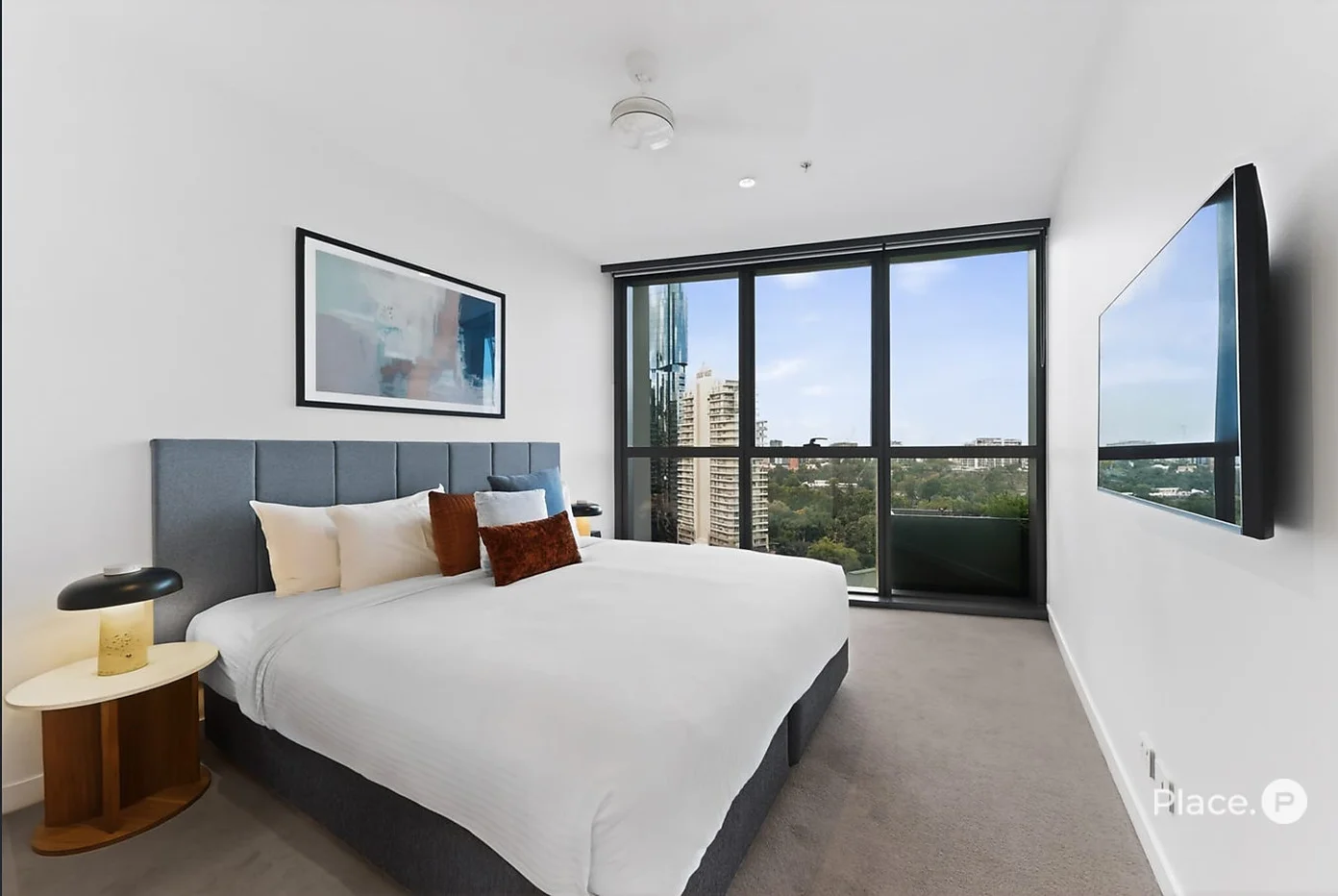 $770,000
Apartment / Unit / Flat
$770,000
Apartment / Unit / Flat


