Overview
# 1. Overview
- School type: Catholic primary school
- School size: Medium
- Class size: Approximately 20–25 students per class
- Atmosphere/culture: Nurturing, inclusive, faith-based, and community-focused
# 2. Academics & Learning
- Academic strengths: Core literacy and numeracy with a values-based approach; emphasis on student well-being and personal growth.
- Special programs: Religious education and sacramental program; opportunities for extended or gifted learning where available (verify with the school for current offerings).
- NAPLAN / trends: Public trend data is not included here; check My School or the school's annual reports for year-to-year trends and progress.
- Student-teacher ratios: Typical classroom environments with approximately 1 teacher per class and additional support staff as needed; classes commonly run in the low-to-mid 20s in student numbers.
- Support for diverse learners: EAL and SEN support typically available; inclusive education approach with targeted interventions and learning supports as required.
# 3. Sports & Extracurricular Strengths
- Sports offered: Common school programs include soccer, netball, basketball, Australian rules football, athletics, and cricket depending on the year and resources.
- Strong teams or achievements: Inter-school and local competitions often provide opportunities for participation; specific year-by-year achievements should be confirmed with the school.
- Music, arts, drama programs: Music programs and performing arts opportunities typically available (choir, instrumental lessons, school productions).
- Clubs: Robotics, coding, chess, debating are commonly offered or supported through after-school activities; availability varies by year.
- Partnerships: Local clubs and inter-school competitions often form part of the extracurricular landscape.
# 4. Wellbeing & Pastoral Care
- Anti-bullying approach: Whole-school anti-bullying policy with proactive pastoral care and student-led initiatives.
- House system: House groups used to foster belonging, teamwork, and healthy competition.
- Counsellors / wellbeing officers: Access to school wellbeing staff or a counsellor/wellbeing lead as part of student support.
- Transition support for new students: Orientation activities, buddy programs, and transition support to help new students settle in.
# 5. Facilities
- Sports grounds: On-site playing fields or courts for physical education and sports.
- Libraries: Dedicated library/resource spaces for reading and study.
- Science labs: On-site science spaces for experiments and practical learning.
- Music/performing arts centers: Rooms or spaces for music, drama, and performances.
- Tech/innovation labs: IT/technology facilities to support digital learning.
- Cafeteria: On-site canteen or lunch facilities.
- Updated playgrounds: Modern, safe play areas and outdoor spaces.
# 6. School Values & Community Culture
- School values / mission: Faith-based education grounded in Catholic values; emphasis on respect, service, community, and personal integrity.
- Leadership style: Collaborative and student-supportive, with opportunities for student voice and leadership within the school community.
- Behaviour expectations: Clear expectations around respect, responsibility, safety, and positive conduct.
- Community reputation: Generally positive within the parish and local community; strong sense of belonging and family atmosphere.
- Diversity & inclusion: Inclusive practices and welcoming environment for students from diverse backgrounds.
# 7. School Logistics & Daily Operations
- School hours: Typical school day runs through the morning and afternoon; exact times vary by term/cohort.
- Before/after school care: OSHC or similar programs may be available; confirm current offering with the school.
- Uniform requirements: School uniform with specified items; details provided by the school.
- Transport (train/bus routes): Public transport options and nearby bus/train routes; arrangements for drop-off/pick-up may be available.
- Canteen availability: Canteen or lunch program typically available; details on offerings provided by the school.
- Fees (low/medium/high ranges): Fees generally fall within a low-to-medium range for Catholic primary schools; confirm current schedule with the school.
# 8. Enrolment & Admissions
11. What is the enrolment process and timeline?
- Generally: Submit an application, provide required documentation (birth certificate, immunization, etc.), and participate in any school-based interviews or assessments as applicable. Timelines vary by year and intake.
12. Is there a waiting list, and how does it work?
- Waiting lists are common; placement depends on space and parish/school policy. Apply early and follow the school’s documented process for waitlist placement.
13. Are there any entry requirements, tests, or interviews?
- Entry requirements often include identity and immunization verification; some Catholic schools may request a short interview or discussion about values alignment and family commitment. Specific tests or assessments are not universally required; check the school for current requirements.
14. Does the school accept mid-year transfers?
- Mid-year transfers can be possible subject to space and placement availability; contact the school early to discuss options and required documentation.
# 9. Frequently Asked Questions
- Why Parents Choose This School?
- A values-based Catholic education with a supportive, close-knit community and a focus on both academic progress and moral development.
- What type of student thrives at this school?
- Students who are engaged, open to collaboration, respectful of others, and motivated to grow in both academics and character.
- What opportunities are available for students to extend their skills (academics, sports, arts)?
- Access to core academic programs, potential extension or enrichment options, sports participation, music/drama programs, and a range of clubs (robotics, coding, chess, debating) depending on the year.
- How does the school communicate with parents?
- Through newsletters, emails, school apps or portals, parent-teacher meetings, and regular updates from teachers and administration.
- What is the school’s approach to teaching and learning?
- A faith-informed, student-centered approach that emphasizes literacy, numeracy, inquiry, differentiation, and holistic development.
- How does the school support students who need extra academic help?
- Availability of learning support staff, targeted interventions, EAL/SEN support, and in-class Differentiation to meet diverse learning needs.
- What support is available for academic challenges?
- Access to teaching assistants, small-group or one-on-one supports, and collaboration with families to set achievable goals.
- How does the school communicate with parents?
- (Repeated) Through similar channels: newsletters, portals, email, and meetings.
- What are the class sizes and how much individual attention do students receive?
- Class sizes are typically around 20–25 students, with teacher-led instruction and opportunities for small-group or targeted support.
- What extracurricular and sports opportunities are available?
- A range of sports, music/drama, and clubs such as robotics, coding, chess, and debating, subject to seasonal offerings and staffing.
- What facilities does the school offer (sports, science, arts)?
- Sports grounds, libraries, science labs, music/performing arts spaces, tech/innovation labs, canteen, and updated playgrounds.
- What is the school’s approach to technology and digital learning?
- Integration of ICT in learning with access to devices and digital resources; use of age-appropriate software and online platforms to support instruction.
- What transport and accessibility options are available?
- Nearby bus/train options; car drop-off/pick-up arrangements; accessibility considerations provided by the school.
- What are the typical school fees or additional costs?
- Fees exist and contribute to uniforms, activities, excursions, and resources; exact amounts vary by year and program.
# 10. Short Pros & Cons
- Pros
- Catholic ethos and values-based education
- Supportive, close-knit community and pastoral care
- Focus on core academics (literacy and numeracy) with holistic development
- Range of extracurriculars (sports, arts, clubs)
- Inclusive approach with support for diverse learners
- Planet-friendly and well-maintained facilities
- Cons
- Catholic identity means alignment with faith-based values is important for families
- Availability of programs and clubs can vary by year and cohort
- Class sizes, while typical for primary schools, may not suit families seeking very small classes
- Fees and uniform costs are an ongoing consideration for some families
If you’d like, I can tailor this draft further once you confirm current, school-specific details from the school's official materials (enrolment page, handbook, annual reports, or the My School data).












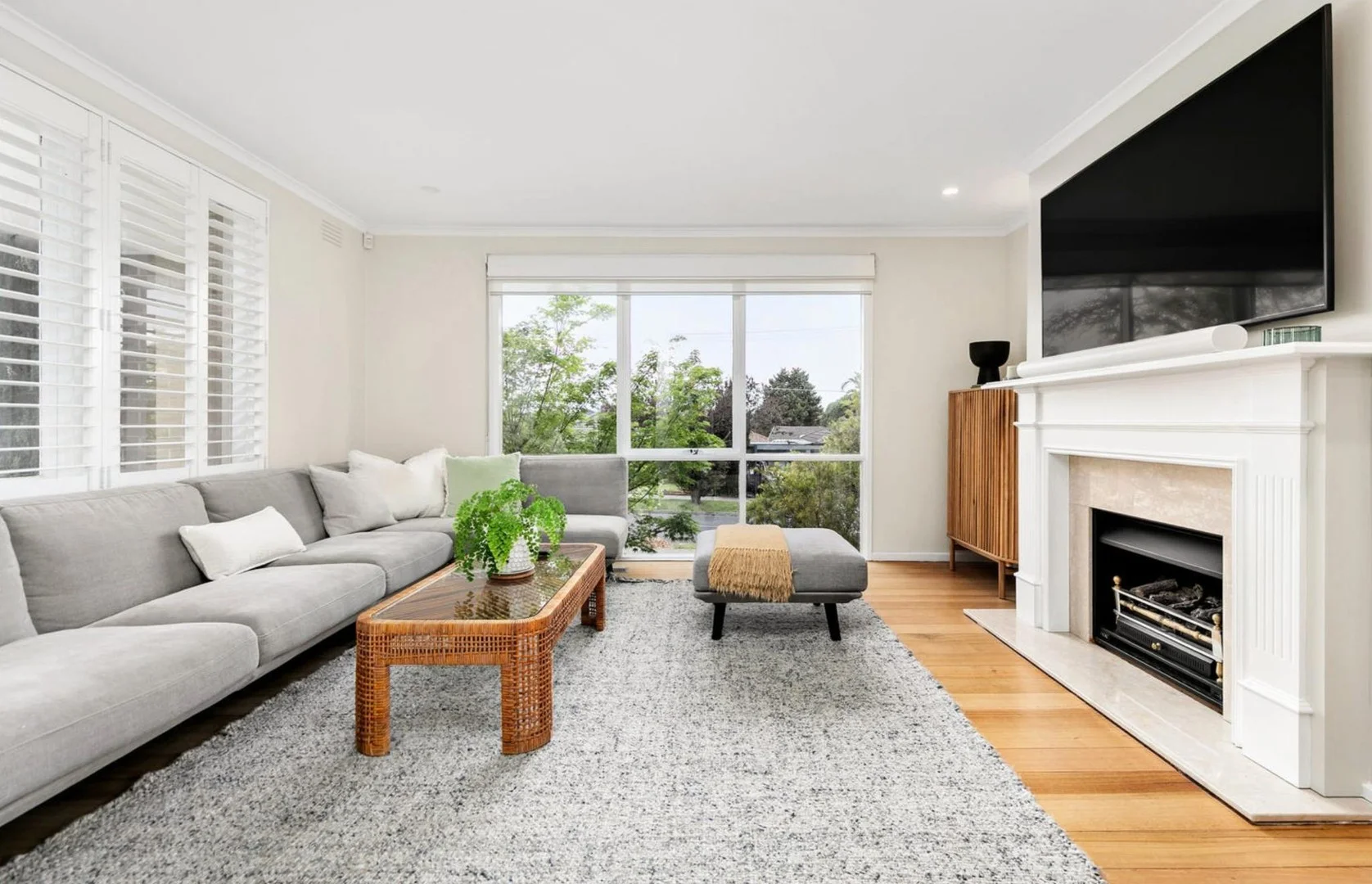 $750
House
$750
House
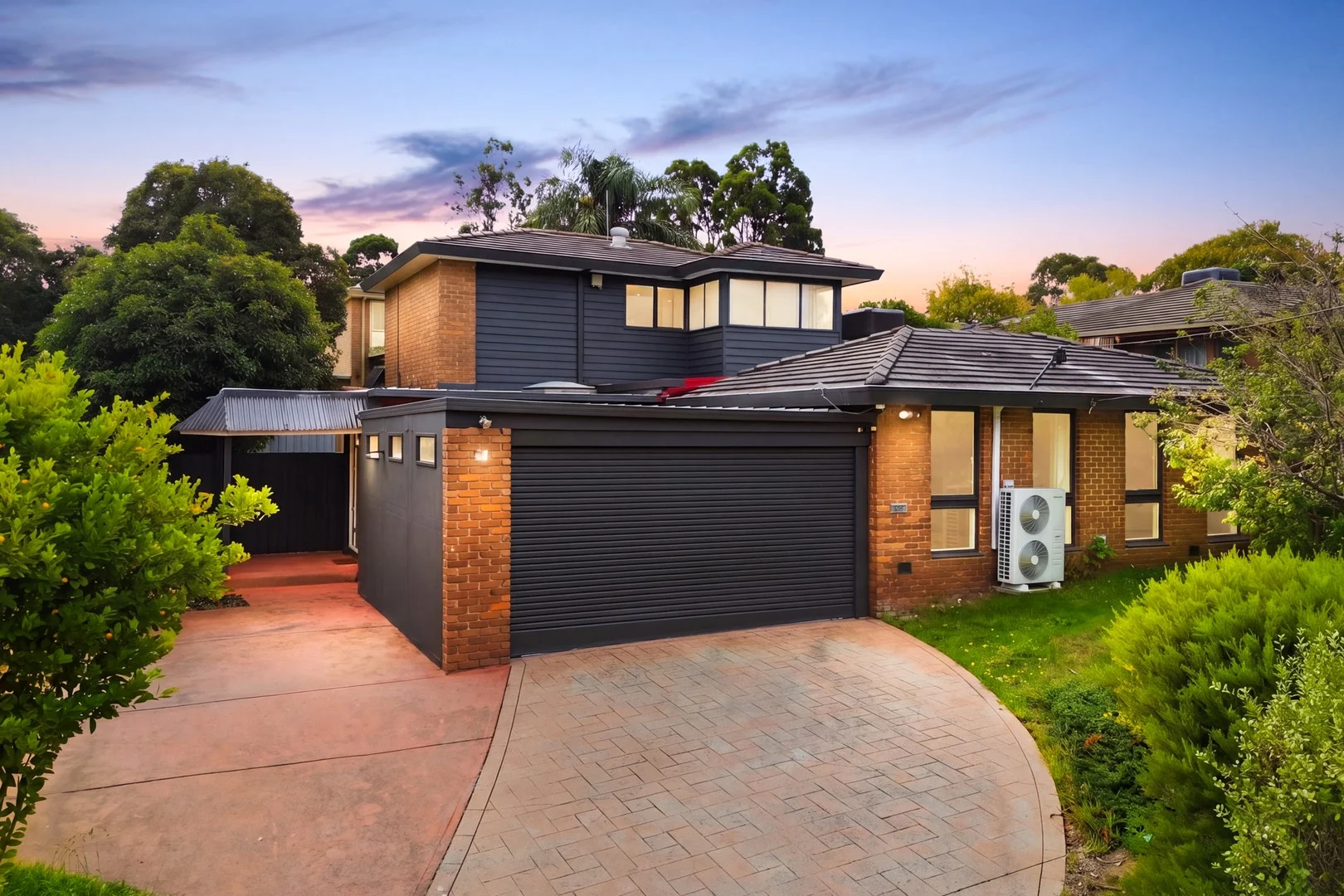 $1,220,000 - $1,320,000
House
$1,220,000 - $1,320,000
House
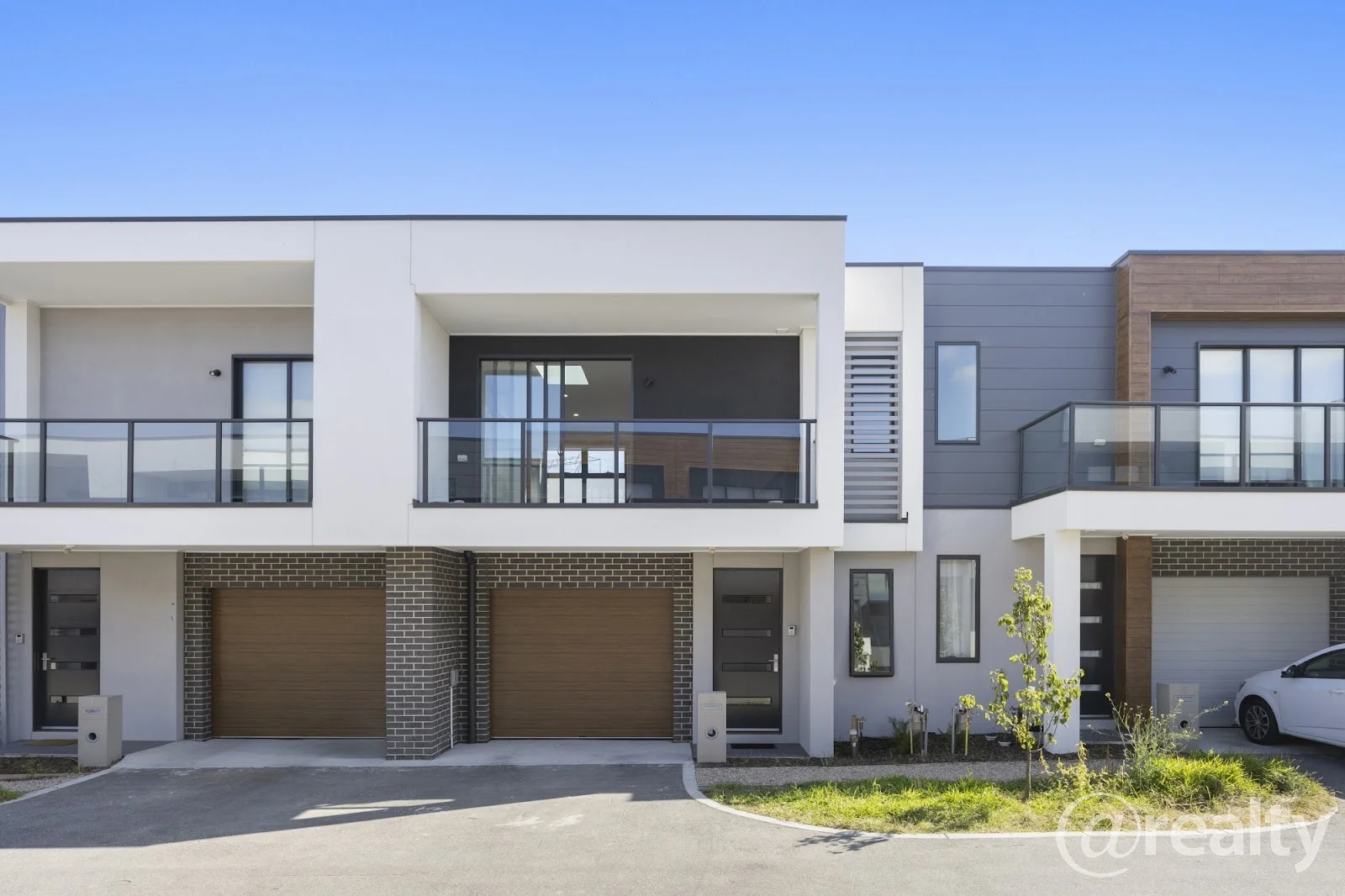 $510
Townhouse
$510
Townhouse
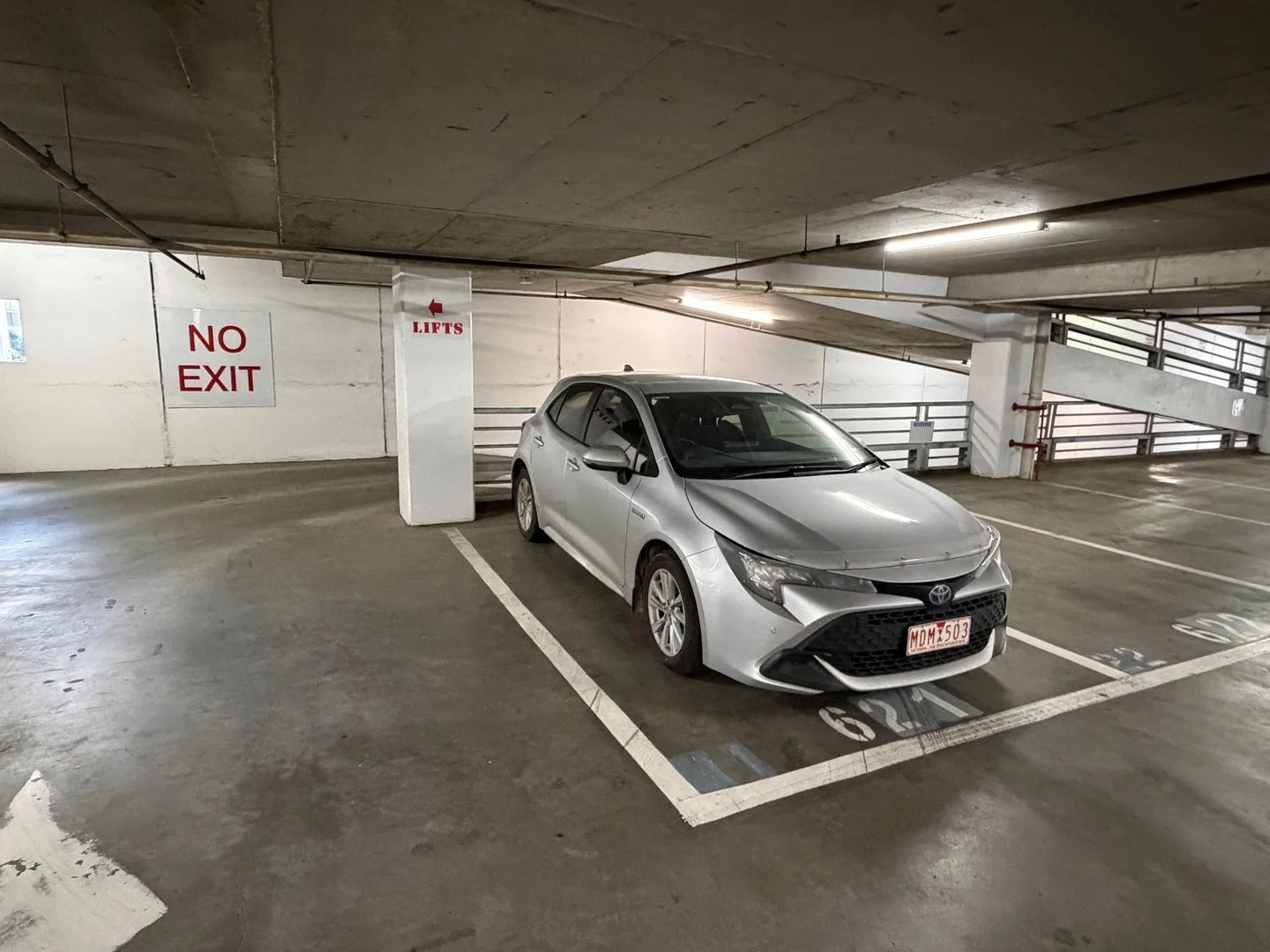 $27,500
propertyType.CAR SPACE
$27,500
propertyType.CAR SPACE
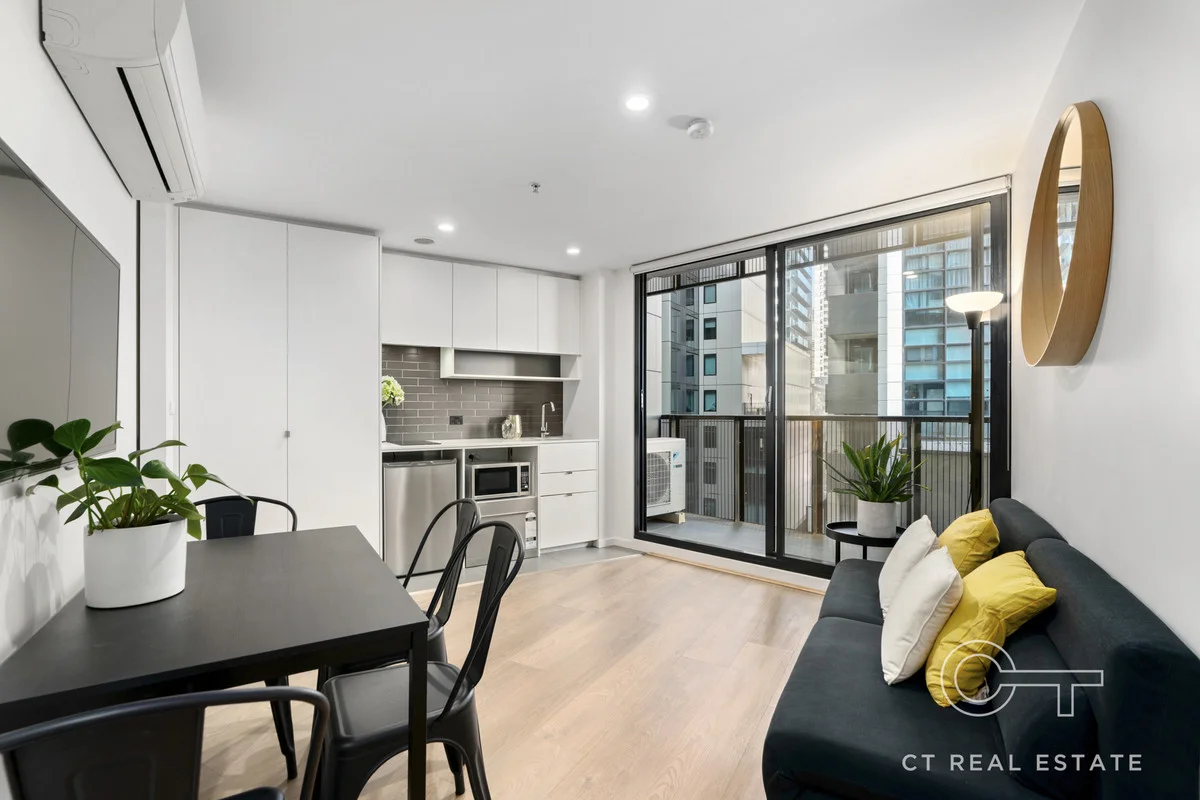 $360,000
Apartment / Unit / Flat
$360,000
Apartment / Unit / Flat
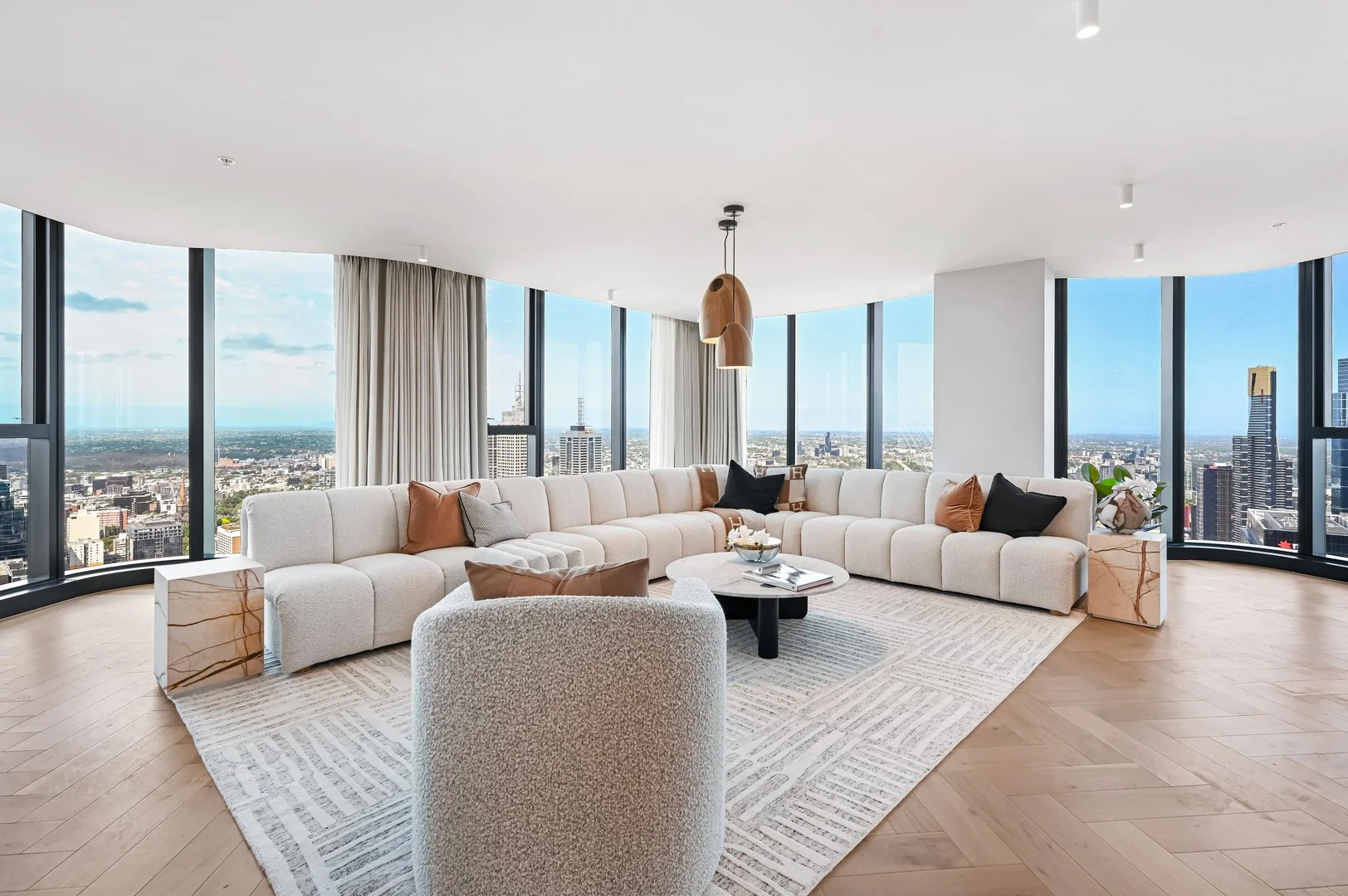 $5,512,000
propertyType.NEW APARTMENTS / OFF THE PLAN
$5,512,000
propertyType.NEW APARTMENTS / OFF THE PLAN
 $2,008,000
propertyType.NEW APARTMENTS / OFF THE PLAN
$2,008,000
propertyType.NEW APARTMENTS / OFF THE PLAN
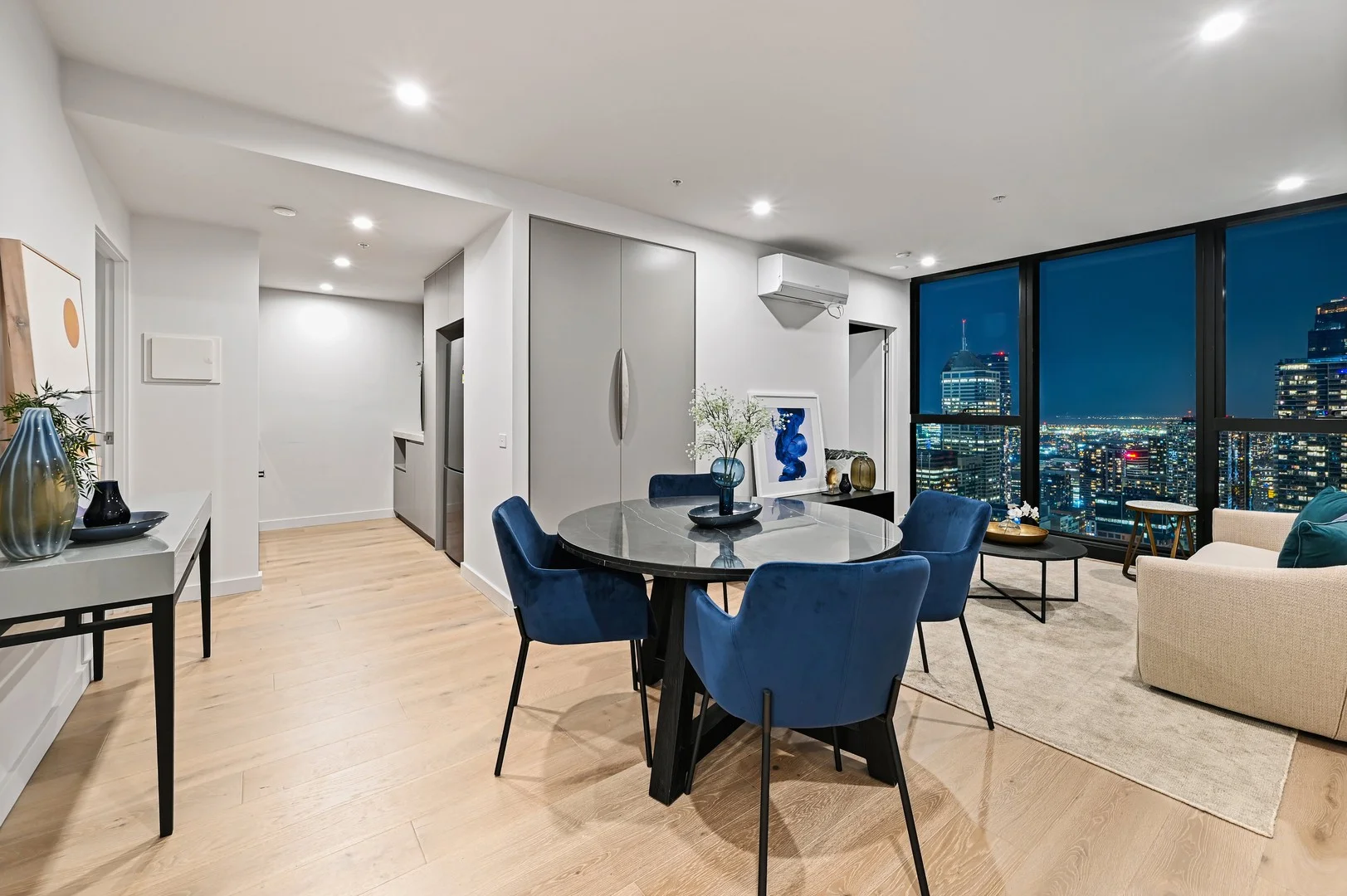 $943,000
propertyType.NEW APARTMENTS / OFF THE PLAN
$943,000
propertyType.NEW APARTMENTS / OFF THE PLAN
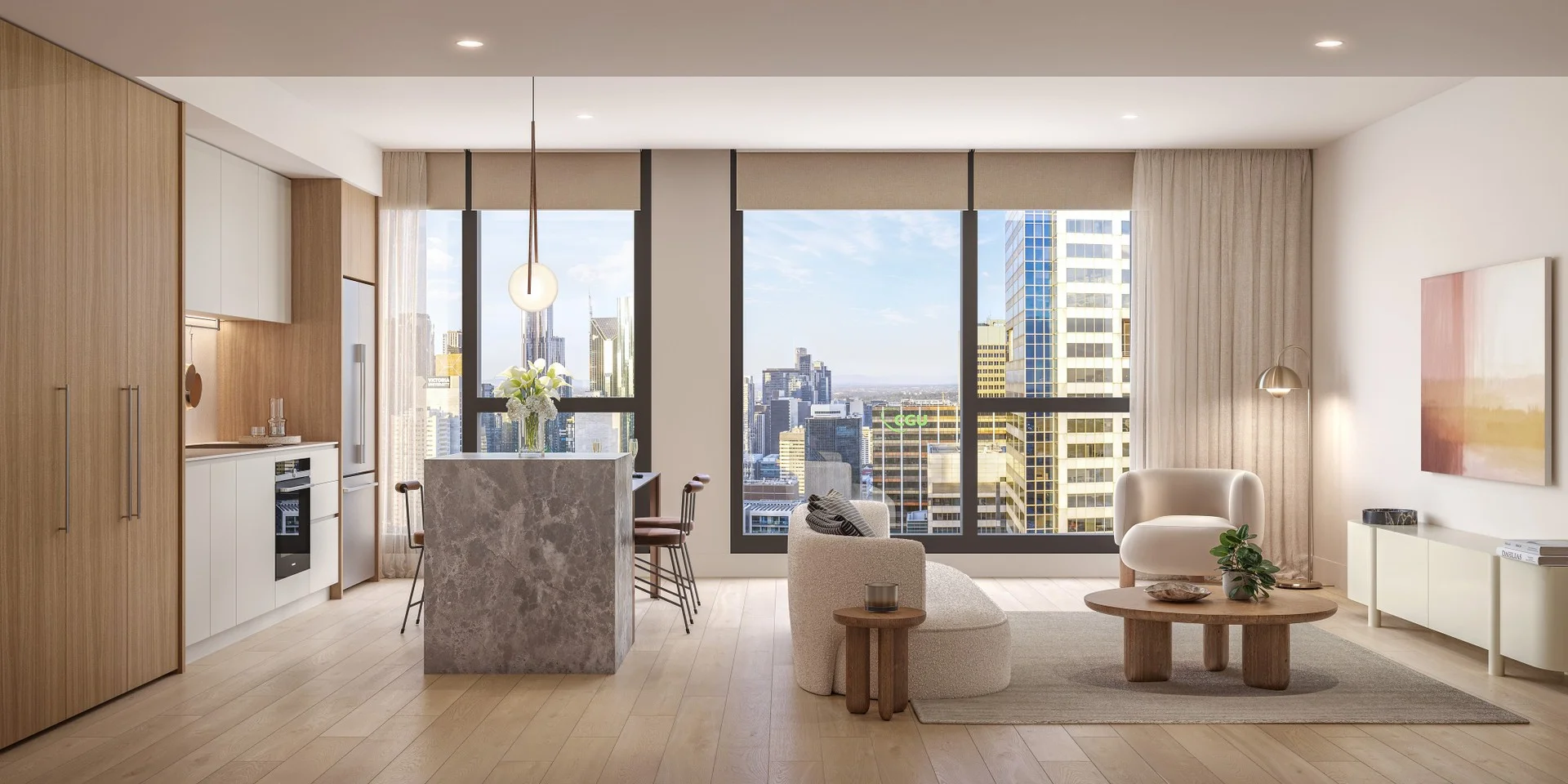 $1,870,000
propertyType.NEW APARTMENTS / OFF THE PLAN
$1,870,000
propertyType.NEW APARTMENTS / OFF THE PLAN