## 1. Overview
St Michael's Catholic Primary School, Daceyville is a Catholic school focused on faith-based education within NSW’s Catholic Education system. It is a small-to-medium sized primary school that aims to provide a warm, nurturing environment where every student is known and supported. Class sizes are typically around 20–25 students, which helps teachers give more individual attention and fosters strong student–teacher relationships. The atmosphere is community-minded, inclusive, and values-driven, with an emphasis on faith, respect, and personal growth.
The school prioritises a supportive culture that blends academic effort with pastoral care. Families often describe the environment as welcoming and family-like, where students are encouraged to participate, show kindness, and strive for personal best in both learning and character development.
## 2. Academics & Learning
- Academic strengths: Strong literacy and numeracy foundations are central, with a clear emphasis on English, mathematics, and reading comprehension. The school also supports religious education as a core component of learning, alongside broader curriculum areas to foster well-rounded development.
- Special programs: Catholic ethos and faith formation are integrated into daily learning. There are opportunities for leadership roles, and differentiated approaches to support students across ability levels.
- NAPLAN / trends: Over recent years, the school has shown positive trends in literacy and numeracy outcomes, with steady progression and a focus on improving student achievement across year levels.
- Student-teacher ratios: Generally in the range of 1:15 to 1:20, enabling meaningful teacher input and timely feedback.
- Support for diverse learners: Dedicated learning support with small-group interventions, EAL/D assistance where needed, and accommodations to meet diverse learning needs; a focus on inclusive education and individualized learning plans when appropriate.
## 3. Sports & Extracurricular Strengths
- Sports offered: Common primary programs include soccer, netball, rugby league, cricket, athletics, and cross-country events; opportunities to participate in inter-school and local competitions.
- Strong teams or achievements: Regular participation in regional school sport events and intra-school teams; emphasis on teamwork, sportsmanship, and personal improvement.
- Music, arts, drama: Access to music and performing arts programs, with opportunities for choir, school productions, and classroom-based arts activities.
- Clubs: Robotics, coding, chess, debating, and other STEM or academic clubs are available to extended-learning-minded students.
- Partnerships: Participation in local school sport leagues and Catholic Education Diocese activities, with opportunities for external competitions and showcases.
## 4. Wellbeing & Pastoral Care
- Anti-bullying approach: Clear pastoral framework with students encouraged to demonstrate respect, kindness, and responsibility; proactive strategies to promote positive behaviour.
- House system: A house-based structure supports belonging, healthy competition, and peer support among students.
- Counsellors / wellbeing officers: Access to wellbeing staff to support emotional health, resilience, and social skills.
- Transition support for new students: Orientation activities, buddy systems, and ongoing support to help new students settle into school life smoothly.
## 5. Facilities
- Sports grounds: Outdoor spaces suitable for PE, games, and recess activities.
- Libraries: A functioning library supports reading for pleasure and academic research.
- Science labs: Dedicated spaces for practical science activities and experiments.
- Music/performing arts centers: Rooms or spaces to support music, drama, and performance.
- Tech/innovation labs: Access to technology-enabled learning and digital project work.
- Cafeteria: On-site canteen or lunch area for students.
- Updated playgrounds: Well-maintained play spaces for recreation and physical activity.
## 6. School Values & Community Culture
- School values / mission: A faith-centered mission that emphasises respect, compassion, responsibility, and service; aligning daily learning with Catholic principles.
- Leadership style: Open, collaborative leadership that encourages student voice, teacher collaboration, and parental involvement.
- Behaviour expectations: Clear guidelines around respect, responsibility, safety, and integrity; positive reinforcement and restorative approaches where needed.
- Community reputation: Known for a welcoming parish-linked community, supportive staff, and a focus on holistic development for families.
- Diversity & inclusion: Commitment to inclusive practices, supporting students from diverse backgrounds to participate and thrive.
## 7. School Logistics & Daily Operations
- School hours: Typical primary school day with start and finish times consistent with NSW primary schedules; attendance expectations emphasized.
- Before/after school care: Availability of before- and after-school care or programming to support working families.
- Uniform requirements: Standard school uniform with clear guidelines; regular uniform shop or school-appointed suppliers.
- Transport (train/bus routes): Access to local public transport and school-related transport options where available; information provided to families about convenient routes.
- Canteen availability: On-site or nearby canteen options offering healthy food choices.
- Fees (low/medium/high ranges): Fees are moderate for a Catholic primary setting, with family discounts and published information about cost expectations and any additional costs for camps, excursions, or activities.
## 8. Enrolment & Admissions
11. What is the enrolment process and timeline?
- Inquiries and expression of interest are welcomed. Parents submit an application form along with required documents (birth certificate, vaccination records, baptism certificate if applicable). The school may invite families for a meeting or information session and, where appropriate, a short informal discussion or assessment to understand learning needs. A placement decision is communicated within the school’s defined timeline.
12. Is there a waiting list, and how does it work?
- Waiting lists can apply, depending on year level and space. Priority is typically given to Catholic families within the parish or local community, with the school managing the waitlist according to space, needs, and timing. Prospective families are advised on expected wait times during the inquiry process.
13. Are there any entry requirements, tests, or interviews?
- Generally, there is no formal entrance exam for primary-age entry. Families can expect an interview or information discussion, and the school may request documentation (immunisation records, baptism certificate, etc.) and a review of the child’s learning needs to plan appropriate supports if required.
14. Does the school accept mid-year transfers?
- Yes, subject to space and a smooth transition. Transfers mid-year require up-to-date school reports, transfer documentation from the current school, and a transition plan to help the student settle in quickly.
## 9. Frequently Asked Questions
- Why Parents Choose This School?
- A welcoming Catholic community with strong pastoral care, small class sizes, and a focus on faith-based values alongside solid academic foundations.
- What type of student thrives at this school?
- Students who are engaged, respectful, curious, and looking for a supportive environment that blends academics with character development.
- What opportunities are available for students to extend their skills (academics, sports, arts)?
- Access to extended learning in literacy, numeracy, and higher-order thinking, plus sports teams, arts programs, music and drama, and clubs like robotics, coding, and debating.
- How does the school communicate with parents?
- Regular newsletters, parent-teacher meetings, online portals or communications apps, and open channels for contact with teachers and leaders.
- What is the school’s approach to teaching and learning?
- Explicit instruction with differentiation to meet diverse needs, a focus on literacy and numeracy mastery, and integration of faith-based learning within the broader curriculum.
- How does the school support students who need extra academic help?
- Learning support services, targeted interventions, small-group assistance, and planning to accommodate EAL/D and SEN needs.
- What support is available for academic challenges?
- Diagnostic reviews, targeted interventions, and collaboration with families to implement effective strategies for improvement.
- What extracurricular and sports opportunities are available?
- A range of sports, music and performing arts, and clubs such as robotics, coding, chess, and debating, with opportunities to participate in inter-school events.
- What facilities does the school offer (sports, science, arts)?
- Sports grounds, a library, science spaces, music/performing arts facilities, technology labs, and a canteen, plus well-maintained playgrounds.
- What is the school’s approach to technology and digital learning?
- Integrates technology into daily learning with safe digital citizenship, access to devices and digital projects, and opportunities for coding and ICT skills.
- What transport and accessibility options are available?
- Information on local bus/train routes, family-friendly accessibility, and guidance to assist families with travel planning to and from the school.
- What are the typical school fees or additional costs?
- Fees are moderate for a Catholic primary school, with transparency about annual charges, uniforms, excursions, and any discretionary costs; family discount options are commonly available.
## 10. Short Pros & Cons list
- Pros
- Catholic ethos with strong pastoral care
- Small to medium class sizes for better teacher attention
- Supportive learning environment with inclusive practices
- Range of extracurriculars and clubs
- Clear emphasis on values, character, and community
- Cons
- Might have fewer elective subjects than larger schools
- Fees and associated costs are an ongoing consideration for families
- Placement can depend on space and parish-based considerations











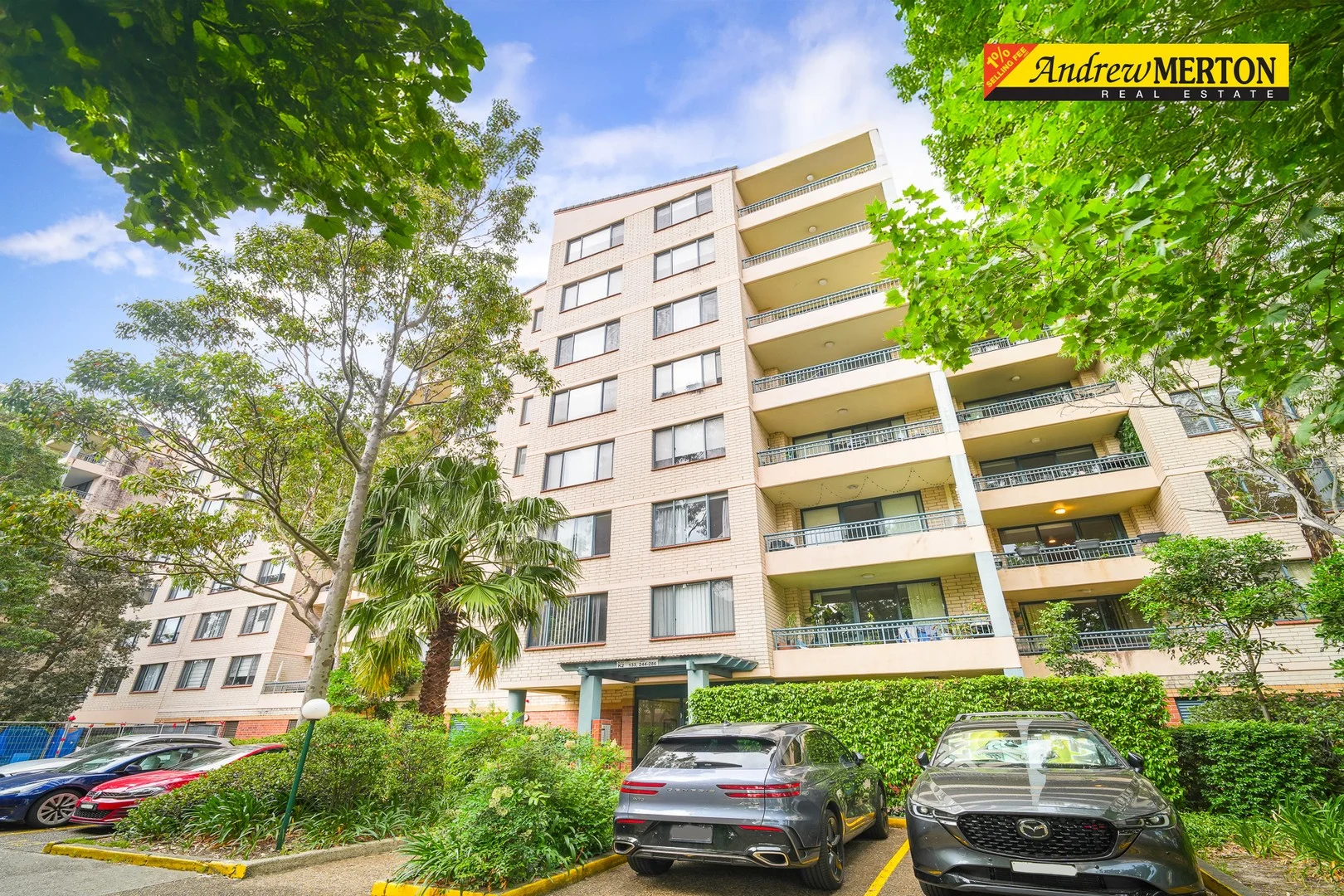 $933,000
Apartment / Unit / Flat
$933,000
Apartment / Unit / Flat
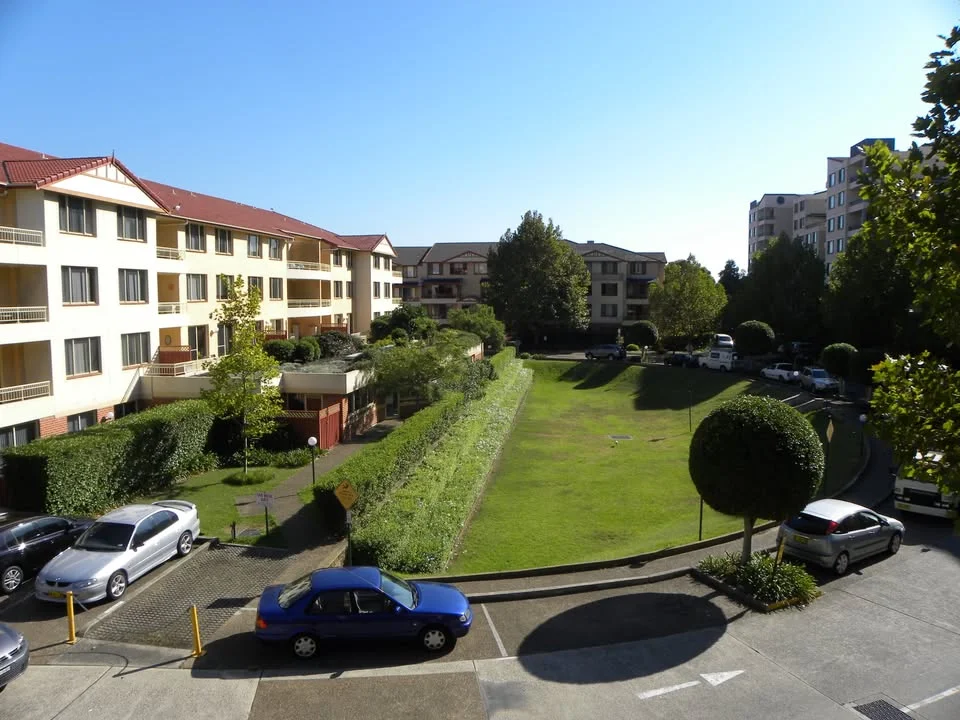 $990
Apartment / Unit / Flat
$990
Apartment / Unit / Flat
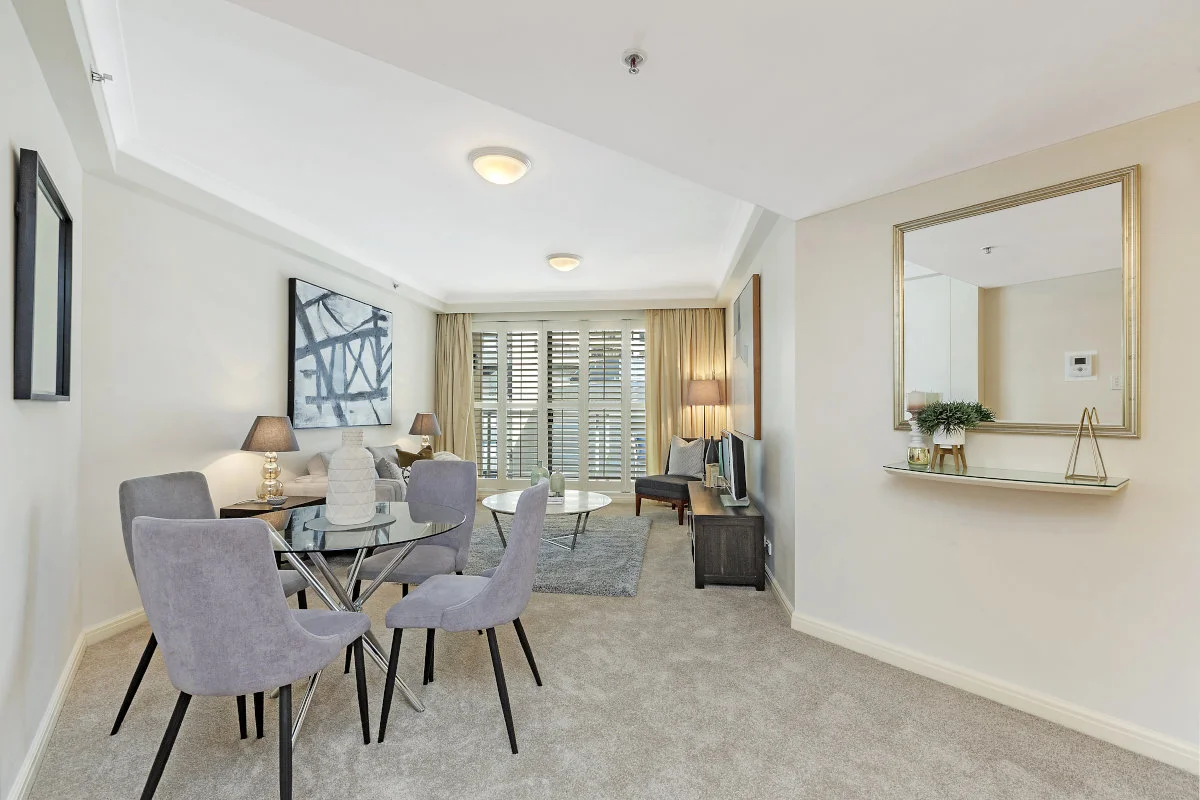 $660,000 - $725,000
Apartment / Unit / Flat
$660,000 - $725,000
Apartment / Unit / Flat
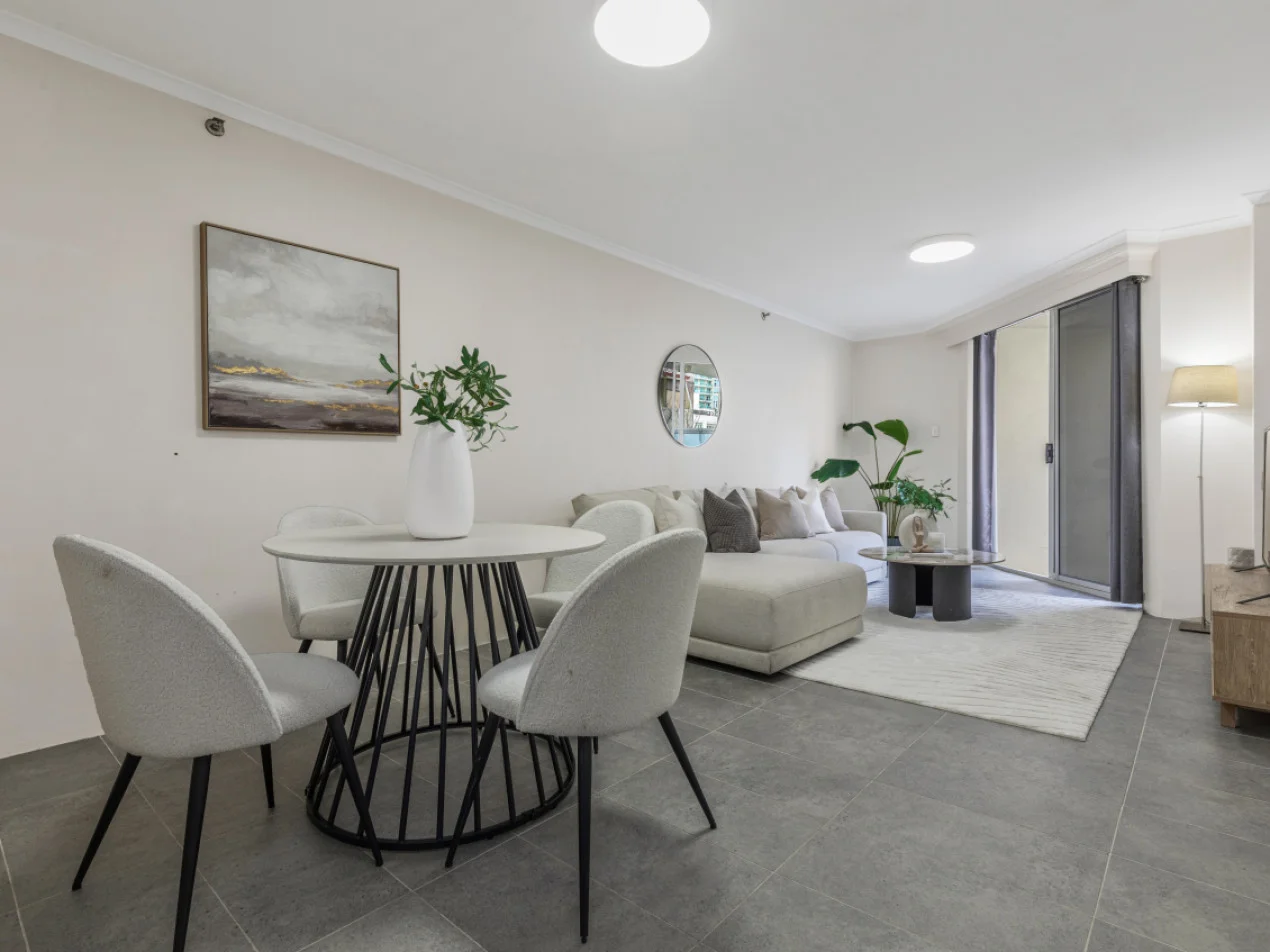 $640,000 - $675,000
Apartment / Unit / Flat
$640,000 - $675,000
Apartment / Unit / Flat
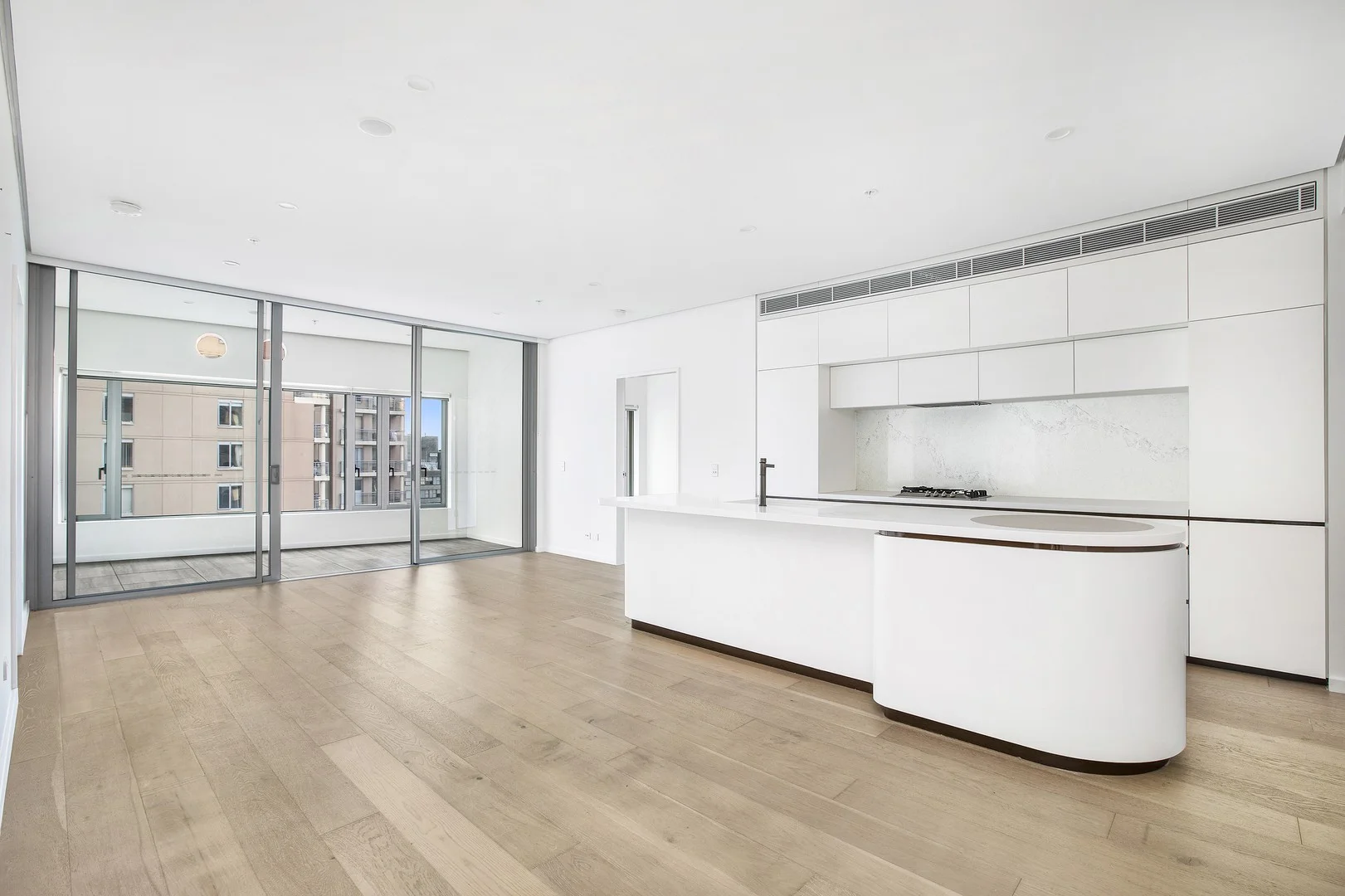 $2,250,000
Apartment / Unit / Flat
$2,250,000
Apartment / Unit / Flat
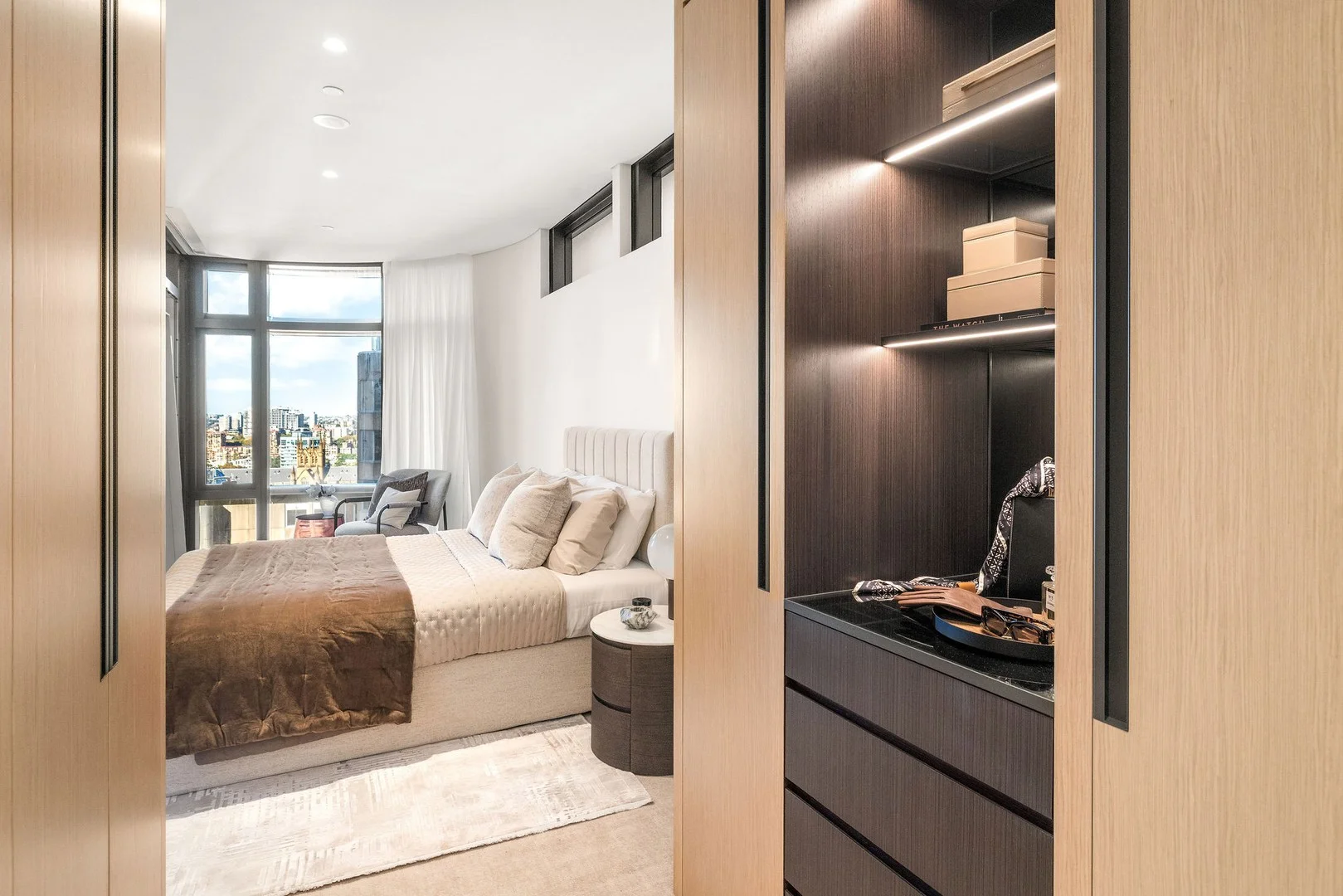 $2,745,000
propertyType.NEW APARTMENTS / OFF THE PLAN
$2,745,000
propertyType.NEW APARTMENTS / OFF THE PLAN
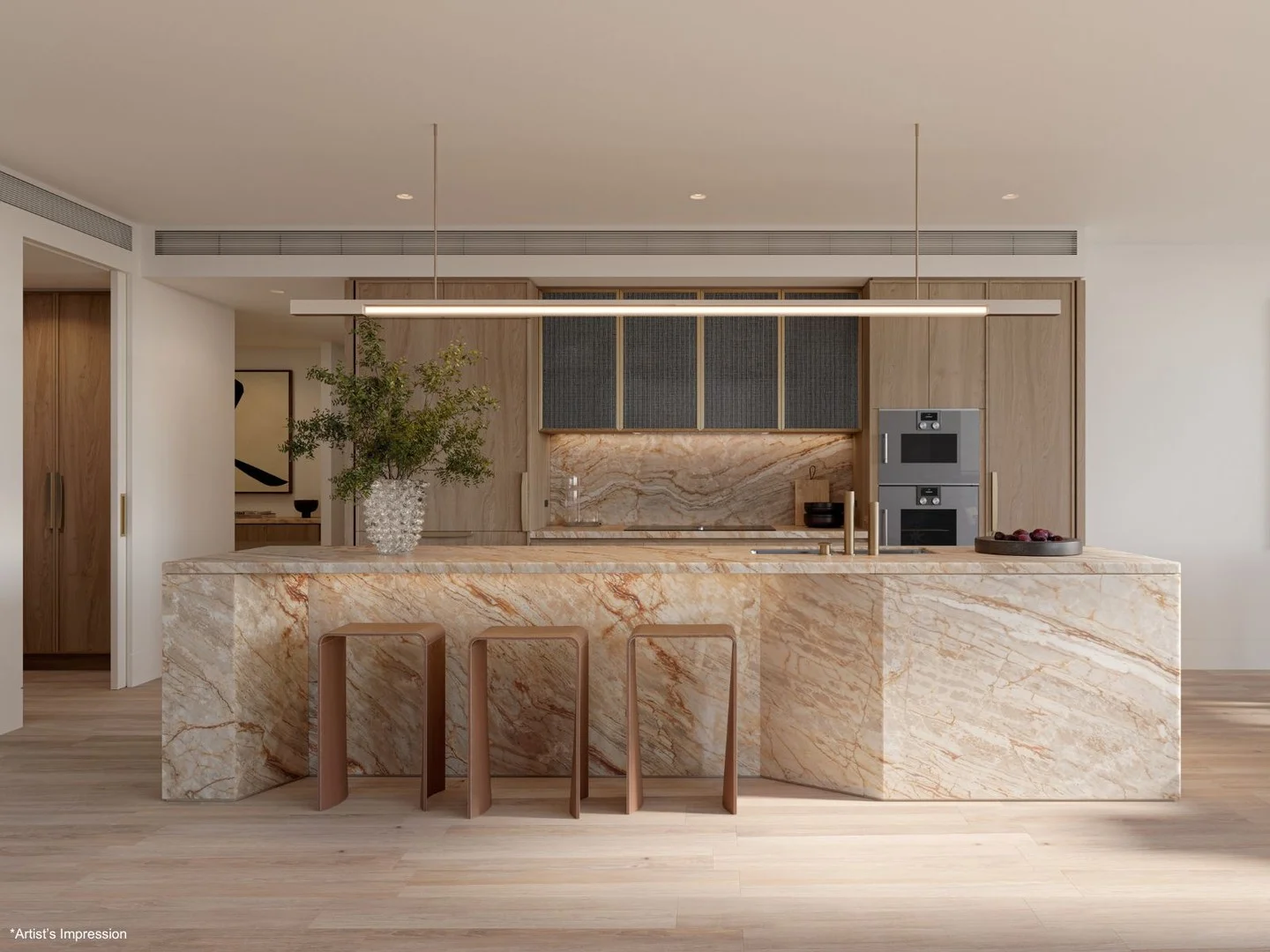 $6,225,000
propertyType.NEW APARTMENTS / OFF THE PLAN
$6,225,000
propertyType.NEW APARTMENTS / OFF THE PLAN
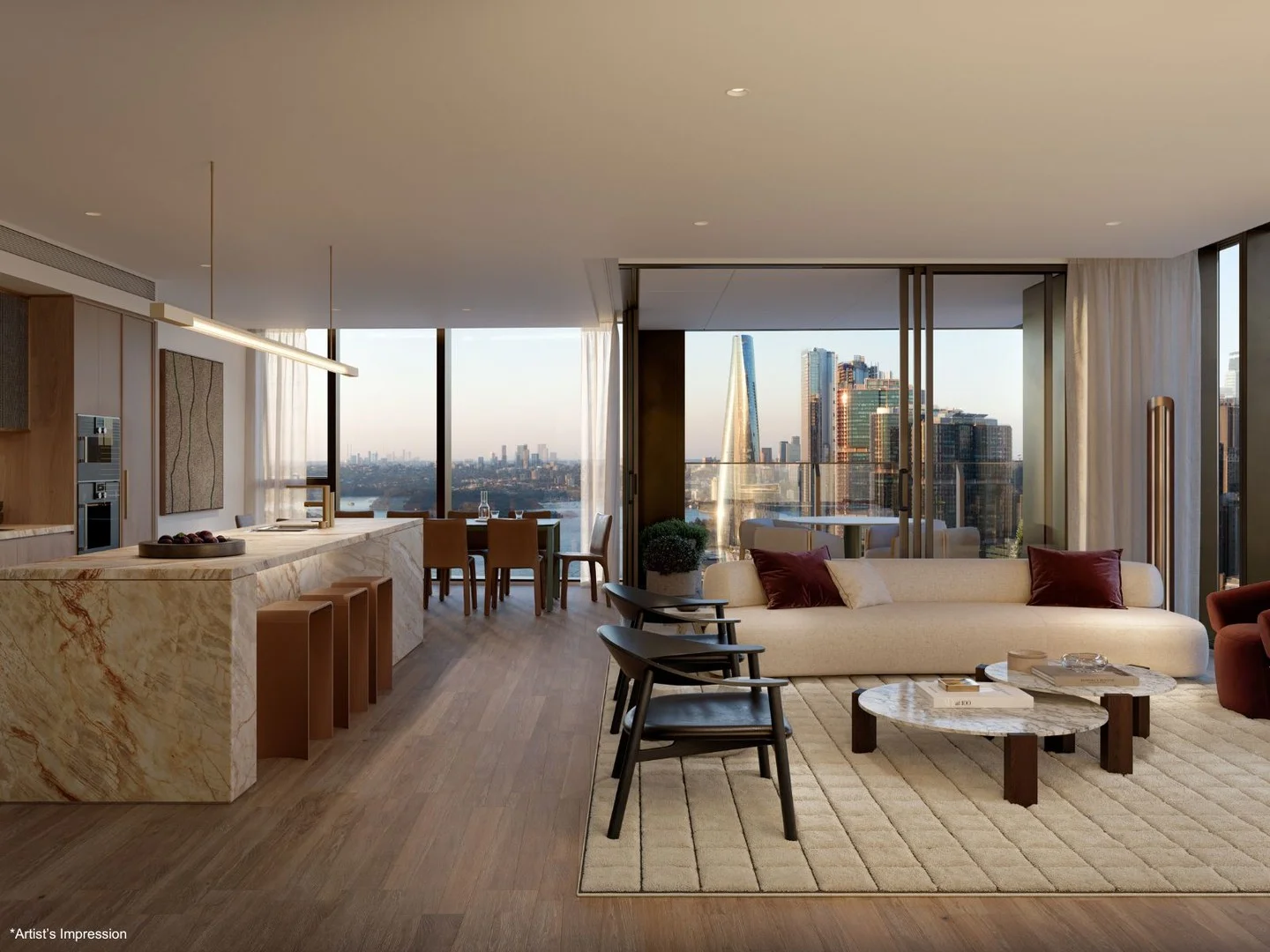 $12,980,000
propertyType.NEW APARTMENTS / OFF THE PLAN
$12,980,000
propertyType.NEW APARTMENTS / OFF THE PLAN
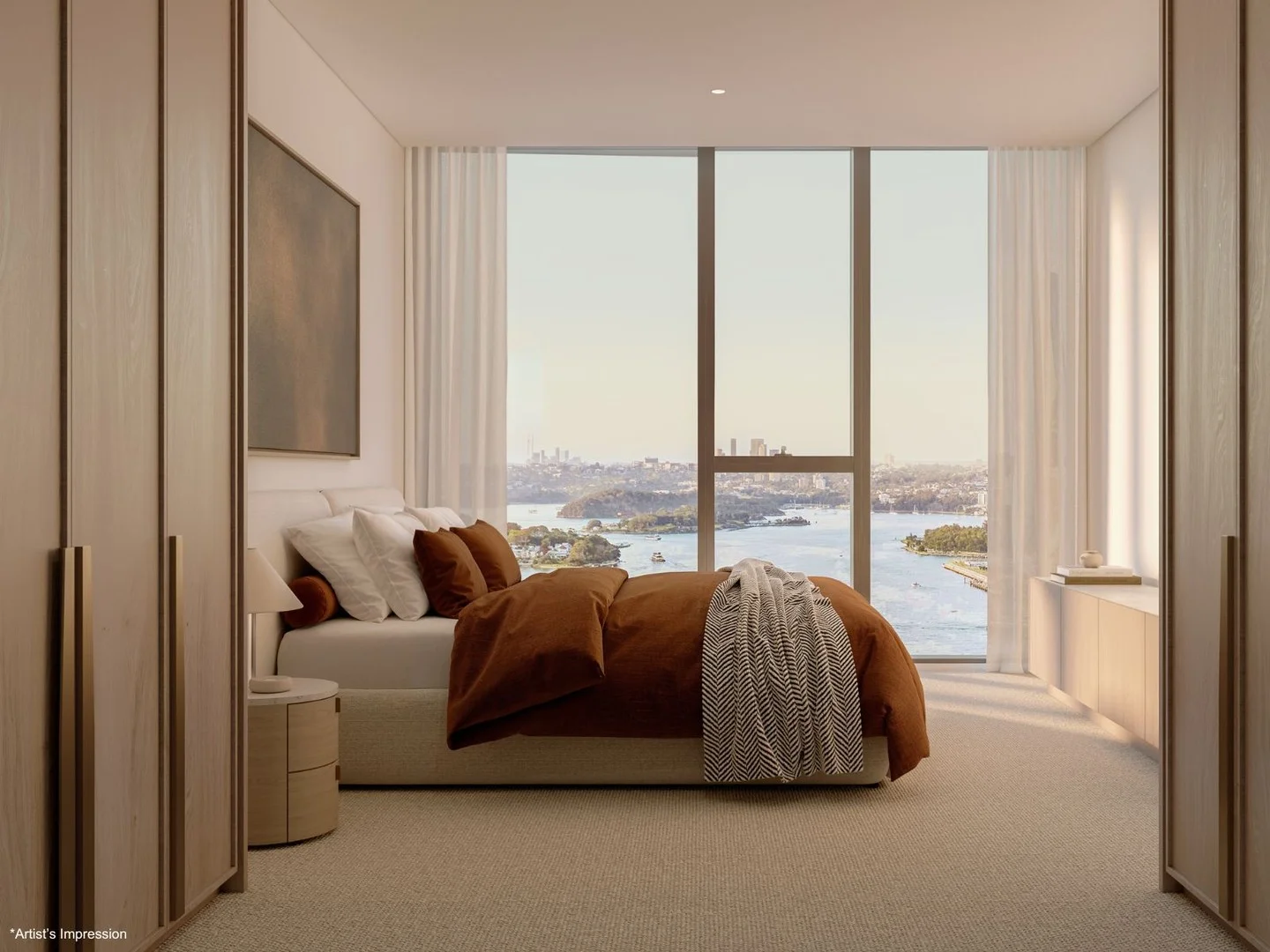 $8,630,000
propertyType.NEW APARTMENTS / OFF THE PLAN
$8,630,000
propertyType.NEW APARTMENTS / OFF THE PLAN


