1. Overview
Eastlakes Public School is a public, co-educational primary school serving the local NSW community. The school typically functions as a medium-sized campus with a focus on inclusive, community-minded learning and student wellbeing. Class sizes generally sit in the mid-range for NSW primary schools, with around 22–25 students per class and a student–teacher dynamic aimed at individual attention and supportive learning.
The atmosphere is nurturing and diverse, with an emphasis on creating a respectful, collaborative culture where students feel valued and engaged in a broad curriculum that supports academic growth, sports, arts and personal development.
⸻
2. Academics & Learning
Eastlakes Public School emphasizes solid literacy and numeracy foundations alongside strengths in STEM, creative arts and leadership development. The school supports a well-rounded curriculum that includes English, mathematics, science, history/geography, PDHPE and the arts, with opportunities for students to explore coding, robotics and other tech-enabled learning.
Special programs (where available) may include Gifted & Talented opportunities, leadership activities and targeted literacy/numeracy supports. NAPLAN trends for NSW public primary schools typically show steady progress or stable results over time; families can review the school’s annual report for the latest trend data. Student–teacher ratios are managed to support effective classroom learning, with additional support available for diverse learners, including English as an Additional Language (EAL/D) students and students with additional learning needs (SEN).
⸻
3. Sports & Extracurricular Strengths
Sports are a strong feature for families prioritizing activity and team participation. Eastlakes Public School may offer a range of sports such as soccer, netball, cricket, basketball, athletics and swimming-related programs, along with opportunities to compete in district events.
In addition to sports, the school provides music, drama and arts programs, including choir or band where available. A variety of clubs—robotics, coding, chess, debating and other enrichment activities—support student interests beyond core academics. The school often partners with local clubs or competitions to broaden opportunities in sports and STEM, catering especially to boys aged 10–14 who benefit from teamwork, discipline and structured practice.
⸻
4. Wellbeing & Pastoral Care
A strong wellbeing and pastoral approach is central to the school’s culture. An anti-bullying strategy is typically in place, often aligned with restorative practices and a clear behaviour framework to promote respectful interactions. A house system (or house-style grouping) helps foster belonging, leadership and friendly competition.
Dedicated counsellors or wellbeing officers are available to support students’ emotional and social needs, with clear pathways for families to access support. Transition and orientation programs support new students joining mid-year or starting at the beginning of the school year, including buddy systems and family engagement activities.
⸻
5. Facilities
Facilities at Eastlakes Public School are designed to support a comprehensive learning experience and student wellbeing. Typical facilities include:
- Sports grounds and outdoor play areas
- Library
- Science laboratories
- Music and performing arts spaces
- Tech/innovation labs or makerspaces
- Canteen or food service area
- Updated playgrounds and outdoor learning spaces
The visual, functional spaces are intended to be bright and engaging, supporting hands-on learning across the curriculum.
⸻
6. School Values & Community Culture
The school’s values reflect a commitment to respectful, inclusive learning and a focus on developing well-rounded individuals. Leadership tends to be distributed, with opportunities for student voice and leadership roles within classrooms and school-wide activities. Behaviour expectations are clear and consistent, with restorative approaches emphasized to resolve issues and maintain a positive learning environment. The school has a reputation within the community for welcoming families, active parent involvement and a commitment to diversity and inclusion.
⸻
7. School Logistics & Daily Operations
Key logistical information commonly associated with NSW public primary schools includes:
- School hours: standard NSW primary days with start and finish times aligned to the local calendar; check the school for exact times.
- Before/after school care: often available through OSHC or approved providers.
- Uniform requirements: school uniform worn during school hours; details provided by the school.
- Transport: local bus routes and access to public transport; drop-off/pick-up arrangements.
- Canteen: on-site canteen or lunch program options.
- Fees: public schools do not charge tuition; voluntary contributions may apply; additional costs for excursions or optional activities are typical but kept low to moderate.
⸻
8. Enrolment & Admissions
11. What is the enrolment process and timeline?
- Families should check eligibility and catchment requirements, complete the NSW enrollment forms, and provide required documents (proof of identity/address, immunisation history statement, birth certificate or similar, and any school transcripts if transferring from another school). Enrollment timelines typically align with NSW Department of Education scheduling and the local school calendar; there may be an intake period at the start of the school year and occasional mid-year registrations if space allows. Contact the school for the most current steps and deadlines.
12. Is there a waiting list, and how does it work?
- Some schools maintain waitlists when enrolments exceed capacity. Placement on a waiting list is usually determined by catchment status and date of application. When a place becomes available, families are contacted in order of priority and time of application.
13. Are there any entry requirements, tests, or interviews?
- For regular enrollment in a NSW public primary school, there are typically no entrance tests or interviews. Some programs or selective options may require additional assessments; for standard enrollment, families should provide standard documentation and may participate in orientation activities. Always verify with the school for any program-specific requirements.
14. Does the school accept mid-year transfers?
- Yes, subject to space and the school’s transfer procedures. Transferring students generally need to provide proof of previous schooling, immunisation records, and complete the school’s transfer or enrollment forms. Early communication with the school helps ensure a smoother transition.
⸻
9. Frequently Asked Questions
- Why Parents Choose This School?
- A welcoming, inclusive culture with strong community involvement, supportive staff and a balanced approach to academics, sports and arts.
- What type of student thrives at this school?
- Students who are curious, collaborative, motivated to learn across core subjects and who enjoy involvement in sports, arts and leadership opportunities.
- What opportunities are available for students to extend their skills (academics, sports, arts)?
- Accelerated or enrichment opportunities in literacy/numeracy, clubs such as robotics, coding, chess and debating, school sports teams, music/arts programs and leadership roles.
- How does the school communicate with parents?
- Through newsletters, emails, school apps or portals, notices and formal parent-teacher meetings, with opportunities for quick updates on student progress.
- What is the school’s approach to teaching and learning?
- A student-centered, evidence-based approach with differentiated instruction, emphasis on literacy and numeracy, integration of technology and opportunities for hands-on, inquiry-based learning.
- How does the school support students who need extra academic help?
- Targeted intervention programs, in-class support, EAL/D assistance and SEN services, with pathways to extension where appropriate.
- What support is available for academic challenges?
- Access to learning support staff, additional tutoring or small-group sessions, and collaboration with families to set goals and monitor progress.
- How does the school communicate with parents? (Duplicate)
- See above: newsletters, digital platforms, and regular parent-teacher communications.
- What are the class sizes and how much individual attention do students receive?
- Typical class sizes are in the low-to-mid 20s, with a focus on differentiation and targeted support to ensure students receive appropriate levels of attention.
- What extracurricular and sports opportunities are available?
- A range of sports and physical activities, plus clubs such as robotics, coding, chess and debating, with music and drama programs and inter-school opportunities.
- What facilities does the school offer (sports, science, arts)?
- Sports grounds, library, science labs, music/arts spaces, tech/innovation labs, canteen, and updated playgrounds.
- What is the school's approach to technology and digital learning?
- Integration of digital tools across learning, with access to devices and coding/robotics experiences, plus emphasis on safe, responsible use of technology.
- What transport and accessibility options are available?
- Local bus routes and public transport access, with convenient drop-off/pick-up arrangements; accessible facilities as part of the school’s inclusive design.
- What are the typical school fees or additional costs?
- There are no tuition fees for NSW public primary schools; there may be voluntary contributions and costs for excursions or optional activities. Families should expect low to moderate additional costs for specific events.
⸻
10. Short Pros & Cons list
Pros
- Inclusive, supportive school culture and strong sense of community
- Broad program coverage across academics, sports and arts
- Range of clubs and enrichment opportunities (STEM, coding, debating, music)
- Access to wellbeing supports and transition programs
- Modern facilities and well-maintained grounds
Cons
- Class sizes, while typical for NSW, can be challenging for highly individualized attention in large cohorts
- Availability of certain programs or clubs may depend on staffing and student interest
- Transport or travel time can vary for families outside the immediate area
- Some costs for excursions or optional activities may apply even in a public school setting
⸻








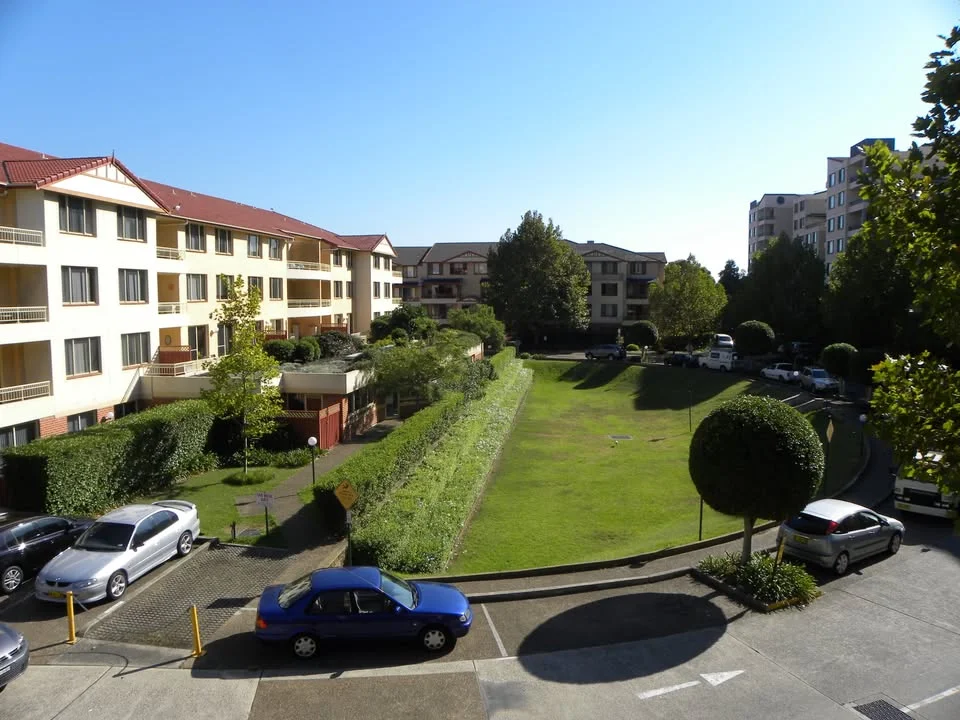 $990
Apartment / Unit / Flat
$990
Apartment / Unit / Flat
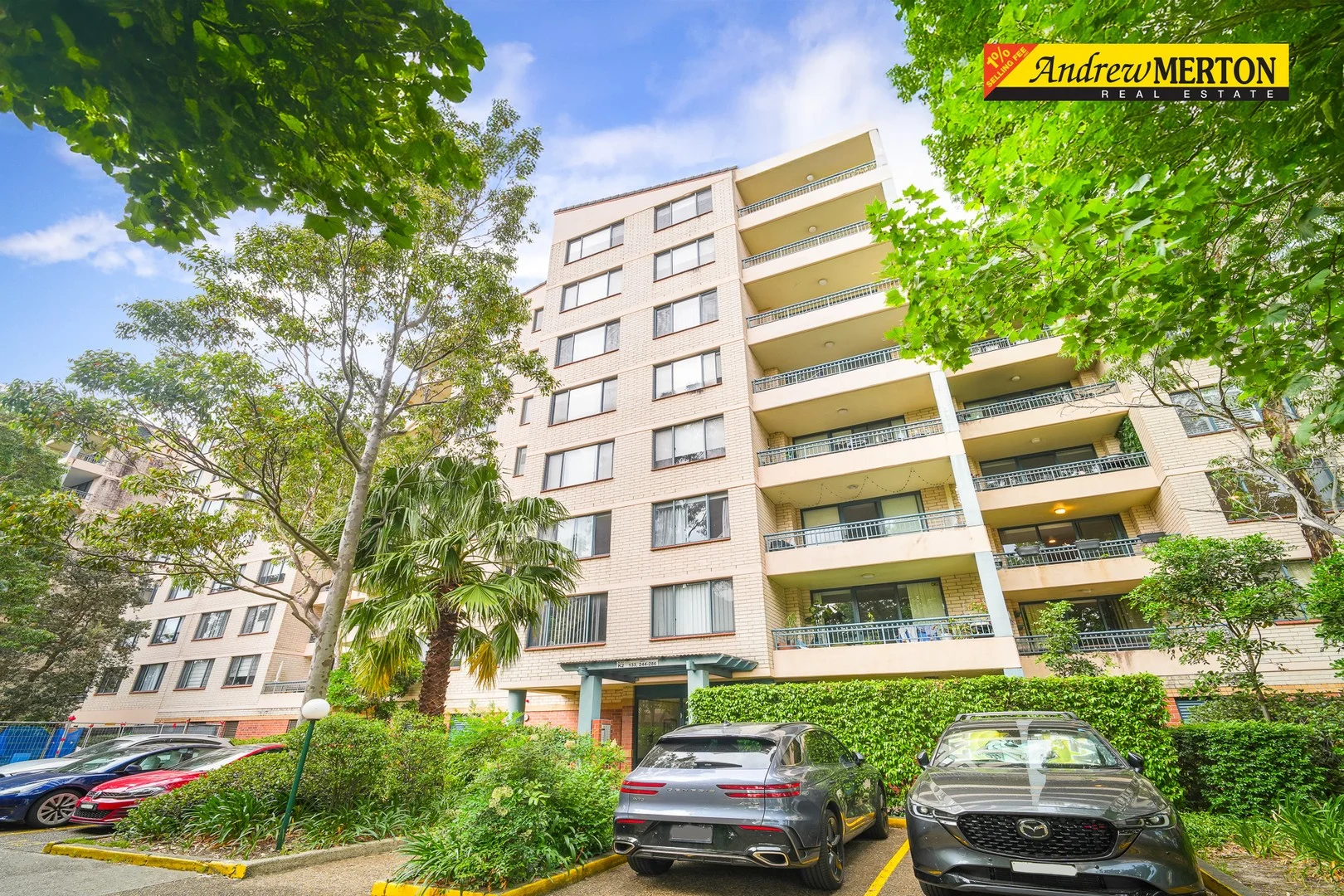 $933,000
Apartment / Unit / Flat
$933,000
Apartment / Unit / Flat
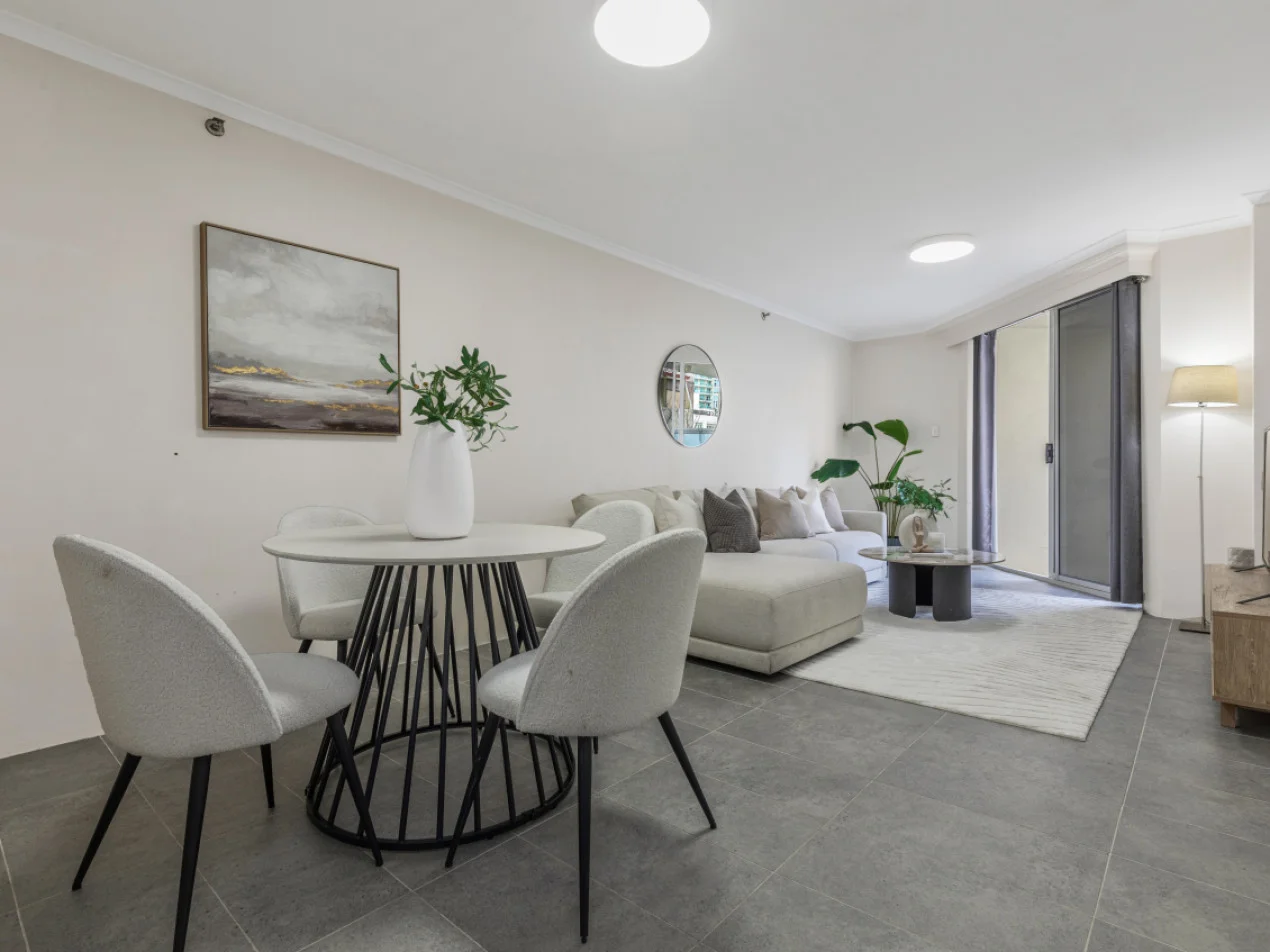 $640,000 - $675,000
Apartment / Unit / Flat
$640,000 - $675,000
Apartment / Unit / Flat
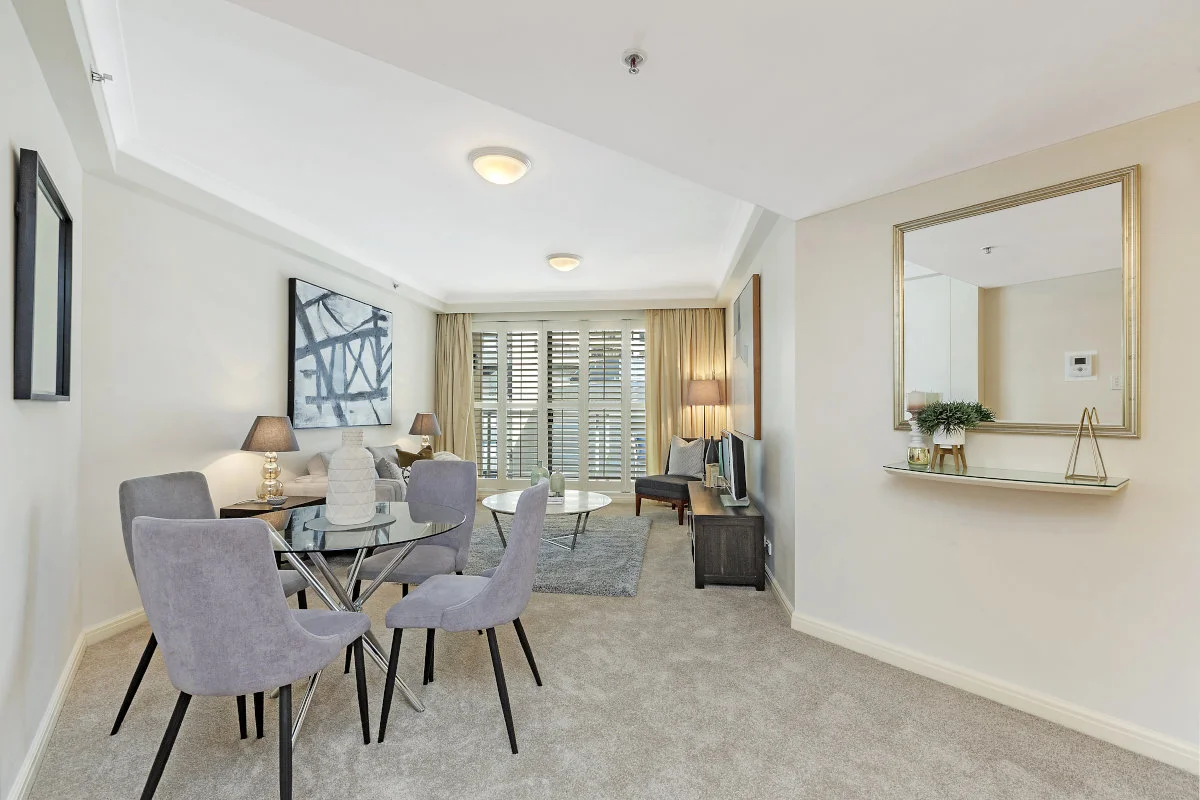 $660,000 - $725,000
Apartment / Unit / Flat
$660,000 - $725,000
Apartment / Unit / Flat
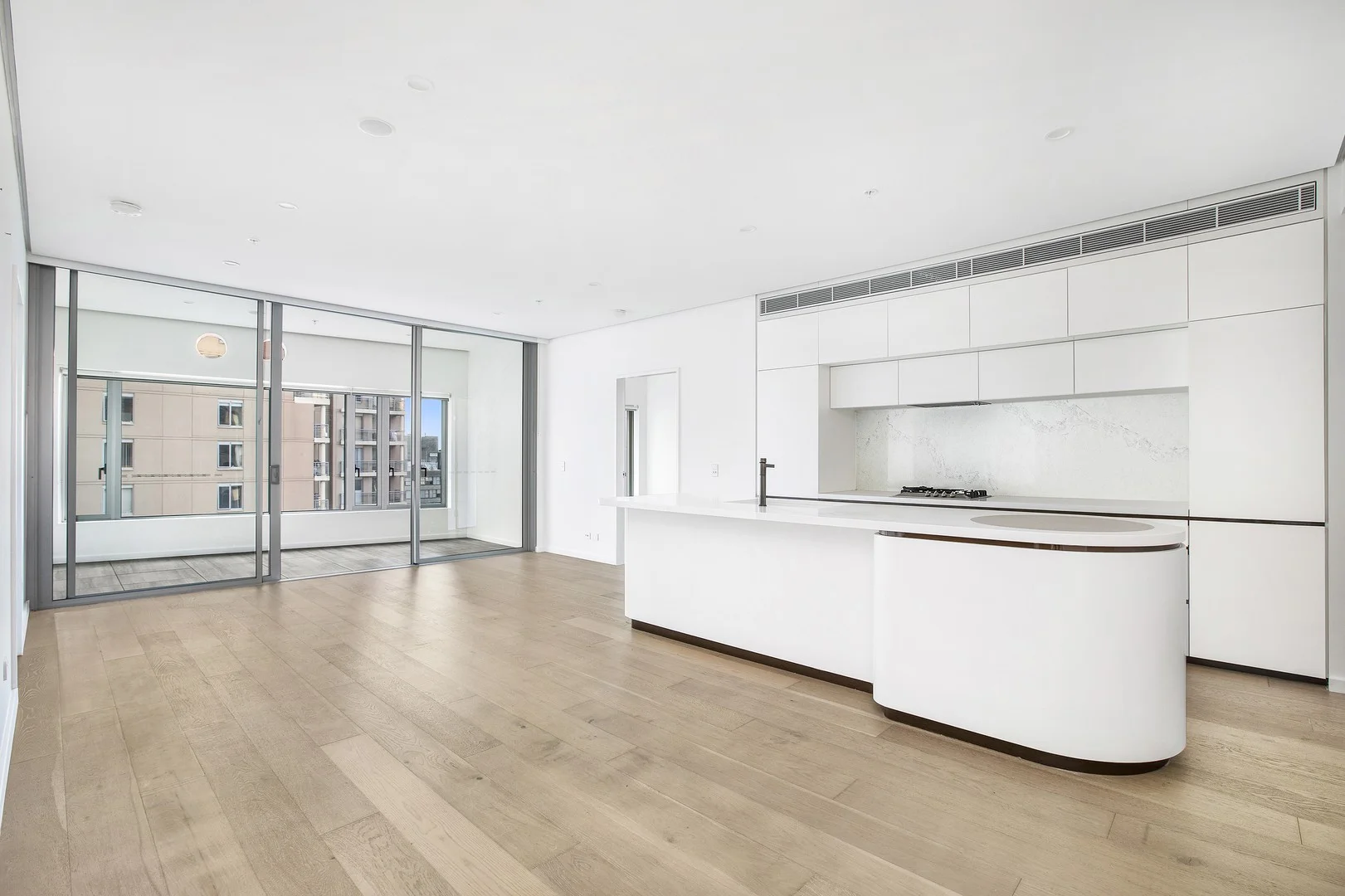 $2,250,000
Apartment / Unit / Flat
$2,250,000
Apartment / Unit / Flat
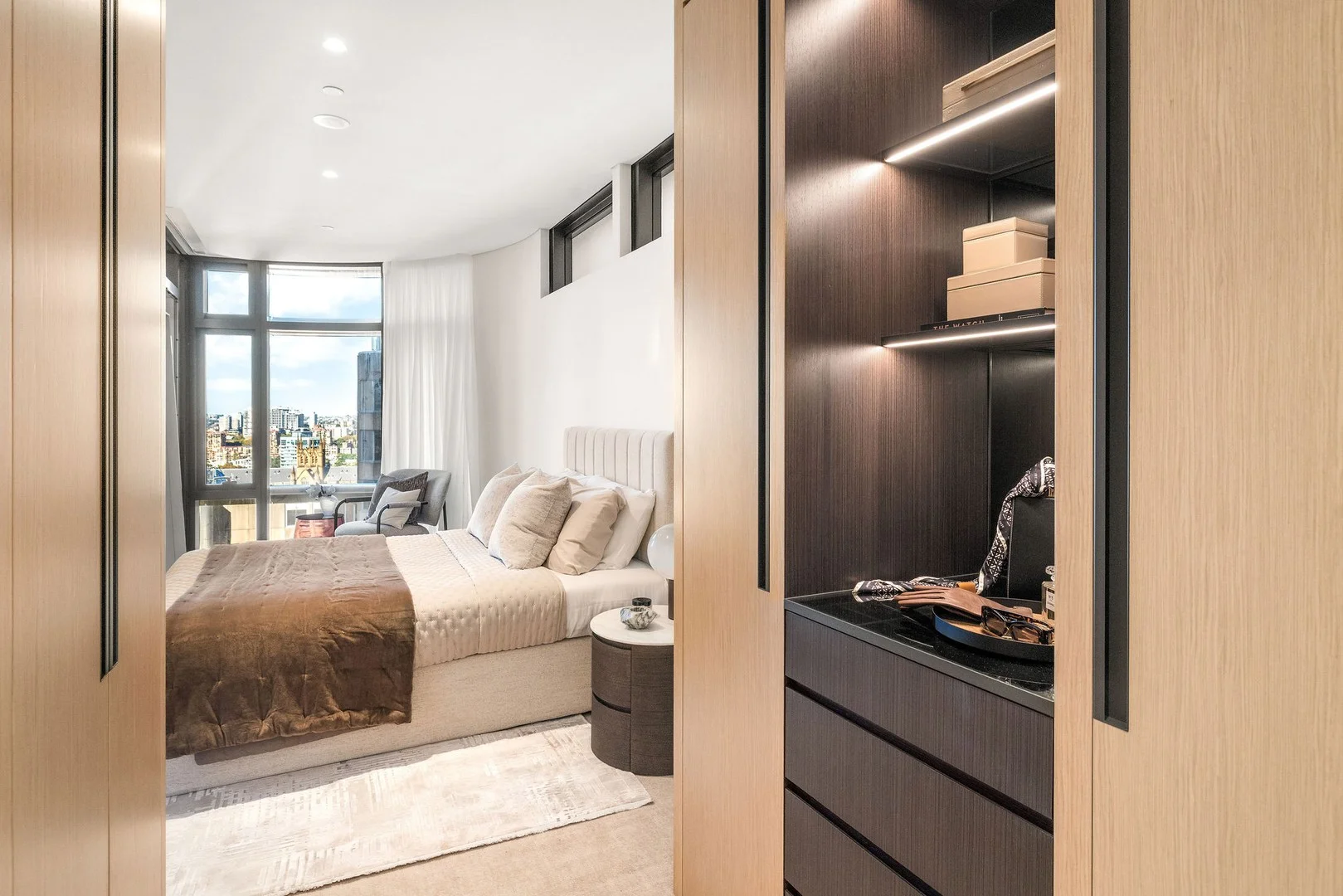 $2,745,000
propertyType.NEW APARTMENTS / OFF THE PLAN
$2,745,000
propertyType.NEW APARTMENTS / OFF THE PLAN
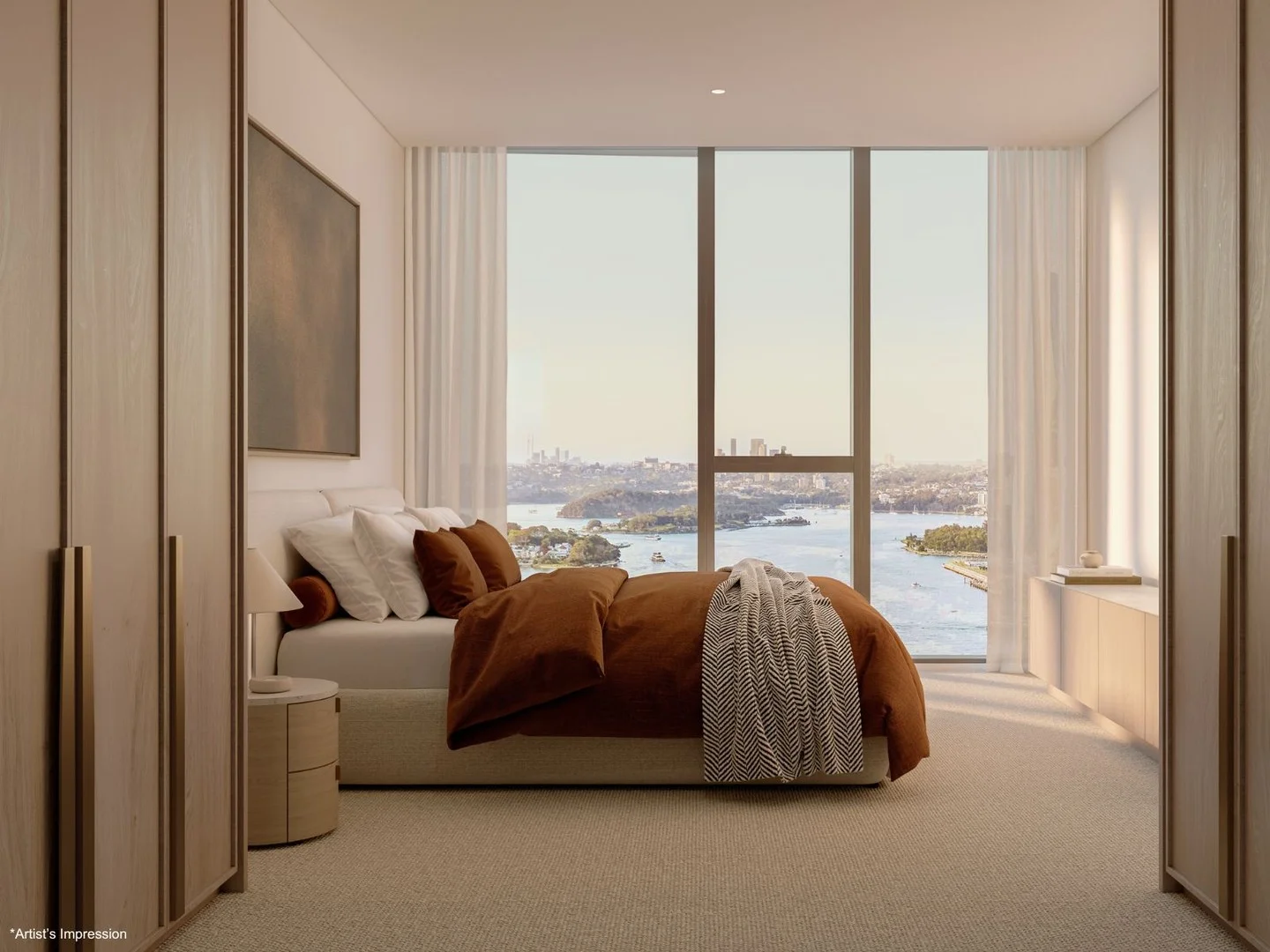 $8,630,000
propertyType.NEW APARTMENTS / OFF THE PLAN
$8,630,000
propertyType.NEW APARTMENTS / OFF THE PLAN
 $6,225,000
propertyType.NEW APARTMENTS / OFF THE PLAN
$6,225,000
propertyType.NEW APARTMENTS / OFF THE PLAN
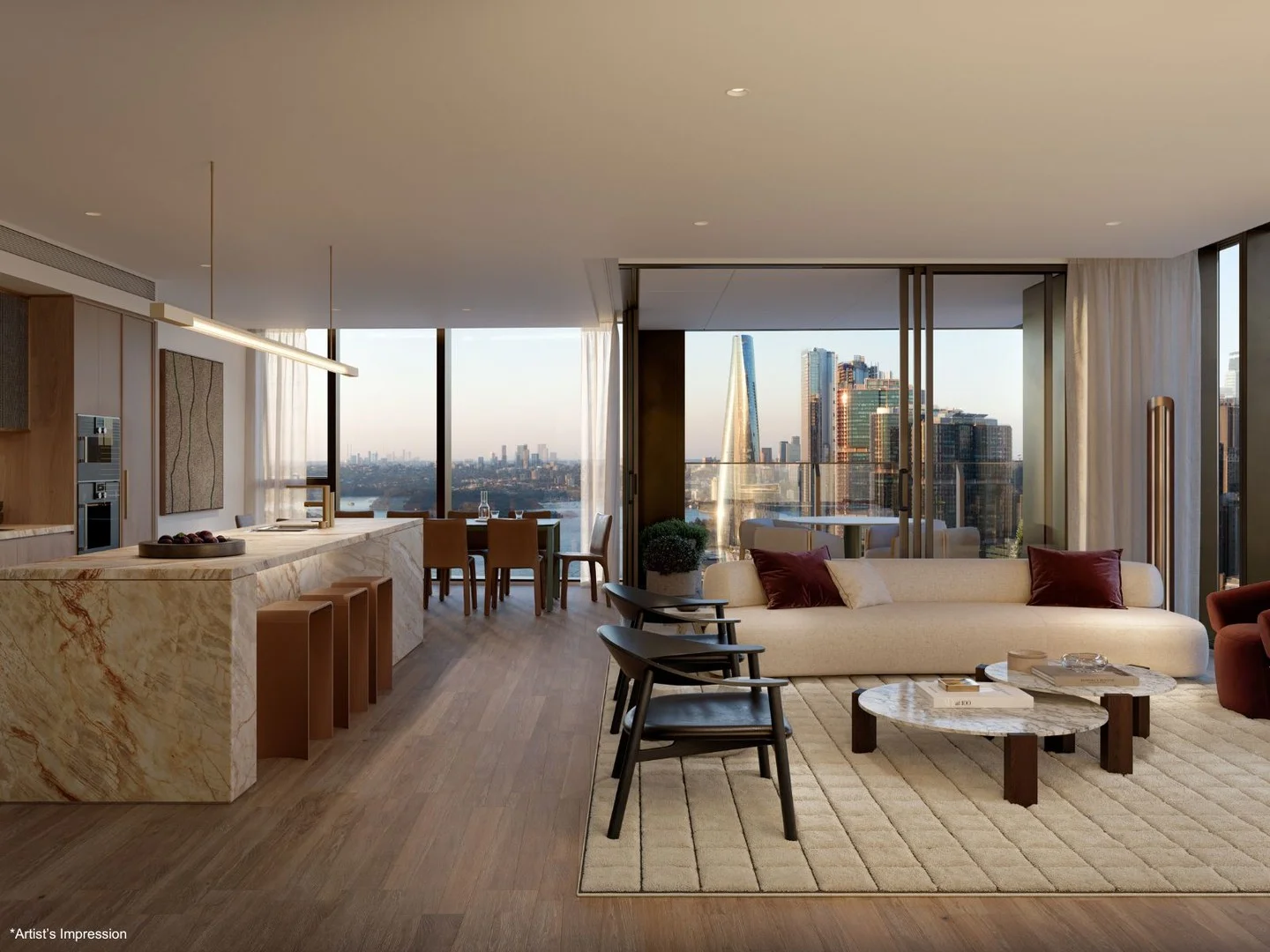 $12,980,000
propertyType.NEW APARTMENTS / OFF THE PLAN
$12,980,000
propertyType.NEW APARTMENTS / OFF THE PLAN


