St Patrick's Catholic Primary School - Mortlake
Mortlake, NSW 2137
About St Patrick's Catholic Primary School - Mortlake
St Patrick's Catholic Primary School Mortlake is a Catholic, co-educational primary school serving families in Mortlake and surrounding areas. The school tends to sit in the small-to-medium size category among NSW Catholic primary schools, with classes that are typically designed to be close-knit…
Overview
St Patrick's Catholic Primary School Mortlake is a Catholic, co-educational primary school serving families in Mortlake and surrounding areas. The school tends to sit in the small-to-medium size category among NSW Catholic primary schools, with classes that are typically designed to be close-knit and supportive. The atmosphere aims to be nurturing and inclusive, with a faith-informed culture that emphasizes community, service, and character alongside academics.
Class sizes are generally kept in a manageable range to support individual attention and strong teacher–student relationships. The school emphasises a values‑driven environment where students are encouraged to participate, cooperate, and grow within a supportive parish and school community.
Academics & Learning
- Academic strengths: Literacy and numeracy form the core, with a focus on strong reading, writing, and mathematical understanding. Religious education and values-based learning are integrated, and there is often an emphasis on student leadership and positive learning habits. STEM activities and digital literacy are commonly embedded to build problem-solving and modern skills.
- Special programs: Religious education is central, with opportunities for faith formation and participation in sacramental programs where appropriate. Some cohorts may have access to enrichment or targeted learning supports, depending on staffing and student needs.
- Support for diverse learners: Inclusive education is a focus, with support for diverse learners including English as an Additional Language (EAL) students and students with additional learning needs (SEN). Access to learning support staff and targeted interventions is typically available, subject to resources and enrolment numbers.
Sports & Extracurricular Strengths
- Sports offered: A range of team and individual sports typical for NSW primary schools, such as soccer, netball, cricket, athletics, and cross-country activities. Involvement in local district or zone competitions is common.
- Strong teams or achievements: Schools often participate in local inter-school events and may have notable performances at district level in various sports across the year. Achievements depend on the year and cohort.
- Music, arts, drama programs: A music program is commonly offered, with opportunities for choir, instrumental lessons, and school productions or performing arts events.
- Clubs: Robotics, coding, chess, debating, and other after-school clubs are frequently available or offered on a rotating basis.
- Partnerships: Local community partnerships, parish connections, and participation in diocesan or regional competitions and events are typical, helping students engage beyond the classroom.
Wellbeing & Pastoral Care
- Anti-bullying approach: A proactive, whole-school approach to wellbeing and safety, with clear anti-bullying policies, reporting mechanisms, and supports for students.
- House system: A house or pastoral grouping framework is often used to foster school spirit, leadership opportunities, and healthy competition in a supportive environment.
- Counsellors / wellbeing officers: Access to school-based wellbeing staff or counsellors is common, with programs aimed at social-emotional learning, resilience, and targeted support.
- Transition support for new students: Orientation activities, buddy systems, and transitional supports help new students settle in and establish connections with peers and staff.
Facilities
- Sports grounds: Outdoor play spaces and sports grounds suitable for PE and school sports.
- Libraries: A library or media centre supporting reading for pleasure and research skills.
- Science labs: Dedicated spaces for practical science learning.
- Music/performing arts centers: A music room or performing arts space, and possibly a hall used for assemblies and productions.
- Tech/innovation labs: Computer labs, maker spaces, or digital learning hubs for coding and technology activities.
- Cafeteria: An on-site canteen or cafeteria to support lunch routines and healthy eating.
- Updated playgrounds: Modern, well-maintained play areas and play structures.
School Values & Community Culture
- School values / mission: A values-driven Catholic education emphasizing faith, service, respect, responsibility, and community.
- Leadership style: Leadership tends to be collaborative, with input from the principal, staff, students, and often parents through committees or councils; student leadership opportunities are common (student council or similar).
- Behaviour expectations: Clear, consistently enforced behaviour expectations aligned with the school’s values and pastoral care approach, often reinforced through positive behaviour frameworks and house activities.
- Community reputation: A family-friendly, supportive school community with strong parish connections and active parent involvement.
- Diversity & inclusion: Commitment to a welcoming environment for families from diverse backgrounds, with inclusive practices in teaching, support, and community events.
School Logistics & Daily Operations
- School hours: Typical school day structures exist, with start and finish times that may vary by year level and term. Check the latest school calendar for exact times.
- Before/after school care: After-school care is often provided or facilitated through partnerships with external providers; availability and cost can vary.
- Uniform requirements: A formal school uniform policy, including daily uniform and sports uniform, with guidelines on hats and sun protection.
- Transport (train/bus routes): Local transport options, including bus routes, are commonly available but depend on the area and year level; families should verify current routes and schedules.
- Canteen availability: On-site or partner canteen services may operate on certain days or lunch periods; specifics depend on the current year and arrangements.
- Fees (low/medium/high ranges): Catholic primary schools typically have a combination of tuition/diocesan fees and contributions (voluntary or otherwise). The total cost range varies by year level and activities; confirm with the school for current figures.
Enrolment & Admissions
- What is the enrolment process and timeline?
- Applications are typically submitted through the school office or central enrolment system if applicable. Timelines vary by year level and intake, with preferred intake periods usually before the start of the school year. You’ll likely need to provide birth certificates, immunisation records, and proof of residence or parish details, along with any required documentation.
- Is there a waiting list, and how does it work?
- Many primary schools maintain a waiting list when year levels reach capacity. Waiting list order often reflects a combination of factors such as sibling priority, parish affiliation, and date of application. Availability can fluctuate by year and cohort.
- Are there any entry requirements, tests, or interviews?
- Entry requirements vary by year level. Some year groups may require an interview or information session. Most Catholic primary schools do not require standardized entrance tests for entry at the primary level, but specific cohorts or programs may have assessments.
- Does the school accept mid-year transfers?
- Mid-year transfers can be possible if there is capacity in the desired year level. It typically involves an enrolment application, documentation, and a place offer contingent on meeting interim academic and welfare checks.
Frequently Asked Questions
- Why Parents Choose This School?
- A values-based education in a faith community with a focus on strong relationships, helping children grow academically, socially, and spiritually.
- What type of student thrives at this school?
- Students who value a supportive, collaborative environment, participate in faith-based learning, and respond well to small-to-medium class settings and community involvement.
- What opportunities are available for students to extend their skills (academics, sports, arts)?
- Opportunities often include extension literacy/numeracy support or enrichment, sports teams and district events, music/arts programs, and clubs (robotics, coding, chess, debating), plus leadership and service activities.
- How does the school communicate with parents?
- Communication typically includes newsletters, parent-teacher meetings, portals or apps for updates, and regular notices about events, assessments, and wellbeing supports.
- What is the school’s approach to teaching and learning?
- A balanced approach combining core academics with faith-based learning, inclusive education, and student-centered teaching strategies aimed at fostering resilience, critical thinking, and collaboration.
- How does the school support students who need extra academic help?
- Targeted interventions, learning support staff, and referrals to specialist services where appropriate, with regular progress monitoring.
- What support is available for academic challenges?
- Early identification, tailored support plans, and ongoing collaboration with families to address gaps and set achievable goals.
- How does the school communicate with parents? (Duplicate)
- See above: newsletters, meetings, digital portals, and event updates.
- What extracurricular and sports opportunities are available?
- A mix of sports teams, arts and music programs, and after-school clubs such as robotics, coding, chess, and debating, along with opportunities to participate in local competitions.
- What facilities does the school offer (sports, science, arts)?
- Sports grounds, library, science labs, music/performing arts spaces, technology/innovation labs, canteen, and updated playgrounds.
- What is the school’s approach to technology and digital learning?
- Integration of digital literacy and responsible use of technology in learning, with access to computer labs or devices and age-appropriate software or platforms.
- What transport and accessibility options are available?
- Local transport options such as bus routes and proximity to stations may be available; accessibility considerations are typically managed through school facilities and local services.
- What are the typical school fees or additional costs?
- Fees and contributions vary by year level and program; there are usually volunteering or incidental costs for excursions and activities. Check the school’s current fees schedule for precise amounts.
Short Pros & Cons list
- Pros
- Catholic, values-driven education with a supportive community - Inclusive environment with supports for diverse learners - Range of extracurriculars (sport, music, clubs) and leadership opportunities - Strong emphasis on wellbeing and pastoral care
- Cons
- Fees and contributions are an ongoing consideration for families - Availability of programs and clubs can vary by year and cohort - Some facilities and resources may depend on fundraising and diocesan funding - Travel time and transport options depend on family location and route
If you’d like, I can tailor this content further with any specific details you provide (e.g., current enrolment numbers, exact class sizes, the school’s latest programs, or updated transport options).
What's around St Patrick's Catholic Primary School - Mortlake?
Activities, parks and libraries for your family.
14 listed kids’ activities
Explore activity categories
A provider may appear in more than one category.
Local highlights · Listings with photos shown first
Straight-line distances, not travel times. Results come from the current AroundSchools directory.
Contact & location
Local schooling mix within 3 km
Schools in this profile’s directory, not a complete area census.
Compare nearby schoolsCompare with nearby schools
The closest schools to St Patrick's Catholic Primary School - Mortlake, side by side. Fees appear where a school publishes them; activities and events are what is listed on AroundSchools within a short drive of each school.
| School | Distance | Sector | Gender | Years | Students | Fees / yr | Kids' activities within 2 km | Events within 3 km |
|---|---|---|---|---|---|---|---|---|
| St Patrick's Catholic Primary School - MortlakeThis school | Here | Catholic | Co-ed | Primary | 286 | — | 36 | 0 |
| Mortlake Public School | 300 m | Government | Co-ed | Kinder · Primary | 402 | — | 37 | 0 |
| Concord Public School | 1.6 km | Government | Co-ed | Kinder · Primary | 274 | — | 49 | 1 |
| Rivendell School | 1.7 km | Government | — | — | — | — | 37 | 0 |
| Concord West Public School | 1.7 km | Government | Co-ed | Kinder · Primary | 348 | — | 46 | 0 |
| Strathfield North Public School | 1.8 km | Government | Co-ed | Kinder · Primary | 526 | — | 42 | 1 |
| St Ambrose Catholic Primary School - Concord West | 1.9 km | Catholic | Co-ed | Kinder · Primary | — | — | 45 | 0 |
Sorted by distance, not ranked.
Upcoming Events Nearby
 Free
Free
Mon, 13 July · Burwood
FREE Kids STEAM Club (9 to 12 year olds) - Burwood Council | Monthly Activity till November
Ages 9–12
Free
Sun, 11 Oct · Dulwich Hill
Storytime at ETC Library - Weekly Tuesdays from Oct 13 until Dec 15
Ages 3–5
Free
Sat, 26 Sept · Carlingford
Globalart Carlingford Open Day
Ages 4–15
$95+
Sat, 14 Mar · Willoughby
Pottery class - Silky Shapes Studio | 17-Mar to 19-Dec-2026 🫙
Ages 10–85
Free
Fri, 9 Oct · Kogarah
Kogarah Christmas Carol
Free
Wed, 7 Oct · Hurstville.
Hurstville Museum & Gallery: Open Day
What's Nearby

Face Focus Entertainment
27 Bennelong Pkwy, Wentworth Point

A Face Painting Dream
76/27 Bennelong Parkway , Wentworth Point

EnterMission Burwood
Suite 201 Level 2/1-17 Elsie St , Burwood
Allegro Childrens Music
104 Lucas Road, Burwood

AJ Magic
., Sydney
Emily Chu - Piano Lessons
43 Rawson St, Lidcombe

Kids French Club in North Ryde
154 Coxs Rd, North Ryde

Bonjour Babies (Summer Hill Public School NSW)
Moonbie St, Summer Hill

Kids French Club in Summer Hill
Moonbie Street, Summer Hill
Nearby Schools
Mortlake Public School
Brays Rd, Concord NSW 2137
Concord Public School
Burwood Rd, Concord NSW 2137
Rivendell School
Concord West NSW 2138

Concord West Public School
Concord Rd, Concord West NSW 2138
Strathfield North Public School
251 Concord Rd, North Strathfield NSW 2137

St Ambrose Catholic Primary School - Concord West
Stuart Street, Concord West NSW 2138 Australia
Nearby Properties
 $36,000,000 - $39,500,000
Vacant Land
$36,000,000 - $39,500,000
Vacant Land
Offers invited
Ryde, NSW 2112
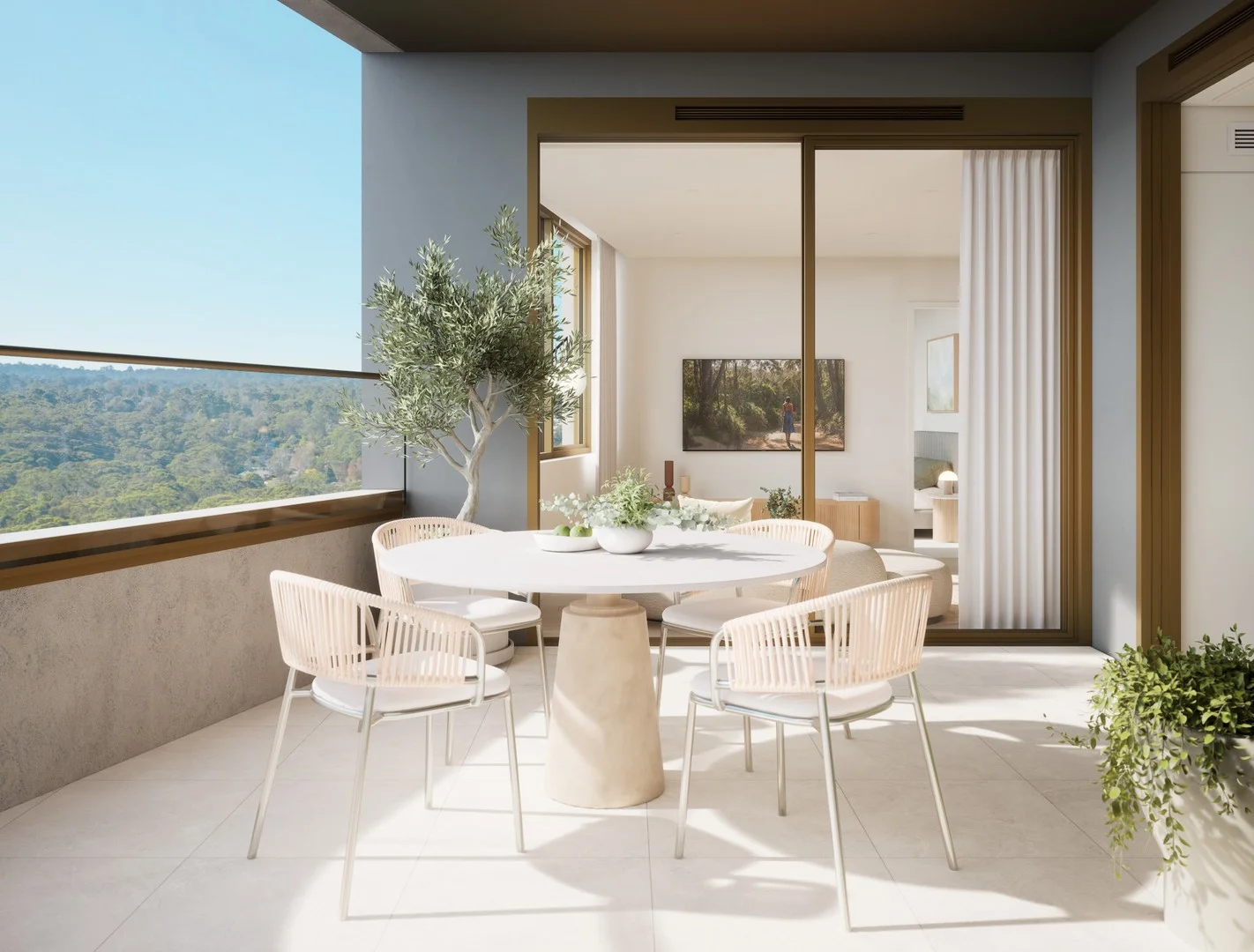 $1,525,000
Apartment / Unit / Flat
$1,525,000
Apartment / Unit / Flat
Macquarie Park, NSW 2113
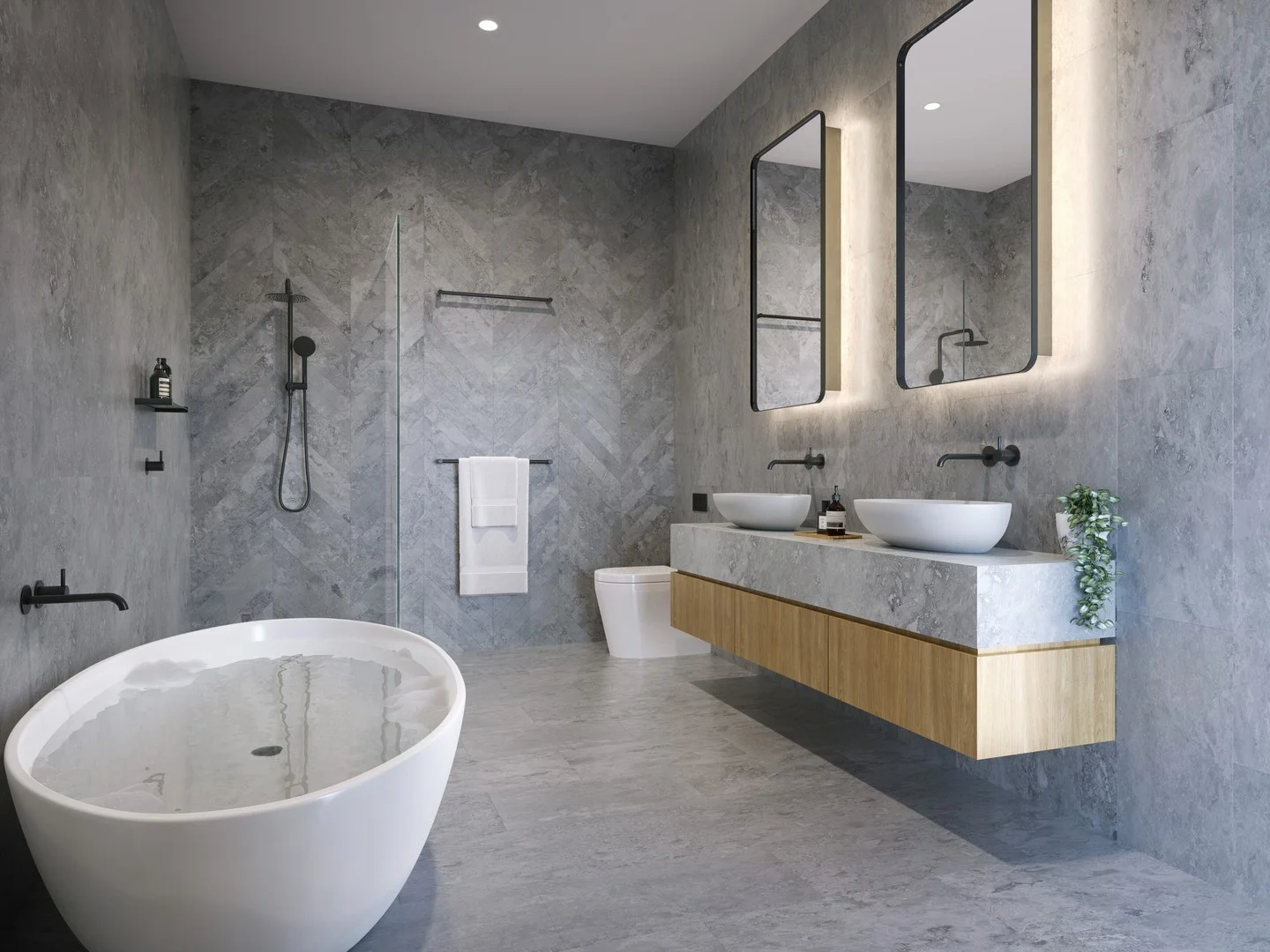 $2,824,000
Apartment / Unit / Flat
$2,824,000
Apartment / Unit / Flat
St Leonards, NSW 2065
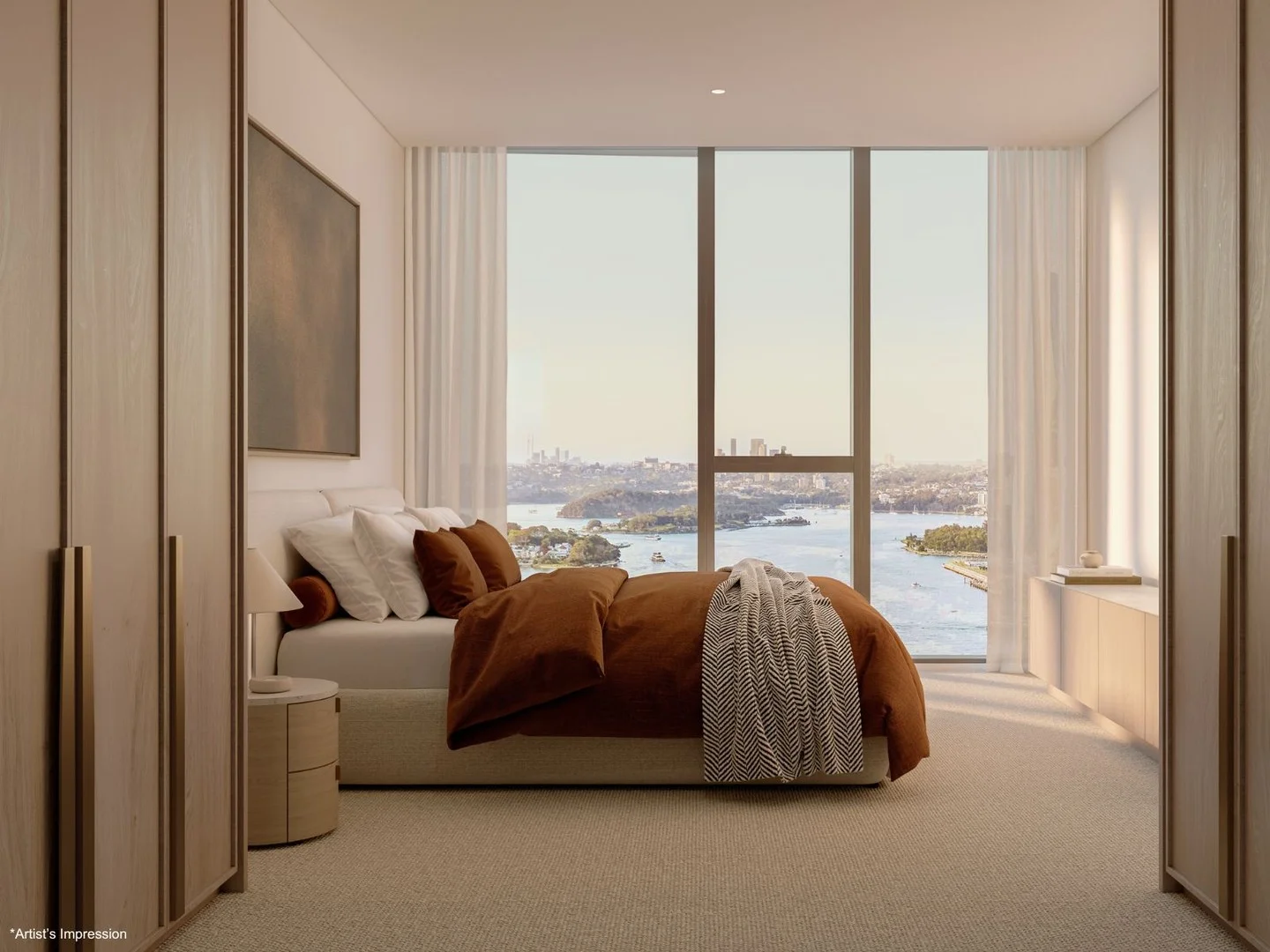 $8,630,000
propertyType.NEW APARTMENTS / OFF THE PLAN
$8,630,000
propertyType.NEW APARTMENTS / OFF THE PLAN
4003/8 Darling Drive
Sydney, NSW 2000
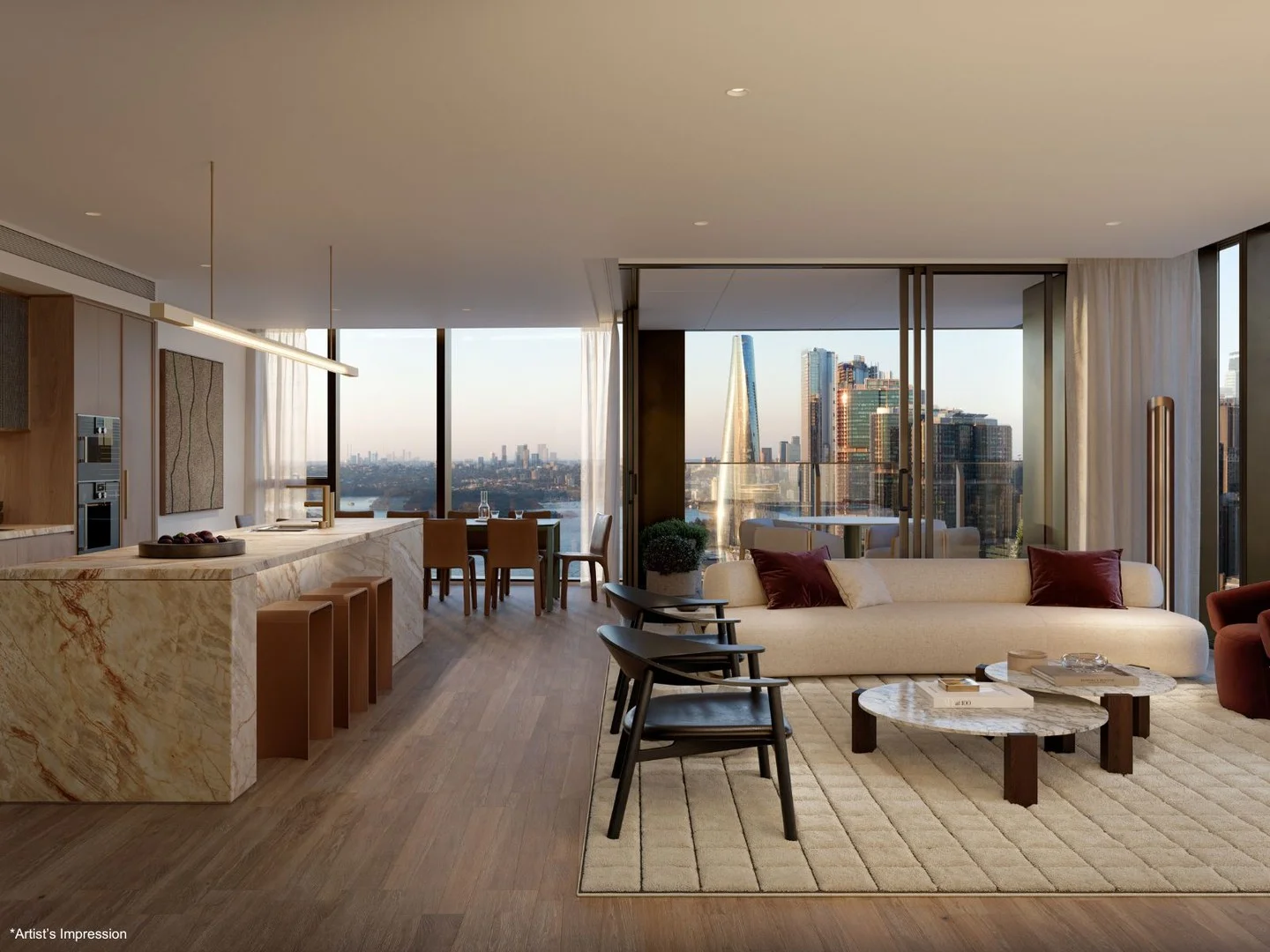 $12,980,000
propertyType.NEW APARTMENTS / OFF THE PLAN
$12,980,000
propertyType.NEW APARTMENTS / OFF THE PLAN
4005/8 Darling Drive
Sydney, NSW 2000
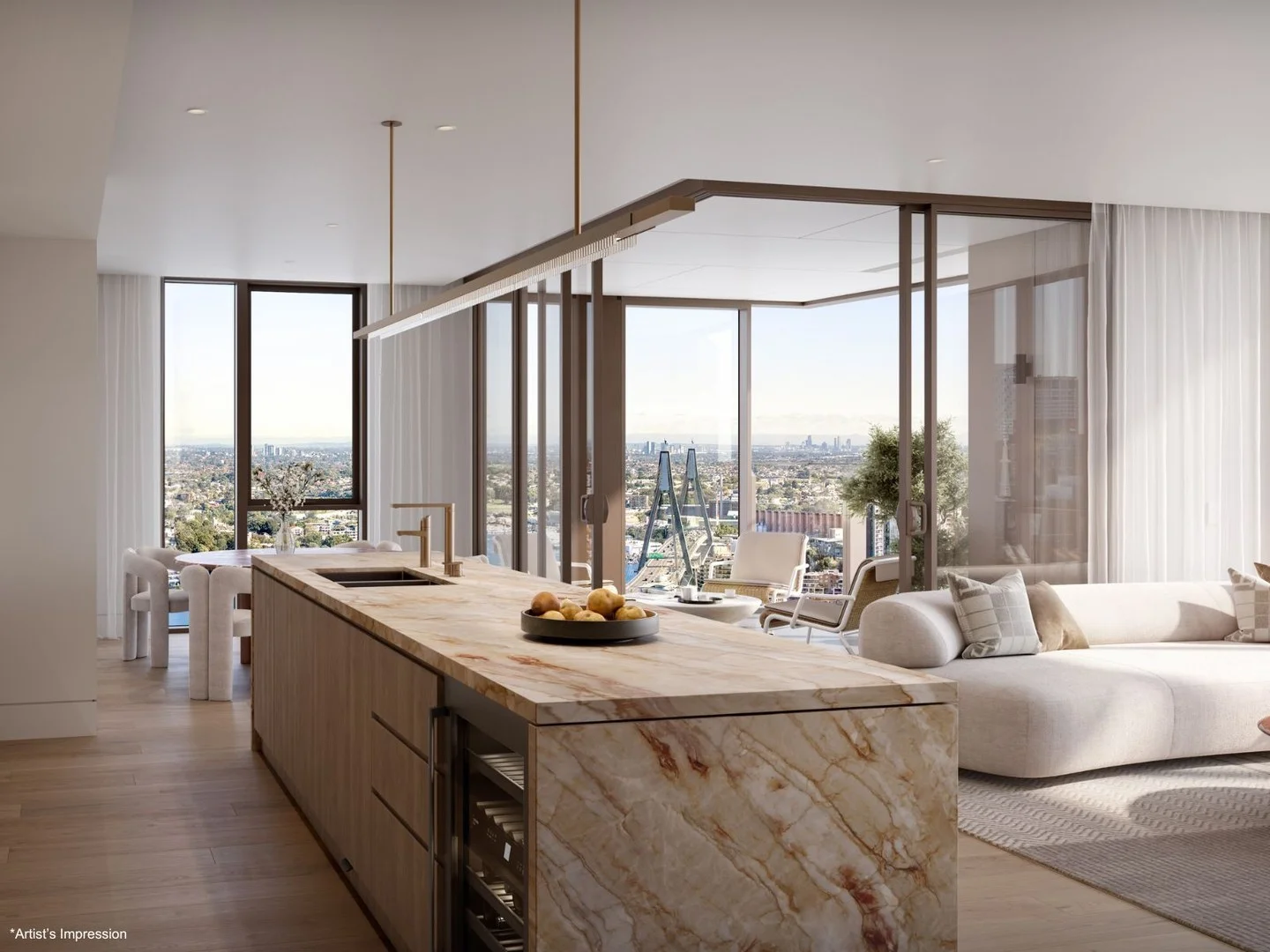 $9,020,000
propertyType.NEW APARTMENTS / OFF THE PLAN
$9,020,000
propertyType.NEW APARTMENTS / OFF THE PLAN
4002/8 Darling Drive
Sydney, NSW 2000
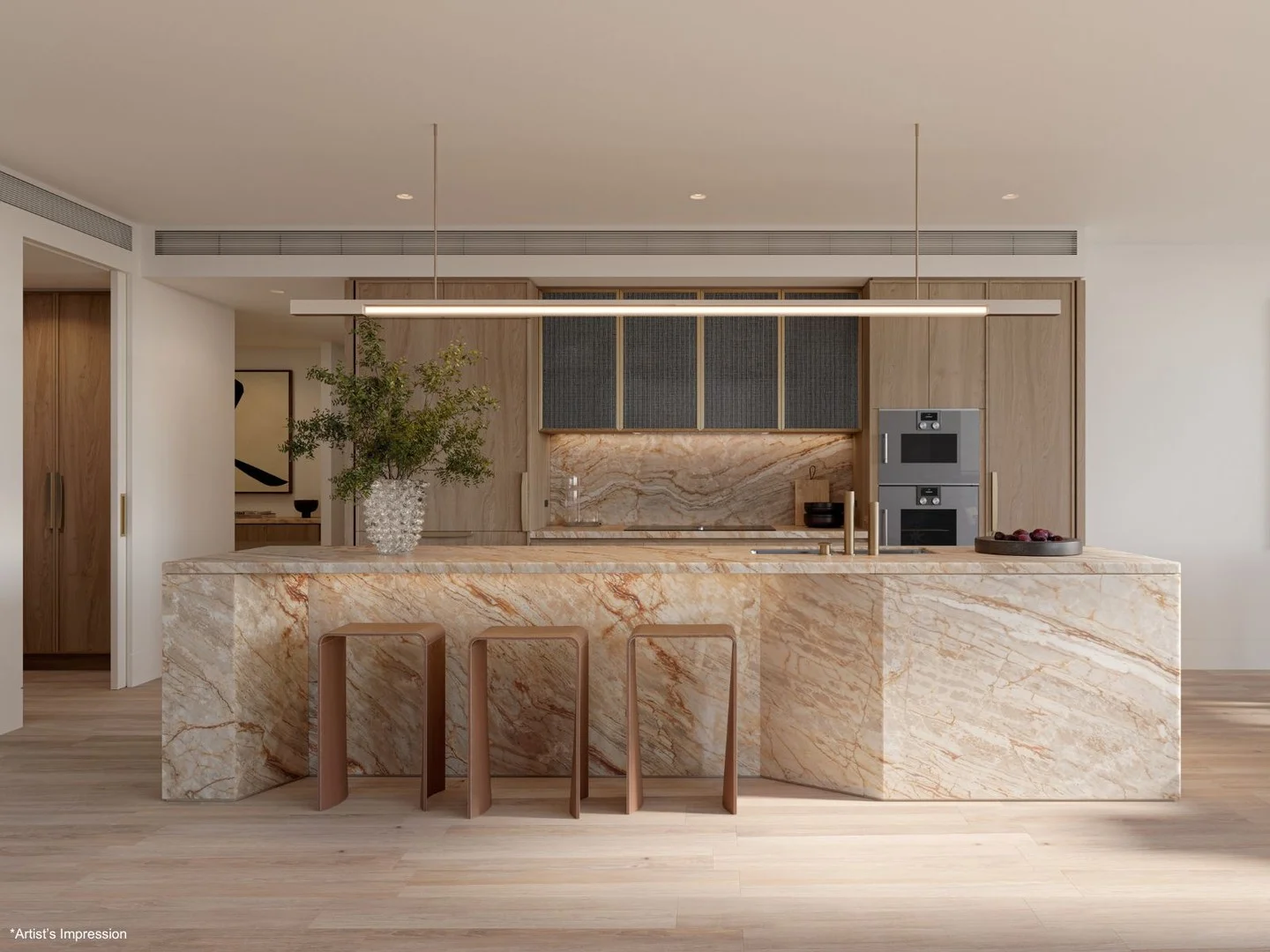 $6,225,000
propertyType.NEW APARTMENTS / OFF THE PLAN
$6,225,000
propertyType.NEW APARTMENTS / OFF THE PLAN
2608/8 Darling Drive
Sydney, NSW 2000
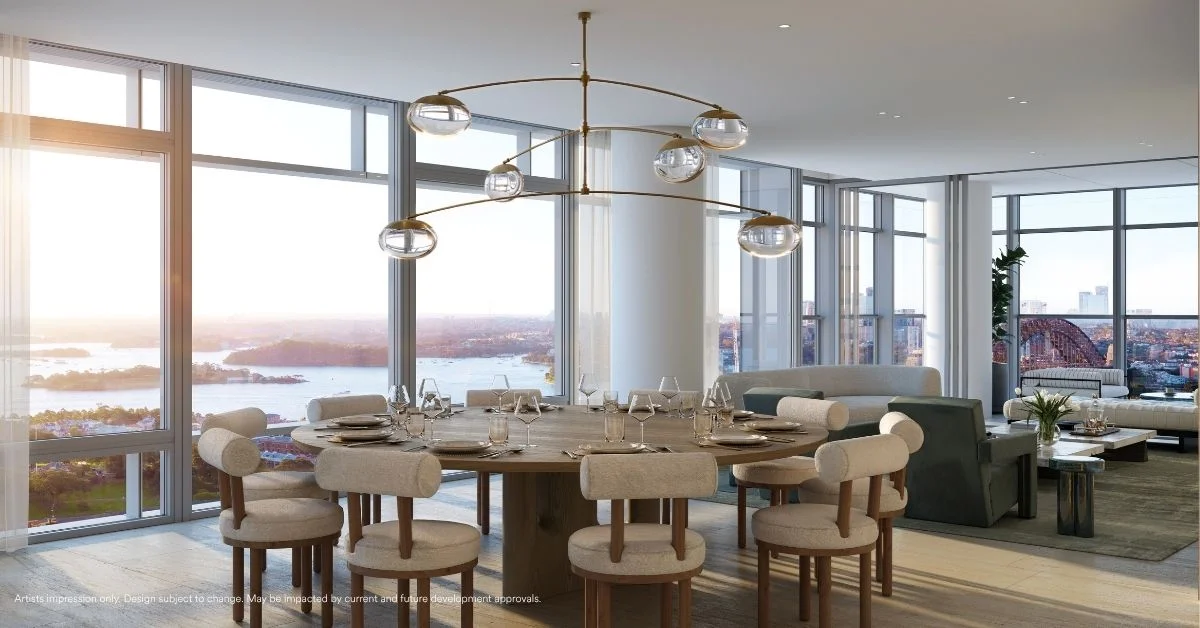 $26,550,000
propertyType.NEW APARTMENTS / OFF THE PLAN
$26,550,000
propertyType.NEW APARTMENTS / OFF THE PLAN
One Circular Quay. This is forever.
1 Alfred Street
Sydney, NSW 2000
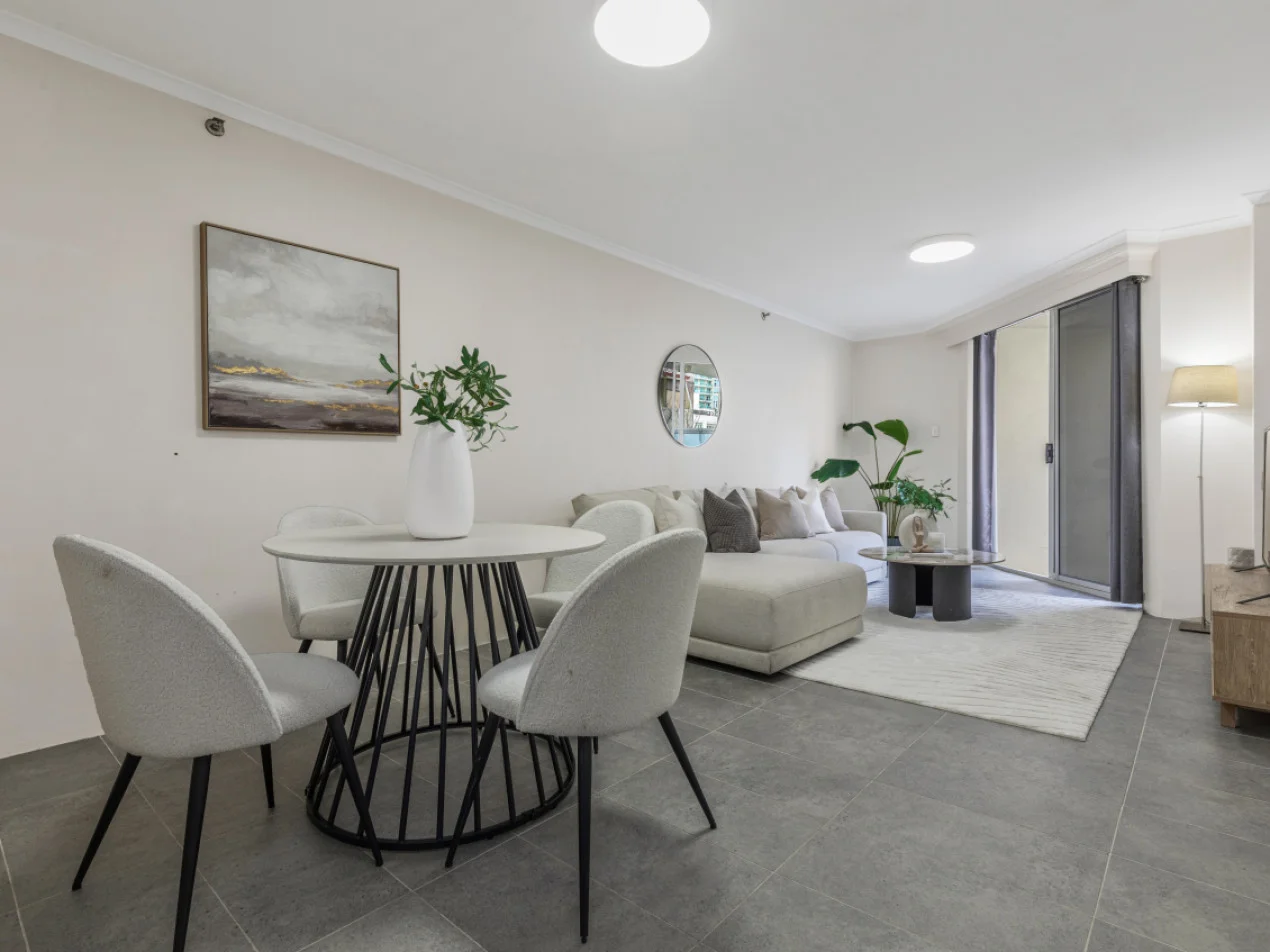 $640,000 - $675,000
Apartment / Unit / Flat
$640,000 - $675,000
Apartment / Unit / Flat
6/569-581 George Street
Sydney, NSW 2000