Overview
## 1. Overview
St Paul’s Primary School, Monbulk is a Catholic primary school serving families in the Monbulk area and surrounding communities. It is a small-to-medium sized school that emphasises a warm, faith-filled learning environment where students are known and cared for.
The school typically offers small to mid-sized class cohorts, enabling a nurturing atmosphere with strong pastoral care and a sense of belonging. The culture tends to be inclusive and community-focused, balancing faith formation with academic and social development.
⸻
## 2. Academics & Learning
- Academic strengths: Primary emphasis on literacy and numeracy, with a values-based approach that integrates STEM inquiry, critical thinking, and collaborative learning. There is attention to holistic development across key subject areas.
- Special programs: Religious education is central to the program, with ongoing opportunities for leadership and personal growth; Gifted & Talented or accelerated options may be available where appropriate.
- NAPLAN / trends: The school typically tracks NAPLAN results over time, aiming for steady improvement and targeted support where needed to lift all students.
- Student-teacher ratios: Class sizes are generally small to medium, allowing for more individual attention. Teacher-to-student ratios often range in the lower teens to low twenties depending on year level.
- Support for diverse learners: Learning Support/Intervention programs, plus EAL and SEN assistance, are commonly available to provide targeted help and enable inclusive participation.
⸻
## 3. Sports & Extracurricular Strengths
- Sports offered: Netball, basketball, football (AFL), soccer, cricket, athletics and other seasonal activities; opportunities to participate in district-level events.
- Strong teams or achievements: Student teams frequently participate in local and district competitions, with recognizable participation and achievements in various sports across age groups.
- Music, arts, drama programs: Music and performing arts are typically featured, including choir or band activities and school productions or showcases.
- Clubs: Robotics, coding, chess, debating and other hobby/interest clubs are commonly available to broaden skills beyond the classroom.
- Partnerships: Connections with local clubs and regional competitions provide additional opportunities for sport and performance.
⸻
## 4. Wellbeing & Pastoral Care
- Anti-bullying approach: A whole-school wellbeing framework and anti-bullying policies support respectful relationships and positive school culture.
- House system: A house structure is used to foster belonging, teamwork, leadership, and friendly competition across activities.
- Counsellors / wellbeing officers: Access to school-based wellbeing staff or counsellors helps with social-emotional learning and individual wellbeing.
- Transition support for new students: Programs such as buddy systems, orientation visits, and transition planning help new students settle in smoothly.
⸻
## 5. Facilities
- Sports grounds: On-site playing fields or grounds suitable for a range of games and fitness activities.
- Libraries: School library with current resources to support reading and research.
- Science labs: Dedicated spaces for science investigations and experiments.
- Music/performing arts centers: Facilities or spaces for music lessons, rehearsals, and performances.
- Tech/innovation labs: Access to technology and digital learning spaces to support integrated learning.
- Cafeteria: On-site canteen or lunch service for students.
- Updated playgrounds: Modern, well-maintained play areas for instruction and recreation.
⸻
## 6. School Values & Community Culture
- School values / mission: A Catholic ethos focusing on values such as compassion, respect, responsibility, service to others, and a sense of community.
- Leadership style: Inclusive and student-centered, with opportunities for student voice through leadership roles and involvement in school life.
- Behaviour expectations: Clear codes of conduct and routines, with restorative approaches to discipline and a focus on positive relationships.
- Community reputation: A supportive, family-friendly school community with active parental involvement and strong ties to the parish.
- Diversity & inclusion: Inclusive culture welcoming families from diverse backgrounds and fostering an environment of belonging and respect.
⸻
## 7. School Logistics & Daily Operations
- School hours: Typical primary school day aligned with Victorian norms (roughly mid-morning start to mid-afternoon finish); check current timetable.
- Before/after school care: After-school programs or care arrangements are often available through school or partnered providers.
- Uniform requirements: Standard school uniform policy with prescribed items; seasonal variations may apply.
- Transport (train/bus routes): Access to local transport options; bus routes or arrangements for drop-off/pick-up typical of the area.
- Canteen availability: On-site or school-run lunch service or canteen is common.
- Fees (low/medium/high ranges): Fees apply as with non-government Catholic schools; exact amounts vary by year level and activity costs (camps, excursions, etc.). Confirm current fees with the school.
⸻
## 8. Enrolment & Admissions
11. What is the enrolment process and timeline?
- Submit an enrolment form with required documents (birth certificate, immunisation records, etc.), along with any parish or Catholic identity information as requested.
- Attend an information evening or school tour if offered.
- An interview or meeting may be conducted to assess fit with the school’s environment and Catholic ethos.
- Offers of placement are made subject to vacancies and the school’s enrolment policies, with timelines communicated by the school.
12. Is there a waiting list, and how does it work?
- Waiting lists are common when vacancies are limited. Priorities typically include siblings, parish affiliation, and catchment considerations. The school will advise on how the waitlist operates and estimated timelines.
13. Are there any entry requirements, tests, or interviews?
- Most Catholic primary schools rely on enrolment forms and alignment with the school’s ethos; formal entry tests are not always required. Some schools may conduct a short interview or information session to understand readiness and fit.
14. Does the school accept mid-year transfers?
- Mid-year transfers are possible if there are vacancies and can be arranged with appropriate documentation and a smooth transition plan for the new student.
⸻
## 9. Frequently Asked Questions
- Why Parents Choose This School?
- Catholic values integrated with a supportive, close-knit community; focus on holistic development, strong wellbeing, and opportunities across academics, sport, and arts.
- What type of student thrives at this school?
- Students who value community, faith-based learning, collaboration, and participation in both academics and extracurriculars.
- What opportunities are available for students to extend their skills (academics, sports, arts)?
- Strong literacy and numeracy pathways, STEM/inquiry activities, leadership roles, music and performing arts, sports teams, and clubs such as robotics, coding, and debating.
- How does the school communicate with parents?
- Regular newsletters, emails or app notifications, parent-teacher meetings, information sessions, and timely updates on learning progress and events.
- What is the school’s approach to teaching and learning?
- Australian Curriculum aligned with a Catholic education framework; inquiry-based learning, differentiation to meet diverse needs, and emphasis on values-based education.
- How does the school support students who need extra academic help?
- Access to Learning Support, targeted interventions, EAL/SEN support, and small-group or one-on-one assistance as required.
- What support is available for academic challenges?
- Structured support through learning support staff, progress tracking, and collaboration with families to plan interventions.
- How does the school communicate with parents? (reiterated)
- See above: regular updates via multiple channels, parent events, and open lines of communication with teachers and leadership.
- What are the class sizes and how much individual attention do students receive?
- Class sizes are small to medium, allowing more individualized teaching and closer teacher-student relationships.
- What extracurricular and sports opportunities are available?
- A range of sports (netball, basketball, football, soccer, cricket, athletics), music/arts programs, and clubs such as robotics, coding, chess, and debating.
- What facilities does the school offer (sports, science, arts)?
- Sports grounds, library, science labs, performing arts spaces, technology labs, canteen, and updated playgrounds.
- What is the school’s approach to technology and digital learning?
- Integrated technology in learning, digital citizenship education, and access to appropriate devices and platforms to support learning.
- What transport and accessibility options are available?
- Local transport options and structured drop-off/pick-up arrangements; accessibility considerations addressed as part of the school’s operations.
- What are typical school fees or additional costs?
- Fees apply for ongoing operations, curricula, and activities (with additional costs for camps, excursions, uniforms, etc.). Check the latest figure with the school.
⸻
## 10. Short Pros & Cons list
- Pros
- Strong Catholic values and sense of community
- Nurturing, small-to-medium class environments
- Holistic focus on academics, wellbeing, and faith
- Broad extracurriculars (sports, arts, clubs)
- Inclusive culture with support for diverse learners
- Clear communication with families and active parental involvement
- Cons
- Catholic ethos may not align with every family
- Fees apply (and some activity costs); exact amounts vary by year
- Location and catchment considerations may affect access for some families
- Language offerings may be limited compared with larger schools
- Availability of places depends on annual enrolments and vacancies
If you’d like, I can tailor any section further with hypothetical specifics (e.g., exact house names, more precise class-size ranges) or adjust the tone to be more marketing-focused or more informational.








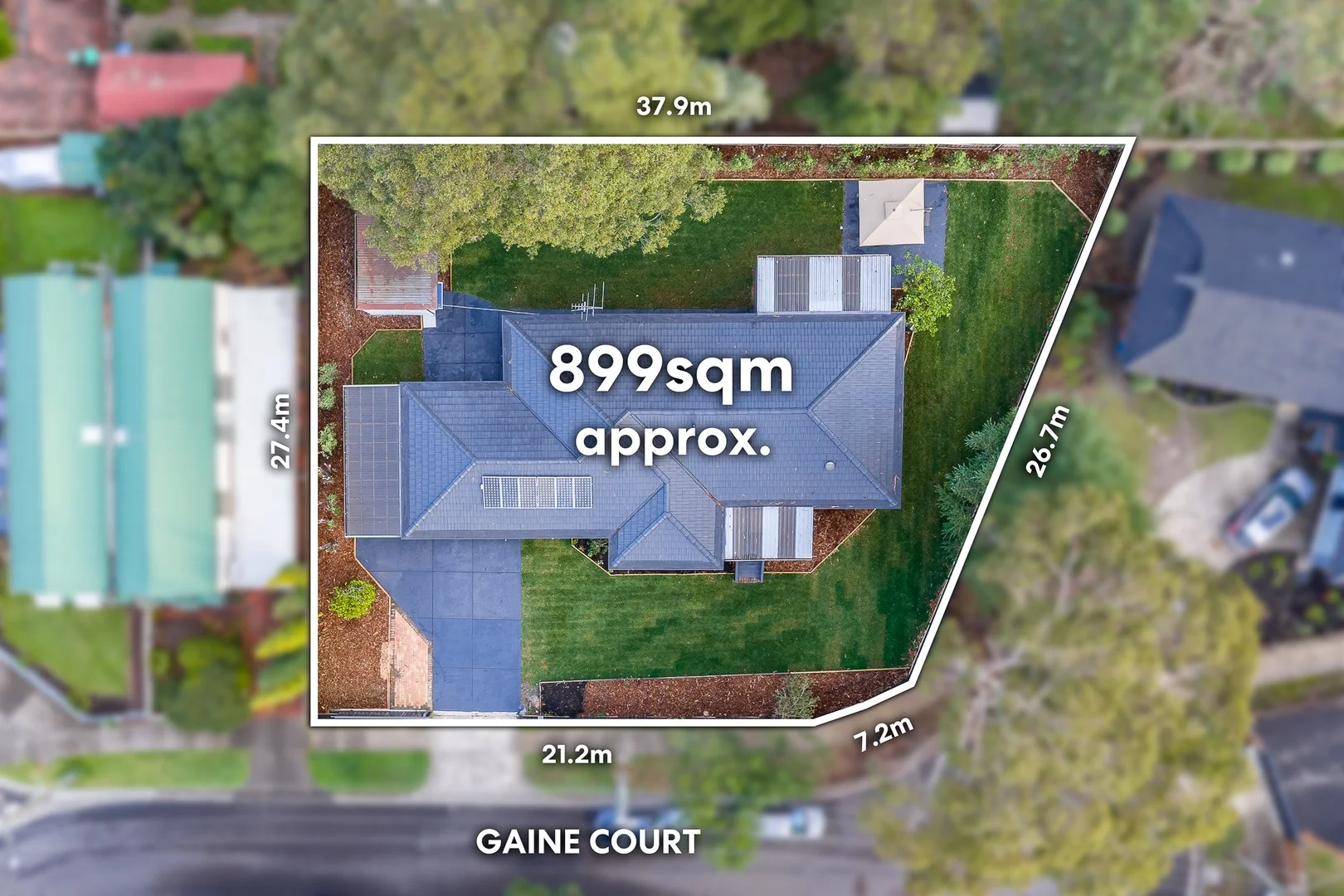 $990,000 - $1,080,000
House
$990,000 - $1,080,000
House
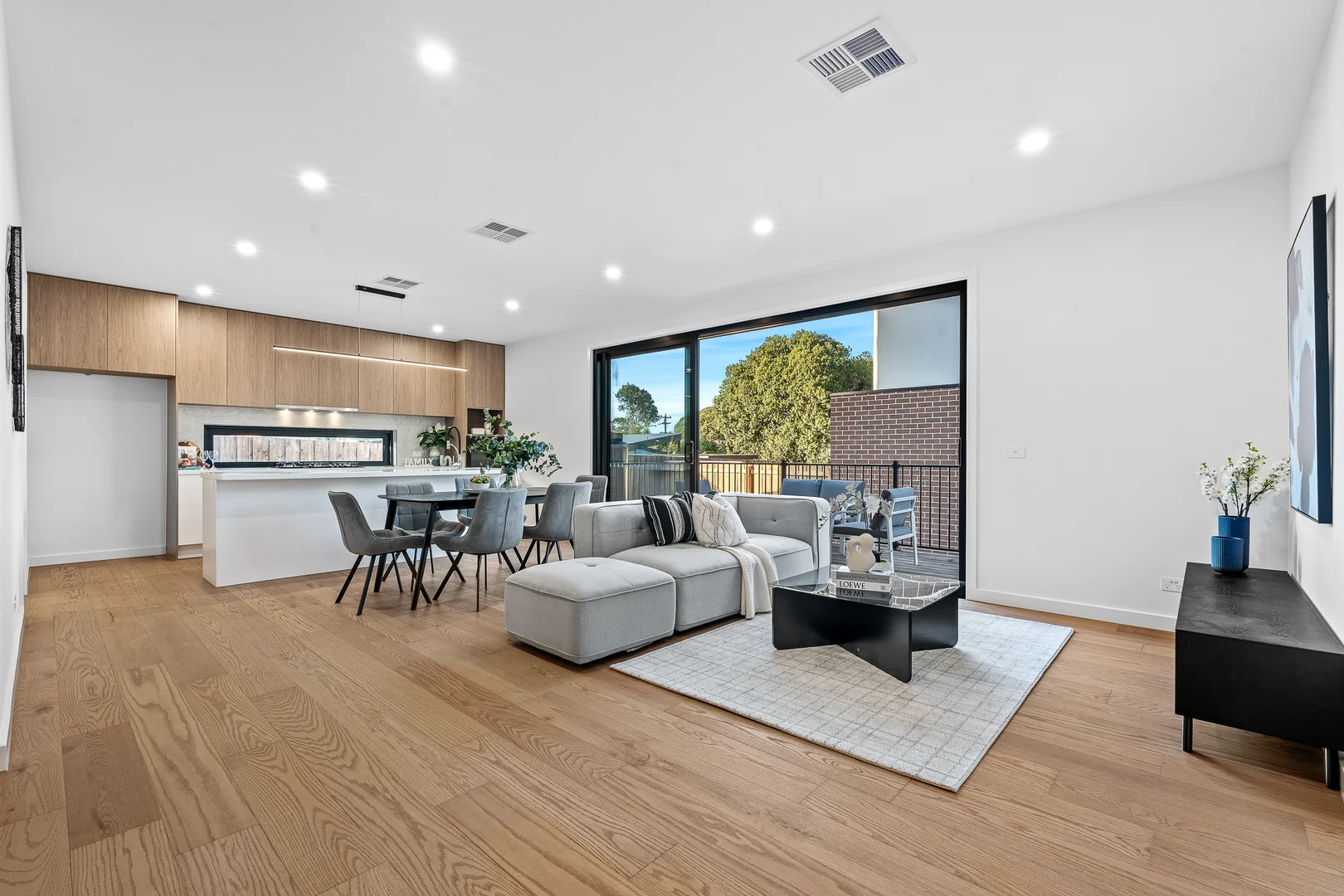 $990,000 - $1,080,000
Townhouse
$990,000 - $1,080,000
Townhouse
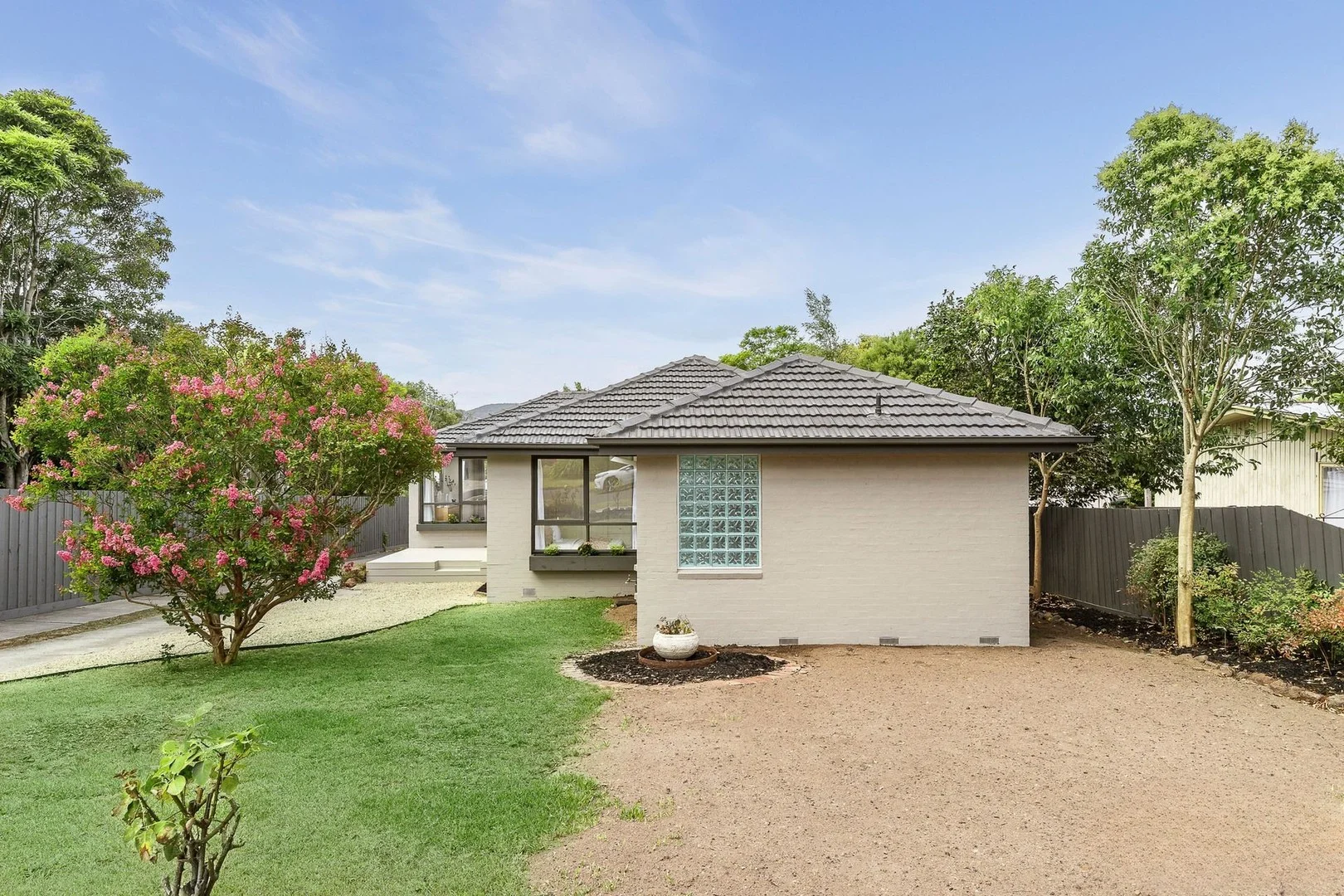 $700
Apartment / Unit / Flat
$700
Apartment / Unit / Flat