Overview
1. Overview
St Peter Julian Eymard Primary School is a Catholic, co-educational primary school serving Mooroolbark and surrounding communities. As a medium-sized Catholic school, it offers a close-knit learning environment where faith, values, and high-quality education are integrated. Class sizes are typically around 20–25 students, supporting individual attention and strong teacher–student relationships. The atmosphere is nurturing and inclusive, with a focus on academic growth, faith development, and community involvement.
2. Academics & Learning
- Academic strengths: The school emphasises core literacy and numeracy skills within a faith-informed framework. There is a focus on English and Maths, supported by modern ICT integration and inquiry-based learning opportunities that help students develop critical thinking and problem-solving abilities.
- Special programs: Religious Education is central to the curriculum. There are opportunities for gifted/talented programs or acceleration where appropriate, along with targeted support to help students extend their learning.
- NAPLAN / trends: The school pursues steady progress and consistent attainment across year levels, with positive trends in literacy and numeracy over time and a commitment to meeting state standards.
- Student-teacher ratios: Class sizes are designed to enable meaningful teacher attention, with typical student–teacher ratios that support small-group and individual support within classes.
- Support for diverse learners: The school provides inclusive education, with EAL/D support and targeted assistance for students with diverse learning needs (SEN), ensuring access to appropriate interventions and resources.
3. Sports & Extracurricular Strengths
- Sports offered: A broad range of sports is typically available, including team and intramural options such as netball, basketball, soccer, cricket, football (AFL-style activities where appropriate), athletics, and swimming programs.
- Strong teams or achievements: School teams often participate in inter-school events and local competitions, with staff and families supporting a culture of teamwork and sportsmanship.
- Music, arts, drama programs: Music education and opportunities for performance, choir, and drama are part of the school experience, encouraging creativity and self-expression.
- Clubs: Robotics, coding, chess, debating, science clubs, reading or literacy groups, and other enrichment opportunities help students explore interests beyond the classroom.
- Partnerships: The school engages with local community groups, sporting clubs, and inter-school networks to broaden opportunities for competitions and collaboration.
4. Wellbeing & Pastoral Care
- Anti-bullying approach: A proactive, respectful culture underpins wellbeing, with clear anti-bullying policies, preventive programs, and restorative practices to address issues.
- House system: A house or similar grouping fosters belonging, teamwork, and healthy competition across year levels.
- Counsellors / wellbeing officers: Access to school wellbeing staff or counsellors supports student mental health, resilience, and social-emotional learning.
- Transition support for new students: Transition programs, orientation activities, buddy systems, and targeted supports help new students acclimate smoothly and build connections quickly.
5. Facilities
- Sports grounds: Adequate playing fields or courts support physical education and sport.
- Libraries: A well-equipped library supports reading for pleasure and learning across the curriculum.
- Science labs: Access to dedicated science spaces enables hands-on experiments and STEM learning.
- Music/performing arts centers: Music rooms and performing arts spaces support musical learning and performances.
- Tech/innovation labs: ICT facilities and computer labs provide opportunities for digital learning and coding activities.
- Cafeteria: An on-site canteen or lunch program supports daily meal needs.
- Updated playgrounds: Modern, safe outdoor play spaces support active learning and recreation.
6. School Values & Community Culture
- School values / mission: A faith-based mission grounded in Catholic values such as compassion, respect, service, and integrity guides daily life, learning, and community involvement.
- Leadership style: A collaborative leadership approach involves teachers, staff, students, and families in shaping a positive school culture and shared goals.
- Behaviour expectations: Clear conduct expectations with a positive discipline approach emphasizing responsibility, respect, and restorative practices.
- Community reputation: The school is known for its welcoming parish-community connection, family-focused culture, and emphasis on holistic student development.
- Diversity & inclusion: The school values inclusivity and strives to create a welcoming environment for all families, backgrounds, and learning needs.
7. School Logistics & Daily Operations
- School hours: Typical start and finish times align with primary-school schedules, with a structured day that includes core classes, specialist subjects, and breaks.
- Before/after school care: OSHC or similar programs are commonly available to support families with early arrival or after-school care.
- Uniform requirements: A school uniform is customary, with specified dress codes for everyday wear and sports days.
- Transport (train/bus routes): Public transport links and local bus routes are available to support student travel, with guidance on safe drop-off and pick-up.
- Canteen availability: An on-site canteen or lunch program provides daily meal options or snacks.
- Fees (low/medium/high ranges): Fees are typically in the middle range for area Catholic primary schools, with information on levies, book packs, and optional contributions available from the school.
8. Enrolment & Admissions
11. What is the enrolment process and timeline?
- Parents submit an enrolment application with the school (or via the Catholic Education Office process as applicable), providing required documents such as proof of identity and placement information. The school reviews applications, may invite shortlisted families for information sessions or interviews, and communicates offers or waitlist status within a defined timeline prior to the commencement year.
12. Is there a waiting list, and how does it work?
- Waiting lists are common when the school is at capacity. Priority may be given to siblings of current students or parishioners, with spaces allocated as they become available. Applicants on the waiting list are kept informed of their status and expected timelines.
13. Are there any entry requirements, tests, or interviews?
- Generally, Catholic primary schools in Victoria do not require standardized entry tests for admission. There may be an information session or short interview to understand the student’s needs, place, and fit with the school community. Documentation such as birth records and immunization status is commonly requested.
14. Does the school accept mid-year transfers?
- Mid-year transfers are sometimes possible, subject to space and placement considerations. Families should contact the school early to discuss availability, required documents, and transition support.
9. Frequently Asked Questions
- Why Parents Choose This School?
- A faith-based, values-driven education with a nurturing, inclusive community; strong emphasis on literacy, numeracy, and well-being; active involvement of families and parish connections.
- What type of student thrives at this school?
- Students who value a supportive learning environment, faith-informed education, community connection, and opportunities to participate in a broad range of academics, arts, and sport.
- What opportunities are available for students to extend their skills (academics, sports, arts)?
- Enrichment through gifted/talented pathways (where offered), additional clubs (robotics, coding, chess, debating), extended sports programs, music and drama, and leadership opportunities.
- How does the school communicate with parents?
- Regular newsletters, notices, parent-teacher meetings, and digital communications (school apps or portals) keep families informed about learning and events.
- What is the school’s approach to teaching and learning?
- Curriculum aligned to the Victorian standards, with a focus on literacy, numeracy, Catholic values, inquiry-based learning, and inclusive education to meet diverse needs.
- How does the school support students who need extra academic help?
- Targeted interventions, small-group instruction, EAL/D support, and SEN support, along with access to wellbeing staff for holistic support.
- What support is available for academic challenges?
- Individual or small-group remediation, tailored learning plans, and collaboration with families to track progress and adjust supports.
- How does the school communicate with parents? (Repeated)
- See above: newsletters, meetings, and digital platforms for ongoing updates.
- What are the class sizes and how much individual attention do students receive?
- Class sizes generally around 20–25 students, with opportunities for individual and small-group instruction to support learning.
- What extracurricular and sports opportunities are available?
- A wide range of sports, music and drama, clubs such as robotics, coding, chess, debating, and opportunities to participate in inter-school activities.
- What facilities does the school offer (sports, science, arts)?
- Sports grounds or courts, library, science labs, music/performing arts spaces, tech/innovation labs, canteen, and updated outdoor play areas.
- What is the school’s approach to technology and digital learning?
- Integration of ICT across the curriculum, with appropriate devices, software, and digital literacy education to prepare students for a tech-rich world.
- What transport and accessibility options are available?
- Local bus routes and public transport connections, with established drop-off/pick-up arrangements and accessible facilities as needed.
- What are the typical school fees or additional costs?
- Fees are generally in the middle range for area Catholic primary schools, with information about book packs, levies, and optional contributions provided by the school.
10. Short Pros & Cons list
Pros
- Catholic values and a faith-centered, holistic education
- Nurturing, inclusive culture with strong community connections
- Broad range of extracurriculars including sports, arts, and clubs
- Support for diverse learners with targeted assistance
- Modern facilities and strong wellbeing focus
Cons
- Enrolment may involve a waiting list or space constraints
- Uniform and ancillary costs can be part of overall expenses
- Religious environment may not suit every family
- Mid-year transfers depend on space and may require flexible arrangements
Note: Details can vary by year and intake. For precise enrolment dates, current facilities, and exact programs, please check with the school’s official admissions team and current prospectus.











 $990,000 - $1,080,000
House
$990,000 - $1,080,000
House
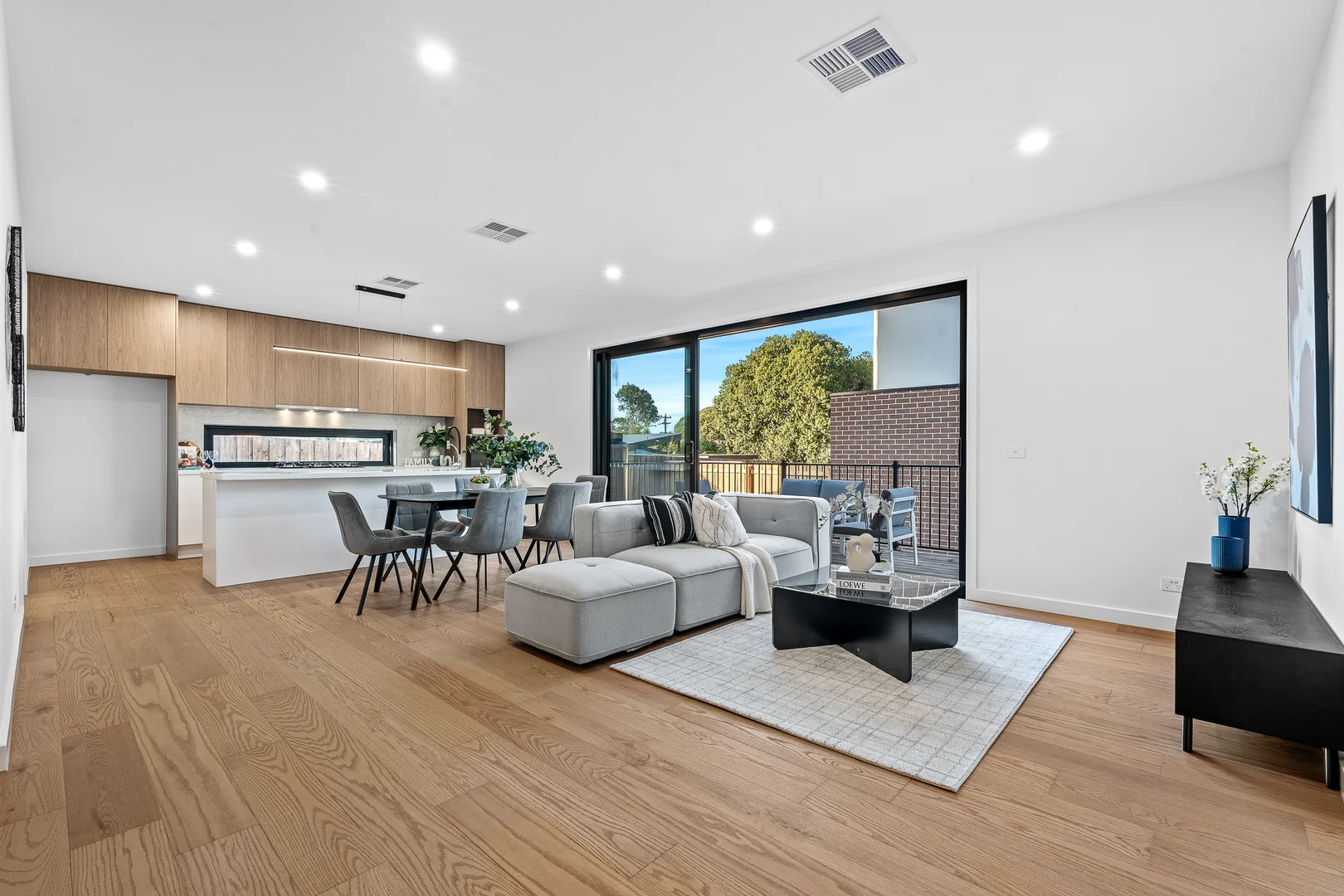 $990,000 - $1,080,000
Townhouse
$990,000 - $1,080,000
Townhouse
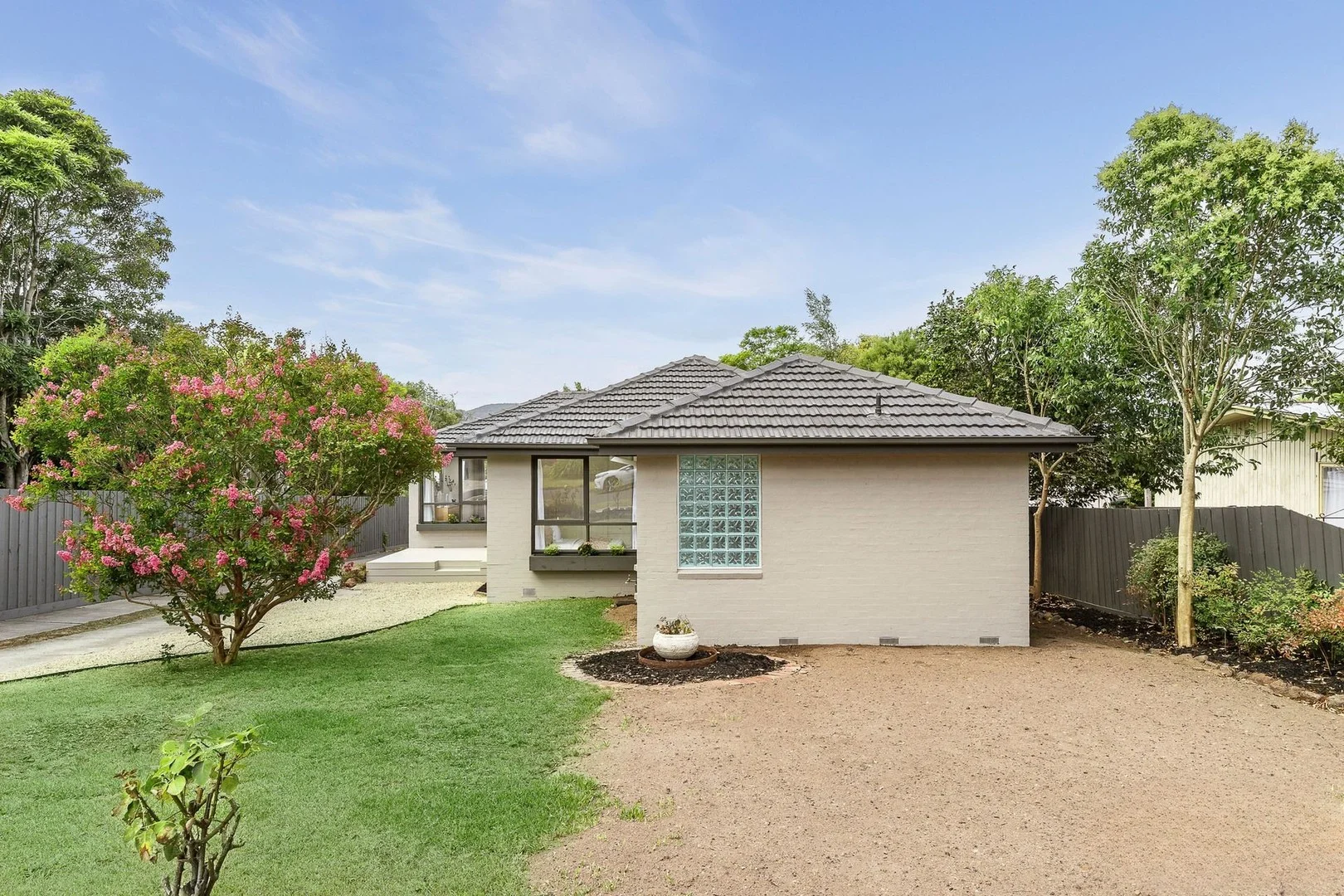 $700
Apartment / Unit / Flat
$700
Apartment / Unit / Flat
 $1,300,000
House
$1,300,000
House
 $1,150,000 - $1,250,000
Townhouse
$1,150,000 - $1,250,000
Townhouse
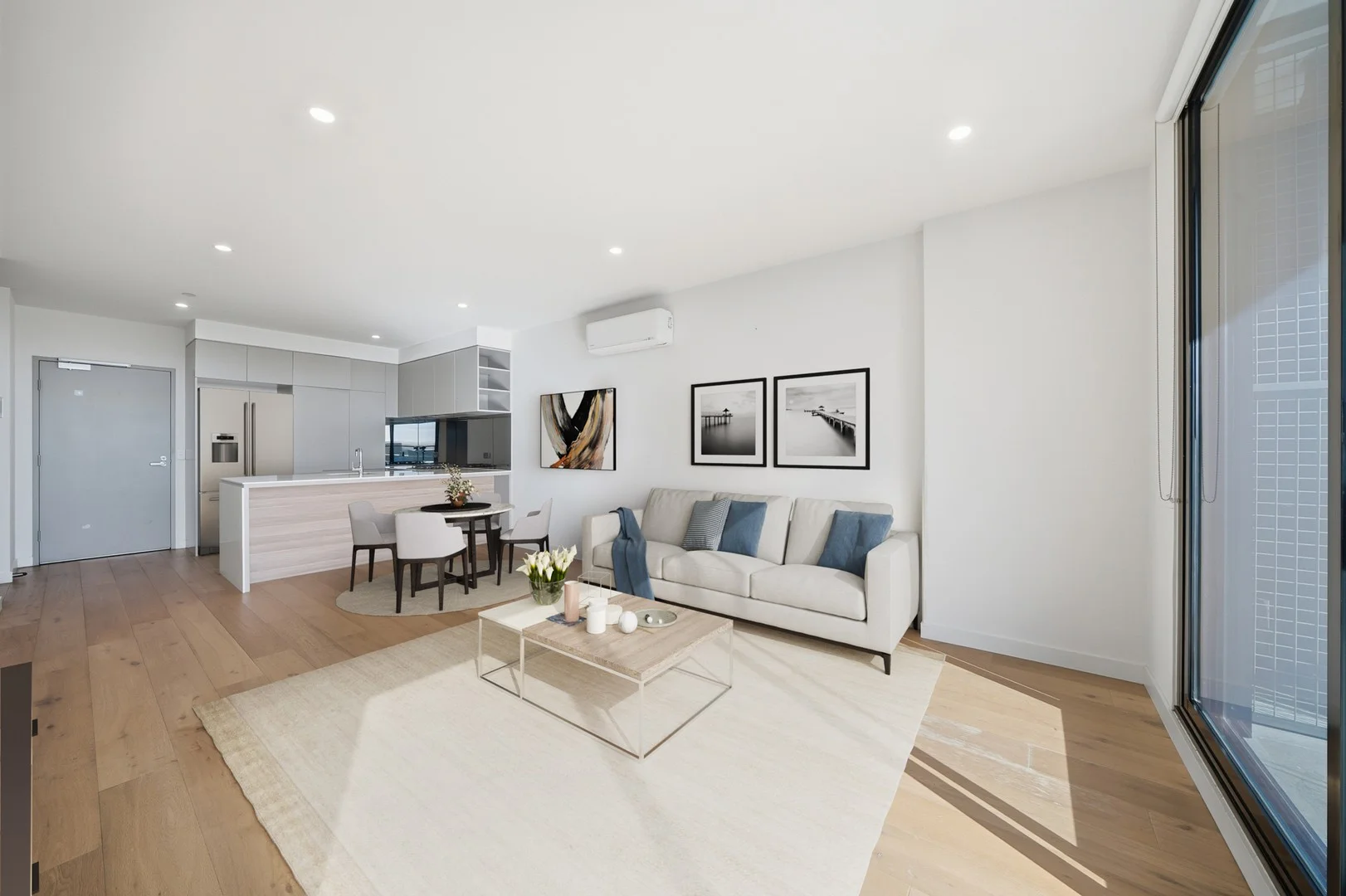 $500,000 - $550,000
Apartment / Unit / Flat
$500,000 - $550,000
Apartment / Unit / Flat
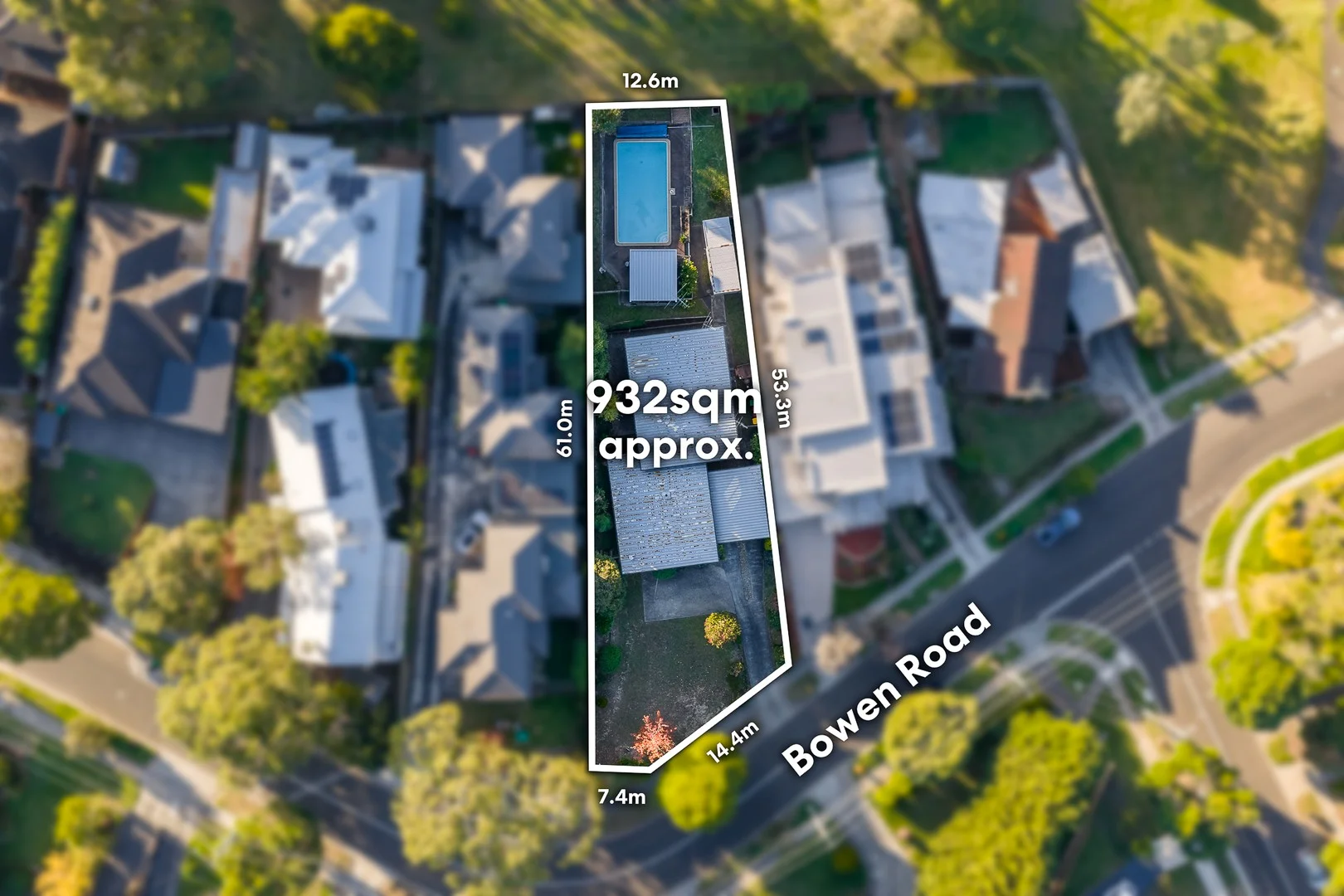 $1,300,000 - $1,400,000
House
$1,300,000 - $1,400,000
House
 $1,500,000
House
$1,500,000
House
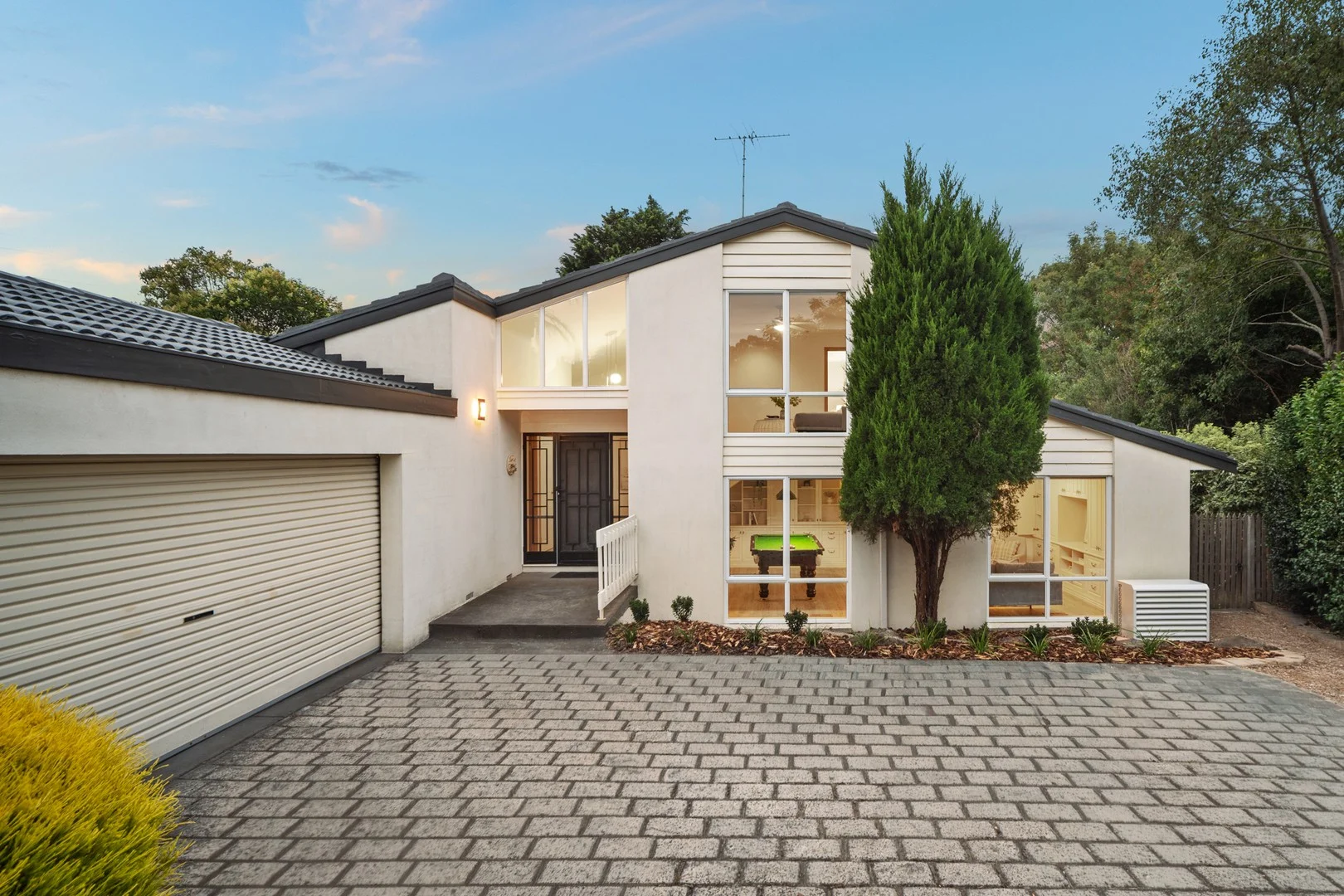 $1,380,000 - $1,500,000
House
$1,380,000 - $1,500,000
House