Overview
## 1. Overview
St Vincent de Paul Primary School (Strathmore) is a Catholic, co-educational primary school serving families in the Strathmore area. The school aims to provide a faith-filled, supportive learning environment with a focus on values, community, and academic growth. It sits within a medium-sized school community that fosters close relationships between students, families, and staff.
The atmosphere is nurturing and inclusive, emphasising respect, service, and collaboration. With a family-friendly culture and a clear sense of identity, the school supports students to grow not only academically but also in character and faith.
## 2. Academics & Learning
- Academic strengths: Strong literacy and numeracy foundations, with integrated STEM activities and opportunities to develop leadership and digital literacy alongside faith formation.
- Special programs: Catholic faith formation and regular sacramental preparation; differentiated learning supports and opportunities for gifted/talented students where available.
- NAPLAN trends: Over recent years, schools of this type typically show steady progress in reading and numeracy; families can review the school’s annual report for specific trend insights.
- Student-teacher ratios: Typically around 1:20 to 1:23, depending on year level and class distribution.
- Support for diverse learners: EAL (English as an Additional Language) support and targeted SEN (Special Education Needs) interventions, along with learning support staff to aid individual learners.
## 3. Sports & Extracurricular Strengths
- Sports offered: Common primary-sport offerings include football (AFL), netball, soccer, cricket, basketball, athletics, and house sport events.
- Strong teams or achievements: Participation in district/inter-school competitions with opportunities for school-wide sports days and gala days; emphasis on participation, teamwork, and skill development.
- Music, arts, drama programs: Regular opportunities to engage in music, drama, and performing arts as part of the curriculum and school productions.
- Clubs: Robotics, coding, chess, debating, and other student clubs are commonly available to extend learning beyond the classroom.
- Partnerships: Connections with local community clubs and regional competitions to broaden sporting, coding, and arts experiences.
## 4. Wellbeing & Pastoral Care
- Anti-bullying approach: Clear policies and proactive programs to promote respectful relationships, with student-led initiatives and staff support.
- House system: A house framework to foster belonging, culture, friendly competition, and social-emotional learning through cross-year activities.
- Counsellors / wellbeing officers: Access to school-based wellbeing staff or counsellors to support social, emotional, and mental health needs.
- Transition support for new students: Orientation activities, buddy systems, and targeted supports to ease transitions at the start of the year.
## 5. Facilities
- Sports grounds: On-site playing fields or courts for physical education and sport.
- Libraries: A library supporting reading for pleasure and information literacy.
- Science labs: Basic science facilities to support practical investigations (where available).
- Music/performing arts centers: Space for music and drama activities and performances.
- Tech/innovation labs: Computing/ICT resources and ICT-enabled learning environments.
- Cafeteria: On-site canteen or prepared meal services supporting healthy eating.
- Updated playgrounds: Age-appropriate play areas and outdoor learning spaces.
## 6. School Values & Community Culture
- School values / mission: Faith-based education focused on compassion, respect, service, and responsibility; alignment with Catholic ethos.
- Leadership style: Generally collaborative with opportunities for student voice and leadership (e.g., student councils or peer leadership roles).
- Behaviour expectations: Clear codes of conduct based on respect, responsibility, and integrity; positive reinforcement and consistent routines.
- Community reputation: Strong ties to the local Catholic community and parent networks; emphasis on welcoming families and involvement.
- Diversity & inclusion: Commitment to an inclusive culture that respects individual differences and supports diverse learners.
## 7. School Logistics & Daily Operations
- School hours: Typical primary hours with start in the morning and finish after lunch or mid-afternoon; exact times may vary by year level.
- Before/after school care: Often available via OSHC or school-arranged programs to support working families.
- Uniform requirements: School uniform to be worn during school hours and for most events; details provided by the school.
- Transport (train/bus routes): Public transport options and local bus routes commonly used by families; specifics depend on fare zones and routes.
- Canteen availability: Canteen or lunch program in place, offering healthy meal options or snacks.
- Fees: Fees for tuition, Levies, and excursions are typically in the mid-range for Victorian Catholic primary schools; exact amounts vary by year and activities.
## 8. Enrolment & Admissions
11. What is the enrolment process and timeline?
- Submit an application with required family and student information, consent forms, and any Catholic identity documentation the school requests. Offers are typically made based on vacancies and priority guidelines; timelines vary by intake year and term.
12. Is there a waiting list, and how does it work?
- Many Catholic primary schools maintain a waiting list when vacancies are limited. Priority is generally given to parishioners, siblings, and then others, with space allocated as vacancies arise.
13. Are there any entry requirements, tests, or interviews?
- Most Catholic primary schools do not require standard academic entrance tests. Some may conduct brief family interviews or information sessions and may request baptism or Catholic identity documentation as part of the enrolment process.
14. Does the school accept mid-year transfers?
- Mid-year transfers may be possible if there are vacancies and suitable placement can be found; schools typically guide families through a transfer process and onboarding supports.
## 9. Frequently Asked Questions
- Why Parents Choose This School?
- A values-driven, faith-based community with supportive staff, strong literacy and numeracy foundations, and a welcoming environment for families.
- What type of student thrives at this school?
- Students who value community, faith formation, collaboration, and inclusive learning; those who respond well to a structured yet supportive school culture.
- What opportunities are available for students to extend their skills (academics, sports, arts)?
- Extension through literacy/numeracy supports, leadership opportunities, sports teams, music/drama programs, and clubs such as robotics, coding, chess, and debating.
- How does the school communicate with parents?
- Regular newsletters, emails, a school app or portal, and scheduled parent-teacher interviews; updates on events, learning progress, and wellbeing are common.
- What is the school’s approach to teaching and learning?
- Differentiated instruction, a mix of explicit teaching and inquiry-based activities, focus on literacy and numeracy, with integration of faith-based learning.
- How does the school support students who need extra academic help?
- Targeted reading and numeracy support, small-group interventions, EAL and SEN services, and access to learning support staff.
- What support is available for academic challenges?
- Additional tutoring or focused intervention sessions, accommodations as appropriate, and ongoing teacher-parent collaboration to monitor progress.
- How does the school communicate with parents?
- See above: regular channels such as newsletters, portals, and meetings; clear information about curriculum and student progress.
- What are the class sizes and how much individual attention do students receive?
- Classes typically range around 20–25 students; teachers provide targeted feedback and small-group support as part of daily practice.
- What extracurricular and sports opportunities are available?
- A range of sports, music and drama programs, and clubs such as robotics, coding, chess, and debating; opportunities to participate in inter-school events.
- What facilities does the school offer (sports, science, arts)?
- Sports grounds, library, science labs (where available), music/performing arts spaces, ICT labs, canteen, and updated outdoor play areas.
- What is the school’s approach to technology and digital learning?
- Integration of ICT in learning, use of devices and digital platforms to support instruction, collaboration, and independent learning.
- What transport and accessibility options are available?
- Local bus routes and public transport access; school drop-off zones and accessibility considerations are typically accommodated.
- What are typical school fees or additional costs?
- Fees are generally in the mid-range for Victorian Catholic primary schools; additional costs may include excursions, camps, and elective activities.
## 10. Short Pros & Cons list
- Pros
- Catholic, values-based education with a supportive community
- Focus on literacy and numeracy plus opportunities in sports, arts, and clubs
- Inclusive environment with EAL and SEN support
- Clear wellbeing and anti-bullying programs
- Established house system and transitions support for new students
- Cons
- Space and class availability can vary; waiting lists may apply
- Catholic identity may influence enrolment preferences for some families
- Specific programs or facilities may vary year to year depending on funding and staffing
- Fees and voluntary contributions may be a consideration for families
Note: The information above provides a general overview aligned with common features of Catholic primary schools in Melbourne’s inner-northern suburbs. For current specifics on enrolment steps, exact facilities, up-to-date programs, and fees, please refer to the school’s official communications and contact the school directly.













 $750
House
$750
House
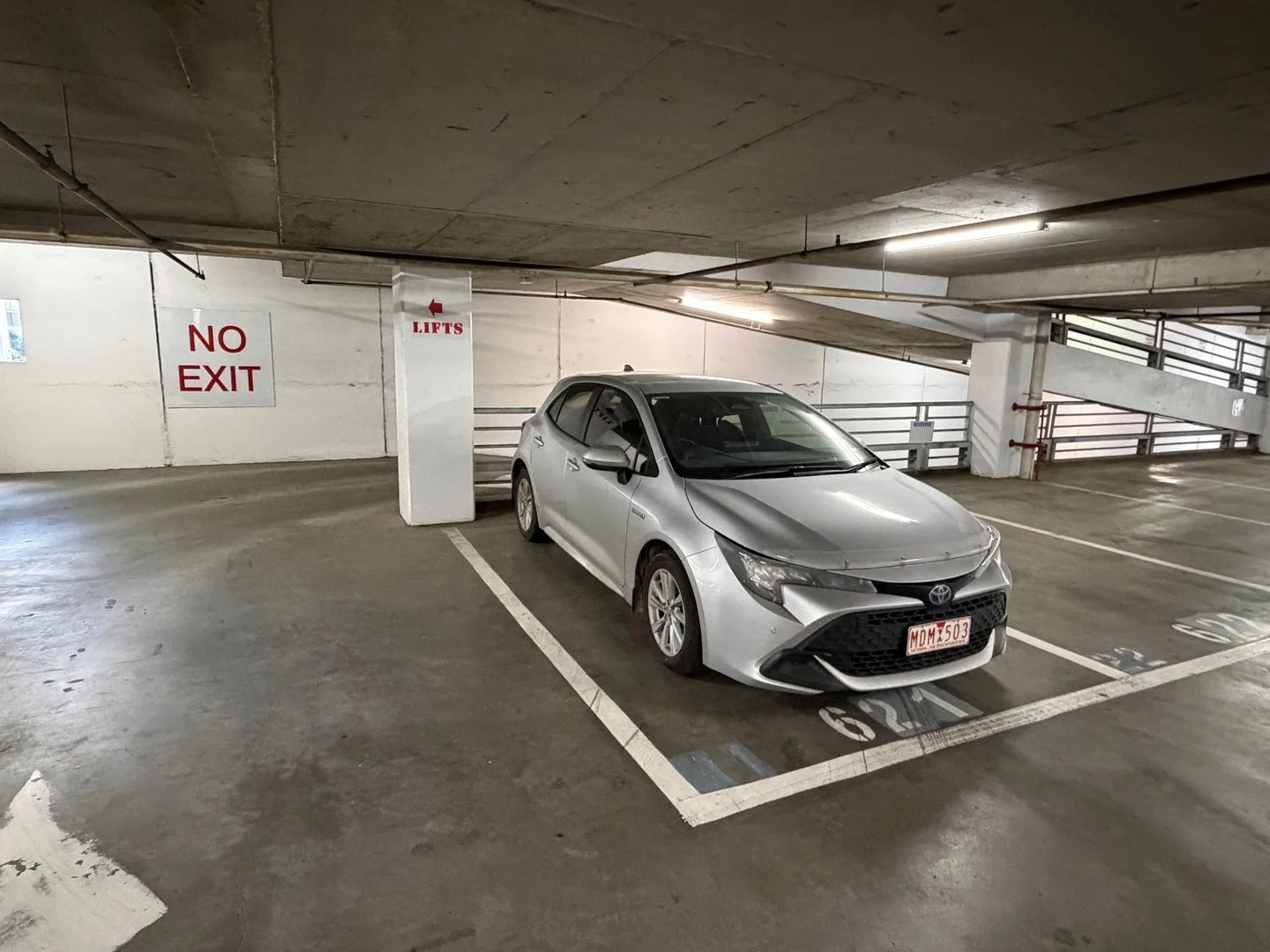 $27,500
propertyType.CAR SPACE
$27,500
propertyType.CAR SPACE
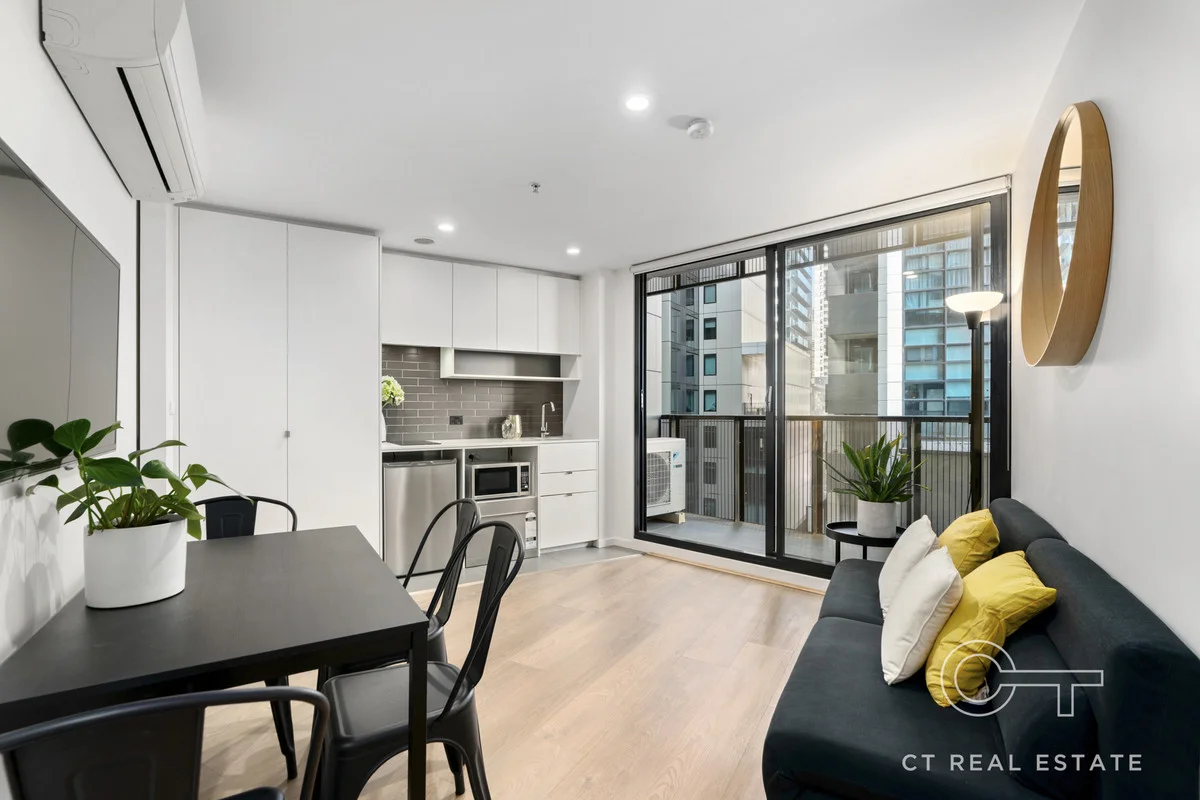 $360,000
Apartment / Unit / Flat
$360,000
Apartment / Unit / Flat
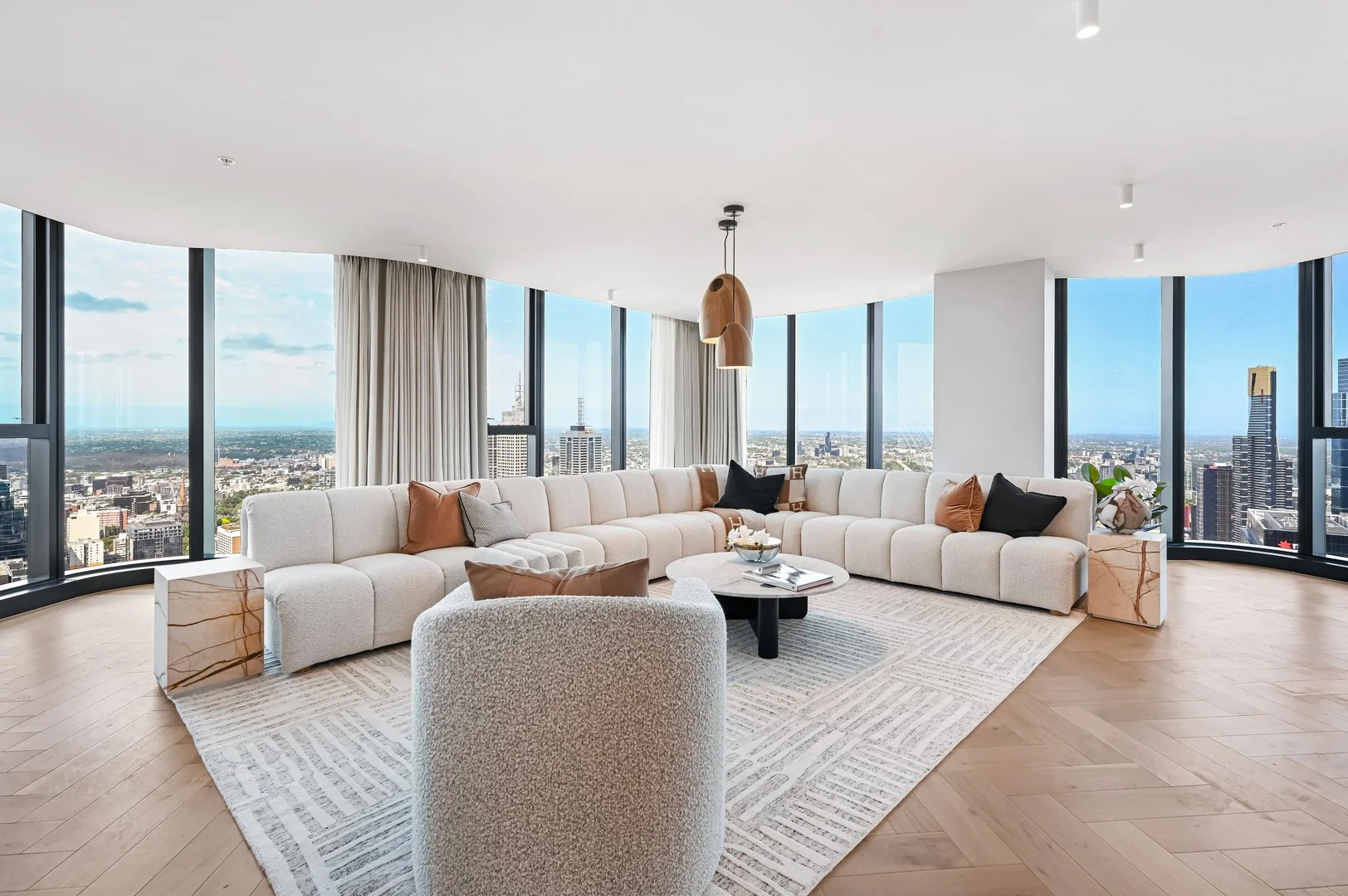 $5,512,000
propertyType.NEW APARTMENTS / OFF THE PLAN
$5,512,000
propertyType.NEW APARTMENTS / OFF THE PLAN
 $2,008,000
propertyType.NEW APARTMENTS / OFF THE PLAN
$2,008,000
propertyType.NEW APARTMENTS / OFF THE PLAN
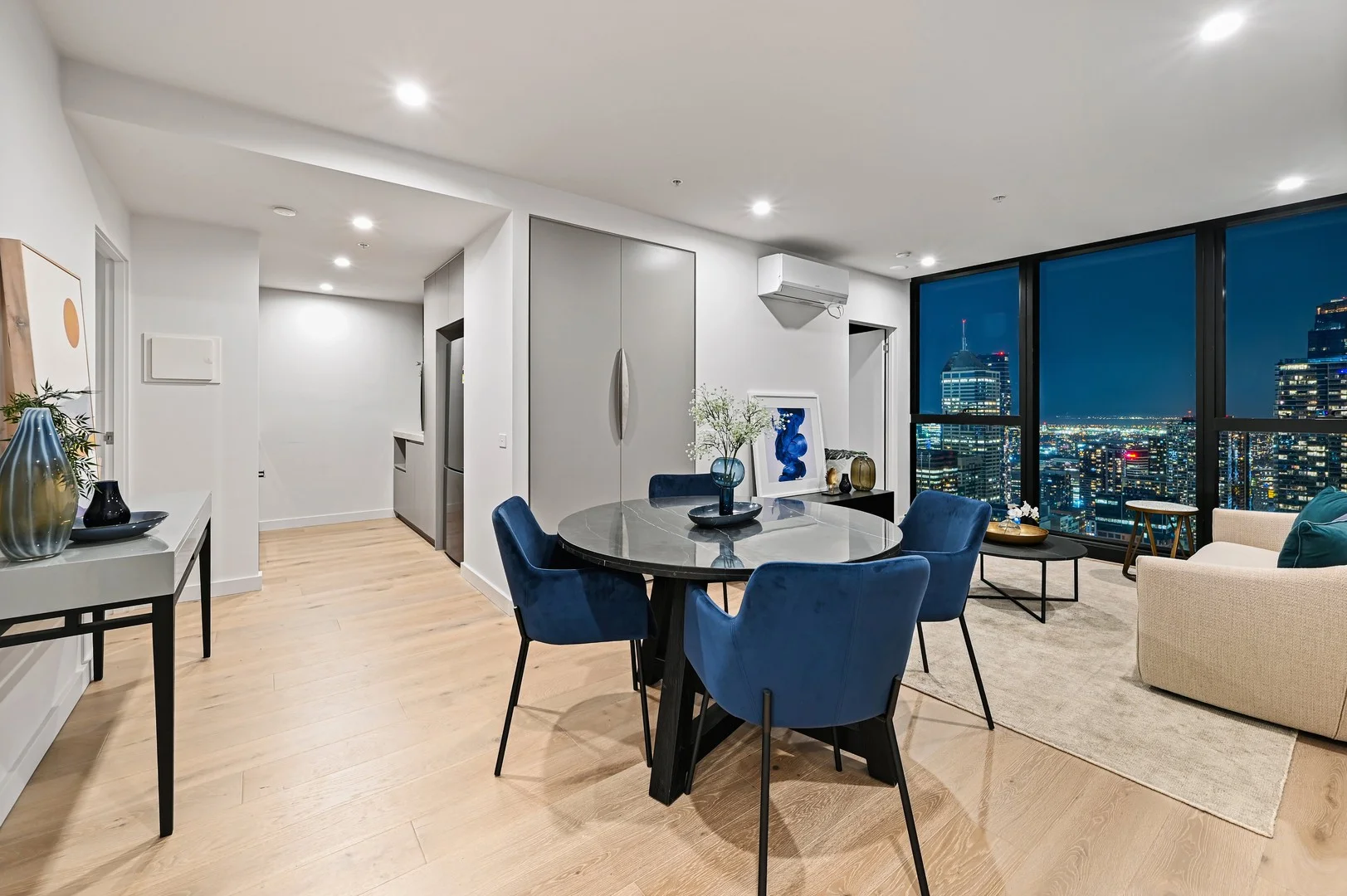 $943,000
propertyType.NEW APARTMENTS / OFF THE PLAN
$943,000
propertyType.NEW APARTMENTS / OFF THE PLAN
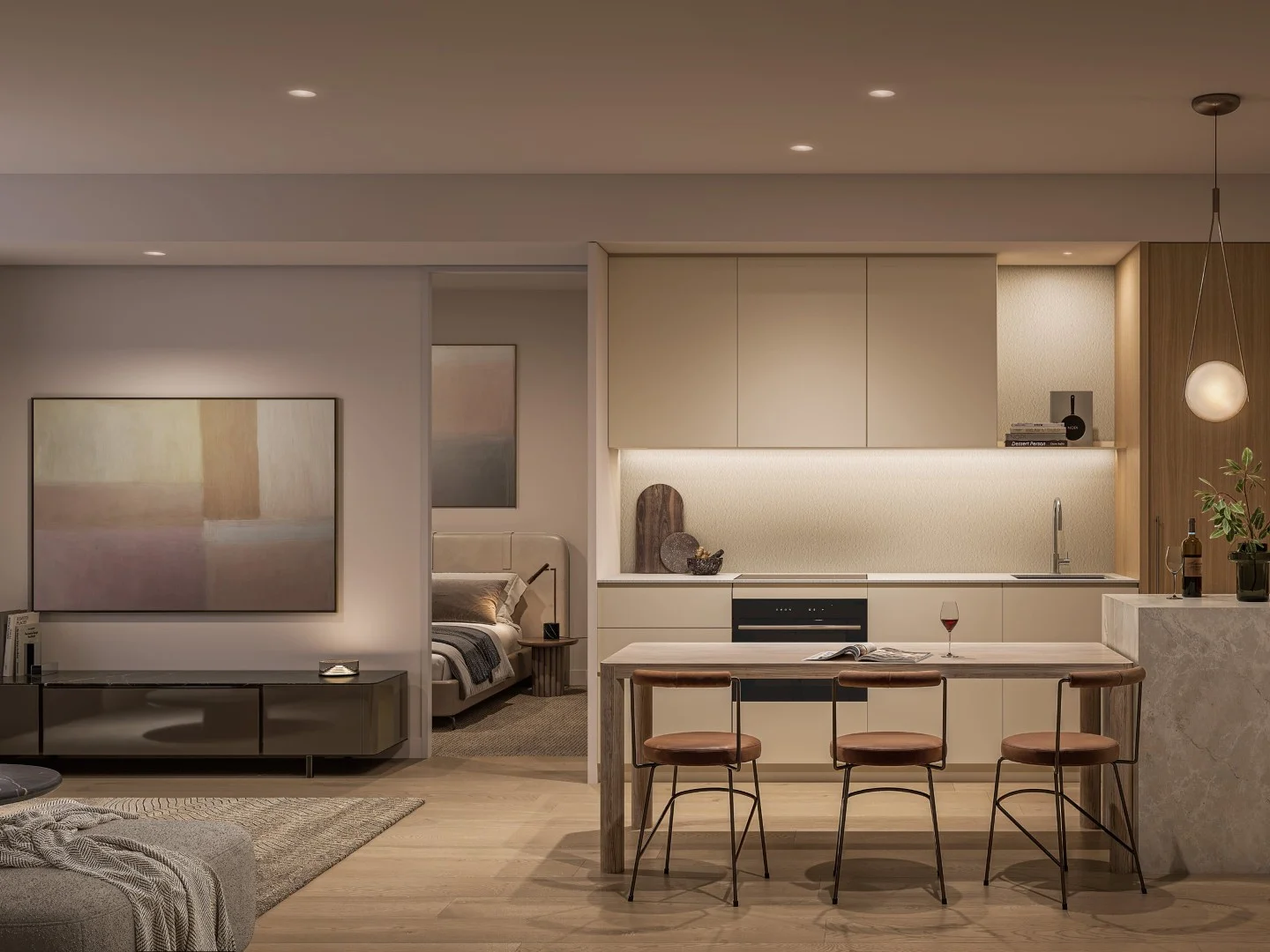 $666,000
Apartment / Unit / Flat
$666,000
Apartment / Unit / Flat
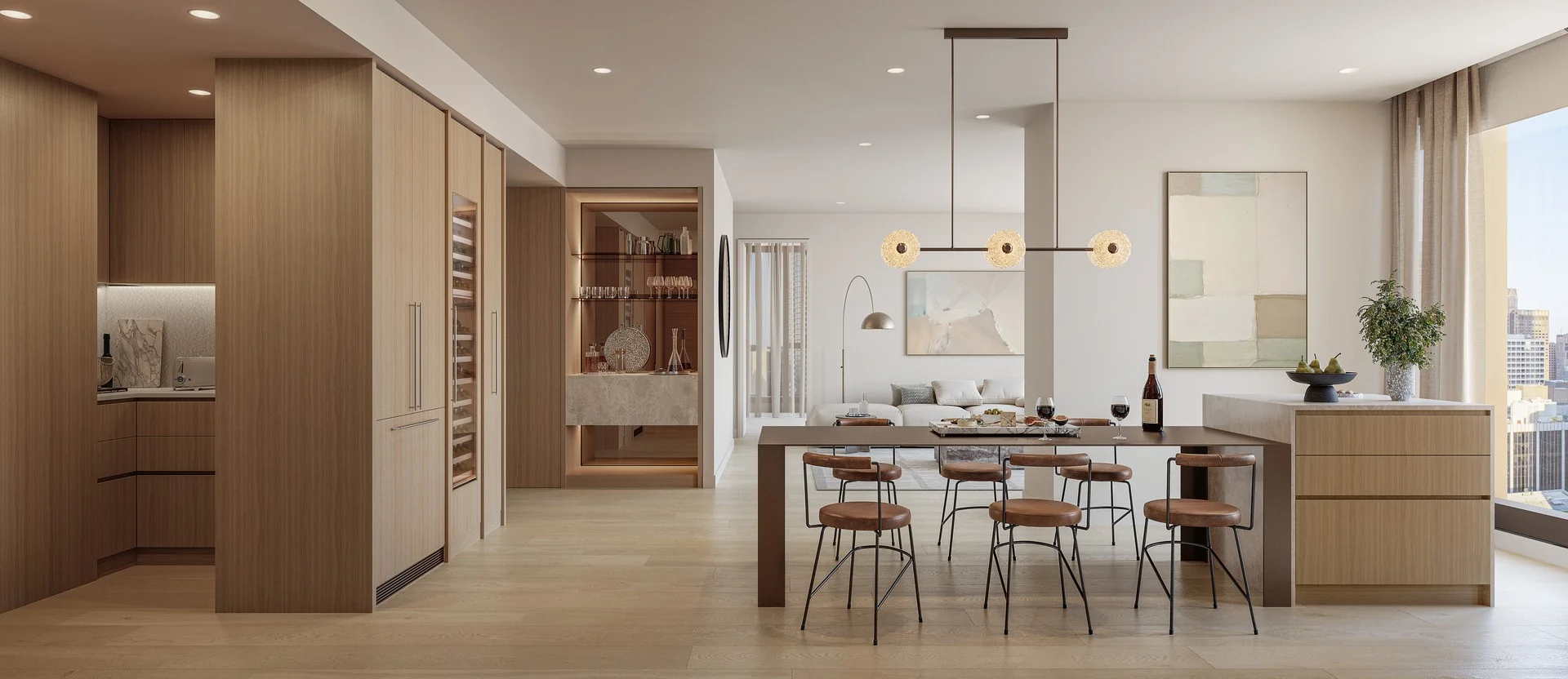 $2,865,000
Apartment / Unit / Flat
$2,865,000
Apartment / Unit / Flat
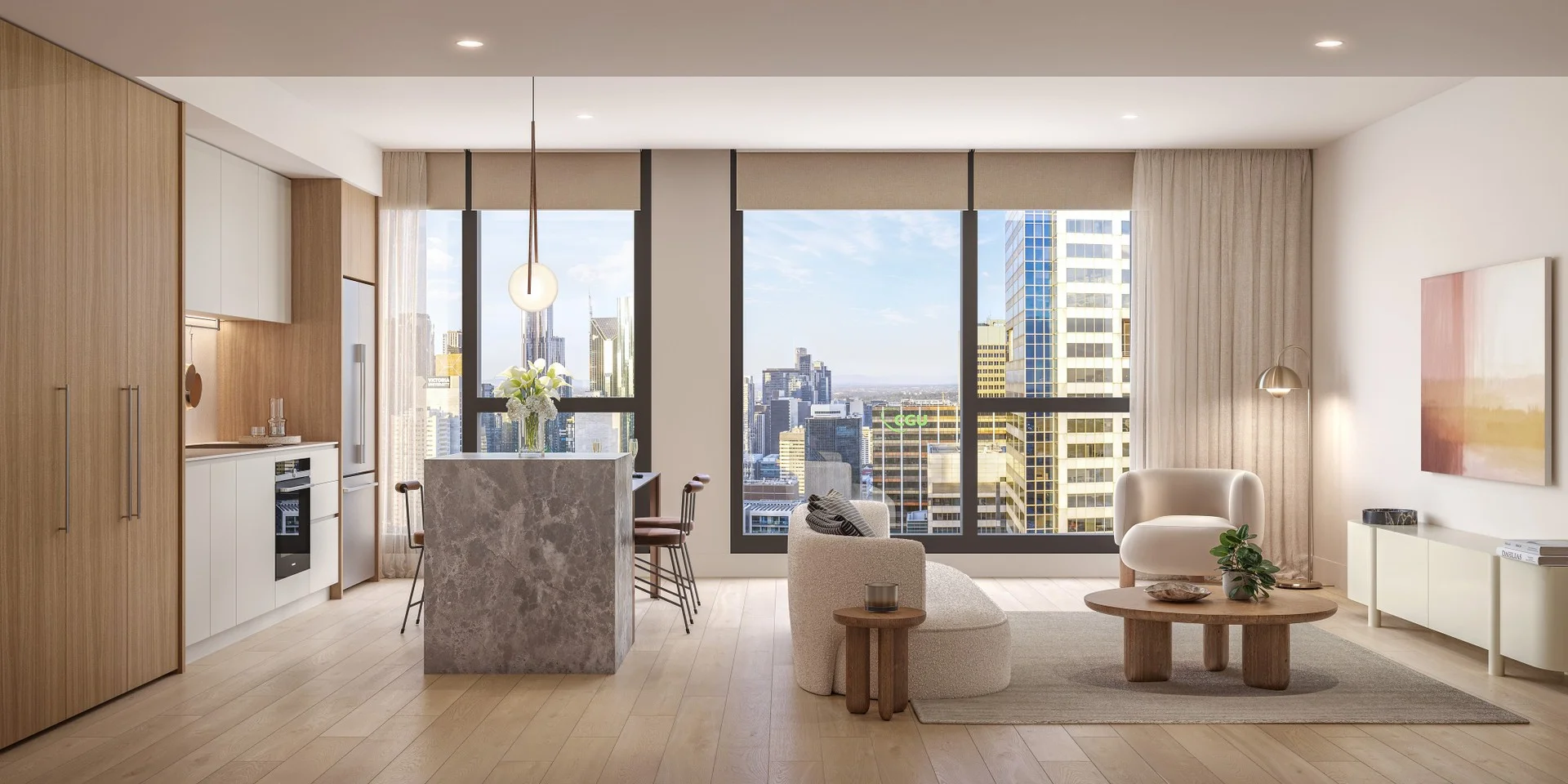 $1,870,000
propertyType.NEW APARTMENTS / OFF THE PLAN
$1,870,000
propertyType.NEW APARTMENTS / OFF THE PLAN