Overview
Strathmore Secondary College is a public, co-educational secondary school serving students in the Victorian education system. As a mid-sized suburb campus, the college aims to provide a inclusive, student-centred learning environment with strong ties to the local community.
- School type: Public
- School size: Medium
- Atmosphere/culture: Inclusive, focused on academics and wellbeing, with a healthy emphasis on sport, arts and student leadership
Academics & Learning
- Academic strengths: The school supports a broad curriculum with emphasis on English and STEM areas, along with opportunities across the arts and languages. There are pathways into VCE subjects and broader senior secondary options.
- Special programs: Access to senior secondary pathways (VCE), with options for vocational education and training (VET) and related career pathways; potential accelerated or gifted/talented opportunities depending on student needs.
- Support for diverse learners: Services for diverse learners include English as an Additional Language (EAL) support and learning support for students with additional needs (SEN), with coordinated guidance for targeted interventions.
- Sports offered: A broad range including Australian rules football, soccer, basketball, netball, cricket, athletics and swimming, along with gym and fitness activities.
- Strong teams or achievements: Competitive school teams participate in regional and district competitions across various sports.
- Music, arts, drama programs: Active music and performing arts programs, with opportunities to perform and participate in school productions.
- Clubs: Robotics, chess, coding, debating and other interest clubs are available to broaden skills beyond the classroom.
- Partnerships: Local community partnerships and participation in regional competitions and events help extend opportunities for students.
Wellbeing & Pastoral Care
- Anti-bullying approach: Clear anti-bullying policies and programs aimed at creating a respectful school climate.
- House system: House-based pastoral care and event structure to foster belonging and leadership opportunities.
- Counsellors / wellbeing officers: Access to wellbeing staff and guidance counsellors to support student welfare.
- Transition support for new students: Orientation programs, buddy systems and transition supports to help new students settle in.
Facilities
- Sports grounds: Dedicated outdoor spaces for sport and recreation.
- Libraries: On-site library with study spaces and resources.
- Science labs: Well-equipped science facilities for biology, chemistry and physics.
- Music/performing arts centers: Space for music rehearsals, ensembles and drama activities.
- Tech/innovation labs: ICT/technology rooms and potential maker-space environments for project work.
- Cafeteria: On-site canteen with access to healthy meal and snack options.
- Updated playgrounds: Safe, maintained spaces for casual recreation and social activity.
- School values / mission: Commitment to respect, resilience, inclusion and integrity; emphasis on personal and academic growth.
- Leadership style: Encourages student voice and leadership through formal roles and clubs; collaborative decision-making where appropriate.
- Behaviour expectations: Positive behaviour framework with restorative approaches to conflict and discipline.
- Community reputation: Strong local presence with a reputation for supportive learning and community engagement.
- Diversity & inclusion: Welcoming environment that values diversity and ensures inclusive practices across programs.
School Logistics & Daily Operations
- School hours: Typical school day runs from morning start around 8:45am to mid-afternoon around 3:15pm.
- Before/after school care: Care options may be available through school partnerships or local community programs; check current arrangements.
- Uniform requirements: School uniform is required, with specified dress standards.
- Transport (train/bus routes): Accessible by local bus routes; proximity to suburban transport options; students may use public transport or walk/bike where feasible.
- Canteen availability: Canteen or canteen services available on-site or nearby.
- Fees (low/medium/high ranges): Public schools generally have low to medium voluntary contributions and item charges; uniform and excursion costs may apply.
Enrolment & Admissions
- What is the enrolment process and timeline?
- Submit an enrolment application with required documentation.
- Shortlisting and confirmation of placement based on school policies and capacity.
- Offer of place and orientation/induction activities prior to commencing.
- Timeline varies; expect several weeks to months depending on intake cycles and space.
- Is there a waiting list, and how does it work?
- A waiting list may operate if demand exceeds available places. Priorities typically follow catchment eligibility, sibling policies, and available spaces. You’ll be contacted if a place becomes available.
- Are there any entry requirements, tests, or interviews?
- Generally, there are no entrance tests for standard enrolments. Some information sessions or interviews may occur for out-of-area placements or special circumstances.
- Does the school accept mid-year transfers?
- Yes, subject to space and placement availability. Transfer requests typically require current transcripts, visa/immigration considerations (if applicable), and meeting enrolment criteria.
Frequently Asked Questions
- Why Parents Choose This School?
- A supportive, inclusive community with a balanced focus on academics, wellbeing and co-curricular opportunities; strong local connections and a stable learning environment.
- What type of student thrives at this school?
- Motivated, collaborative students who engage across academics, sport, arts and clubs; those who value belonging and positive relationships with peers and staff.
- What opportunities are available for students to extend their skills (academics, sports, arts)?
- Access to a broad academic program (including VCE pathways), VET opportunities, sport teams, music and drama ensembles, robotics, coding and debating clubs.
- How does the school communicate with parents?
- Through newsletters, email updates, school portals and parent-teacher interviews. Digital platforms and calendars are used to keep families informed.
- What is the school’s approach to teaching and learning?
- Student-centred, differentiated instruction with a focus on literacy, numeracy and critical thinking; emphasis on wellbeing and inclusive education.
- How does the school support students who need extra academic help?
- Targeted learning support, EAL assistance and access to guidance counsellors; small-group or one-on-one intervention where required.
- What support is available for academic challenges?
- Additional tutoring or intervention programs, progress monitoring, and collaboration between teachers, families and support staff.
- How does the school communicate with parents? (Repeated)
- See above: newsletters, portals, direct communications and parent-teacher meetings.
- What extracurricular and sports opportunities are available?
- A range of sports (football, soccer, basketball, netball, cricket, athletics, swimming), plus clubs in robotics, chess, coding, debating, music and drama.
- What facilities does the school offer (sports, science, arts)?
- Sports grounds, library, science labs, performing arts venues, ICT/tech spaces and a canteen; supportive spaces for creative and scientific learning.
- What is the school’s approach to technology and digital learning?
- Integration of ICT in learning, potential device programs and opportunities to engage with coding and digital projects through clubs and classes.
- What transport and accessibility options are available?
- Public transport access via local bus routes; walking/biking options; inclusive access to facilities.
- What are the typical school fees or additional costs?
- Public schools have minimal tuition but may charge voluntary contributions and subject levies; costs for uniforms, excursions and camps may apply.
Short Pros & Cons list
- Public, tuition-free foundation with structured support services
- Medium-sized community fostering engagement and belonging
- Broad academic, arts and sports opportunities
- Strong wellbeing supports and pastoral care
- Diverse clubs and tech/creative learning spaces
- As a public school, funding and resources can vary by year and policy changes
- Transport options depend on local routes and schedules
- Uniforms and certain activities can incur additional costs
- Availability of spaces for popular programs may fluctuate with demand
If you’d like, I can tailor this content further with more precise details from the school’s current prospectus or enrolment pages.

 Free
Free










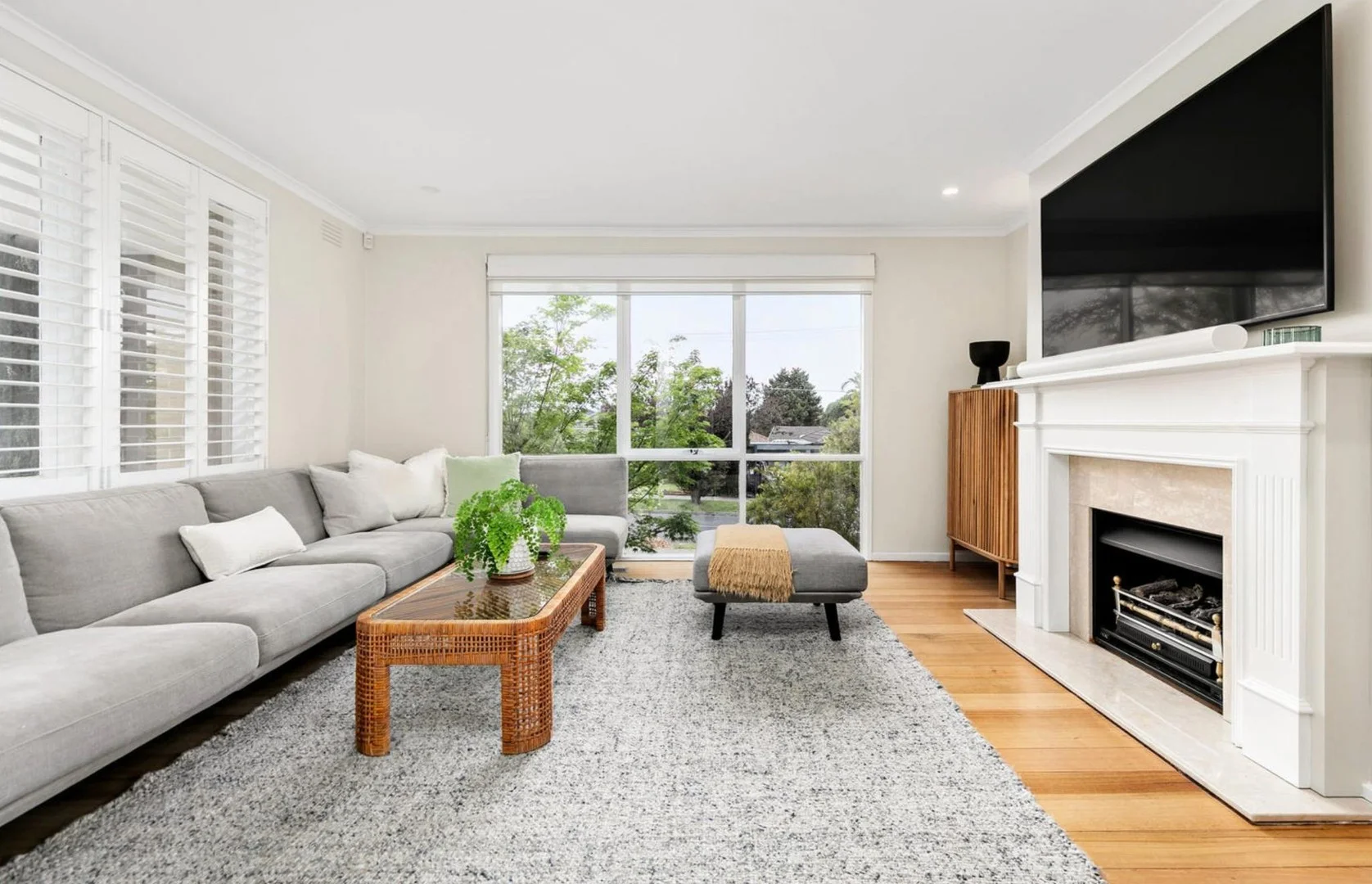 $750
House
$750
House
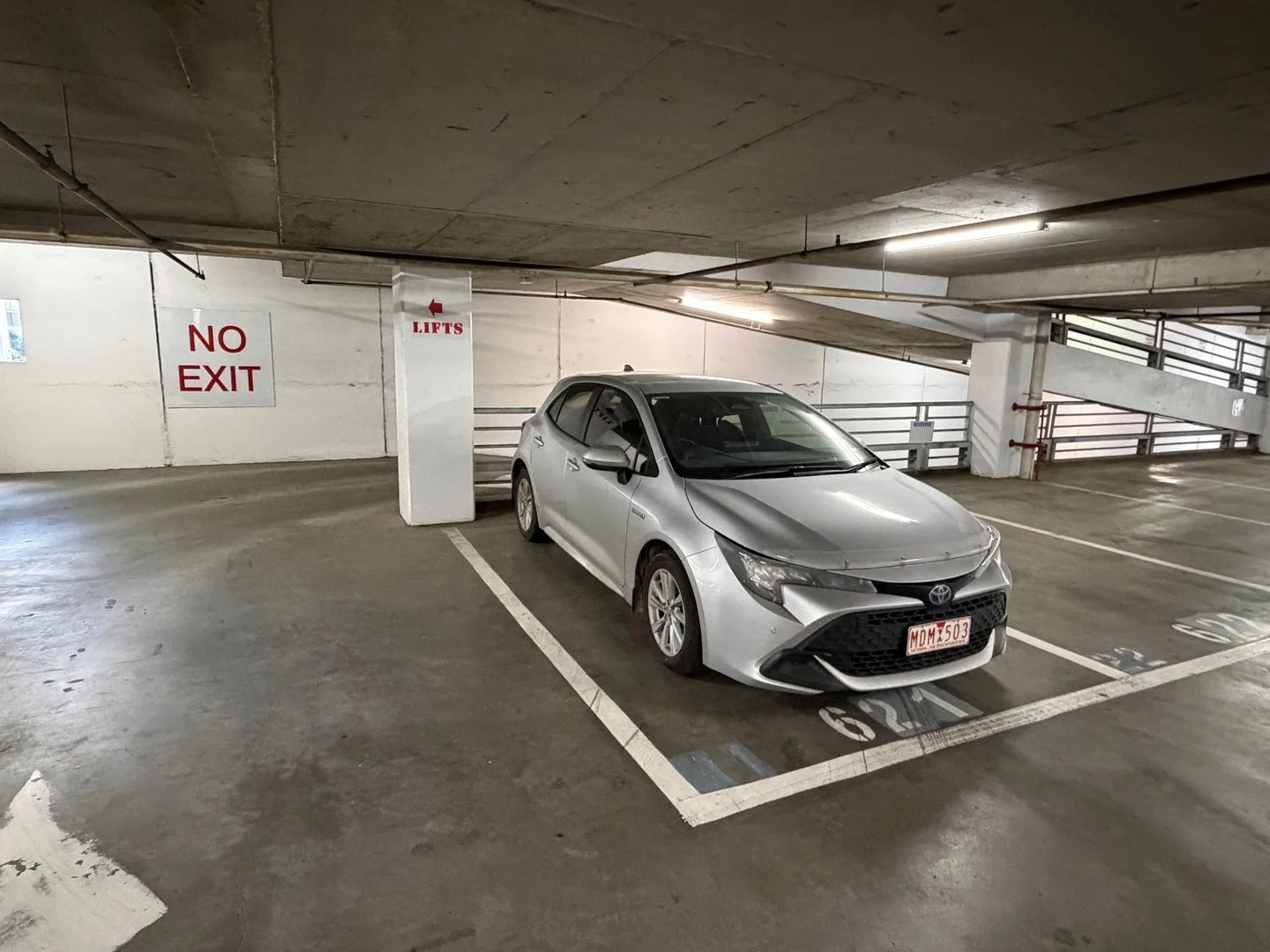 $27,500
propertyType.CAR SPACE
$27,500
propertyType.CAR SPACE
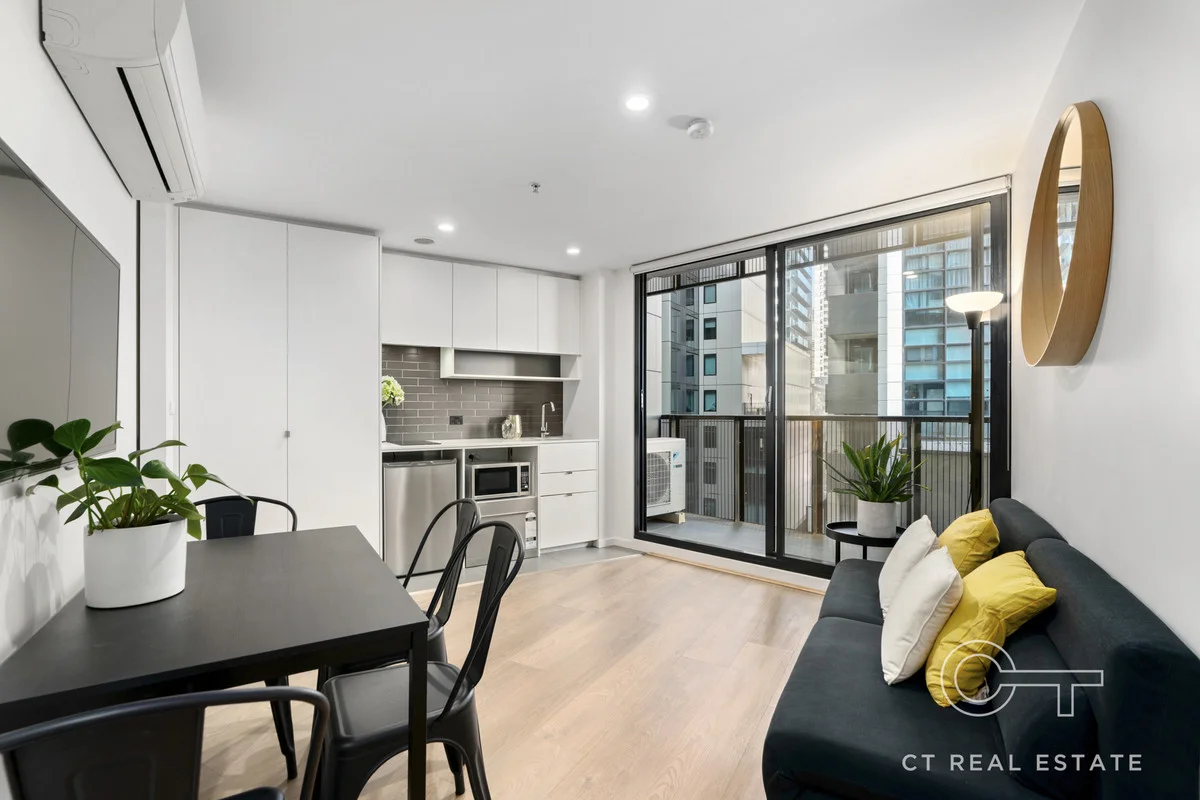 $360,000
Apartment / Unit / Flat
$360,000
Apartment / Unit / Flat
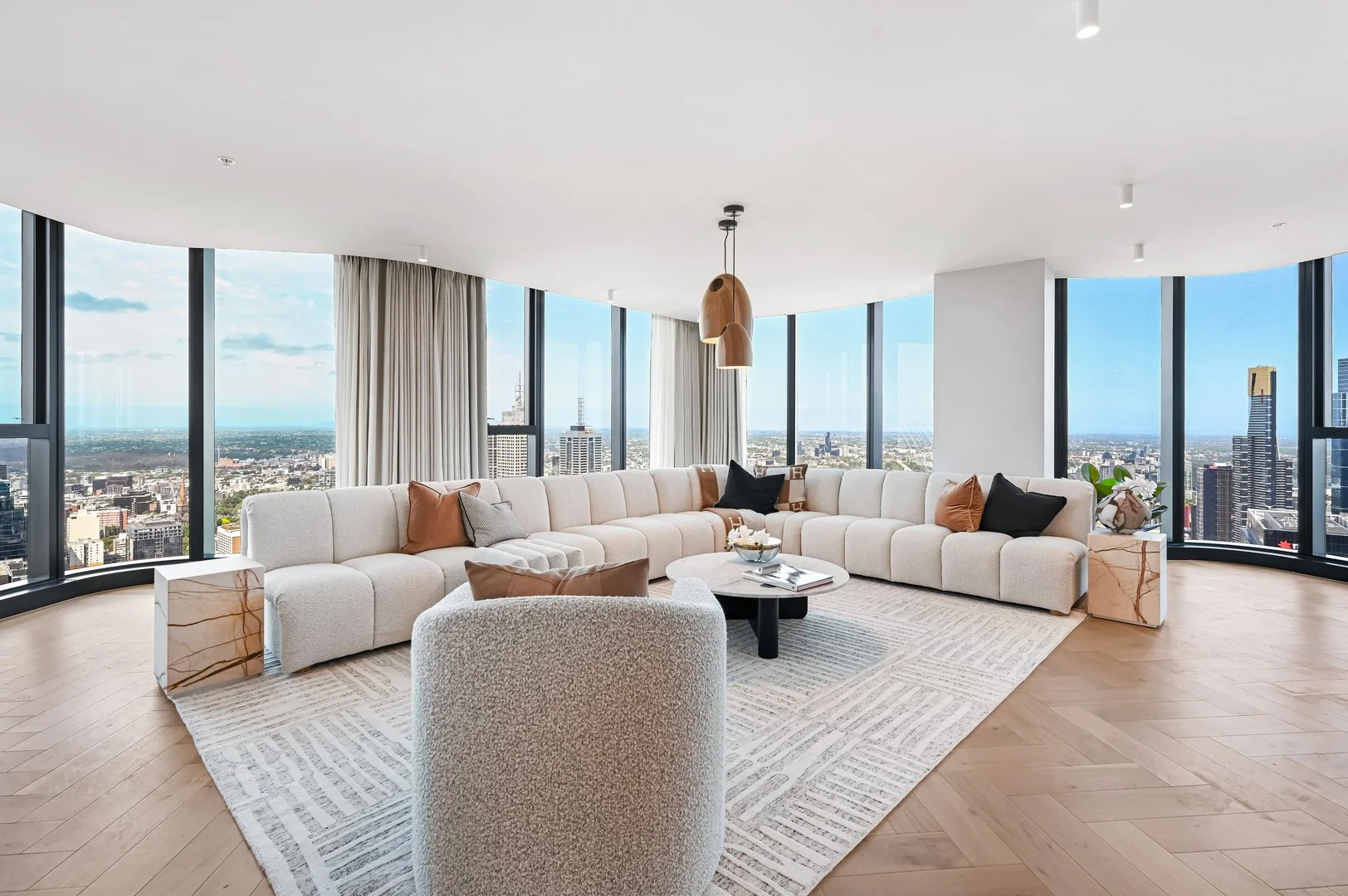 $5,512,000
propertyType.NEW APARTMENTS / OFF THE PLAN
$5,512,000
propertyType.NEW APARTMENTS / OFF THE PLAN
 $2,008,000
propertyType.NEW APARTMENTS / OFF THE PLAN
$2,008,000
propertyType.NEW APARTMENTS / OFF THE PLAN
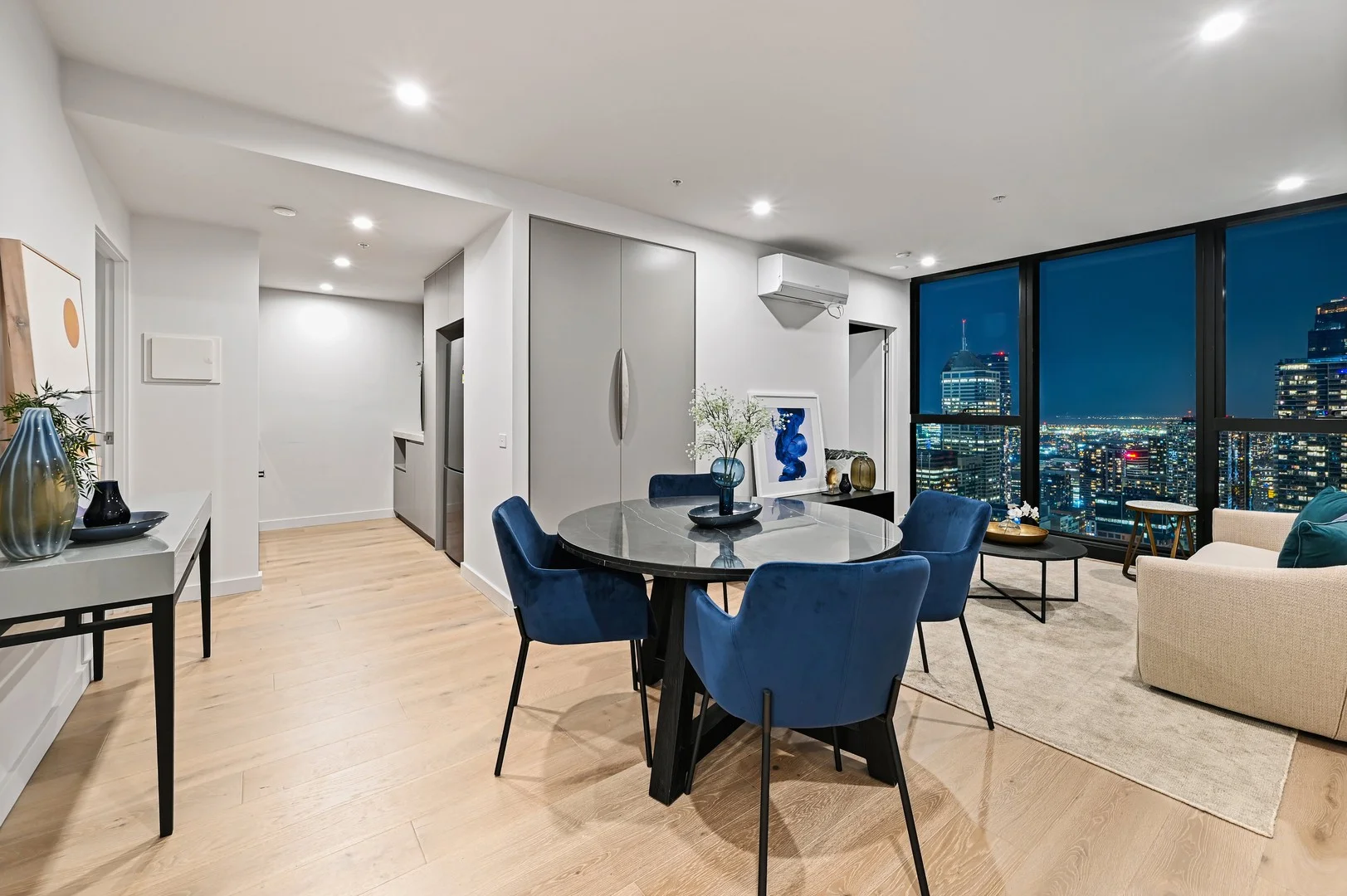 $943,000
propertyType.NEW APARTMENTS / OFF THE PLAN
$943,000
propertyType.NEW APARTMENTS / OFF THE PLAN
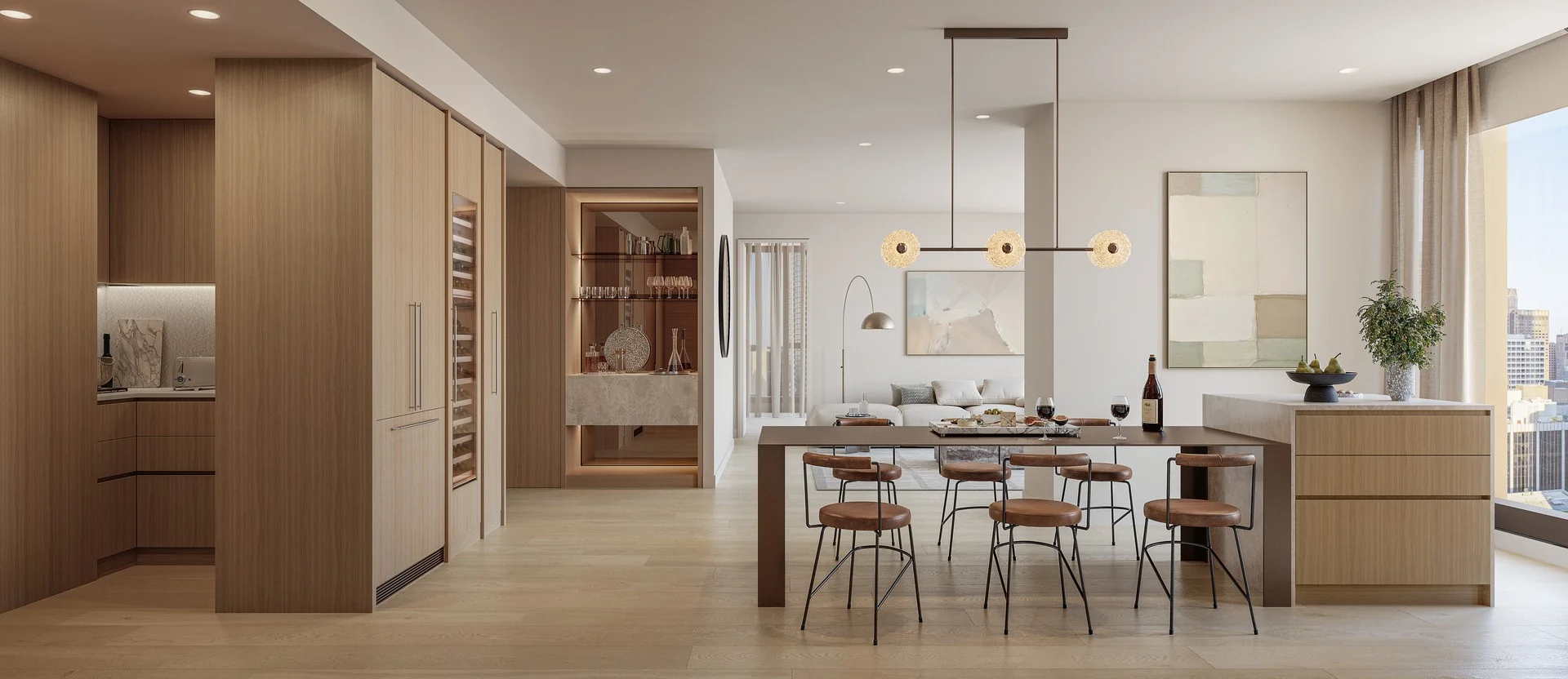 $2,865,000
Apartment / Unit / Flat
$2,865,000
Apartment / Unit / Flat
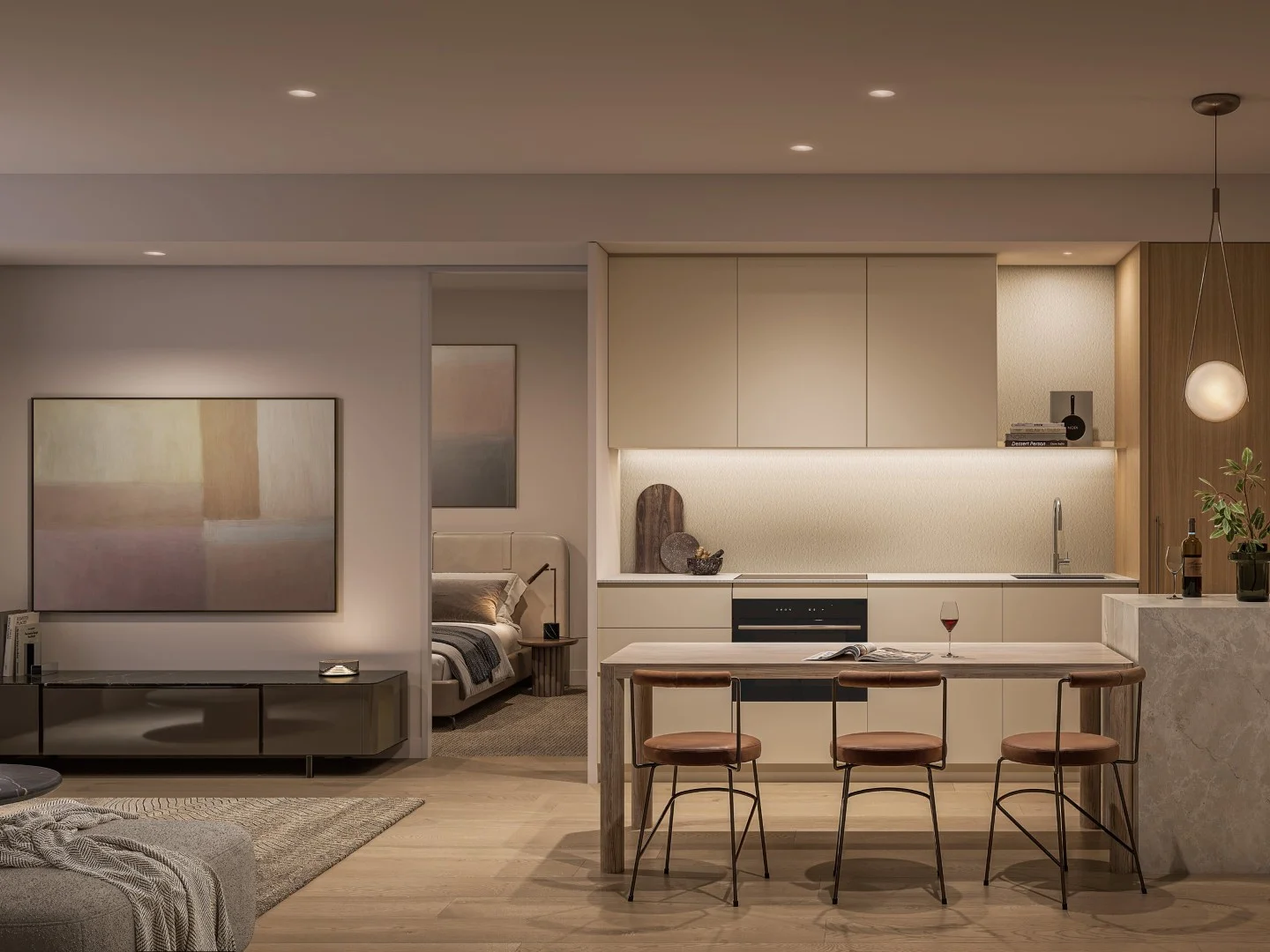 $666,000
Apartment / Unit / Flat
$666,000
Apartment / Unit / Flat
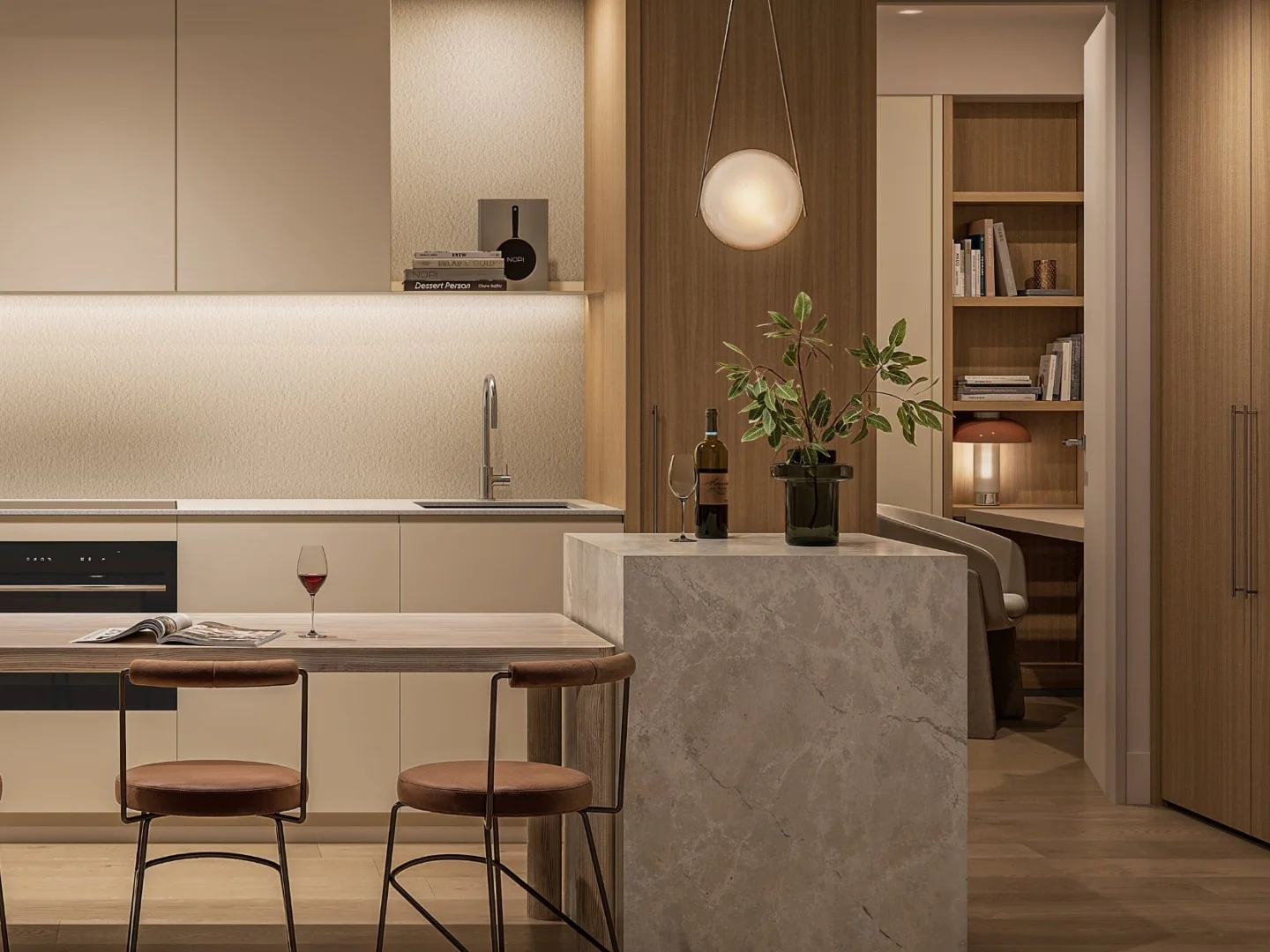 $712,500
Apartment / Unit / Flat
$712,500
Apartment / Unit / Flat


