1. Overview
SCEGGS Darlinghurst is an independent Anglican day school for girls, offering a comprehensive education from Kindergarten to Year 12. The school combines a strong academic program with rich co-curricular opportunities, grounded in values-based education. It is a medium-sized campus that fosters a close-knit community while providing a broad range of experiences across academics, arts, and sport.
Class sizes are typically around 20 students per class, enabling personalised attention and teacher-student connections. The atmosphere is widely described as nurturing and inclusive, with a focus on intellectual curiosity, leadership, service, and the development of well-rounded young women.
⸻
2. Academics & Learning
- Academic strengths: English, STEM, languages, and leadership development are highlighted strengths, with an emphasis on critical thinking, communication, and independent learning.
- Special programs: Opportunities for accelerated learning and gifted/talented pathways, along with strong participation in arts and leadership initiatives.
- NAPLAN trends: Historically stable with years of improvement in certain cohorts; the school emphasizes literacy and numeracy development alongside overall academic growth.
- Student-teacher ratios: Generally around 1:10 to 1:15, varying by year level, supporting more personalised guidance.
- Support for diverse learners: EAL (English as an Additional Language) support and SEN (special education needs) programs are available to promote inclusive learning for all students.
⸻
3. Sports & Extracurricular Strengths
- Sports offered: Netball, basketball, soccer, tennis, athletics, swimming, cricket, and hockey are among the commonly available options.
- Strong teams or achievements: Competitive inter-school teams with a record of participation and success in NSW school sport competitions.
- Music, arts, drama programs: Active music ensembles, choirs, orchestras, and drama productions; opportunities to perform in school and community contexts.
- Clubs: Robotics, coding, chess, debating, and other academically focused or creative clubs.
- Partnerships: Engagement with local sporting and arts networks, competitions, and community partnerships to broaden opportunities beyond the classroom.
⸻
4. Wellbeing & Pastoral Care
- Anti-bullying approach: Clear policies and proactive programs to create a respectful, safe school climate.
- House system: A house-based framework supports social connection, mentoring, and healthy rivalry across year levels.
- Counsellors / wellbeing officers: Dedicated staff support for student wellbeing, with access to counselling and wellbeing programs.
- Transition support for new students: Structured orientation and mentoring to help new students adjust to school life, routines, and expectations.
⸻
5. Facilities
- Sports grounds: Dedicated spaces for team training and broader physical education activities.
- Libraries: Well-resourced libraries supporting study and pleasure reading.
- Science labs: Modern science laboratories to support practical learning and experiments.
- Music/performing arts centers: Facilities for ensembles, theatre productions, and performances.
- Tech/innovation labs: Dedicated spaces for digital learning, coding, and hands-on tech projects.
- Cafeteria: On-site canteen or dining facilities providing everyday meals and snacks.
- Updated playgrounds: Well-maintained play and recreation spaces (where applicable across year groups).
⸻
6. School Values & Community Culture
- School values / mission: A values-driven education emphasising integrity, respect, courage, and service.
- Leadership style: Collaborative and student-inclusive, with opportunities for student voice, leadership roles, and community involvement.
- Behaviour expectations: Clear behavioural norms built around mutual respect, responsibility, and accountability.
- Community reputation: Known for a supportive, close-knit community with active alumnae and strong parent engagement.
- Diversity & inclusion: Commitment to inclusivity and creating an environment where all students can thrive.
⸻
7. School Logistics & Daily Operations
- School hours: Typical school day runs during standard daytime hours with start and finish times aligned to year level requirements.
- Before/after school care: Availability of supervised options before and after school for families with needs.
- Uniform requirements: Clear uniform standards, with guidance on appropriate attire for different year levels.
- Transport (train/bus routes): Accessible by public transport; school location supports convenient bus/train access and drop-off options.
- Canteen availability: On-site canteen or dining facilities offering daily meals and snacks.
- Fees (low/medium/high ranges): Fees are in the higher range typical of independent private day schools in inner Sydney; additional costs (texts, activities, uniforms) may apply.
⸻
8. Enrolment & Admissions
11. What is the enrolment process and timeline?
- Applications typically open well ahead of entry, with a multi-stage process that commonly includes an online application, provision of birth and student records, and immunisation details. Families usually participate in a school visit or information session, followed by assessments and interviews. Offers are made after the assessment/interview stage, with timelines varying by year level.
12. Is there a waiting list, and how does it work?
- Waiting lists are common for popular entry years. If space is limited, applications may be waitlisted, with priority often given to factors such as sibling applicants and the school’s assessment outcomes. Timeframes for moving from waitlist to offer depend on vacancies and enrolment decisions.
13. Are there any entry requirements, tests, or interviews?
- Entry typically involves an interview and may include age- and ability-appropriate assessments (verbal, non-verbal, and numeracy elements) to inform readiness and fit. Some years may have additional requirements or scholarship considerations.
14. Does the school accept mid-year transfers?
- Mid-year transfers can be possible if there are vacancies; schools often review mid-year applications promptly to accommodate families where feasible.
⸻
9. Frequently Asked Questions
- Why Parents Choose This School?
- A values-based, girl-focused education with strong academics, rich arts and sports programs, and a supportive community that partners with families in the student’s development.
- What type of student thrives at this school?
- Curious, motivated girls who value both academics and co-curricular engagement, and who respond well to a collaborative, respectful learning environment.
- What opportunities are available for students to extend their skills (academics, sports, arts)?
- Opportunities across advanced coursework pathways, leadership roles, arts performances, competitive sport, robotics and coding clubs, debating, and community service projects.
- How does the school communicate with parents?
- Through regular newsletters, email updates, a parental portal, and scheduled parent-teacher conferences; proactive communication during key transitions.
- What is the school’s approach to teaching and learning?
- A holistic, student-centered approach that emphasises inquiry, literacy and numeracy foundations, differentiated instruction, and real-world application.
- How does the school support students who need extra academic help?
- Access to targeted learning support, EAL and SEN services, tutoring opportunities, and collaboration with teachers to develop individual plans.
- What support is available for academic challenges?
- Diagnostic assessments, personalised learning plans, additional instructional time, and ongoing monitoring of progress with family involvement.
- How does the school communicate with parents? (Repeated)
- See above: regular updates, a parent portal, meetings, and timely notifications.
- What are the class sizes and how much individual attention do students receive?
- Class sizes are typically around 20 students, which supports manageable class engagement and opportunities for individual feedback through teacher interaction and pastoral care.
- What extracurricular and sports opportunities are available?
- A broad menu including sports (netball, basketball, soccer, tennis, athletics, swimming, etc.), music ensembles, drama, robotics, coding, chess, debating, and other clubs, with opportunities to compete and perform.
- What facilities does the school offer (sports, science, arts)?
- Modern facilities across sports, science labs, libraries, performing arts venues, tech/innovation spaces, and dining areas to support diverse learning and activities.
- What is the school’s approach to technology and digital learning?
- Integrated digital learning with appropriate devices and platforms to enhance study, collaboration, coding and data literacy, aligned with curriculum goals.
- What transport and accessibility options are available?
- Access via public transport with nearby bus/train links and convenient on-site or supervised arrangements for students commuting from various areas.
- What are typical school fees or additional costs?
- Fees are in the higher range for private day schools; additional costs may include uniforms, textbooks, excursions, and elective activities. Detailed figures are provided by the school during the enrolment process.
⸻
10. Short Pros & Cons list
Pros
- Strong academic program with a values-based, girls-focused environment
- Wide range of co-curricular opportunities in sport, arts, and clubs
- Supportive wellbeing, pastoral care, and transition programs
- Modern facilities across science, arts, and technology
- Active community and alumnae network; emphasis on leadership and service
Cons
- Fees are higher than many public options (typical of private independent schools)
- Inner-city location can mean higher commute/parking considerations
- Class sizes, while personal, may be larger in some year levels due to intake
- Competitive environment in certain subjects or activities; access to some programs may be limited by capacity
⸻












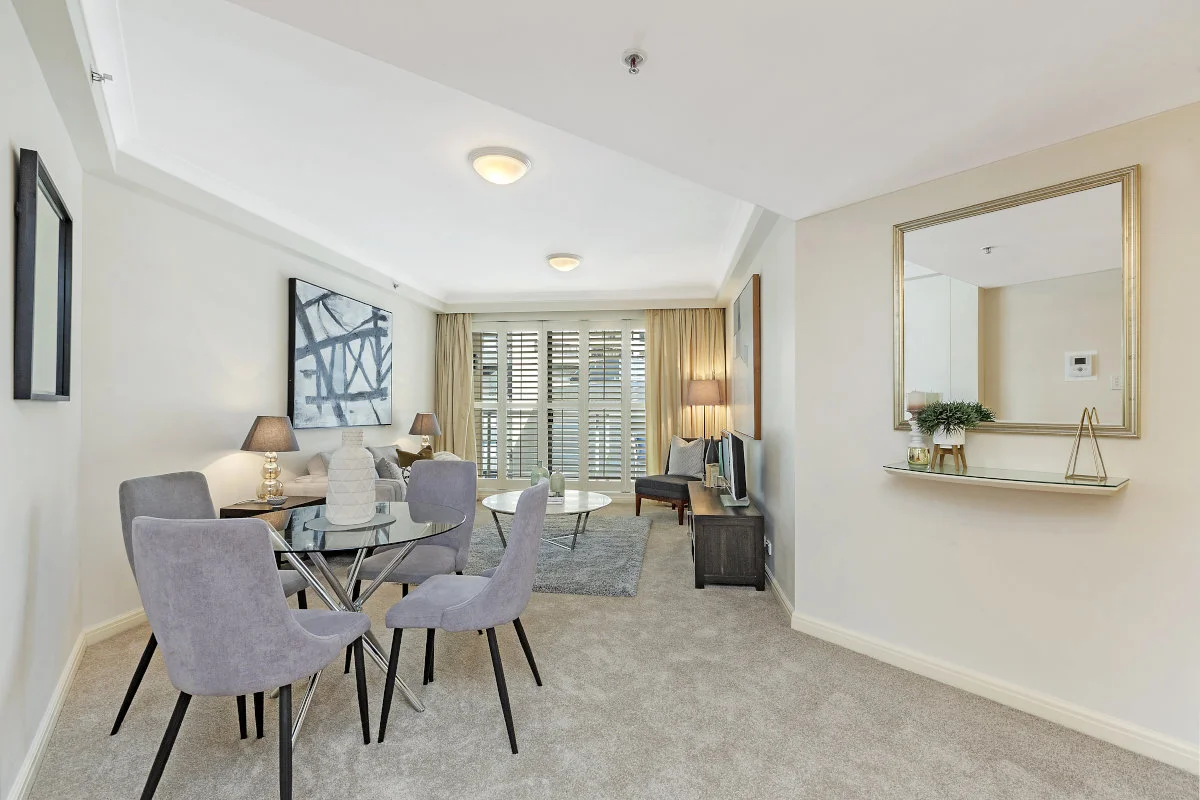 $660,000 - $725,000
Apartment / Unit / Flat
$660,000 - $725,000
Apartment / Unit / Flat
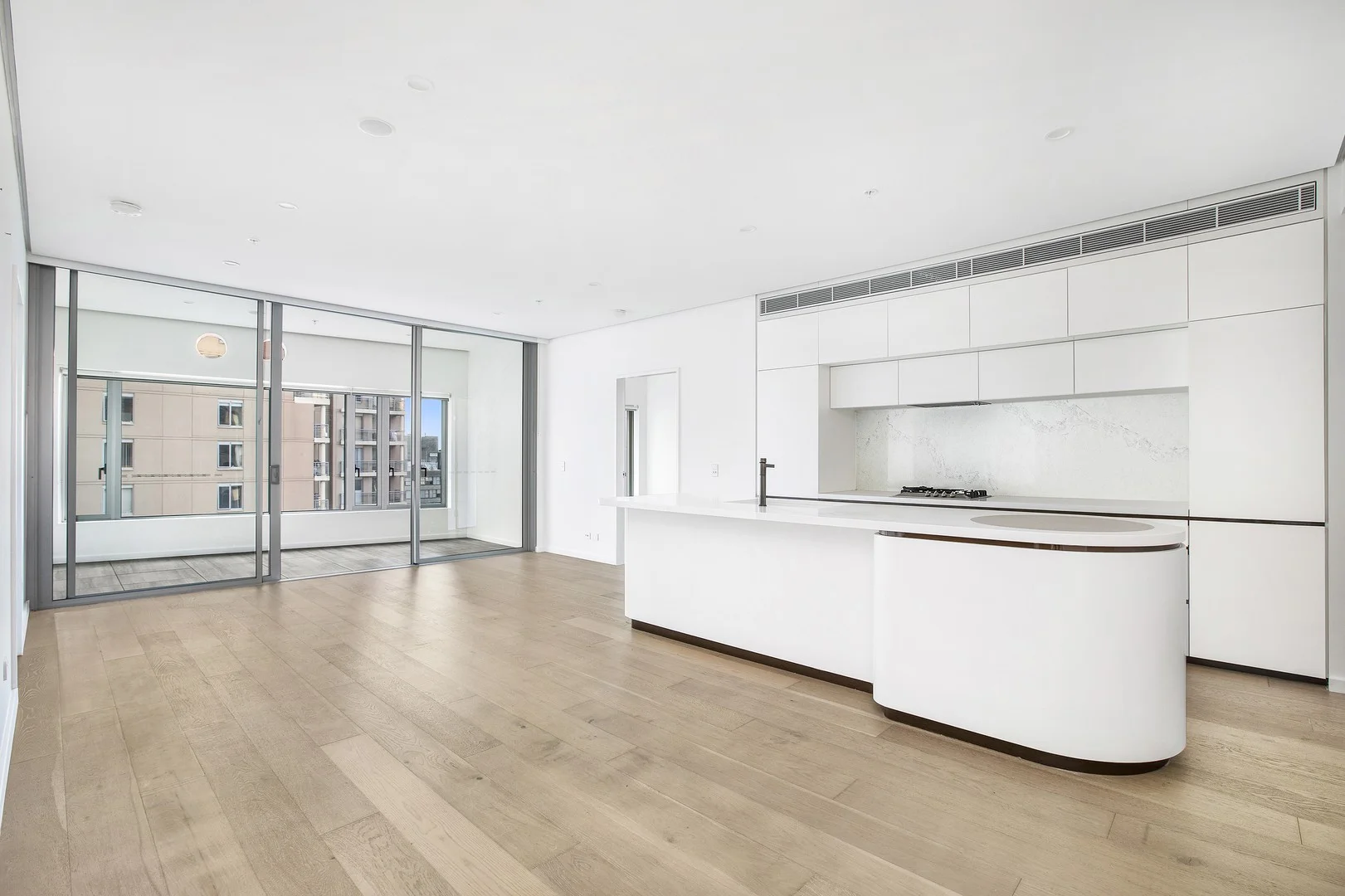 $2,250,000
Apartment / Unit / Flat
$2,250,000
Apartment / Unit / Flat
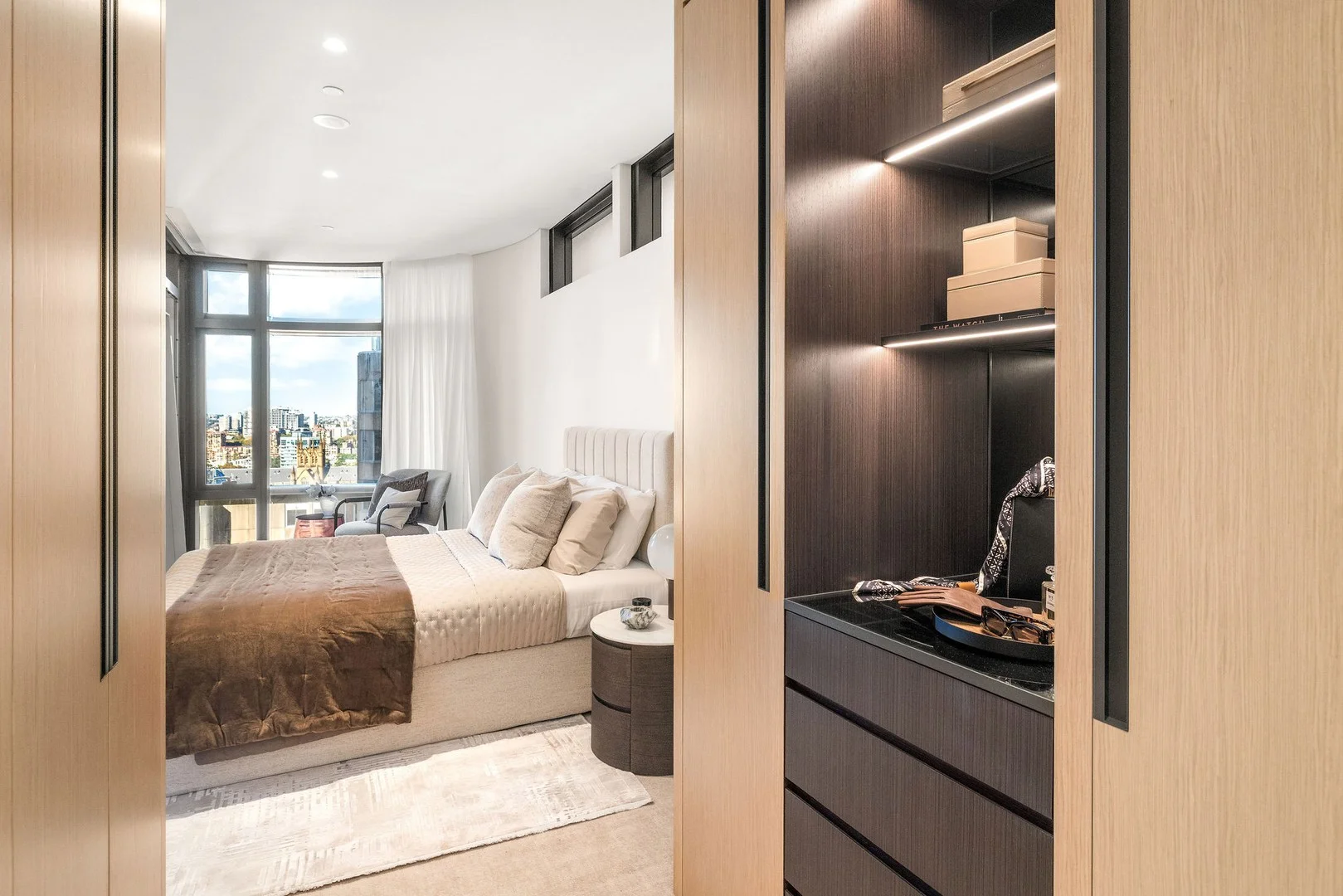 $2,745,000
propertyType.NEW APARTMENTS / OFF THE PLAN
$2,745,000
propertyType.NEW APARTMENTS / OFF THE PLAN
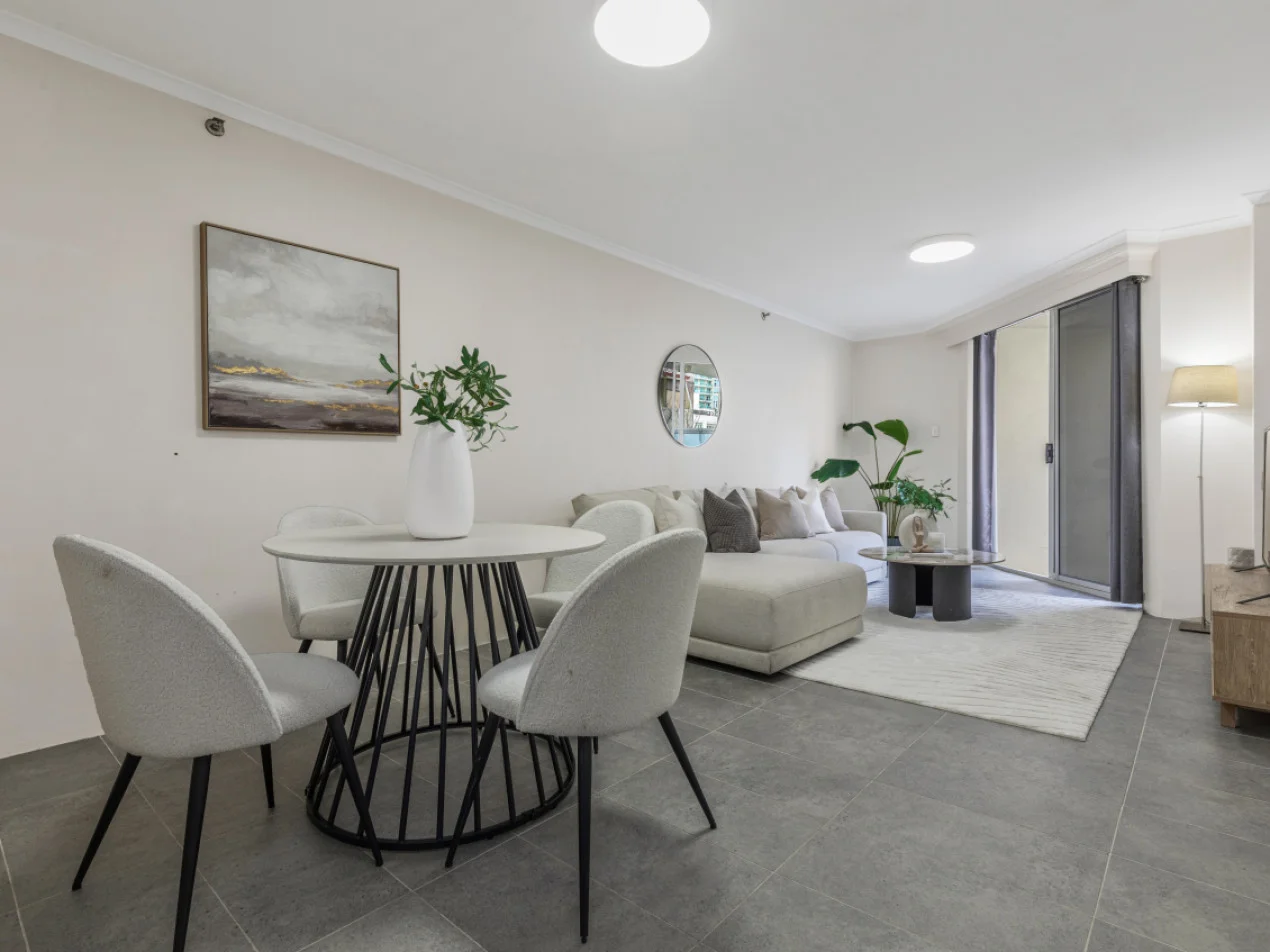 $640,000 - $675,000
Apartment / Unit / Flat
$640,000 - $675,000
Apartment / Unit / Flat
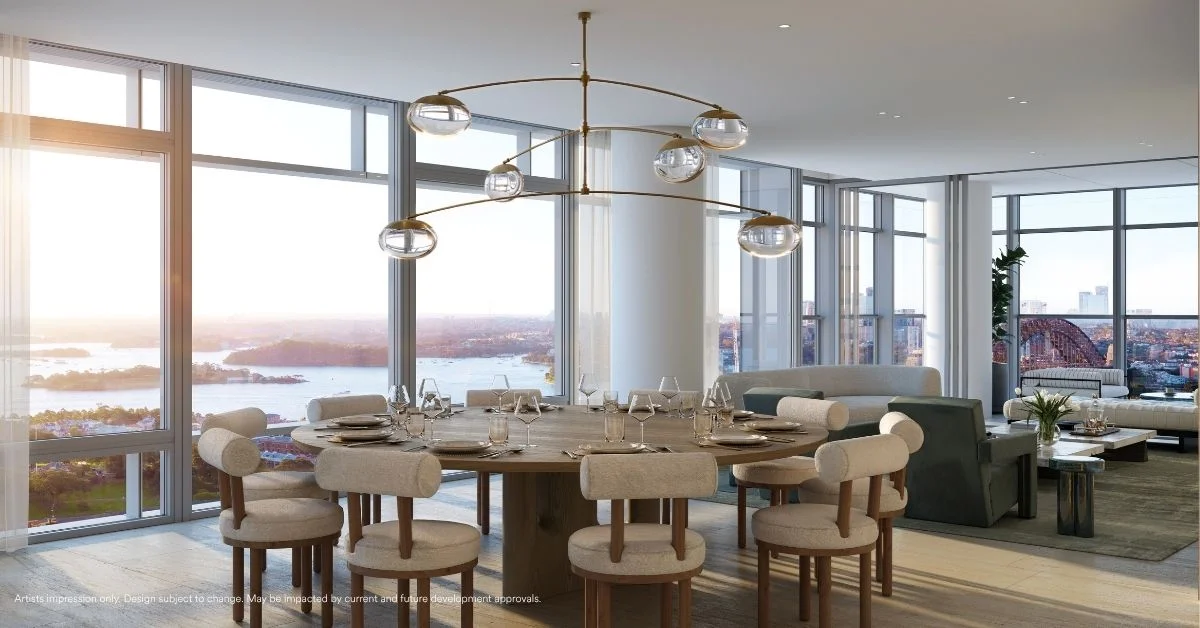 $26,550,000
propertyType.NEW APARTMENTS / OFF THE PLAN
$26,550,000
propertyType.NEW APARTMENTS / OFF THE PLAN
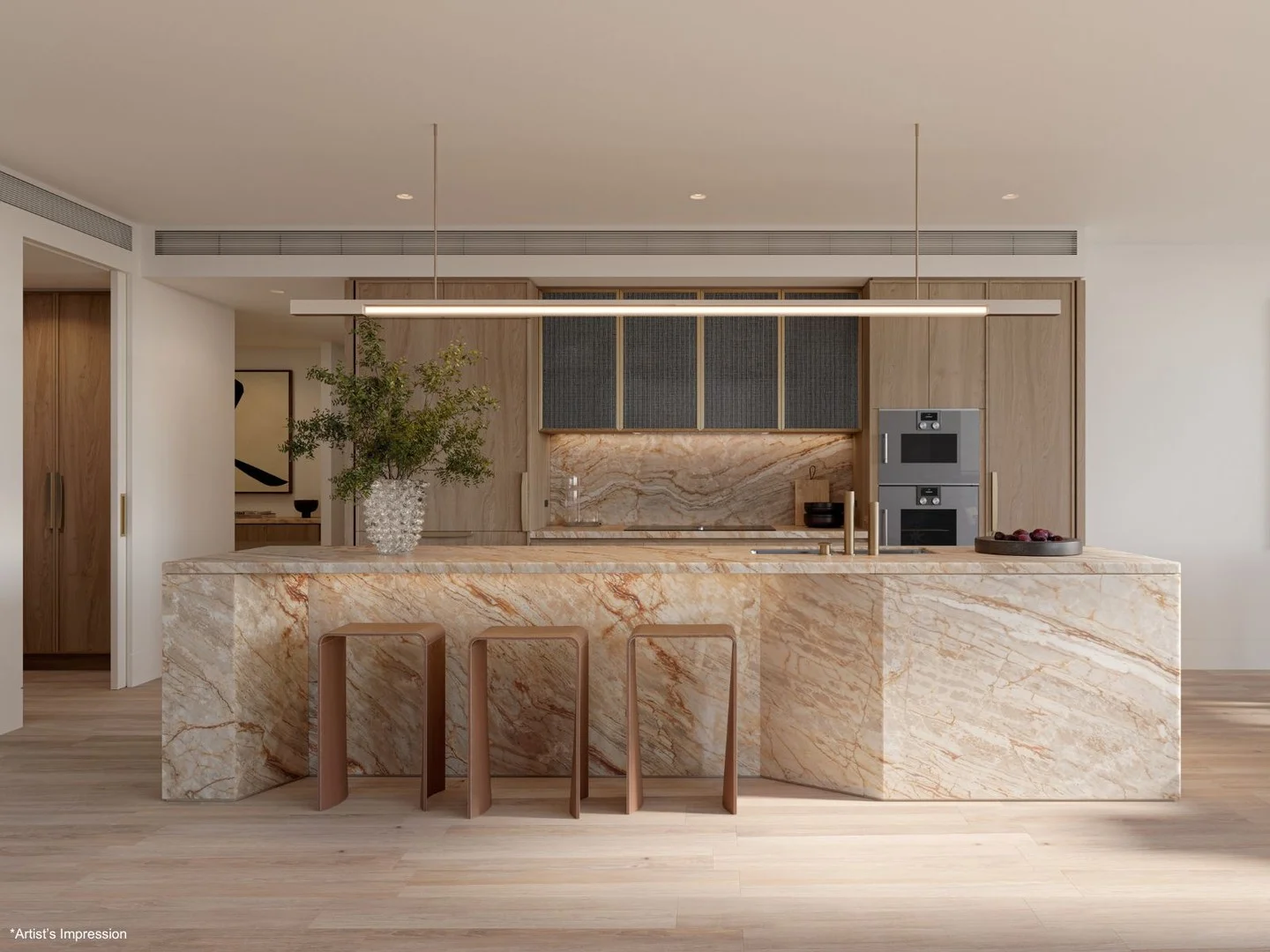 $6,225,000
propertyType.NEW APARTMENTS / OFF THE PLAN
$6,225,000
propertyType.NEW APARTMENTS / OFF THE PLAN
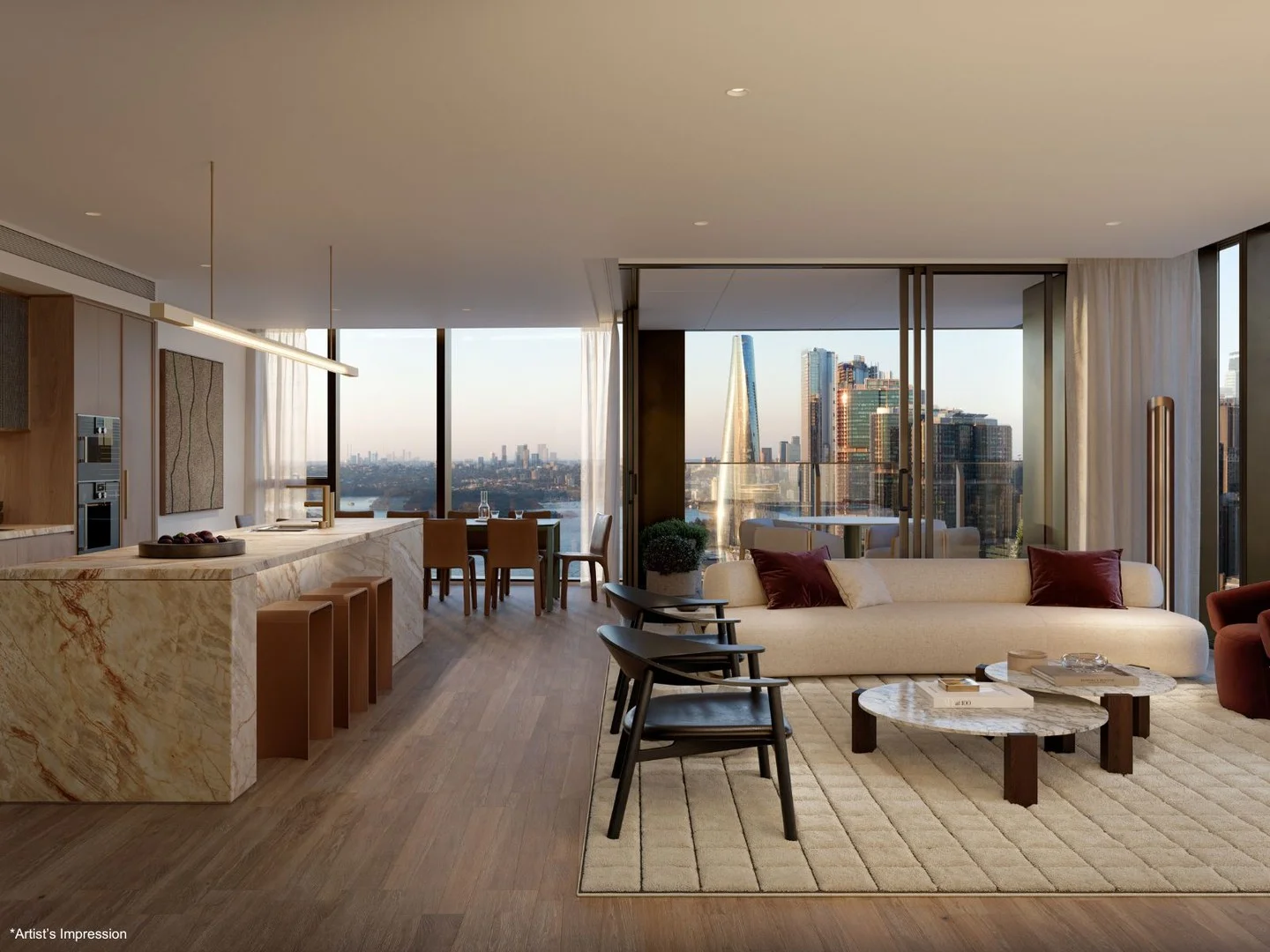 $12,980,000
propertyType.NEW APARTMENTS / OFF THE PLAN
$12,980,000
propertyType.NEW APARTMENTS / OFF THE PLAN
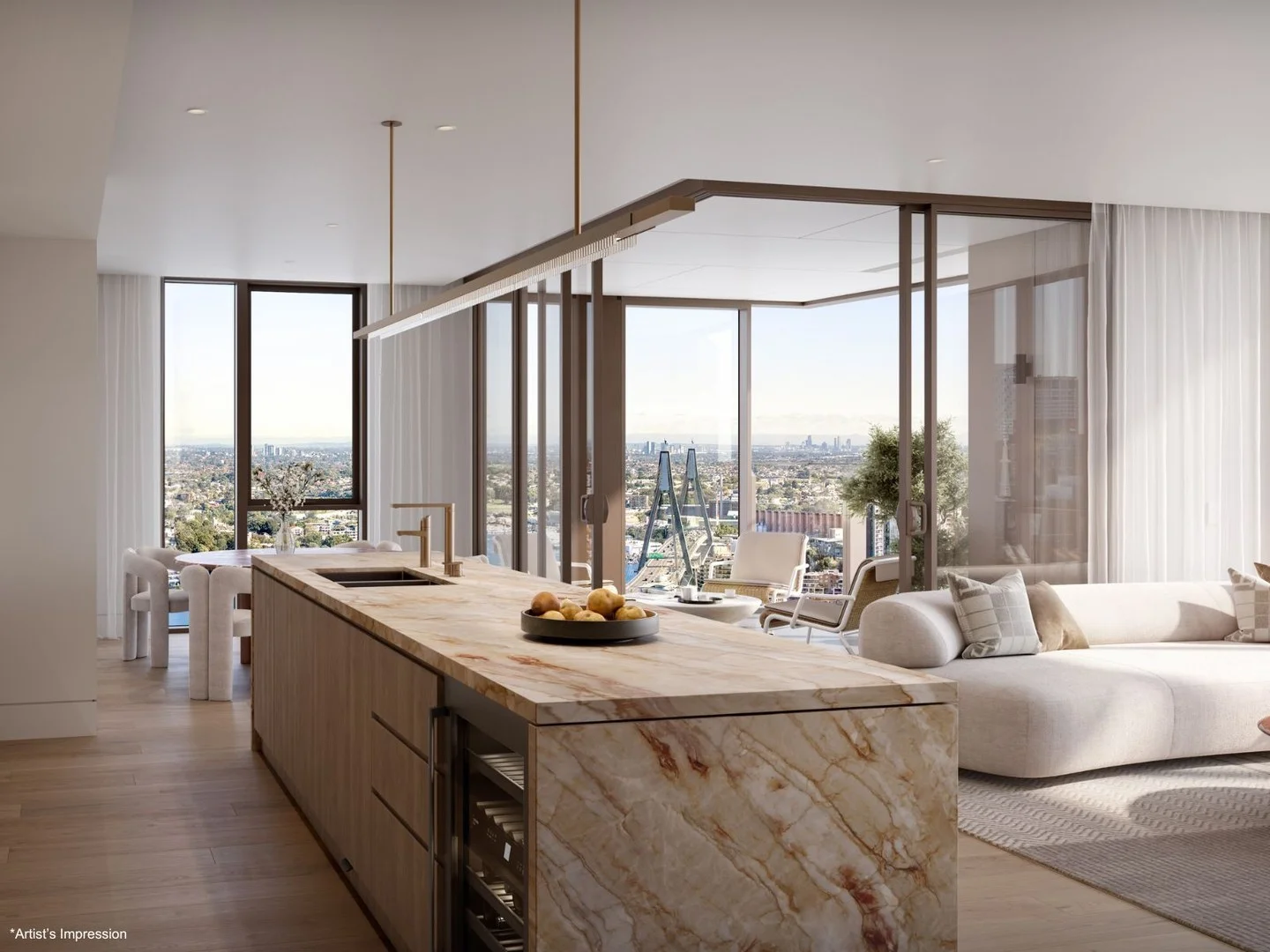 $9,020,000
propertyType.NEW APARTMENTS / OFF THE PLAN
$9,020,000
propertyType.NEW APARTMENTS / OFF THE PLAN
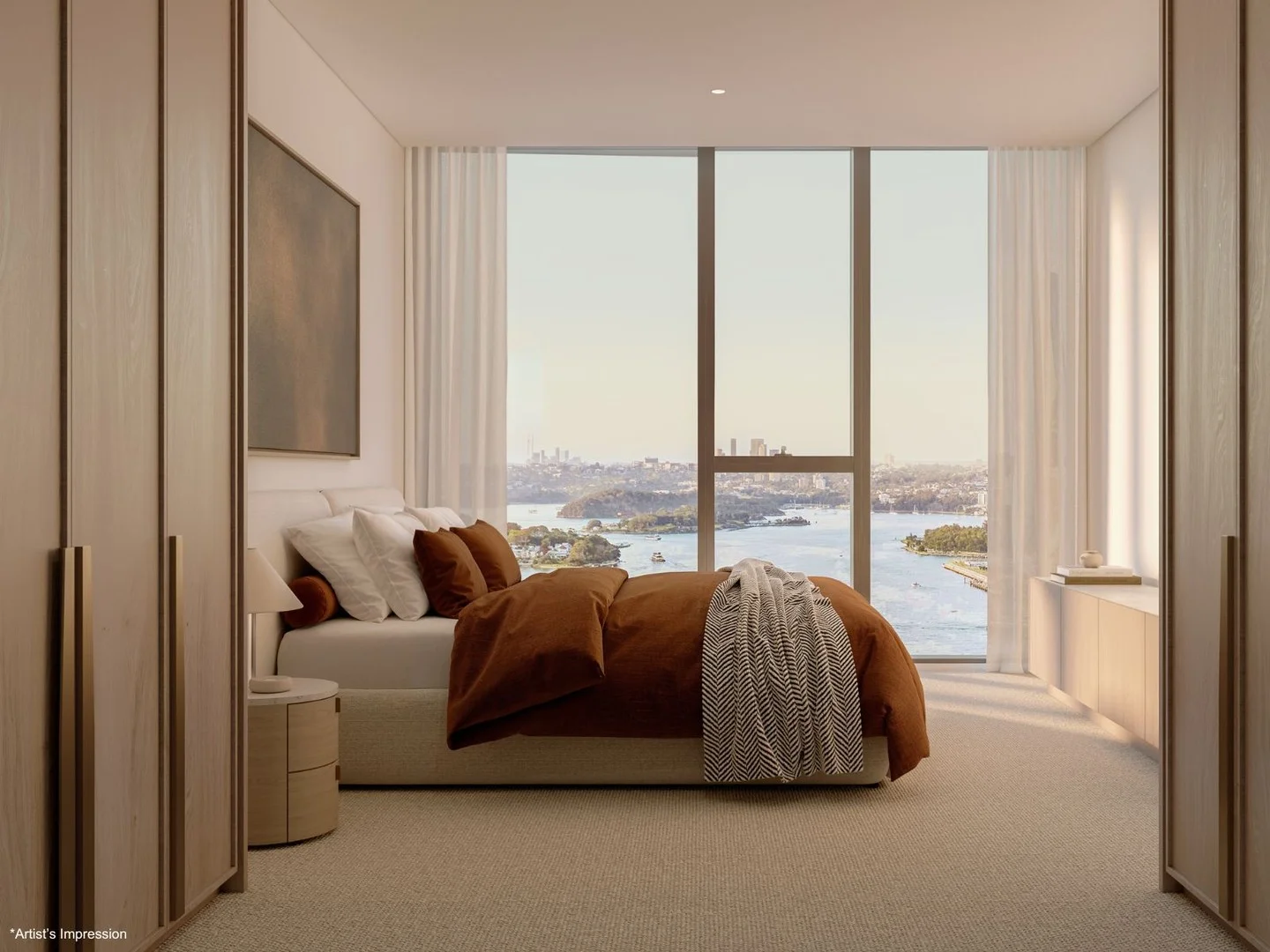 $8,630,000
propertyType.NEW APARTMENTS / OFF THE PLAN
$8,630,000
propertyType.NEW APARTMENTS / OFF THE PLAN


