1. Overview
St Scholastica's College, Glebe is an independent Catholic day school for girls, offering secondary education with a strong emphasis on academic excellence, leadership, and service. The college combines traditional values with contemporary learning, fostering a nurturing and inclusive culture where students are encouraged to think critically, contribute to their communities, and pursue personal growth.
The school is medium-sized with classes that typically sit in the mid-range for Australian independent schools. Students can expect a supportive environment where teachers know their names, work closely with families, and emphasise both scholastic achievement and well-rounded development. Class sizes are generally in the small-to-mid range, helping to support individual attention and collaboration.
⸻
2. Academics & Learning
- Academic strengths: English, humanities, sciences, and languages are central priorities, with additional focus on leadership skills and critical thinking.
- Special programs: Gifted and Talented opportunities and accelerated/enrichment options are commonly available, along with structured HSC preparation and robust curriculum planning.
- NAPLAN / Ofsted trends: Consistent performance above state averages with positive trends in reading, writing, and numeracy over time, reflecting strong teaching and student support.
- Student-teacher ratios: Typical ratios in the low-to-mid teens for year levels, with smaller class sizes during key subjects to support discussion and feedback.
- Support for diverse learners: EAL support, differentiated instruction, and dedicated SEN/coordinated learning support to help all students access the curriculum and achieve their goals.
⸻
3. Sports & Extracurricular Strengths
- Sports offered: Netball, basketball, soccer, tennis, hockey, athletics, swimming and other team and individual activities.
- Strong teams or achievements: Competitive senior programs with established teams across major NSW competitions and interschool events.
- Music, arts, drama programs: Active music ensembles, choir, drama productions, and performing arts opportunities.
- Clubs: Robotics, chess, coding, debating, public speaking, and other academic or creative clubs.
- Partnerships: Local athletic associations, arts festivals, interschool competitions, and collaboration with community arts and STEM programs.
⸻
4. Wellbeing & Pastoral Care
- Anti-bullying approach: Clear policies and proactive education around respectful relationships and student wellbeing.
- House system: A House-based structure supports mentoring, pastoral care, competitions, and belonging.
- Counsellors / wellbeing officers: On-site counsellors and wellbeing staff provide ongoing support for students and families.
- Transition support for new students: Orientation programs, buddy systems, and tailored transition assistance help newcomers settle in smoothly.
⸻
5. Facilities
- Sports grounds: On-site courts and fields suitable for a range of team sports.
- Libraries: Modern library and study spaces with resources for research and quiet study.
- Science labs: Well-equipped laboratories for biology, chemistry, physics, and experimental learning.
- Music/performing arts centers: Dedicated spaces for concerts, rehearsals, and drama.
- Tech/innovation labs: Contemporary technology and digital fabrication spaces to support STEAM learning.
- Cafeteria: On-site dining facilities with a variety of healthy options.
- Updated playgrounds: Well-maintained outdoor spaces aligned with campus safety standards.
⸻
6. School Values & Community Culture
- School values / mission: Catholic ethos guided by service, integrity, respect, and compassion; emphasis on social justice and community involvement.
- Leadership style: Inclusive and student-facing leadership; opportunities for student voice, leadership roles, and collaborative decision-making.
- Behaviour expectations: Clear codes of conduct, respectful interactions, and accountability aligned with the school’s values.
- Community reputation: Strong ties to the local community and a reputation for supportive staff, engaged parents, and active alumnae networks.
- Diversity & inclusion: Commitment to welcoming students from diverse backgrounds and providing an inclusive learning environment.
⸻
7. School Logistics & Daily Operations
- School hours: Typical daytime schedule with start in the morning and afternoon finish, aligned to NSW school timetables.
- Before/after school care: Availability of supervised care options before or after school hours.
- Uniform requirements: Formal school uniform and sports uniform as part of daily routines.
- Transport (train/bus routes): Accessible by public transport; nearby train lines and bus routes with school coordination for safe arrivals and departures.
- Canteen availability: On-site canteen or meal service options for students.
- Fees (low/medium/high ranges): Fees are in the higher range typical of private independent schools in the area, with transparent information available through enrolment processes.
⸻
8. Enrolment & Admissions
11. What is the enrolment process and timeline?
- Apply through the school’s enrolments process, submit the required documents, and participate in any assessment or interview as part of the entry consideration. Timelines generally run on an annual cycle with notification of offers prior to the start of the next school year.
12. Is there a waiting list, and how does it work?
- There may be a waiting list when intake is full. Placement often depends on date of application, interview outcomes, and space availability; families may be kept informed about their position.
13. Are there any entry requirements, tests, or interviews?
- Entry typically involves an interview and may include discussions of academic ability and personal fit with the school’s values. Some cohorts may require assessments or documentation as part of the enrolment process.
14. Does the school accept mid-year transfers?
- Mid-year transfers may be possible if space is available; the process includes submission of transcripts, seminar or interviews as needed, and alignment with the current academic timetable.
⸻
9. Frequently Asked Questions
- Why Parents Choose This School?
- A balance of strong academics, supportive pastoral care, and values-driven education in a welcoming, inclusive environment.
- What type of student thrives at this school?
- Motivated, community-minded girls who value both scholastic achievement and personal growth, with a readiness to participate in leadership and service.
- What opportunities are available for students to extend their skills (academics, sports, arts)?
- Enrichment and accelerated learning options, diverse clubs and teams, performing arts, and competitions in academics and sports.
- How does the school communicate with parents?
- Regular newsletters, parent portals, emails, parent-teacher interviews, and annual reports; updates about events and student progress are common.
- What is the school’s approach to teaching and learning?
- Student-centred, inquiry-based learning that integrates technology and supports diverse learners with differentiated instruction.
- How does the school support students who need extra academic help?
- Dedicated learning support, EAL assistance, SEN coordination, tutoring options, and targeted interventions as needed.
- What support is available for academic challenges?
- Access to counsellors, subject-specific tutors, and structured plans to address challenges and set remediation or extension goals.
- How does the school communicate with parents? (Repeated)
- See above: portals, newsletters, interviews, and timely updates on student progress.
- What are the class sizes and how much individual attention do students receive?
- Class sizes are typically small-to-mid, with opportunities for individual feedback, differentiated instruction, and teacher support.
- What extracurricular and sports opportunities are available?
- A broad range of sports, music, arts, debating, robotics, chess, coding, and other clubs to suit varied interests.
- What facilities does the school offer (sports, science, arts)?
- Comprehensive facilities including sports grounds, libraries, science labs, performing arts spaces, and technology labs.
- What is the school’s approach to technology and digital learning?
- Integrated digital learning with up-to-date resources, computer labs or devices, and a learning management system to support coursework.
- What transport and accessibility options are available?
- Public transport access and school-supported arrangements; designated access options and safe student transport practices.
- What are the typical school fees or additional costs?
- Fees reflect the private independent school category; families should refer to the enrolment information for current fee ranges and any additional costs (uniforms, excursions, etc.).
⸻
10. Short Pros & Cons list
Pros
- Catholic, values-driven education with strong community and pastoral care
- Balanced focus on academics, leadership, and service
- Supportive learning environment with small-to-mid class sizes
- Wide range of extracurriculars, arts, and sports
- Modern facilities and engaging teaching with emphasis on inclusion
Cons
- Fees are higher than public options and some other schools
- Competitive admissions with high demand can mean waiting lists
- Large enough to be busy; some students may prefer a smaller school community
- Transport options rely on public routes in the Glebe area, which may involve commutes for some families
⸻

 $60+
$60+










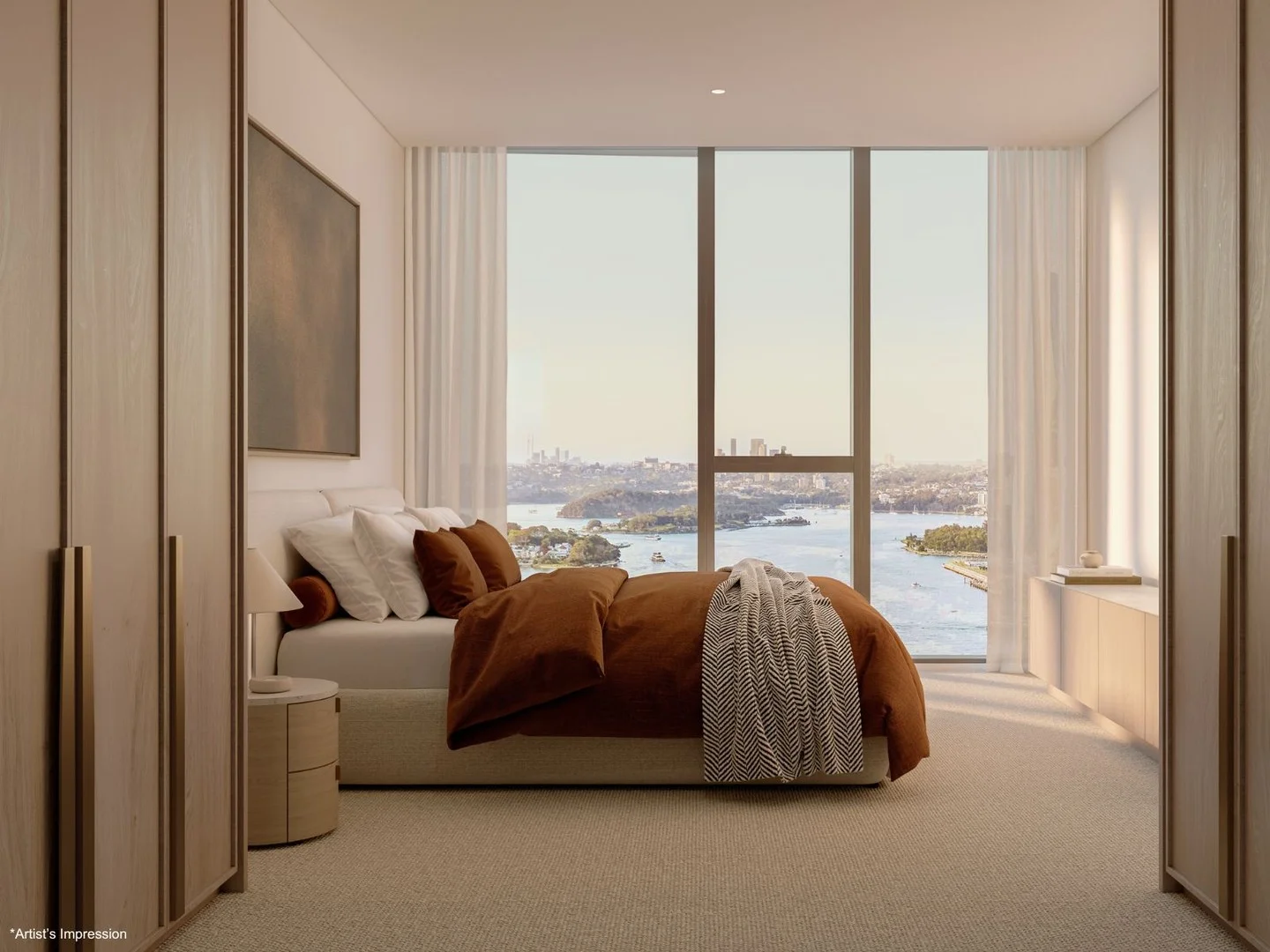 $8,630,000
propertyType.NEW APARTMENTS / OFF THE PLAN
$8,630,000
propertyType.NEW APARTMENTS / OFF THE PLAN
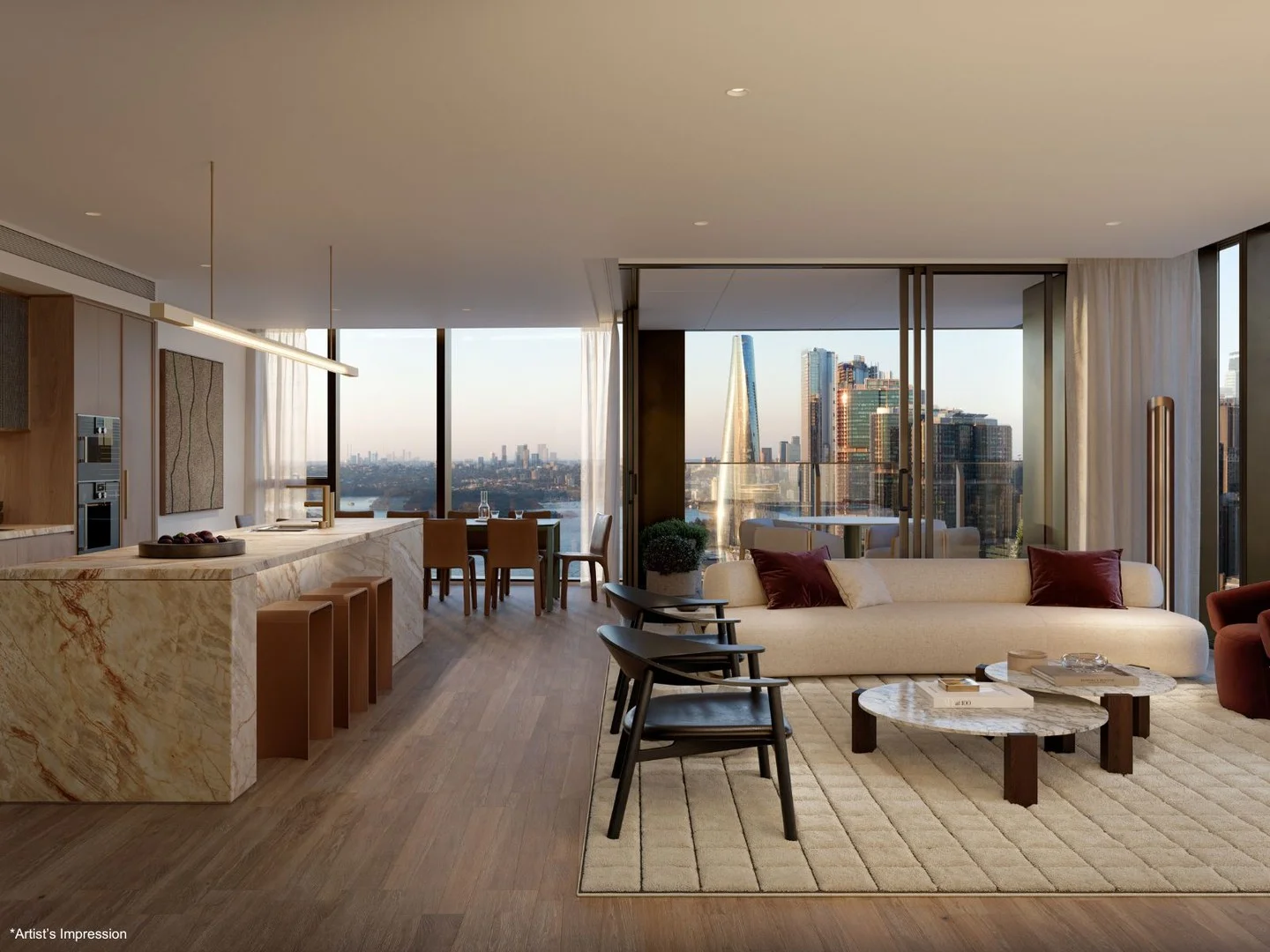 $12,980,000
propertyType.NEW APARTMENTS / OFF THE PLAN
$12,980,000
propertyType.NEW APARTMENTS / OFF THE PLAN
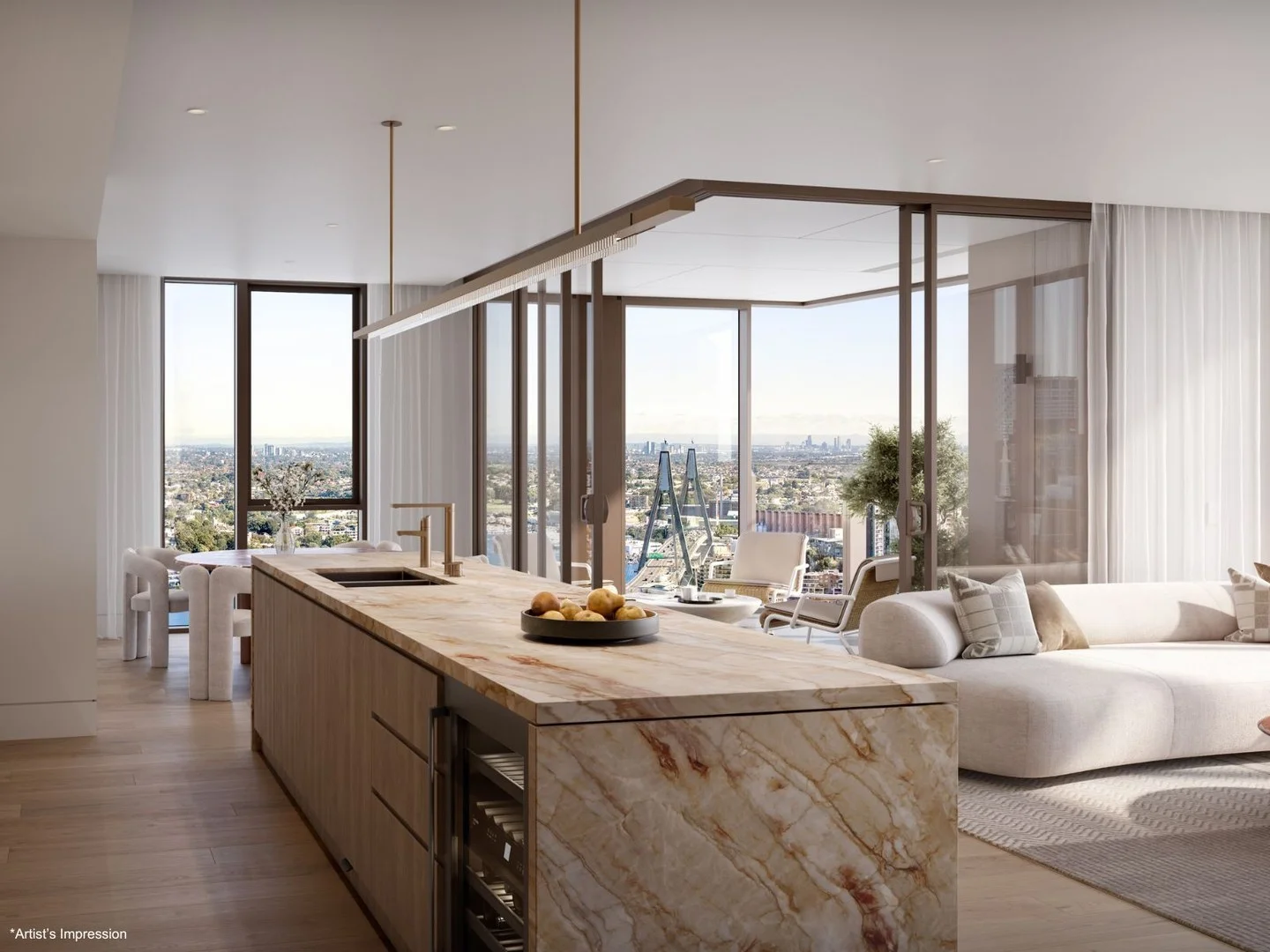 $9,020,000
propertyType.NEW APARTMENTS / OFF THE PLAN
$9,020,000
propertyType.NEW APARTMENTS / OFF THE PLAN
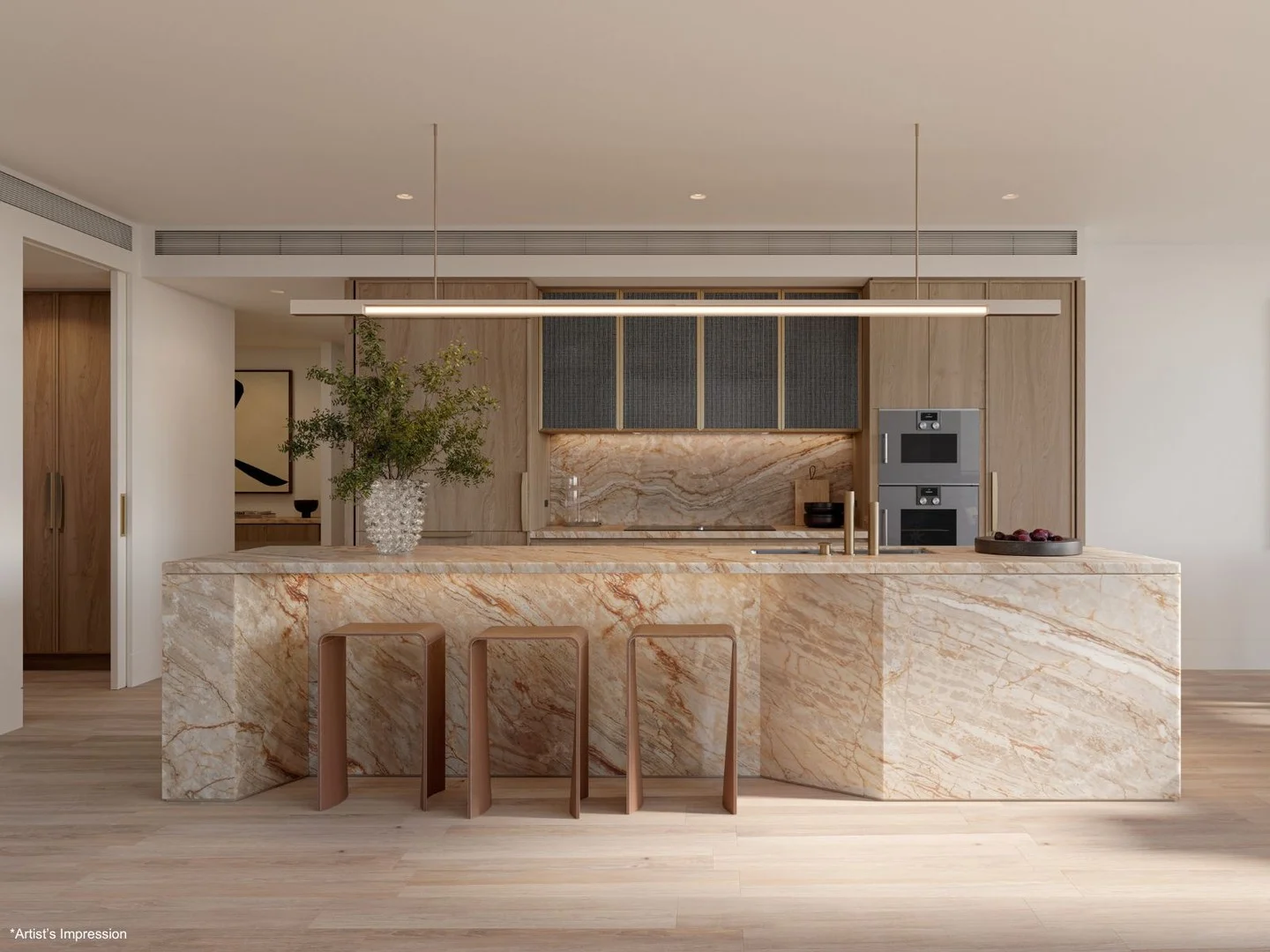 $6,225,000
propertyType.NEW APARTMENTS / OFF THE PLAN
$6,225,000
propertyType.NEW APARTMENTS / OFF THE PLAN
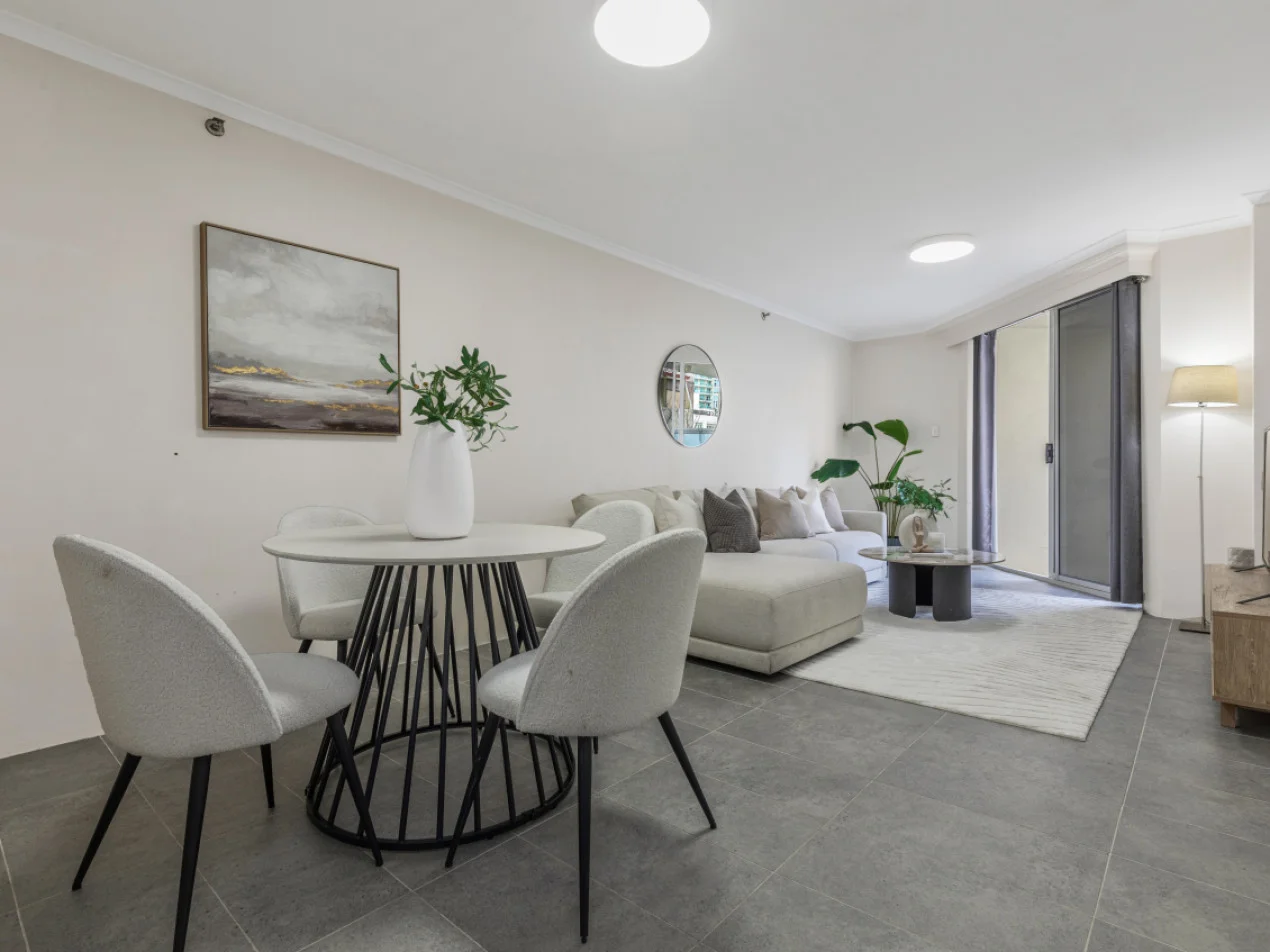 $640,000 - $675,000
Apartment / Unit / Flat
$640,000 - $675,000
Apartment / Unit / Flat
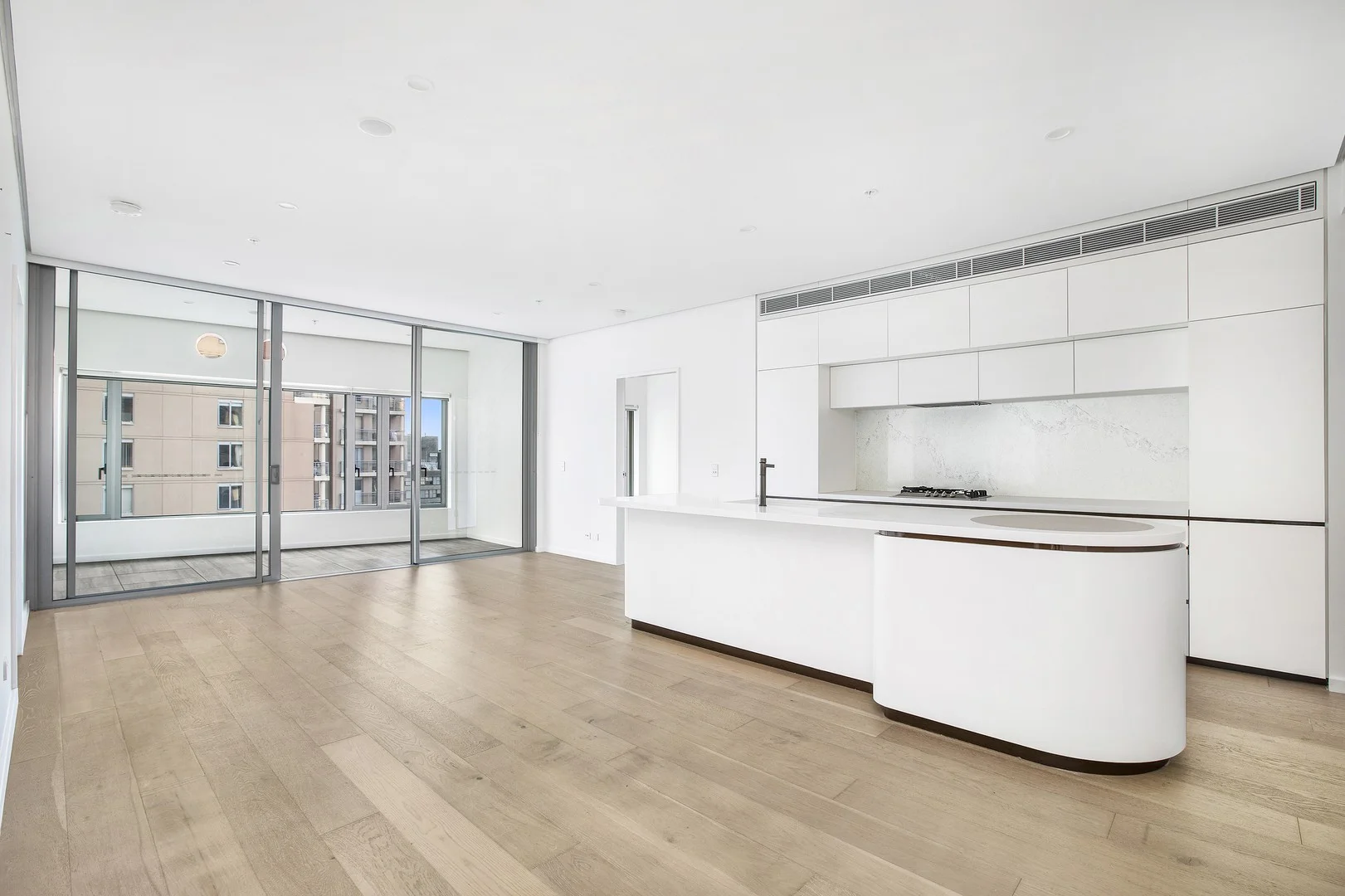 $2,250,000
Apartment / Unit / Flat
$2,250,000
Apartment / Unit / Flat
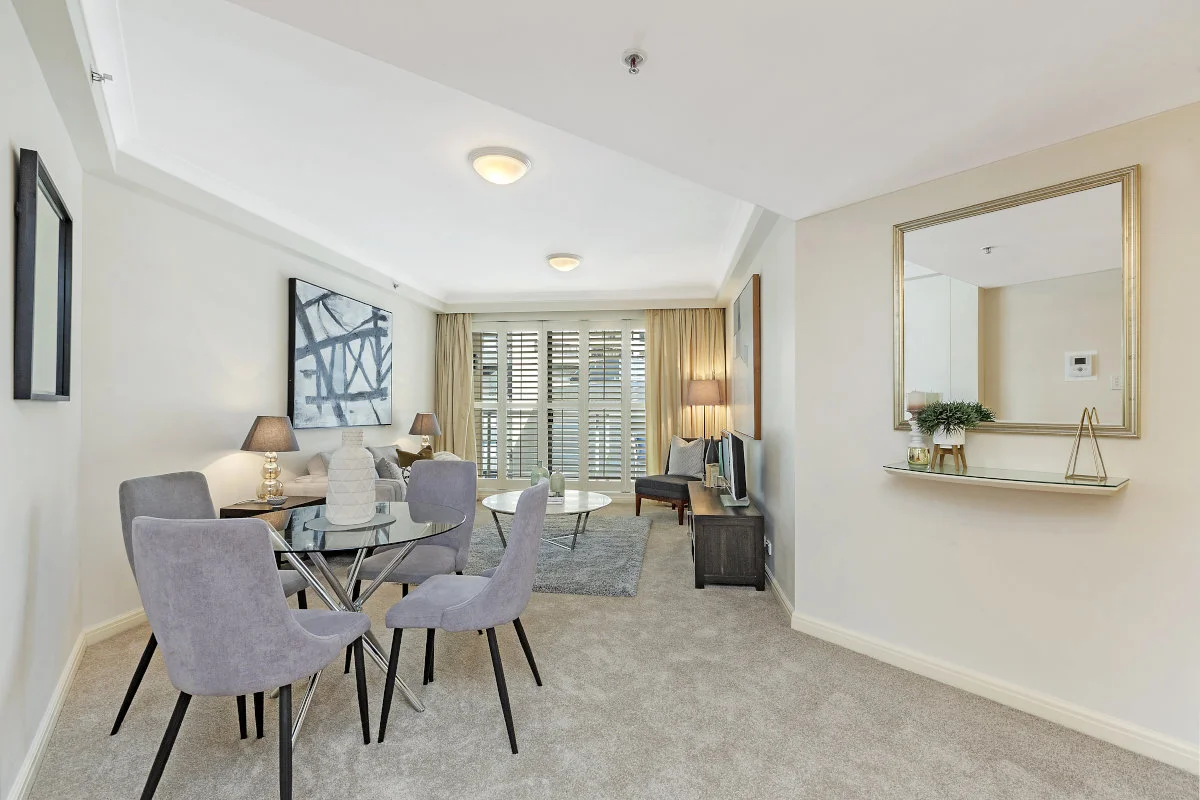 $660,000 - $725,000
Apartment / Unit / Flat
$660,000 - $725,000
Apartment / Unit / Flat
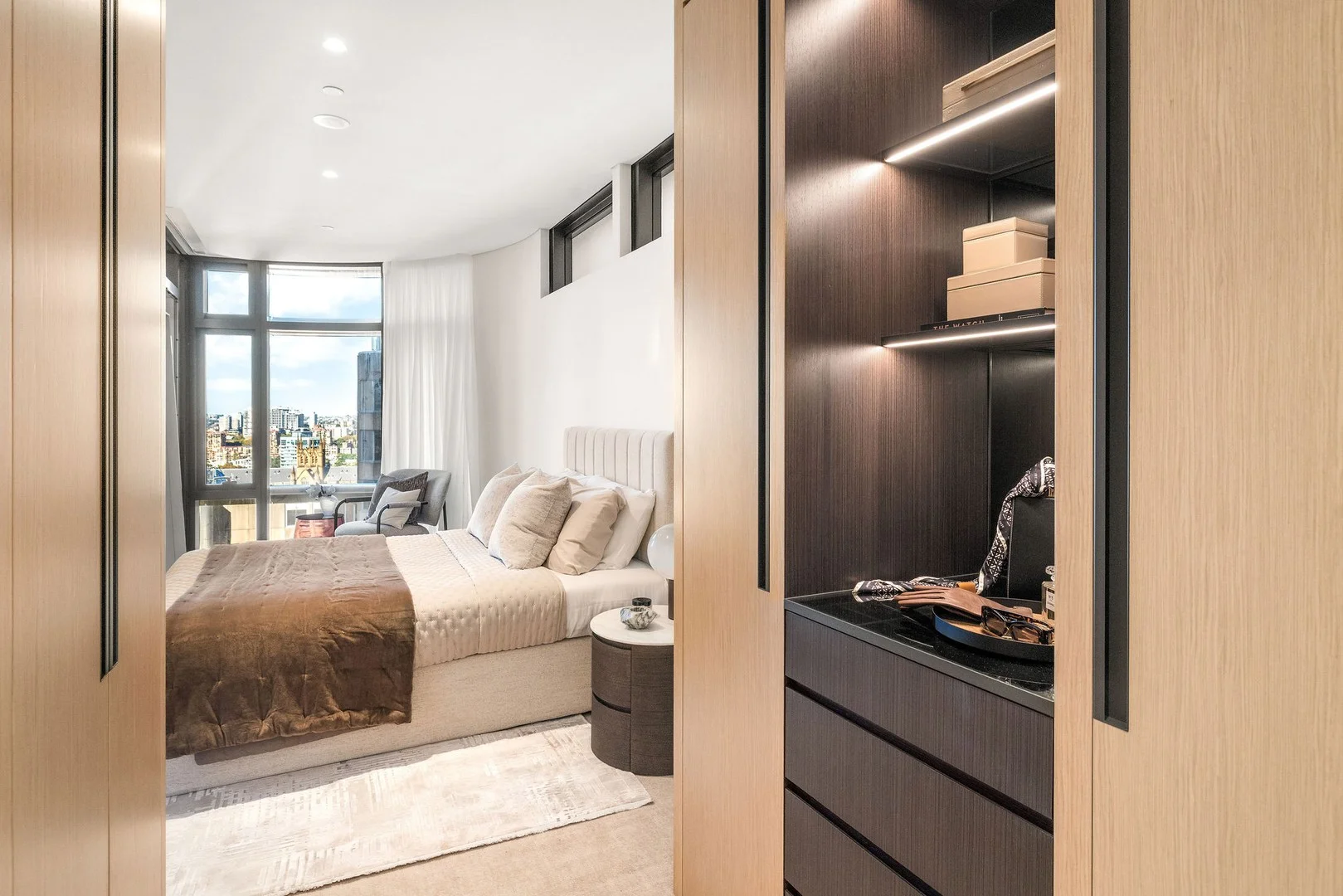 $2,745,000
propertyType.NEW APARTMENTS / OFF THE PLAN
$2,745,000
propertyType.NEW APARTMENTS / OFF THE PLAN
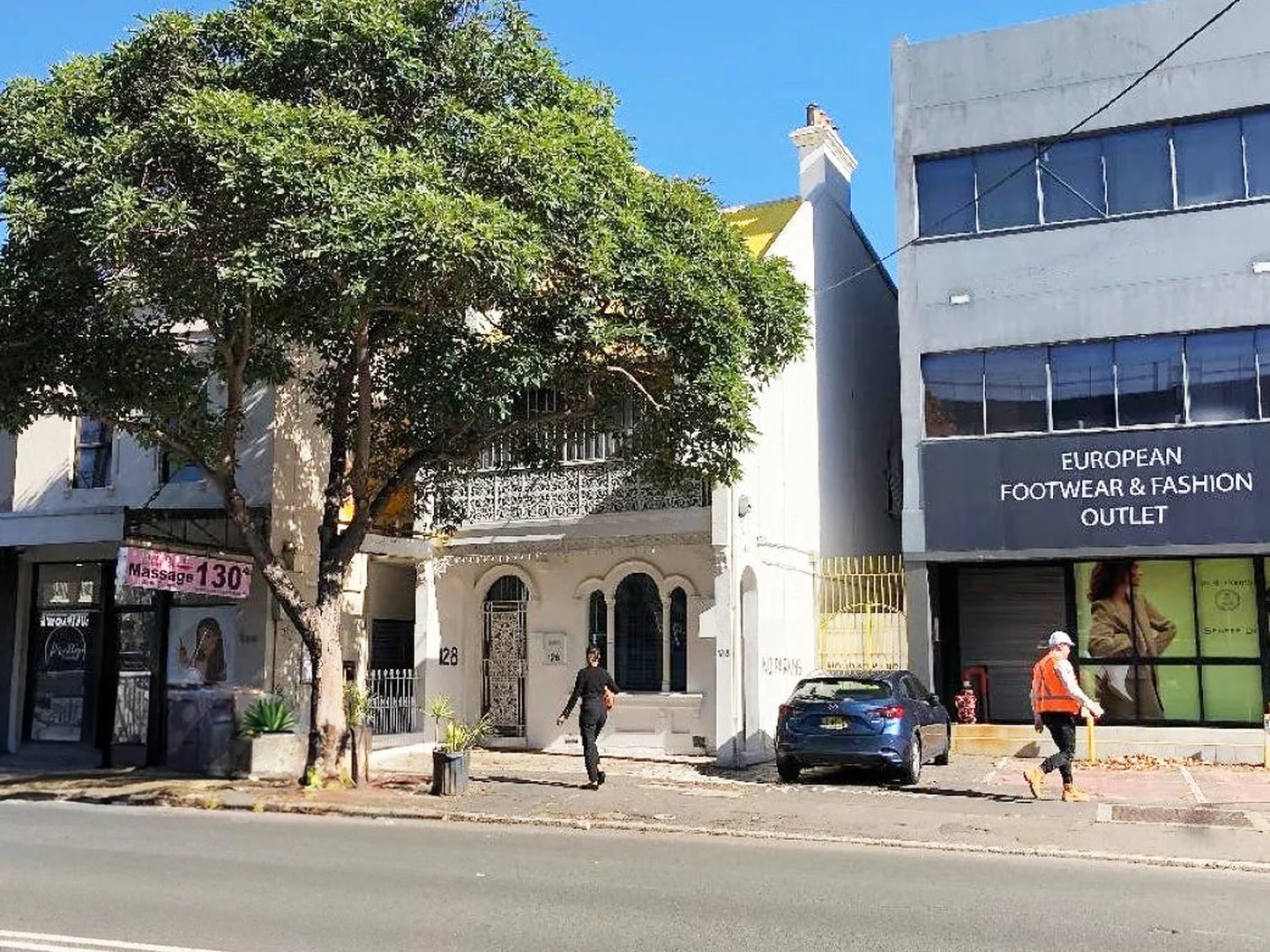 $3,900,000
House
$3,900,000
House


