1. Overview (1–2 paragraphs max)
Sydney Technical High School is a public, co-educational high school with a strong emphasis on science, technology, engineering and mathematics. As a NSW selective high school, it attracts motivated students and offers a rigorous, academically focused environment that prioritises inquiry, problem-solving and leadership.
The school is medium-sized with class sizes typically in the mid-20s. The atmosphere blends high academic expectations with a supportive, inclusive culture that values curiosity, collaboration and student achievement across a broad range of interests.
⸻
2. Academics & Learning
• Academic strengths: STEM disciplines, English and literacy, leadership development, and language studies. The school places emphasis on analytical thinking, rigorous coursework and research-based projects.
• Special programs: Accelerated/extension learning and gifted & talented initiatives; opportunities for deep dives into STEM topics and cross-curricular projects.
• NAPLAN / trends: Consistently strong performance with trends showing above-state benchmarks over recent years, reflecting a stable level of high achievement and continuous improvement.
• Student-teacher ratios: Small-to-medium class sizes with dedicated teachers; typical NSW high school ranges apply, supporting meaningful teacher-student interaction and feedback.
• Support for diverse learners: Strong EAL (English as an Additional Language) support, inclusive education approaches, and dedicated SEN staff to assist students with varying learning needs.
⸻
3. Sports & Extracurricular Strengths
• Sports offered: A broad program including athletics, basketball, cricket, football (soccer), rugby, netball, swimming, tennis and more, with opportunities to compete in inter-school and regional events.
• Strong teams or achievements: Competitive inter-school teams with ongoing participation in district-level competitions; emphasis on teamwork, discipline and resilience.
• Music, arts, drama programs: Active music ensembles and drama productions; opportunities to perform in school and community venues.
• Clubs: Robotics, chess, coding, debating, mathematics/STEM clubs and other student-led activities to broaden skills and interests.
• Partnerships: Connections with local clubs, technology and coding organizations, and regional competitions that provide extra opportunities to excel outside the classroom.
⸻
4. Wellbeing & Pastoral Care
• Anti-bullying approach: Clear anti-bullying policies, proactive education and a culture of respect and inclusion.
• House system: House-based pastoral support structure to foster belonging, leadership, and positive social interactions across year groups.
• Counsellors / wellbeing officers: Access to school counsellors and wellbeing staff to support academic, emotional and social needs.
• Transition support for new students: Orientation activities, buddy systems and targeted transition programs to help new students settle in smoothly.
⸻
5. Facilities
• Sports grounds: Well-maintained outdoor areas and facilities to support physical education and sport.
• Libraries: Well-stocked libraries with study spaces and research resources.
• Science labs: Fully equipped laboratories to support practical experiments and investigations.
• Music/performing arts centers: Dedicated spaces for music and drama rehearsals and performances.
• Tech/innovation labs: Modern tech and STEM facilities to support coding, robotics and engineering projects.
• Cafeteria: On-site cafeteria offering a range of healthy meal options.
• Updated playgrounds: Safe, age-appropriate outdoor spaces for recreation and socialising.
⸻
6. School Values & Community Culture
• School values / mission: Commitment to academic excellence, integrity, respect, collaboration and inclusion.
• Leadership style: Collaborative and student-inclusive, with opportunities for student voice through leadership positions and committees.
• Behaviour expectations: Clear codes of conduct emphasizing respect, responsibility and positive engagement.
• Community reputation: Strong reputation for high academic achievement, supportive learning environment and a commitment to inclusivity.
• Diversity & inclusion: Active efforts to foster a diverse and inclusive community where all students can thrive.
⸻
7. School Logistics & Daily Operations
• School hours: Typical day starts in the morning and ends in the mid to late afternoon (exact times published by the school each year).
• Before/after school care: OSHC or school-approved care options may be available through external providers; check with the school for current offerings.
• Uniform requirements: School uniform mandated, with seasonal adjustments (summer and winter uniforms) and guidelines on neatness and presentation.
• Transport (train/bus routes): Accessible by public transport; various bus routes and nearby train stations support student travel.
• Canteen availability: On-site canteen or food service options available during the school day.
• Fees (low/medium/high ranges): As a public school, there are no tuition fees; voluntary contributions and materials/activities charges apply. Overall, costs are typically considered low to medium compared with private options.
⸻
8. Enrolment & Admissions
11. What is the enrolment process and timeline?
- Enrolment for Year 7 entry typically follows the NSW Department of Education selective high school admissions process. Applications are submitted through the department’s workflow, with a testing phase and a formal offers timeline. Families should monitor the department’s notifications for key dates (application window, test dates, result announcements and offer periods).
12. Is there a waiting list, and how does it work?
- Yes, a waiting list may exist if all places are filled. Offers are made based on ranking from the admission process and availability. Placement from the waiting list occurs as vacancies arise and is managed by the Department of Education in coordination with the school.
13. Are there any entry requirements, tests, or interviews?
- Entry typically requires meeting eligibility for NSW selective high schools and sitting the official selective test administered through ACER. Some programs may involve additional assessment or interviews as part of the selection process.
14. Does the school accept mid-year transfers?
- Mid-year transfers are possible if there is available capacity and alignment with the NSW Department of Education policies. Families should contact the school early to discuss vacancies and the transfer process.
⸻
9. Frequently Ask Questions
• Why Parents Choose This School?
- Strong academic record, STEM emphasis, supportive learning environment, and a selective entry pathway that attracts motivated students.
• What type of student thrives at this school?
- Curious, hardworking students who enjoy challenging coursework, value collaboration and show an interest in STEM, leadership and broader enrichment activities.
• What opportunities are available for students to extend their skills (academics, sports, arts)?
- Advanced STEM modules, accelerated learning options, leadership opportunities, coding/robotics clubs, sports teams and performing arts programs.
• How does the school communicate with parents?
- Regular newsletters, email updates, parent portals, information evenings and notifications for events and important dates.
• What is the school’s approach to teaching and learning?
- Differentiated, inquiry-based instruction with a focus on critical thinking, problem-solving and real-world applications.
• How does the school support students who need extra academic help?
- Targeted tutoring, study support sessions, EAL and SEN services, and individualized learning plans where needed.
• What support is available for academic challenges?
- Access to subject teachers, learning support staff, and opportunities for remediation or extension as appropriate.
• How does the school communicate with parents?
- See above: multiple channels including portals, emails and events.
• What are the class sizes and how much individual attention do students receive?
- Class sizes are in the small-to-mid range for NSW high schools, enabling regular teacher feedback, monitoring and individual support.
• What extracurricular and sports opportunities are available?
- A wide range of sports, music and drama programs, robotics, chess, coding and debating clubs, plus regional competitions and community partnerships.
• What facilities does the school offer (sports, science, arts)?
- Comprehensive facilities including sports grounds, libraries, science labs, performing arts spaces, tech/innovation labs and an on-site canteen.
• What is the school’s approach to technology and digital learning?
- Technology is integrated across the curriculum with dedicated labs and opportunities for coding, robotics and digital projects; devices and BYOD policies are aligned with NSW guidelines.
• What transport and accessibility options are available?
- Accessible by public transport with nearby bus routes and train stations; school facilities and schedules accommodate accessibility needs and practical travel planning.
• What are the typical school fees or additional costs?
- Public school structure with no tuition fees; nominal costs come from voluntary contributions, uniform, and activity-related charges.
⸻
10. Short Pros & Cons list
Pros
- Strong academic and STEM focus with a selective entry pathway
- Supportive, inclusive learning environment
- Broad range of enrichment programs (clubs, sports, arts, leadership)
- Modern facilities and well-equipped learning spaces
- Clear communication with families and active pastoral care
Cons
- Competitive environment may feel intense for some students
- Selective admission means not all applicants can enroll
- Some costs for uniforms, activities and materials beyond standard funding
- Mid-year transfers depend on vacancies and departmental processes
⸻







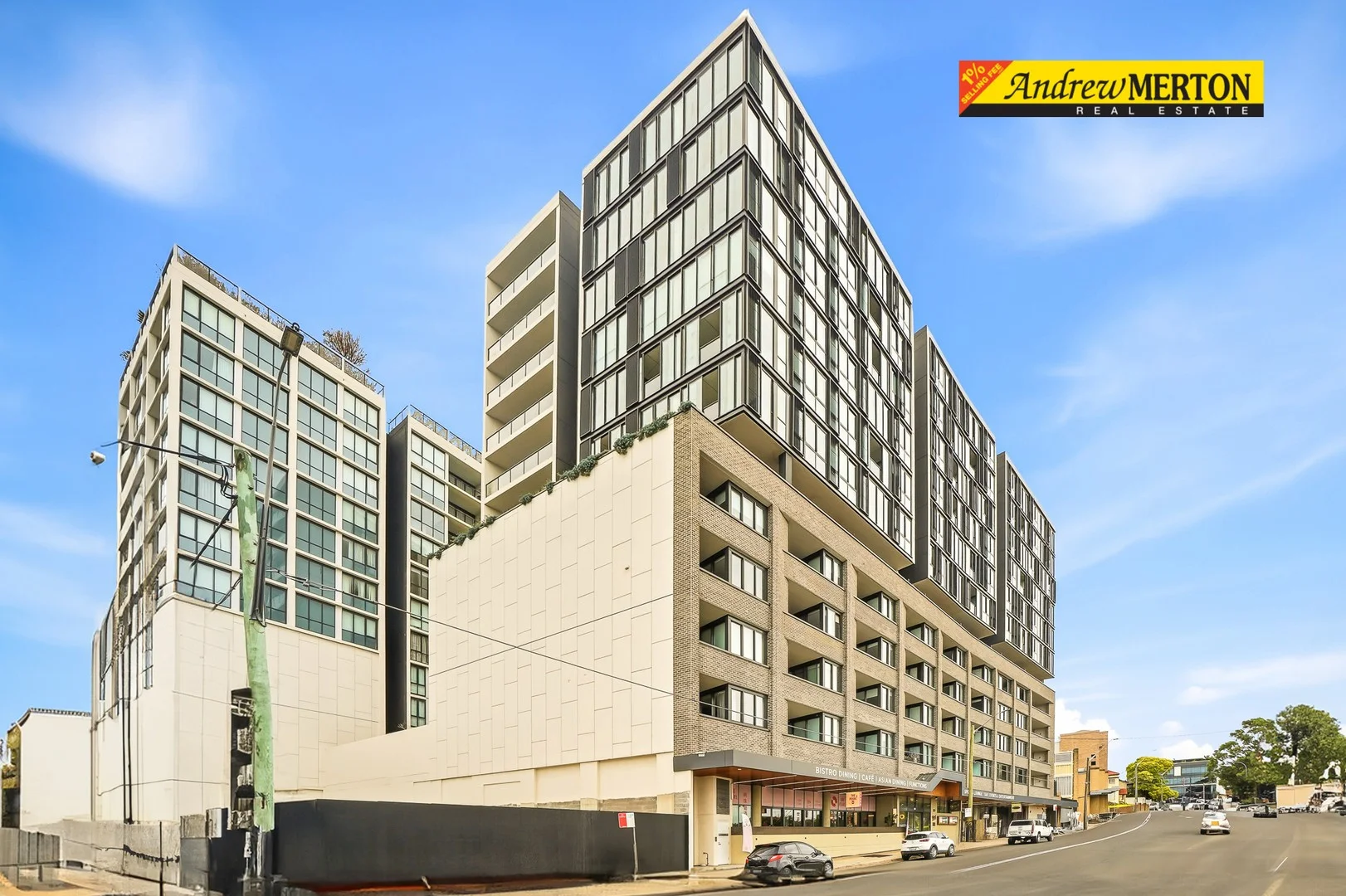 $665,000
Apartment / Unit / Flat
$665,000
Apartment / Unit / Flat
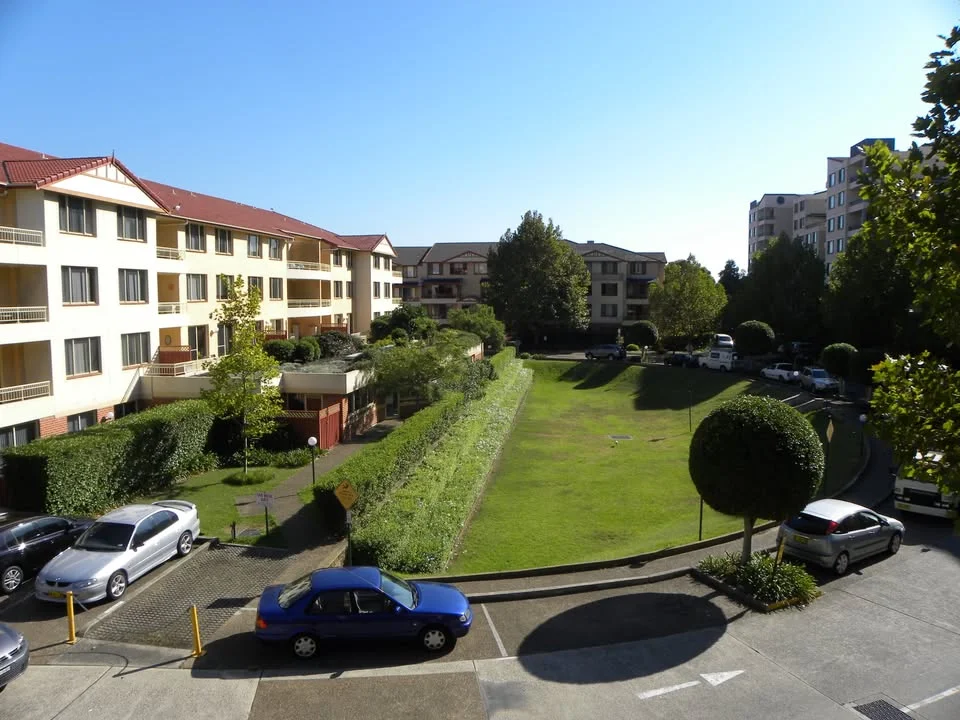 $990
Apartment / Unit / Flat
$990
Apartment / Unit / Flat
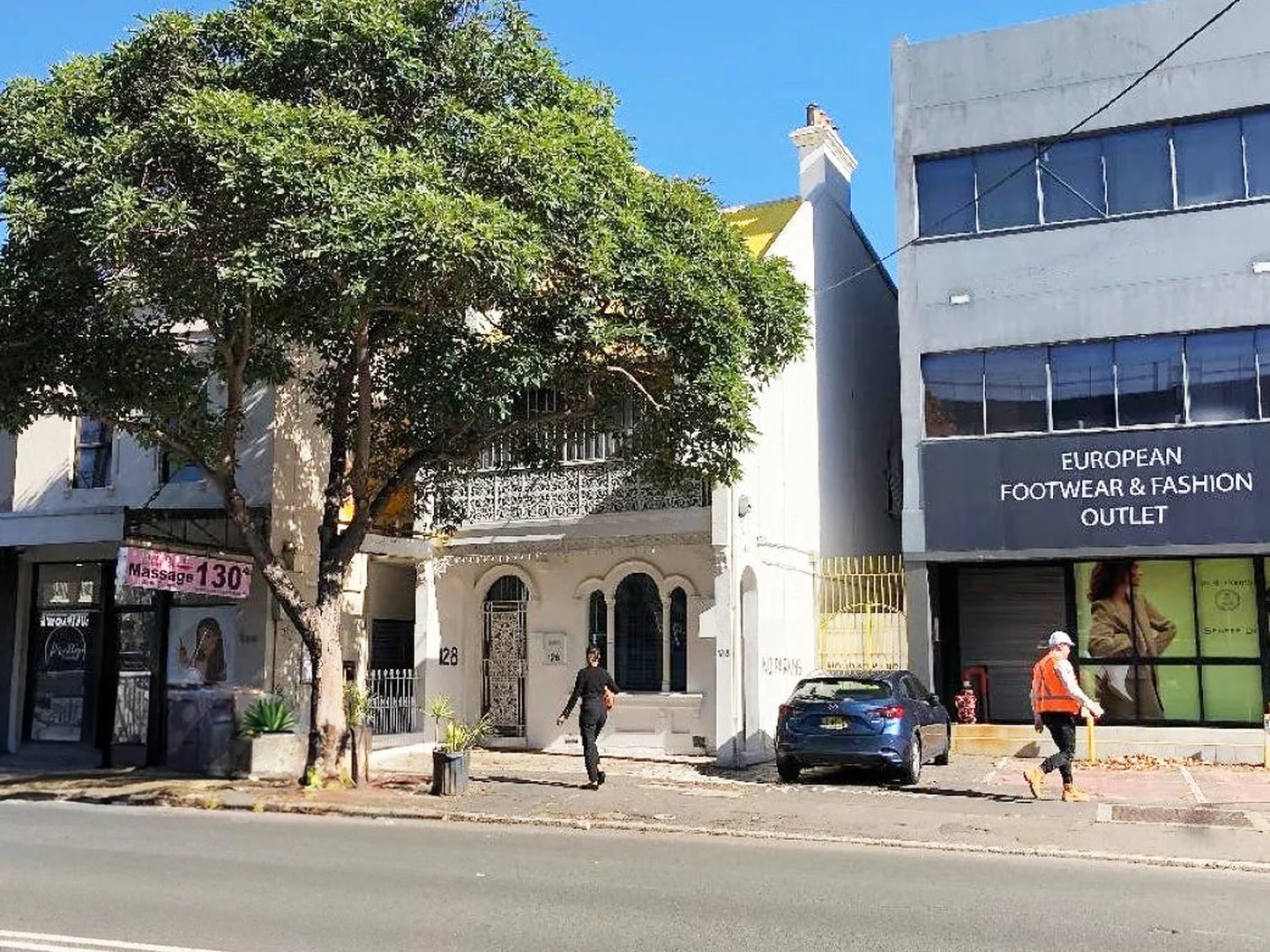 $3,900,000
House
$3,900,000
House
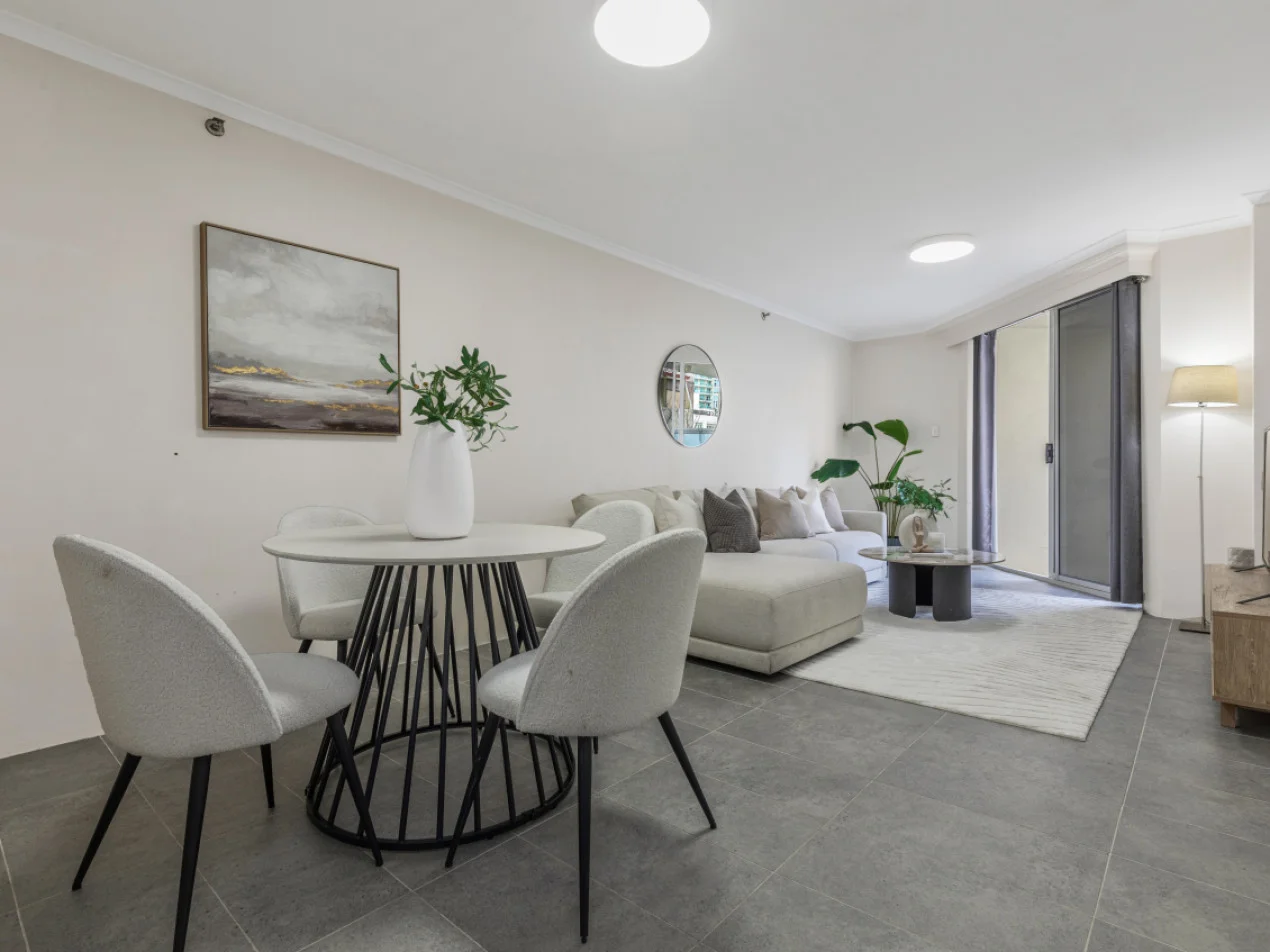 $640,000 - $675,000
Apartment / Unit / Flat
$640,000 - $675,000
Apartment / Unit / Flat
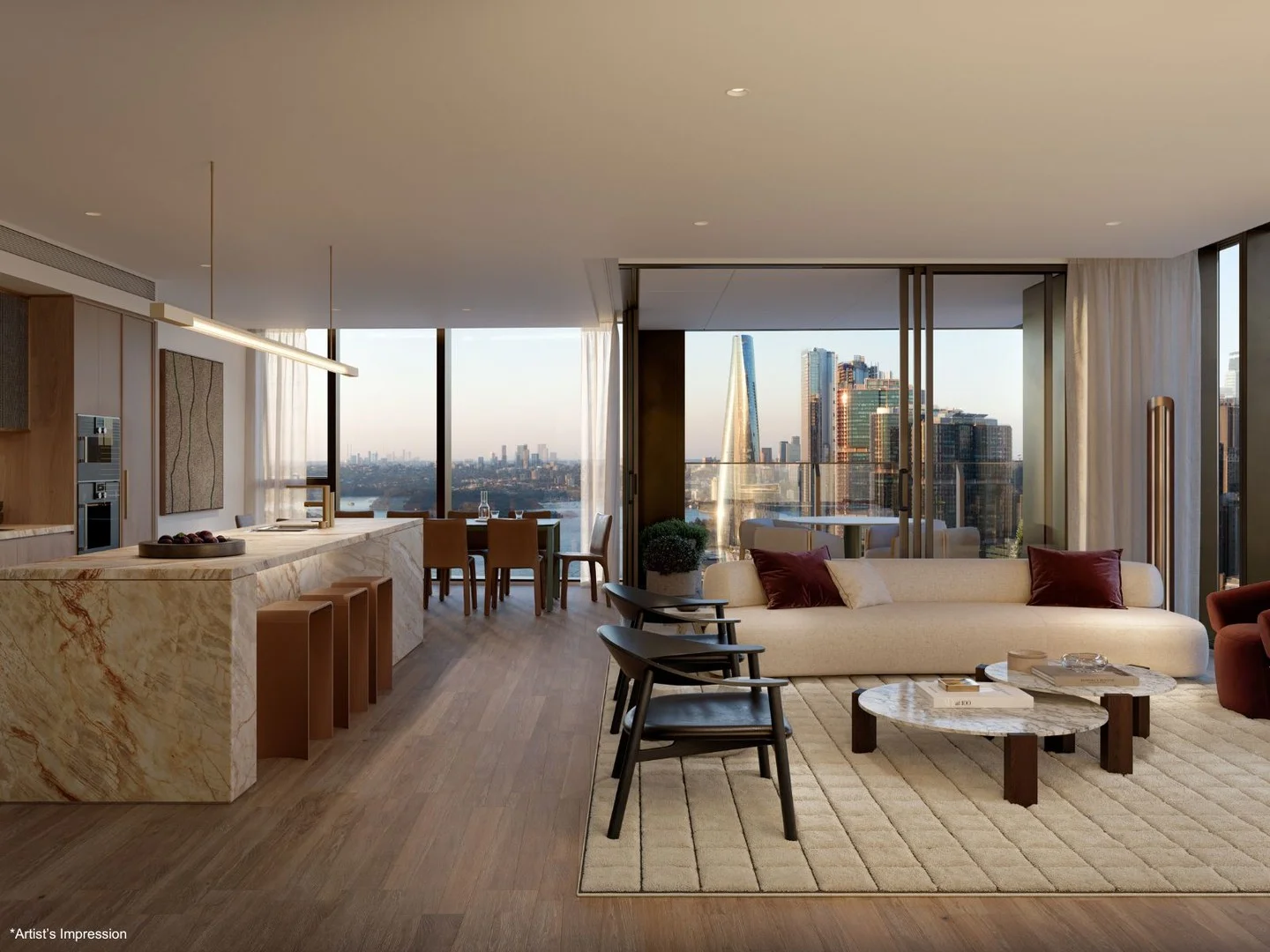 $12,980,000
propertyType.NEW APARTMENTS / OFF THE PLAN
$12,980,000
propertyType.NEW APARTMENTS / OFF THE PLAN
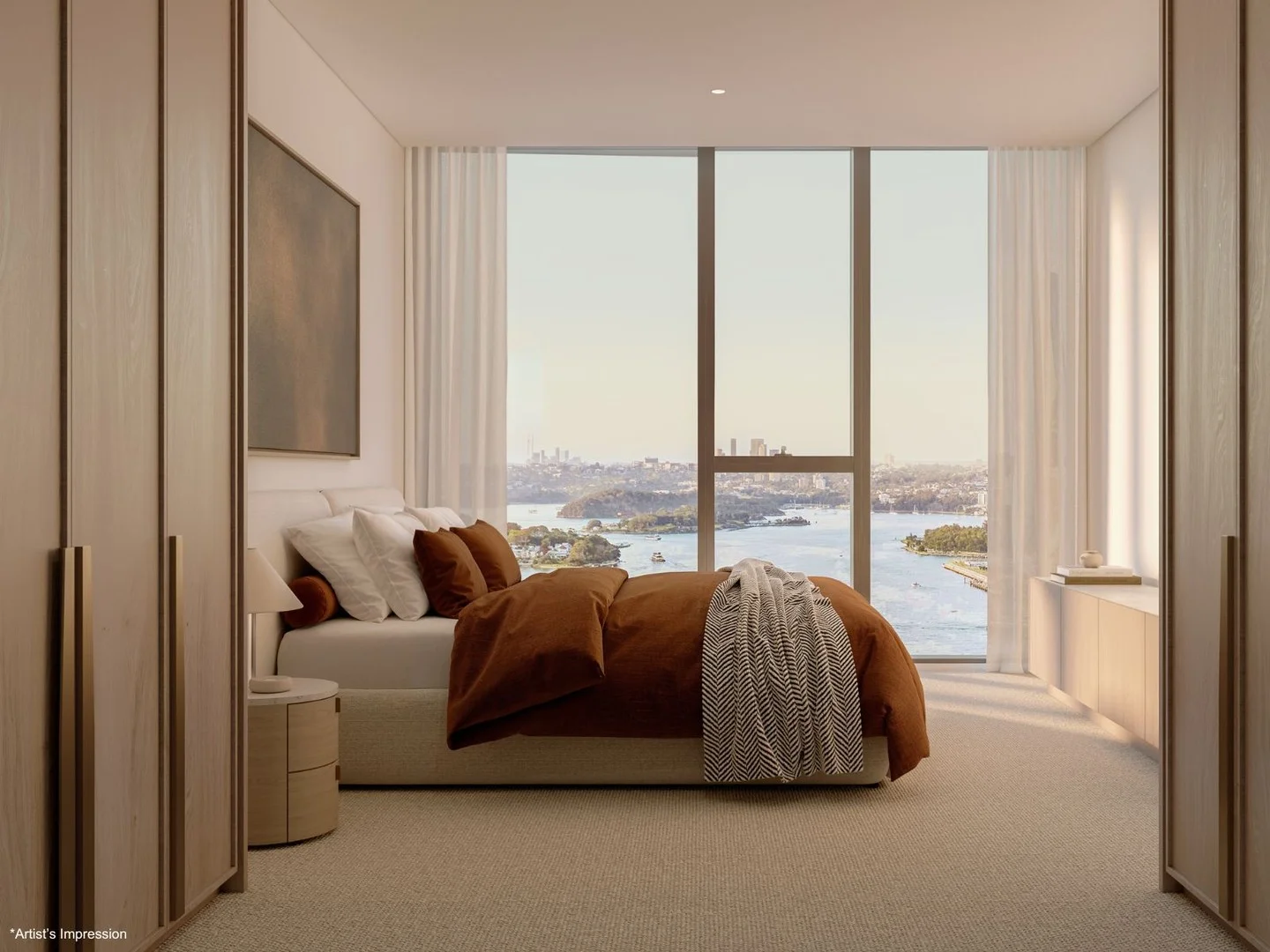 $8,630,000
propertyType.NEW APARTMENTS / OFF THE PLAN
$8,630,000
propertyType.NEW APARTMENTS / OFF THE PLAN
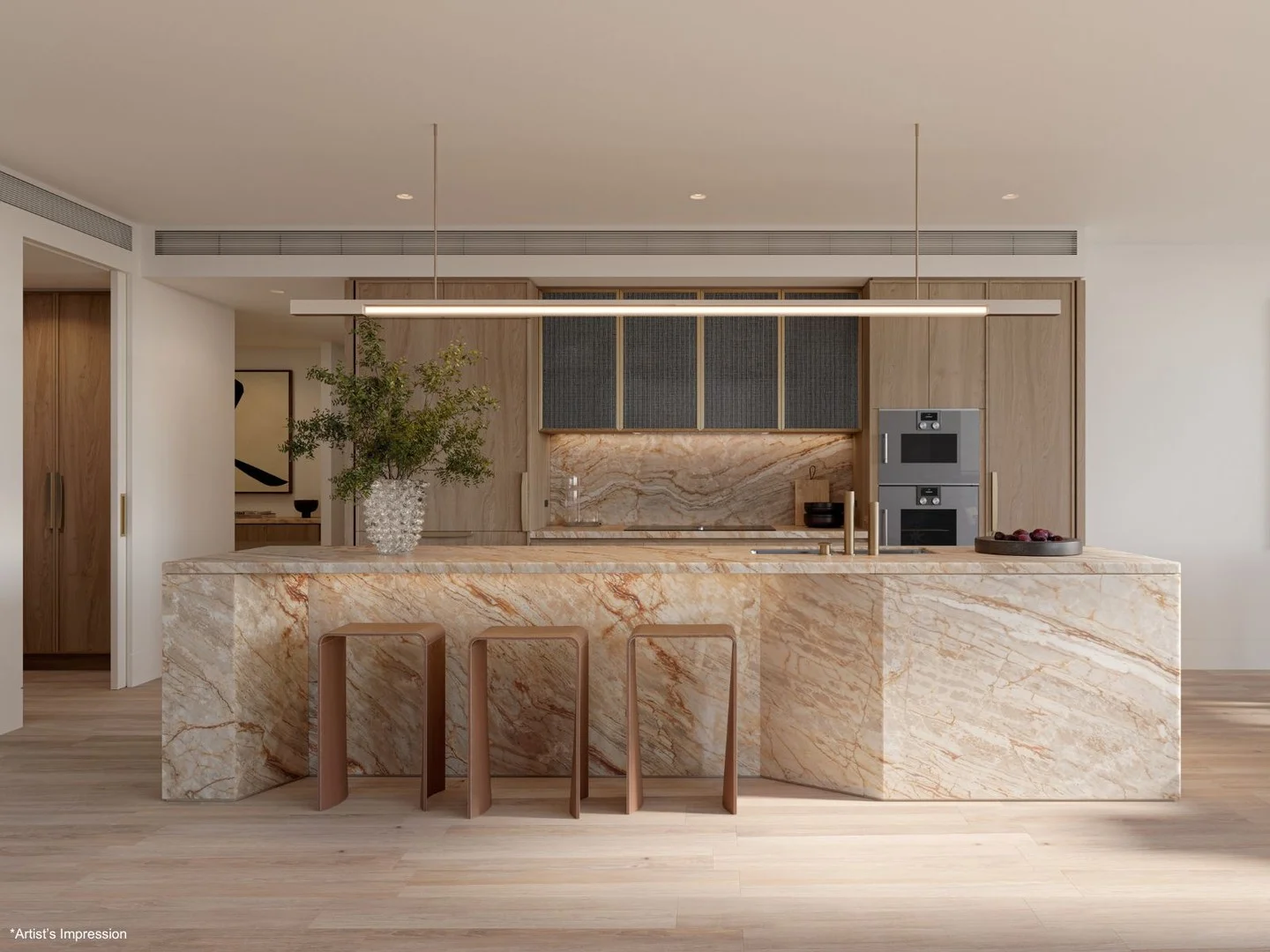 $6,225,000
propertyType.NEW APARTMENTS / OFF THE PLAN
$6,225,000
propertyType.NEW APARTMENTS / OFF THE PLAN
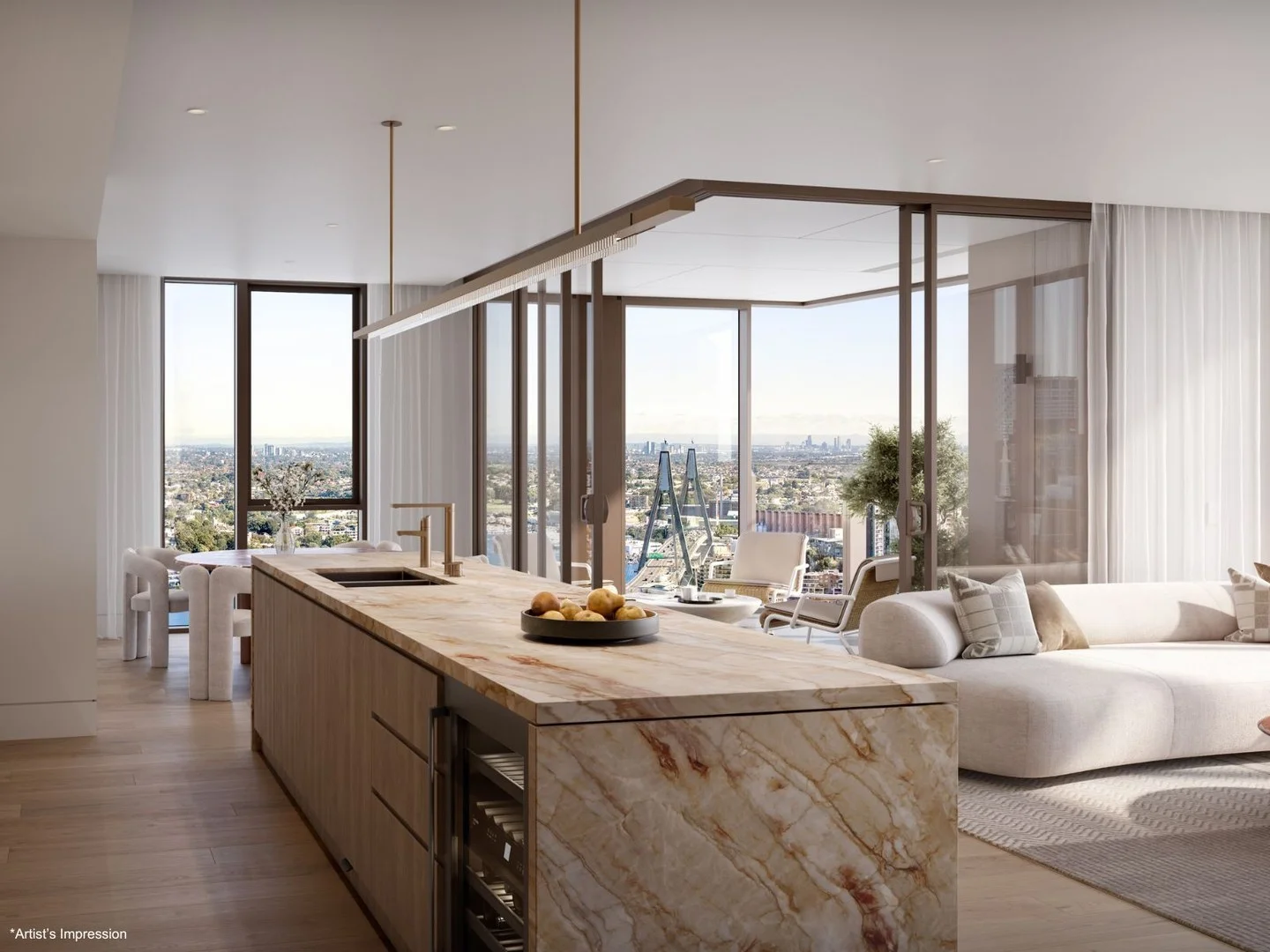 $9,020,000
propertyType.NEW APARTMENTS / OFF THE PLAN
$9,020,000
propertyType.NEW APARTMENTS / OFF THE PLAN
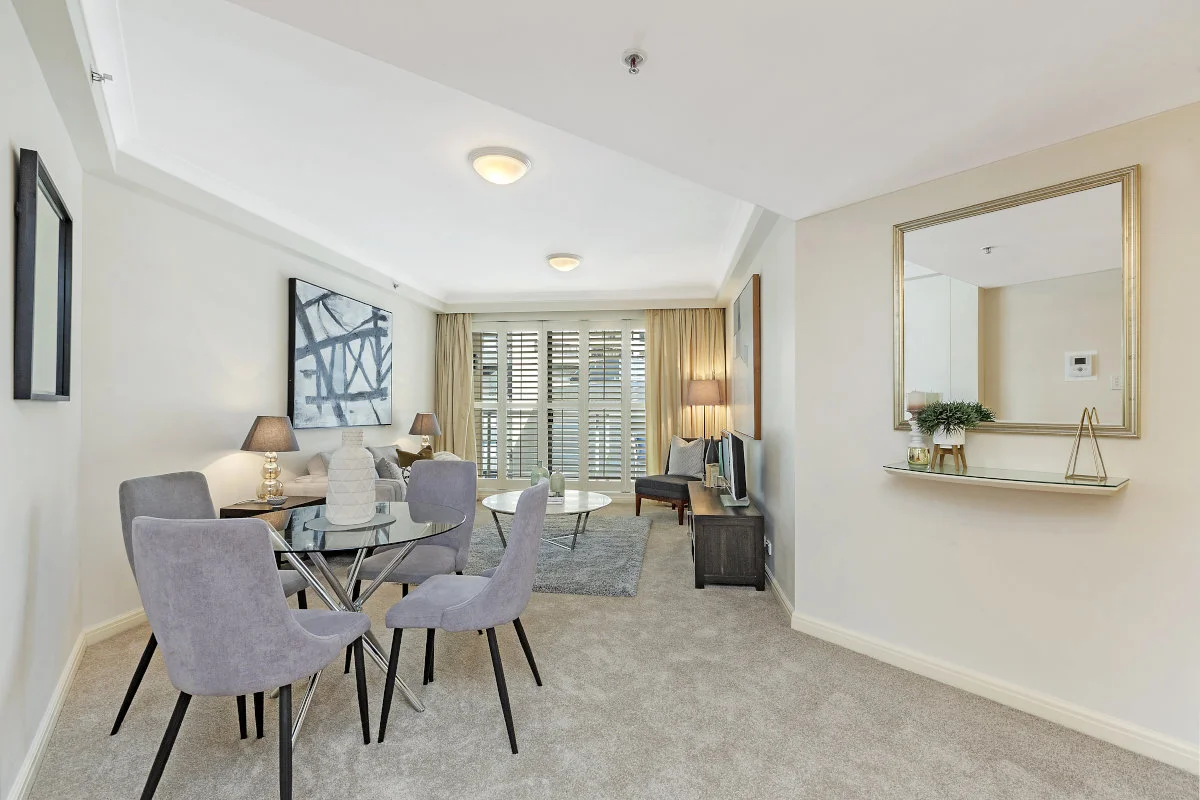 $660,000 - $725,000
Apartment / Unit / Flat
$660,000 - $725,000
Apartment / Unit / Flat


