Overview
# Overview
Tingalpa State School is a public primary school focused on delivering a well-rounded education in a supportive, inclusive environment. The school prioritizes a nurturing culture where students feel safe to learn, explore, and grow within a community that values respect and resilience. The campus supports a medium-sized student population with class sizes that balance individual attention with collaborative learning.
The atmosphere is welcoming and inclusive, emphasizing strong student wellbeing, active parent involvement, and opportunities across academics, sport, arts, and leadership.
# Academics & Learning
- Academic strengths: strong literacy and numeracy foundations, a robust STEM program, and leadership opportunities embedded across year levels. The school supports a growing emphasis on language learning within the Queensland curriculum.
- Special programs: opportunities for Gifted and Talented learners and accelerated learning pathways are available where appropriate to extend capability.
- NAPLAN / Ofsted trends: NAPLAN trends show steady improvement in key areas over recent years, reflecting consistent focus on high-quality teaching and targeted support. (Note: Ofsted is a UK framework and not applicable to Queensland schools.)
- Student-teacher ratios: typical class sizes and ratios around 1:20–1:23, allowing for targeted instruction and constructive feedback.
- Support for diverse learners: dedicated support for EAL/D students and for students with additional learning needs (SEN), including personalised learning plans and access to support staff.
# Sports & Extracurricular Strengths
- Sports offered: a range of core and team sports, with participation in athletics, cricket, soccer, and other popular school activities.
- Strong teams or achievements: active participation in local school sport programs and regional competitions, with opportunities to represent the school in select events.
- Music, arts, drama programs: committed music and performing arts offerings, including choir and regular drama performances.
- Clubs: robotics, coding, chess, debating, and science clubs feature in the extracurricular timetable to build critical thinking and collaboration.
- Partnerships: collaborations with local clubs and community organisations support extended learning, competitions, and enrichment opportunities.
# Wellbeing & Pastoral Care
- Anti-bullying approach: a clear anti-bullying policy with preventative programs, student-led initiatives, and adult supervision to maintain a safe environment.
- House system: a house-based structure supports positive competition, teamwork, and inclusive participation across year levels.
- Counsellors / wellbeing officers: access to school wellbeing staff and a dedicated counsellor to assist with social, emotional, and mental health needs.
- Transition support for new students: orientation days, buddy programs, and targeted supports to ease transition for new entrants and families.
# Facilities
- Sports grounds: well-maintained playing fields and courts suitable for a variety of sports.
- Libraries: on-site library with a diverse collection and access to digital resources.
- Science labs: dedicated science spaces to support hands-on inquiry and practical learning.
- Music/performing arts centers: spaces for music lessons, rehearsals, and performances.
- Tech/innovation labs: environments that support coding, robotics, and creative tech projects.
- Cafeteria: on-site canteen offering healthy meal options and snacks.
- Updated playgrounds: modern, age-appropriate play areas with safe, engaging equipment.
# School Values & Community Culture
- School values / mission: a clear focus on respect, responsibility, resilience, and inclusion; student voice is encouraged in shaping school life.
- Leadership style: distributed leadership with student input, collaborative planning, and visible educator support.
- Behaviour expectations: consistent positive-behaviour approaches, restorative practices, and clear routines across the day.
- Community reputation: known for a friendly, supportive atmosphere where families feel welcomed and engaged.
- Diversity & inclusion: a diverse student body with inclusive practices that celebrate individual strengths and backgrounds.
# School Logistics & Daily Operations
- School hours: typically around 8:30am–3:00pm, with scheduled breaks and a structured daily routine.
- Before/after school care: early morning and after-school care options are available through OSHC or approved providers.
- Uniform requirements: school uniform is required, with PE/sport uniform for specified days.
- Transport (bus routes): public transport options and school drop-off zones are arranged to support convenient access; bus routes service the area.
- Canteen availability: a canteen/canteen program operates on set days offering healthy options.
- Fees (low/medium/high ranges): as a public school, contributions are modest and focused on supporting essential resources and programs; additional costs may apply for specific activities.
# Enrolment & Admissions
11. What is the enrolment process and timeline?
- Enrolment is handled through the school within the Queensland Department of Education framework. Families should submit an enrolment application well ahead of the desired start date, with confirmation of catchment eligibility, student details, immunisation records, and any special needs information. The timeline typically includes an assessment of eligibility and placement discussions, followed by a confirmation of enrolment.
12. Is there a waiting list, and how does it work?
- Availability varies by year and cohort. If a waiting list applies, it is managed in order of priority (e.g., catchment eligibility, siblings already enrolled, then general applicants). Families are advised of expected timelines and any required steps if space becomes available.
13. Are there any entry requirements, tests, or interviews?
- Generally, primary school enrolment does not include entry tests or interviews. Some programs or situations (e.g., enrolment from outside the catchment or access to specific gifted/accelerated initiatives) may involve information gathering or discussions with staff, but there is no standard entrance exam for all applicants.
14. Does the school accept mid-year transfers?
- Mid-year transfers are possible subject to space and alignment with available class placements. Families should contact the school as early as possible to discuss options and required documentation.
# Frequently Ask Questions
- Why Parents Choose This School?
- A welcoming, inclusive community with strong wellbeing supports, balanced academics, and a broad range of extracurricular opportunities that help each child thrive.
- What type of student thrives at this school?
- Students who are curious, cooperative, and engaged in both academics and activities. The school supports a range of learners, from those striving for strong achievement to students who benefit from additional wellbeing and support services.
- What opportunities are available for students to extend their skills (academics, sports, arts)?
- Enrichment in literacy and numeracy, STEM and coding clubs, gifted and talented options, arts and drama productions, music programs, and school sport teams.
- How does the school communicate with parents?
- Regular newsletters, parent-teacher meetings, online portals for assignments and updates, and open channels with teachers and administration.
- What is the school’s approach to teaching and learning?
- A student-centered approach that emphasizes high-quality instruction, differentiated learning, inquiry-based activities, and evidence-based practices to support all learners.
- How does the school support students who need extra academic help?
- Targeted small-group or one-on-one support, EAL/D assistance, SEN services, and collaboration with families to tailor learning plans.
- What support is available for academic challenges?
- Academic coaching, intervention programs, and access to specialists to identify and address gaps in learning.
- How does the school communicate with parents? (Repeat)
- See above: multiple channels including digital platforms, meetings, and reports.
- What are the class sizes and how much individual attention do students receive?
- Class sizes are designed to balance group instruction with opportunities for individual feedback; typical ratios support formative assessment and personalised guidance.
- What extracurricular and sports opportunities are available?
- A broad range of sports, clubs (robotics, coding, chess, debating), music and arts programs, and opportunities to participate in local competitions and events.
- What facilities does the school offer (sports, science, arts)?
- Sports grounds, library, science labs, music/performing arts spaces, technology/innovation labs, canteen, and updated playgrounds.
- What is the school’s approach to technology and digital learning?
- Integration of digital tools to support learning, coding and robotics activities, and cyber safety education as part of the broad curriculum.
- What transport and accessibility options are available?
- Bus routes and public transport options serving the area, with convenient drop-off/pick-up arrangements and accessible facilities.
- What are the typical school fees or additional costs?
- As a public school, core costs are modest; some additional expenses may apply for certain programs, activities, or excursions.
# Short Pros & Cons list
Pros
- Supportive, inclusive school culture with strong wellbeing programs
- Solid academic foundations and opportunities for enrichment
- Broad range of extracurricular activities and clubs
- Clear, collaborative approach to leadership and student voice
- Accessible facilities across science, arts, and tech
Cons
- Class sizes and resources may be more limited compared to larger schools
- Availability of certain specialist programs can depend on space and staffing
- Some activities may require additional parental voluntary contributions or fees
- Transport options vary by residence and may require planning for some families










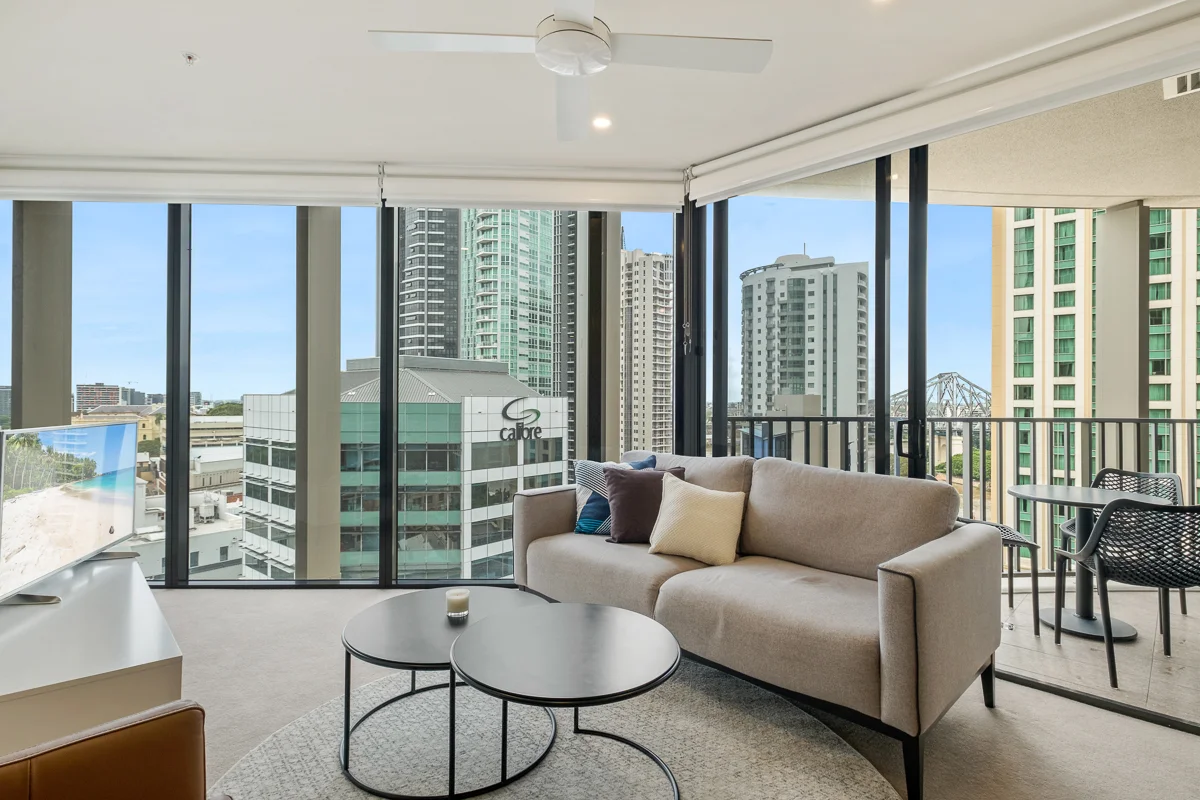 $950,000
Apartment / Unit / Flat
$950,000
Apartment / Unit / Flat
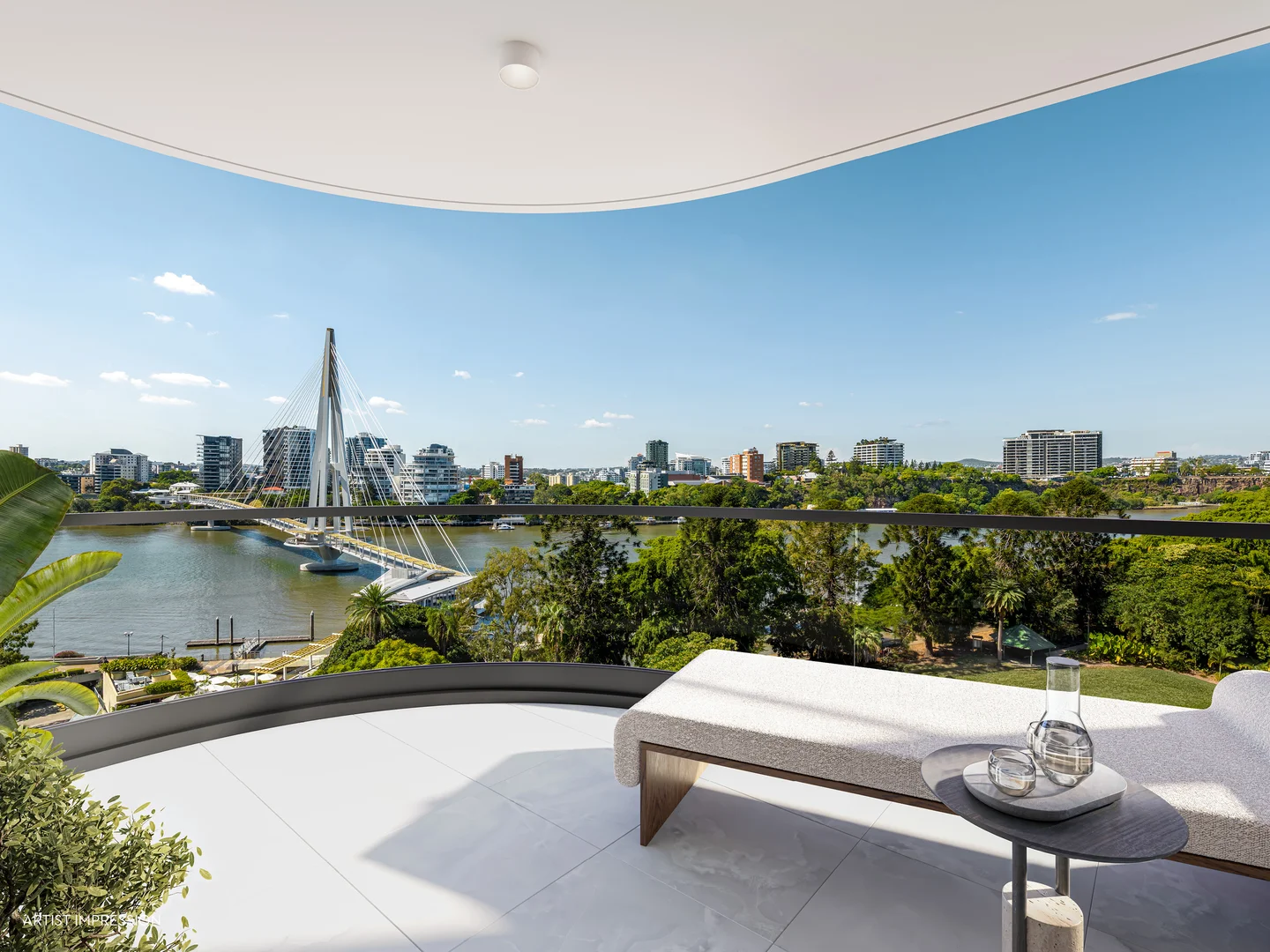 $1,475,000 - $2,090,000
propertyType.NEW APARTMENTS / OFF THE PLAN
$1,475,000 - $2,090,000
propertyType.NEW APARTMENTS / OFF THE PLAN
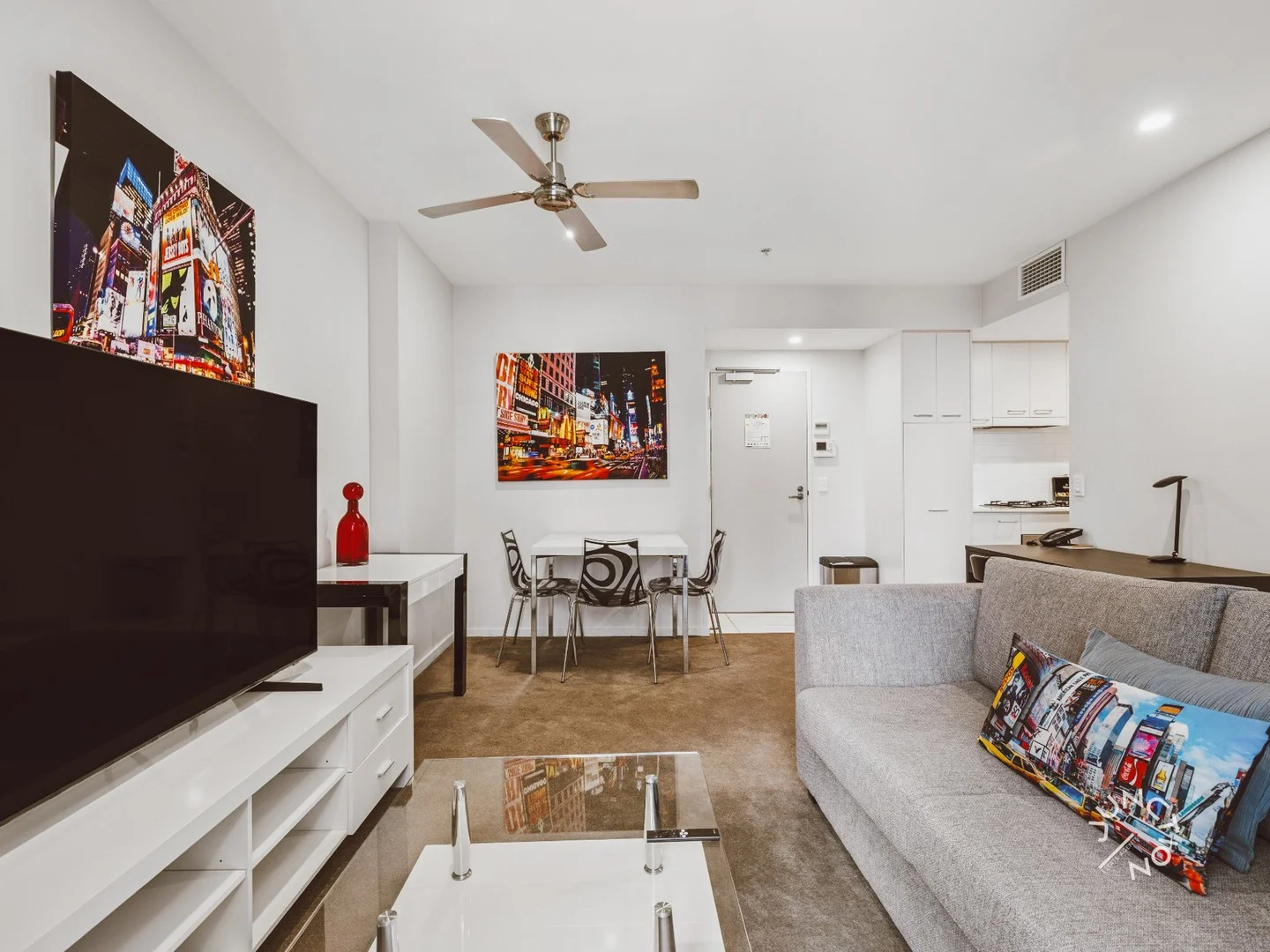 $523,200 - $566,800
Apartment / Unit / Flat
$523,200 - $566,800
Apartment / Unit / Flat
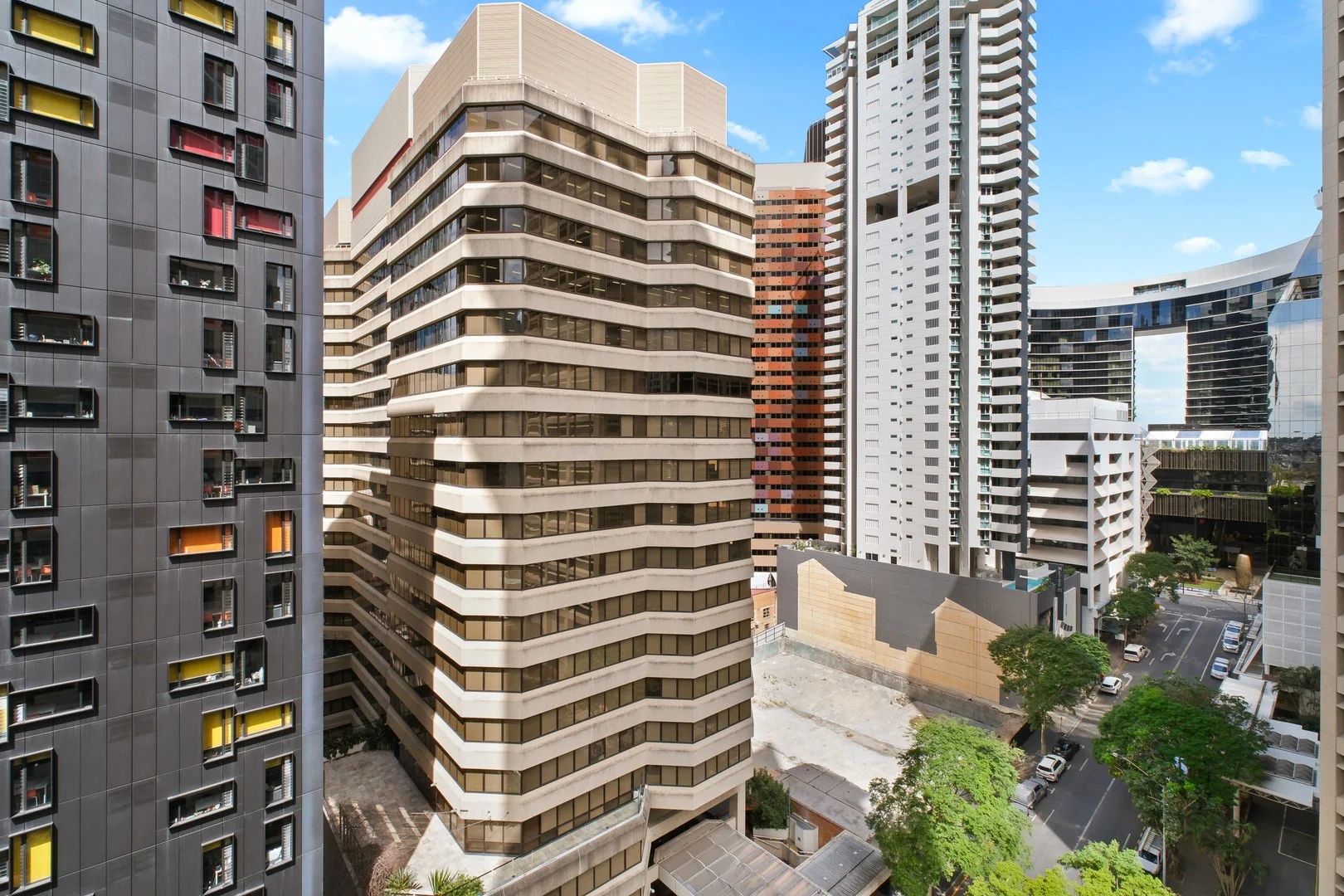 $550,000
Apartment / Unit / Flat
$550,000
Apartment / Unit / Flat
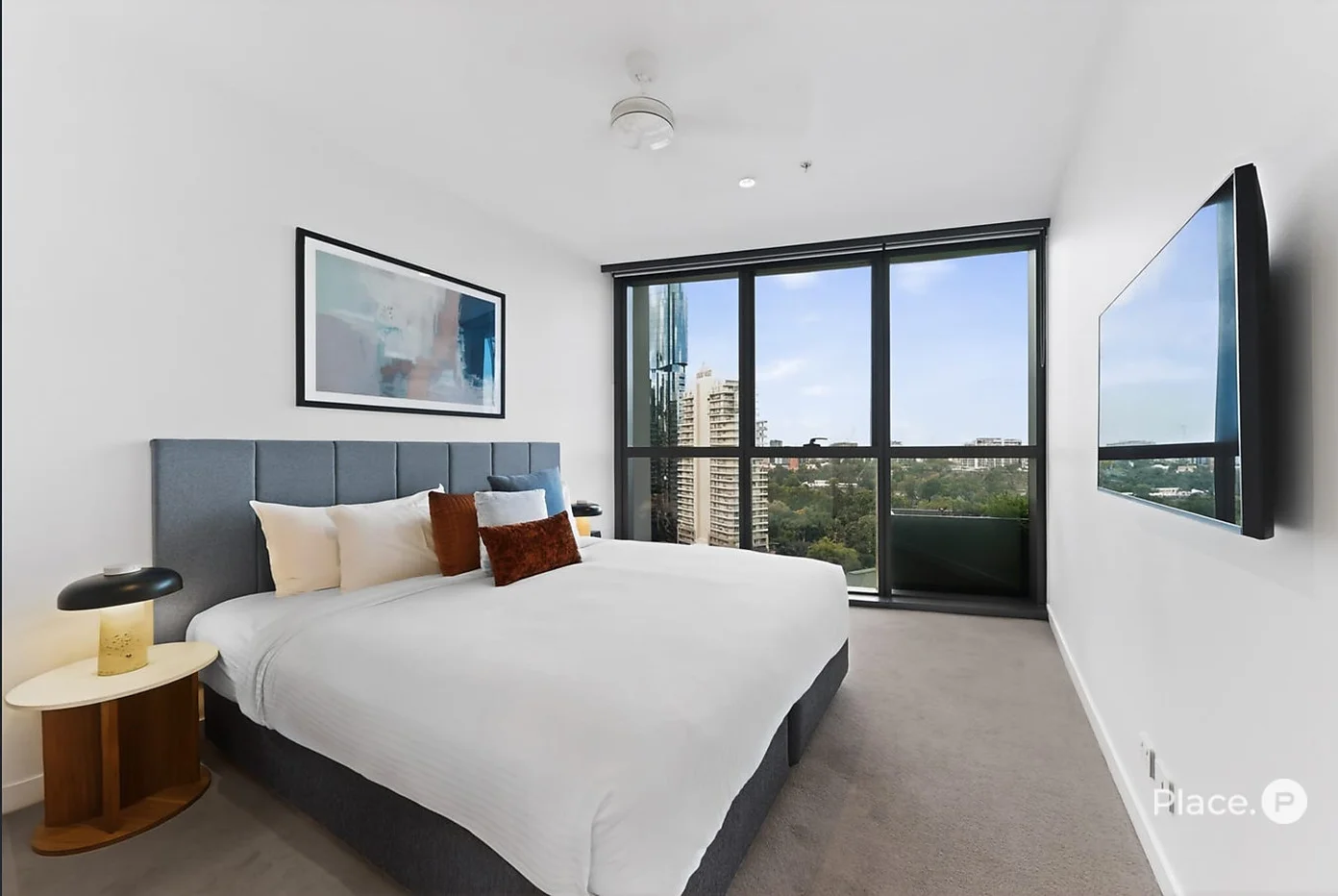 $770,000
Apartment / Unit / Flat
$770,000
Apartment / Unit / Flat