## 1. Overview
St Georges Basin Public School is a public primary school serving families in the St Georges Basin area. The school focuses on creating a welcoming, community-minded environment where students are supported to develop academically, socially and physically.
- School type: Public
- School size: Small
- Class size: Typically 20–25 students per class
- Atmosphere/culture: Nurturing, inclusive, family-friendly and community-focused
## 2. Academics & Learning
Parents want a sense of academic strength and learning supports.
- Academic strengths: Core literacy and numeracy are priorities, with an emphasis on engaging, practical learning. Opportunities for STEM-related activities and leadership development are embedded in classroom and school-wide programs where available.
- Special programs: EAL (English as an Additional Language) support and inclusive education practices are commonly available. Some enrichment opportunities or gifted/talented activities may be offered within classes; check with the school for any formal programs (e.g., accelerated options or specific pathways).
- NAPLAN / trends: NSW public primary schools typically show gradual year-to-year progress in reading and numeracy with targeted intervention programs. The school’s own year-to-year trends can vary; request the latest summary from the school for current details.
- Student-teacher ratios: Class sizes sit in the low-to-mid 20s, with student-teacher ratios generally in the range typical for NSW public primary schools (roughly 1:18 to 1:25 depending on year level).
- Support for diverse learners: Strong focus on inclusive education, with support for students requiring additional literacy/numeracy help, EAL support, and other SEN supports where needed.
## 3. Sports & Extracurricular Strengths
Extracurriculars are a key consideration for many families.
- Sports offered: A range of school and inter-school sports typical for NSW primary schools, including team sports such as soccer, cricket, netball and athletics; participation in local carnivals and events is common.
- Strong teams or achievements: School teams and individual students often participate in district-level events; success depends on year and cohort strength.
- Music, arts, drama programs: Music and performing arts activities are typically available through school programs and assemblies; opportunities to participate in school productions or assemblies are common.
- Clubs: Possible clubs include robotics, chess, coding and debating, depending on staff availability and student interest.
- Partnerships: Local partnerships with community clubs, sports bodies and district competitions may provide additional opportunities for students.
## 4. Wellbeing & Pastoral Care
Wellbeing is a priority for families, so the school focuses on a supportive culture.
- Anti-bullying approach: Whole-school anti-bullying policies and restorative practices are usually part of the culture, with emphasis on creating a respectful environment.
- House system: A house or team system is commonly used to promote belonging, teamwork and positive behavior through house-based activities and events.
- Counsellors / wellbeing officers: Access to school wellbeing staff or a school counsellor is typical, with support available for emotional and social needs.
- Transition support for new students: Orientation activities, buddy programs and targeted transitions support help new students settle in smoothly.
## 5. Facilities
Facilities help bring the curriculum to life and support student well-being.
- Sports grounds: External playing fields or courts for physical education and sports.
- Libraries: A school library for reading and research activities.
- Science labs: Basic science learning environments are commonly available.
- Music/performing arts centers: A dedicated music room or flexible performance space may be available.
- Tech/innovation labs: Access to computer or ICT facilities; some schools offer dedicated spaces for digital learning or STEM activities.
- Cafeteria: An on-site canteen or lunch facilities are commonly available.
- Updated playgrounds: Outdoor play areas and equipment suitable for primary-aged children.
## 6. School Values & Community Culture
Families want to know the character of the school and its community.
- School values / mission: Core values typically include respect, responsibility, teamwork and resilience; the mission focuses on developing capable, caring learners.
- Leadership style: Supportive and collaborative, with a focus on student-centered learning and positive behavior support.
- Behaviour expectations: Clear guidelines and expectations, often reinforced through house activities, praise systems and consistent consequences.
- Community reputation: Generally viewed as a welcoming, close-knit local school with active family involvement.
- Diversity & inclusion: Emphasis on inclusivity and ensuring every student feels belonging and able to participate.
## 7. School Logistics & Daily Operations
Key practical details for daily life at school.
- School hours: Typical NSW primary hours (e.g., around 9:00 am–3:00 pm) with variations by term and grade level.
- Before/after school care: Availability varies; some campuses offer after-school care or programs in partnership with local providers.
- Uniform requirements: School uniform is standard; check the current uniform policy for acceptable attire and footwear.
- Transport (train/bus routes): Bus routes or local transport options are usually arranged through NSW transport services; confirm with the school for exact routes.
- Canteen availability: On-site canteen or lunch facilities are commonly available.
- Fees (low/medium/high ranges): Public schools generally operate with minimal tuition; there may be voluntary contributions or costed activity fees for certain programs or excursions.
## 8. Enrolment & Admissions
11. What is the enrolment process and timeline?
- Check eligibility and catchment rules with the school or NSW Department of Education.
- Prepare required documents (proof of identity, proof of address, immunisation records, birth certificate, etc.).
- Submit an enrolment application to the school and/or via the department portal.
- The school reviews applications, conducts any required assessments or interviews, and provides timelines for decision and placement.
12. Is there a waiting list, and how does it work?
- Waiting lists can apply when capacity is reached. The school will advise on current wait times and the process for placement based on catchment rules and siblings.
13. Are there any entry requirements, tests, or interviews?
- Entry usually does not require academic testing for public primary enrollment, but the school may request documentation and may conduct informal discussions or orientation activities. Some schools may request information to place students appropriately within year groups.
14. Does the school accept mid-year transfers?
- Mid-year transfers are possible if there is available capacity and space in the appropriate year level; timing and placement decisions will be coordinated with the school.
## 9. Frequently Asked Questions
- Why Parents Choose This School?
- A close-knit, welcoming community; solid foundation in literacy and numeracy; supportive staff; emphasis on inclusivity and student well-being.
- What type of student thrives at this school?
- Students who respond well to a nurturing, collaborative environment, with a focus on core skills, participation in sports and arts, and strong community connections.
- What opportunities are available for students to extend their skills (academics, sports, arts)?
- Opportunities typically include literacy/numeracy support, enrichment activities within classes, possible STEM activities, sports clubs, music/arts programs, and involvement in school events.
- How does the school communicate with parents?
- Regular updates via newsletters, parent-teacher consultations, digital platforms (where available), and reminders about events and key dates.
- What is the school’s approach to teaching and learning?
- Student-centered learning with a focus on foundational literacy and numeracy, differentiating instruction to meet diverse needs, and building skills through interactive and hands-on activities.
- How does the school support students who need extra academic help?
- Targeted literacy/numeracy interventions, EAL support, small-group or one-on-one assistance within the school day, and collaboration with families to support learning at home.
- What support is available for academic challenges?
- Access to teachers and support staff for intervention, learning support plans where appropriate, and referrals to additional services if needed.
- How does the school communicate with parents? (Note: duplicate question)
- See above: newsletters, meetings, and digital platforms where available.
- What are the class sizes and how much individual attention do students receive?
- Class sizes are typically in the low-to-mid 20s, with teacher planning that allows for differentiation and targeted support within the classroom.
- What extracurricular and sports opportunities are available?
- A range of sports and physical activities, along with clubs such as robotics, chess, coding and debating, depending on staff capacity and student interest.
- What facilities does the school offer (sports, science, arts)?
- Sports grounds, a library, science/computing spaces, music/performing arts facilities, and spaces for creative activities and technology use.
- What is the school’s approach to technology and digital learning?
- Access to ICT resources and digital learning activities integrated into the curriculum; emphasis on using technology to support learning and collaboration.
- What transport and accessibility options are available?
- School transport options (bus routes) and accessibility considerations as per local arrangements; confirm specifics with the school.
- What are the typical school fees or additional costs?
- Public primary schools have minimal tuition; there may be voluntary contributions and costs for excursions or extra activities; check the current schedule with the school.
## 10. Short Pros & Cons list
- Pros:
- Close-knit, supportive community
- Focus on foundational literacy and numeracy
- Inclusive environment with EAL/SEN support
- Range of potential extracurriculars and sports
- Family-friendly atmosphere and accessible facilities
- Cons:
- Smaller school size may limit some formal programs (e.g., large gifted programs) compared to bigger campuses
- Availability of certain clubs or facilities can depend on staffing and year level
- Mid-year transfer availability depends on space and timing
Notes:
- This content is a draft intended to reflect common features of a NSW public primary school in a concise, parent-facing format. For precise, up-to-date details (enrolment timelines, exact programs, current facilities, and transport routes), please confirm with St Georges Basin Public School directly.


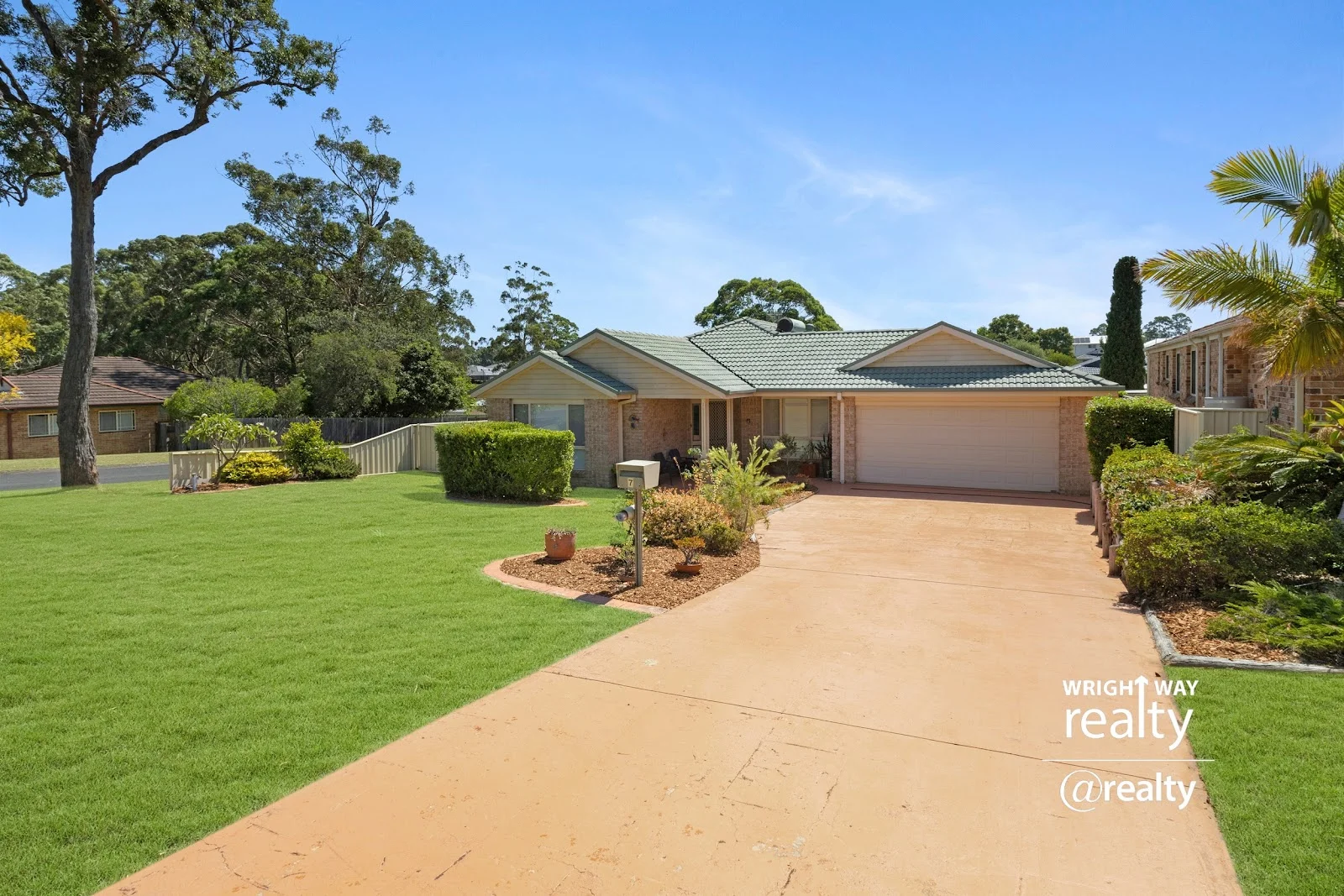 $850,000 - $900,000
House
$850,000 - $900,000
House
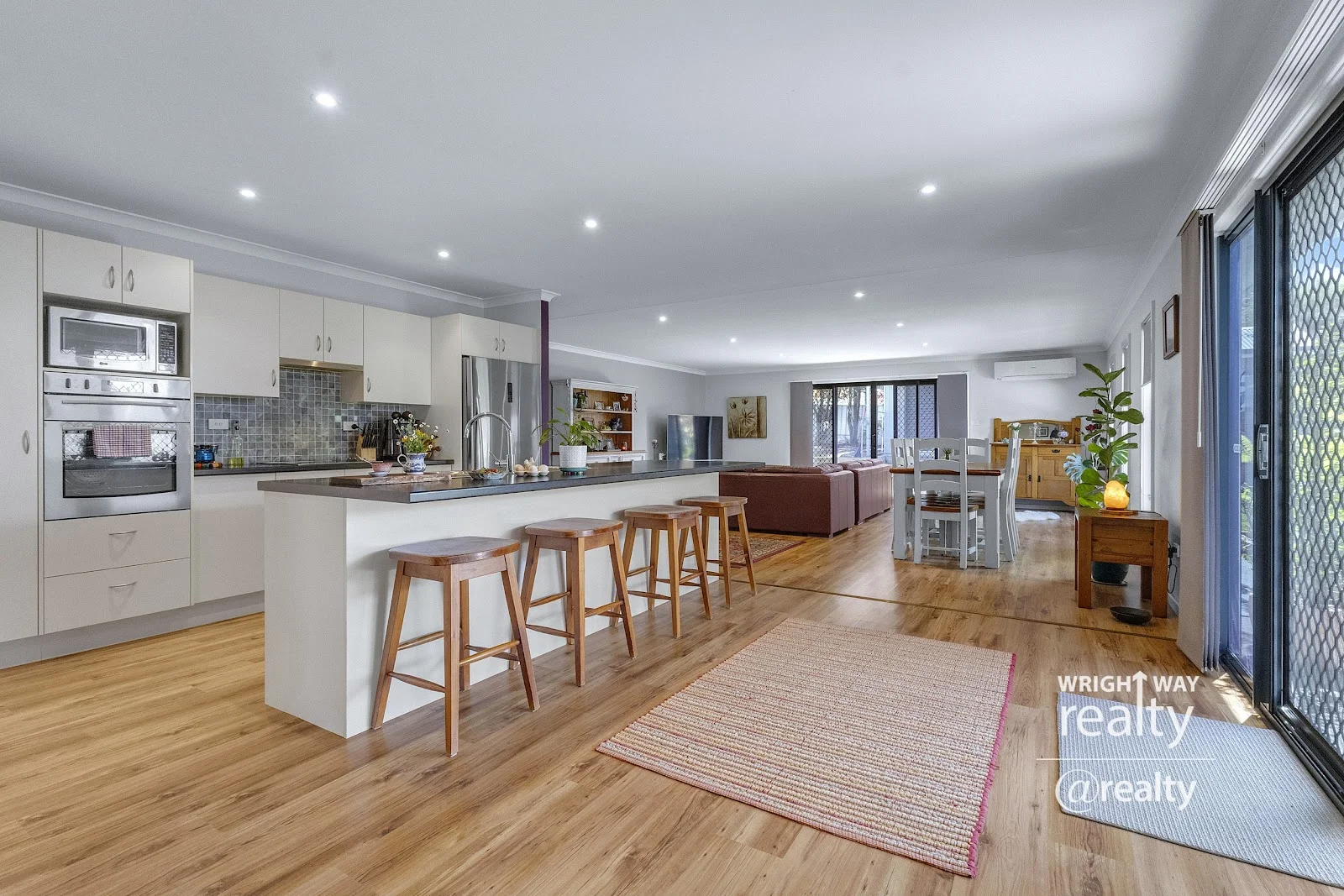 $1,100,000
House
$1,100,000
House
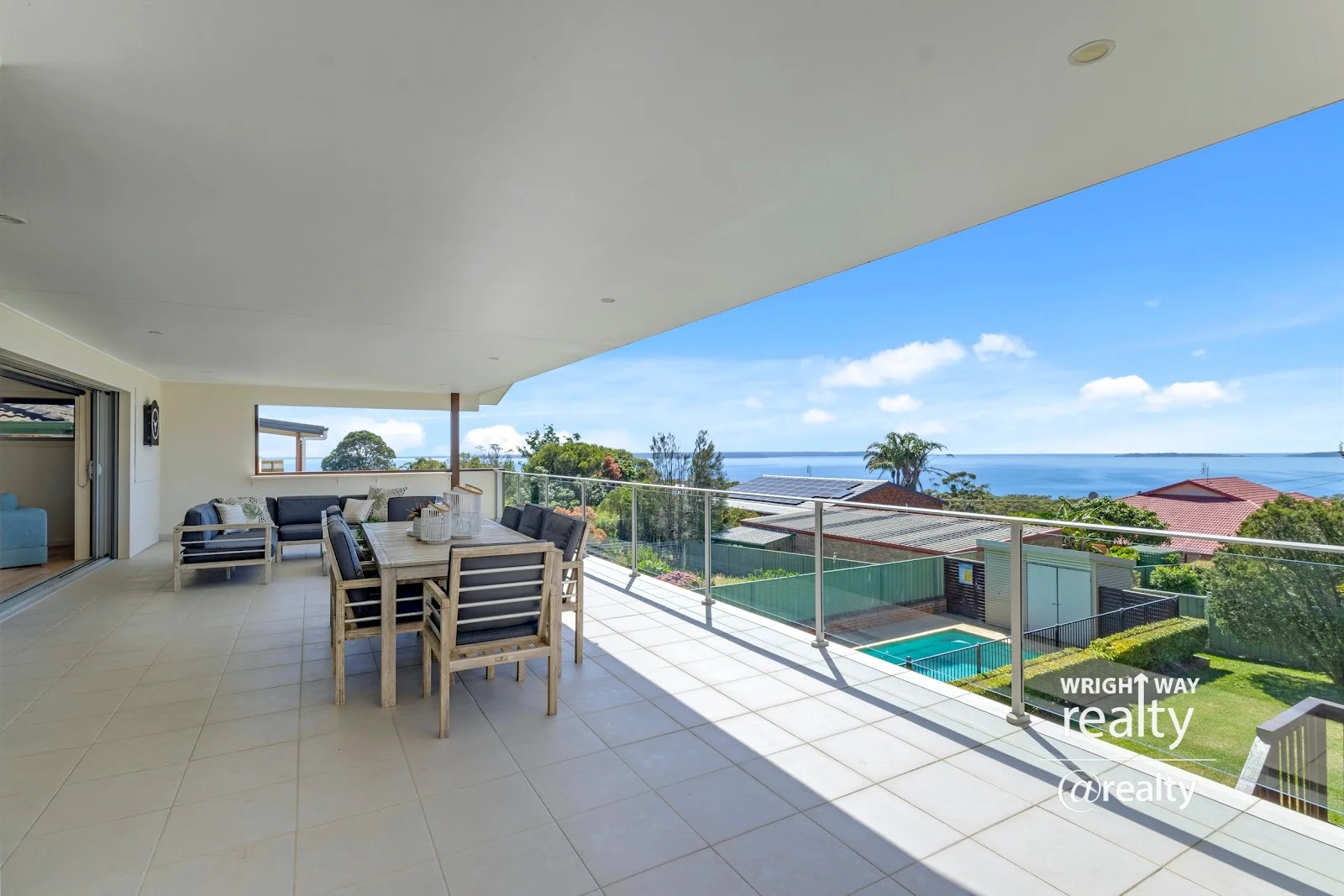 $2,750,000
House
$2,750,000
House
 $2,200,000 - $2,400,000
House
$2,200,000 - $2,400,000
House


