Overview
## Overview
Sydney Adventist School – Auburn Campus is a private, independent, faith-based day school rooted in the Seventh-day Adventist tradition. It offers a values-driven education designed to foster academic growth, character development, and community involvement. The school leans toward a nurturing, inclusive environment with a strong emphasis on service, integrity and personal responsibility.
The campus sits within a medium-sized school community that aims to balance solid academic learning with opportunities for sport, arts and leadership. Class sizes are kept to be small-to-medium to support individual attention and strong teacher-student relationships, contributing to a supportive and collaborative atmosphere.
⸻
## Academics & Learning
- Academic strengths: Core focus on English, Mathematics and Science, with opportunities to engage in STEM activities, leadership experiences and humanities studies. Religious education is integrated into the curriculum to support whole-child development.
- Special programs: Vocational and leadership opportunities are encouraged; some accelerated or enrichment options may be available, along with a focus on developing critical thinking, communication and problem-solving skills.
- NAPLAN / trends: The school participates in NSW NAPLAN testing and tracks trends over time to guide improvement in literacy and numeracy. Check the latest public results for current trend information.
- Student-teacher ratios: Class groups are designed to be manageable to support personalised feedback and support. The school emphasises accessible, attentive teaching practices.
- Support for diverse learners: Comprehensive support for EAL and SEN needs through targeted interventions, inclusive education frameworks, and access to learning support staff.
⸻
## Sports & Extracurricular Strengths
- Sports offered: Football codes and team sports such as soccer, netball, basketball, cricket, athletics and swimming are commonly available, with opportunities to participate in inter-school competitions.
- Strong teams or achievements: The school supports competitive participation and teamwork in inter-school events, with emphasis on fair play, resilience and student leadership.
- Music, arts, drama programs: Active music and performing arts programs, including ensembles and productions, contribute to a vibrant arts culture.
- Clubs: Robotics, chess, coding, debating and other STEM/academic clubs are encouraged, providing avenues to extend learning beyond the classroom.
- Partnerships: Involvement with local community clubs and competitions helps students apply skills in real-world settings and build connections beyond the campus.
⸻
## Wellbeing & Pastoral Care
- Anti-bullying approach: A clear anti-bullying policy with confidential reporting channels, staff training and student education supports a safe school environment.
- House system: A house-based framework fosters belonging, leadership opportunities and healthy competition across events and activities.
- Counsellors / wellbeing officers: Dedicated wellbeing staff and access to school counsellors support emotional, social and mental health needs.
- Transition support for new students: Orientation programs, buddy systems and targeted transition activities help new students settle in and build social connections quickly.
⸻
## Facilities
- Sports grounds: On-site playing fields and courts for a range of sports and physical education activities.
- Libraries: Modern library facilities to support research, reading for pleasure and study.
- Science labs: Well-equipped laboratories for experiments and practical science learning.
- Music/performing arts centers: Dedicated spaces for music ensembles, drama and performances.
- Tech/innovation labs: Computer labs and spaces for digital learning, coding and creative projects.
- Cafeteria: On-site canteen offering a variety of meals and healthy options.
- Updated playgrounds: Age-appropriate play areas and outdoor spaces supporting active break times.
⸻
## School Values & Community Culture
- School values / mission: A faith-informed mission that emphasises character, service, respect, integrity and responsibility within a caring community.
- Leadership style: Inclusive leadership with student voice opportunities, supported by a collaborative staff culture and clear expectations.
- Behaviour expectations: Positive conduct policies, consistent routines and a focus on respectful, responsible behaviour.
- Community reputation: Known for a welcoming, faith-based community that supports families through strong pastoral care and active parental involvement.
- Diversity & inclusion: Committed to an inclusive environment that welcomes families from diverse backgrounds and supports EAL learners and different abilities.
⸻
## School Logistics & Daily Operations
- School hours: Typical school day runs during standard hours with a structured timetable that supports learning, breaks and activities.
- Before/after school care: Available options for before and after school care to suit family routines.
- Uniform requirements: School uniform is required, with clear guidelines for daily wear and occasional events.
- Transport (train/bus routes): Accessible via local transport links; school-arranged or recommended bus routes may be available for commuting families.
- Canteen availability: On-site canteen provides healthy meal options and snacks.
- Fees (low/medium/high ranges): Fee structure varies by year level and program; additional costs may apply for camps, excursions and some activities. Parents are advised to confirm current fee ranges with the school.
⸻
## Enrolment & Admissions
### 11. What is the enrolment process and timeline?
- Expression of interest or initial inquiry with the admissions team.
- Submission of application form and required documents (birth certificate, immunisation records, prior school reports).
- Interview with principal or admissions staff; possible brief academic or readiness discussion.
- Review of application and placement decisions; notification of outcomes.
- Enrolment confirmation and submission of any required deposits.
- Orientation and welcome information to prepare for start.
### 12. Is there a waiting list, and how does it work?
- A waiting list may apply when year levels are full. Priority typically considers factors such as sibling connections, alignment with Adventist education values, and available space. Families are contacted when a place becomes available.
### 13. Are there any entry requirements, tests, or interviews?
- Entry typically involves an interview and a review of previous schooling records. There is generally no formal entrance exam. Documentation may include immunisation records and transfer of records from previous schools. Religious affiliation is aligned with the school’s SDA identity, where relevant to enrolment.
### 14. Does the school accept mid-year transfers?
- Mid-year transfers can be considered based on space availability and the ability to support the student’s transition. The process includes a records transfer, meeting with admissions, and alignment with the current calendar and curriculum.
⸻
## Frequently Asked Questions
- Why Parents Choose This School?
- A values-based, faith-informed community that supports academic growth, character development and service to others within a welcoming environment.
- What type of student thrives at this school?
- Students who value community, positive relationships, spiritual development and balanced academics, and who respond well to a supportive, inclusive setting.
- What opportunities are available for students to extend their skills (academics, sports, arts)?
- Enrichment in English, Maths and Science; leadership and service opportunities; sports teams; music ensembles; drama productions; robotics and coding clubs; debating and other clubs.
- How does the school communicate with parents?
- Regular newsletters, email updates, school portals, parent-teacher interviews and scheduled communications for key events.
- What is the school’s approach to teaching and learning?
- A NSW syllabus-aligned, student-centered approach that integrates faith-based values, critical thinking, collaboration and practical applications.
- How does the school support students who need extra academic help?
- Targeted learning support, EAL and SEN programs, small-group assistance and monitoring to ensure access to appropriate interventions.
- What support is available for academic challenges?
- Early identification, tailored tutoring or support plans and ongoing progress reviews with teachers and support staff.
- What are the class sizes and how much individual attention do students receive?
- Class sizes are designed to be small-to-medium to enable frequent feedback, differentiated instruction and closer teacher-student engagement.
- What extracurricular and sports opportunities are available?
- A range of sports, music, drama, and academic clubs, along with inter-school competitions and school-based events.
- What facilities does the school offer (sports, science, arts)?
- On-site sports facilities, modern libraries, science labs, music/performing arts spaces, technology labs and a canteen, plus outdoor play areas.
- What is the school’s approach to technology and digital learning?
- Integration of digital learning, computer labs and age-appropriate technology use to build digital literacy and responsible use.
- What transport and accessibility options are available?
- Access to local public transport and bus routes; school pickup/drop-off provisions and consideration of accessibility needs as applicable.
- What are the typical school fees or additional costs?
- Fees vary by year level and program; additional costs may apply for uniforms, camps, excursions and some activities. Confirm current fees with the admissions office.
⸻
## Short Pros & Cons
- Pros
- Faith-based, values-driven environment with strong pastoral care.
- Supportive, small-to-medium class sizes enabling individualized attention.
- Balanced focus on academics, arts and sport with a variety of clubs.
- Inclusive culture with EAL/SEN support and transition programs for new students.
- Active community engagement, leadership opportunities and elder student roles.
- Cons
- Fees are typical of private independent schools and may be higher than public options.
- The school’s Adventist identity may not align with every family’s beliefs.
- Availability of mid-year transfers depends on space; some grades may have limited vacancies.
- IB programs are not standard in all SDA NSW campuses; families seeking IB should verify current offerings.











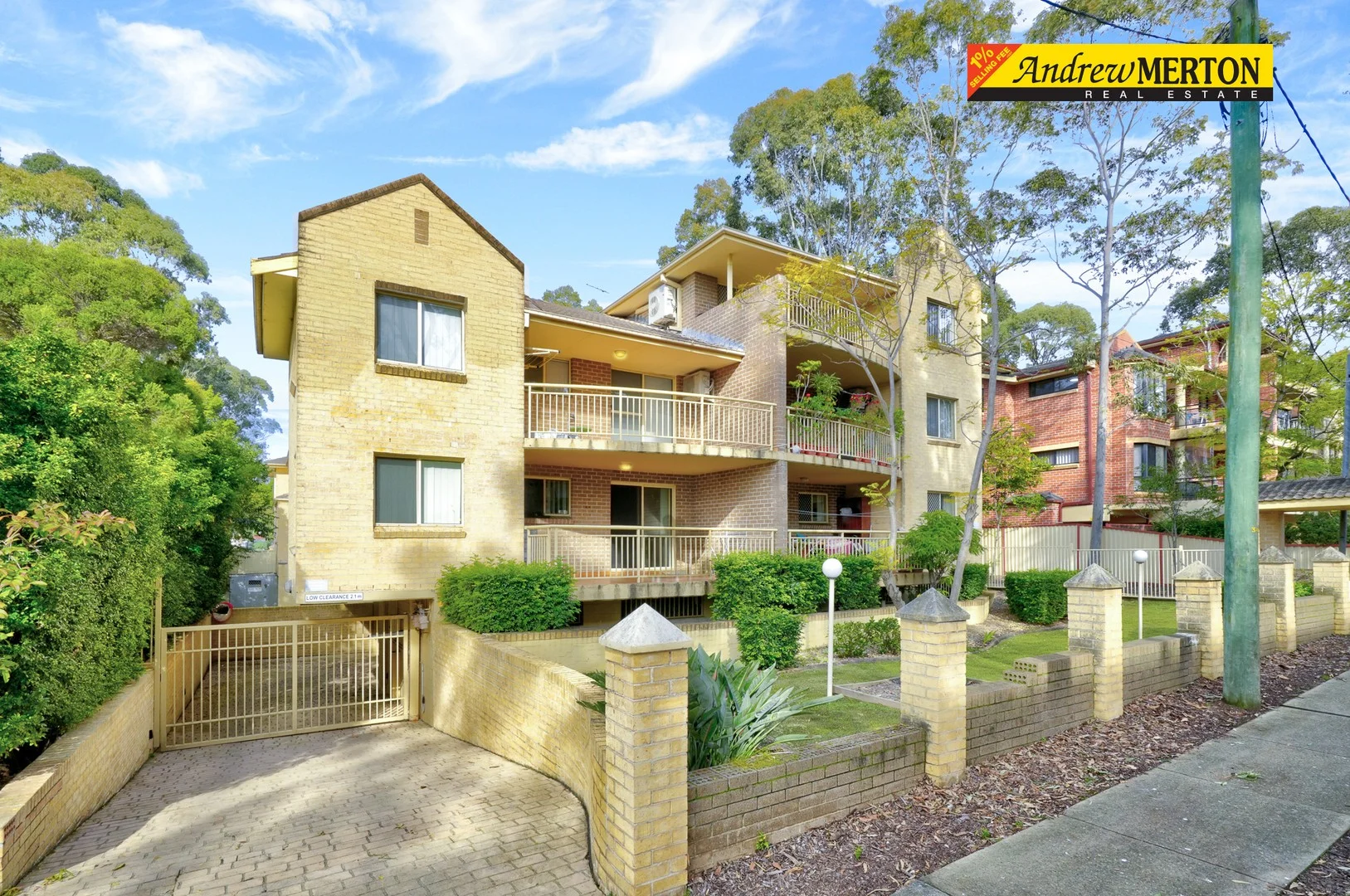 $530,000
Apartment / Unit / Flat
$530,000
Apartment / Unit / Flat
 $36,000,000 - $39,500,000
Vacant Land
$36,000,000 - $39,500,000
Vacant Land
 $1,525,000
Apartment / Unit / Flat
$1,525,000
Apartment / Unit / Flat
 $475,000
Apartment / Unit / Flat
$475,000
Apartment / Unit / Flat
 $399,900
Apartment / Unit / Flat
$399,900
Apartment / Unit / Flat