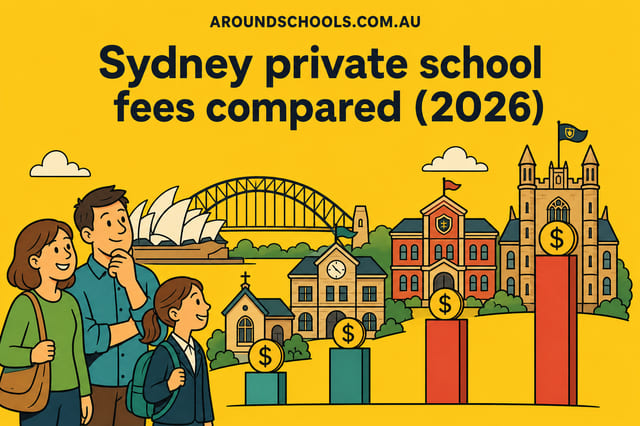
Overview
## 1. Overview
St John’s Catholic Primary School in Auburn is a Catholic, co-educational primary school that focuses on faith-informed learning within a welcoming community. The school aims to provide a nurturing environment where students grow academically, socially, and spiritually through strong partnerships with families and the parish.
The school is medium-sized, offering a community feel with small-to-medium class groups. Class sizes typically sit in the low- to mid-20s, allowing teachers to give attention to individual progress while maintaining a collaborative, inclusive atmosphere that supports diverse learners and fosters a sense of belonging.
⸻
## 2. Academics & Learning
- Academic strengths include a emphasis on literacy and numeracy foundations, with opportunities to engage in STEM-inspired activities and hands-on learning experiences.
- Special programs often focus on inclusive education, EAL support, and targeted assistance for students needing extra help, along with opportunities for students to extend their skills in suitable areas.
- NAPLAN trends typically show steady performance with year-to-year progress aligned with broader NSW trends; schools usually monitor results to guide teaching and targeted interventions.
- Student-teacher ratios are structured to support effective teaching and personalised feedback, with smaller groups in targeted learning areas to aid understanding and progress.
- Support for diverse learners includes EAL support, readiness for transitions, and access to SEN/staff who coordinate adjustments and accommodations as needed.
⸻
## 3. Sports & Extracurricular Strengths
- Sports offered commonly include soccer, basketball, cricket, AFL-style activities, and swimming programs, with opportunities to compete in local interschool events.
- Many schools in this network have strong participation in inter-school teams and community competitions, with emphasis on teamwork, fair play, and personal development.
- Music, arts, and drama programs typically include choir, school productions, and learning opportunities in visual and performing arts.
- Clubs often available include robotics, coding, chess, and debating, providing avenues for students to explore interests beyond the classroom.
- Partnerships with local clubs, sporting associations, and community organisations help broaden participation in competitions, workshops, and enrichment activities.
⸻
## 4. Wellbeing & Pastoral Care
- Anti-bullying approaches are commonly embedded in school culture through restorative practices, clear reporting processes, and ongoing education about respectful behaviour.
- A house system (where applicable) fosters belonging, leadership opportunities, and healthy peer support across year levels.
- Access to counsellors or wellbeing officers supports students’ emotional and social needs, with programs designed to build resilience and positive self-esteem.
- Transition support for new students includes orientation activities, buddy programs, and targeted support to help students settle into the school community.
⸻
## 5. Facilities
- Sports grounds and playing fields provide space for daily activity and structured games.
- Libraries offer quiet study areas, access to books, and supported reading programs.
- Science labs enable hands-on experiments and inquiry-based learning experiences.
- Music/performing arts spaces support choir, instrumental learning, drama, and productions.
- Tech/innovation labs or dedicated ICT spaces support digital learning and project-based investigations.
- Cafeteria or canteen facilities provide daily meal options and healthy choices.
- Updated playgrounds and outdoor learning areas enhance outdoor education and recreational time.
⸻
## 6. School Values & Community Culture
- School values typically reflect faith-based education: faith, respect, compassion, responsibility, and service.
- Leadership style is often collaborative, with opportunities for student voice through student council or leadership roles, and distributed leadership across staff.
- Behaviour expectations are generally clear, consistent, and aligned with positive discipline frameworks that promote respect and responsibility.
- The community reputation tends to be one of a welcoming, inclusive, parish-connected school with active family involvement.
- Diversity & inclusion are prioritized to create an accepting environment where students from various backgrounds feel valued and supported.
⸻
## 7. School Logistics & Daily Operations
- School hours commonly run during standard primary hours (e.g., start mid-morning to early afternoon), with defined times for assembly, lessons, and breaks.
- Before/after school care (OSHC) is typically available, offering supervision and activities outside standard school hours.
- Uniform requirements usually include a specified school uniform and a sports uniform for physical education and activities.
- Transport options often include local bus routes or proximity to train stations, with information provided on how families can access transport assistance or parking.
- Canteen availability varies by school but many offer a canteen or lunch program on certain days.
- Fees are generally in the low-to-medium range for NSW Catholic primary schools, with information about additional costs (uniforms, excursions, activities) provided by the school.
⸻
## 8. Enrolment & Admissions
11. What is the enrolment process and timeline?
- Begin with submitting an enrolment application by the school’s stated deadline, followed by documentation (birth certificate, baptism certificate where applicable, immunisation, and care arrangements). The school will outline key dates for information sessions, open day events, and the notification timeline for offers.
12. Is there a waiting list, and how does it work?
- Many Catholic primary schools maintain a waiting list when applications exceed vacancies. Priority is often given to siblings of current students and Catholic families, with other places allocated based on availability and parish/school guidelines. Parents are kept informed of their status and any next steps.
13. Are there any entry requirements, tests, or interviews?
- Entry typically involves an interview or information session for the family and student, to discuss the child’s needs, the school’s programs, and alignment with the school’s values. There is usually no formal entrance exam for primary school admission, though some schools may conduct introductory assessments as part of the process.
14. Does the school accept mid-year transfers?
- Mid-year transfers are possible if space is available. Prospective families should contact the enrolment office promptly to discuss vacancies, transfer requirements, and any transitional supports offered to help students settle quickly.
⸻
## 9. Frequently Ask Questions
- Why Parents Choose This School?
- Families often choose for faith-based education, a welcoming community, strong pastoral care, and a focus on both academics and values-based learning.
- What type of student thrives at this school?
- Students who respond well to a supportive, inclusive environment with opportunities for faith formation, teamwork, and a range of academic and extracurricular activities.
- What opportunities are available for students to extend their skills (academics, sports, arts)?
- Opportunities typically include advanced literacy/numeracy supports, clubs (robotics, coding, chess, debating), music and drama programs, sports teams, and interschool competitions.
- How does the school communicate with parents?
- Regular communication channels include newsletters, official portals, parent-teacher conferences, and open days; phones and emails are used for timely updates.
- What is the school’s approach to teaching and learning?
- A balanced approach combines foundational literacy and numeracy with inquiry-based learning, faith formation, classroom differentiation, and inclusive practices.
- How does the school support students who need extra academic help?
- Targeted interventions, EAL support, SEN coordination, and small-group instruction are common ways to assist students requiring extra help.
- What support is available for academic challenges?
- Additional tutoring, progress monitoring, and collaboration with families to create personalised improvement plans.
- What are the class sizes and how much individual attention do students receive?
- Class sizes are typically in the low-to-mid 20s, with teacher adjustments and support staff enabling individualized feedback and support.
- What extracurricular and sports opportunities are available?
- A range of sports, music/arts programs, and clubs such as robotics, coding, chess, and debating, with opportunities to compete in local events.
- What facilities does the school offer (sports, science, arts)?
- Sports grounds, libraries, science labs, performing arts spaces, tech/innovation labs, and a canteen, along with updated outdoor spaces.
- What is the school’s approach to technology and digital learning?
- Integration of digital learning tools, computer labs or devices for classroom use, and age-appropriate technology education as part of the curriculum.
- What transport and accessibility options are available?
- Information on local transport routes, parking, and accessibility features is provided to families; support is available for arranging travel as needed.
- What are the typical school fees or additional costs?
- Fees are generally in the low-to-medium range for NSW Catholic primary schools, with additional costs for uniforms, excursions, and optional activities.
⸻
## 10. Short Pros & Cons list
- Pros
- Strong sense of community and faith-based values
- Supportive wellbeing and pastoral care
- Inclusive learning environment with attention to diverse learners
- Balanced focus on academics, sports, arts, and clubs
- Active family and parish involvement
- Cons
- Limited availability of mid-year openings depending on space
- Uniforms and additional costs may be a consideration for some families
- Smaller school size may mean fewer specialised programs compared with larger schools
- Transport options may vary based on location and network
⸻













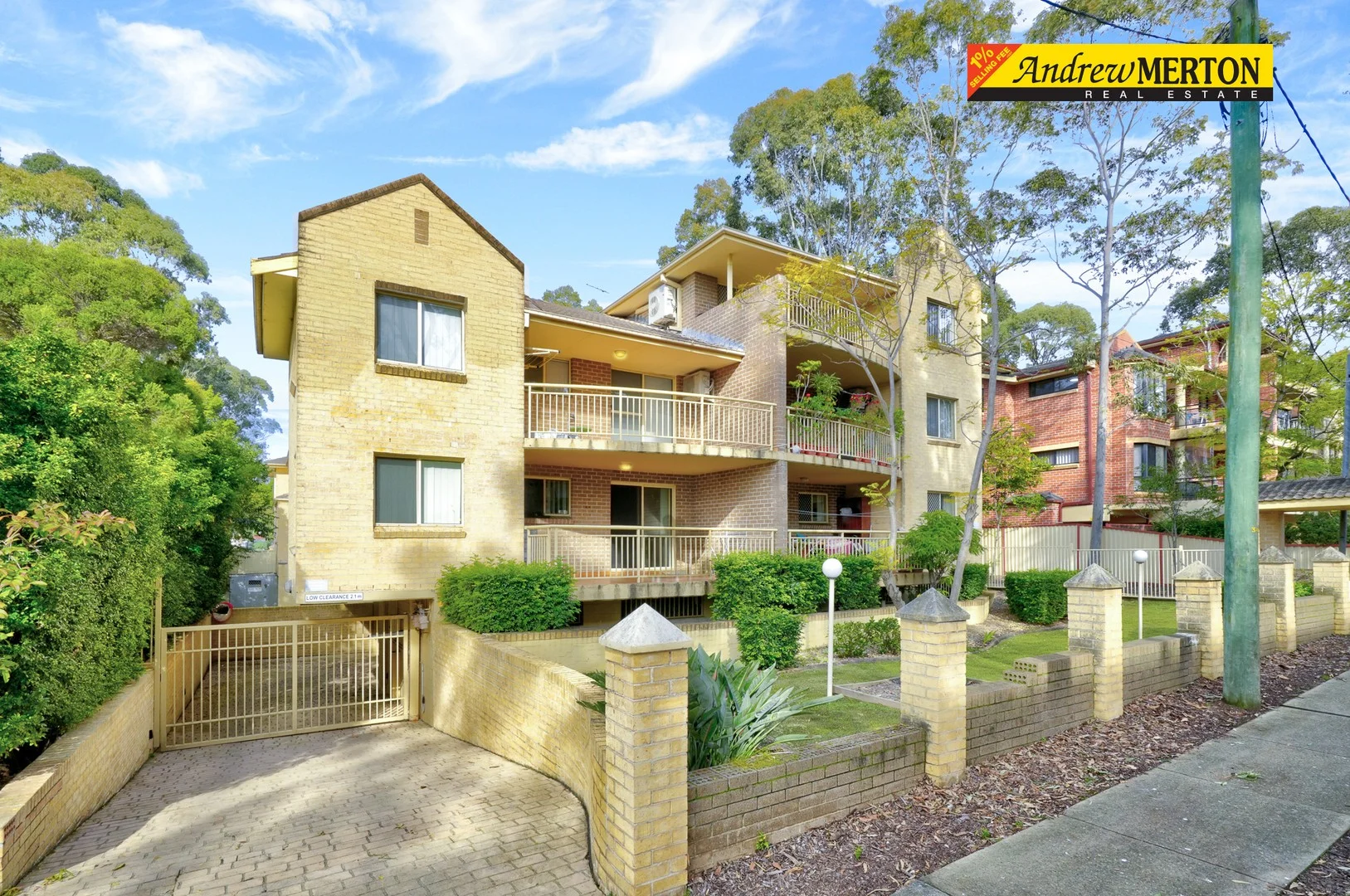 $530,000
Apartment / Unit / Flat
$530,000
Apartment / Unit / Flat
 $36,000,000 - $39,500,000
Vacant Land
$36,000,000 - $39,500,000
Vacant Land
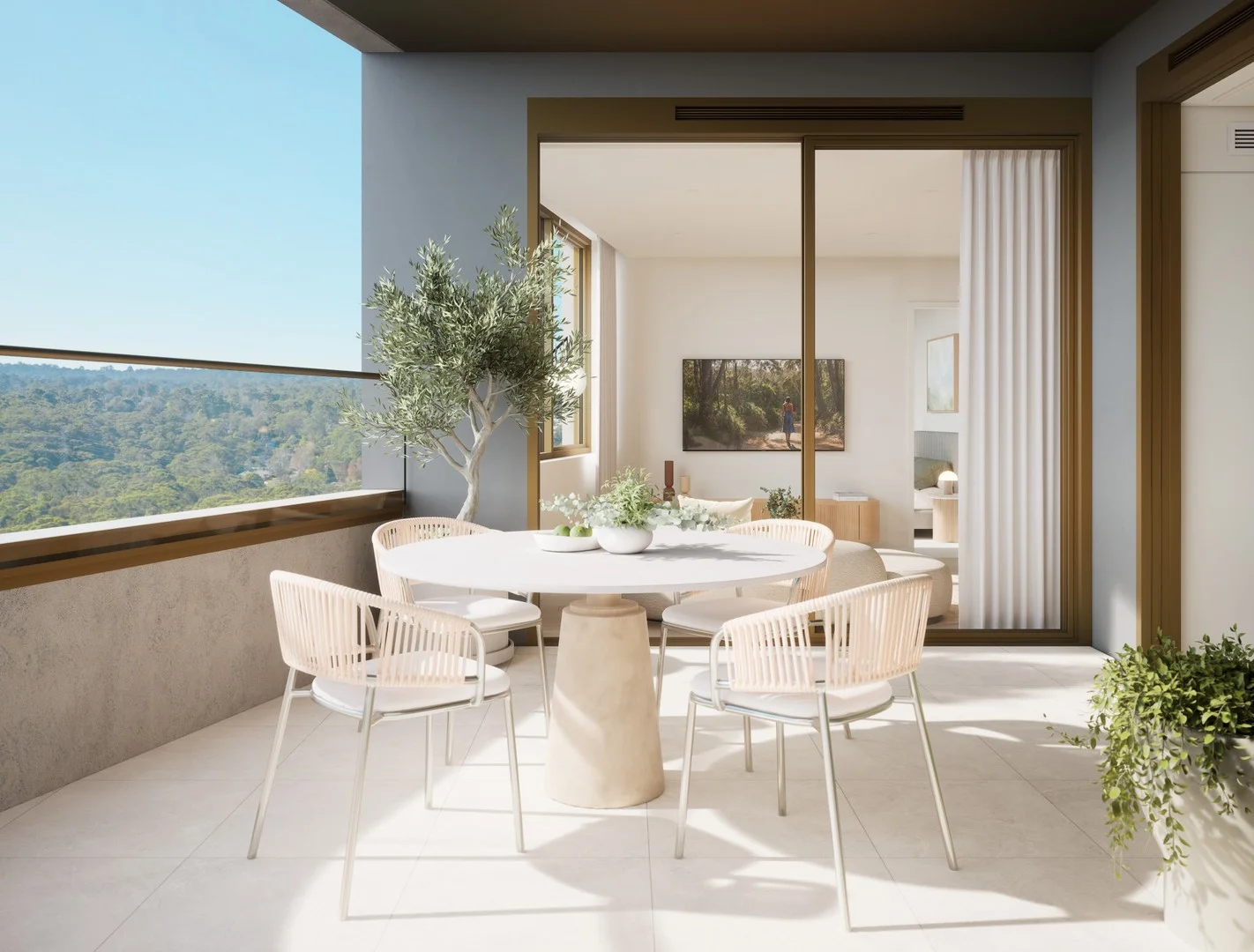 $1,525,000
Apartment / Unit / Flat
$1,525,000
Apartment / Unit / Flat
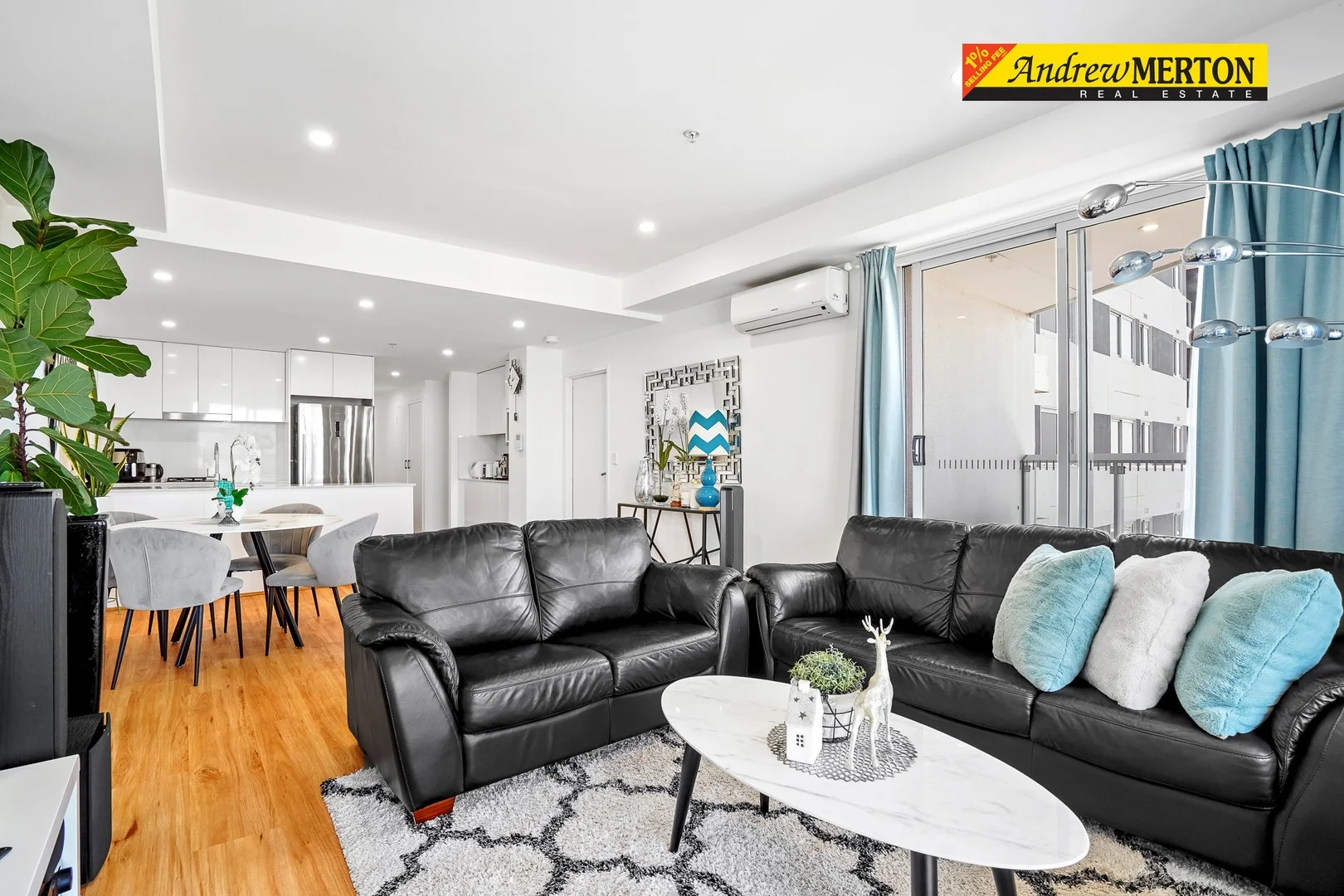 $475,000
Apartment / Unit / Flat
$475,000
Apartment / Unit / Flat
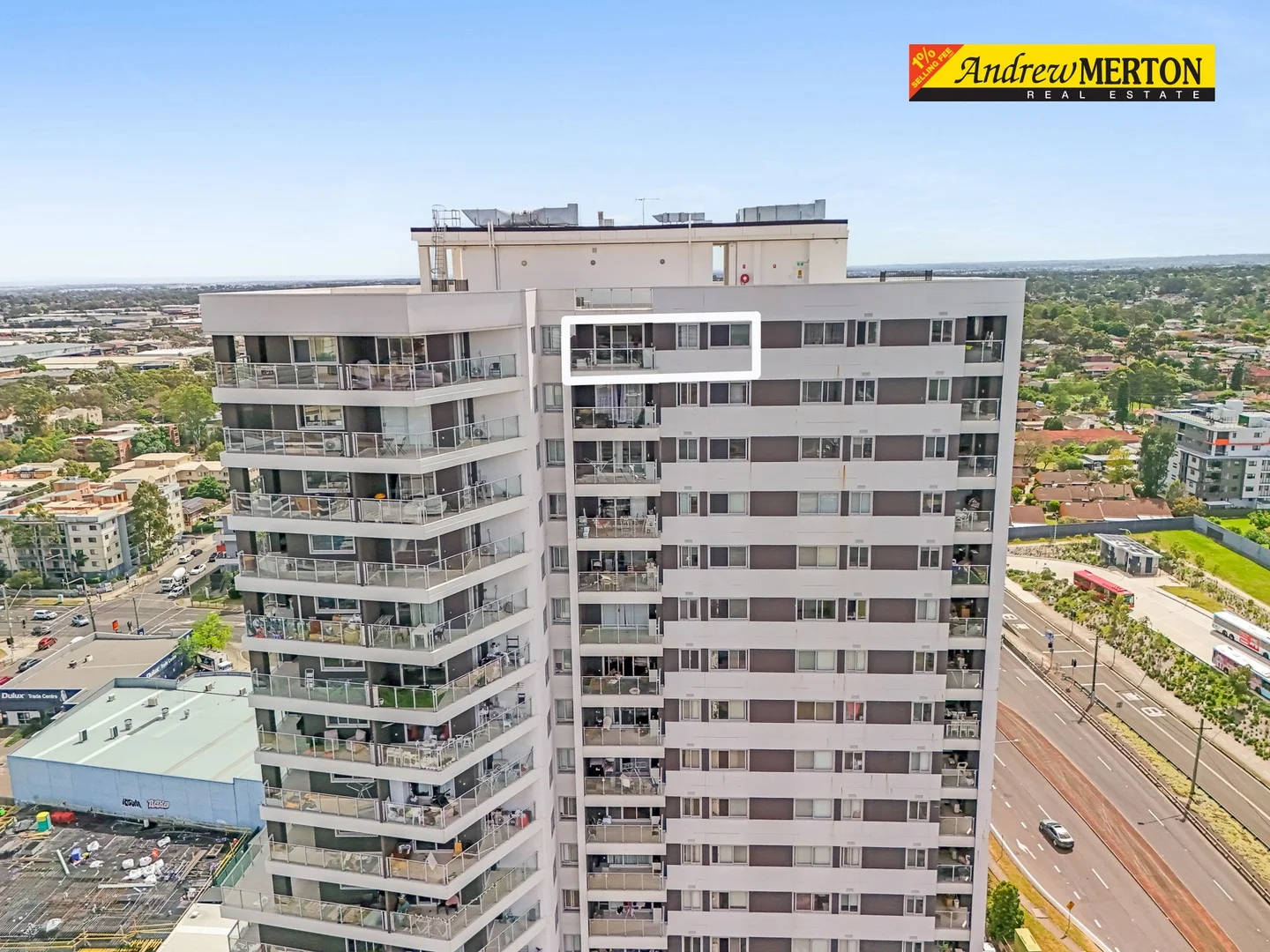 $399,900
Apartment / Unit / Flat
$399,900
Apartment / Unit / Flat