## 1. Overview
University High School is a public, co-educational secondary school located in Parkville, Victoria. The school supports a medium-sized campus with a strong focus on academic achievement, student leadership and inclusive learning. It offers a community atmosphere that is academically rigorous yet welcoming, with opportunities for a diverse range of students to grow.
- School type: Public
- School size: Medium
- Class size: Typically around 22–24 students per class
- Atmosphere/culture: Academic, diverse, inclusive, nurturing and sport-tocussed
⸻
## 2. Academics & Learning
University High School emphasises strong academic outcomes across core domains and offers pathways that challenge motivated learners. Strengths often highlighted include STEM, English and languages, alongside opportunities for leadership and collaborative projects.
- Academic strengths: STEM, English, languages; emphasis on critical thinking and problem-solving
- Special programs: Gifted and Talented pathways, accelerated learning opportunities, leadership programs
- NAPLAN / trends: Historically strong performance relative to state averages with positive year-on-year trends in reading and numeracy
- Student-teacher ratios: Roughly 1:12–1:16, depending on subject and year level
- Support for diverse learners: EAL support, SEN support, learning adjustments, inclusive education practices
⸻
## 3. Sports & Extracurricular Strengths
Sports and a broad range of extracurricular activities are central to student life, with a focus on teamwork, discipline and personal growth. The school supports competitive teams and a variety of clubs.
- Sports offered: Basketball, football (soccer), netball, cricket, athletics, swimming, tennis, and more
- Strong teams or achievements: Competitive inter-school teams with district-level opportunities; regular participation in regional events
- Music, arts, drama programs: Concert bands, choirs, theatre productions, visual arts programs
- Clubs: Robotics, chess, coding, debating, science clubs, environmental groups
- Partnerships: Local university and community partnerships for competitions, mentoring and enrichment programs
⸻
## 4. Wellbeing & Pastoral Care
Wellbeing and pastoral care are integral to student success, with structures in place to support mental health, resilience and smooth transitions.
- Anti-bullying approach: Clear policies with restorative practices and student awareness programs
- House system: Yes (house-based activities and competitions to foster belonging)
- Counsellors / wellbeing officers: Dedicated wellbeing staff and access to school counsellors
- Transition support for new students: Orientation programs, buddy systems and targeted supports for new entrants
⸻
## 5. Facilities
The school’s facilities support a range of learning activities from science and technology to arts and sport.
- Sports grounds
- Libraries
- Science labs
- Music/performing arts centers
- Tech/innovation labs
- Cafeteria
- Updated playgrounds
⸻
## 6. School Values & Community Culture
University High School communicates clear values and fosters a culture that supports student growth, responsibility and inclusivity.
- School values / mission: Excellence, integrity, respect, inclusion
- Leadership style: Student voice and leadership opportunities; collaborative decision-making
- Behaviour expectations: Positive behaviour framework and code of conduct
- Community reputation: Known for academic focus, strong student well-being and community involvement
- Diversity & inclusion: Active commitment to diversity, equal opportunity and inclusive practices
⸻
## 7. School Logistics & Daily Operations
Practical daily considerations help families plan around school life.
- School hours: Typical school day runs from morning to afternoon with supervised start times
- Before/after school care: Availability varies; often coordinated through external providers or community services
- Uniform requirements: Official school uniform policy with possible sport uniform for activities
- Transport (train/bus routes): Accessible by public transport; families commonly use bus/tram routes or walking/cycling from nearby areas
- Canteen availability: On-site canteen options or approved food services
- Fees (low/medium/high ranges): Public schools generally have low to moderate voluntary contributions and materials costs; actual fees vary annually
⸻
## 8. Enrolment & Admissions
Enrolment processes for University High School follow local education guidelines and can include several steps depending on intake year and catchment considerations.
- 11. What is the enrolment process and timeline?
- Enrolments generally follow the Department of Education intake cycles for Year 7 (and other year levels as spaces allow). Applications are typically submitted within the published windows, with offers communicated according to DET timelines and school capacity. Check the school and DET portals for current windows and required documentation.
- 12. Is there a waiting list, and how does it work?
- Some intakes may have a waiting list when the school is oversubscribed. Waiting lists are managed by priority rules and available space; families are notified if an offer becomes available.
- 13. Are there any entry requirements, tests, or interviews?
- Entry may involve standard eligibility (e.g., catchment rules) and, for some programs or selective entries, assessment or interview processes. Specifics vary by year level and enrolment pathway.
- 14. Does the school accept mid-year transfers?
- Mid-year transfers can be considered if there are vacancies. Availability depends on space, prerequisites, and alignment with year-level cohorts; contact the school early to discuss options.
⸻
## 9. Frequently Asked Questions
- Why Parents Choose This School?
- Combines strong academic programs with a supportive, inclusive culture and ample co-curricular opportunities.
- What type of student thrives at this school?
- Students who are motivated, curious, collaborative and committed to both academics and wellbeing.
- What opportunities are available for students to extend their skills (academics, sports, arts)?
- Advanced learning pathways, leadership opportunities, sports teams, clubs (robotics, coding, debating), music and drama programs.
- How does the school communicate with parents?
- Regular updates via newsletters, emails, the school website and parent-teacher meetings; responsive channels for parent inquiries.
- What is the school’s approach to teaching and learning?
- Rigorous, student-centred learning with a focus on critical thinking, enquiry-based tasks and differentiated support.
- How does the school support students who need extra academic help?
- EAL and SEN support, targeted tutoring or adjustment programs, and access to counsellors and learning support staff.
- What support is available for academic challenges?
- Early intervention, study skills coaching, mentoring, and access to subject specialists.
- How does the school communicate with parents? (Repeated)
- See above: newsletters, email, meetings, and digital portals.
- What are the class sizes and how much individual attention do students receive?
- Class sizes typically around 22–24; student-teacher ratios allow for targeted support and feedback.
- What extracurricular and sports opportunities are available?
- broad range including sports teams, robotics, chess, coding, debating, music and drama.
- What facilities does the school offer (sports, science, arts)?
- Comprehensive facilities including sports grounds, libraries, science labs, music/performing arts spaces, tech/innovation labs, a canteen and updated playgrounds.
- What is the school’s approach to technology and digital learning?
- Emphasis on integrating digital literacy into learning; access to devices and software to support modern teaching and independent learning.
- What transport and accessibility options are available?
- Access via public transport; walking/biking options; family arrangements for school drop-offs supported by local routes.
- What are the typical school fees or additional costs?
- As a public school, tuition is not charged; there are common costs for materials, excursions or optional activities. Voluntary contributions may be requested.
⸻
## 10. Short Pros & Cons list
- Pros
- Strong academic culture with broad enrichment options
- Supportive wellbeing and inclusive practices
- Wide range of clubs, sports and performing arts
- Good student-teacher engagement and leadership opportunities
- Cons
- Competitive environment may feel demanding for some students
- Mid-year transfers depend on space and eligibility
- Uniform costs and optional activity fees can add up
- Transport options depend on family location and public routes
⸻

 Free
Free











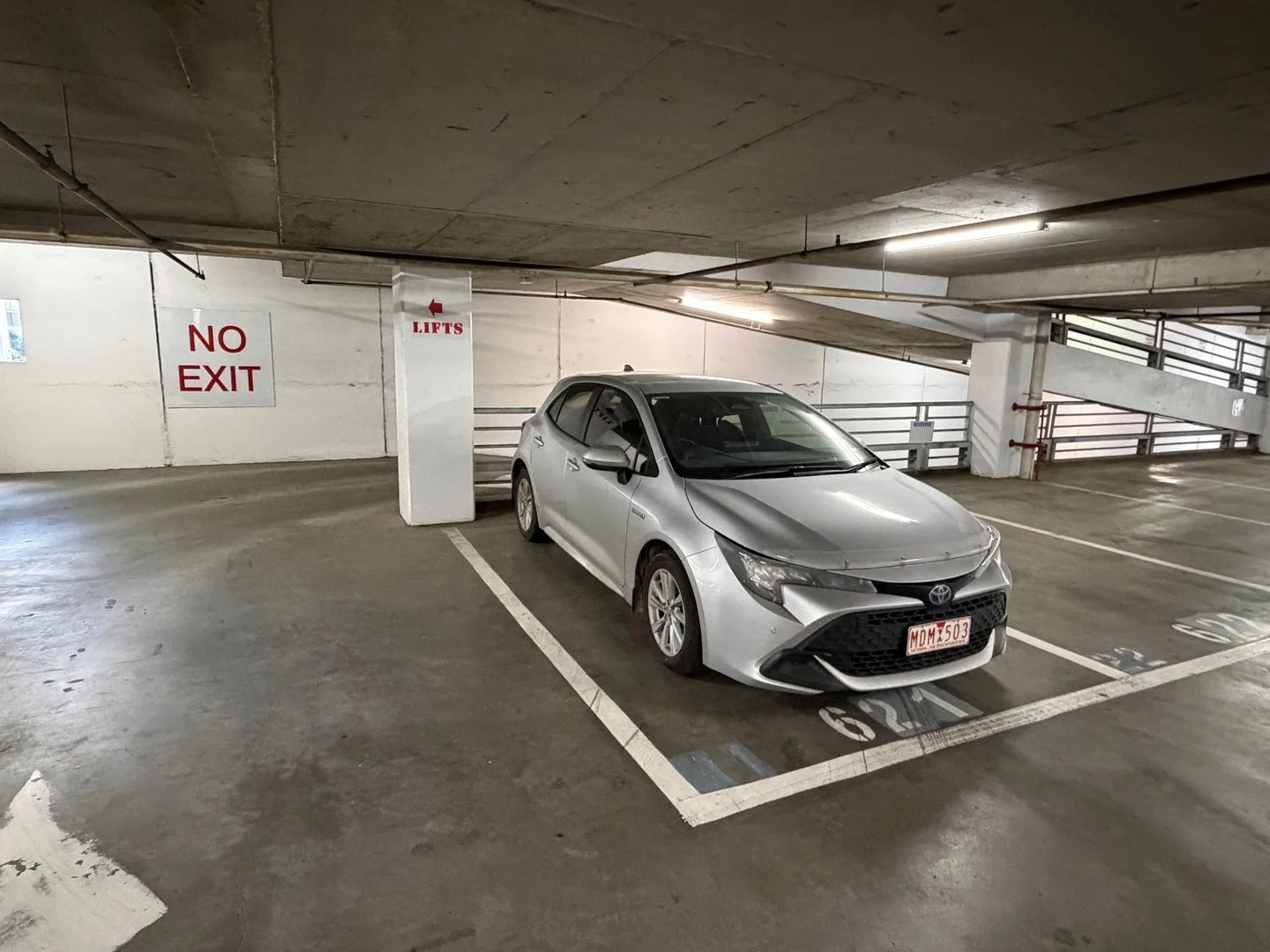 $27,500
propertyType.CAR SPACE
$27,500
propertyType.CAR SPACE
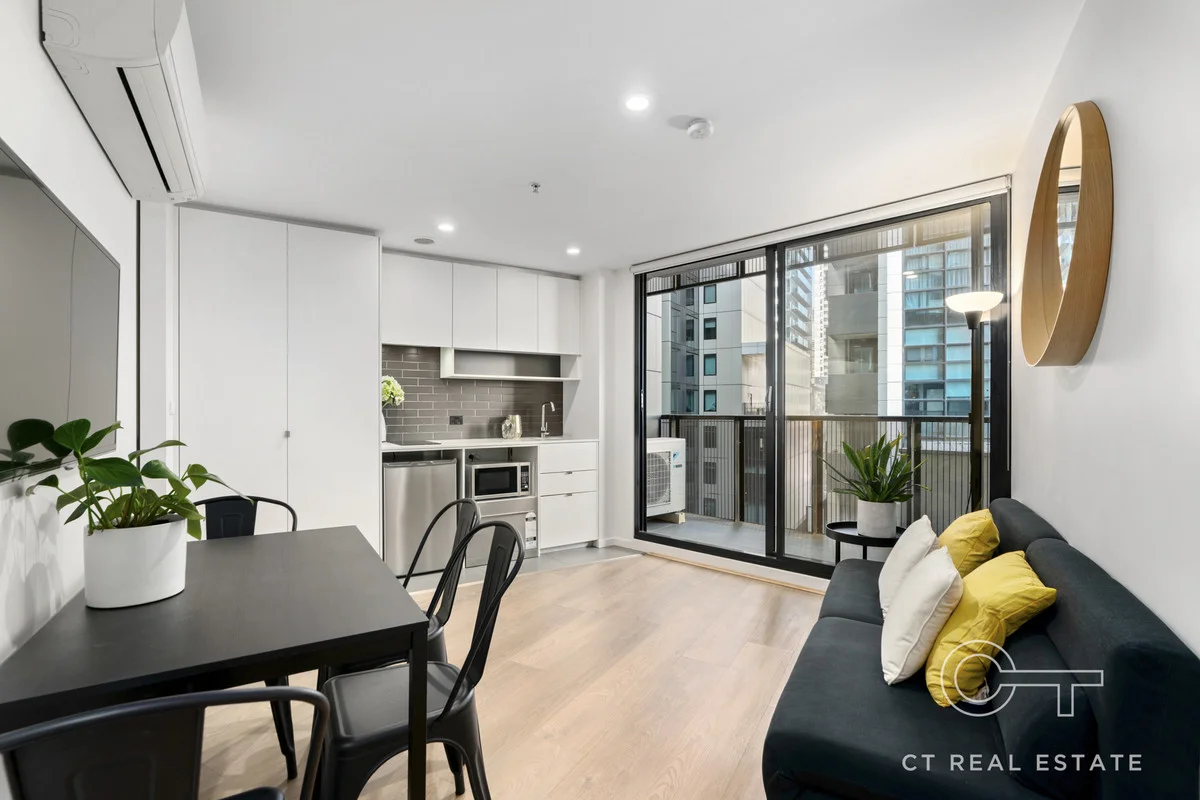 $360,000
Apartment / Unit / Flat
$360,000
Apartment / Unit / Flat
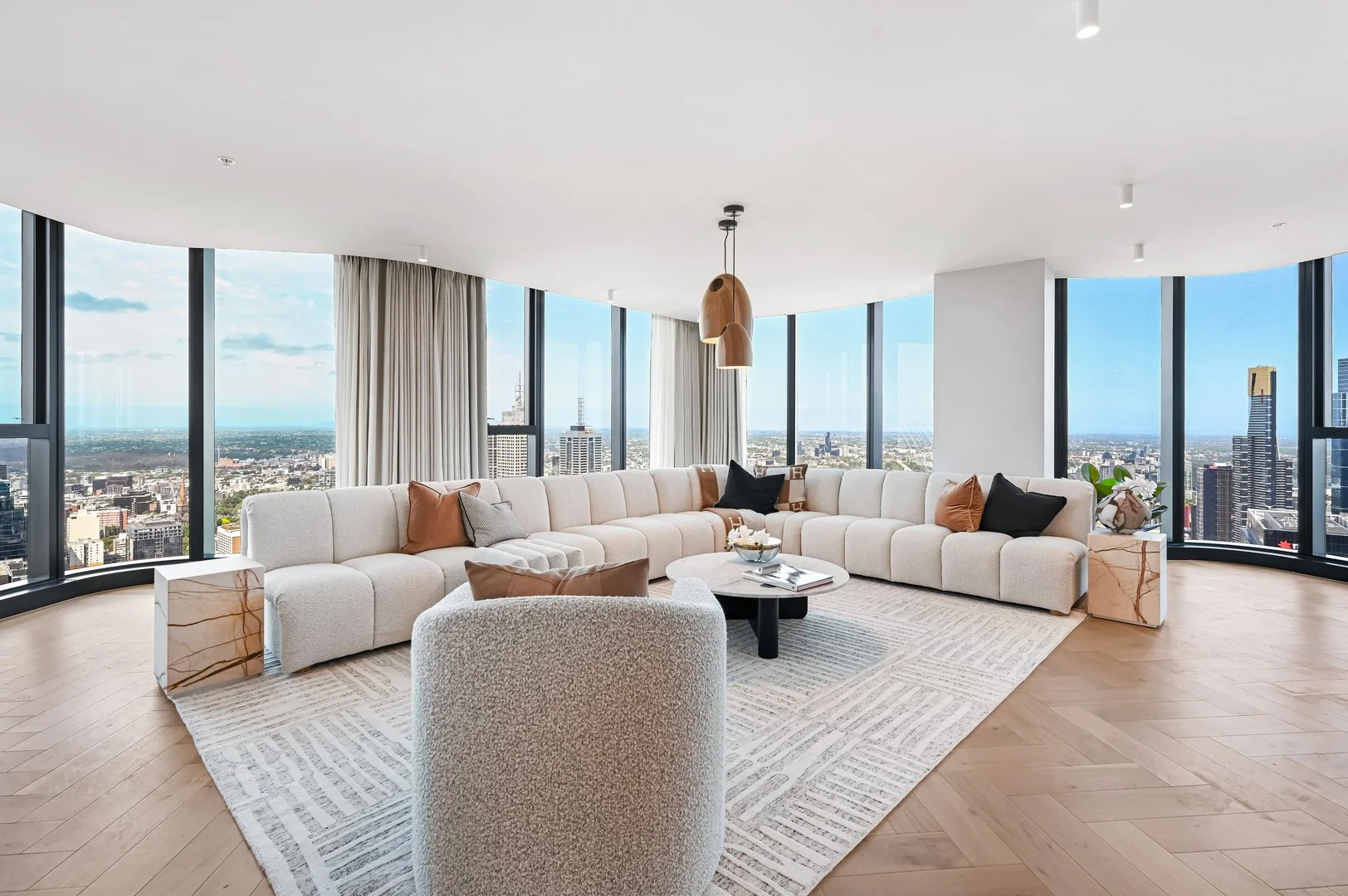 $5,512,000
propertyType.NEW APARTMENTS / OFF THE PLAN
$5,512,000
propertyType.NEW APARTMENTS / OFF THE PLAN
 $2,008,000
propertyType.NEW APARTMENTS / OFF THE PLAN
$2,008,000
propertyType.NEW APARTMENTS / OFF THE PLAN
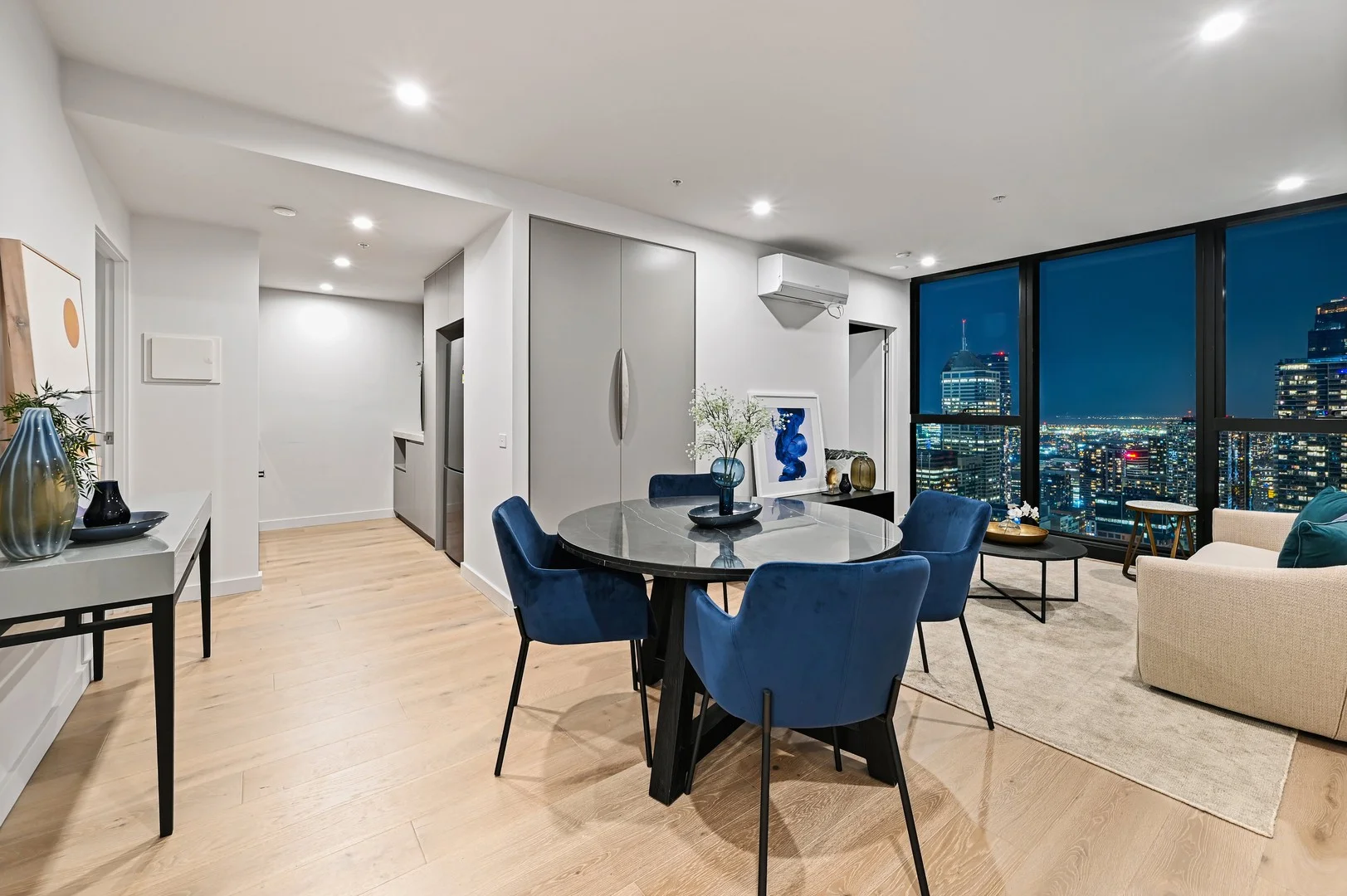 $943,000
propertyType.NEW APARTMENTS / OFF THE PLAN
$943,000
propertyType.NEW APARTMENTS / OFF THE PLAN
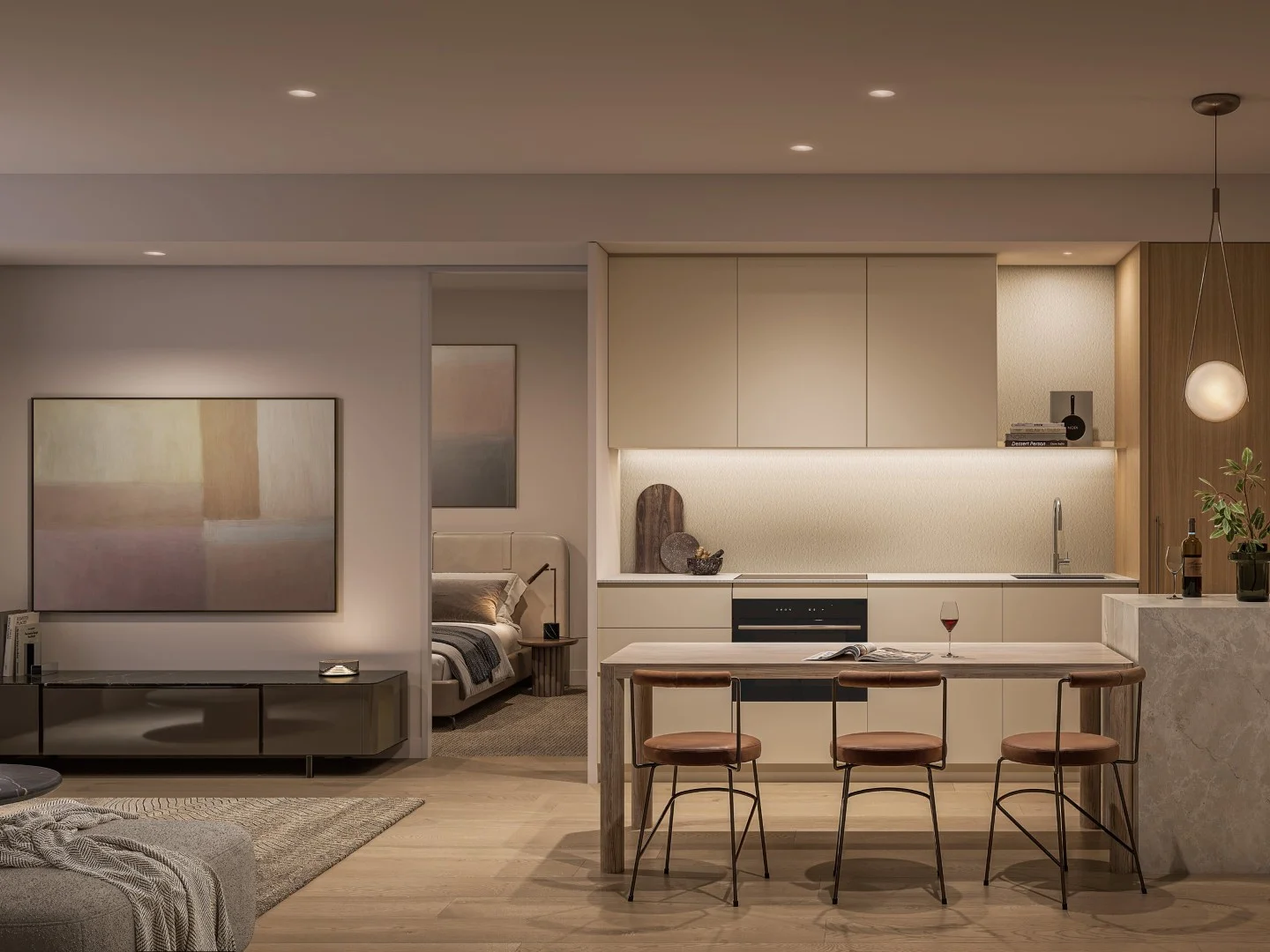 $666,000
Apartment / Unit / Flat
$666,000
Apartment / Unit / Flat
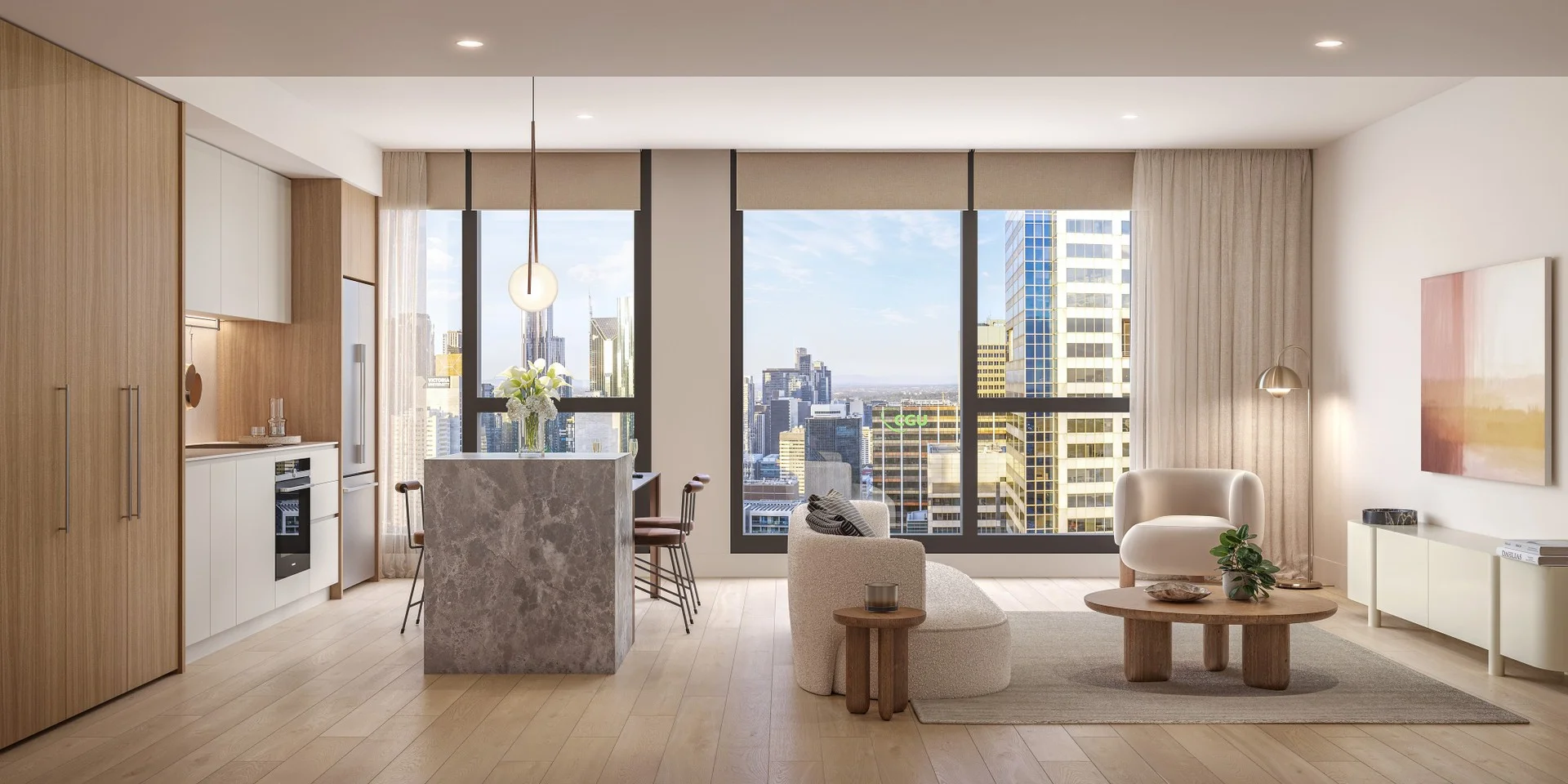 $1,870,000
propertyType.NEW APARTMENTS / OFF THE PLAN
$1,870,000
propertyType.NEW APARTMENTS / OFF THE PLAN
 $712,500
Apartment / Unit / Flat
$712,500
Apartment / Unit / Flat
 $2,865,000
Apartment / Unit / Flat
$2,865,000
Apartment / Unit / Flat


