## Overview
Uraidla Primary School is a public, co-educational primary school serving families in the Adelaide Hills, within the Uraidla community. The school is small-to-medium in size, offering a tight-knit, community-focused environment where students are known by name and supported by dedicated staff.
Class sizes are typically around 20–25 students, contributing to a nurturing and inclusive atmosphere that emphasises strong relationships, practical learning, and student well-being. The school fosters a culture of curiosity, collaboration, and respect, with a focus on developing confident, capable learners who engage with their local community.
⸻
## Academics & Learning
- Academic strengths: Strong foundations in literacy and numeracy, with a clear emphasis on STEM and digital technologies, complemented by inquiry-based learning approaches and opportunities for collaborative projects.
- Special programs: Gifted and Talented/enrichment opportunities and targeted learning supports are available where appropriate to challenge and extend students.
- NAPLAN / trends: The school demonstrates steady growth and positive trends over time in Reading and Numeracy, with a focus on building skills that transfer across all subject areas.
- Student-teacher ratios: Approximately 1:20 to 1:25, enabling some individual attention within a collaborative classroom environment.
- Support for diverse learners: Dedicated support for EAL learners and students with SEN, including modified curricula and access to additional support staff as needed.
⸻
## Sports & Extracurricular Strengths
- Sports offered: Netball, cricket, football (soccer), athletics, and cross-country are commonly available, with opportunities to participate in inter-school events and district competitions.
- Strong teams or achievements: Regular participation in local inter-school sports, with emphasis on teamwork, fair play, and personal improvement; school teams often compete at district levels.
- Music, arts, drama programs: Active music and performing arts opportunities, including choir and theatre-related activities; visual arts programs support creativity across the year.
- Clubs: Robotics, coding, chess, and debating are offered to broaden skills beyond core academics.
- Partnerships: Local community partnerships and participation in Adelaide Hills competitions and events enhance opportunities for students to engage beyond the classroom.
⸻
## Wellbeing & Pastoral Care
- Anti-bullying approach: Clear policies and proactive programs to promote respectful behaviour, with ongoing education and reporting mechanisms.
- House system: A house-based structure supports leadership, teamwork, and positive competition across activities and events.
- Counsellors / wellbeing officers: Access to dedicated wellbeing staff and school psychologists as appropriate to support social and emotional health.
- Transition support for new students: Comprehensive orientation, buddy programs, and targeted supports to help new students settle in smoothly.
⸻
## Facilities
- Sports grounds: Well-maintained playing fields and outdoor spaces for recess, lunch, and PE.
- Libraries: A well-stocked library supporting reading for pleasure and research skills.
- Science labs: Adequate science spaces to run hands-on experiments and STEM activities.
- Music/performing arts centers: Dedicated spaces for rehearsal, rehearsals, and performances.
- Tech/innovation labs: ICT and digital technologies spaces to support coding, robotics, and project work.
- Cafeteria: On-site canteen or snack facilities offering healthy options.
- Updated playgrounds: Modern play areas and outdoor learning spaces for exploration and physical activity.
⸻
## School Values & Community Culture
- School values / mission: A focus on respect, responsibility, integrity, and cooperation, with an emphasis on kindness and community contribution.
- Leadership style: Collaborative and student-inclusive leadership that encourages student voice in school life and decision-making.
- Behaviour expectations: Clear codes of conduct built on positive behaviour for learning, with consistent reinforcement and rewards.
- Community reputation: Known for a friendly, supportive, and family-oriented atmosphere within the Adelaide Hills community.
- Diversity & inclusion: Welcomes families from diverse backgrounds; inclusive practices are embedded in teaching, discipline, and student support.
⸻
## School Logistics & Daily Operations
- School hours: Typical day runs from the morning start through to mid-afternoon, with clear timetables published by the school.
- Before/after school care: Availability of before and after school care options through school-approved providers or on-site programs.
- Uniform requirements: School uniform is required, with specified items (e.g., polo shirt, shorts/skirt, hat) and guidelines for dress.
- Transport (bus routes): Local bus services and transport options are available for students within the catchment area; some families also use public transport or walk/bike routes.
- Canteen availability: Canteen or lunch program options available on-site or nearby facilities.
- Fees (low/medium/high ranges): Public primary schools typically have low to moderate voluntary contributions and items for classroom resources; exact fees vary by year and program.
⸻
## Enrolment & Admissions
11. What is the enrolment process and timeline?
- Apply through the school’s enrolment process (usually coordinated with the Department for Education). Initiate early for planning; timelines typically include submission of required documents, confirmation of enrolment, and orientation details before the school year begins.
12. Is there a waiting list, and how does it work?
- There can be a waiting list depending on local demand and catchment constraints. Availability often depends on family residency within the school’s catchment; out-of-area enrolments may require approval and space permitting.
13. Are there any entry requirements, tests, or interviews?
- Entry requirements generally include standard documentation (birth certificate, immunisation status, proof of residence). Interviews or readiness assessments may occur on rare occasions, depending on annual procedures and enrolment category.
14. Does the school accept mid-year transfers?
- Mid-year transfers are possible if spaces are available and appropriate transition plans can be arranged with the school. Parents should contact the administration as early as possible to discuss spaces and timing.
⸻
## Frequently Asked Questions
- Why Parents Choose This School?
- A close-knit, supportive public primary with strong community ties, individualized attention, and a focus on well-being and inclusive learning.
- What type of student thrives at this school?
- Curious, collaborative students who respond well to a nurturing environment, active learning, and opportunities to participate in sports, arts, and clubs.
- What opportunities are available for students to extend their skills (academics, sports, arts)?
- Enrichment in literacy and numeracy, STEM and digital technologies, gifted/enrichment programs, sport teams, music/arts ensembles, robotics, coding, debating, and other clubs.
- How does the school communicate with parents?
- Regular updates through newsletters, email, a school App or portal, and scheduled parent-teacher meetings. Open channels for concerns and feedback are encouraged.
- What is the school’s approach to teaching and learning?
- Student-centred, inquiry-based learning with a strong emphasis on core literacy and numeracy, hands-on experiences, collaboration, and real-world connections.
- How does the school support students who need extra academic help?
- Targeted interventions in literacy and numeracy, EAL/SEN support, small-group tutoring, and access to additional staff as needed.
- What support is available for academic challenges?
- Diagnostic assessments, tailored learning plans, and progression monitoring to ensure students receive appropriate supports.
- How does the school communicate with parents? (Note: duplicate)
- See above: multiple channels including newsletters, digital platforms, and meetings.
- What are the class sizes and how much individual attention do students receive?
- Class sizes typically around 20–25 students, with opportunities for targeted support within the classroom and through specialist programs.
- What extracurricular and sports opportunities are available?
- A range of sports (netball, cricket, football, athletics), plus clubs in robotics, coding, chess, debating, music, and the arts.
- What facilities does the school offer (sports, science, arts)?
- Sports grounds, library, science labs, performing arts spaces, tech/innovation labs, canteen, and modern playgrounds.
- What is the school’s approach to technology and digital learning?
- Emphasis on digital technologies and ICT in learning, with access to devices and coding/robotics experiences as part of the curriculum.
- What transport and accessibility options are available?
- Local bus services and transport options within the catchment, with considerations for families in the hills; walking or cycling may be options for nearby students.
- What are the typical school fees or additional costs?
- Public primary schools typically have low-level voluntary contributions for resources; exact costs vary by year and program.
⸻
## Short Pros & Cons list
Pros
- Small-to-medium, close-knit community with strong relationships between staff, students, and families
- Solid literacy and numeracy foundations with STEM and digital learning emphasis
- Broad range of clubs, sports, arts, and enrichment opportunities
- Attention to wellbeing, inclusion, and student support
- Accessible facilities and dedicated spaces for learning, music, science, and ICT
Cons
- As a public school, some programs and resources may be contingent on annual funding and enrolment numbers
- Transport options are regional; families outside catchment may face limitations or require approvals for enrolment
- Mid-year transfers depend on space availability, which can limit flexibility at times
⸻
 $40+
$40+








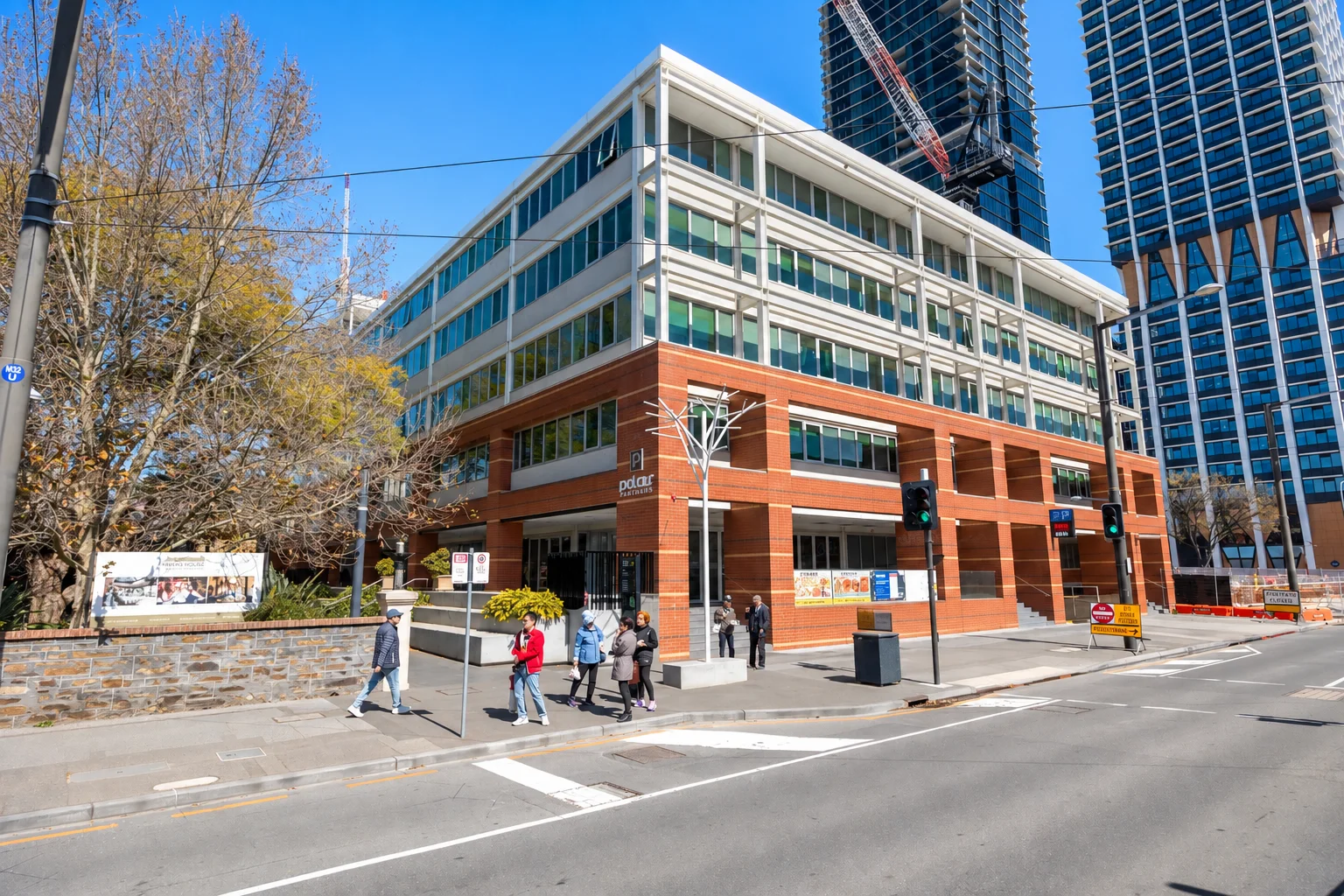 $545,000
Apartment / Unit / Flat
$545,000
Apartment / Unit / Flat
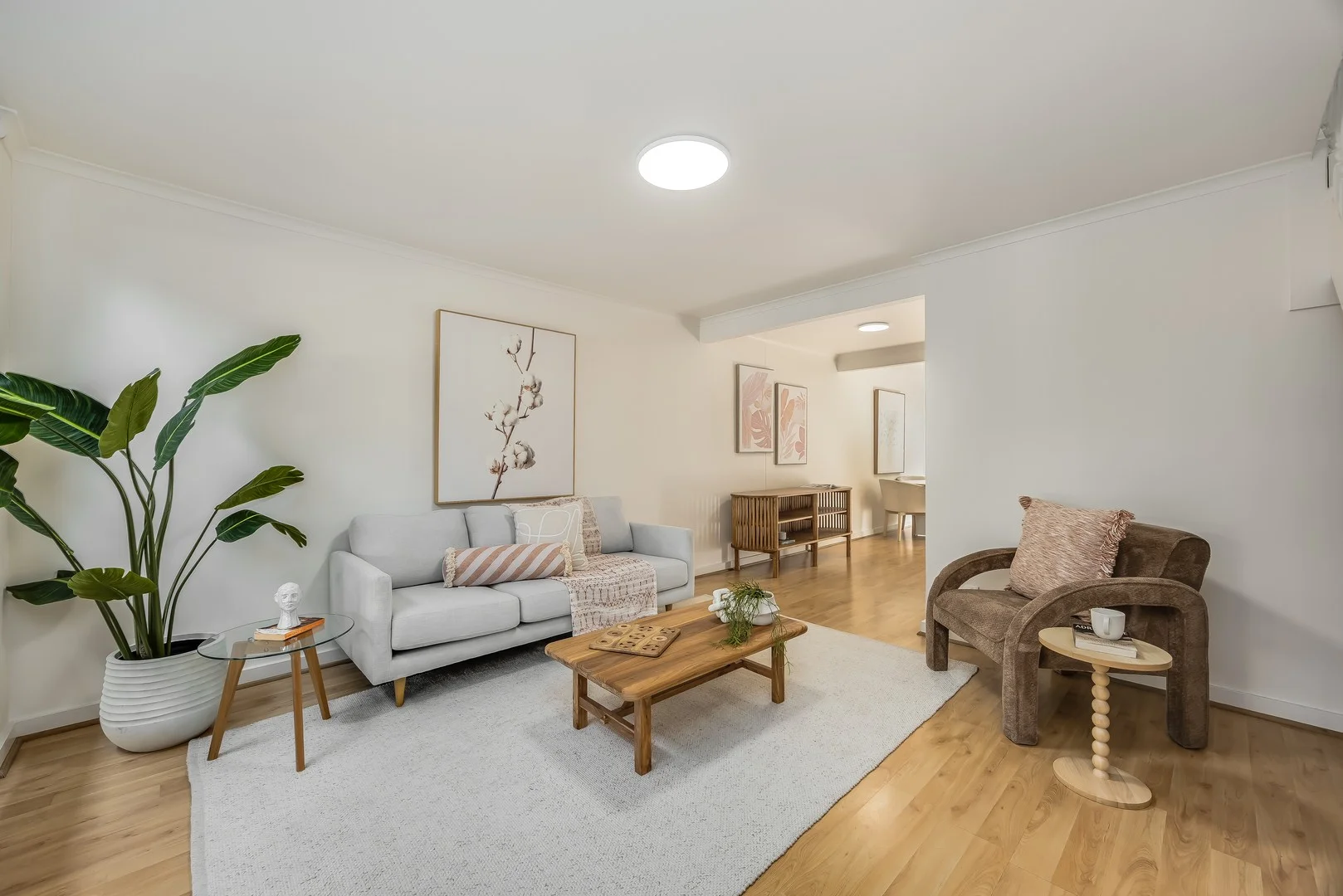 $775,000
House
$775,000
House
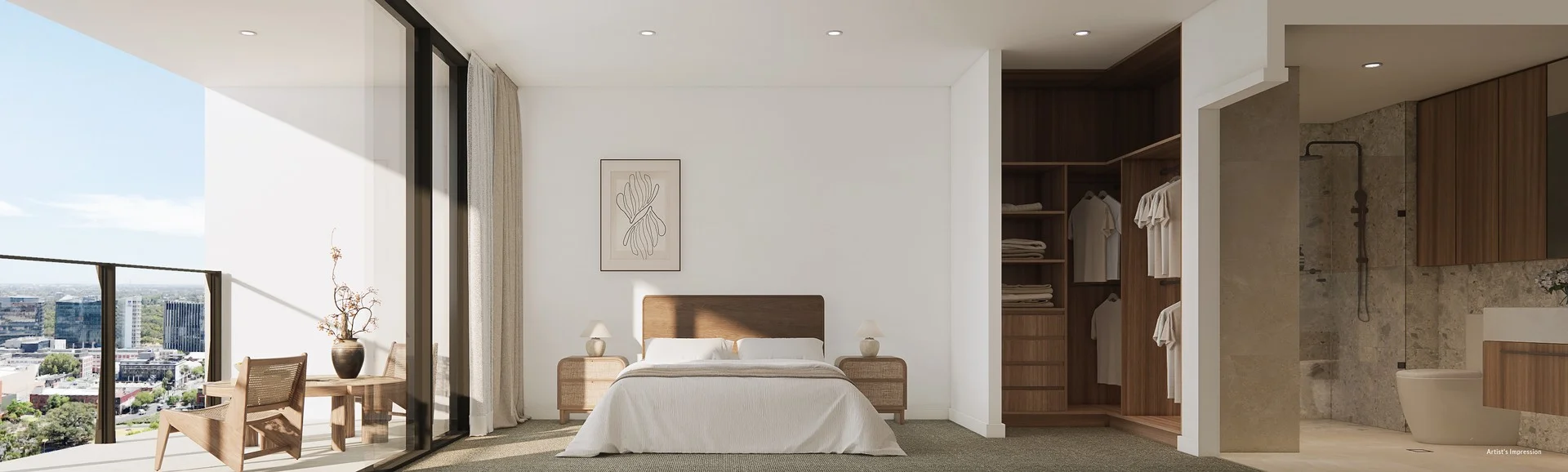 $1,056,000
Apartment / Unit / Flat
$1,056,000
Apartment / Unit / Flat
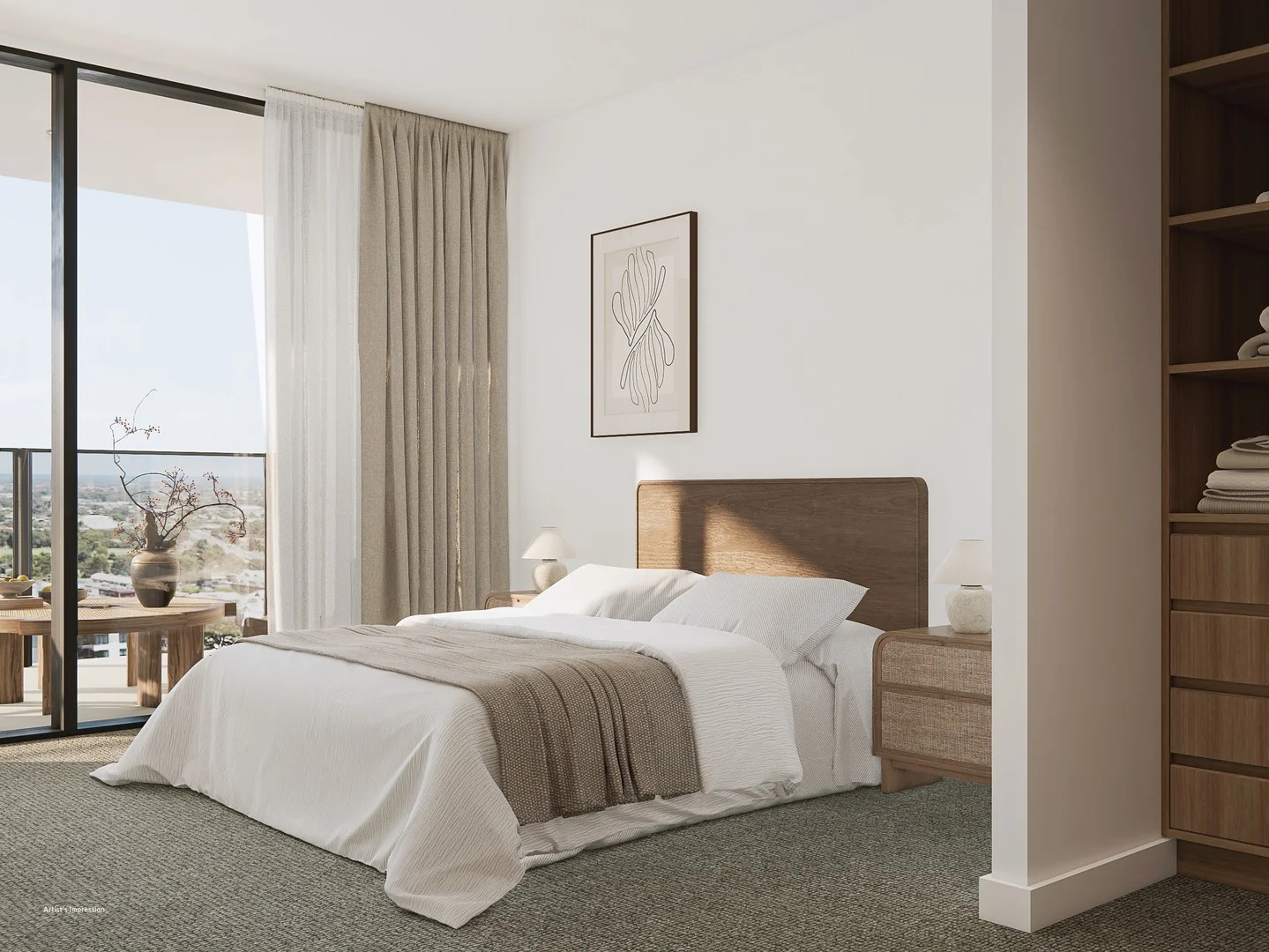 $935,000
Apartment / Unit / Flat
$935,000
Apartment / Unit / Flat
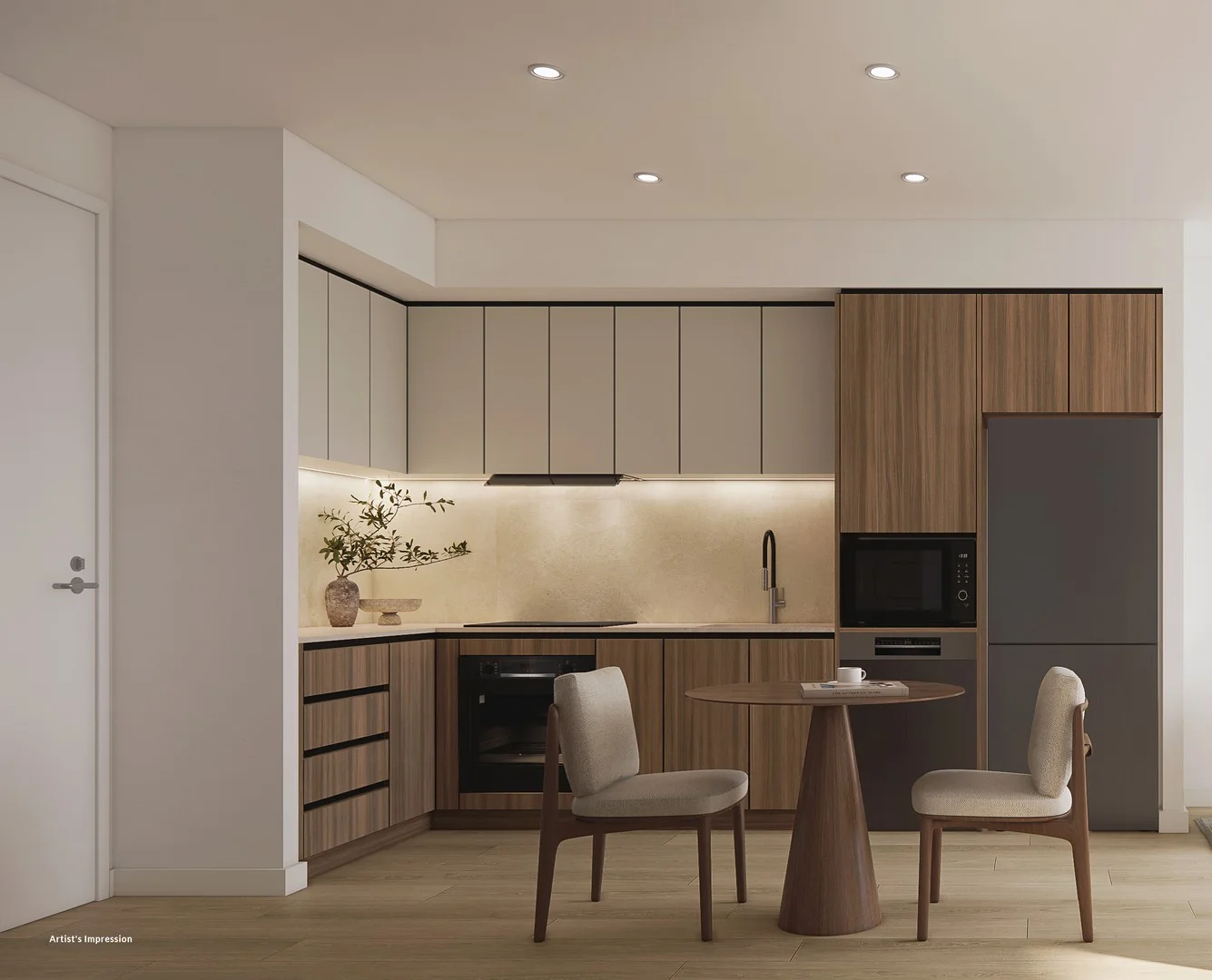 $557,000
Apartment / Unit / Flat
$557,000
Apartment / Unit / Flat
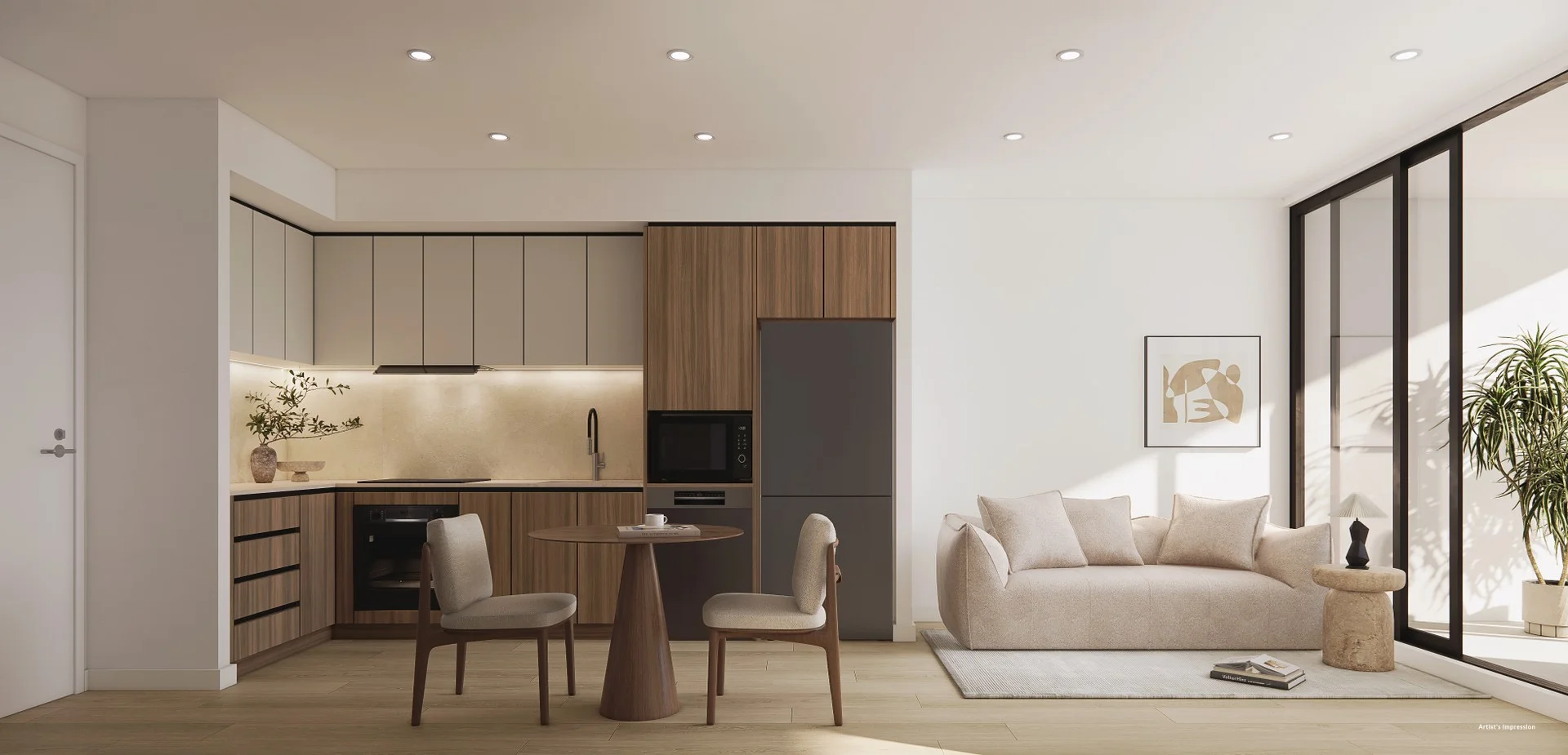 $588,000
Apartment / Unit / Flat
$588,000
Apartment / Unit / Flat
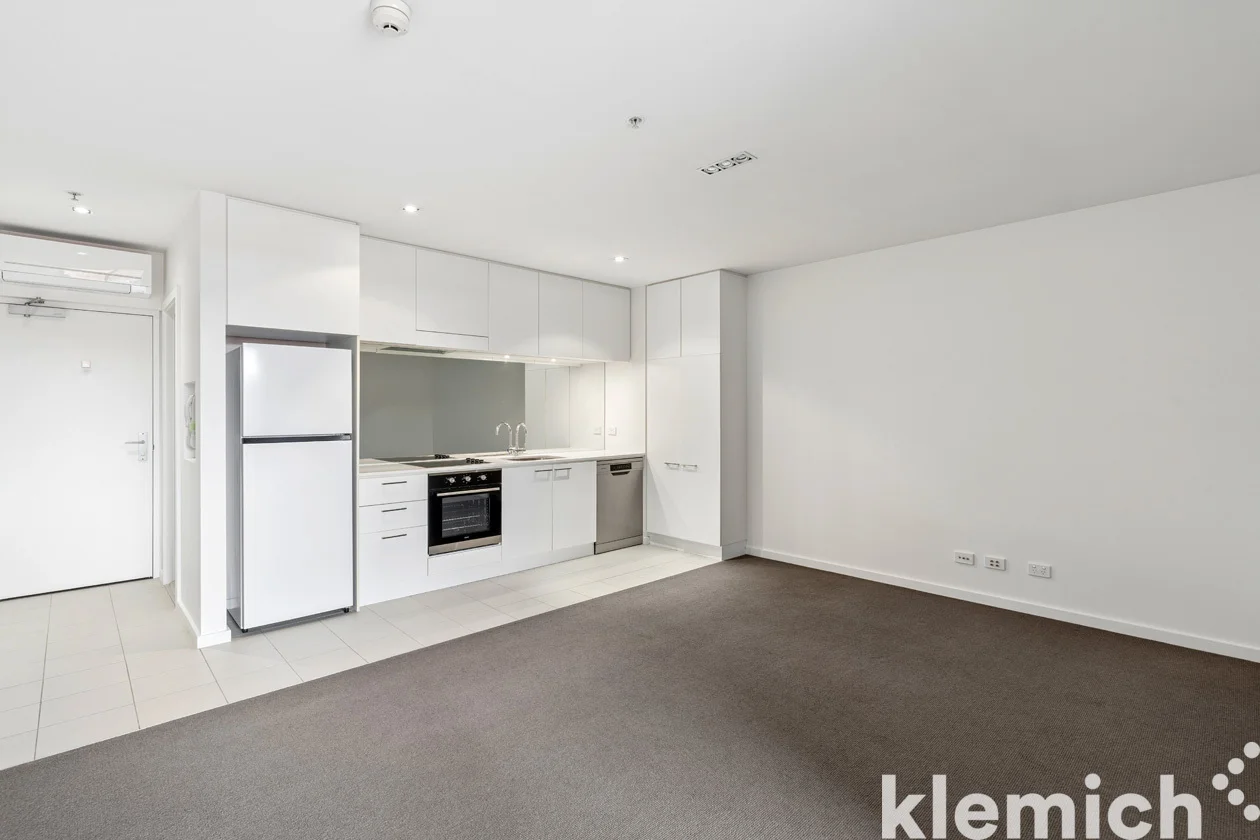 $440,000
Apartment / Unit / Flat
$440,000
Apartment / Unit / Flat
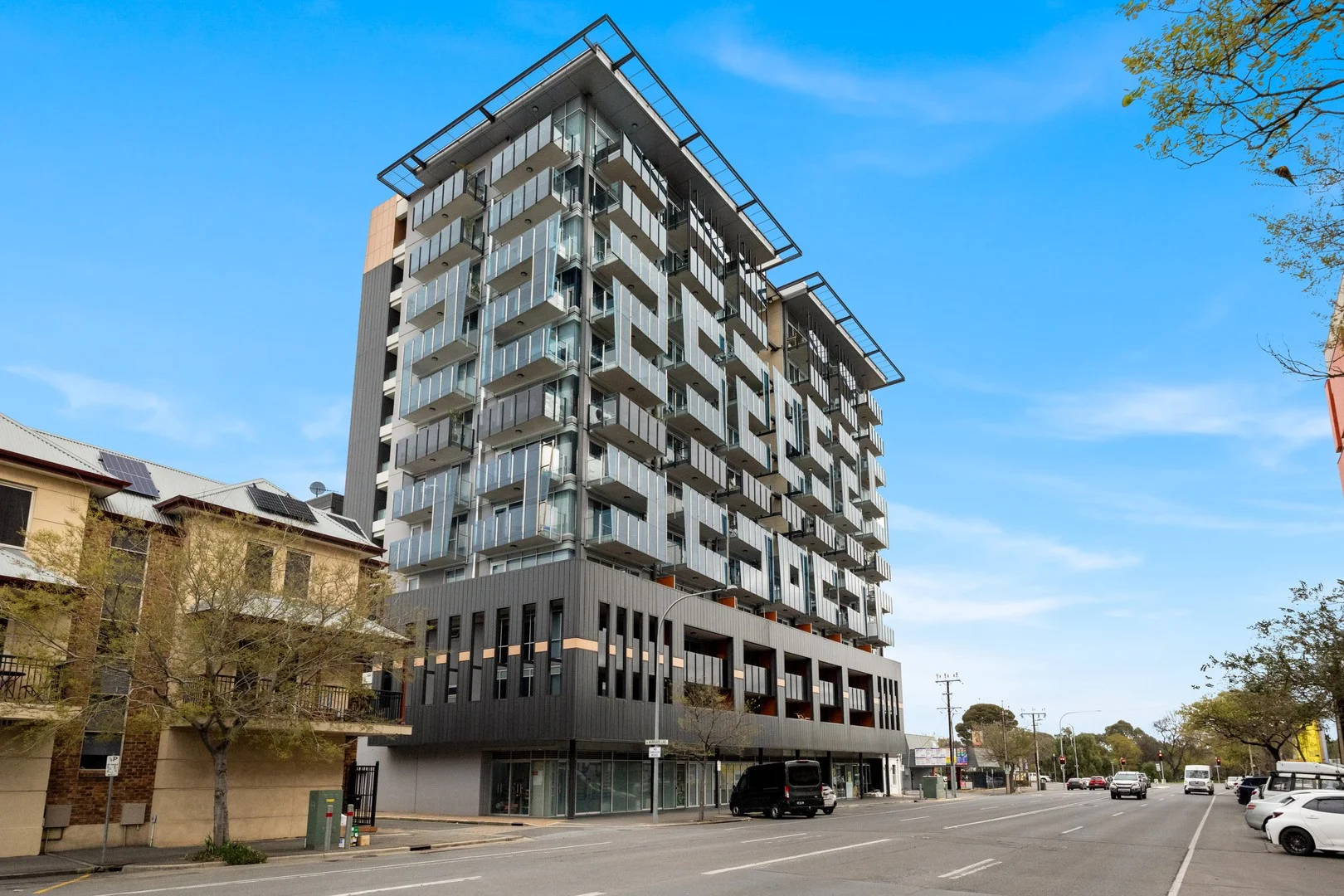 $1,100,000
Apartment / Unit / Flat
$1,100,000
Apartment / Unit / Flat