# Overview
Norton Summit Primary School is a public, co-educational primary school serving Norton Summit and surrounding communities in the Adelaide Hills. As a small school, it fosters a close-knit, supportive environment where families and staff know each other well.
- School type: Public
- School size: Small
- Class size: Small-to-mid, typically around 18–24 students per class
- Atmosphere/culture: Nurturing, inclusive, community-focused
This school emphasises hands-on learning, strong community involvement, and a collaborative approach to education that supports students’ social and academic development.
# Academics & Learning
Norton Summit Primary School emphasises solid literacy and numeracy foundations, with opportunities for hands-on, inquiry-based learning in science and maths. The school supports students to develop critical thinking, problem-solving, and communication skills through integrated learning activities.
- Academic strengths: Literacy and numeracy; STEM-inspired inquiry; leadership opportunities; exposure to languages or LOTE concepts where available
- Special programs: Gifted and Talented/extension activities and opportunities for accelerated learning where appropriate
- NAPLAN trends: Typical schools in the region focus on year-to-year growth and competency gains; the school tracks progress over time to support targeted improvement
- Student-teacher ratios: Small-to-mid classes with a focus on providing individual attention; approximate range often around 1:15 to 1:22
- Support for diverse learners: EAL support where needed; SEN support and inclusion strategies to help students access learning
# Sports & Extracurricular Strengths
Extracurricular life is designed to complement academic learning and build teamwork, resilience, and broad interests.
- Sports offered: Common primary offerings such as team sports and athletics; participation in local inter-school events
- Strong teams or achievements: Active involvement in inter-school competitions and school-based teams; emphasis on sportsmanship and personal bests
- Music, arts, drama programs: Choirs, school concerts, and opportunities to participate in music and performing arts
- Clubs: Robotics, chess, coding, debating (availability may vary by year and staffing)
- Partnerships: Local community groups and clubs that provide opportunities for competitions and additional coaching
This section prioritizes activities that appeal to boys aged 10–14, while remaining accessible to the broader student body.
# Wellbeing & Pastoral Care
The well-being of students is central to the school’s ethos, with programs designed to support emotional health, positive relationships, and a safe learning environment.
- Anti-bullying approach: Clear policies, proactive education, and whole-school programs to promote respectful interactions
- House system: House groups foster belonging, leadership, and healthy competition
- Counsellors / wellbeing officers: Access to school-based wellbeing staff and supports for social and emotional learning
- Transition support for new students: Buddy programs, orientation activities, and individualized support to help students settle in
# Facilities
Facilities are designed to support a broad curriculum and a comfortable, engaging learning environment.
- Sports grounds: Outdoor play and field space for physical education and games
- Libraries: A dedicated library for reading and research
- Science labs: Practical science learning spaces
- Music/performing arts centers: Spaces for music practice, drama, and performances
- Tech/innovation labs: Access to digital learning resources and hands-on technology activities
- Cafeteria: On-site canteen or snacks for students
- Updated playgrounds: Safe, engaging outdoor play areas
# School Values & Community Culture
The school’s values guide daily life and student interactions, shaping a respectful and inclusive culture.
- School values / mission: Emphasis on respect, resilience, cooperation, and curiosity
- Leadership style: Collaborative leadership with opportunities for student voice and involvement
- Behaviour expectations: Clear codes of conduct focused on positive behavior and accountability
- Community reputation: Strong ties with families and local community; reputation for warmth and support
- Diversity & inclusion: Commitment to welcoming students from diverse backgrounds and ensuring accessible learning
# School Logistics & Daily Operations
Practical information to help families plan around school routines.
- School hours: Typical school day structure with start and finish times
- Before/after school care: Availability of supervision or care arrangements
- Uniform requirements: School uniform guidelines and purchase information
- Transport: Local bus routes or transport options; proximity to public transit where relevant
- Canteen availability: Canteen or lunch facilities and arrangements
- Fees: Range of costs related to essential items or activities (in line with public school policies)
# Enrolment & Admissions
## 11. What is the enrolment process and timeline?
To enrol, families typically complete an enrolment form through the Department for Education and provide required documentation (birth certificate, immunization status, proof of address). Schools often publish application timelines (open days, intake periods) and may request additional information as part of the process. Once submitted, the school reviews eligibility, space availability, and any local catchment considerations before offering a place. Orientation or welcome activities are commonly provided before or at the start of the enrollment period.
## 12. Is there a waiting list, and how does it work?
If the school is oversubscribed, a waiting list may be used. Priorities usually follow local catchment rules and balance between available spaces and enrollment demand. Families are typically contacted as places become available, and the waiting list is managed by the school in line with Department for Education policies.
## 13. Are there any entry requirements, tests, or interviews?
Public primary schools often do not require entrance tests. Some programs or specialist opportunities may involve an informal discussion or information session, and schools may request documentation to confirm eligibility and readiness. Immunization status and age eligibility are standard requirements.
## 14. Does the school accept mid-year transfers?
Mid-year transfers may be possible if there is space in the desired year level. Families should contact the school early to discuss availability, placement processes, and necessary records (transcripts, immunization certificates, and enrollment documents) to ensure a smooth transition.
# Frequently Asked Questions
- Why Parents Choose This School?
- A nurturing, inclusive environment with small class sizes and strong community involvement.
- What type of student thrives at this school?
- Curious, cooperative learners who respond well to hands-on activities, supportive staff, and a collaborative community.
- What opportunities are available for students to extend their skills (academics, sports, arts)?
- Enrichment activities in literacy and numeracy, STEM-inspired projects, sports, music, drama, and clubs (e.g., robotics, coding, chess) depending on staffing and student interest.
- How does the school communicate with parents?
- Regular updates via newsletters, meetings, a school app or portal, and open channels with teachers and leadership.
- What is the school’s approach to teaching and learning?
- Student-centered, inquiry-based learning with a focus on foundational skills, critical thinking, and social-emotional development.
- How does the school support students who need extra academic help?
- Targeted interventions, small-group work, and access to specialist staff to support literacy, numeracy, and other needs.
- What support is available for academic challenges?
- Additional tutoring or remedial programs, differentiated instruction, and familial collaboration to tailor learning paths.
- How does the school communicate with parents? (Repeat)
- See above; emphasizes clear, timely communication and opportunities for parent involvement.
- What are the class sizes and how much individual attention do students receive?
- Small-to-mid class sizes with a focus on teaching staff able to offer individual or small-group support.
- What extracurricular and sports opportunities are available?
- Soccer, athletics and other team sports; music, drama, and clubs like robotics or coding depending on year and staff.
- What facilities does the school offer (sports, science, arts)?
- Sports grounds, a library, science labs, music/performing arts spaces, tech/innovation spaces, and a canteen.
- What is the school’s approach to technology and digital learning?
- Integrates digital tools and resources into lessons; emphasis on safe, responsible use and developing digital literacy.
- What transport and accessibility options are available?
- Local transport options and proximity to communities; details vary by location and year level.
- What are the typical school fees or additional costs?
- Public primary schools have standard fee expectations; some activities or voluntary contributions may apply.
# Short Pros & Cons list
- Pros:
- Small, close-knit community with personalized attention
- Strong emphasis on wellbeing and inclusive education
- Balanced focus on academics, sports, arts, and clubs
- Clear communication with families and active parent involvement
- Safe, well-maintained facilities and supportive staff
- Cons:
- Limited scope of programs compared with larger schools (dependent on staffing each year)
- Fewer specialist subjects or high-volume elective options may be available
- Transport or commute considerations if living farther from the Adelaide Hills area
- Availability of some clubs or programs may vary year to year based on staffing and student interest
Note: This content draft is intended to aid decision-making. For precise details on Norton Summit Primary School’s current programs, enrolment steps, and facilities, please consult the school and the Department for Education resources.
 $40+
$40+








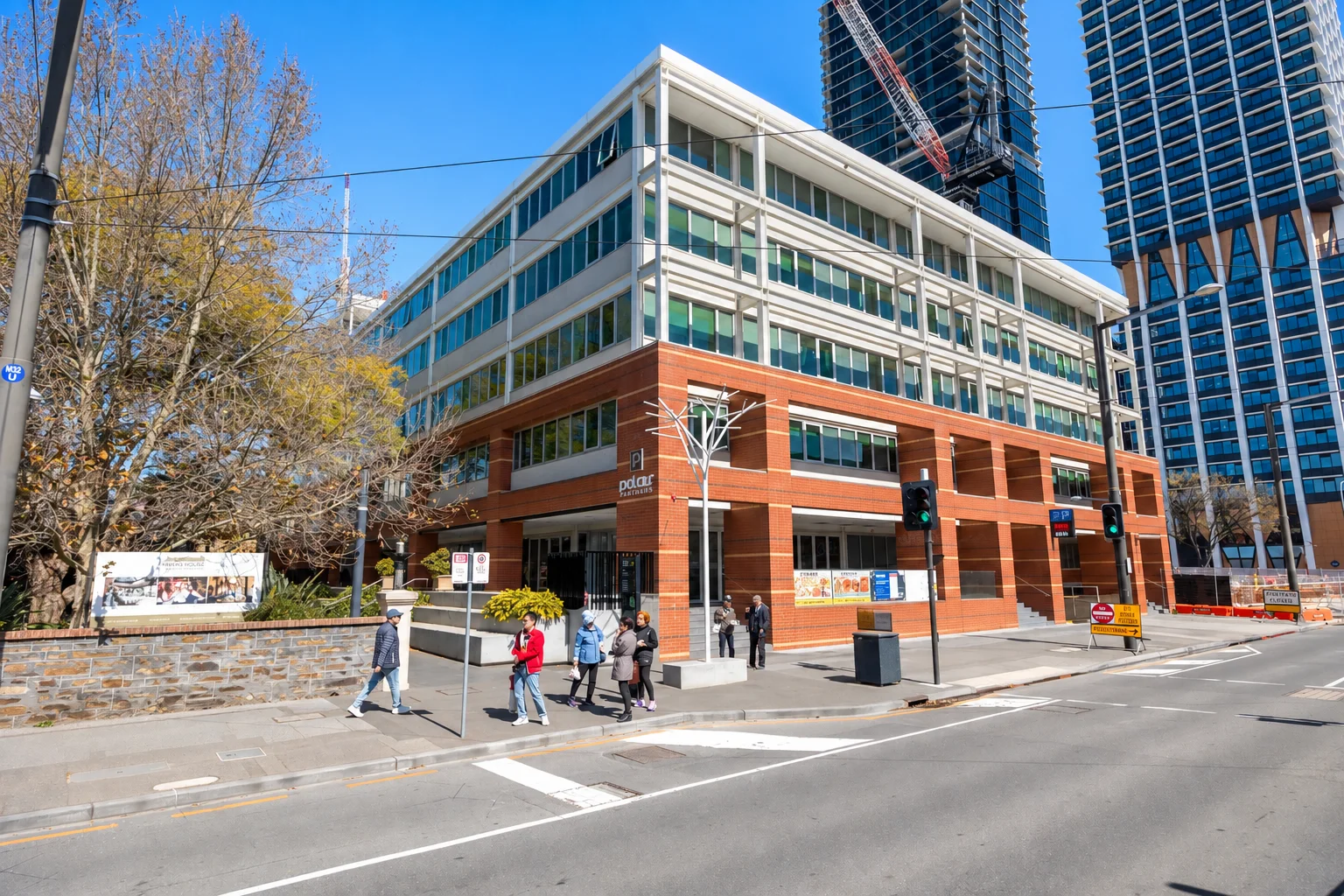 $545,000
Apartment / Unit / Flat
$545,000
Apartment / Unit / Flat
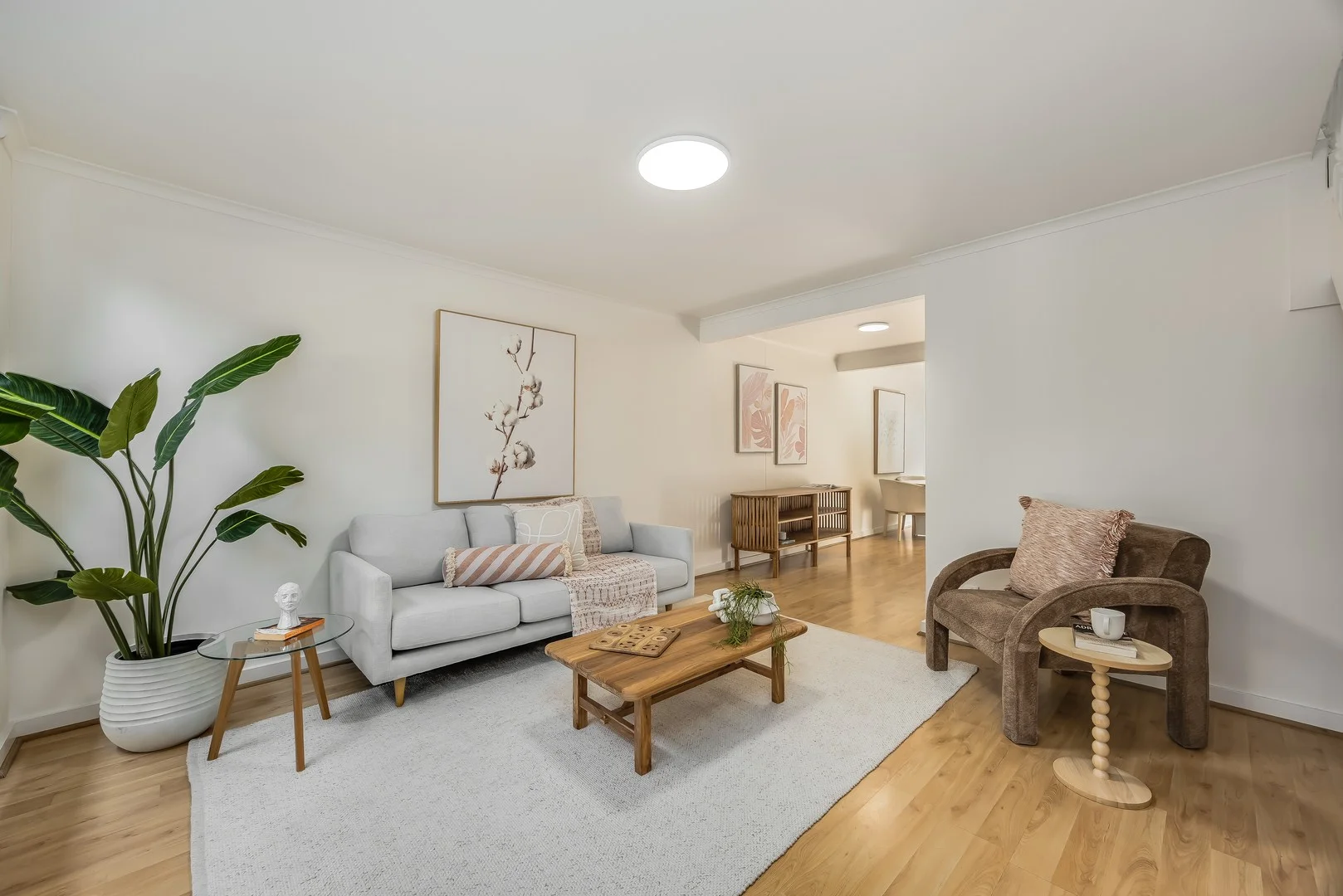 $775,000
House
$775,000
House
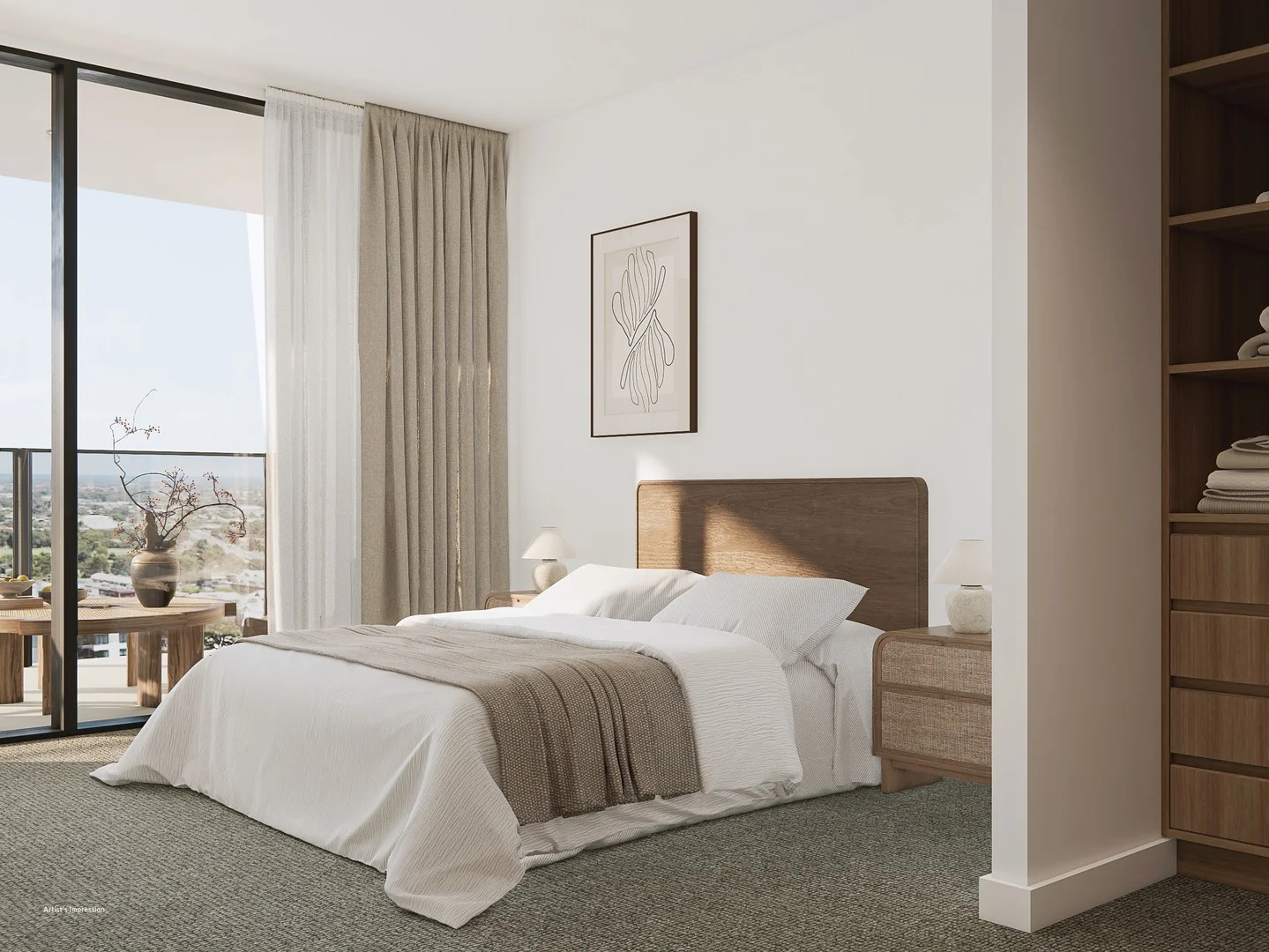 $935,000
Apartment / Unit / Flat
$935,000
Apartment / Unit / Flat
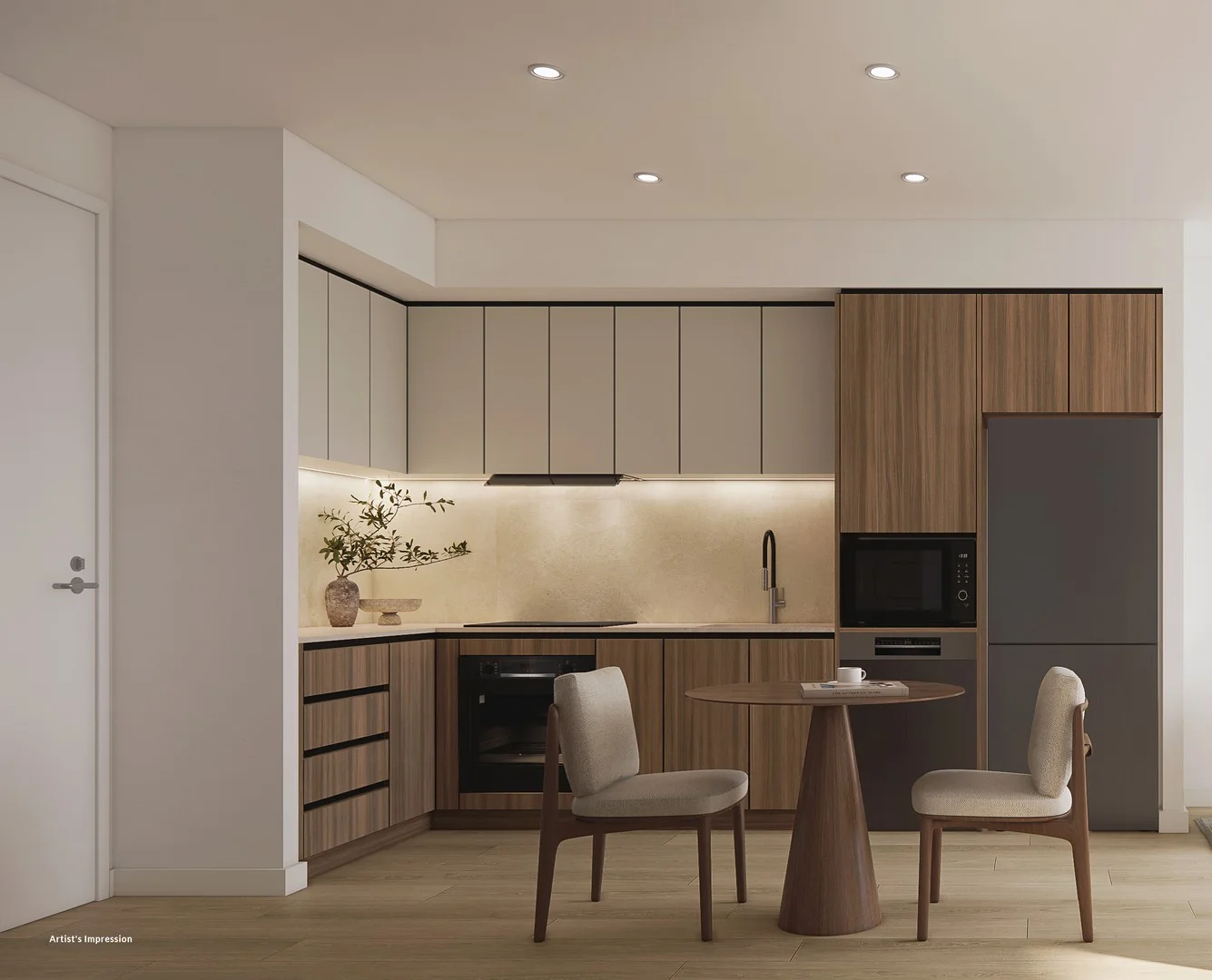 $557,000
Apartment / Unit / Flat
$557,000
Apartment / Unit / Flat
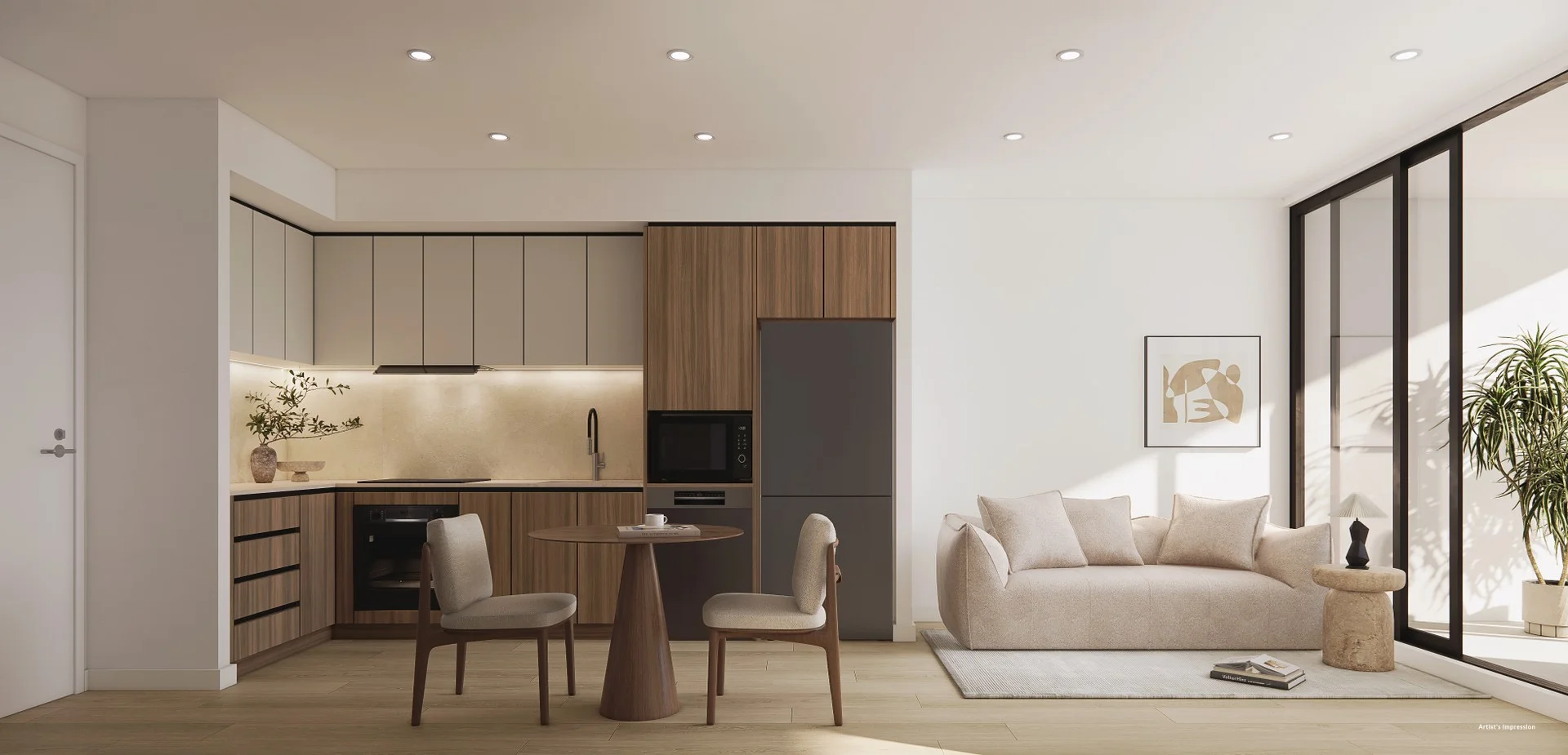 $588,000
Apartment / Unit / Flat
$588,000
Apartment / Unit / Flat
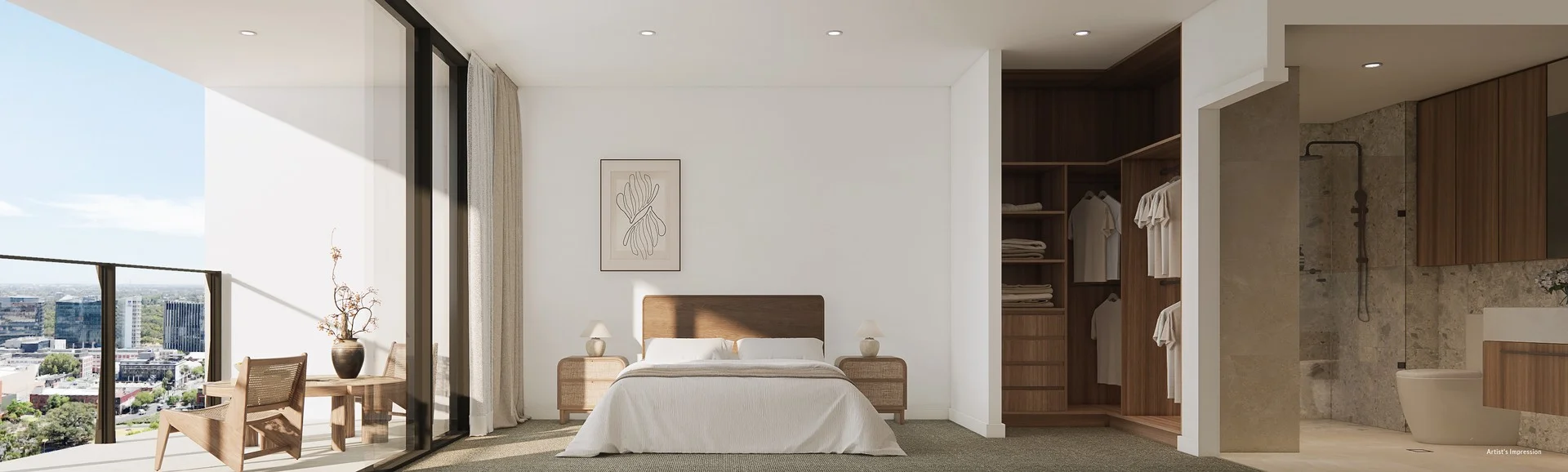 $1,056,000
Apartment / Unit / Flat
$1,056,000
Apartment / Unit / Flat
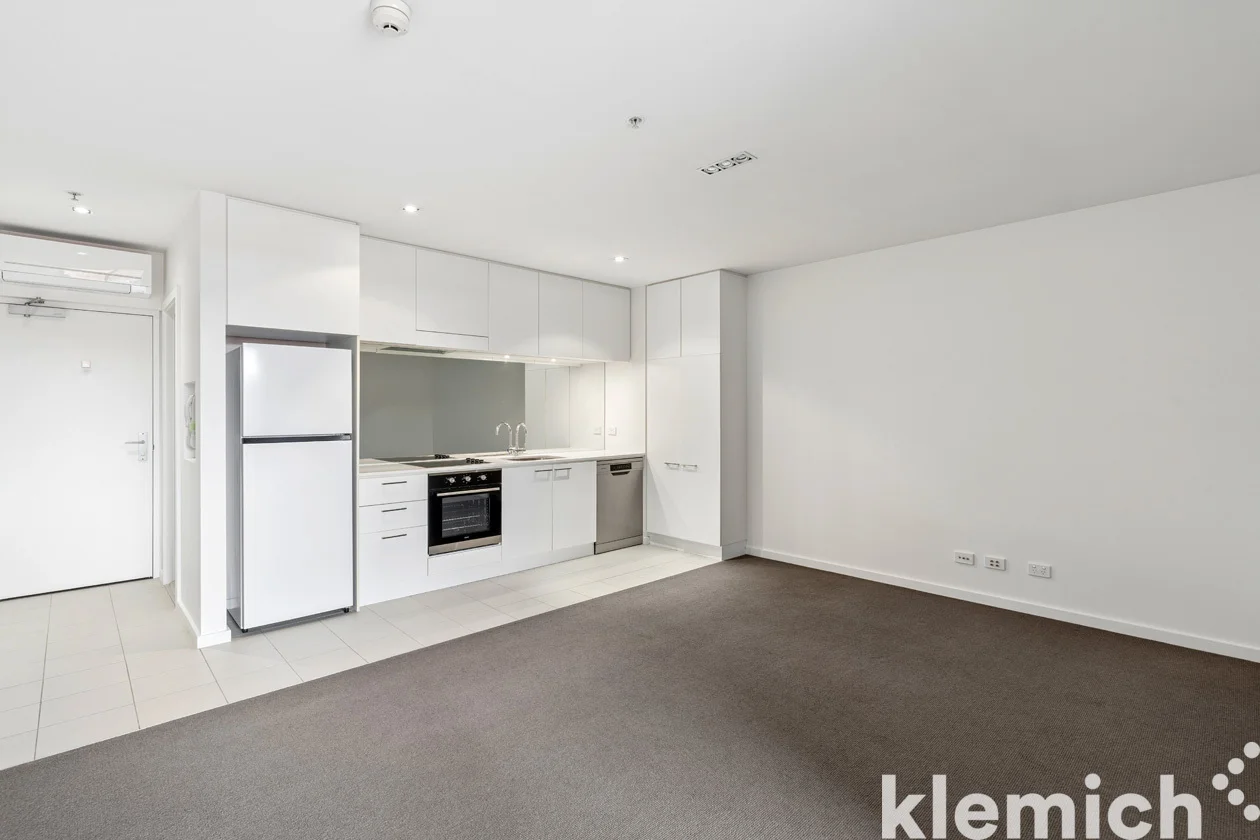 $440,000
Apartment / Unit / Flat
$440,000
Apartment / Unit / Flat
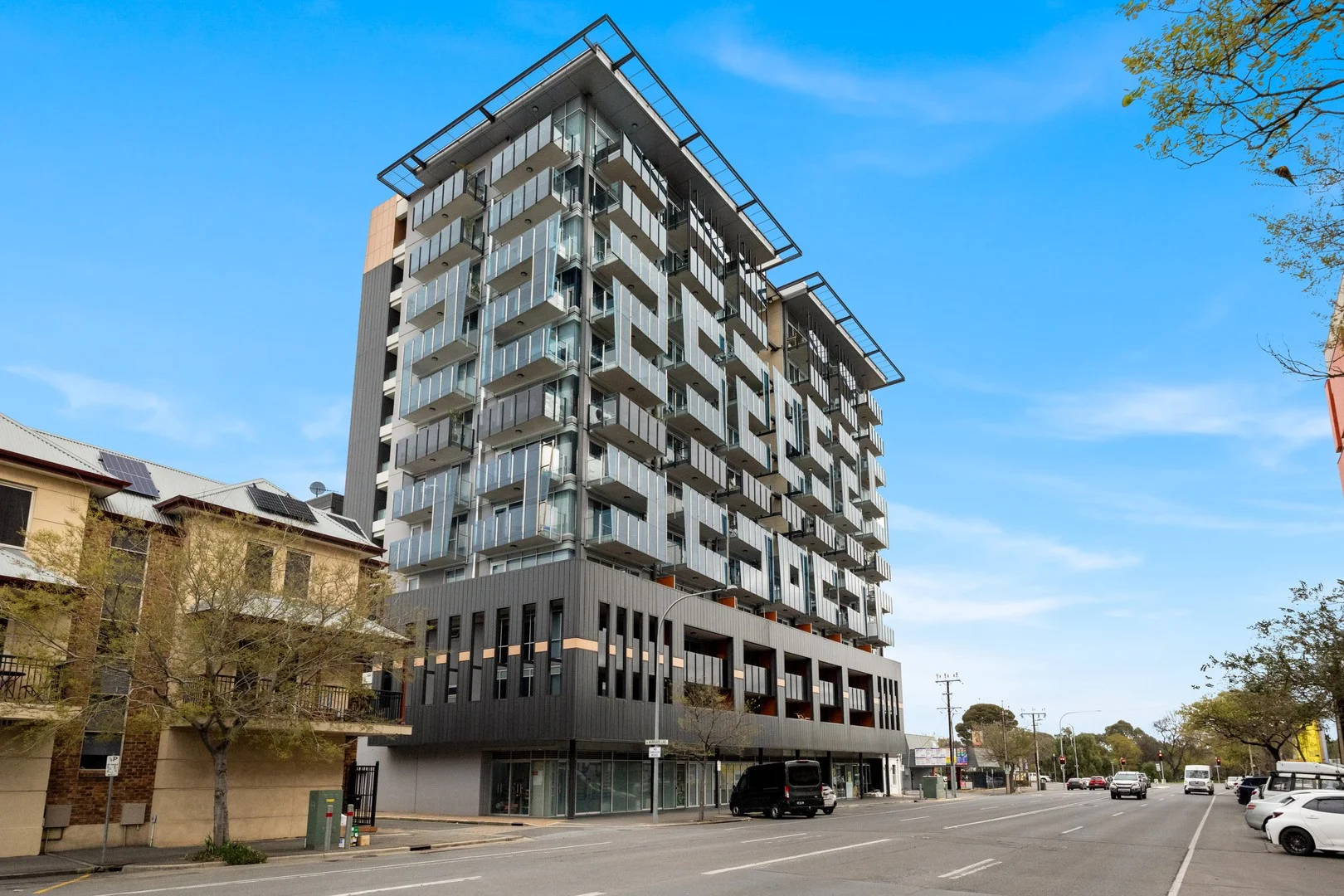 $1,100,000
Apartment / Unit / Flat
$1,100,000
Apartment / Unit / Flat