Overview
## Overview
St Justin's Parish Primary School is a Catholic, co-educational primary school serving students from Prep to Year 6 in Wheelers Hill, VIC. As a medium-sized, faith-based community, the school aims to nurture strong values alongside academic growth, within a welcoming and inclusive culture. Class sizes are typically in the low-to-mid 20s, fostering supportive relationships between students and teachers and a positive, faith-informed atmosphere.
⸻
## Academics & Learning
- Academic strengths: English and Mathematics form the core, with emphasis on literacy, numeracy, and inquiry-based learning to develop critical thinking. There is often a focus on STEM concepts integrated across the curriculum, along with opportunities to explore languages or LOTE where offered.
- Special programs: Gifted and Talented or accelerated options may be available, along with targeted interventions and enrichment programs to support diverse learner needs.
- NAPLAN / Ofsted trends: Expect discussion of year-to-year trends rather than scores, typically focusing on improvements in literacy and numeracy, consistency in performance, and responsiveness to student support needs.
- Student-teacher ratios: Class sizes generally around the low-to-mid 20s, with support staff in some classes to assist individual and small-group learning.
- Support for diverse learners: EAL (English as an Additional Language) support and SEN (special educational needs) pathways are commonly available, including learning support staff and referral processes for targeted help.
⸻
## Sports & Extracurricular Strengths
- Sports offered: A range of team and individual sports typical to primary schools, including basketball, soccer, netball, athletics, and cricket, with opportunities for intra- and inter-school competition.
- Strong teams or achievements: Participation in local and regional competitions, with a focus on participation, sportsmanship, and skill development; exact achievements vary by year.
- Music, arts, drama programs: Active music and performing arts programs, including choir or ensembles, school productions, and visual arts activities.
- Clubs: Robotics, coding, chess, debating, and other STEM or academic clubs are commonly available.
- Partnerships: Connections with local sports clubs, regional competitions, and community organizations to broaden opportunities beyond the classroom.
⸻
## Wellbeing & Pastoral Care
- Anti-bullying approach: Clear policies and programs emphasising respectful relationships, reporting mechanisms, restorative practices, and a safe school culture.
- House system: A house structure supports social connection, teamwork, and healthy competition; house names may reflect local or Catholic tradition.
- Counsellors / wellbeing officers: Access to school-based wellbeing staff or counsellors to support emotional health, resilience, and social development.
- Transition support for new students: Orientation activities, buddy systems, and gradual familiarisation processes to help new students settle in.
⸻
## Facilities
- Sports grounds: On-site outdoor spaces suitable for physical education, sports, and playground activities.
- Libraries: A school library supporting reading for pleasure and research across year levels.
- Science labs: Science facilities for practical experiments and inquiry-based learning.
- Music/performing arts centers: Spaces for music education, drama, and performances.
- Tech/innovation labs: Computer or tech spaces to support digital literacy, coding, and STEAM activities.
- Cafeteria: On-site canteen or lunch facilities to support daily meal needs.
- Updated playgrounds: Well-maintained outdoor play areas that support active break times.
⸻
## School Values & Community Culture
- School values / mission: A Catholic faith-based mission centered on care, respect, inclusion, and service, integrated into daily learning and behaviour expectations.
- Leadership style: A collaborative approach that encourages student voice, teacher leadership, and a supportive school community.
- Behaviour expectations: Clear guidelines around respect, responsibility, and safe conduct, with consistent consequences and positive reinforcement.
- Community reputation: A supportive, close-knit school community with active parent involvement and partnerships with parish life.
- Diversity & inclusion: Focus on creating an inclusive environment that values different backgrounds, abilities, and talents.
⸻
## School Logistics & Daily Operations
- School hours: Typical start and finish times aligned with state guidelines; daily routines include assemblies, teaching blocks, and breaks.
- Before/after school care: Availability of before- and after-school programs or care arrangements.
- Uniform requirements: School uniform policy with standards for daily wear and approved items.
- Transport (train/bus routes): Access to local transport options and information about routes or parking for drop-off and pick-up.
- Canteen availability: On-site canteen or lunch facilities supporting students with meals and snacks.
- Fees (low/medium/high ranges): Ongoing and optional costs vary; families should check current schedules with the school for exact fees.
⸻
## Enrolment & Admissions
11. What is the enrolment process and timeline?
- Enquiry and information session, submission of application, provision of required documents (birth certificate, immunisation, etc.), and assessment/verification steps if applicable. Timeframes typically include a prior acknowledgment, followed by an offer cycle and placement confirmation, with orientation activities before the start of the year. Please verify exact steps and timelines with the school’s admissions information.
12. Is there a waiting list, and how does it work?
- Many Catholic primary schools maintain a waiting list when applications exceed available places. The wait could depend on year level, parish considerations, and the order of application. Contact the admissions office for current waitlist details and estimated wait times.
13. Are there any entry requirements, tests, or interviews?
- Entry processes often involve an interview or information session for families, and may include a discussion of the student’s needs, background, and alignment with the school’s faith-based values. Some schools may request additional assessments if applicable to learning needs.
14. Does the school accept mid-year transfers?
- Mid-year transfers are sometimes possible if there is vacancy, subject to availability and alignment with the timetable and parish policies. Contact the school early to discuss options and required documentation.
⸻
## Frequently Asked Questions
- Why Parents Choose This School?
- A values-based Catholic education, a welcoming community, supportive teachers, and a focus on both academics and faith development.
- What type of student thrives at this school?
- Students who are curious, respectful, collaborative, and engaged in both learning and service within a faith-informed context.
- What opportunities are available for students to extend their skills (academics, sports, arts)?
- Opportunities across English and Mathematics, STEM tasks, arts programs, music and drama, sports teams, and clubs like robotics, coding, chess, and debating; leadership and service opportunities within the school and parish community.
- How does the school communicate with parents?
- Regular newsletters, parent portals or notices, emails, and informal updates from teachers; parent-teacher meetings and information sessions are typically provided.
- What is the school’s approach to teaching and learning?
- Student-centered, inquiry-based learning that integrates literacy, numeracy, and digital literacy with faith-informed values and real-world applications.
- How does the school support students who need extra academic help?
- Targeted interventions, learning support, EAL assistance, SEN support, and collaboration with specialists and families to tailor plans.
- What support is available for academic challenges?
- Access to learning support staff, small-group instruction, and individualized planning to address specific challenges.
- How does the school communicate with parents? (repeat)
- See above: newsletters, portals, direct communication from teachers, and scheduled meetings.
- What are the class sizes and how much individual attention do students receive?
- Class sizes are typically in the low-to-mid 20s, with teacher attention supported by learning support staff and differentiated instruction where possible.
- What extracurricular and sports opportunities are available?
- A range of sports and clubs, including team sports, arts programs, robotics, coding, chess, and debating, with opportunities to participate in inter-school events.
- What facilities does the school offer (sports, science, arts)?
- Facilities typically include sports grounds, a library, science labs, music/performing arts space, tech/innovation labs, a canteen, and updated playgrounds.
- What is the school’s approach to technology and digital learning?
- Emphasis on digital literacy, integrated technology in learning, and age-appropriate use of devices and software to enhance learning.
- What transport and accessibility options are available?
- Information on nearby transport options and accessibility, with guidance on parking and drop-off/pick-up arrangements.
- What are the typical school fees or additional costs?
- Fees vary by year and program; contact the school for the current fee structure and any additional costs for activities or materials.
⸻
## Short Pros & Cons
- Pros:
- Catholic values-based education with a nurturing, inclusive culture.
- Moderate class sizes enabling individual attention and targeted support.
- Broad program: academics, sports, arts, and clubs (robotics, coding, chess, debating).
- Strong focus on wellbeing, faith formation, and community.
- Cons:
- As a single school, opportunities may depend on annual cohort size and available staffing.
- Some programs or advanced offerings may be limited by funding and staffing; verify current offerings.
- Fees and uniform requirements may be a consideration for families.
⸻












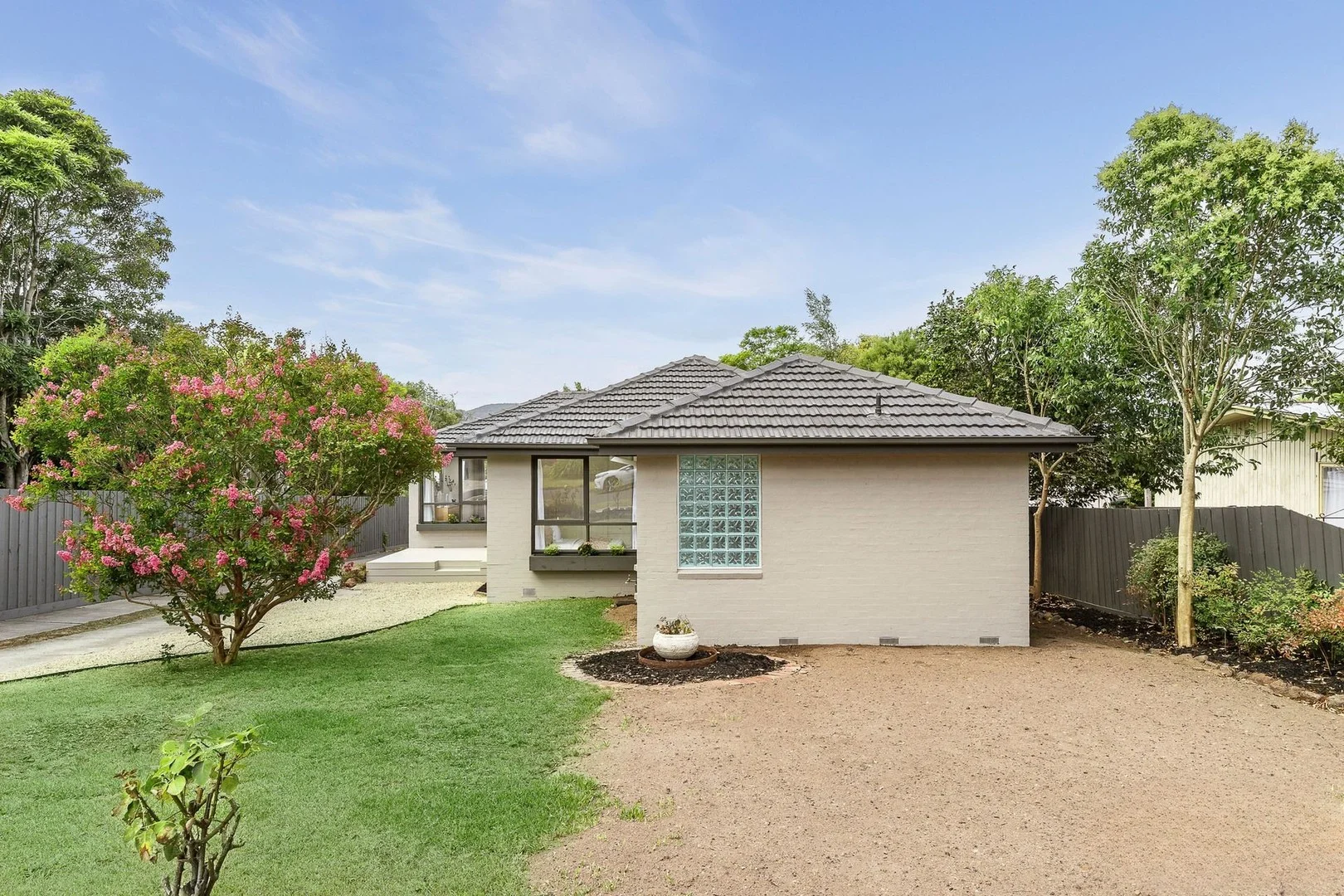
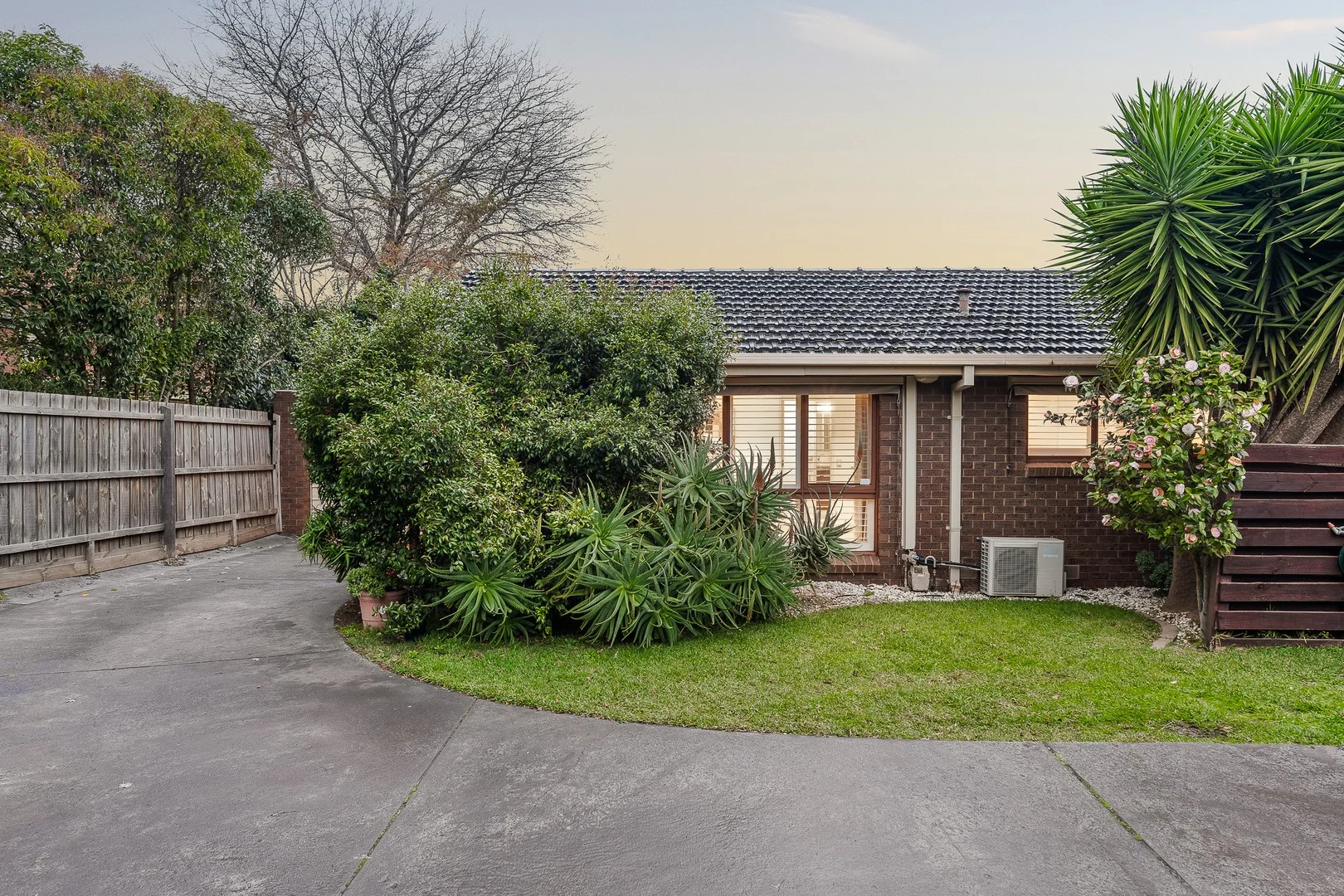 $770,000 - $820,000
Apartment / Unit / Flat
$770,000 - $820,000
Apartment / Unit / Flat
 $700
Apartment / Unit / Flat
$700
Apartment / Unit / Flat
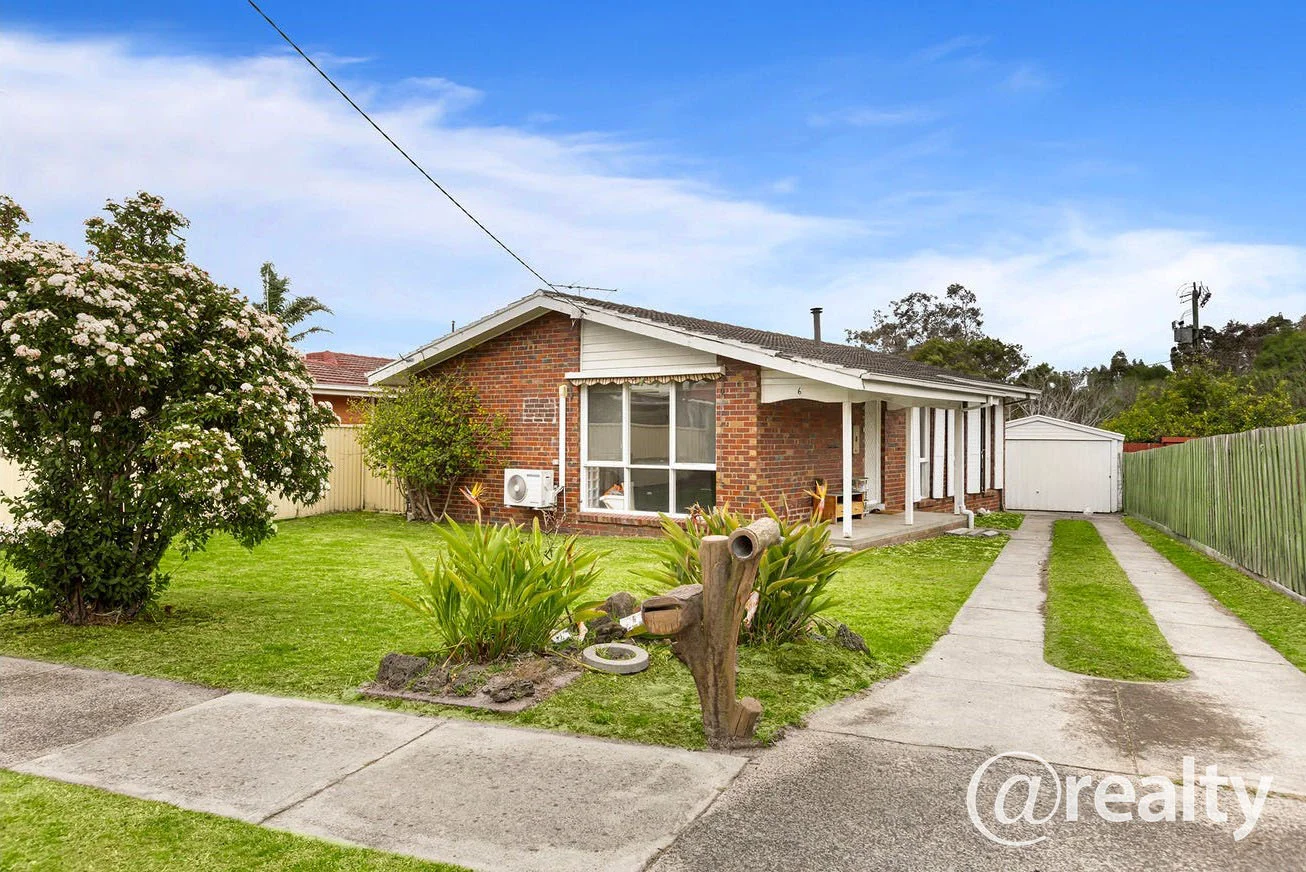 $610
House
$610
House
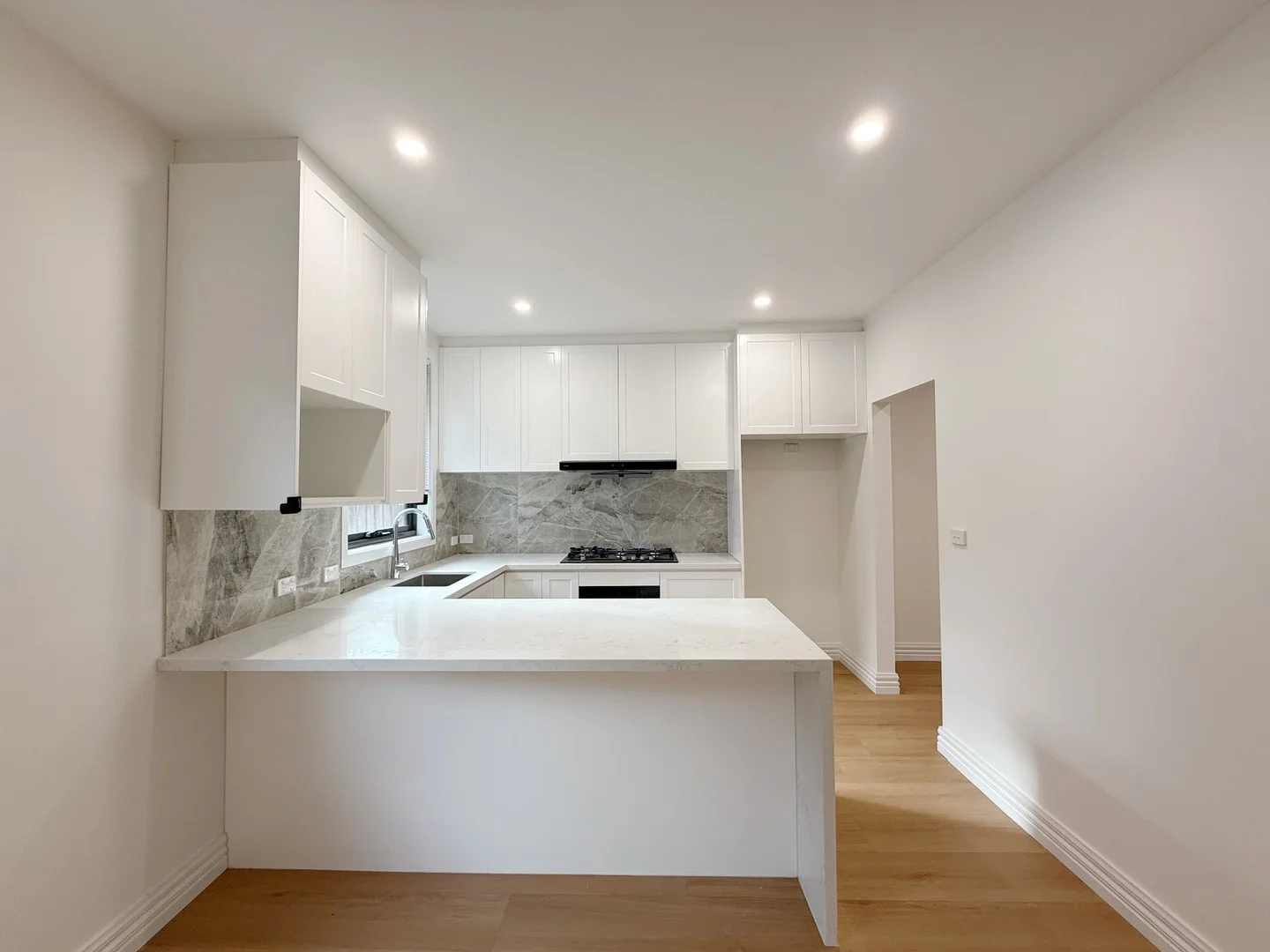 $1,280
House
$1,280
House
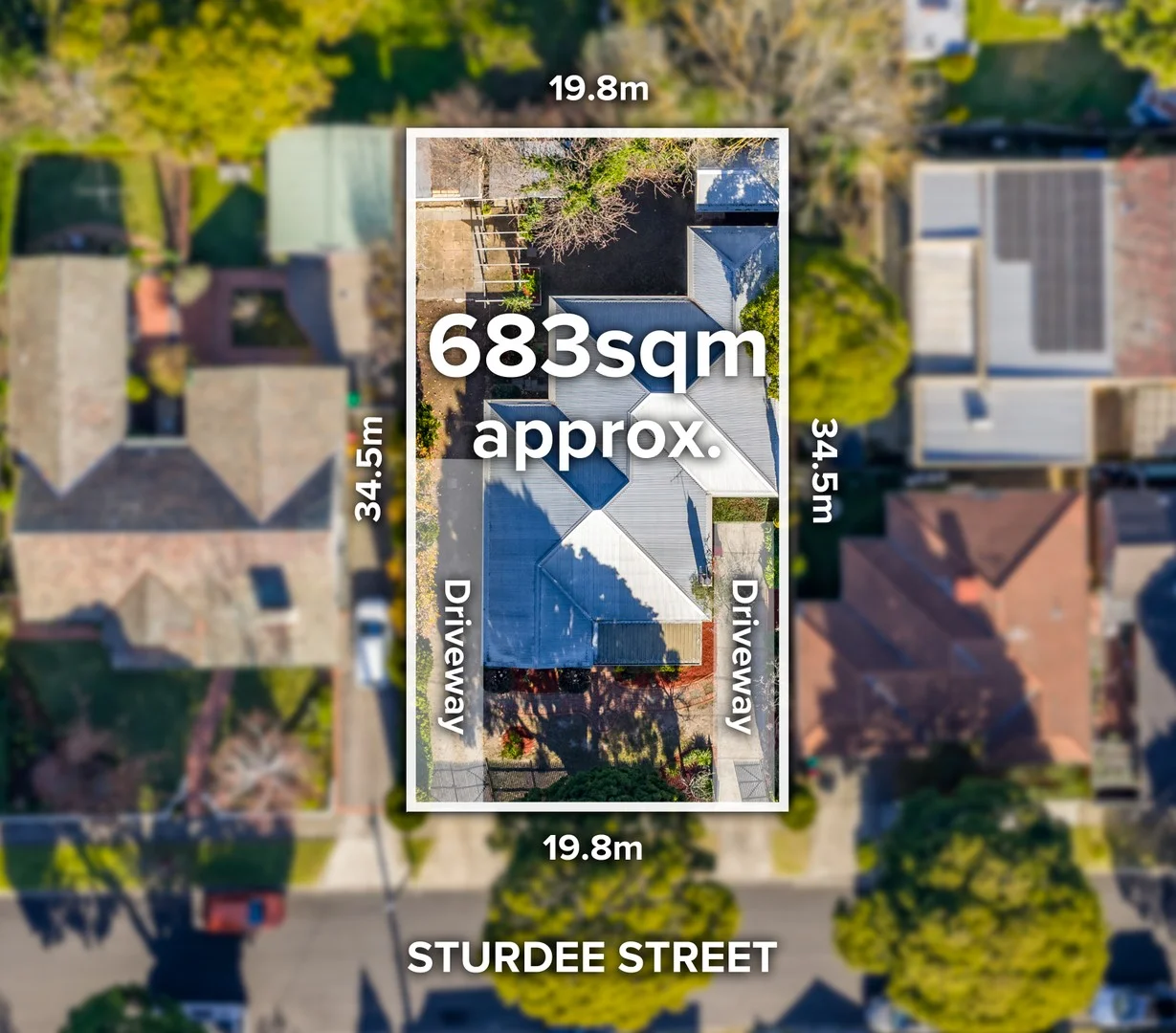 $2,000,000
House
$2,000,000
House
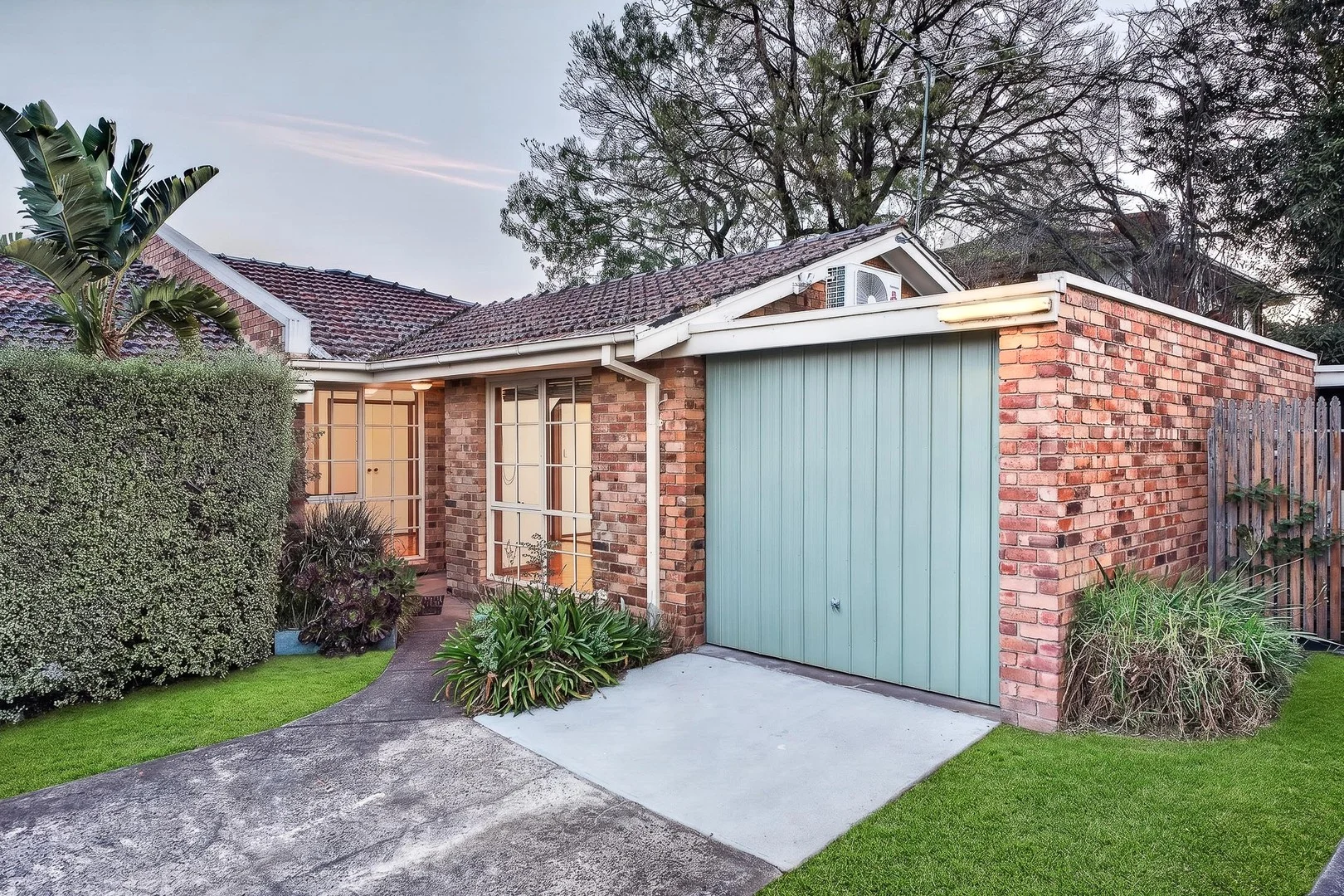 $765,000 - $825,000
Apartment / Unit / Flat
$765,000 - $825,000
Apartment / Unit / Flat
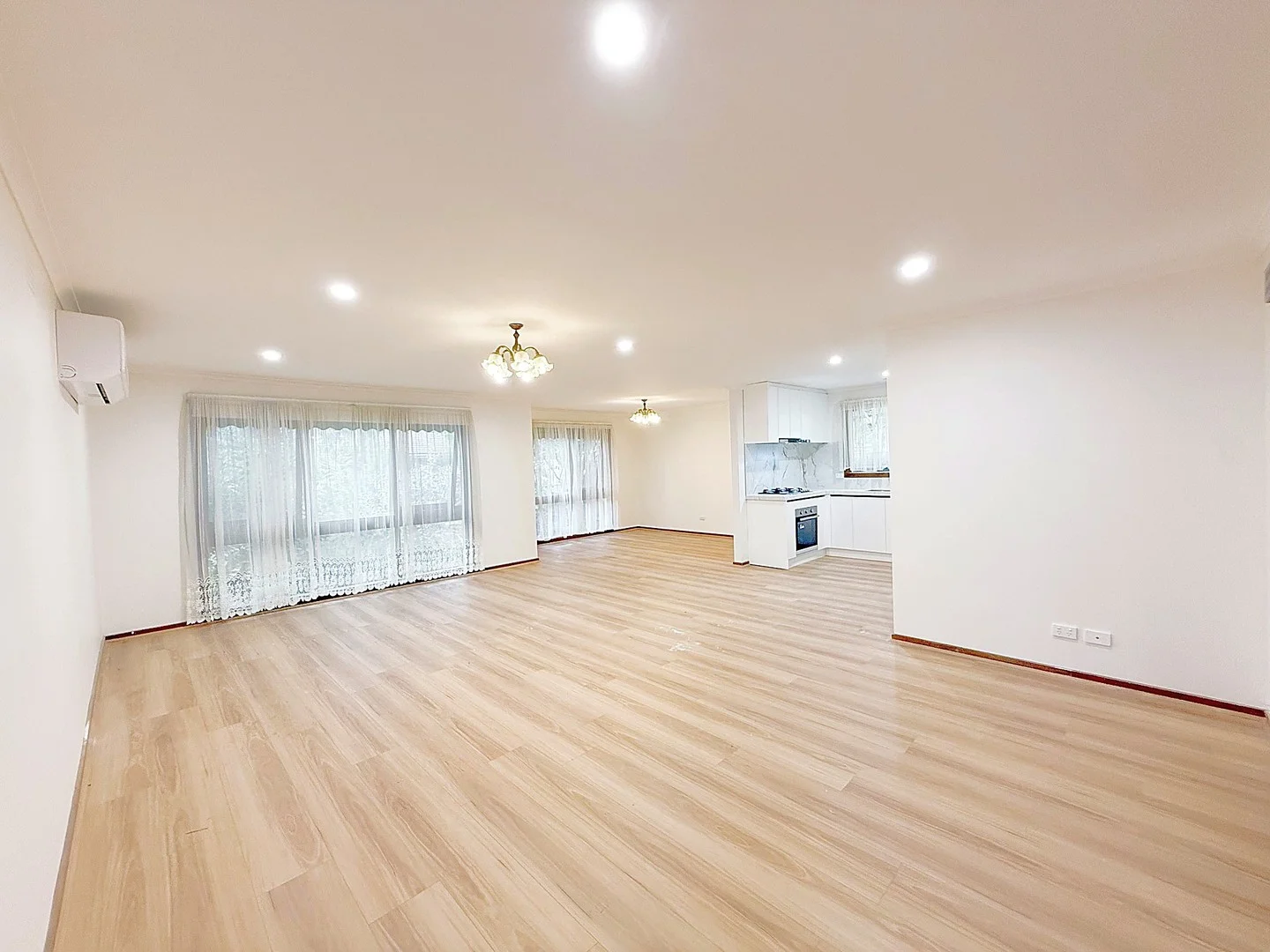 $1,100
House
$1,100
House
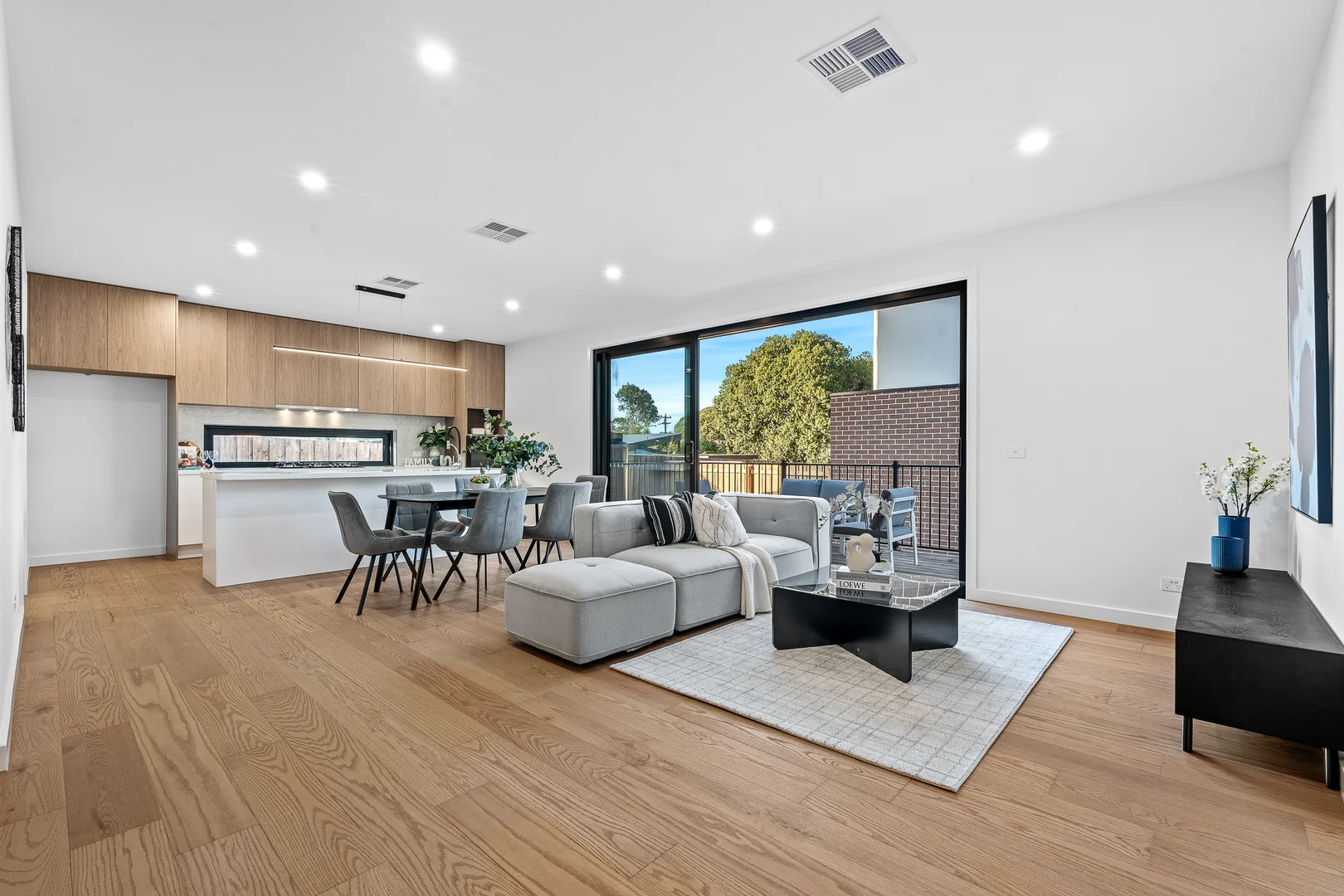 $990,000 - $1,080,000
Townhouse
$990,000 - $1,080,000
Townhouse
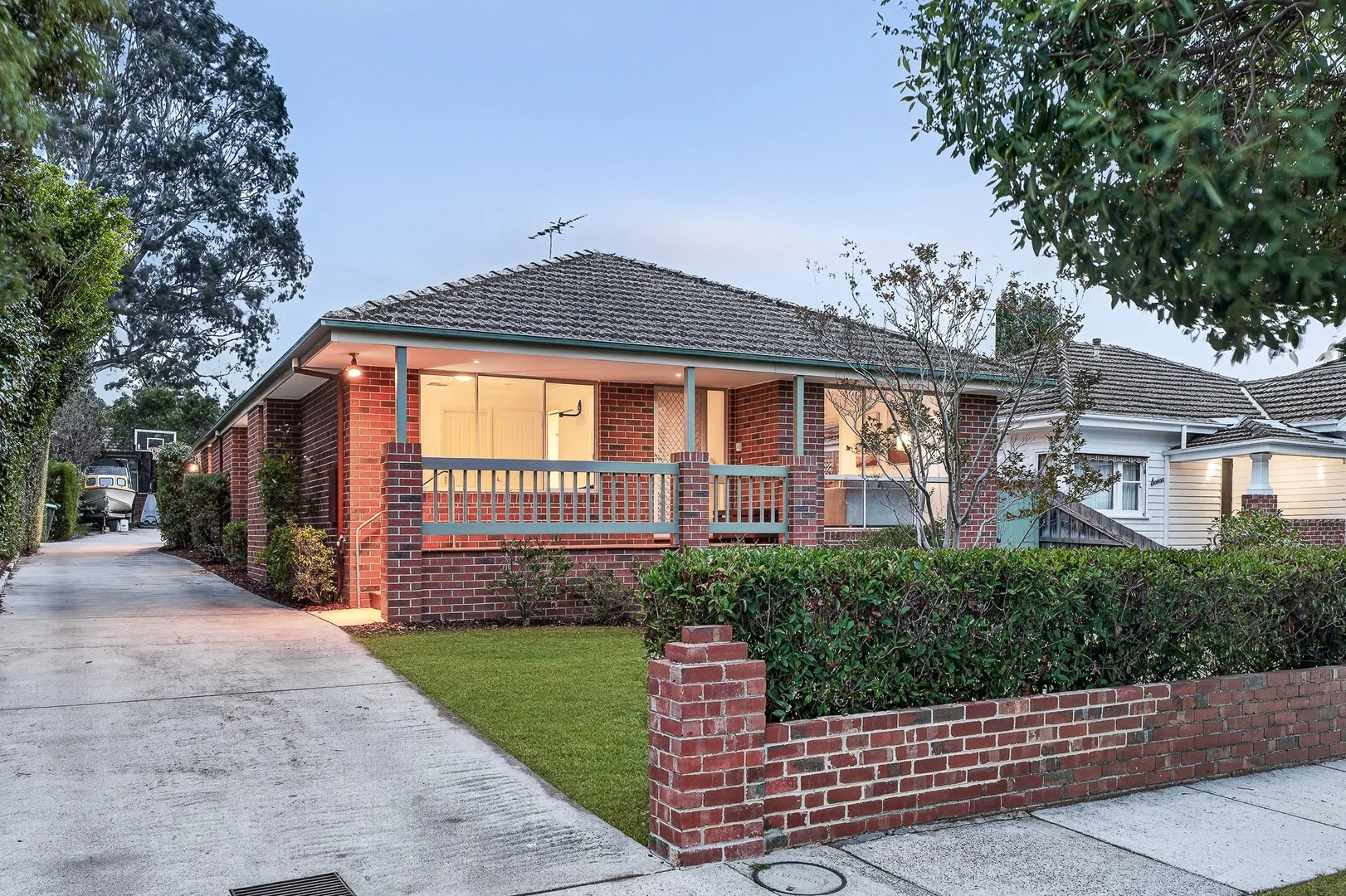 $1,200,000 - $1,300,000
House
$1,200,000 - $1,300,000
House