1. Overview
Woodville Primary School is a public, co-educational primary school located in Woodville South, South Australia. The school offers a middle-range size learning community with a focus on inclusive, supportive education where students are encouraged to participate, grow and contribute to the school culture. Class sizes commonly sit around the 20–25 student range, supporting effective instruction and individual attention within a nurturing environment.
School type: Public
School size: Medium
Class size: Approximately 20–25 students per class
Atmosphere/culture: Inclusive, nurturing, community-focused
2. Academics & Learning
Woodville Primary School emphasises strong literacy and numeracy foundations, with opportunities to engage in STEAM-inspired activities and digital learning. The school supports students across a range of abilities, offering in-class differentiation and targeted supports to help all learners reach their potential.
Academic strengths
- Literacy and numeracy focus with integrated STEM/STEAM activities
- Development of digital literacy and critical thinking
- Leadership development and opportunities for student voice
Special programs
- Gifted and Talented or enrichment opportunities offered within classroom programs and school initiatives
- Support for diverse learners (SEN) and English as an Additional Language (EAL) where required
NAPLAN / trends
- NAPLAN trends show steady performance with opportunities for growth in some areas; ongoing focus on improving reading, writing and numeracy outcomes across year levels
Student-teacher ratios
- Typical ratio around 1:18 to 1:22, depending on year level and class allocations
Support for diverse learners
- EAL support and SEN support available
- Inclusive education practices to support students with additional learning needs
3. Sports & Extracurricular Strengths
Woodville Primary School provides a balanced mix of sporting, arts and leadership opportunities designed to engage students aged 10–14 and beyond.
Sports offered
- Basketball, cricket, football (soccer or AFL-influenced programs), netball, athletics, swimming, and outdoor activities
Strong teams or achievements
- Participation in district and inter-school sports events; ongoing development of school-level teams and participation across sports
Music, arts, drama programs
- School-wide music programs and performances
- Opportunities to participate in visual arts and drama through classroom and extracurricular activities
Clubs
- Robotics, chess, coding and debate clubs offered as after-school options
Partnerships
- Local community partnerships and district competitions to extend opportunities beyond the classroom
4. Wellbeing & Pastoral Care
Woodville Primary School places wellbeing and pastoral care at the forefront of daily life, promoting respectful relationships and student resilience.
Anti-bullying approach
- Clear anti-bullying policies and proactive programs to promote a safe, respectful school culture
- Restorative practices and ongoing education around respectful behavior
House system
- House or team-based activities to foster belonging, healthy competition and peer support
Counsellors / wellbeing officers
- Access to school wellbeing staff for confidential support, guidance and referral as needed
Transition support for new students
- Structured orientation and buddy systems to help new students settle in
- Welcoming practices and parent briefings to ease transition
5. Facilities
Woodville Primary School’s facilities support a well-rounded learning program and a visually engaging environment.
- Sports grounds and playing fields
- Library
- Science labs or dedicated science learning spaces
- Music and performing arts spaces
- Tech/innovation labs or makerspace areas
- Canteen or school dining facilities
- Updated outdoor playgrounds and external learning spaces
6. School Values & Community Culture
Woodville Primary School aims to cultivate responsible, curious and respectful learners who contribute positively to the school and broader community.
School values / mission
- Core values focused on Respect, Responsibility, Integrity and Excellence
- Clear expectations around behavior, effort and collaboration
Leadership style
- Collaborative leadership with student voice and teacher collaboration to support shared decision-making
Behaviour expectations
- Consistent, age-appropriate codes of conduct and positive reinforcement
- Emphasis on respectful relationships and accountability
Community reputation
- Known for being welcoming, inclusive and engaged with families and the local community
Diversity & inclusion
- Commitment to inclusion and celebrating diverse backgrounds within the school community
7. School Logistics & Daily Operations
Quick facts to help parents plan around a typical school week.
School hours
- Regular school day with established start and finish times (commonly around 8:45 am–3:15 pm; exact times may vary by term/year)
Before/after school care
- Availability of before/after school care through on-site or nearby providers
Uniform requirements
- School uniform policy (standard polo/shorts or equivalent with school insignia; appropriate footwear; seasonal adjustments)
Transport
- Access to local bus routes and public transport; walking or cycling routes where applicable
Canteen availability
- Canteen or hot lunch options available; arrangements for healthy meals and snacks
Fees
- Public school materials and resources; fees are typically modest and may include voluntary contributions or itemized costs for activities and resources
8. Enrolment & Admissions
11. What is the enrolment process and timeline?
- Enrolment is managed in accordance with South Australian Department for Education procedures. Parents or guardians should submit an enrolment application through the appropriate process for the school year. Timelines typically align with the start of the school year, with processing times varying by demand and capacity.
12. Is there a waiting list, and how does it work?
- If the school experiences oversubscription, a waiting list may be established. Placement is generally determined by DECD enrollment policies, catchment considerations, and availability of space. Families on the waiting list may be contacted if a place becomes available.
13. Are there any entry requirements, tests, or interviews?
- For a public primary school, typical entry requirements include proof of residency, identity documents for the enrolling caregiver, immunisation status as required, and relevant contact information. Entrance testing or formal interviews for normal year-level enrolments are not common; exceptions may apply for specialist tracks or out-of-area placements, as determined by the Department and school leadership.
14. Does the school accept mid-year transfers?
- Mid-year transfers are possible subject to space, approvals from the Department, and the receiving year level’s capacity. Parents should coordinate with the school early to understand availability and timelines.
9. Frequently Asked Questions
- Why Parents Choose This School?
Families choose Woodville Primary School for its supportive, inclusive culture, strong literacy and numeracy focus, opportunities for enrichment, and a sense of community that welcomes parental engagement.
- What type of student thrives at this school?
Students who are curious, cooperative, and resilient; those who benefit from a balanced program that combines academics, sport, arts and wellbeing; families seeking a community-focused public school experience.
- What opportunities are available for students to extend their skills (academics, sports, arts)?
Enrichment and extension within classroom programs; clubs such as robotics, chess, coding and debating; participation in district sports and inter-school events; music and performing arts activities.
- How does the school communicate with parents?
Through newsletters, emails, school apps or portals, notices, parent-teacher interviews and annual reporting. The school aims to provide timely and clear information about learning progress and school events.
- What is the school’s approach to teaching and learning?
Student-centered and evidence-based, with a focus on literacy and numeracy foundations, differentiations to meet diverse needs, and integrated STEAM activities. Learning is supported by a combination of direct instruction, collaborative work and hands-on experiences.
- How does the school support students who need extra academic help?
Targeted teaching, small-group interventions, in-class supports, EAL and SEN services, and ongoing progress monitoring to tailor assistance.
- What support is available for academic challenges?
Access to learning support, adjusted tasks, and additional time or resources as needed, plus collaboration with families to set attainable goals.
- How does the school communicate with parents? (Repeated)
See above: newsletters, portals, emails, and parent-teacher meetings.
- What are the class sizes and how much individual attention do students receive?
Class sizes typically around 20–25 students, with teachers providing differentiation and targeted support to students who need extra help.
- What extracurricular and sports opportunities are available?
A range of sports (e.g., basketball, cricket, football, netball, athletics), music and arts programs, and clubs such as robotics, chess, coding and debating.
- What facilities does the school offer (sports, science, arts)?
Sports grounds, library, science labs, music/performing arts spaces, tech/innovation spaces, canteen, and modern outdoor play areas.
- What is the school’s approach to technology and digital learning?
Emphasis on digital literacy and responsible use of technology, with access to devices and interactive learning tools integrated into lessons.
- What transport and accessibility options are available?
Access to local bus routes and public transport; walkable or bike-friendly routes where possible; accessibility features as part of the school infrastructure.
- What are the typical school fees or additional costs?
Public school fees are generally modest, with possible voluntary contributions for resources or activities. Specific costs are communicated through the school or the DECD guidelines.
10. Short Pros & Cons list
Pros
- Inclusive, supportive culture with strong community linkages
- Solid focus on literacy and numeracy foundations
- Broad range of extracurriculars (sports, clubs, arts, STEM)
- Positive wellbeing and pastoral care with clear behaviour expectations
- Accessible facilities and varied learning spaces
Cons
- As a medium-sized public school, some specialized facilities or programmes may be more limited than larger or independent schools
- Demand for some year levels can lead to waiting lists during peak enrolment periods
- Fees are modest but some activities or materials may incur costs for families
Notes
- Enrolment processes, available programs, and facilities can vary by year and are subject to Department for Education policies and local staffing. For the most current details, please check with the school administration and the South Australian Department for Education.









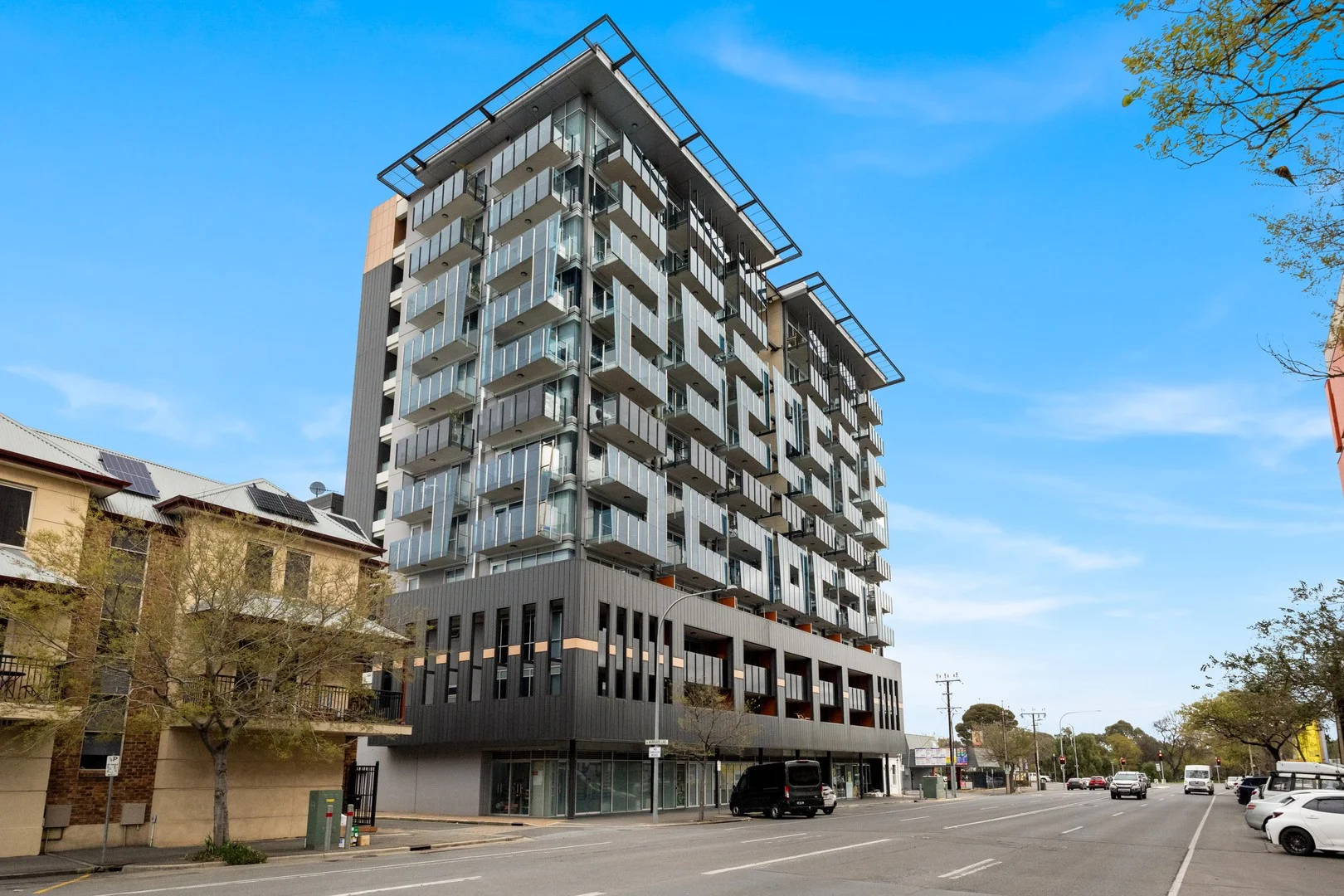 $1,100,000
Apartment / Unit / Flat
$1,100,000
Apartment / Unit / Flat
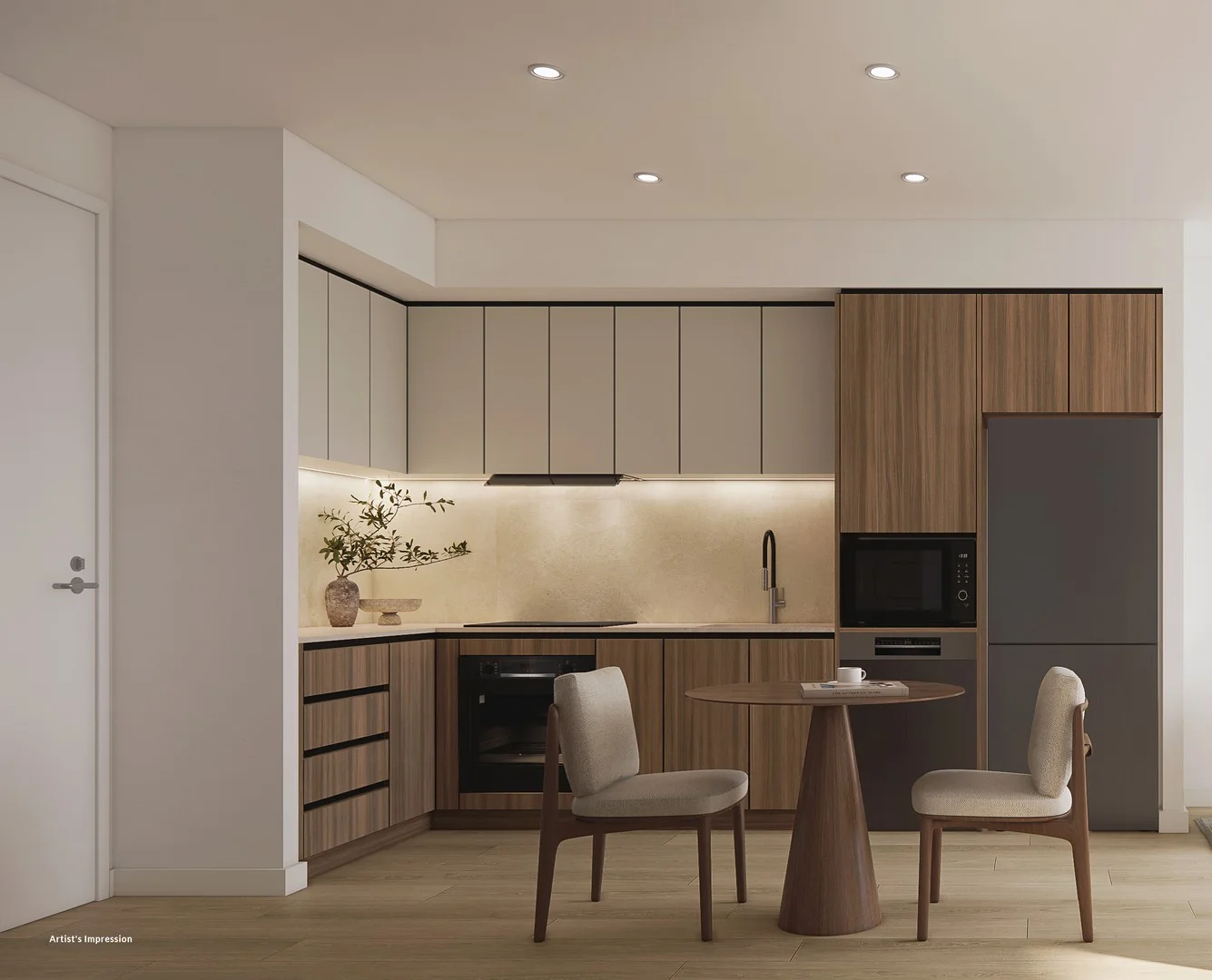 $557,000
Apartment / Unit / Flat
$557,000
Apartment / Unit / Flat
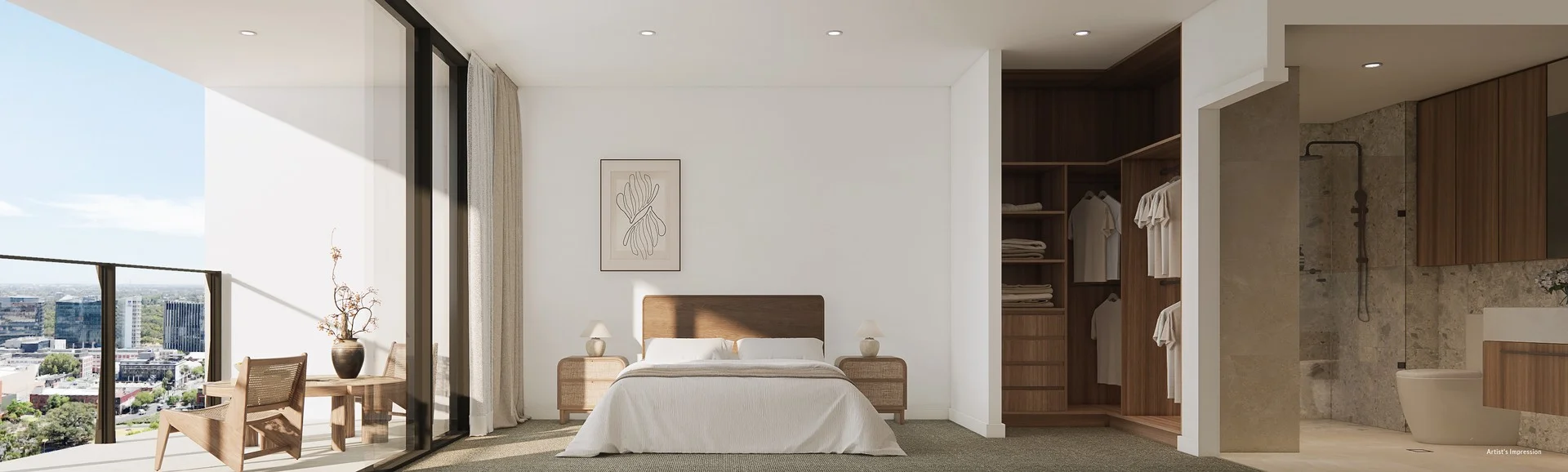 $1,056,000
Apartment / Unit / Flat
$1,056,000
Apartment / Unit / Flat
 $935,000
Apartment / Unit / Flat
$935,000
Apartment / Unit / Flat
 $588,000
Apartment / Unit / Flat
$588,000
Apartment / Unit / Flat
 $440,000
Apartment / Unit / Flat
$440,000
Apartment / Unit / Flat
 $545,000
Apartment / Unit / Flat
$545,000
Apartment / Unit / Flat
 $775,000
House
$775,000
House