1. Overview (1–2 paragraphs max)
Altona College is a public, state-government secondary school serving families in the Altona area and surrounding western suburbs. The college operates across campuses to cater for a broad range of student needs, offering a high school experience focused on preparedness for further study, work, and community life. It emphasises an inclusive, supportive culture where students are encouraged to participate in all aspects of school life.
School type: Public; School size: Large; Class size: Moderate (typical class sizes in the low-to-mid 20s); Atmosphere/culture: Inclusive, diverse, academically focused with strong student voice and community involvement.
⸻
2. Academics & Learning
Academic strengths often highlighted include English and humanities, STEM subjects, and opportunities in language study and leadership pathways. The college typically provides a VCE (Victorian Certificate of Education) pathway for senior students, with associated VET options and potential for specialist programs through partnerships with local providers. Support for diverse learners is typically available, including targeted assistance and access to learning support staff.
Student-teacher ratios are aligned with standard Victorian government school ranges, enabling a balance of whole-class instruction and targeted support. Programs and support for EAL (English as an Additional Language) learners and students with SEN (Special Educational Needs) are usually in place to help all students progress.
⸻
3. Sports & Extracurricular Strengths
Sports offered commonly include team and individual options across football codes (soccer, AFL-style competitions), basketball, netball, cricket, athletics, swimming, and tennis, with opportunities to compete in inter-school events. The college often runs strong music, drama, and arts programs as part of a vibrant performing arts culture. Extracurricular options typically include robotics, coding clubs, chess, debating, and other STEM/tech activities, with partnerships or connections to local clubs and competitions to extend opportunities beyond class time.
Many families value the emphasis on well-rounded development, with regular opportunities to participate in clubs and teams that build leadership and teamwork skills.
⸻
4. Wellbeing & Pastoral Care
Wellbeing is a top priority, with anti-bullying policies and practices designed to foster a safe, respectful learning environment. A house or similar pastoral system is often used to build community and provide mentoring. Schools typically have counsellors or wellbeing officers available to students, with transition support for new students entering mid-year or relocating from other schools. A focus on social-emotional learning and accessible mental health supports is common.
⸻
5. Facilities
Facilities generally include:
- Sports grounds and outdoor recreation spaces
- Libraries or learning centres
- Science laboratories
- Music and performing arts spaces
- Tech/innovation labs or makerspaces
- Canteen or cafeteria
- Updated playgrounds and outdoor learning areas
The layout tends to support a blend of academic study, practical work, and creative arts, with spaces designed to be functional and inviting for students.
⸻
6. School Values & Community Culture
Common values include respect, integrity, excellence, inclusion, and teamwork. Leadership tends to be distributed across staff and student representative structures, encouraging student voice in school life. Behaviour expectations focus on positive conduct, mutual respect, and responsibility. The community reputation often highlights a diverse, welcoming environment with active parental involvement and strong links to local community groups and services.
⸻
7. School Logistics & Daily Operations
Typical logistics include:
- School hours generally align with state timetables (start mid-morning and finish mid-afternoon)
- Before/after school care or supervision is sometimes available through partner services or the school
- Uniform requirements are standard for Victorian public schools
- Transport options include local bus routes and train access to nearby stations
- Canteen availability with meals and snacks
- Fees: Public schools in Victoria have low-to-moderate costs; additional charges may apply for certain programs or activities (uniforms, excursions, supplies)
⸻
8. Enrolment & Admissions
11. What is the enrolment process and timeline?
Enrolment is typically handled via the Victorian Department of Education process with school-level steps coordinated through the college. Timelines usually align with the start of the school year, with rolling timelines for mid-year admissions where spaces permit.
12. Is there a waiting list, and how does it work?
Waiting lists can exist when demand exceeds available places. The school communicates with families about position on the list and expected timelines based on enrolment capacity and student_entry requirements.
13. Are there any entry requirements, tests, or interviews?
Most enrolments rely on standard eligibility and documentation. Some schools may request student information to support placement (e.g., prior school records). Interviews are not always required but can occur for specific programs or pathways.
14. Does the school accept mid-year transfers?
Mid-year transfers are sometimes possible if there is space and alignment with class capacity and curriculum needs. Parents should contact the school to discuss availability and the transfer process.
⸻
9. Frequently Asked Questions
• Why Parents Choose This School?
Public schools with strong community ties, a broad curriculum, and a focus on inclusive education and well-being.
• What type of student thrives at this school?
Students who value a balanced approach to academics, sports, arts, and community involvement; those who respond to structured routines, supportive staff, and opportunities to join clubs and teams.
• What opportunities are available for students to extend their skills (academics, sports, arts)?
VCE pathways, VET and practical programs, advanced English/Math options, science and technology labs, performing arts productions, and a range of clubs and sports.
• How does the school communicate with parents?
Regular newsletters, parent portals, email, and staff contact through meetings or parent-teacher events.
• What is the school’s approach to teaching and learning?
Student-centered, evidence-based teaching with a mix of whole-class instruction, targeted support, and enrichment opportunities. Emphasis on digital learning where appropriate.
• How does the school support students who need extra academic help?
Learning support staff, targeted tutoring or extension programs, EAL/SEN support, and access to counsellors for wellbeing.
• What support is available for academic challenges?
Dedicated teachers, learning support resources, adjusted tasks or extra time where necessary, and regular progress monitoring.
• What are the class sizes and how much individual attention do students receive?
Typical class sizes in the low-to-mid 20s, with additional individual help available through targeted supports and subject-level tutoring.
• What extracurricular and sports opportunities are available?
A broad range of sports, arts, and clubs such as robotics, coding, chess, debating, theatre, and music; inter-school competitions and local partnerships.
• What facilities does the school offer (sports, science, arts)?
Sports grounds, libraries/learning centres, science labs, music and performing arts spaces, tech/innovation labs, canteen, and outdoor spaces.
• What is the school’s approach to technology and digital learning?
Use of digital resources to support learning, with safe and appropriate access to devices and online platforms as part of modern teaching.
• What transport and accessibility options are available?
Local bus routes and nearby train stations; reasonable access to school grounds and facilities.
• What are the typical school fees or additional costs?
As a public government school, core costs are modest; additional costs may relate to specific programs, excursions, uniforms, or materials.
⸻
10. Short Pros & Cons list
Pros
- Public, state-supported education with broad access
- Inclusive and supportive wellbeing framework
- Wide range of academic, arts, and sports opportunities
- Strong community connections and parental involvement
- Modern facilities across multiple campuses
Cons
- Like many popular public schools, demand can exceed capacity during peak years
- Some programs or options may have associated costs (uniforms, excursions, optional activities)
- Class sizes can vary by subject and year level
⸻
 $25+
$25+








 $3,700,000
propertyType.NEW APARTMENTS / OFF THE PLAN
$3,700,000
propertyType.NEW APARTMENTS / OFF THE PLAN
 $820,000
propertyType.NEW APARTMENTS / OFF THE PLAN
$820,000
propertyType.NEW APARTMENTS / OFF THE PLAN
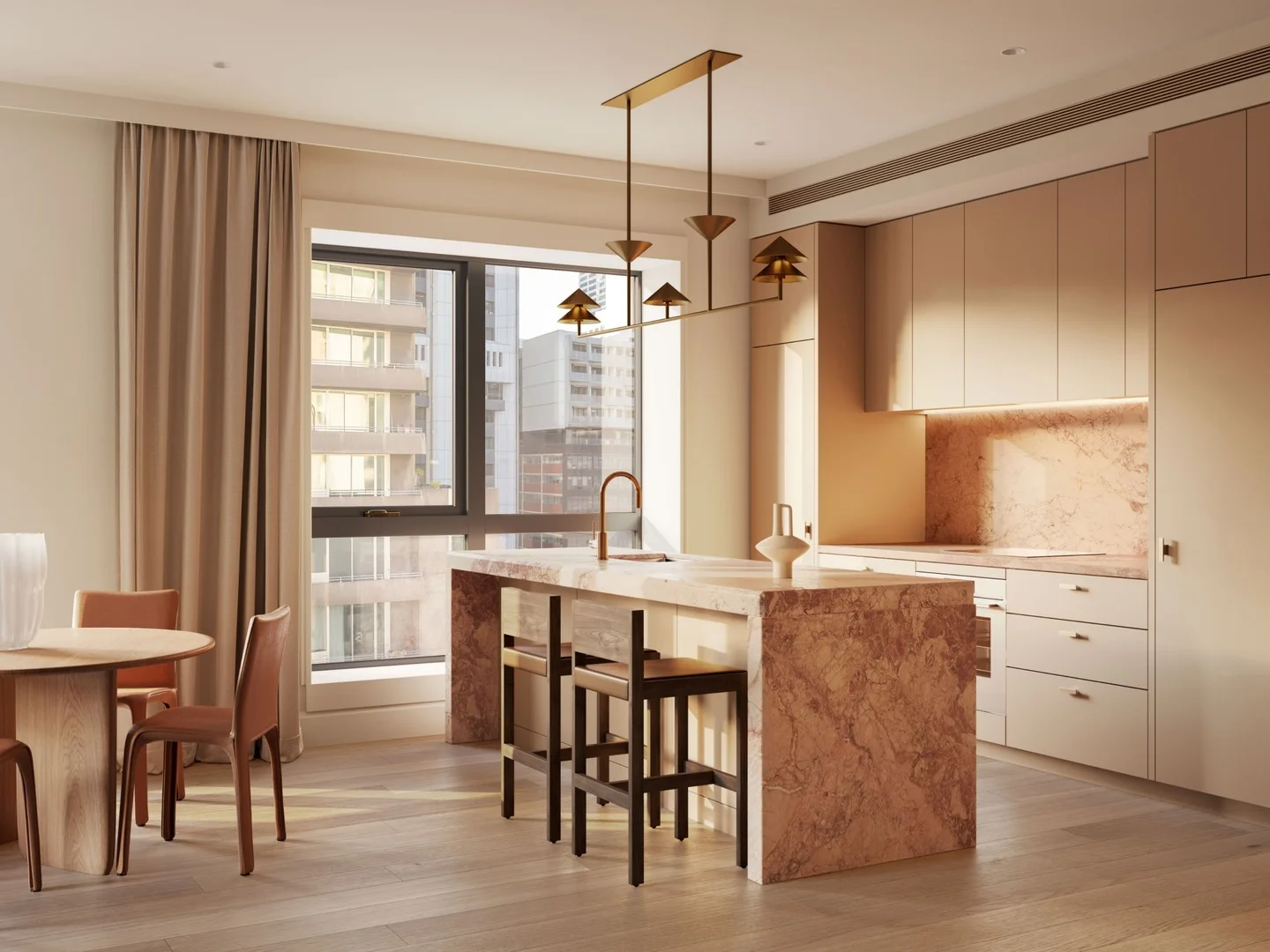 $1,760,000
propertyType.NEW APARTMENTS / OFF THE PLAN
$1,760,000
propertyType.NEW APARTMENTS / OFF THE PLAN
 $1,770,000
propertyType.NEW APARTMENTS / OFF THE PLAN
$1,770,000
propertyType.NEW APARTMENTS / OFF THE PLAN
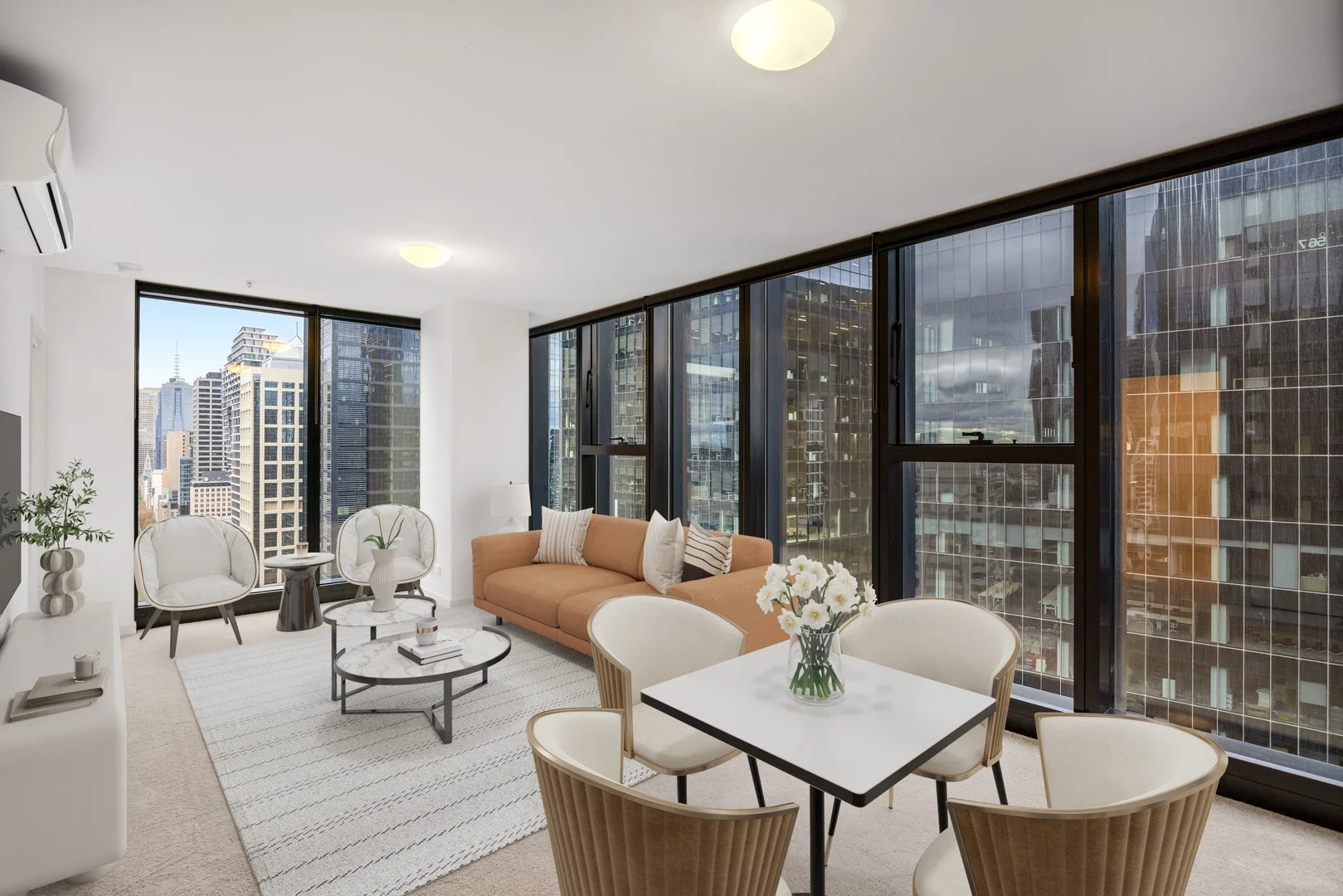 $480,000 - $520,000
Apartment / Unit / Flat
$480,000 - $520,000
Apartment / Unit / Flat
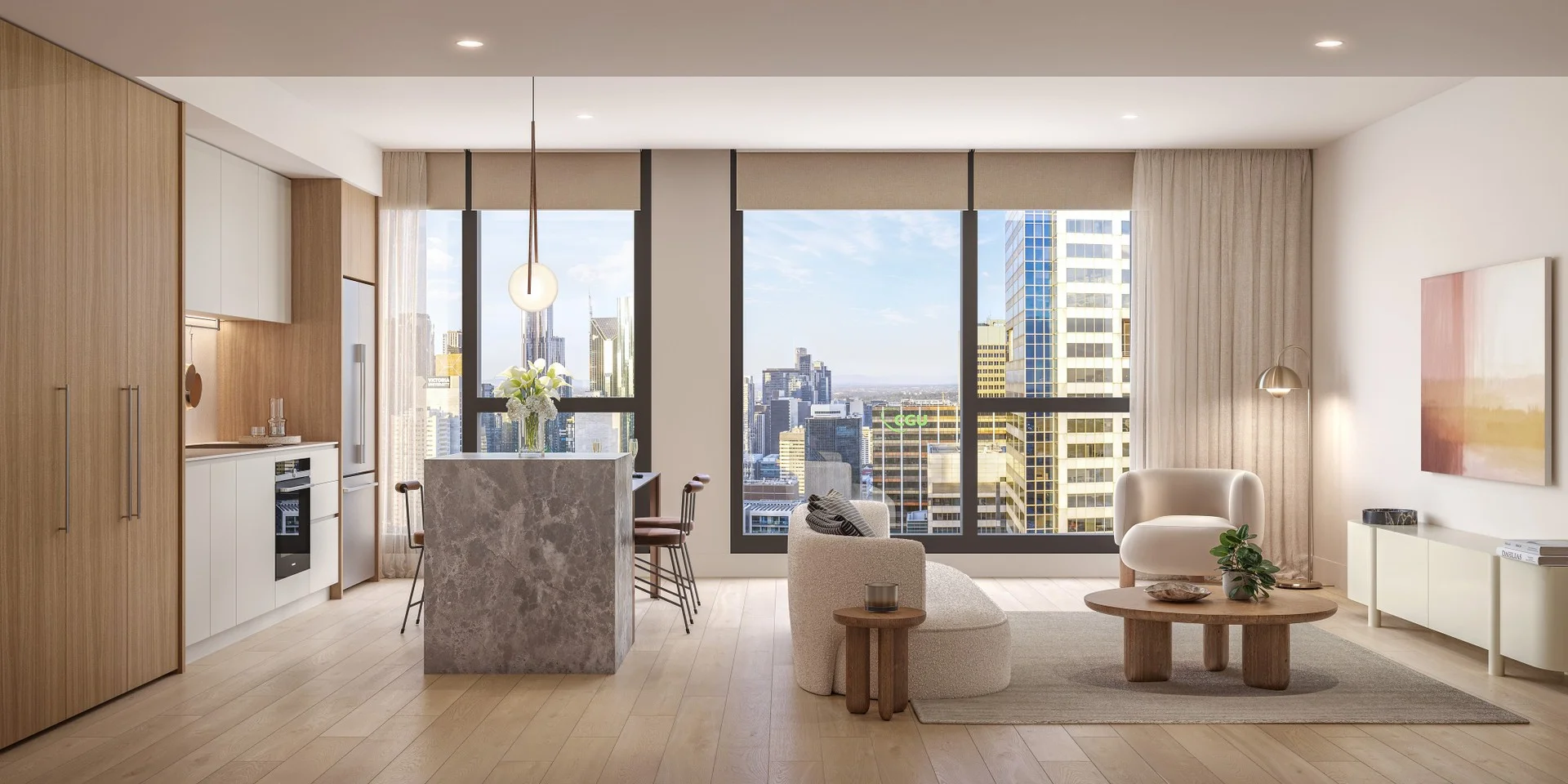 $1,870,000
propertyType.NEW APARTMENTS / OFF THE PLAN
$1,870,000
propertyType.NEW APARTMENTS / OFF THE PLAN
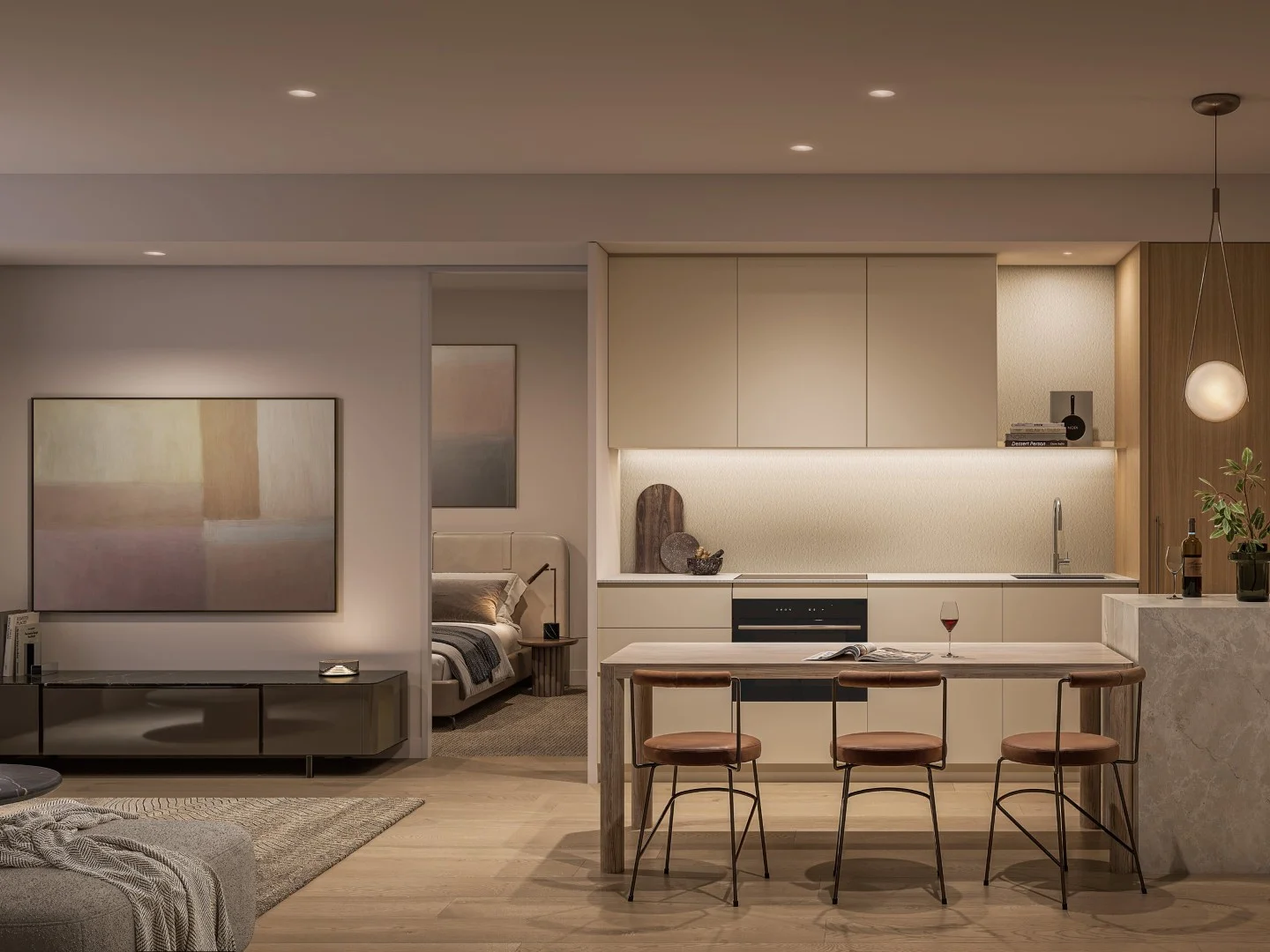 $666,000
Apartment / Unit / Flat
$666,000
Apartment / Unit / Flat
 $2,865,000
Apartment / Unit / Flat
$2,865,000
Apartment / Unit / Flat
 $712,500
Apartment / Unit / Flat
$712,500
Apartment / Unit / Flat


