## 1. Overview
St Mary’s Primary School, Altona is a Catholic co-educational primary school serving students from Prep to Year 6. It offers a small-to-medium school environment with class sizes typically in the low 20s, fostering a nurturing, faith-informed culture. The school emphasises values-based learning, strong relationships, and inclusive education, supporting students to grow academically, socially and spiritually within a close-knit community.
The atmosphere at St Mary’s is welcoming and community-driven, with an emphasis on balance between academic achievement and character development. Families seeking a supportive, faith-based education with attentive staff and active pastoral care will find this school aligns well with those priorities.
---
## 2. Academics & Learning
- Academic strengths: Literacy and numeracy foundations, integrated STEM and inquiry-based learning, with emphasis on developing critical thinking and writing skills. Religious education is integrated as part of the learning program to support faith formation alongside academic growth.
- Special programs: Opportunities for leadership development, potential gifted and talented pathways, and targeted support for students needing additional help. The school generally provides differentiated learning to meet diverse student needs.
- NAPLAN / trends: NAPLAN trends typically show performance aligned with state averages, with ongoing focus on improving reading and numeracy outcomes over time. For precise year-by-year trends, consult the school’s annual report or state performance data.
- Student-teacher ratios: Class sizes are small to medium, enabling regular teacher-student interactions. The school aims to maintain active teacher engagement with each student to support personalized learning.
- Support for diverse learners: EAL support and SEN considerations are in place, with differentiated instruction and targeted assistance to help students progress.
---
## 3. Sports & Extracurricular Strengths
- Sports offered: A range of team and individual sports common to Victorian primary schools, including football/soccer, netball, basketball, athletics, cricket and tennis, with opportunities to participate in inter-school events.
- Strong teams or achievements: Participation in local inter-school competitions and school-level teams with a focus on teamwork, skill development, and fair play.
- Music, arts, drama programs: Active music and performing arts programs (choir, instrumental opportunities, and school productions) alongside visual arts and drama involvement.
- Clubs: Robotics, coding, chess, debating and other STEM/academic clubs are typically available or offered periodically to extend learning beyond the classroom.
- Partnerships: Partnerships with local community and diocesan programs, along with participation in district competitions and events to broaden exposure and experience.
---
## 4. Wellbeing & Pastoral Care
- Anti-bullying approach: Clear anti-bullying policies and a supportive, respectful school climate with proactive strategies to promote safety and kindness.
- House system: A house-based framework to encourage belonging, friendly competition and peer mentoring across year levels.
- Counsellors / wellbeing officers: Access to school wellbeing staff or a counsellor to support student emotional health, resilience and coping skills.
- Transition support for new students: Buddy programs, orientation activities and transitional support to help new students settle into the community.
---
## 5. Facilities
- Sports grounds: On-site playing fields or courts for outdoor sport and activity.
- Libraries: A library supporting reading programs, research and independent learning.
- Science labs: Facilities for hands-on science and practical inquiry-based learning.
- Music/performing arts centers: Space for music, drama and performance activities.
- Tech/innovation labs: Access to digital devices and potential computing/tech spaces for coding and robotics.
- Cafeteria: On-site canteen or meal provisions and snack options.
- Updated playgrounds: Safe, engaging outdoor play spaces supporting active breaks.
---
## 6. School Values & Community Culture
- School values / mission: Catholic faith-informed education emphasising respect, compassion, responsibility and service, aligned with the school’s mission.
- Leadership style: Inclusive leadership that encourages student voice, teacher collaboration and strong pastoral care.
- Behaviour expectations: Clear community standards focusing on respect, integrity, and positive conduct; restorative approaches are commonly used.
- Community reputation: A familial, parish-connected school environment with active parent involvement and community partnerships.
- Diversity & inclusion: Commitment to welcoming families from diverse backgrounds and providing inclusive learning opportunities for all students.
---
## 7. School Logistics & Daily Operations
- School hours: Typical school day runs from morning to mid-afternoon, with allocated breaks and transitions between classes.
- Before/after school care: Availability of before- and after-school care or extension programs to support working families.
- Uniform requirements: Standard school uniforms, with any sport-specific attire for physical education or teams.
- Transport: Access to local transport options; bus routes or proximity to train lines may be relevant for families; check local arrangements for exact routes.
- Canteen availability: Canteen or canteen service offering healthy meal and snack options.
- Fees: Fees fall within a typical mid-range for Catholic primary schools; exact costs vary by year level and family circumstances.
---
## 8. Enrolment & Admissions
11. What is the enrolment process and timeline?
- Submit a completed application by the school’s stated deadline.
- Provide required documents (birth certificate, immunisation records, proof of residence, etc.).
- Attend any required information sessions or open days and, if applicable, interviews with families and students.
- Receive offer of enrolment based on availability and priority criteria.
- Confirm acceptance and complete any enrolment paperwork to secure a place, including start date and orientation details.
12. Is there a waiting list, and how does it work?
- Waiting lists are common when enrolment capacity is reached. Applicants are typically placed on a waitlist and offered places in order of priority and date of application, subject to space availability.
13. Are there any entry requirements, tests, or interviews?
- Entry may involve family and student interviews and an assessment of readiness, particularly for Year 1 (Prep) intake or for placements that require evaluating readiness for the curriculum. Requirements can vary by year and intake.
14. Does the school accept mid-year transfers?
- Yes, subject to placement availability and meeting enrolment criteria. Early contact with the school is advised to discuss options and any necessary documentation.
---
## 9. Frequently Ask Questions
- Why Parents Choose This School?
- A values-based, Catholic education with a supportive, nurturing community and strong wellbeing supports that help students flourish academically and personally.
- What type of student thrives at this school?
- Students who respond well to a faith-informed environment, a collaborative learning culture, and opportunities to engage in small-class learning, clubs and pastoral care.
- What opportunities are available for students to extend their skills (academics, sports, arts)?
- Access to leadership opportunities, clubs (robotics, coding, chess, debating), arts and music programs, sport teams, and opportunities to participate in inter-school events and festivals.
- How does the school communicate with parents?
- Through newsletters, emails, a parent portal or app, student progress updates and regular parent-teacher interviews, plus information sessions and open days.
- What is the school’s approach to teaching and learning?
- A balanced, evidence-informed approach focusing on literacy and numeracy foundations, inquiry-based / hands-on learning, and integration of faith and values into daily practice.
- How does the school support students who need extra academic help?
- Targeted support, differentiated instruction, small-group interventions and access to EAL/SEN assistance where needed.
- What support is available for academic challenges?
- Diagnostic assessments, tailored teaching strategies, and possible access to specialist staff or programs to address specific learning needs.
- How does the school communicate with parents? (Repeat)
- See above: regular updates via multiple channels, with opportunities for direct conversation during conferences and informal check-ins.
- What are the class sizes and how much individual attention do students receive?
- Class sizes are small-to-medium, allowing regular teacher-student interaction and more individualized attention within the classroom.
- What extracurricular and sports opportunities are available?
- A range of sports, music and arts programs, and clubs such as robotics, coding, chess and debating; opportunities to participate in inter-school events.
- What facilities does the school offer (sports, science, arts)?
- Sports grounds, libraries, science labs, music/performing arts facilities, technology/innovation spaces and dedicated play areas.
- What is the school’s approach to technology and digital learning?
- Integration of technology into learning with devices and digital literacy, along with education on responsible digital citizenship.
- What transport and accessibility options are available?
- Local transport options are available; families should check current routes and accessibility with the school or local transport authority.
- What are typical school fees or additional costs?
- Fees are in a mid-range band for Catholic primary schools; additional costs may include uniforms, excursions and optional activities. Contact the school for an exact breakdown.
---
## 10. Short Pros & Cons list
Pros
- Catholic, faith-based education with a nurturing, inclusive culture
- Small-to-medium class sizes and strong teacher-student engagement
- Comprehensive wellbeing and pastoral care
- Wide range of extracurriculars (sports, arts, clubs)
- Active sense of community with family involvement
Cons
- Admission and enrolment may involve waiting lists
- Primarily delivers a Catholic education, which may influence family suitability
- Transport options can depend on family location and schedules
- Uniform costs and occasional excursion fees add to overall costs
 $25+
$25+









 $820,000
propertyType.NEW APARTMENTS / OFF THE PLAN
$820,000
propertyType.NEW APARTMENTS / OFF THE PLAN
 $1,770,000
propertyType.NEW APARTMENTS / OFF THE PLAN
$1,770,000
propertyType.NEW APARTMENTS / OFF THE PLAN
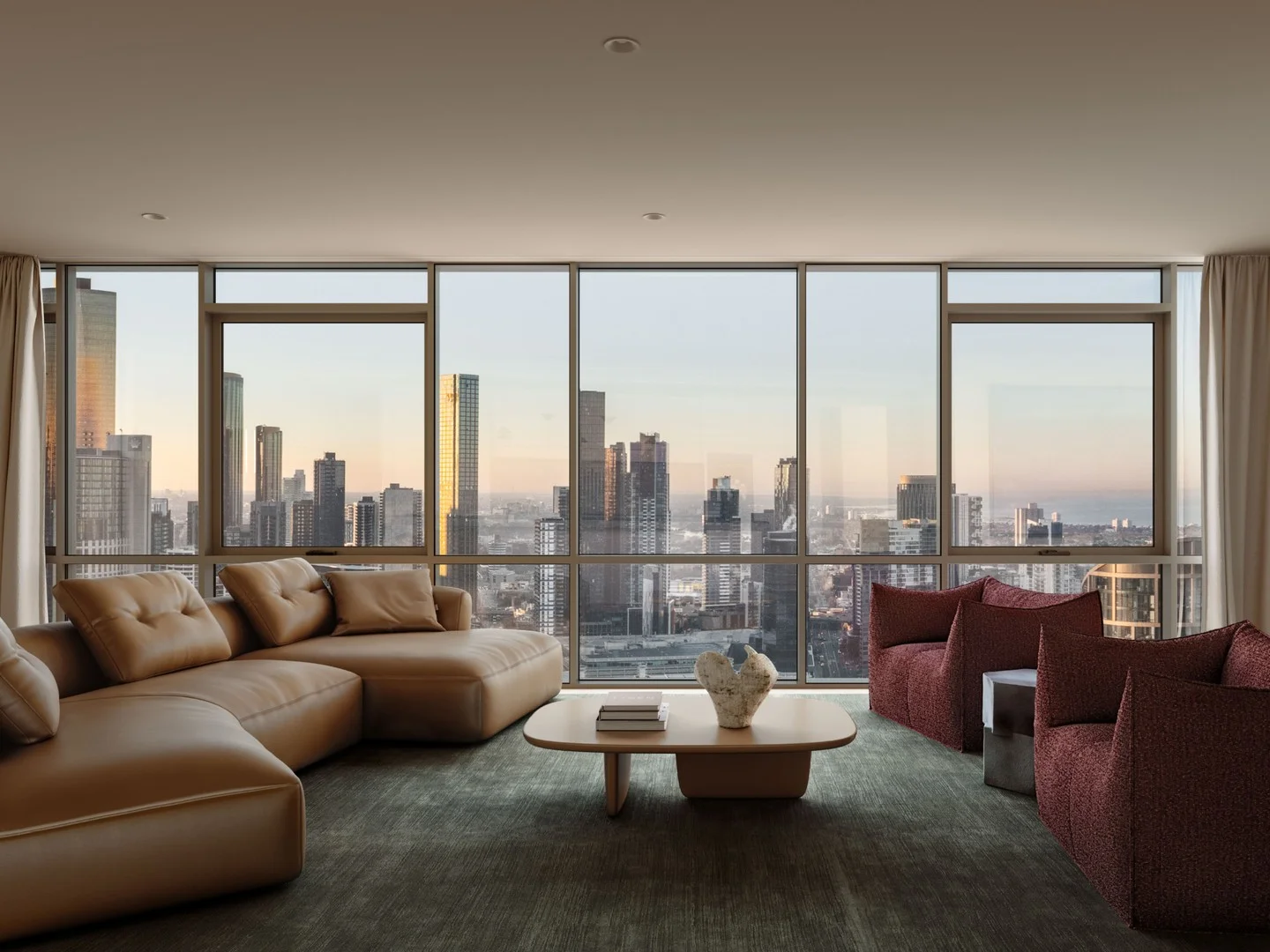 $3,700,000
propertyType.NEW APARTMENTS / OFF THE PLAN
$3,700,000
propertyType.NEW APARTMENTS / OFF THE PLAN
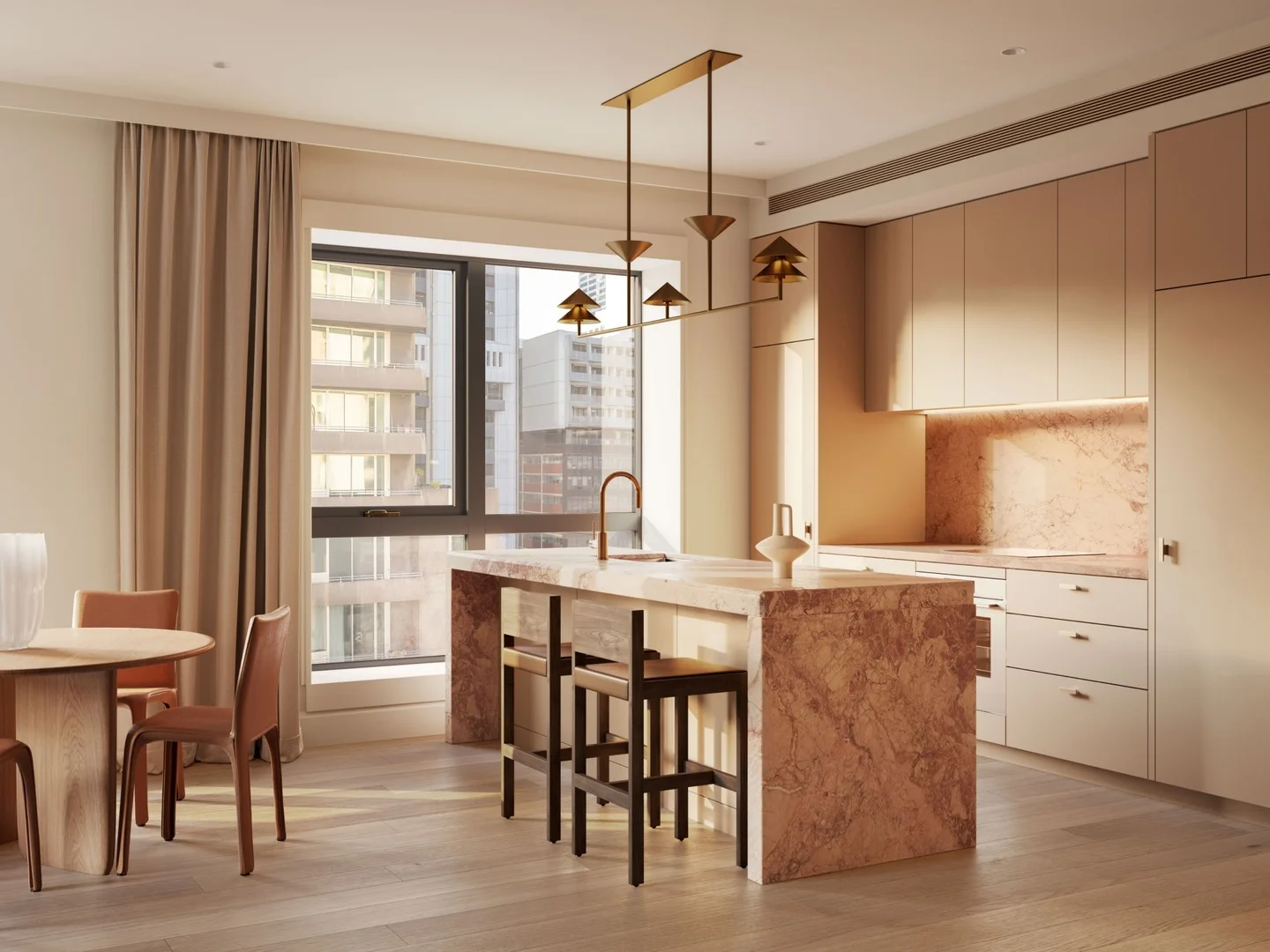 $1,760,000
propertyType.NEW APARTMENTS / OFF THE PLAN
$1,760,000
propertyType.NEW APARTMENTS / OFF THE PLAN
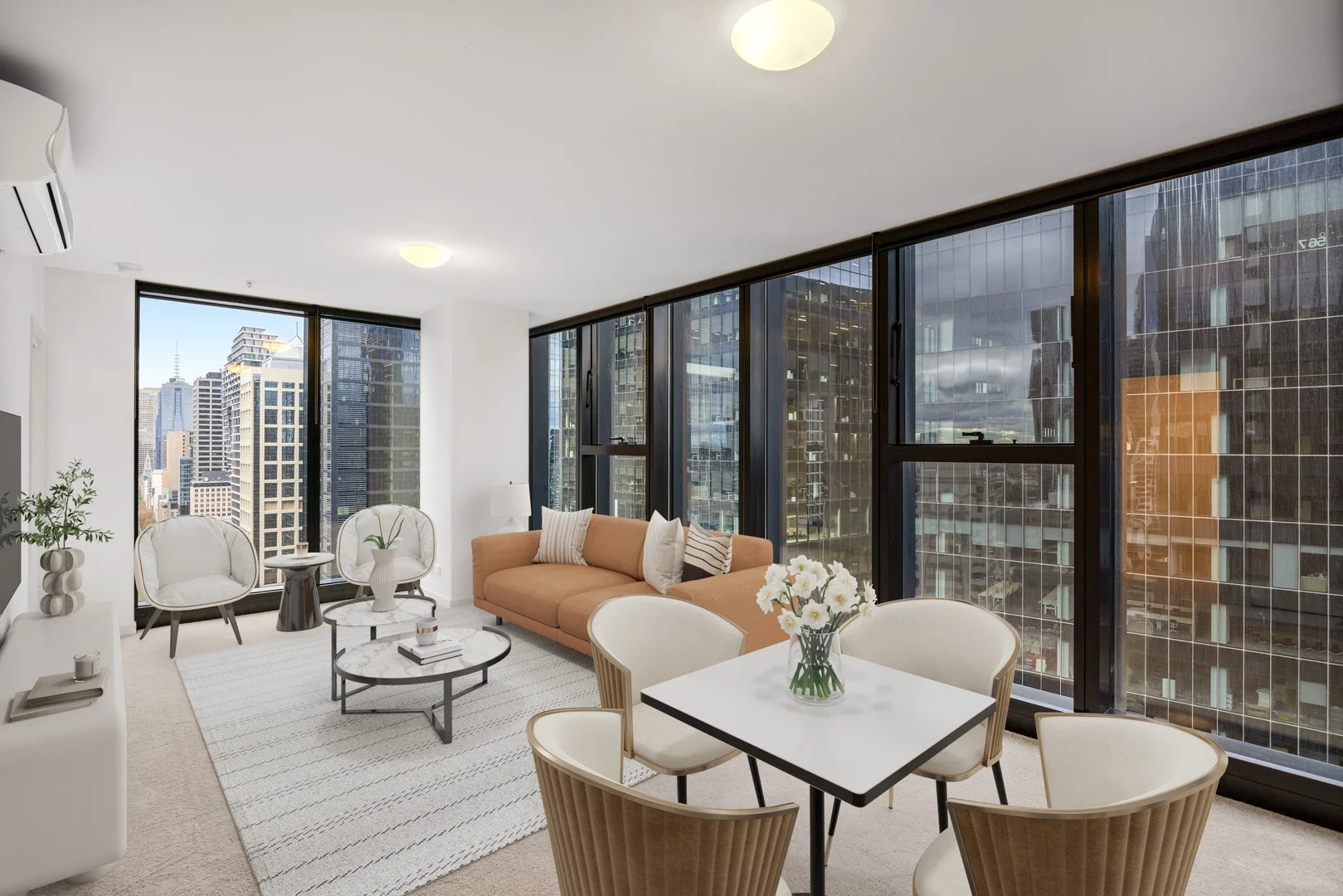 $480,000 - $520,000
Apartment / Unit / Flat
$480,000 - $520,000
Apartment / Unit / Flat
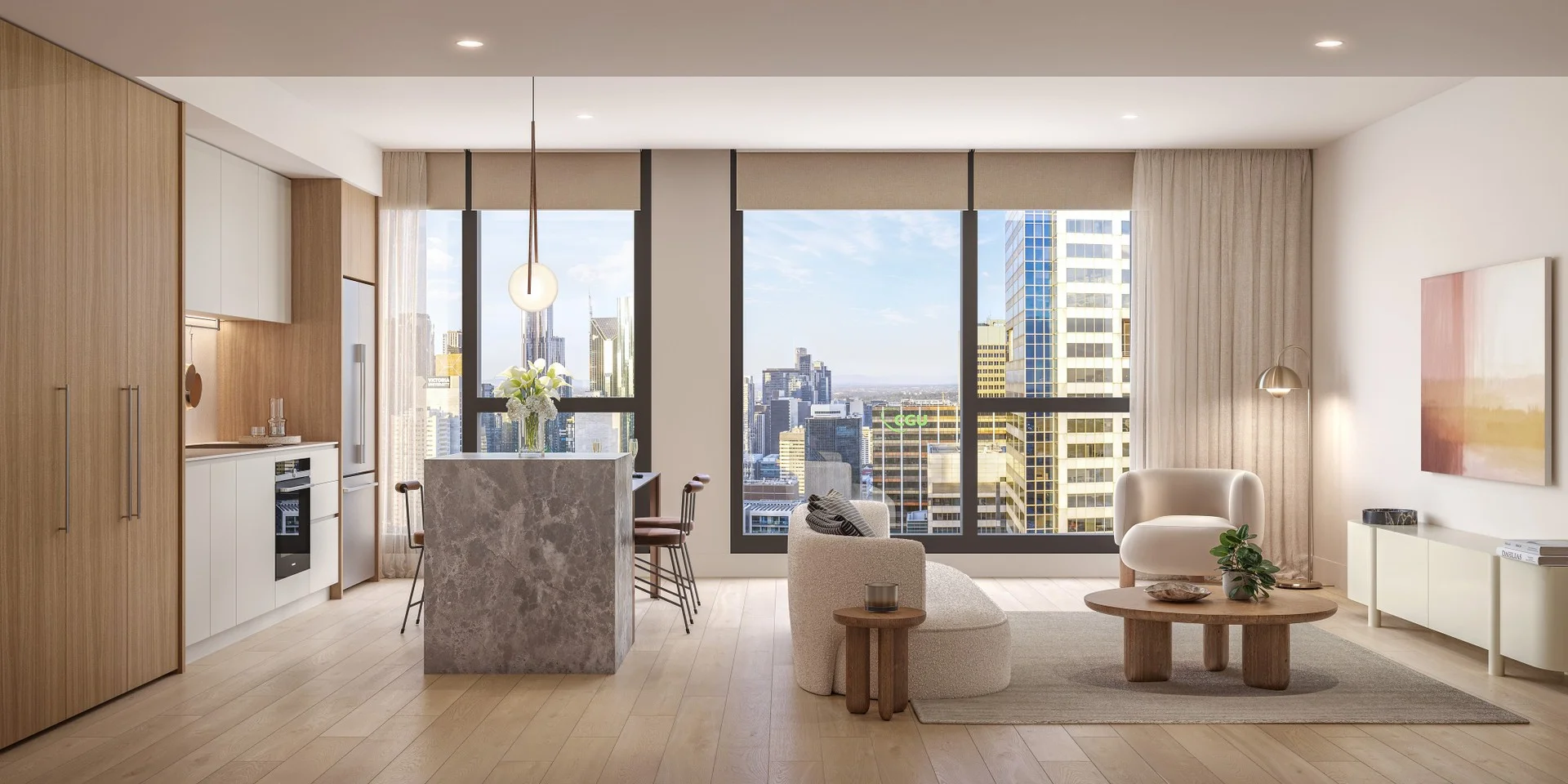 $1,870,000
propertyType.NEW APARTMENTS / OFF THE PLAN
$1,870,000
propertyType.NEW APARTMENTS / OFF THE PLAN
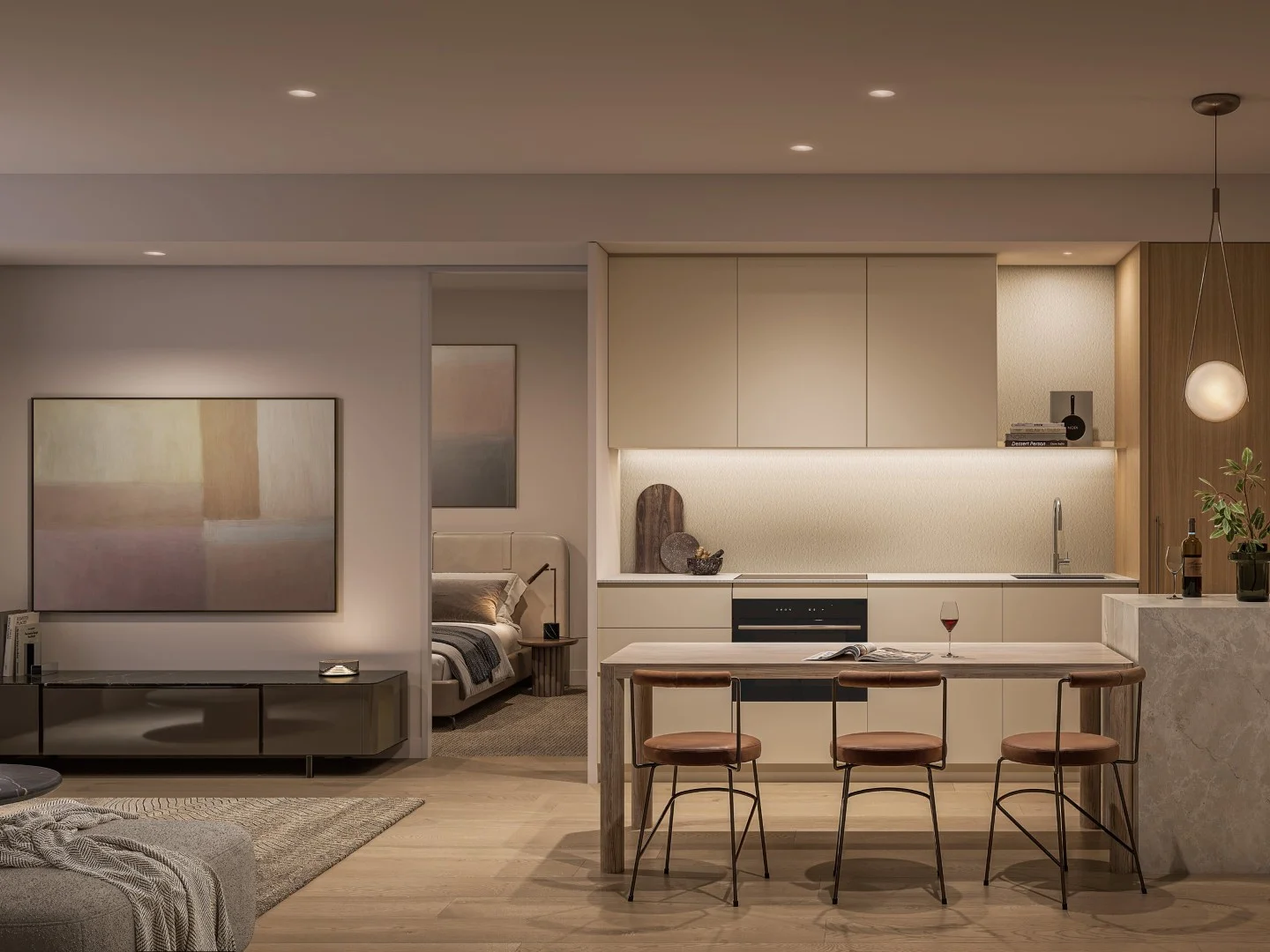 $666,000
Apartment / Unit / Flat
$666,000
Apartment / Unit / Flat
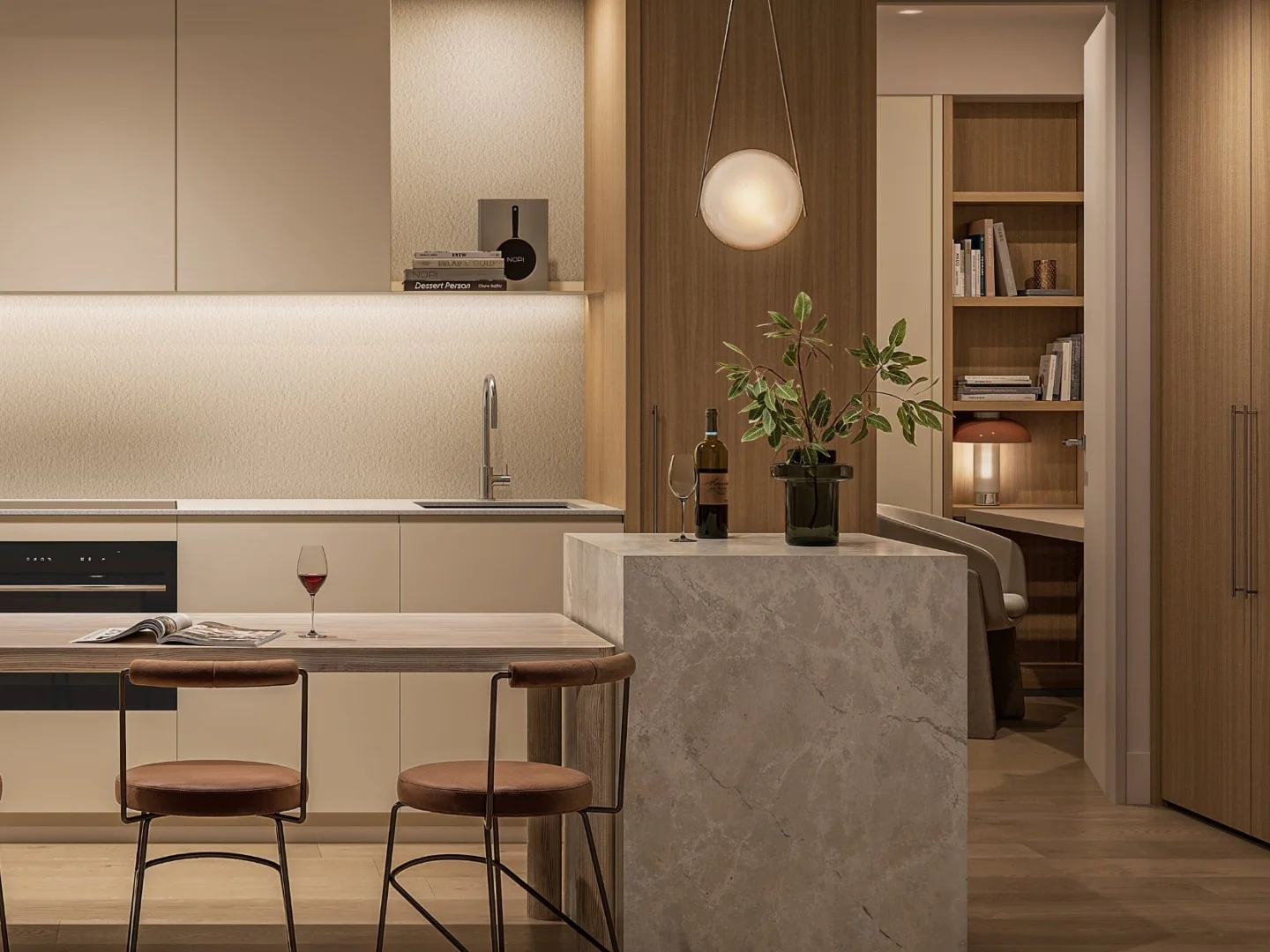 $712,500
Apartment / Unit / Flat
$712,500
Apartment / Unit / Flat
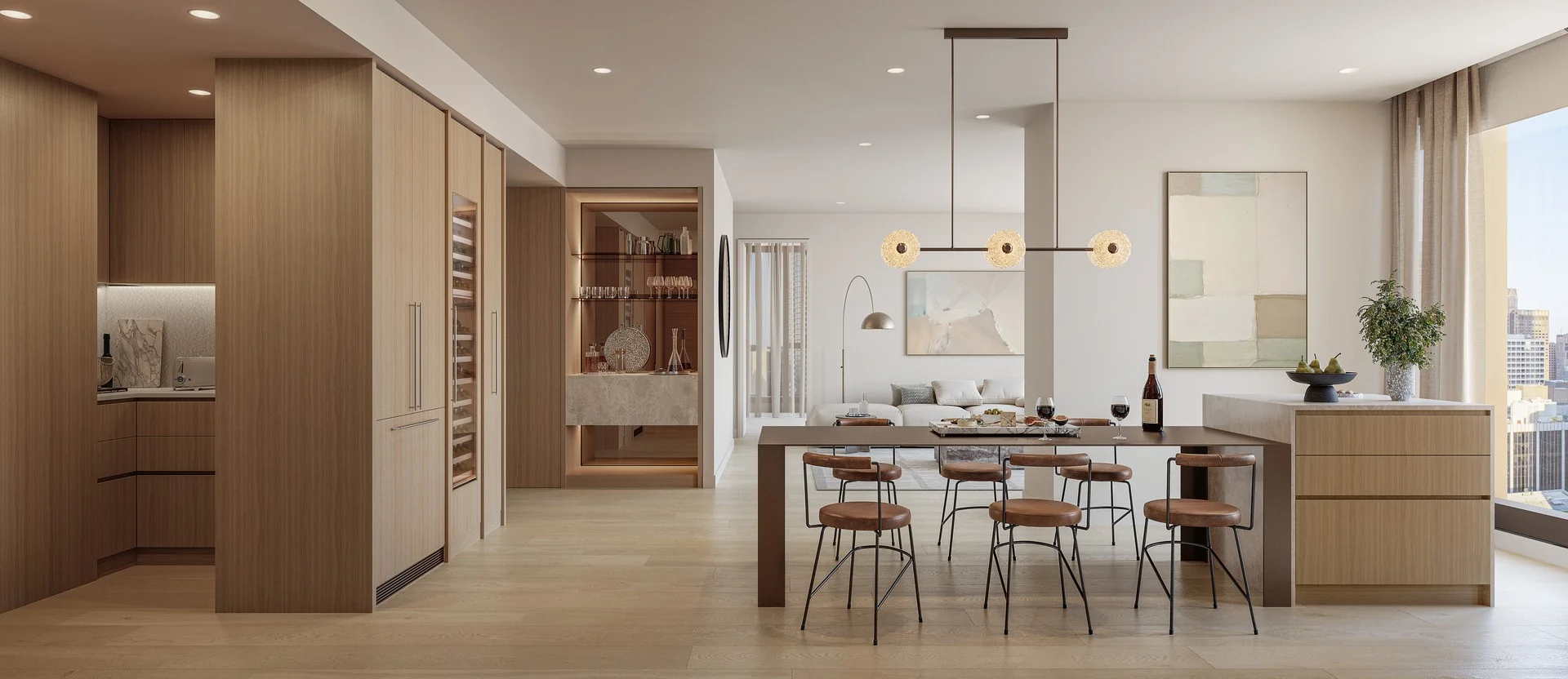 $2,865,000
Apartment / Unit / Flat
$2,865,000
Apartment / Unit / Flat


