# 1. Overview
Mount St Joseph Girls' College is a Catholic, girls-only secondary school offering education for Years 7–12 in the Altona area of Melbourne (Vic 3018). The college is part of the Catholic Education Melbourne network, providing a faith-informed environment that emphasises academic growth, personal development and social responsibility. It is a medium-sized school with a close-knit, supportive community and a focus on creating an inclusive, values-driven atmosphere where students are encouraged to pursue excellence while caring for others.
- School type: Catholic secondary school for girls
- School size: Medium
- Class size: Typically around 20–25 students per class
- Atmosphere/culture: Nurturing, inclusive, academically oriented, with a strong sense of community and service
⸻
# 2. Academics & Learning
Mount St Joseph Girls' College emphasizes a broad, rigorous curriculum aligned with Victorian requirements, with pathways through to the VCE.
- Academic strengths: English and Humanities; strong emphasis on literacy and communication; breadth in the arts and languages; supportive environment for academic growth and leadership development
- Special programs: VCE program; opportunities for extension/accelerated learning and gifted-and-talented pathways; emphasis on leadership and service learning
- NAPLAN / trends: Historical trends show consistency in reading and numeracy performance with years of steady or improving results relative to state averages
- Student-teacher ratios: Favorable ratios enabling more individual attention (roughly in the low-to-mid teens for class-size-related ratios; exact figures vary by year and subject)
- Support for diverse learners: Dedicated learning support staff; EAL support where needed; pathways for students requiring additional academic or language assistance
⸻
# 3. Sports & Extracurricular Strengths
A strong focus on well-rounded development, with a range of sports and enrichment opportunities.
- Sports offered: Netball, basketball, soccer, volleyball, athletics, swimming and school-wide fitness activities; courts and playing fields support multiple teams
- Strong teams or achievements: Competitive interschool and regional participation; emphasis on teamwork, sportsmanship and student leadership within teams
- Music, arts, drama programs: Active music ensembles, choir and drama productions; opportunities to participate in visual and performing arts
- Clubs: Robotics, coding, chess, debating, environmental/climate action, service clubs and student leadership groups
- Partnerships: Local clubs and regional competitions; connections with community arts programs and sports networks for competitions and showcases
⸻
# 4. Wellbeing & Pastoral Care
Wellbeing and pastoral care are central to the student experience, helping students feel safe, valued and supported.
- Anti-bullying approach: Clear anti-bullying policies, active student-led initiatives and ongoing education to promote respectful culture
- House system: House structure supports mentorship, belonging and friendly competition across year groups
- Counsellors / wellbeing officers: Access to school counsellors and wellbeing staff for personal, social and academic support
- Transition support for new students: Structured orientation programs, peer buddy systems and ongoing mentorship to ease transitions into the school
⸻
# 5. Facilities
Facilities are designed to support learning, creativity, sport and student life.
- Sports grounds: On-site courts and fields for team training and games
- Libraries: Well-stocked library and study spaces
- Science labs: Dedicated science laboratories for practical learning
- Music/performing arts centers: Rehearsal rooms, performance spaces and music facilities
- Tech/innovation labs: Computer labs and spaces for STEM, coding and digital learning
- Cafeteria: On-site canteen or dining area for students
- Updated playgrounds: Safe, functional outdoor spaces for break times and physical activity
⸻
# 6. School Values & Community Culture
The school fosters a values-driven culture with a clear sense of community, leadership and inclusion.
- School values / mission: Catholic ethos focused on faith, compassion, service and personal excellence
- Leadership style: Inclusive and student-centred; opportunities for student leadership and contribution to school life
- Behaviour expectations: Clear codes of conduct with restorative practices and emphasis on respect and responsibility
- Community reputation: Known for a supportive, respectful environment and active engagement with families
- Diversity & inclusion: Commitment to creating an inclusive environment that welcomes students from different backgrounds
⸻
# 7. School Logistics & Daily Operations
Practical details to help families plan around the school day.
- School hours: Typical school day runs during standard Victorian hours, with start and finish times published by the college each year
- Before/after school care: Provisions or collaborations for before/after school supervision or care
- Uniform requirements: School uniform policy with guidelines for daily wear and approved items
- Transport: Access via local train/bus routes; school-managed or recommended transport options available
- Canteen availability: On-site or nearby catering options for snacks and meals
- Fees: Private Catholic schooling with medium-to-high range fees; details available from the college’s enrolment information
⸻
# 8. Enrolment & Admissions
11. What is the enrolment process and timeline?
- Application typically opens online with an intake period; families are asked to complete forms, provide required documents, and participate in school events or information sessions. timelines vary by year level and intake.
12. Is there a waiting list, and how does it work?
- Waiting lists can apply when year levels are full; placement on the list is usually conditional on availability and may depend on priority criteria set by the college.
13. Are there any entry requirements, tests, or interviews?
- Entry often involves a short interview or information session and may include a discussion of the student’s previous academic performance and readiness. Some programs may have subject-specific considerations.
14. Does the school accept mid-year transfers?
- Mid-year transfers may be possible if spaces are available and the student can meet the college’s entry requirements and transition processes.
⸻
# 9. Frequently Asked Questions
- Why Parents Choose This School?
- A Catholic, values-based education for girls with strong academics, supportive staff and a welcoming community.
- What type of student thrives at this school?
- Students who value community, faith-informed learning, and a balanced focus on academics, arts and sport.
- What opportunities are available for students to extend their skills (academics, sports, arts)?
- VCE subjects, leadership development, theatre and music programs, sports teams, and a range of clubs (robotics, coding, debating, etc.).
- How does the school communicate with parents?
- Regular updates through newsletters, online portals, parent meetings and class communications; emergency and event notices as needed.
- What is the school’s approach to teaching and learning?
- Student-centred, academically rigorous with a focus on literacy, critical thinking and collaboration within a Catholic framework.
- How does the school support students who need extra academic help?
- In-school learning support, EAL assistance and targeted interventions as part of the student-services team.
- What support is available for academic challenges?
- Access to tutoring, study skills programs and consultation with teachers and support staff for personalised plan.
- How does the school communicate with parents? (Duplicate question retained as requested)
- See above: newsletters, portal updates and parent meetings.
- What are the class sizes and how much individual attention do students receive?
- Class sizes are typically around 20–25 students, with teachers able to provide individual feedback and support.
- What extracurricular and sports opportunities are available?
- A range of sports (netball, basketball, soccer, etc.), music, drama, and clubs (robotics, coding, chess, debating).
- What facilities does the school offer (sports, science, arts)?
- Sports grounds, libraries, science labs, music/arts facilities, tech/innovation labs, canteen and learning spaces.
- What is the school’s approach to technology and digital learning?
- Integration of digital tools and resources to support learning across subjects; emphasis on responsible use and digital literacy.
- What transport and accessibility options are available?
- Access via local public transport (train/bus routes) with information on school-specific travel options during enrolment.
- What are the typical school fees or additional costs?
- Fees fall within the private Catholic school range; exact costs depend on year level and selected programs.
⸻
# 10. Short Pros & Cons list
- Pros
- Catholic, values-based education with a supportive community
- Medium-sized, socially inclusive environment
- Strong emphasis on academics balanced with arts, sport and wellbeing
- Access to a range of clubs, leadership opportunities and support services
- Focus on student wellbeing, pastoral care and transition support
- Cons
- Fees are applicable as a private Catholic school; cost may be a consideration for some families
- As a single-sex, faith-based school, it may not suit families seeking co-educational or secular options
- Availability of spaces can vary by year level; mid-year transfers may be limited by capacity
⸻

 $25+
$25+









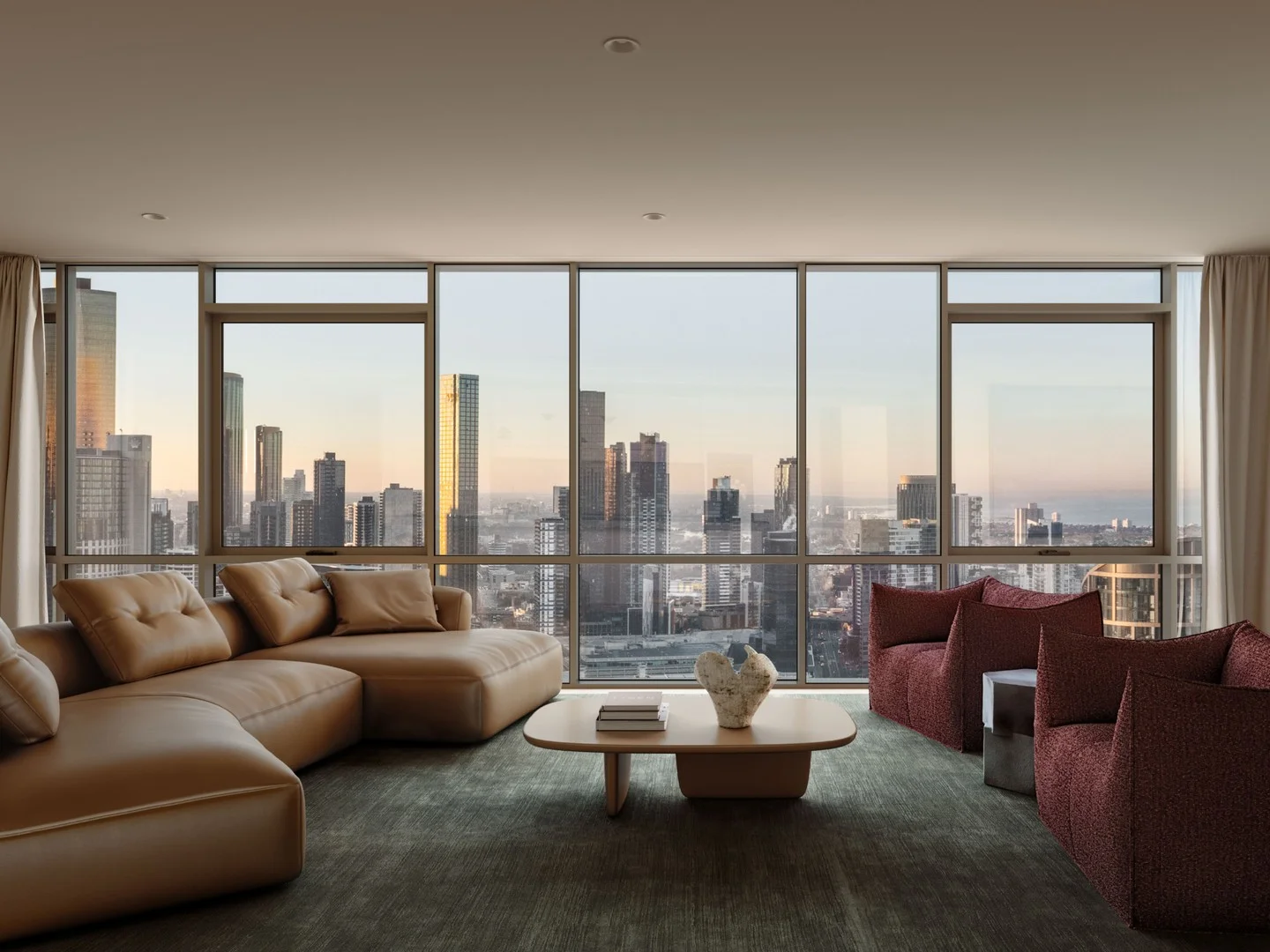
 $1,770,000
propertyType.NEW APARTMENTS / OFF THE PLAN
$1,770,000
propertyType.NEW APARTMENTS / OFF THE PLAN
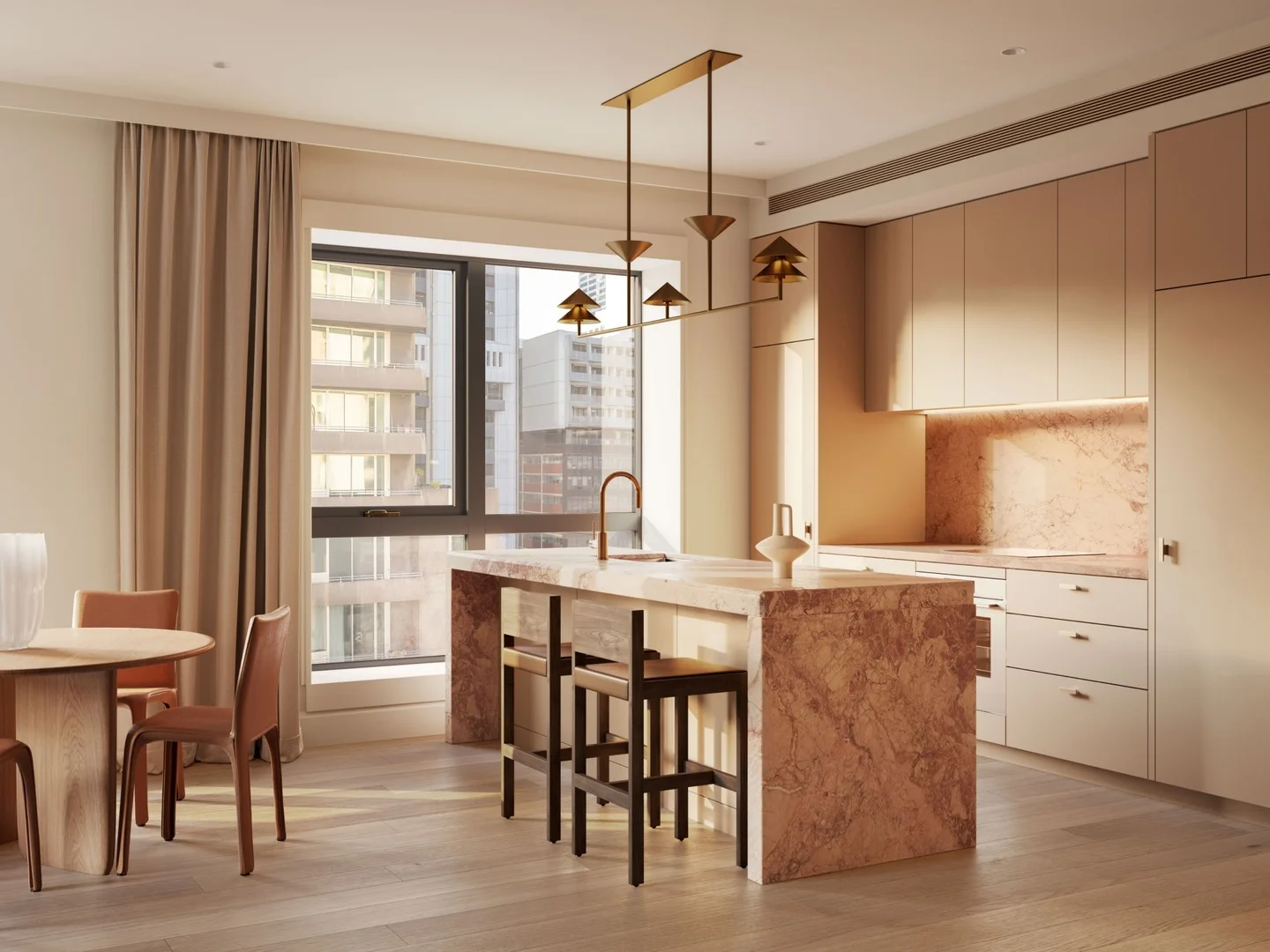
 $3,700,000
propertyType.NEW APARTMENTS / OFF THE PLAN
$3,700,000
propertyType.NEW APARTMENTS / OFF THE PLAN
 $820,000
propertyType.NEW APARTMENTS / OFF THE PLAN
$820,000
propertyType.NEW APARTMENTS / OFF THE PLAN
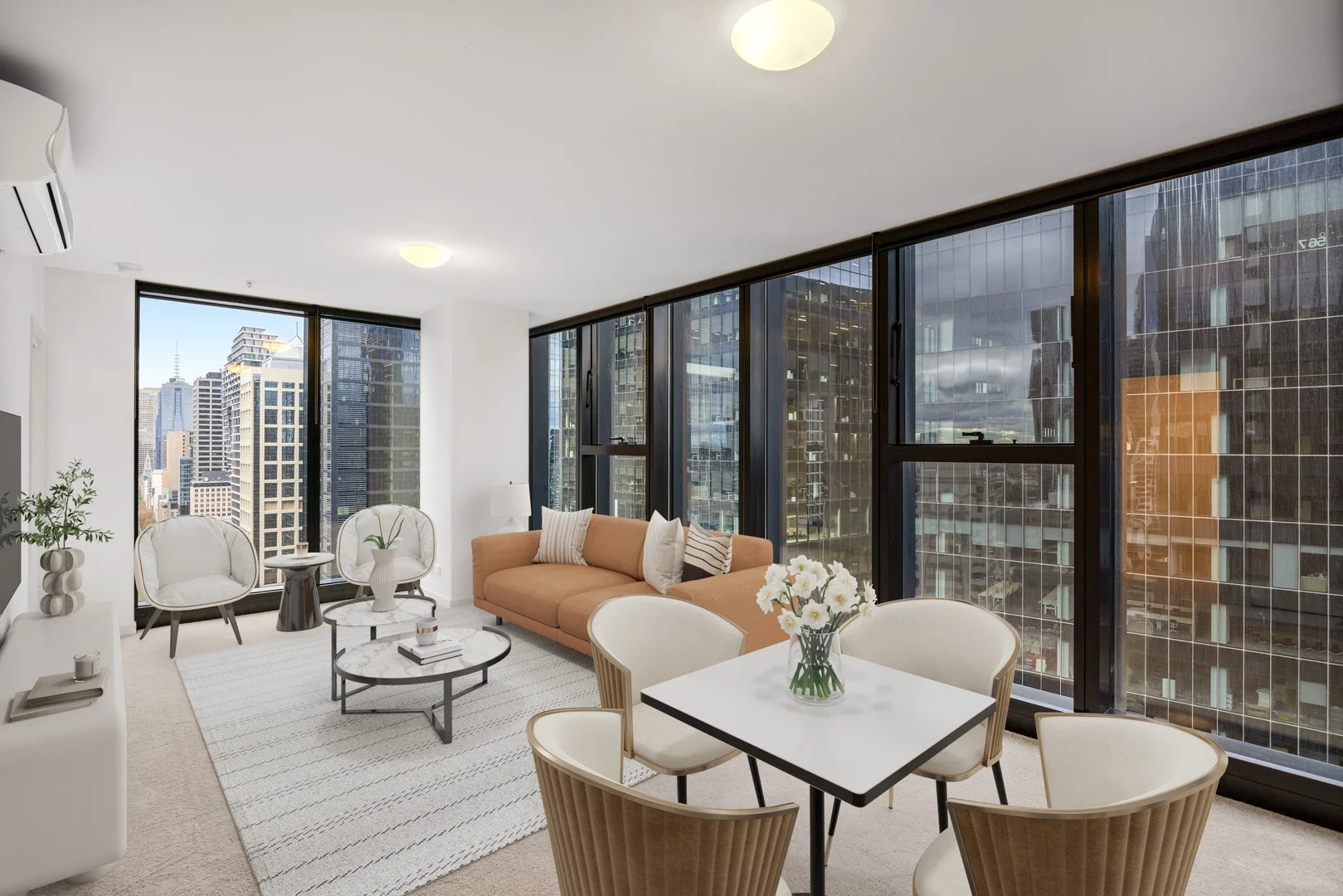
 $1,760,000
propertyType.NEW APARTMENTS / OFF THE PLAN
$1,760,000
propertyType.NEW APARTMENTS / OFF THE PLAN
 $480,000 - $520,000
Apartment / Unit / Flat
$480,000 - $520,000
Apartment / Unit / Flat
 $2,865,000
Apartment / Unit / Flat
$2,865,000
Apartment / Unit / Flat
 $666,000
Apartment / Unit / Flat
$666,000
Apartment / Unit / Flat
 $1,870,000
propertyType.NEW APARTMENTS / OFF THE PLAN
$1,870,000
propertyType.NEW APARTMENTS / OFF THE PLAN
 $712,500
Apartment / Unit / Flat
$712,500
Apartment / Unit / Flat


