## 1. Overview
Anzac Park Public School is a public primary school serving the local community in Cammeray, NSW. As a government school, it follows the NSW Department of Education curriculum and aims to provide a safe, inclusive learning environment for all students.
- School type: Public
- School size: Medium (typical for a community NSW primary school)
- Class size: Mid-20s per class (typical range 24–28 students)
- Atmosphere/culture: Nurturing, inclusive, diverse, with a strong emphasis on community and student well-being
⸻
## 2. Academics & Learning
- Academic strengths: Focus on literacy and numeracy foundations, with ongoing emphasis on STEM-inspired learning, digital technologies, and creative arts to build well-rounded capabilities.
- Special programs: Access to EAL/D support for students learning English; opportunities for enrichment and extension within the NSW curriculum; possible school-based or cluster programs for gifted and talented learners.
- NAPLAN trends: Typically monitored for progress over time; schools aim for stable or improving trends across reading, writing and numeracy. Check the latest DoE reports for current year-to-year movements.
- Student-teacher ratios: Generally around 1:12–1:15 in many NSW primary settings, though actual ratios vary by year and class.
- Support for diverse learners: Strong inclusion focus with EAL/D assistance, targeted learning support, and accommodations designed to meet varying student needs.
⸻
## 3. Sports & Extracurricular Strengths
- Sports offered: A broad mix typical of NSW primary schools (e.g., soccer, netball, basketball, rugby league, cricket, athletics) with opportunities to participate in inter-school events.
- Strong teams or achievements: Regular participation in local inter-school competitions; success stories vary by year and team but there is a culture of teamwork and school pride.
- Music, arts, drama programs: Primary-level music involvement, school assemblies, and opportunities to engage in performing arts and visual arts.
- Clubs: Robotics, coding, chess, debating, and other clubs commonly offered through after-school or lunch programs.
- Partnerships: Connections with local community groups and clubs to provide additional opportunities and competitions.
⸻
## 4. Wellbeing & Pastoral Care
- Anti-bullying approach: Proactive programs and clear policies to promote respectful relationships and a safe school climate.
- House system: Many NSW primary schools use a house-based structure to foster belonging, teamwork, and friendly competition.
- Counsellors / wellbeing officers: Access to school-based wellbeing staff or counsellors to support student safety, mental health and transition periods.
- Transition support for new students: Orientation activities, buddy programs, and gradual acclimatization to the school environment.
⸻
## 5. Facilities
- Sports grounds: On-site outdoor spaces suitable for physical education and school events.
- Libraries: Nearby or on-site library resources to support reading and research.
- Science labs: Primary-level science facilities and STEM exploration areas.
- Music/performing arts centers: Space for music, drama, and performance activities.
- Tech/innovation labs: Digital learning spaces for coding and technology projects.
- Cafeteria: On-site canteen or tuckshop facilities for recess and lunch.
- Updated playgrounds: Modern playground equipment and outdoor learning spaces.
⸻
## 6. School Values & Community Culture
- School values / mission: Typically centered on respect, responsibility, resilience, and inclusion; emphasis on student voice and positive citizenship.
- Leadership style: Student leadership opportunities (e.g., house captains, student councils) and teacher facilitation of leadership at classroom and school levels.
- Behaviour expectations: Clear codes of conduct aligned with positive behaviour for learning.
- Community reputation: A welcoming, family-friendly school with active parent engagement through the P&C and volunteer opportunities.
- Diversity & inclusion: Commitment to inclusive education, supporting students from diverse backgrounds and with varying needs.
⸻
## 7. School Logistics & Daily Operations
- School hours: Standard primary school day; start and finish times aligned with NSW DoE schedules.
- Before/after school care: OOSH or external providers commonly available through community arrangements; check current offerings at the school.
- Uniform requirements: School uniform typically required; details on polo shirts, shorts/skirts, and seasonal options usually published by the school.
- Transport (train/bus routes): Bus routes and local public transport options commonly used by families; check NSW Transport for current routes and schedules.
- Canteen availability: On-site or nearby tuckshop/canteen options for recess and lunch.
- Fees (low/medium/high ranges): NSW public schools generally do not charge tuition; there are voluntary contributions and costs for excursions, activities, and uniforms. Specific amounts vary each year.
⸻
## 8. Enrolment & Admissions
11. What is the enrolment process and timeline?
- Enrolment for NSW public primary schools is coordinated through the NSW Department of Education. Start by submitting an application for a place within your catchment or preferred intake window. Timeline typically follows DoE schedules with offers aligned to availability and priority rules (siblings, location, special considerations). Expect information on required documents and deadlines from the school or DoE portal.
12. Is there a waiting list, and how does it work?
- Waiting lists can occur if a year group is full. Places are offered based on DoE priority rules (e.g., catchment eligibility, siblings, legitimate healthcare or other special considerations). If waitlisted, you’ll be kept informed of any changes in position as spaces become available.
13. Are there any entry requirements, tests, or interviews?
- Primary school enrolment generally does not require entrance tests. Some schools may request a brief interview or information session for new families or to discuss support needs; formal testing is uncommon for entry at the primary level.
14. Does the school accept mid-year transfers?
- Mid-year transfers are possible if space permits and if DoE processes are satisfied. Applicants typically need to provide enrolment documentation, transfer paperwork from their previous school, and up-to-date records (immunisation, birth certificate, etc.). Availability depends on current student numbers and staffing.
⸻
## 9. Frequently Asked Questions
- Why Parents Choose This School?
- A welcoming, inclusive culture with a focus on wellbeing, community involvement, and solid academic foundations.
- What type of student thrives at this school?
- Students who value a balanced approach to academics, participate in co-curriculars, and engage with supportive staff and peers.
- What opportunities are available for students to extend their skills (academics, sports, arts)?
- After-school clubs (coding, robotics, chess, debating), sports teams, music ensembles, drama and arts activities, and opportunities for leadership and public speaking.
- How does the school communicate with parents?
- Regular newsletters, emails, parent-teacher meetings, school portal updates, and active involvement through the P&C and informal channels.
- What is the school’s approach to teaching and learning?
- NSW curriculum-aligned, with a mix of explicit instruction, inquiry-based learning, and differentiation to meet diverse student needs.
- How does the school support students who need extra academic help?
- Targeted interventions, small-group support, EAL/D assistance, and access to learning support staff.
- What support is available for academic challenges?
- Additional tutoring or tutoring-like supports, progress monitoring, and referrals to specialists as needed.
- How does the school communicate with parents? (Repeated)
- See above: multiple channels including portal, newsletters, and open lines with staff.
- What are the class sizes and how much individual attention do students receive?
- Class sizes typically mid-20s; teachers provide ongoing feedback and opportunities for small-group instruction and targeted support.
- What extracurricular and sports opportunities are available?
- A range of sports and physical activities, plus clubs in robotics, coding, chess, debating, music and drama.
- What facilities does the school offer (sports, science, arts)?
- Sports grounds, library resources, science and technology spaces, performing arts areas, and dining/canteen facilities.
- What is the school’s approach to technology and digital learning?
- Integration of digital technologies in everyday learning, with access to devices and ICT resources appropriate to year level.
- What transport and accessibility options are available?
- Local bus routes and public transport options; accessible facilities and organized drop-off/pick-up arrangements where possible.
- What are the typical school fees or additional costs?
- No tuition for public schooling; possible voluntary contributions and costs for excursions, activities, and uniforms.
⸻
## 10. Short Pros & Cons list
- Pros
- Public primary with a focus on wellbeing and inclusive education
- Balanced academics with opportunities in sports, arts, and clubs
- Active parent community and stakeholder involvement
- Support for diverse learners (EAL/D and SEN programs)
- Modern facilities and learning spaces
- Cons
- Class sizes can vary; some years may have larger groups
- Competition for places in popular intake periods (depending on catchment)
- Uniforms and some activity costs may be additional ongoing expenses
- Availability of programs and facilities can shift with staffing and budget cycles
⸻
Note: The information above is a general guide intended to help families learn about Enrolments & FAQ topics. For the most current and specific details about Anzac Park Public School, please refer to the NSW Department of Education resources and the school’s official communications.









 $2,824,000
Apartment / Unit / Flat
$2,824,000
Apartment / Unit / Flat
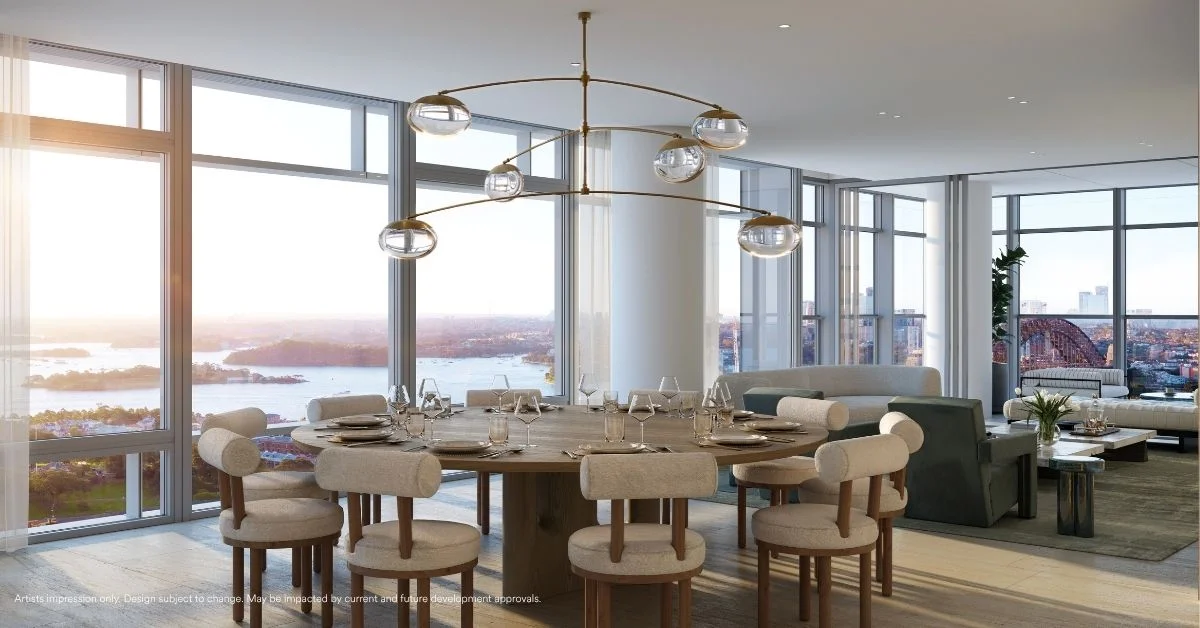 $26,550,000
propertyType.NEW APARTMENTS / OFF THE PLAN
$26,550,000
propertyType.NEW APARTMENTS / OFF THE PLAN
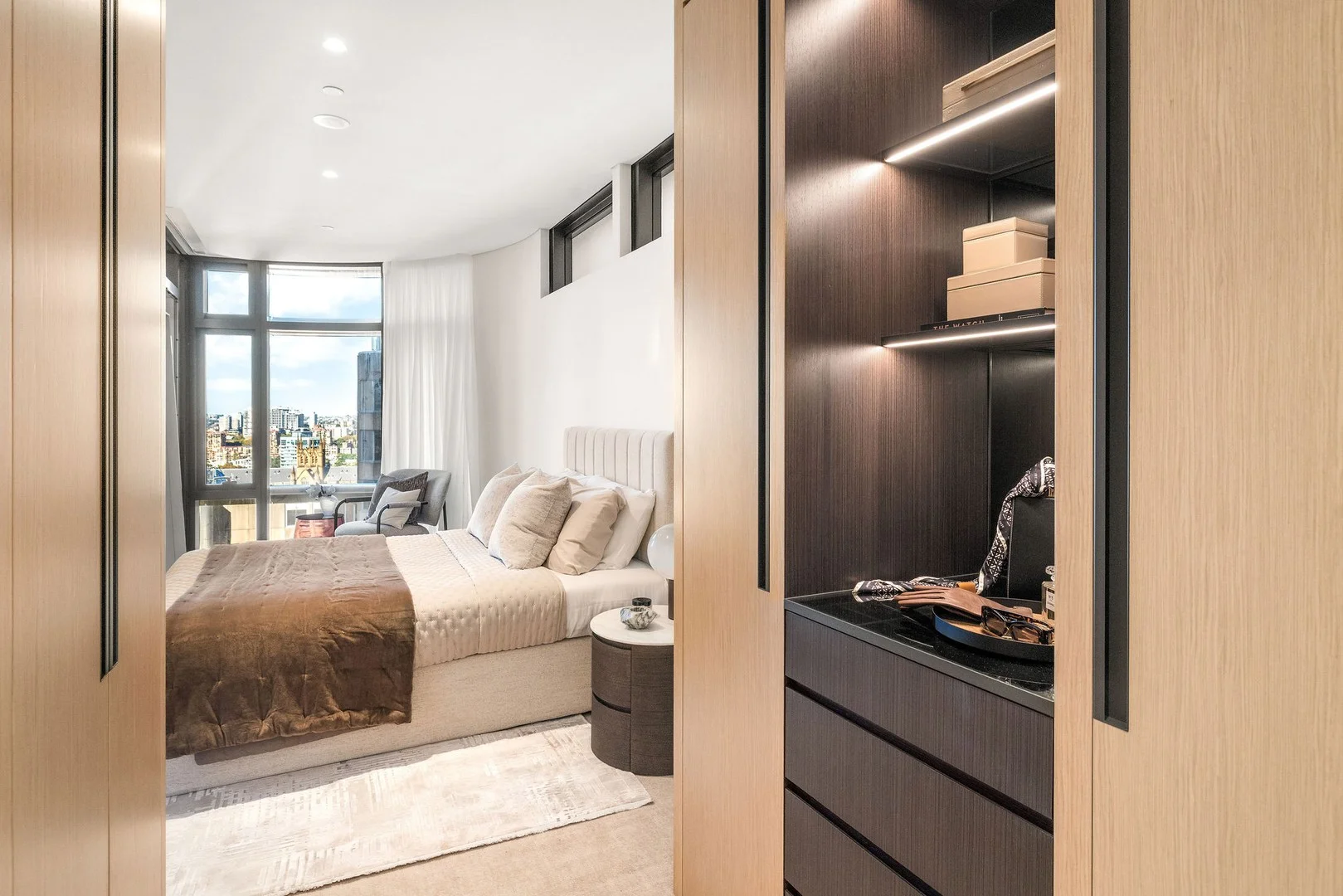 $2,745,000
propertyType.NEW APARTMENTS / OFF THE PLAN
$2,745,000
propertyType.NEW APARTMENTS / OFF THE PLAN
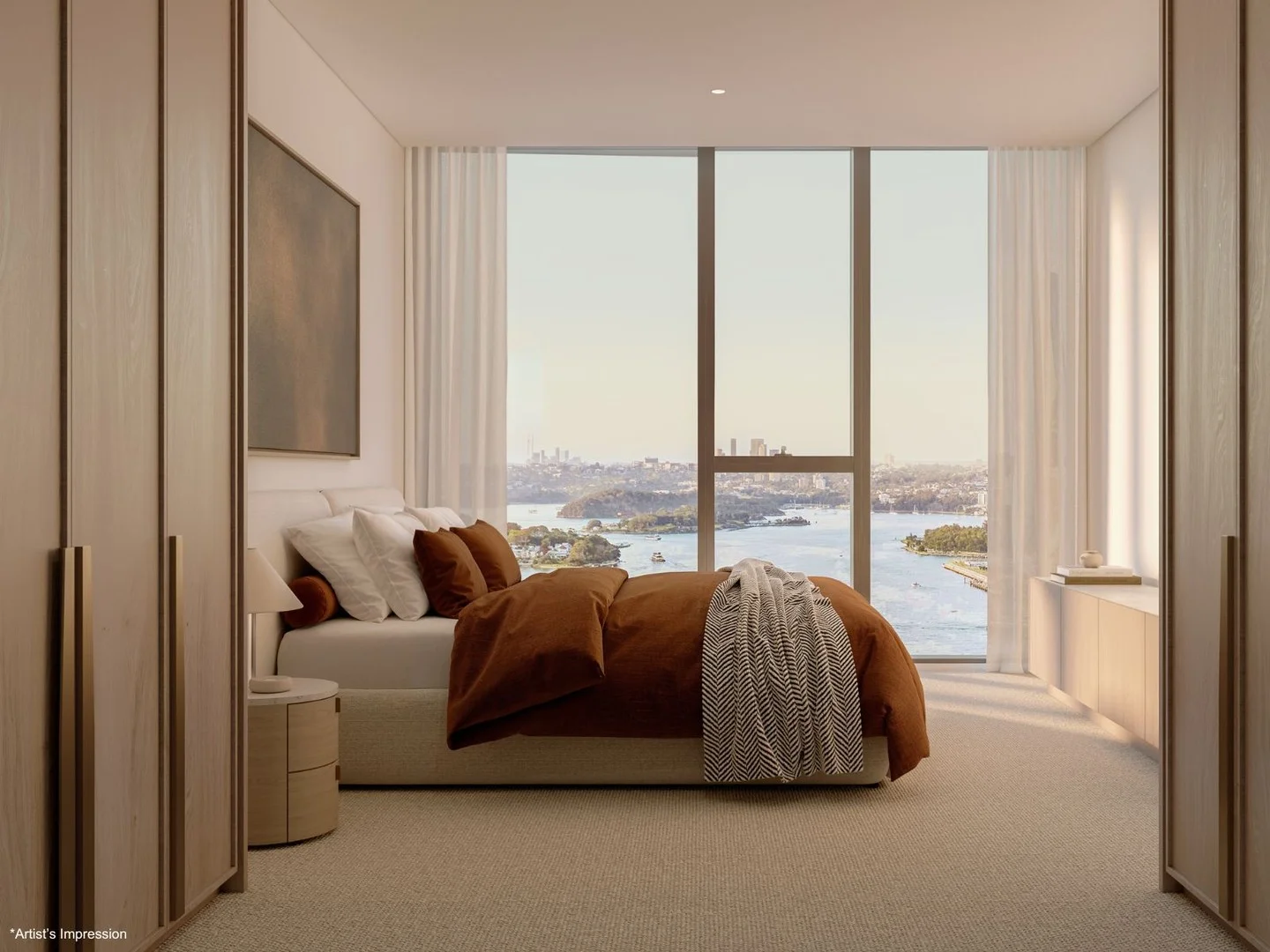 $8,630,000
propertyType.NEW APARTMENTS / OFF THE PLAN
$8,630,000
propertyType.NEW APARTMENTS / OFF THE PLAN
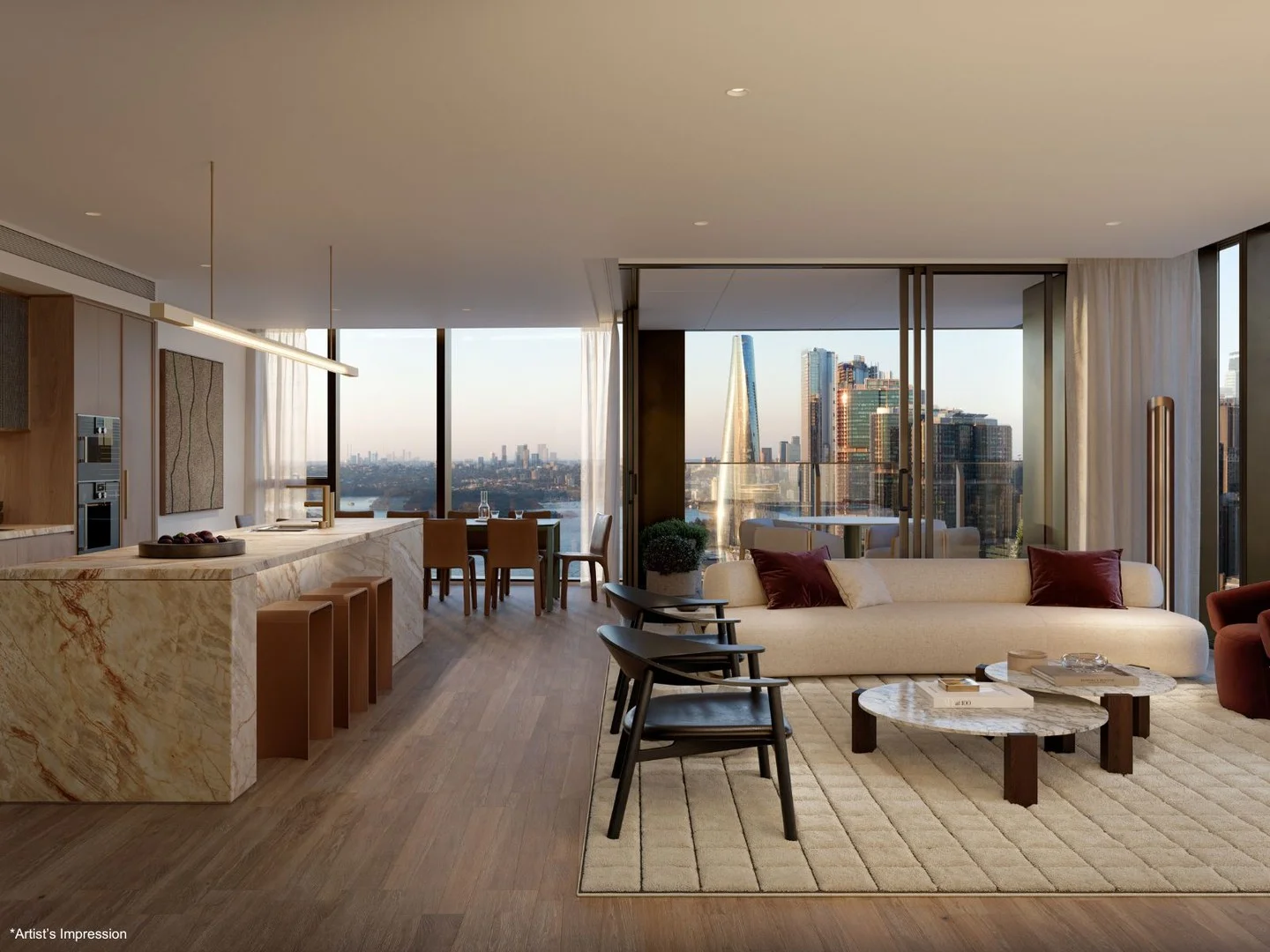 $12,980,000
propertyType.NEW APARTMENTS / OFF THE PLAN
$12,980,000
propertyType.NEW APARTMENTS / OFF THE PLAN
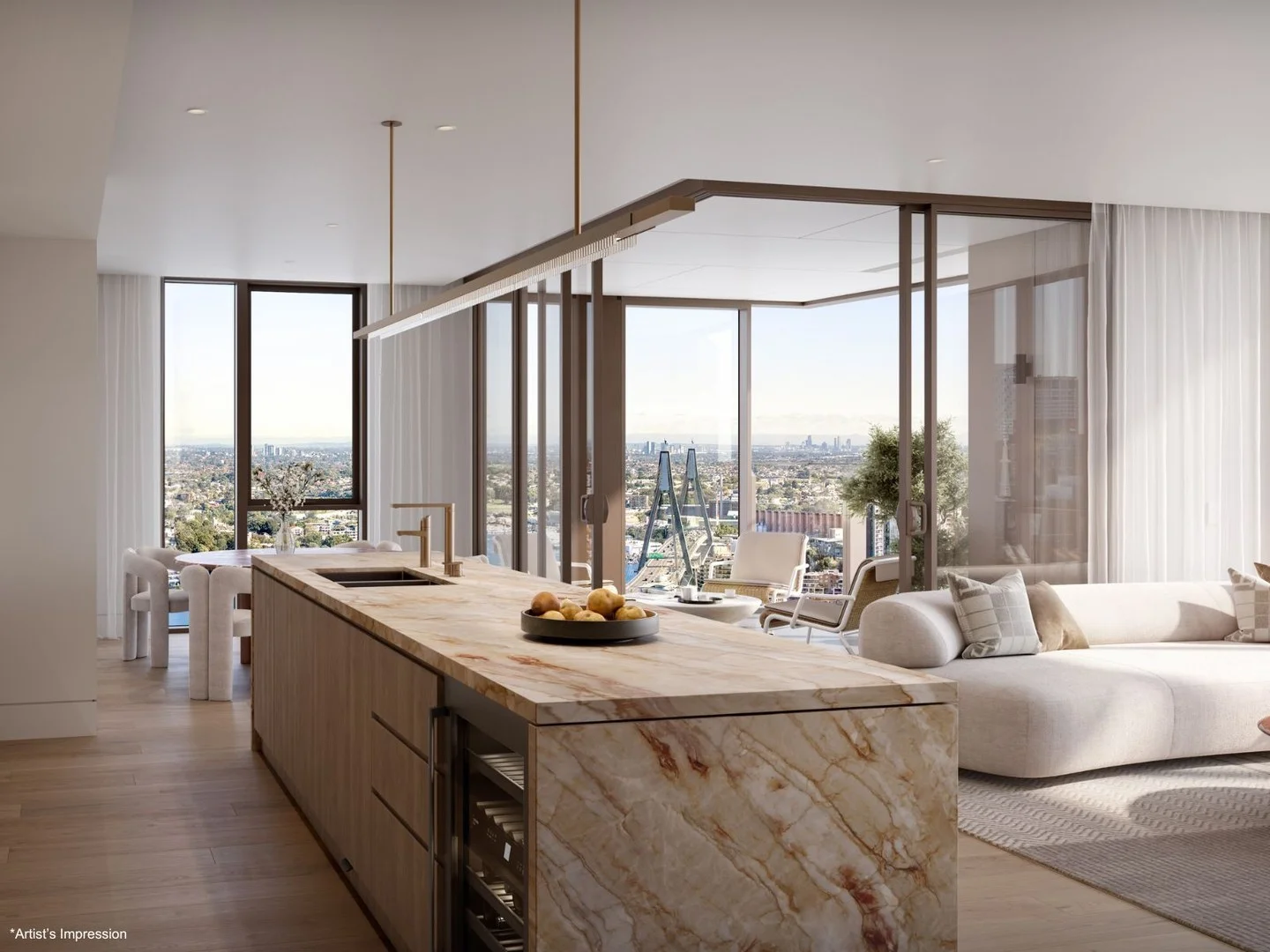 $9,020,000
propertyType.NEW APARTMENTS / OFF THE PLAN
$9,020,000
propertyType.NEW APARTMENTS / OFF THE PLAN
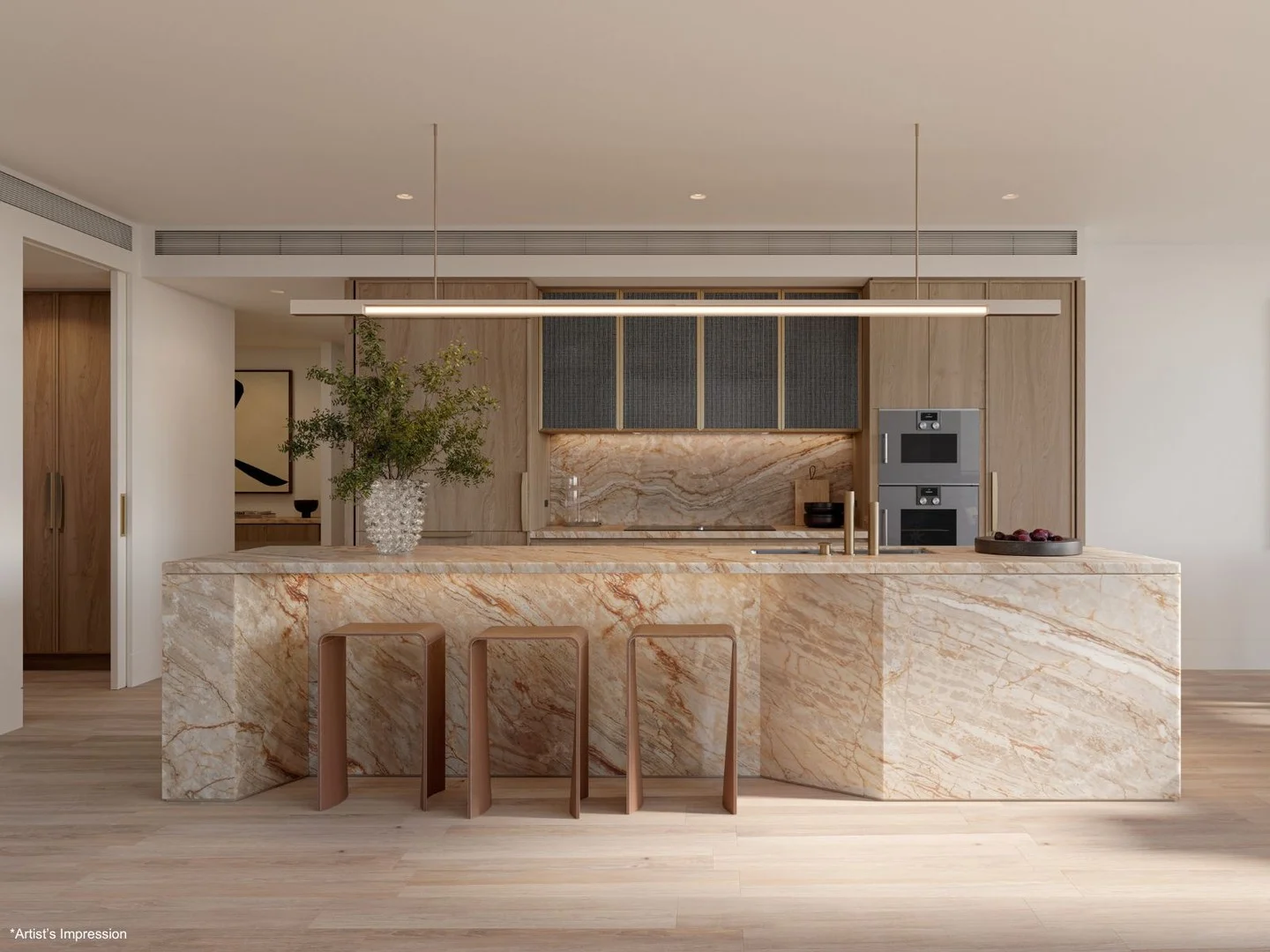 $6,225,000
propertyType.NEW APARTMENTS / OFF THE PLAN
$6,225,000
propertyType.NEW APARTMENTS / OFF THE PLAN
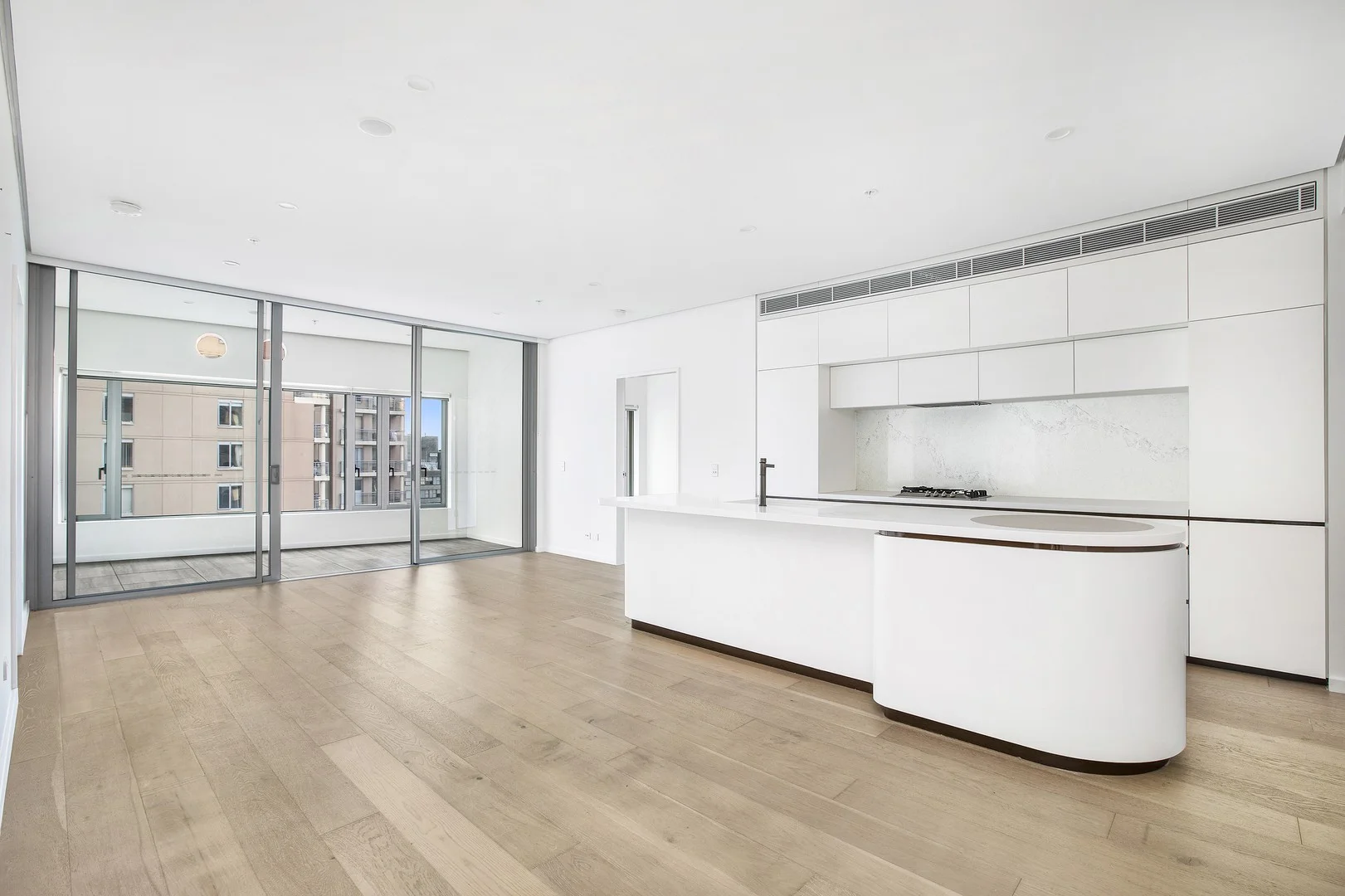 $2,250,000
Apartment / Unit / Flat
$2,250,000
Apartment / Unit / Flat
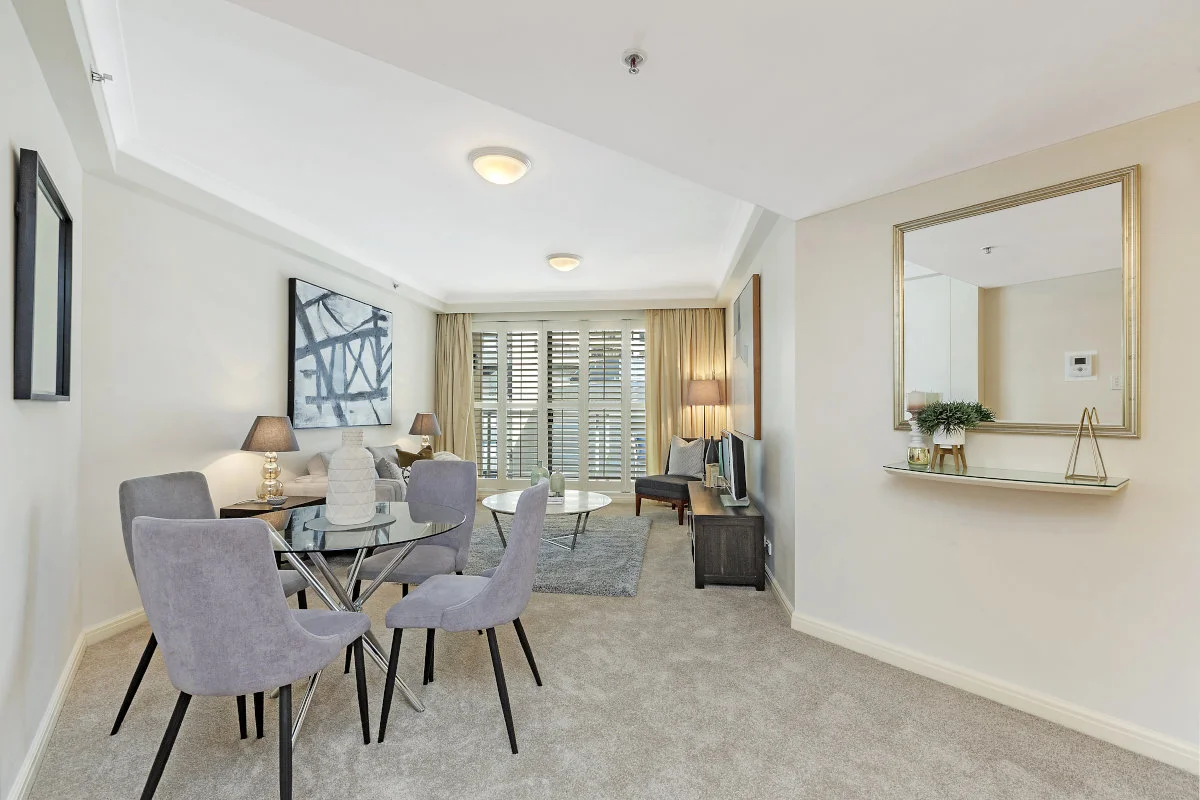 $660,000 - $725,000
Apartment / Unit / Flat
$660,000 - $725,000
Apartment / Unit / Flat


