## Overview
Cammeray Public School is a public (government) primary school serving students from Kindergarten to Year 6 in Cammeray, NSW. The school emphasises a welcoming, community-focused environment where students are supported to grow academically and socially.
The school is medium-sized with class sizes typically around 20–25 students. The atmosphere is nurturing and inclusive, balancing a strong focus on academic achievement with well-being, teamwork, and a positive school culture.
---
## Academics & Learning
- Academic strengths: strong literacy and numeracy foundation, opportunities in STEM and the arts, plus a focus on developing communication and thinking skills. The school supports a well-rounded learning program that encourages curiosity and resilience.
- Special programs: Gifted and Talented (G&T) opportunities, targeted literacy and numeracy interventions, and English as an Additional Language/Dialect (EAL/D) support for diverse learners.
- NAPLAN / trends: historical data shows steady progress in core areas with ongoing emphasis on monitoring growth and providing targeted support where needed.
- Student-teacher ratios: class sizes typically around 20–25 students with a teacher and support staff allocated to each class; ratio varies by year level.
- Support for diverse learners: robust supports for EAL/D students and students with additional learning needs, including pull-out and in-class supports, allied health involvement as required, and an identified learning support team.
---
## Sports & Extracurricular Strengths
- Sports offered: a broad range including soccer, basketball, cricket, athletics, swimming, and other district-level activities.
- Strong teams or achievements: active participation in school sport days, inter-school competitions, and local district events; emphasis on teamwork, fair play, and personal bests.
- Music, arts, drama programs: regular music ensembles, school choir or band, and opportunities to perform in school concerts and assessments.
- Clubs: robotics, coding, chess, debating, and other interest-based clubs that run after school.
- Partnerships: connections with local clubs and community organizations for competitions and enhancement programs; participation in district events to broaden opportunities.
---
## Wellbeing & Pastoral Care
- Anti-bullying approach: proactive whole-school strategies, clear behaviour expectations, and restorative practices to resolve conflicts and foster a respectful culture.
- House system: house-based activities and events to promote belonging, teamwork, and healthy competition.
- Counsellors / wellbeing officers: access to school-based wellbeing support and a designated counsellor or wellbeing team to assist students with social, emotional, and behavioural needs.
- Transition support for new students: structured orientation, buddy programs, and transition activities to help new students settle into the school community.
---
## Facilities
- Sports grounds: well-maintained outdoor spaces for games, sport, and physical education.
- Libraries: well-stocked library supporting reading for pleasure and research is integrated into learning programs.
- Science labs: dedicated science spaces enabling hands-on experiments and inquiry-based learning.
- Music/performing arts centers: spaces and facilities for music, drama, and performances.
- Tech/innovation labs: classrooms and labs that support coding, robotics, and digital learning activities.
- Cafeteria: on-site canteen offering healthy meal and snack options.
- Updated playgrounds: modern play areas and equipment that support active play and exploration.
---
## School Values & Community Culture
- School values / mission: emphasis on respect, responsibility, resilience, inclusivity, and a growth mindset aligned with student wellbeing and achievement.
- Leadership style: collaborative and distributed leadership with opportunities for student voice and parent involvement; staff work together to improve programs.
- Behaviour expectations: clear code of conduct with positive reinforcement, consistent routines, and restorative approaches to conflicts.
- Community reputation: widely regarded as a supportive and close-knit community where families feel welcomed and involved.
- Diversity & inclusion: inclusive environment that welcomes students from diverse backgrounds and supports individualized learning needs.
---
## School Logistics & Daily Operations
- School hours: typical day runs approximately 9:00 am–3:00 pm, with variations for specific year levels or activities.
- Before/after school care: availability of approved before/after school care programs to support working families.
- Uniform requirements: school uniform is required, with specifics on dress code provided by the school.
- Transport: access to local bus routes and proximity to public transport; families should check Transport for NSW for current routes and times.
- Canteen availability: on-site canteen or canteen service providing lunch and snack options.
- Fees: as a public school, there is no compulsory tuition; there are voluntary contributions and costs for certain activities, excursions, and programs. Overall, costs are described as low to moderate relative to private options.
---
## Enrolment & Admissions
11. What is the enrolment process and timeline?
- Enrolments are managed through the NSW Department of Education. Begin by confirming catchment eligibility, then submit the required documents (proof of residence, birth certificate, immunisation records, and any additional DoE forms). Offers and timelines are determined by the DoE and the school, with early-year considerations typically giving priority to in-catchment applicants. Check with the school and DoE for the current year’s timelines.
12. Is there a waiting list, and how does it work?
- Some year levels may have waitlists if demand exceeds places. Places are offered based on catchment rules and availability. It’s advisable to register interest early and maintain contact with the school if you are in a non-catchment situation or seeking a mid-year transfer.
13. Are there any entry requirements, tests, or interviews?
- For public primary schools, there are no entrance tests or interviews for ordinary enrolment. Some programs or supports may involve assessments to determine appropriate supports, but routine enrolment does not require testing.
14. Does the school accept mid-year transfers?
- Yes, subject to place availability and a smooth transition process. Prospective mid-year transfer families should contact the school promptly to discuss enrolment steps, documentation, and any supporting information needed.
---
## Frequently Asked Questions
- Why Parents Choose This School?
- A strong sense of community, supportive wellbeing programs, balanced academics, and opportunities across sports, arts, and clubs.
- What type of student thrives at this school?
- Students who are curious, collaborative, motivated to learn, and who value an inclusive, supportive environment.
- What opportunities are available for students to extend their skills (academics, sports, arts)?
- Gifted and Talented options, targeted literacy/numeracy support, robotics and coding clubs, debating, arts programs, music ensembles, and a range of sports teams.
- How does the school communicate with parents?
- Regular newsletters, emails, school apps or portals, and parent-teacher interviews to share updates on student progress and school events.
- What is the school’s approach to teaching and learning?
- Differentiated instruction with a focus on core literacy and numeracy, inquiry-based learning, and integration of technology to support critical thinking and collaboration.
- How does the school support students who need extra academic help?
- Learning support teams, targeted intervention programs, EAL/D support, and access to specialists as needed.
- What support is available for academic challenges?
- Individual or small-group interventions, progress monitoring, and resources to help students improve performance.
- How does the school communicate with parents?
- See above: newsletters, portals, calls, and meetings to keep families engaged.
- What are the class sizes and how much individual attention do students receive?
- Typical classes run around 20–25 students, with teachers providing differentiation and feedback to support individual learning.
- What extracurricular and sports opportunities are available?
- A broad range of clubs (robotics, coding, chess, debating) and sports (team and individual), plus arts and music programs.
- What facilities does the school offer (sports, science, arts)?
- Sports grounds, libraries, science labs, music/performing arts spaces, tech/innovation labs, and a canteen.
- What is the school’s approach to technology and digital learning?
- Integrated technology use across learning programs with emphasis on digital literacy, safe online practices, and responsible use of devices.
- What transport and accessibility options are available?
- Local bus routes and proximity to public transport; accessibility features and approved drop-off/pick-up arrangements as per DoE guidelines.
- What are the typical school fees or additional costs?
- No tuition fees for public schooling; minimal voluntary contributions and costs for excursions, activities, and specific programs. Uniform and some materials may incur extra costs.
---
## Short Pros & Cons list
- Pros
- Public, community-focused environment with inclusive culture
- Balanced academics with strong literacy, numeracy, and STEM pathways
- Wide range of enrichment options (sports, arts, clubs)
- Robust wellbeing and pastoral care
- Modern facilities supporting hands-on learning
- Clear parent communication and community involvement
- Cons
- Popular year levels may have waitlists or limited places
- Some costs for excursions, uniforms, and optional programs
- Transport options depend on local routes and schedules












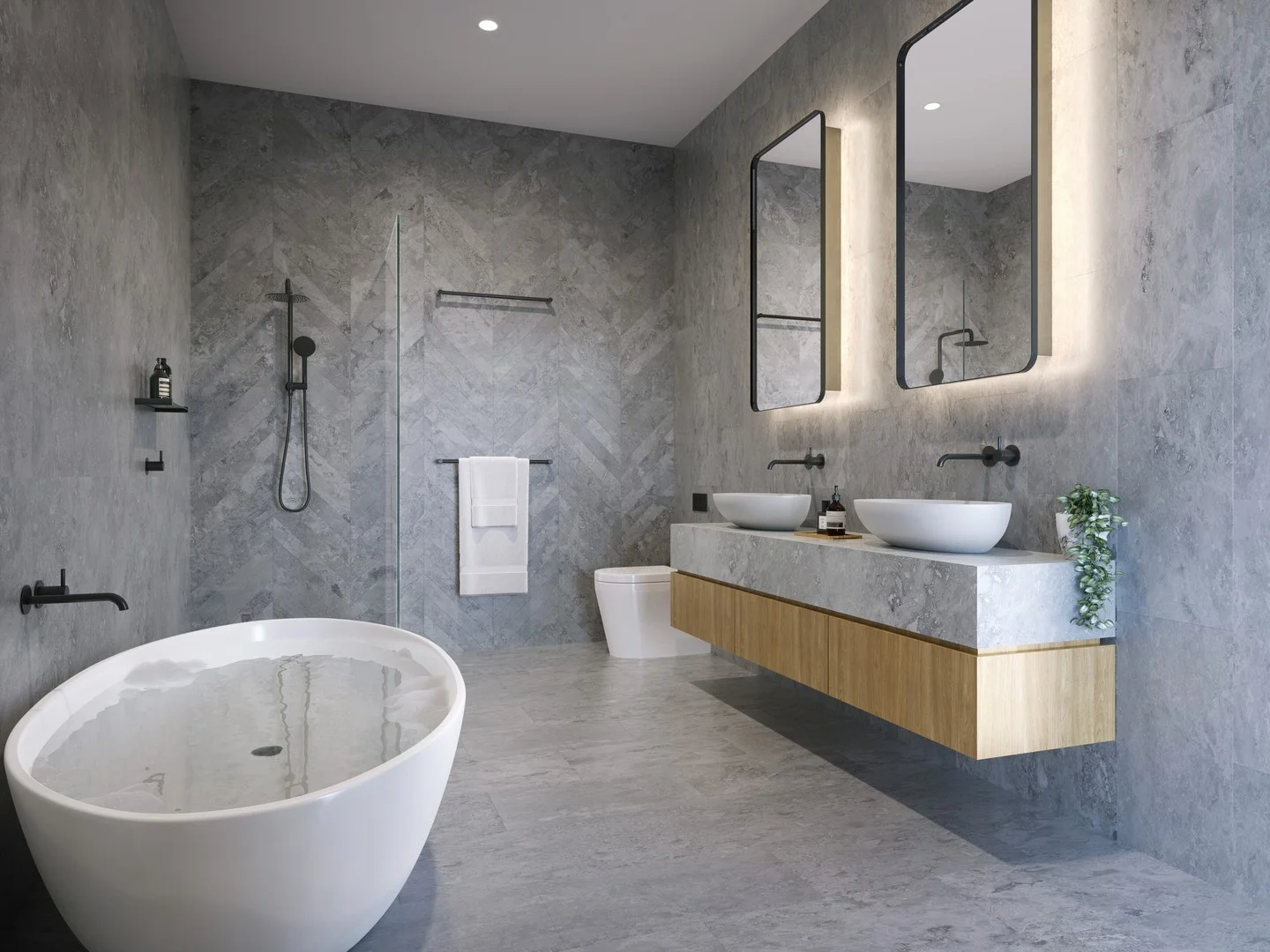 $2,824,000
Apartment / Unit / Flat
$2,824,000
Apartment / Unit / Flat
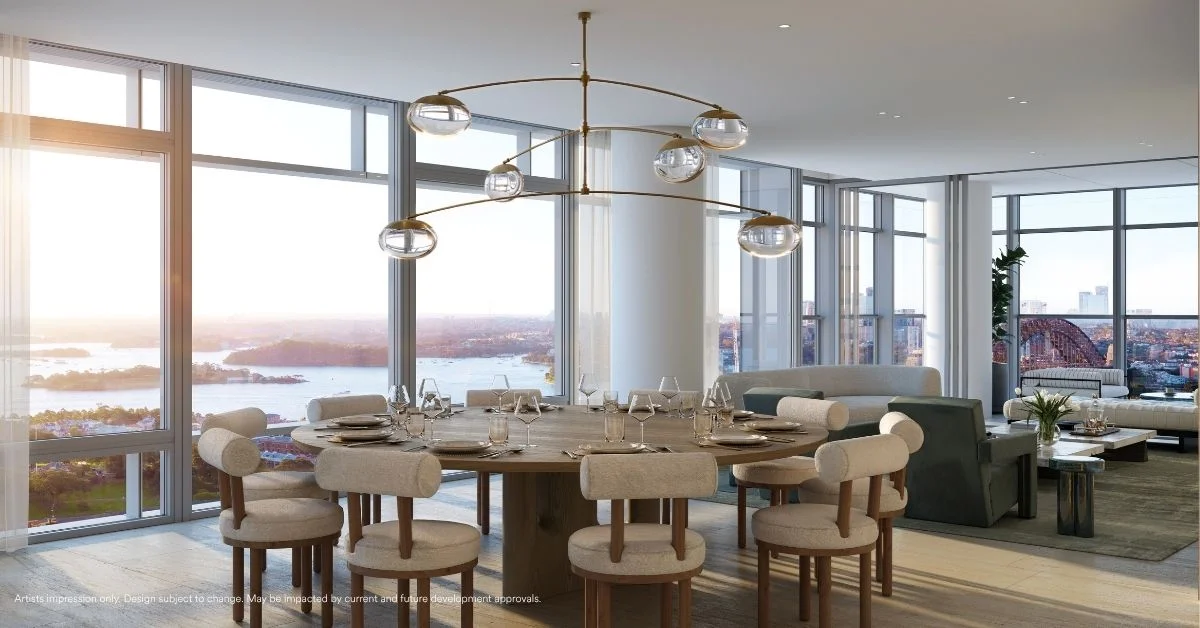 $26,550,000
propertyType.NEW APARTMENTS / OFF THE PLAN
$26,550,000
propertyType.NEW APARTMENTS / OFF THE PLAN
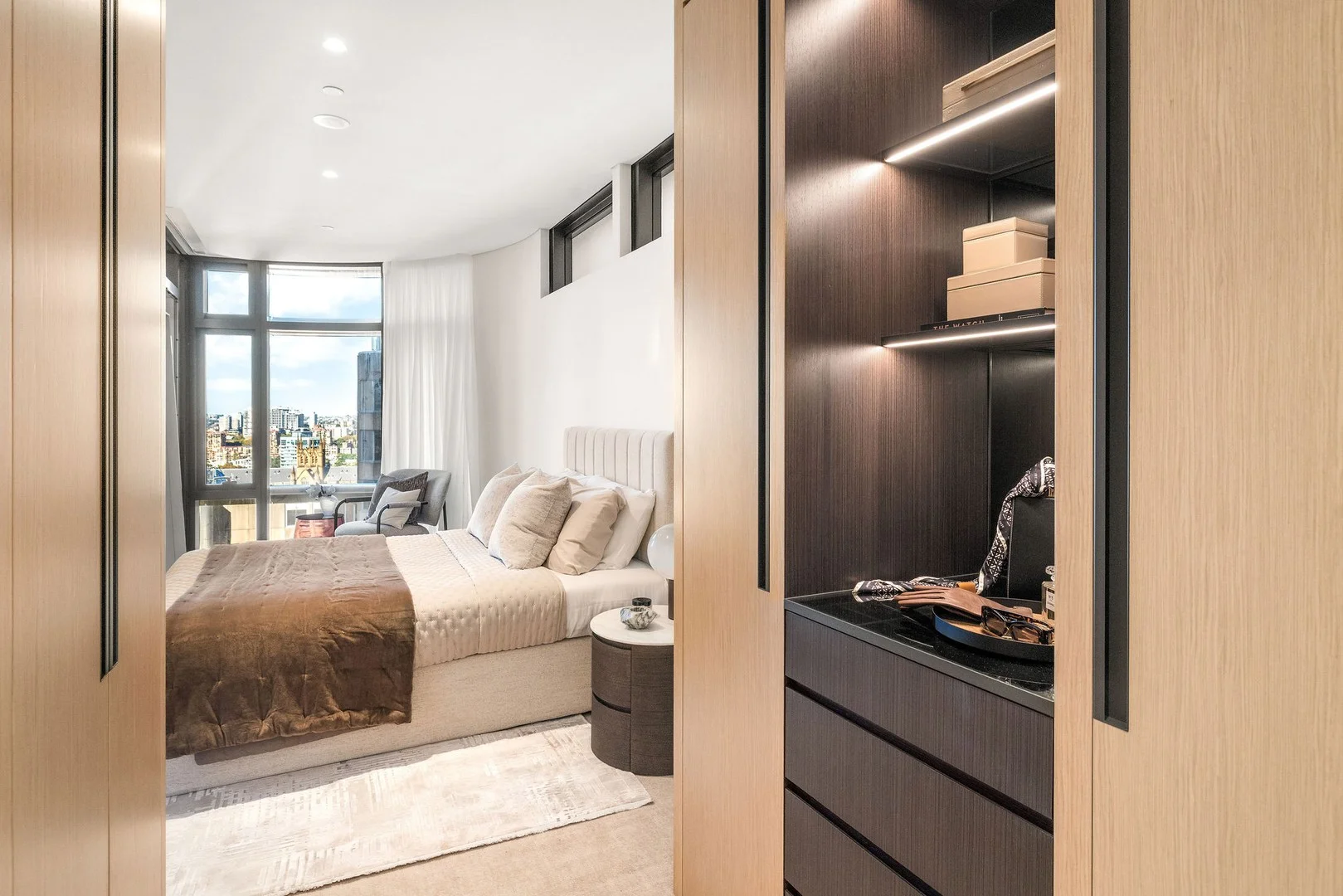 $2,745,000
propertyType.NEW APARTMENTS / OFF THE PLAN
$2,745,000
propertyType.NEW APARTMENTS / OFF THE PLAN
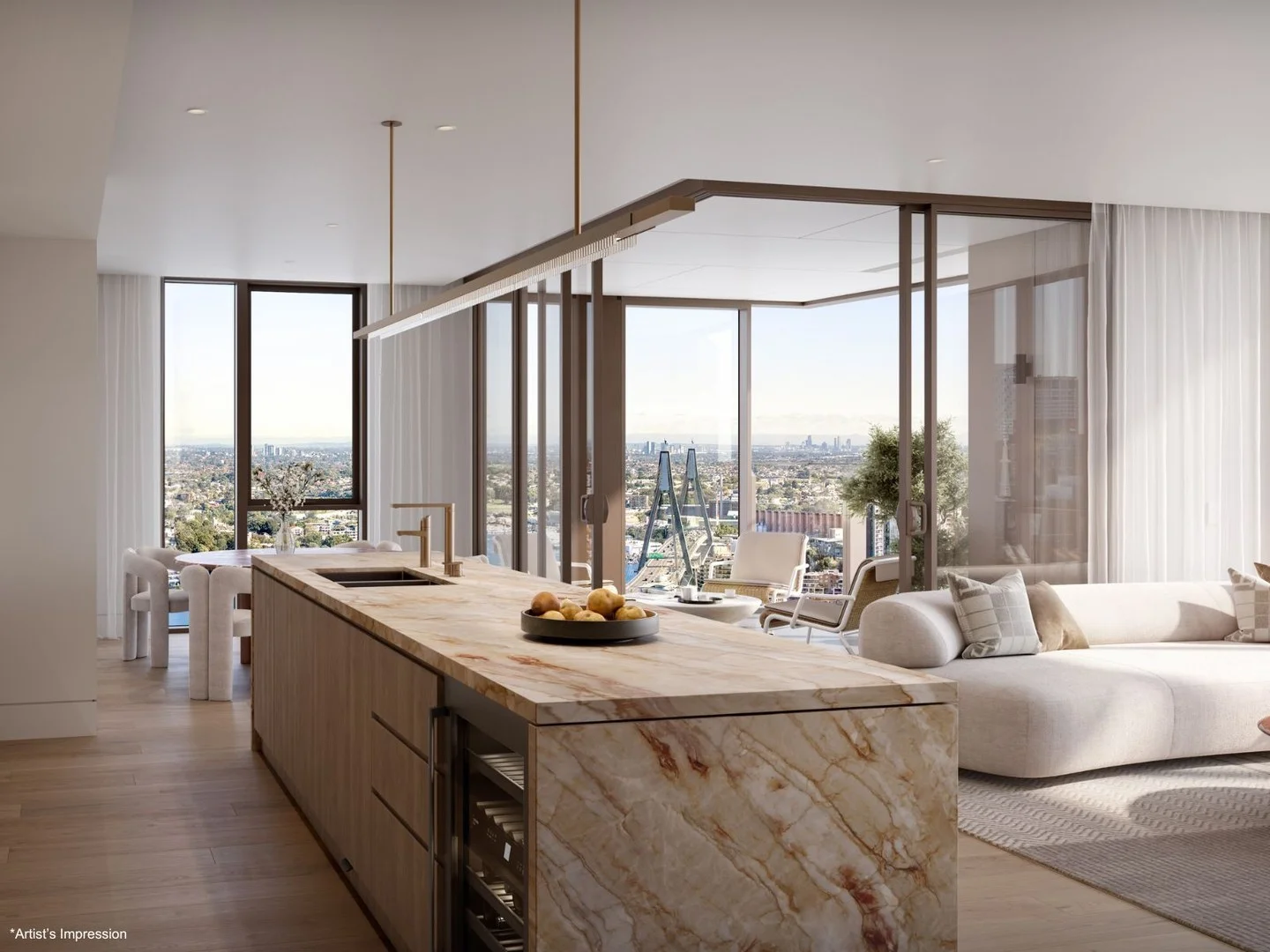 $9,020,000
propertyType.NEW APARTMENTS / OFF THE PLAN
$9,020,000
propertyType.NEW APARTMENTS / OFF THE PLAN
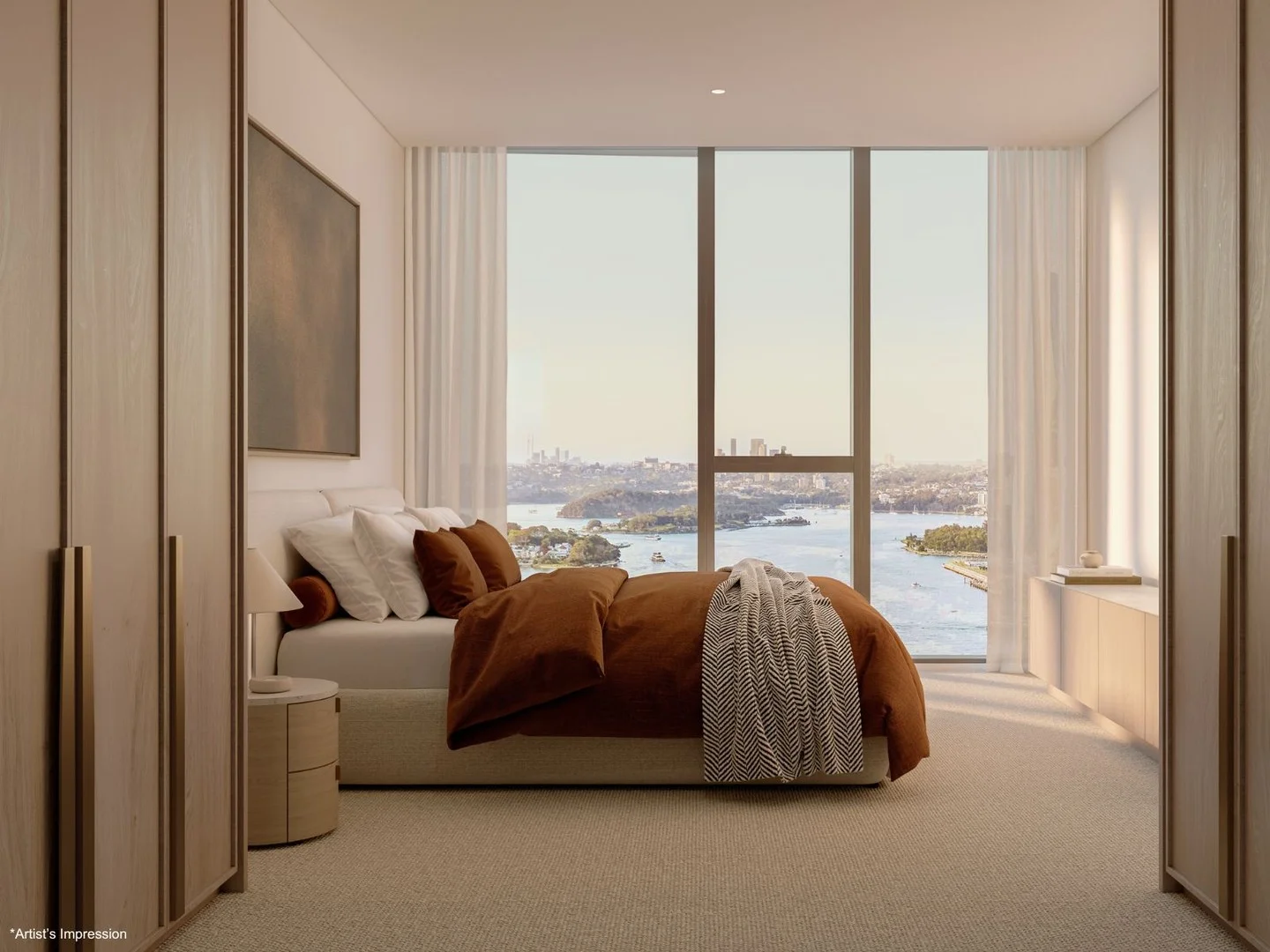 $8,630,000
propertyType.NEW APARTMENTS / OFF THE PLAN
$8,630,000
propertyType.NEW APARTMENTS / OFF THE PLAN
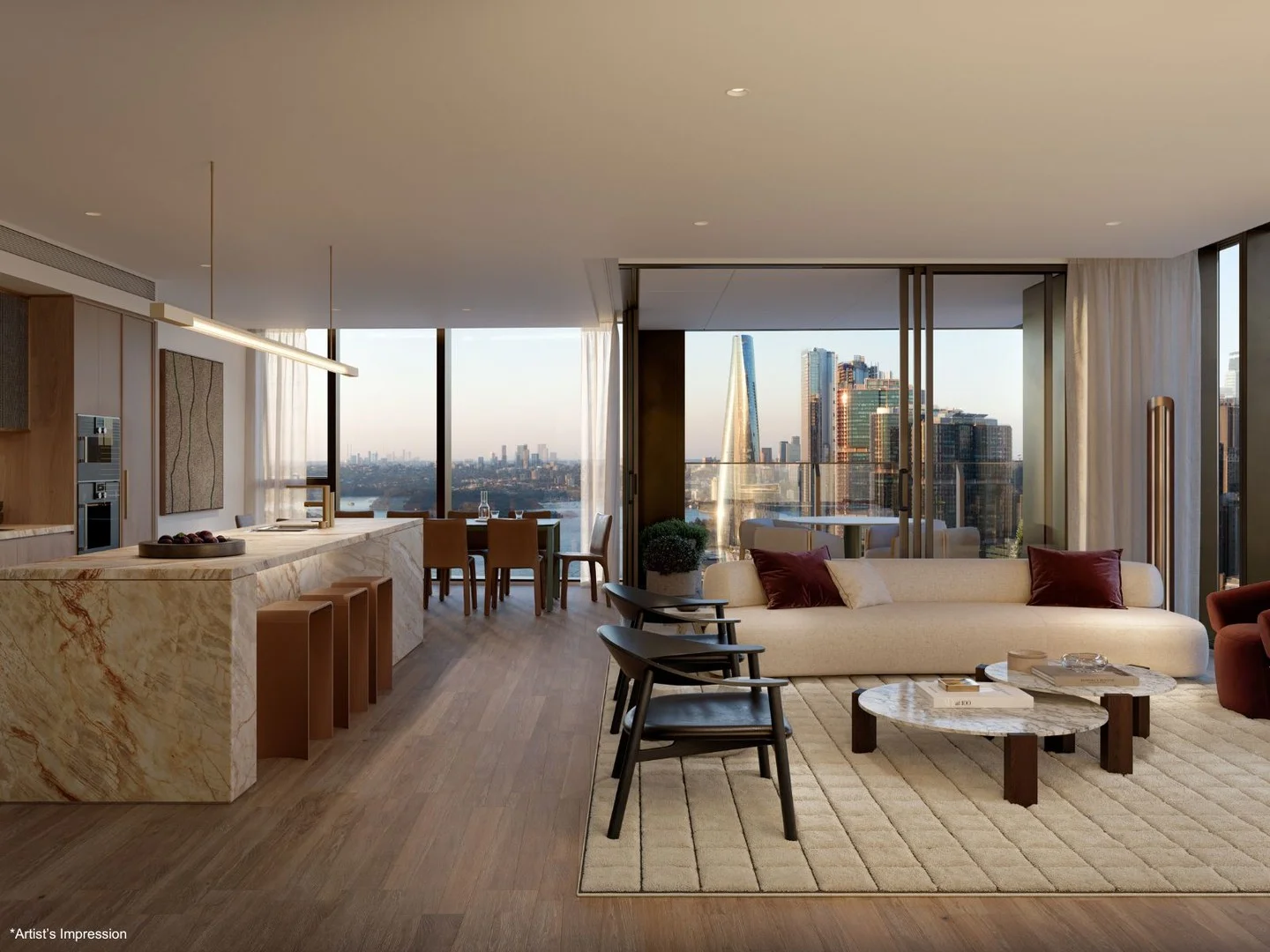 $12,980,000
propertyType.NEW APARTMENTS / OFF THE PLAN
$12,980,000
propertyType.NEW APARTMENTS / OFF THE PLAN
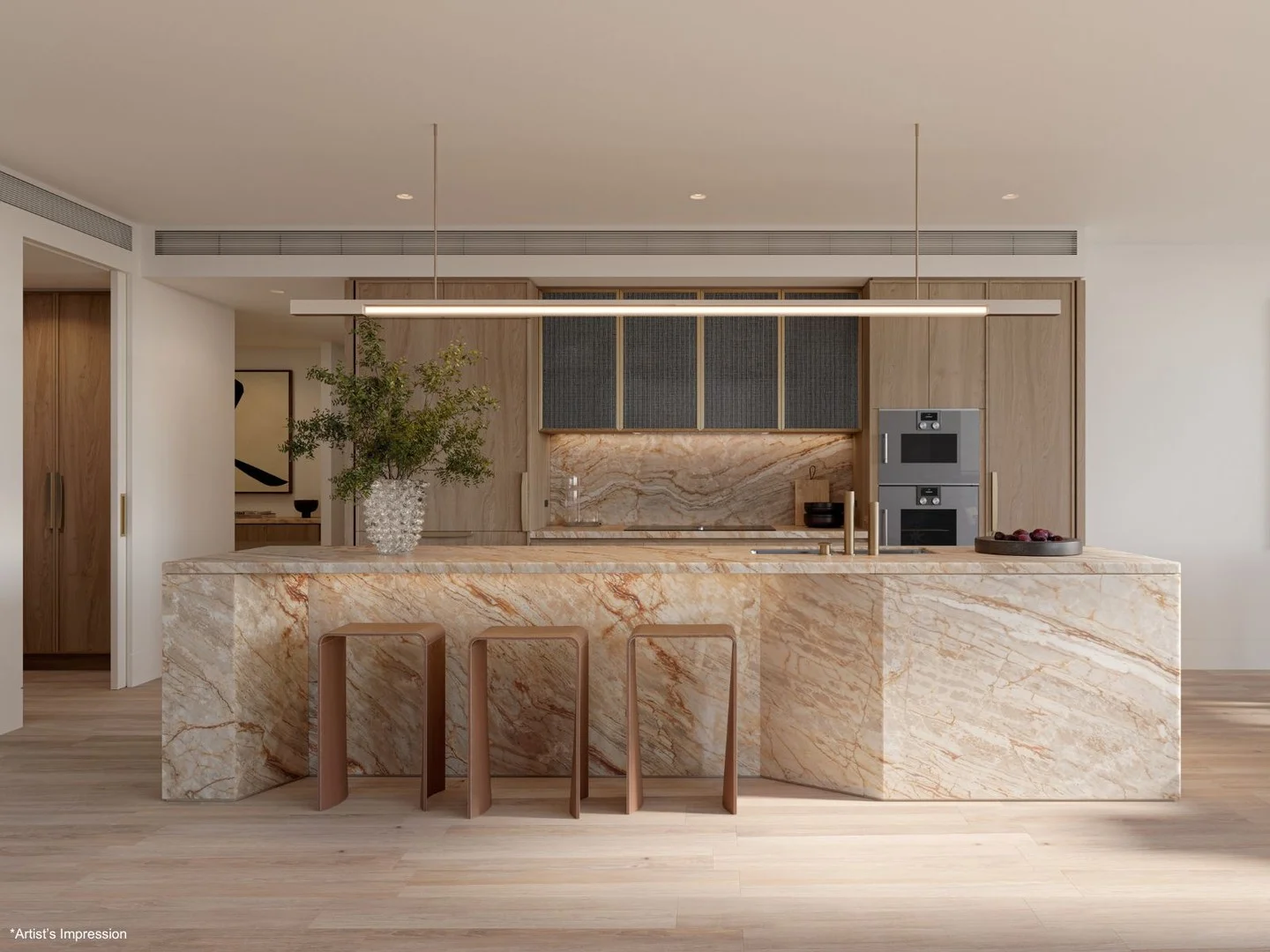 $6,225,000
propertyType.NEW APARTMENTS / OFF THE PLAN
$6,225,000
propertyType.NEW APARTMENTS / OFF THE PLAN
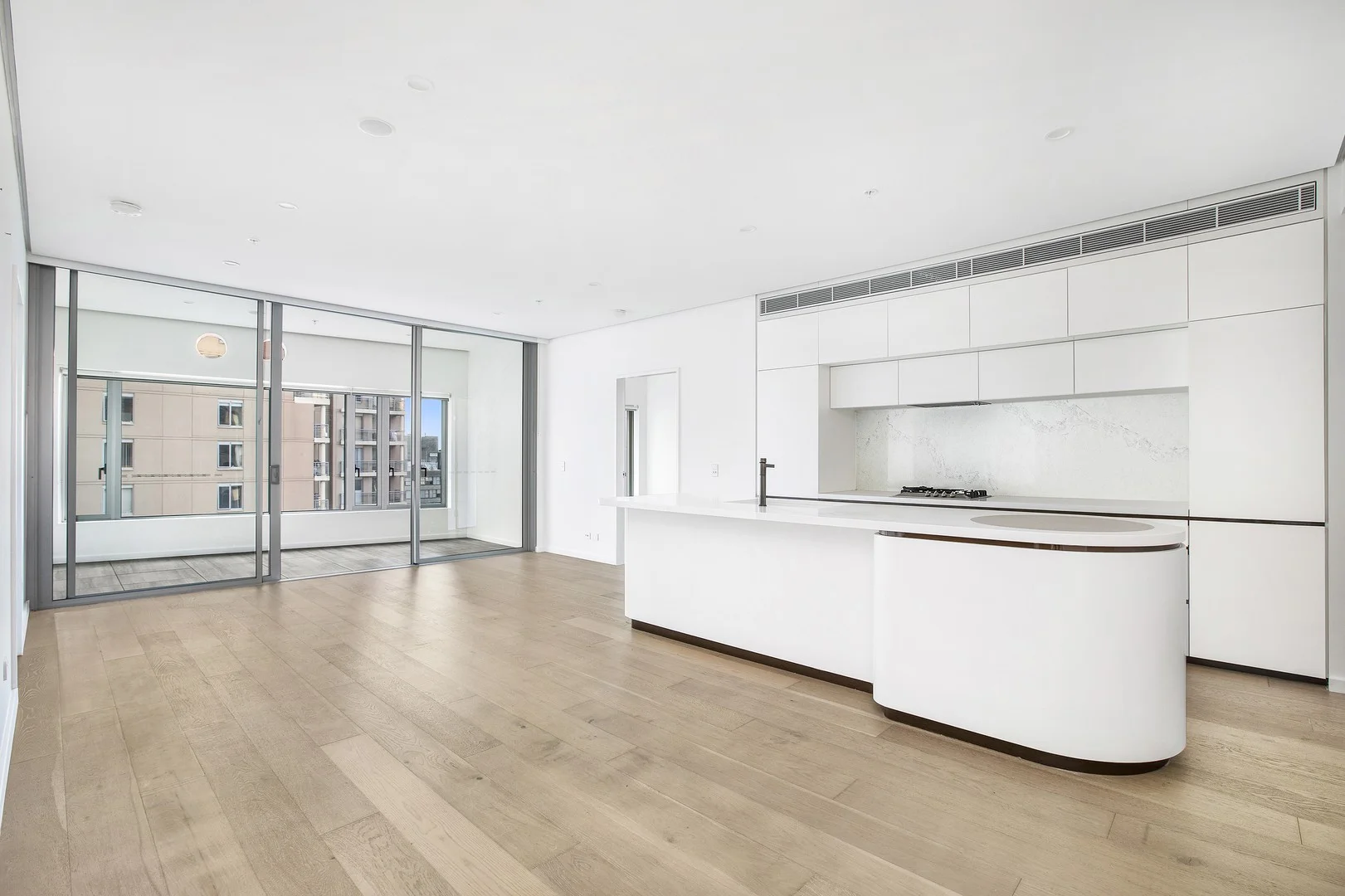 $2,250,000
Apartment / Unit / Flat
$2,250,000
Apartment / Unit / Flat
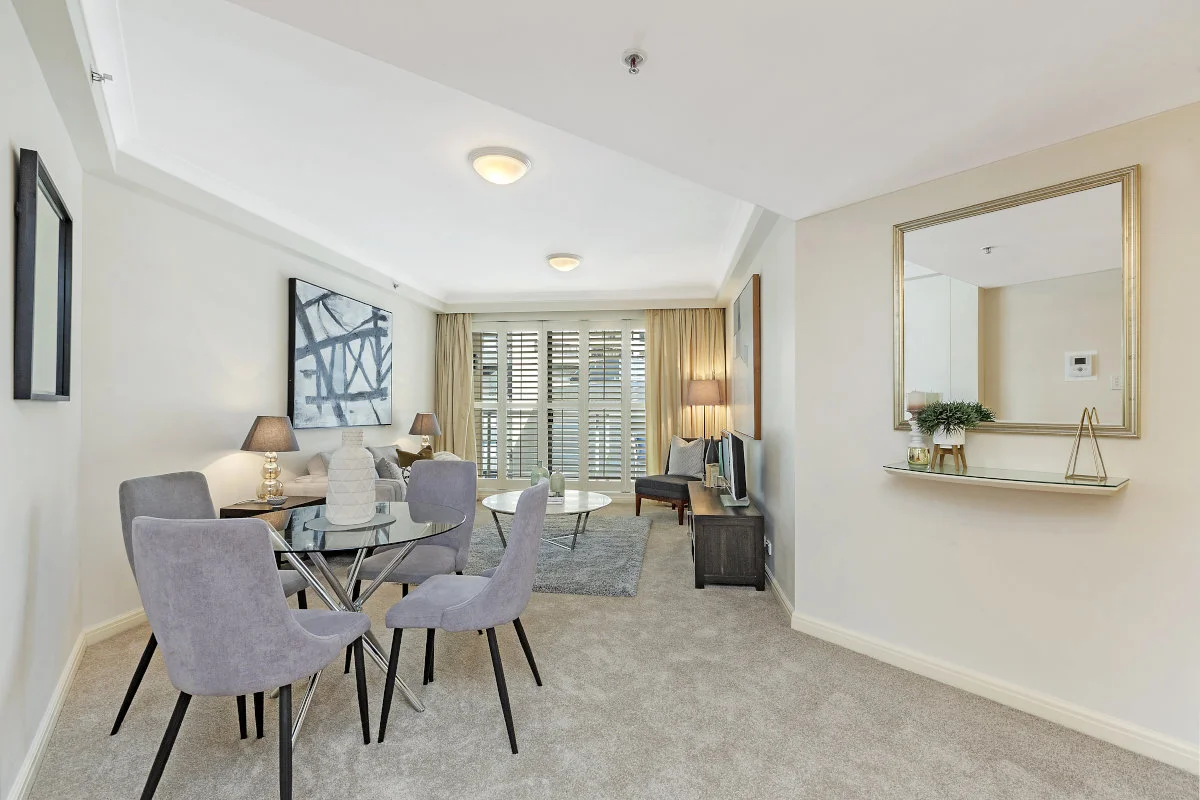 $660,000 - $725,000
Apartment / Unit / Flat
$660,000 - $725,000
Apartment / Unit / Flat


