Overview
## 1. Overview
Cammeraygal High School is a public high school serving students in the Crows Nest area. The school aims to provide a welcoming, inclusive environment with a focus on academic growth, wellbeing and community engagement. It supports a diverse student body and offers a range of learning opportunities to prepare students for post-school pathways.
With a medium-sized cohort, classes typically run around small-to-mid-sized groupings, fostering approachable teacher access and collaborative learning. The atmosphere tends to be nurturing and respectful, balancing academic effort with student wellbeing and active participation in school life.
⸻
## 2. Academics & Learning
- Academic strengths include a solid foundation in English and Mathematics, with emphasis on literacy and numeracy across year levels. STEM subjects are supported through practical labs and project-based learning, and language options help broaden communication skills.
- Special programs may include Gifted & Talented (G&T) pathways and opportunities for accelerated learning where available, along with targeted support for students seeking enrichment.
- NAPLAN trends (not scores) typically show year-to-year patterns in literacy and numeracy, with many cohorts demonstrating steady improvement or stability in key areas; trends can vary by cohort and subject.
- Student-teacher ratios are shaped by subject and year level, but NSW public high schools generally maintain smaller class sizes to enable more teacher interaction and feedback.
- Support for diverse learners includes EAL (English as an Additional Language) assistance and dedicated support for students with additional learning needs (SEN), with classroom adaptations and targeted intervention where required.
⸻
## 3. Sports & Extracurricular Strengths
- Sports offered commonly include soccer, rugby league, basketball, cricket, AFL, netball, swimming and athletics, among others, with opportunities to participate in intra- and inter-school events.
- Strong teams and achievements at district or regional levels are often a focus, supported by coaching and training programs.
- Music, arts and drama programs provide performance opportunities, ensembles and productions that run alongside core academics.
- Clubs such as robotics, chess, coding, and debating offer additional ways to develop critical thinking, problem-solving and teamwork.
- Partnerships with local clubs, community programs or competitions can provide pathways for extended practice and competition.
⸻
## 4. Wellbeing & Pastoral Care
- Anti-bullying approaches typically integrate whole-school strategies, clear codes of conduct, and student-led initiatives to promote respectful interactions.
- A house system is commonly used to build community, with house-based events and mentoring to foster belonging and healthy competition.
- Access to Counsellors and wellbeing officers helps students with emotional, social and mental health support, alongside targeted wellbeing programs.
- Transition support for new students includes induction activities, peer buddy programs and information sessions to ease adjustment to high school life.
⸻
## 5. Facilities
- Sports grounds and outdoor spaces for PE, safety and recreation.
- Libraries with study spaces and access to learning resources.
- Science labs equipped for practical experiments and investigations.
- Music and performing arts centers or spaces for rehearsals and performances.
- Tech/innovation labs or makerspaces for coding, design and digital projects.
- Cafeteria or canteen facilities offering breakfast and lunch options.
- Updated playgrounds and learning environments designed to support collaboration and active learning.
⸻
## 6. School Values & Community Culture
- School values often emphasize respect, responsibility, inclusion and resilience, guiding everyday behavior and decision-making.
- Leadership style typically supports student voice and leadership opportunities through student councils or committees.
- Behaviour expectations are clearly communicated through a code of conduct and positive behaviour for learning frameworks.
- Community reputation tends to reflect a welcoming, supportive and collaborative environment, with active involvement from families and local partners.
- Diversity and inclusion are emphasized, with programs and practices designed to ensure all students feel valued and able to participate.
⸻
## 7. School Logistics & Daily Operations
- School hours generally run in the typical public school day range, with a start around mid-morning and a standard finishing time; exact times may vary by year level and timetable.
- Before/after school care options may be available through on-site or local providers; check with the school for current arrangements.
- Uniform requirements are standard for NSW public high schools and typically include a school uniform with approved items for daily wear; guidance on footwear and accessories is provided by the school.
- Transport options include local bus routes and public transport connections; families should consult NSW Transport or the school for specific routes and stop locations.
- Canteen availability varies by school term and may offer a range of healthy options suitable for lunch and snacks.
- Fees are generally in the low-to-medium range for public schools, with costs primarily tied to voluntary contributions, certain activities, excursions or materials; families should check the school’s current information on costs and financial assistance options.
⸻
## 8. Enrolment & Admissions
11. What is the enrolment process and timeline?
- Enrolment is typically managed through the NSW Department of Education procedures. Start by confirming you reside in the school’s catchment area and gathering required documents (proof of identity, citizenship/residency, immunisation records, and any relevant school reports). Submit the enrolment application via the school or the department portal within the stated timelines. After submission, you may receive confirmation of eligibility, information about orientation, and any next steps for start of Year 7 (or other year levels if transferring).
12. Is there a waiting list, and how does it work?
- If the school is oversubscribed, a waiting list or placement process may apply. Priority is typically given to in-catchment applicants, with siblings often considered. Applicants on the waiting list are usually kept in order by date of application and may be offered places as vacancies arise.
13. Are there any entry requirements, tests, or interviews?
- For standard enrolment, there are usually no entry tests or interviews. Some programs (e.g., Gifted & Talented or specific specialist pathways) may involve additional screening, documentation, or interviews. The school will provide guidance if a program-specific selection process applies.
14. Does the school accept mid-year transfers?
- Mid-year transfers may be possible if vacancies exist and the student can meet any program requirements or timetable constraints. Transfer requests are considered case-by-case in coordination with the NSW Department of Education and the receiving school, with transition support planned as needed.
⸻
## 9. Frequently Asked Questions
- Why Parents Choose This School?
- Many families value the school’s welcoming community, supportive staff, solid academics and broad extracurriculars that help students develop holistically.
- What type of student thrives at this school?
- Students who are motivated, collaborative, and eager to participate in a range of subjects and activities tend to thrive. The school’s inclusive environment supports diverse learning styles and interests.
- What opportunities are available for students to extend their skills (academics, sports, arts)?
- Opportunities span advanced or enrichment programs, leadership roles, STEM clubs, sports teams, music ensembles, drama productions, debate, robotics, coding and other clubs.
- How does the school communicate with parents?
- Communication typically occurs through the school portal or email, newsletters, parent information evenings, and scheduled meetings with teachers and coordinators.
- What is the school’s approach to teaching and learning?
- The focus is on student-centred learning, literacy and numeracy development, critical thinking, and the integration of technology to support modern learning experiences.
- How does the school support students who need extra academic help?
- Support includes targeted in-class accommodations, learning support staff, EAL assistance, SEN services, and intervention programs designed to help students catch up or deepen understanding.
- What support is available for academic challenges?
- Students facing academic challenges can access tutoring, study support sessions, and individualized plans in collaboration with teachers, coordinators and wellbeing staff.
- What are the class sizes and how much individual attention do students receive?
- Class sizes are designed to be manageable to allow teachers to provide regular feedback and individualized guidance, with small-to-mid-sized groups typical for NSW public high schools.
- What extracurricular and sports opportunities are available?
- A wide range of sports, arts, music and clubs are available, including robotics, coding, debating, chess and other activities that foster teamwork and skill development.
- What facilities does the school offer (sports, science, arts)?
- Facilities commonly include sports grounds, libraries, science labs, performing arts spaces, tech/innovation labs and a canteen, with spaces designed to support a variety of learning and performance activities.
- What is the school’s approach to technology and digital learning?
- Technology is integrated into learning through digital resources, online platforms and supported by a culture of responsible use, digital literacy and safe online practices.
- What transport and accessibility options are available?
- Transport options typically include local bus routes and public transport connections; accessibility considerations are addressed to support students with mobility or access needs.
- What are the typical school fees or additional costs?
- Fees are generally modest and relate to voluntary contributions, materials, excursions or activities beyond standard instruction. Information on financial assistance or subsidies is available from the school.
⸻
## 10. Short Pros & Cons list
- Pros
- Public, inclusive environment with a focus on wellbeing and academic growth.
- Broad range of academics, sports, arts and clubs to suit diverse interests.
- Support for diverse learners, including EAL and SEN, with targeted assistance.
- Active community and opportunities for student leadership and voice.
- Cons
- Demand can mean waiting lists for certain cohorts or programs.
- Transport options may depend on location and timetable; check local routes.
- Some costs for excursions, materials and optional activities may apply.
- Exact program offerings and facilities can vary by year and cohort; confirm current details with the school.










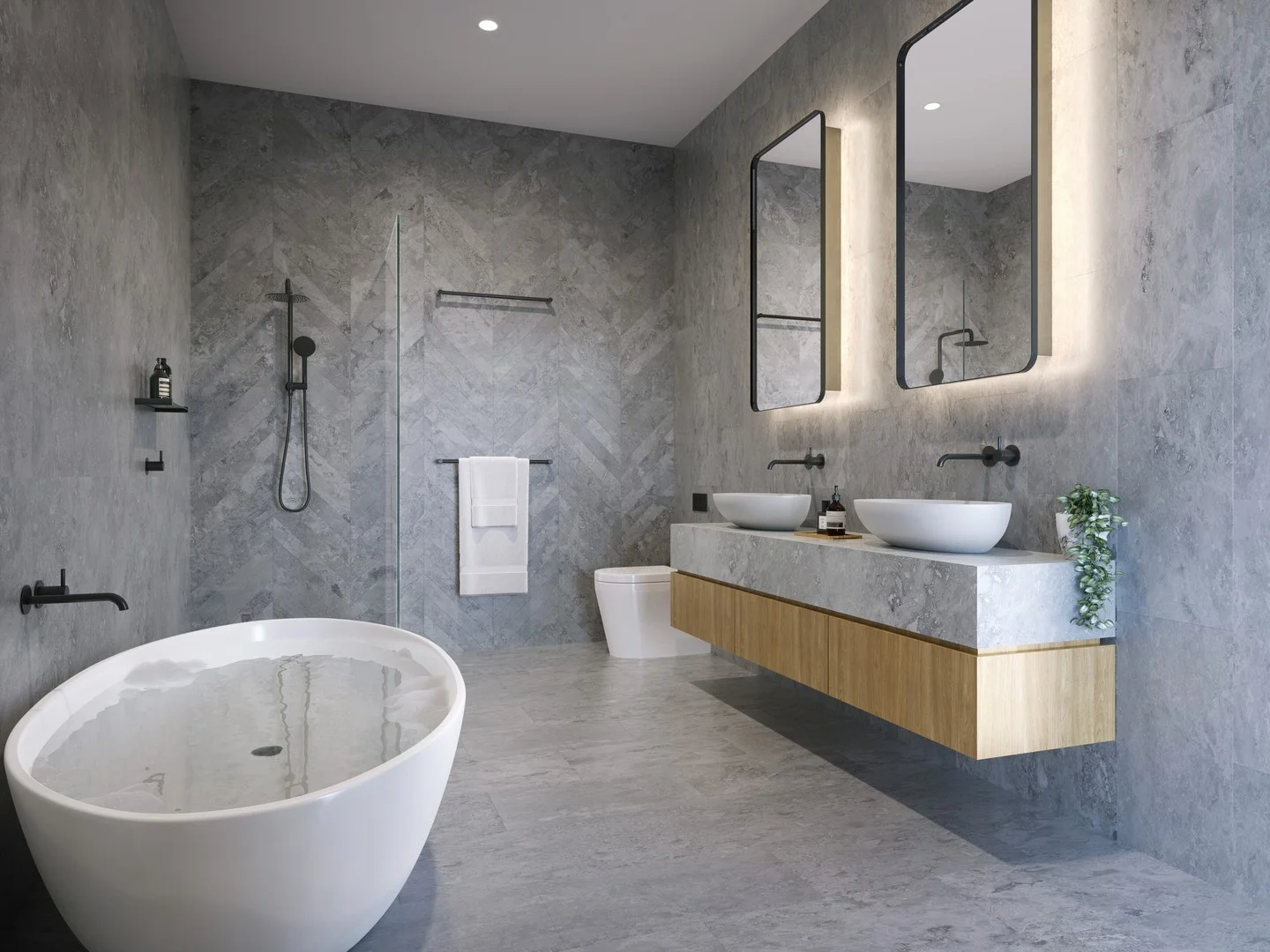 $2,824,000
Apartment / Unit / Flat
$2,824,000
Apartment / Unit / Flat
 $26,550,000
propertyType.NEW APARTMENTS / OFF THE PLAN
$26,550,000
propertyType.NEW APARTMENTS / OFF THE PLAN
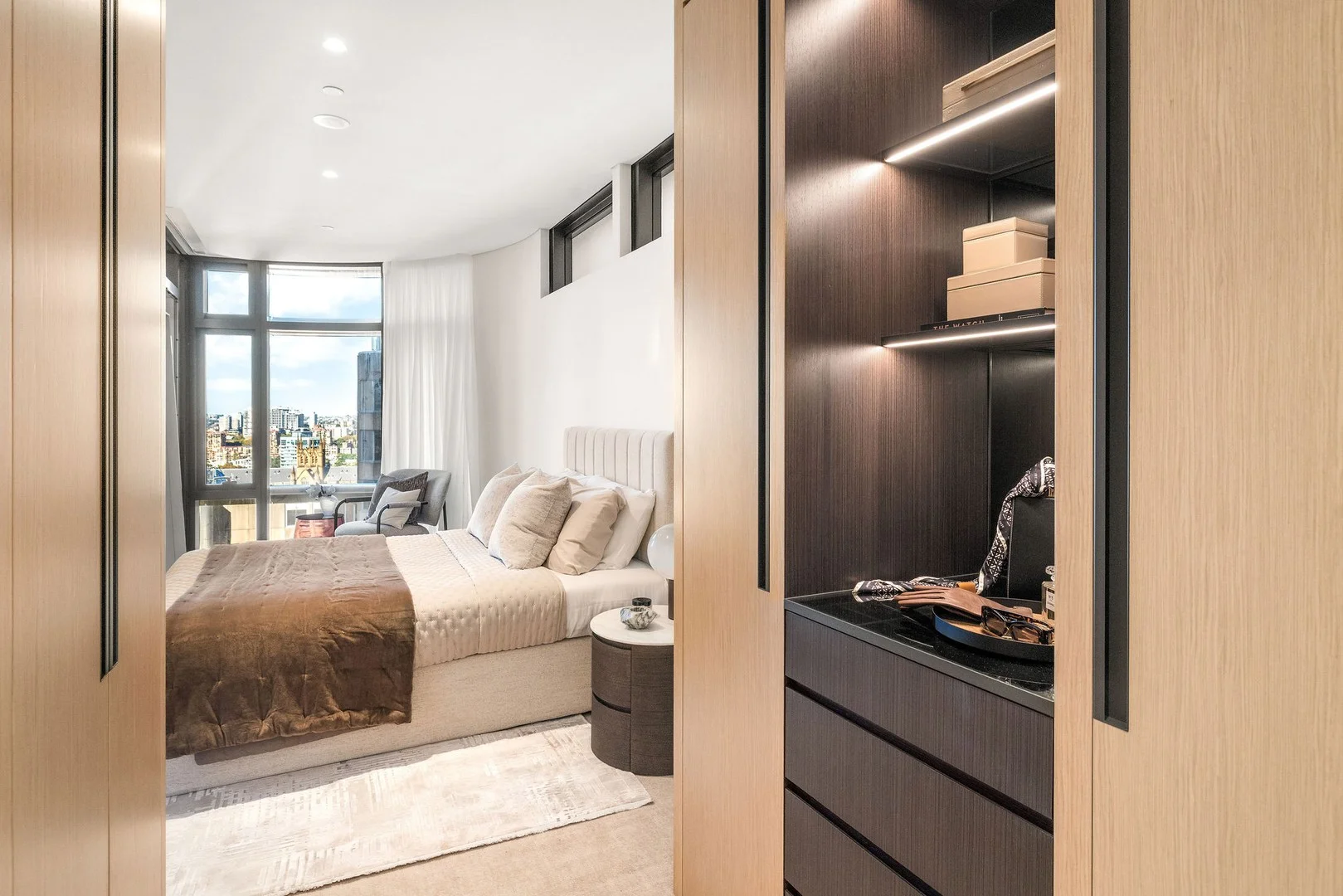 $2,745,000
propertyType.NEW APARTMENTS / OFF THE PLAN
$2,745,000
propertyType.NEW APARTMENTS / OFF THE PLAN
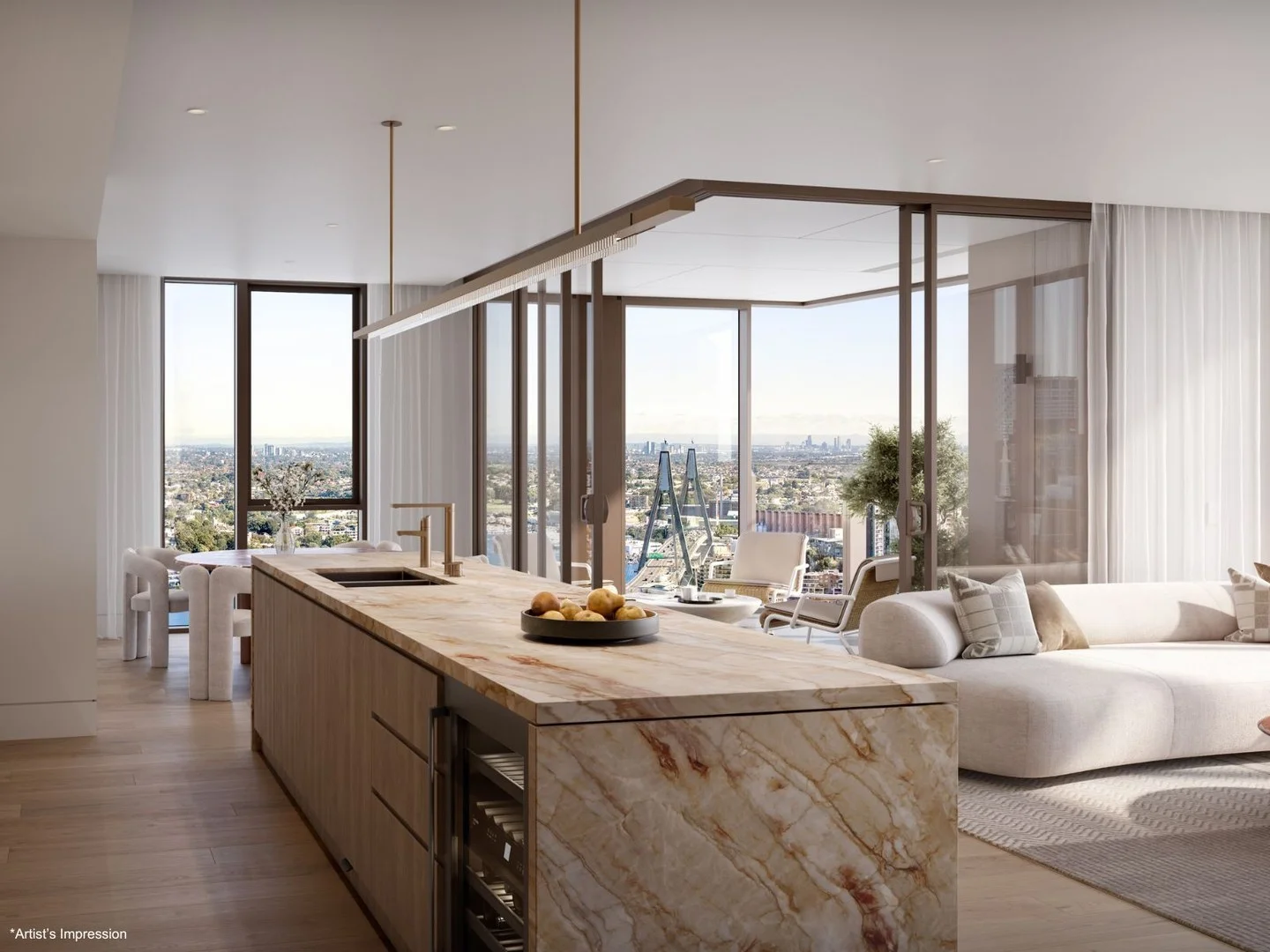 $9,020,000
propertyType.NEW APARTMENTS / OFF THE PLAN
$9,020,000
propertyType.NEW APARTMENTS / OFF THE PLAN
 $8,630,000
propertyType.NEW APARTMENTS / OFF THE PLAN
$8,630,000
propertyType.NEW APARTMENTS / OFF THE PLAN
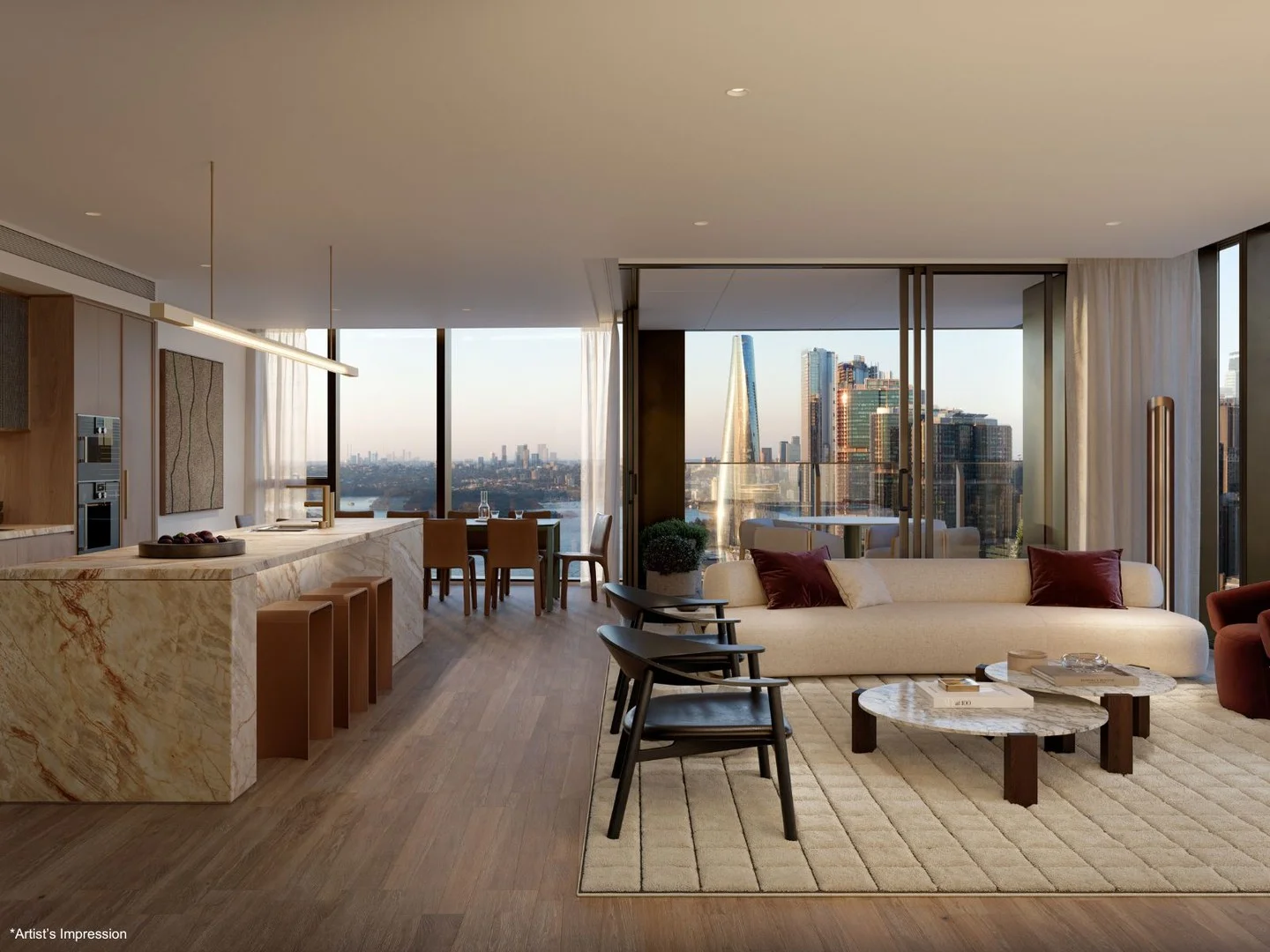 $12,980,000
propertyType.NEW APARTMENTS / OFF THE PLAN
$12,980,000
propertyType.NEW APARTMENTS / OFF THE PLAN
 $6,225,000
propertyType.NEW APARTMENTS / OFF THE PLAN
$6,225,000
propertyType.NEW APARTMENTS / OFF THE PLAN
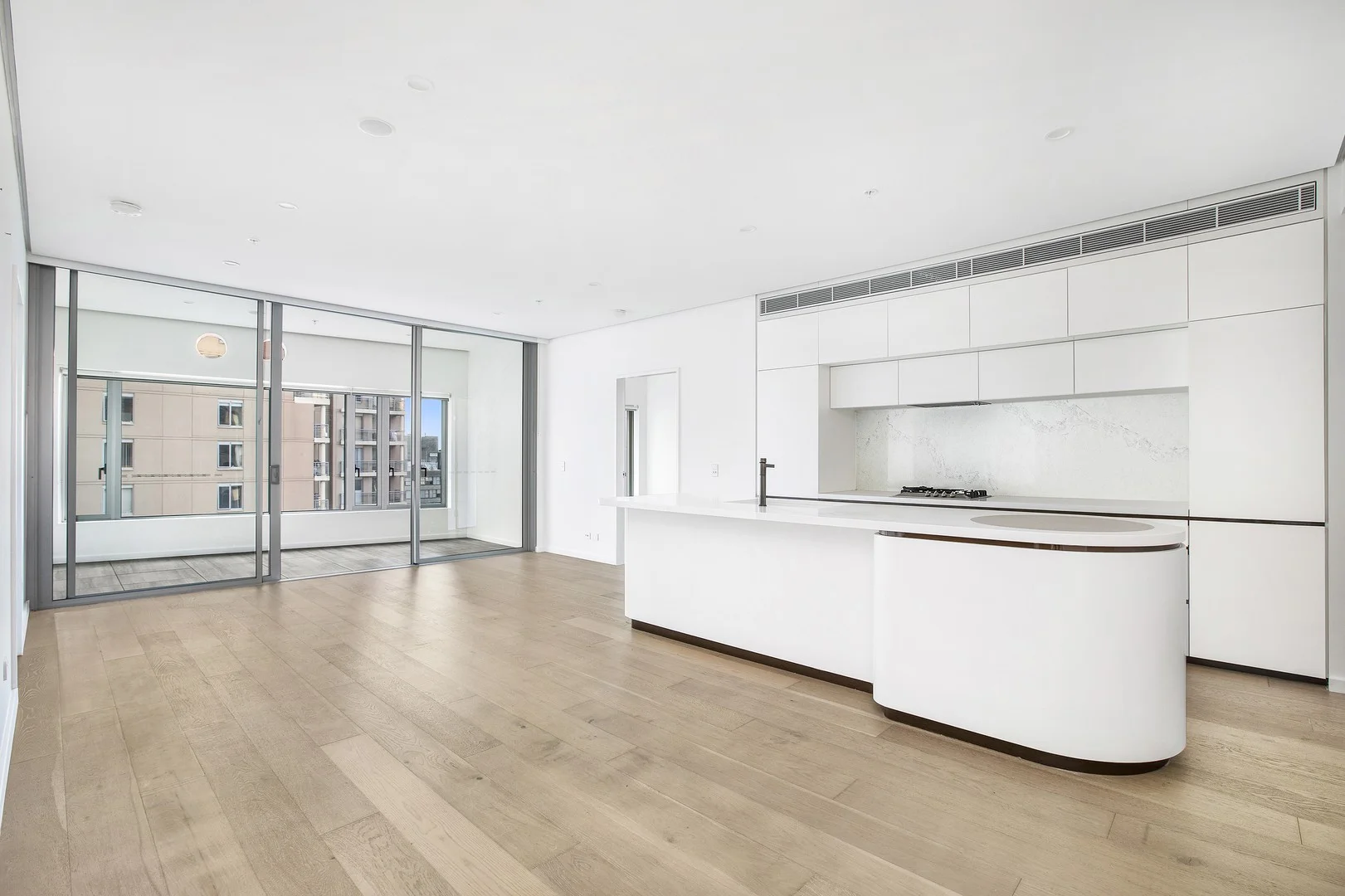 $2,250,000
Apartment / Unit / Flat
$2,250,000
Apartment / Unit / Flat
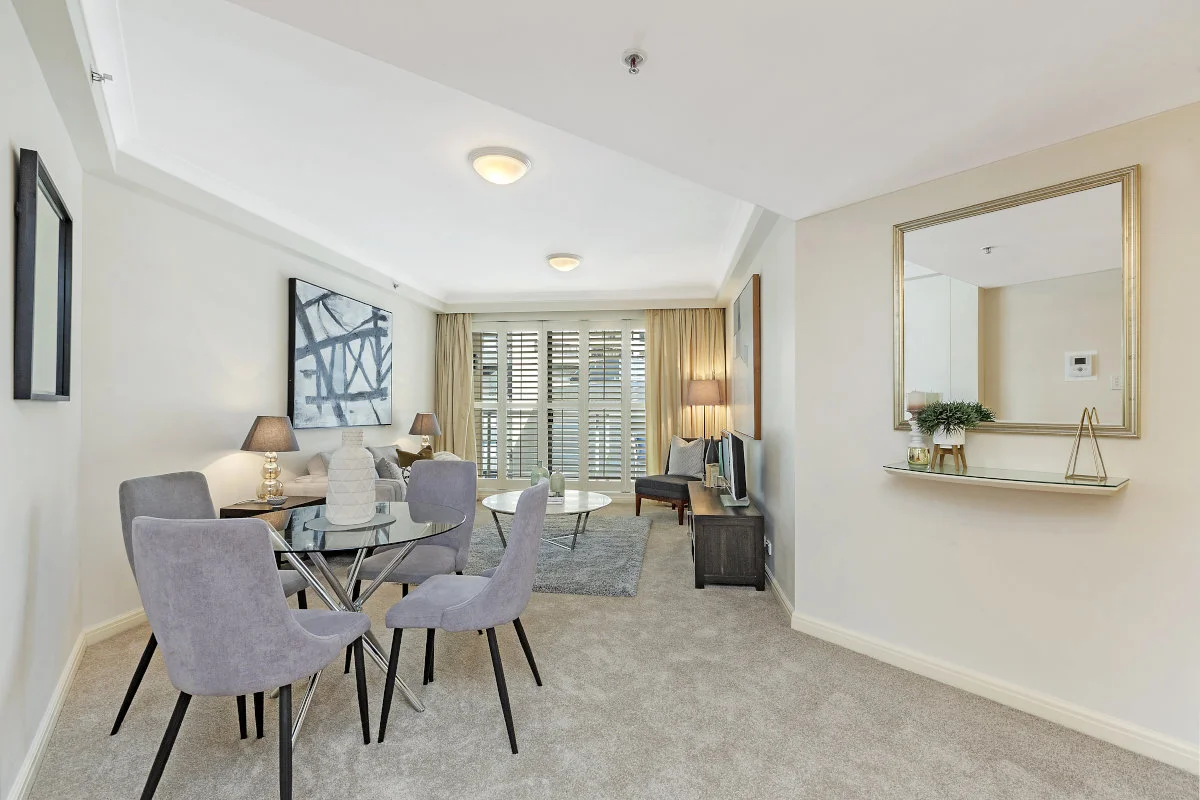 $660,000 - $725,000
Apartment / Unit / Flat
$660,000 - $725,000
Apartment / Unit / Flat


