## 1. Overview
Wenona is an independent private girls’ school located in North Sydney, NSW. It operates as a day school with a strong emphasis on academic excellence, leadership development, and well-being within a close-knit, inclusive community. The school attracts families seeking a rigorous, values-driven education in a vibrant inner-city setting.
Size-wise, Wenona is medium-to-large for a NSW independent girls’ school, accommodating a broad range of year groups from early learning through to senior years. Class sizes are kept deliberately manageable to support individual attention, typically offering low-to-mid range student-teacher interactions. The atmosphere blends high academic expectations with a nurturing, supportive culture that values resilience, collaboration, and personal growth.
---
## 2. Academics & Learning
Academic strengths at Wenona are broad and well-rounded, with a clear emphasis on English, mathematics, sciences, humanities, and languages, supported by a strong leadership development thread. The school tends to highlight STEM fluency, English literacy, and language acquisition as core pillars of the curriculum, alongside opportunities to engage in the arts and humanities.
Special programs often include gifted and talented pathways, accelerated learning options, and leadership development initiatives that enable capable students to extend their learning. Wenona typically participates in NSW Higher School Certificate (HSC) preparation, with a focus on developing critical thinking, research skills, and independent learning.
Student-teacher ratios are designed to support differentiated instruction and frequent teacher feedback. The school offers targeted support for diverse learners, including EAL (English as an Additional Language) students and those with SEN (Special Educational Needs), through learning support staff, targeted interventions, and in-class accommodations.
---
## 3. Sports & Extracurricular Strengths
Wenona offers a broad range of sports and extracurricular activities to suit varied interests, with a focus on balanced development across fitness, teamwork, and competition. Sports commonly available include team and individual options such as netball, basketball, swimming, athletics, tennis, and cross country, with pathways to inter-school and representative level opportunities where appropriate.
In addition to sport, the school supports strong music, arts, and drama programs, including ensembles, choirs, theatre productions, and visual arts opportunities. Clubs across robotics, coding, debating, and chess provide avenues for logic, strategy, and problem-solving outside the classroom. The school often collaborates with local organizations and participates in inter-school competitions and forums to extend student experiences beyond campus.
Aussie and UK families typically look for clear standout teams and notable achievements; Wenona tends to showcase strengths across sport, performing arts, and academic clubs, helping students develop leadership and teamwork skills.
---
## 4. Wellbeing & Pastoral Care
Wellbeing and pastoral care are central to the Wenona experience. The school emphasises a proactive anti-bullying approach, building a positive, inclusive culture through clear policies, student education, and active adult supervision.
A house system (or equivalent pastoral framework) supports student belonging, mentoring, and peer leadership. Counseling and wellbeing staff are available to support emotional health, resilience, and social development, with structured transition programs to help new students settle in smoothly. The approach aims to foster confidence, character, and a sense of safety across the school community.
---
## 5. Facilities
Wenona’s campus facilities are designed to support a comprehensive, modern education. Key aspects typically include:
- Sports grounds and facilities for a range of athletic activities
- Libraries with study spaces and research resources
- Science laboratories for practical experiments and STEM work
- Music and performing arts centers for ensembles, theatre, and productions
- Tech/innovation labs for design thinking, coding, and digital projects
- Cafeteria or canteen spaces for daily dining
- Updated playgrounds and outdoor learning spaces
The campus is designed to be visually engaging and easy to navigate, with flexible spaces to support collaboration, performance, and hands-on learning.
---
## 6. School Values & Community Culture
Wenona emphasizes a values-based education, with a focus on integrity, respect, resilience, inclusion, and leadership. The leadership style tends toward distributed leadership, encouraging student voice and opportunities to lead within clubs, teams, and student councils.
Behavioural expectations are clear and built on mutual respect, responsibility, and accountability. The school community is typically described as supportive and cohesive, with a strong sense of tradition balanced by a commitment to diversity and inclusion. The alumni network and parent community often contribute to a positive, engaged school culture.
---
## 7. School Logistics & Daily Operations
- School hours generally follow a typical NSW school day, with start around 8:30–9:00 am and finish around 3:00–3:30 pm, plus after-school activities.
- Before/after school care is commonly available to support working families.
- Uniform requirements are standard for NSW independent girls’ schools, including formal wear for daily classes and any sport or summer uniforms when applicable.
- Transport options include access to nearby public transport routes (train lines serving North Sydney and Milsons Point) and bus services; family commuting considerations are often a component of daily planning.
- Canteen availability is typically available on most school days, with a variety of healthy options.
- Fees are in the high range for NSW independent schools, with additional costs for uniforms, excursions, elective activities, and specialist programs.
---
## 8. Enrolment & Admissions
11. What is the enrolment process and timeline?
- Prospective families typically start with an expression of interest or application, followed by an information evening or open day. The process usually includes primary documentation (birth certificate, previous school reports), an academic assessment or testing for certain year levels, and an interview with key staff. Offers are made based on space and fit with the school’s selection criteria, with timelines varying by intake year.
12. Is there a waiting list, and how does it work?
- Waiting lists are common in popular intake years. Applications may be kept on file and offered as spaces become available. The length of time on a waiting list can vary by year level and demand.
13. Are there any entry requirements, tests, or interviews?
- Entry often includes a combination of academic assessment, family interview, and possible reviews of previous school reports. For certain year levels, standardised screenings or entrance tasks may be used to determine readiness and alignment with the curriculum.
14. Does the school accept mid-year transfers?
- Mid-year transfers are sometimes possible, subject to space and placement assessments. Families considering a mid-year move should contact the admissions team promptly to review available options and timelines.
---
## 9. Frequently Asked Questions
- Why Parents Choose This School?
- A balanced focus on academic excellence, leadership development, wellbeing, and diverse opportunities within a supportive girls’ school community.
- What type of student thrives at this school?
- Motivated, curious, collaborative learners who value academic challenge, strong relationships, and participation in a wide range of activities.
- What opportunities are available for students to extend their skills (academics, sports, arts)?
- Advanced coursework, gifted and talented pathways, leadership roles, high-level sports participation, performing arts ensembles, and clubs in robotics, coding, debating, and more.
- How does the school communicate with parents?
- Regular updates via newsletters, a parent portal or app, email communications, and scheduled parent-teacher meetings.
- What is the school’s approach to teaching and learning?
- Student-centered, inquiry-based learning with an emphasis on critical thinking, collaboration, and real-world applications; ongoing assessment and feedback.
- How does the school support students who need extra academic help?
- Differentiated instruction, targeted learning support, EAL assistance, and access to tutoring or small-group interventions as needed.
- What support is available for academic challenges?
- Dedicated learning support staff, accommodation plans, and specialist programs to address gaps or accelerate learning.
- How does the school communicate with parents? (Repeated in FAQ)
- See above (regular, multi-channel communications with timely updates and feedback).
- What are the class sizes and how much individual attention do students receive?
- Class sizes are designed to be small-to-medium to allow teachers to provide meaningful individual attention and differentiated support.
- What extracurricular and sports opportunities are available?
- A broad mix of sports, performing arts, music, drama, and clubs (robotics, coding, debating, chess) with opportunities to compete, perform, and lead.
- What facilities does the school offer (sports, science, arts)?
- Modern sports grounds, well-equipped science laboratories, performing arts venues, music centers, tech/innovation labs, libraries, and student common spaces.
- What is the school’s approach to technology and digital learning?
- Integrated technology across the curriculum, with digital literacy, online resources, and appropriate device use to support learning and collaboration.
- What transport and accessibility options are available?
- Access to public transport routes in North Sydney, plus school-provided or recommended transport options and safe school access.
- What are typical school fees or additional costs?
- Fees are in the high range for NSW independent schools, with additional costs for uniforms, textbooks, activities, excursions, and specialist programs.
---
## 10. Short Pros & Cons list
- Pros
- Independent, private education with a strong academic reputation
- Girls’-focused environment that supports leadership and confidence
- Broad range of academic, sporting, arts, and club offerings
- Emphasis on wellbeing, pastoral care, and positive school culture
- Modern facilities and a supportive community
- Cons
- High tuition and ongoing fees; additional costs for uniforms, excursions, and activities
- Competitive admission with possible waiting lists for popular year levels
- Governance and admission processes can be lengthy; families may need to plan ahead
- For some families, the emphasis on academics and structured programs may feel intense
---
If you’d like, I can tailor any section with more specific language or adjust emphasis (e.g., stronger emphasis on performing arts vs. STEM) to match your preferred audience or the latest school materials.












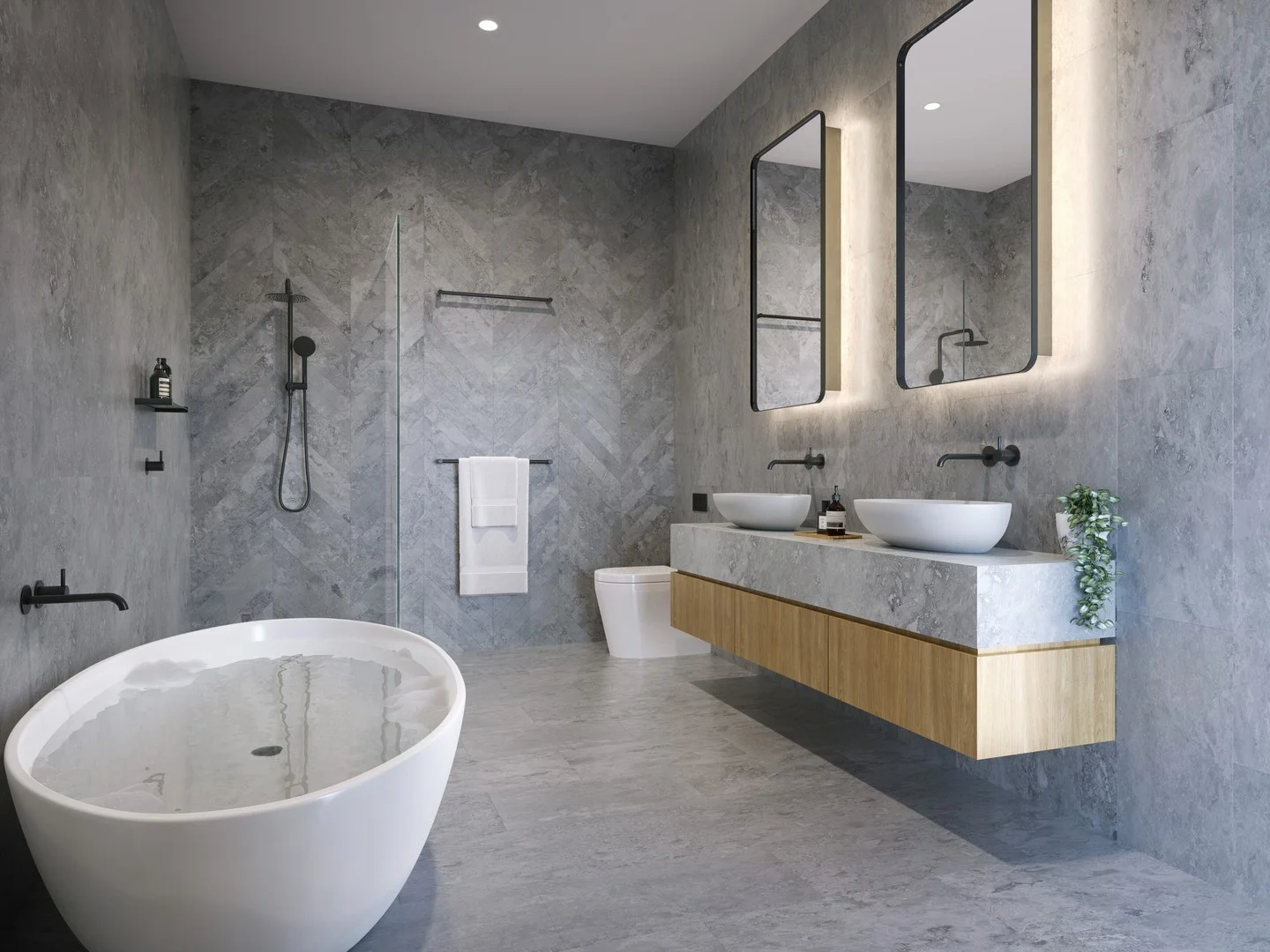 $2,824,000
Apartment / Unit / Flat
$2,824,000
Apartment / Unit / Flat
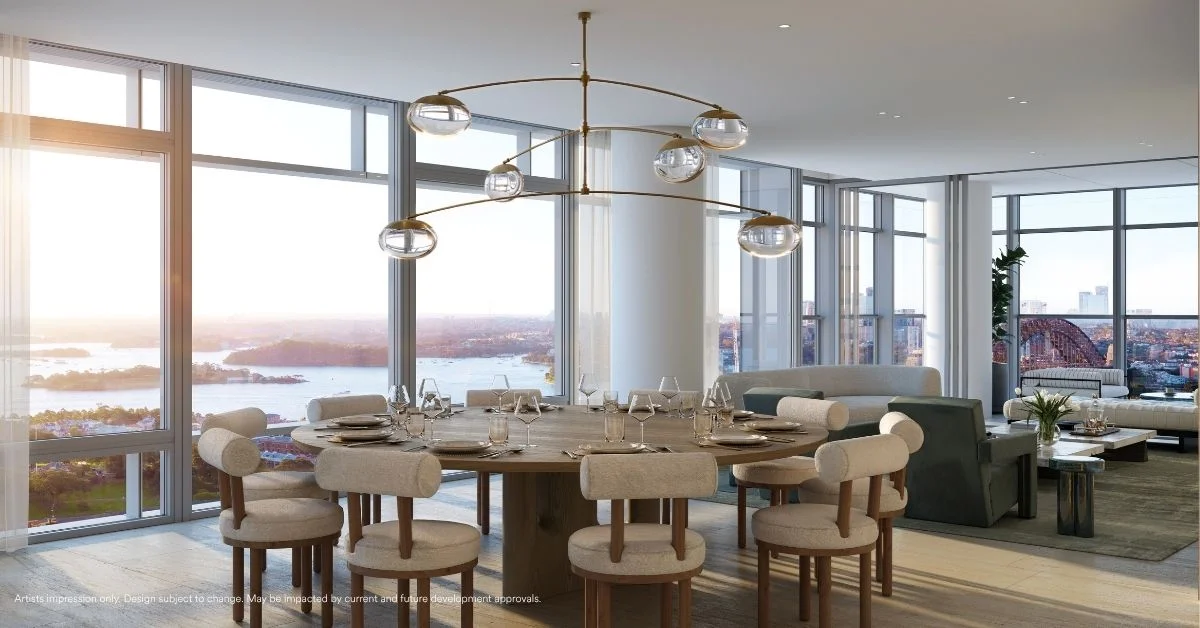 $26,550,000
propertyType.NEW APARTMENTS / OFF THE PLAN
$26,550,000
propertyType.NEW APARTMENTS / OFF THE PLAN
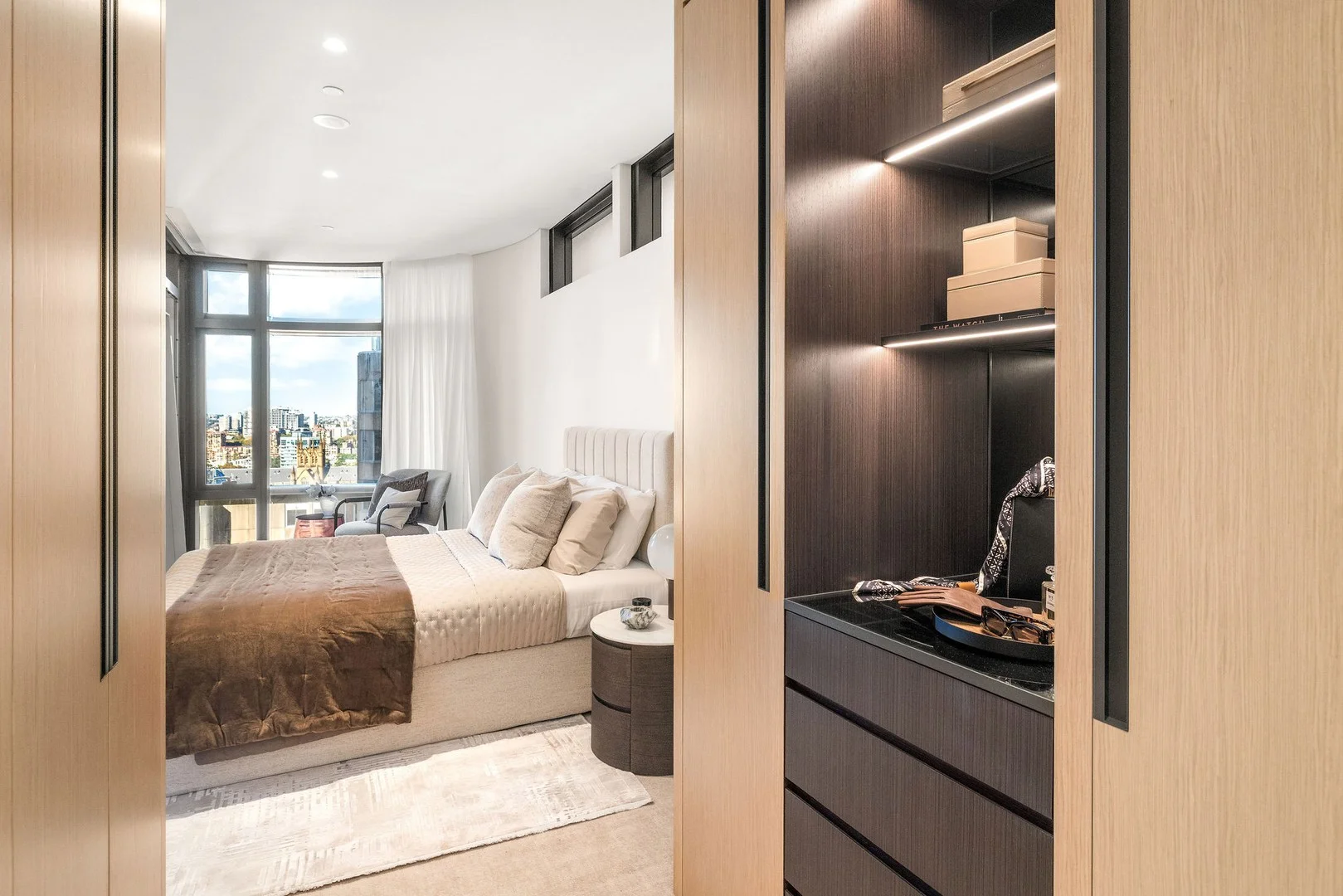 $2,745,000
propertyType.NEW APARTMENTS / OFF THE PLAN
$2,745,000
propertyType.NEW APARTMENTS / OFF THE PLAN
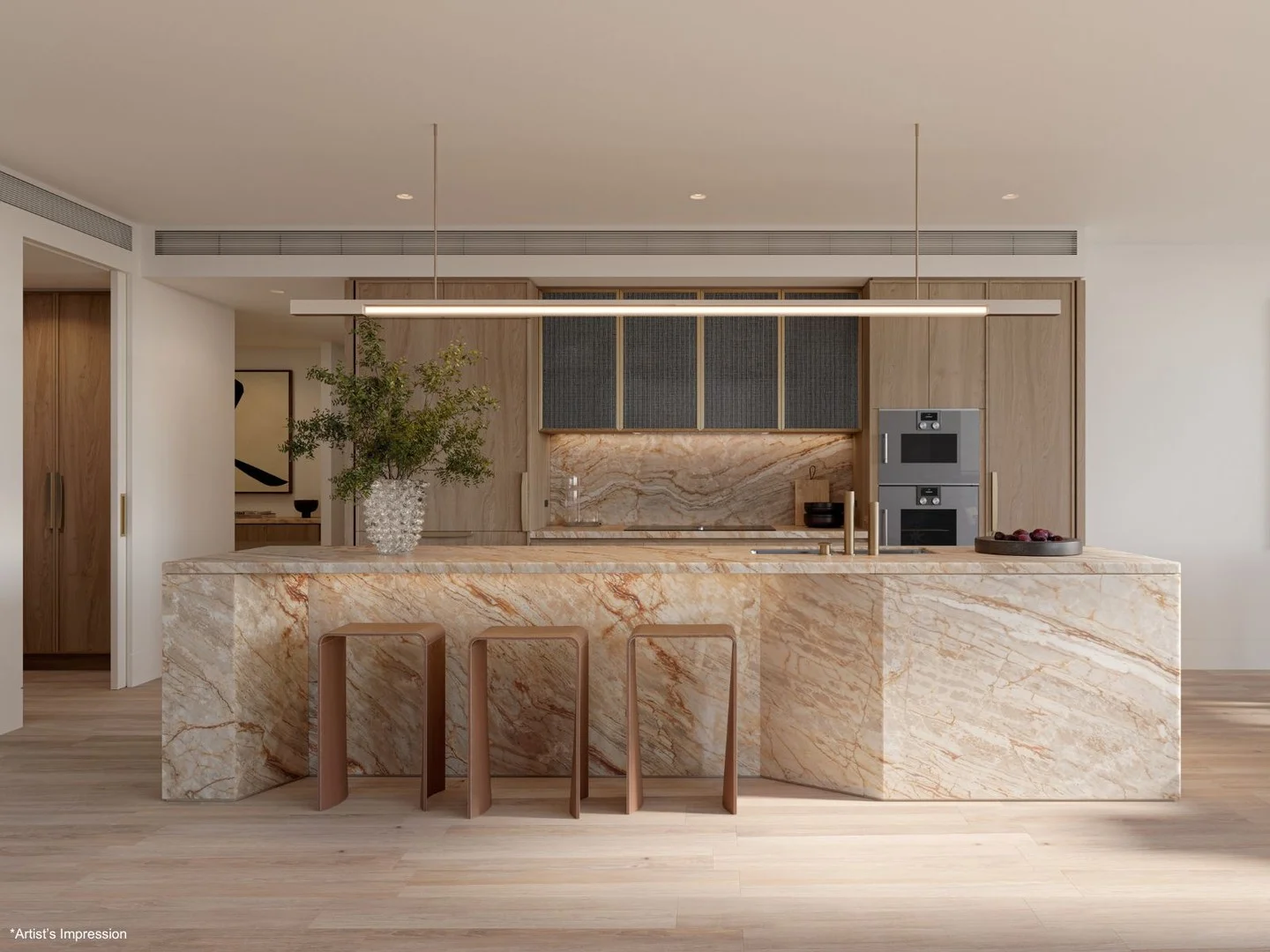 $6,225,000
propertyType.NEW APARTMENTS / OFF THE PLAN
$6,225,000
propertyType.NEW APARTMENTS / OFF THE PLAN
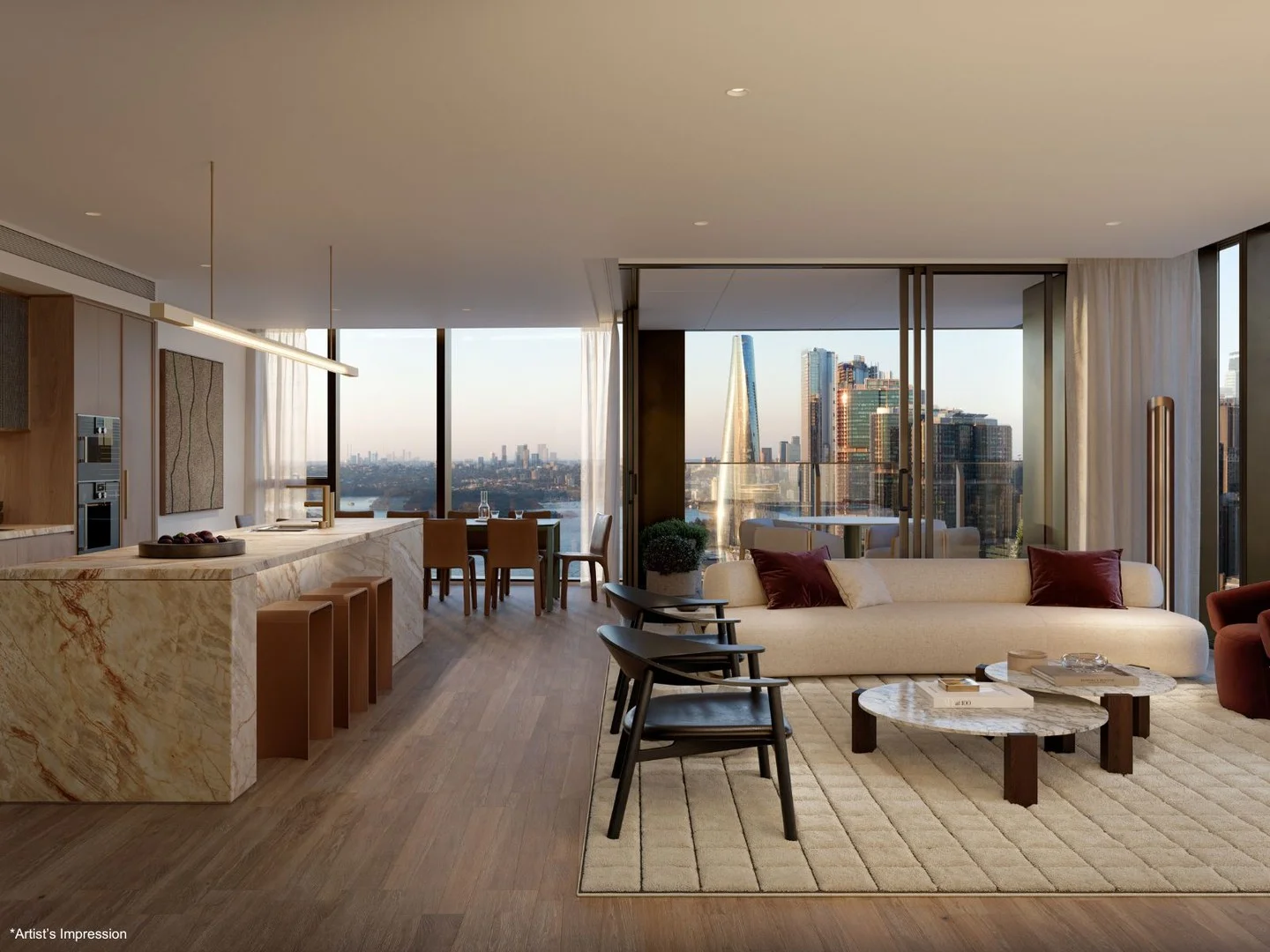 $12,980,000
propertyType.NEW APARTMENTS / OFF THE PLAN
$12,980,000
propertyType.NEW APARTMENTS / OFF THE PLAN
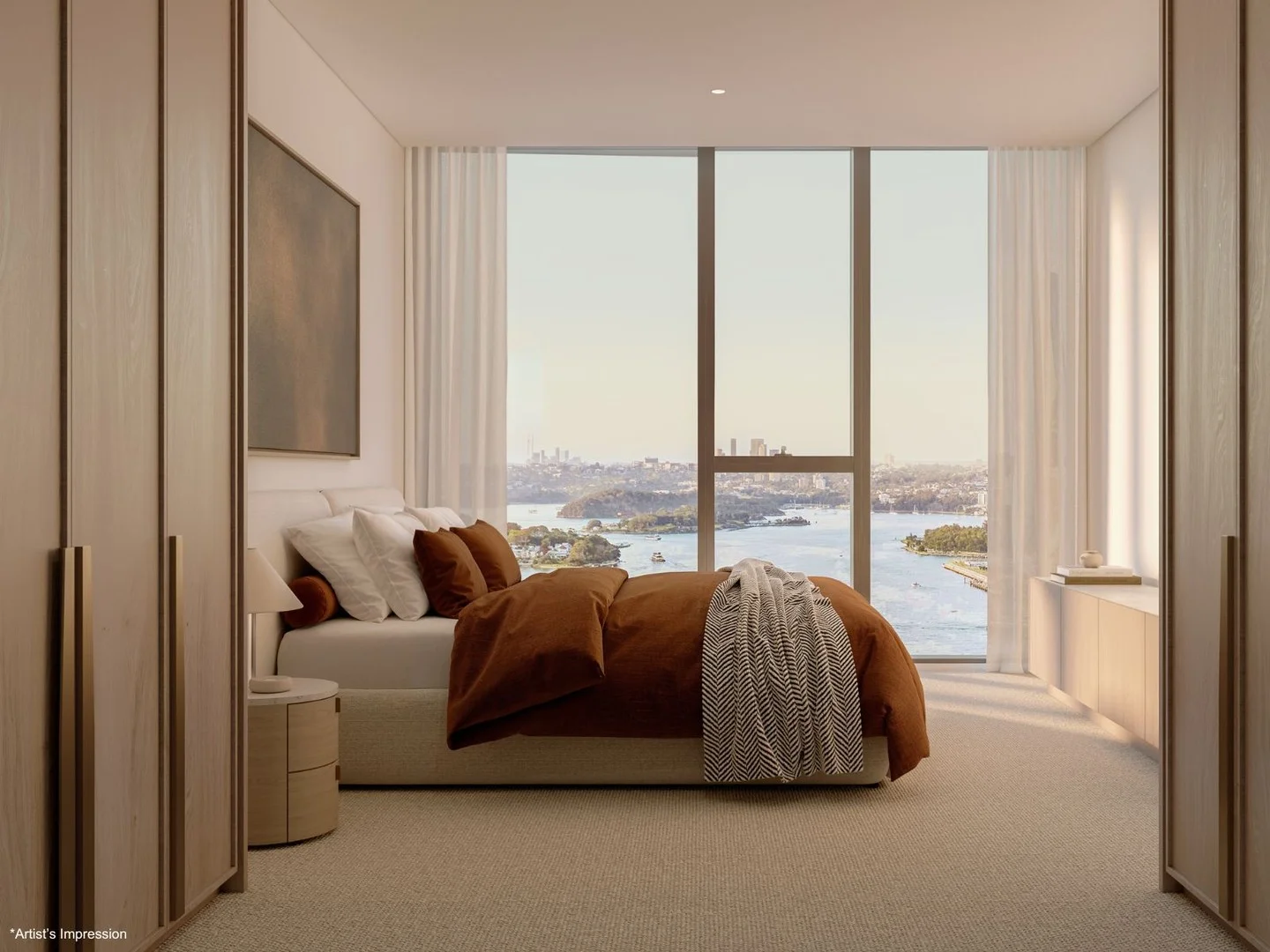 $8,630,000
propertyType.NEW APARTMENTS / OFF THE PLAN
$8,630,000
propertyType.NEW APARTMENTS / OFF THE PLAN
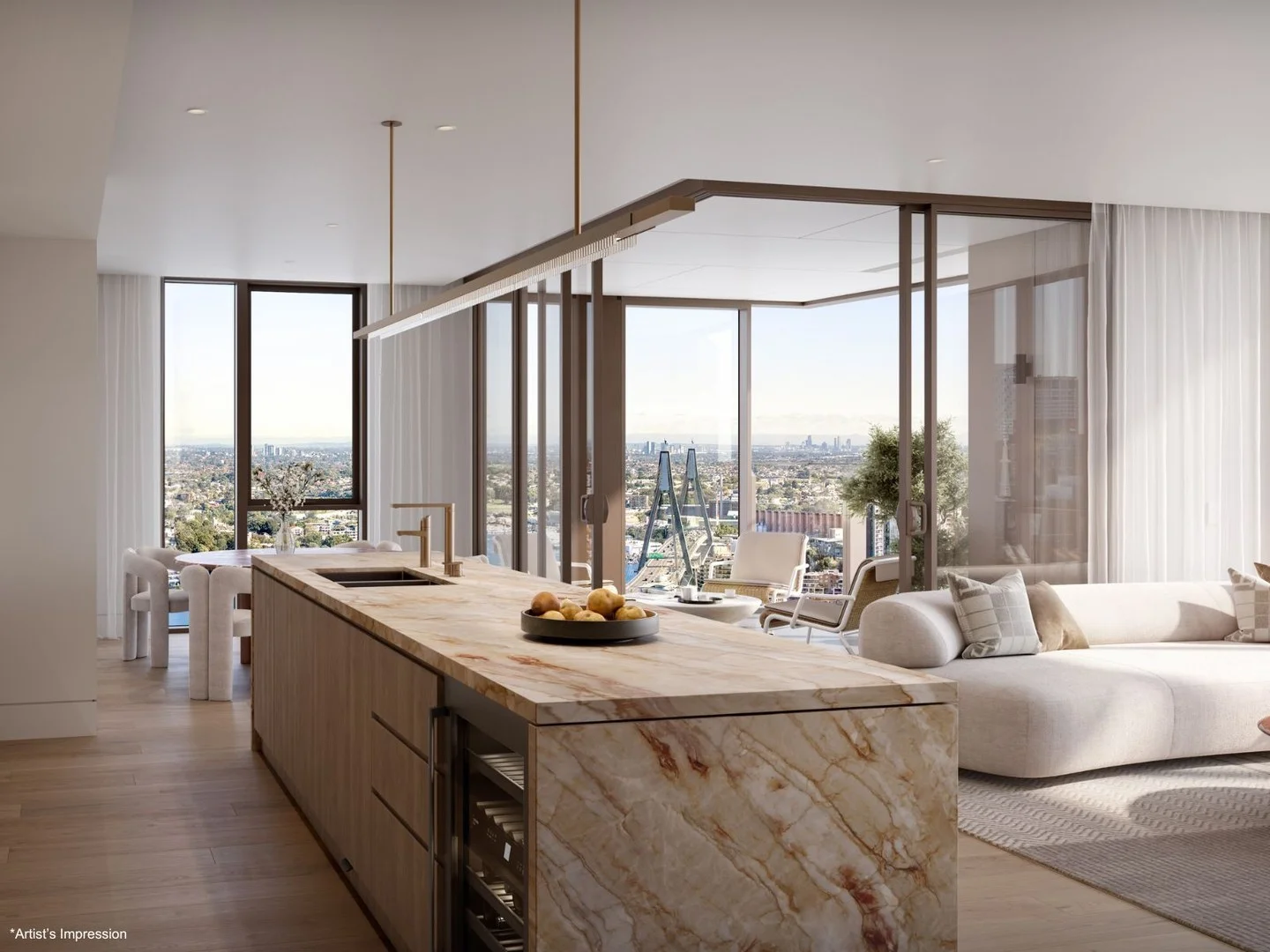 $9,020,000
propertyType.NEW APARTMENTS / OFF THE PLAN
$9,020,000
propertyType.NEW APARTMENTS / OFF THE PLAN
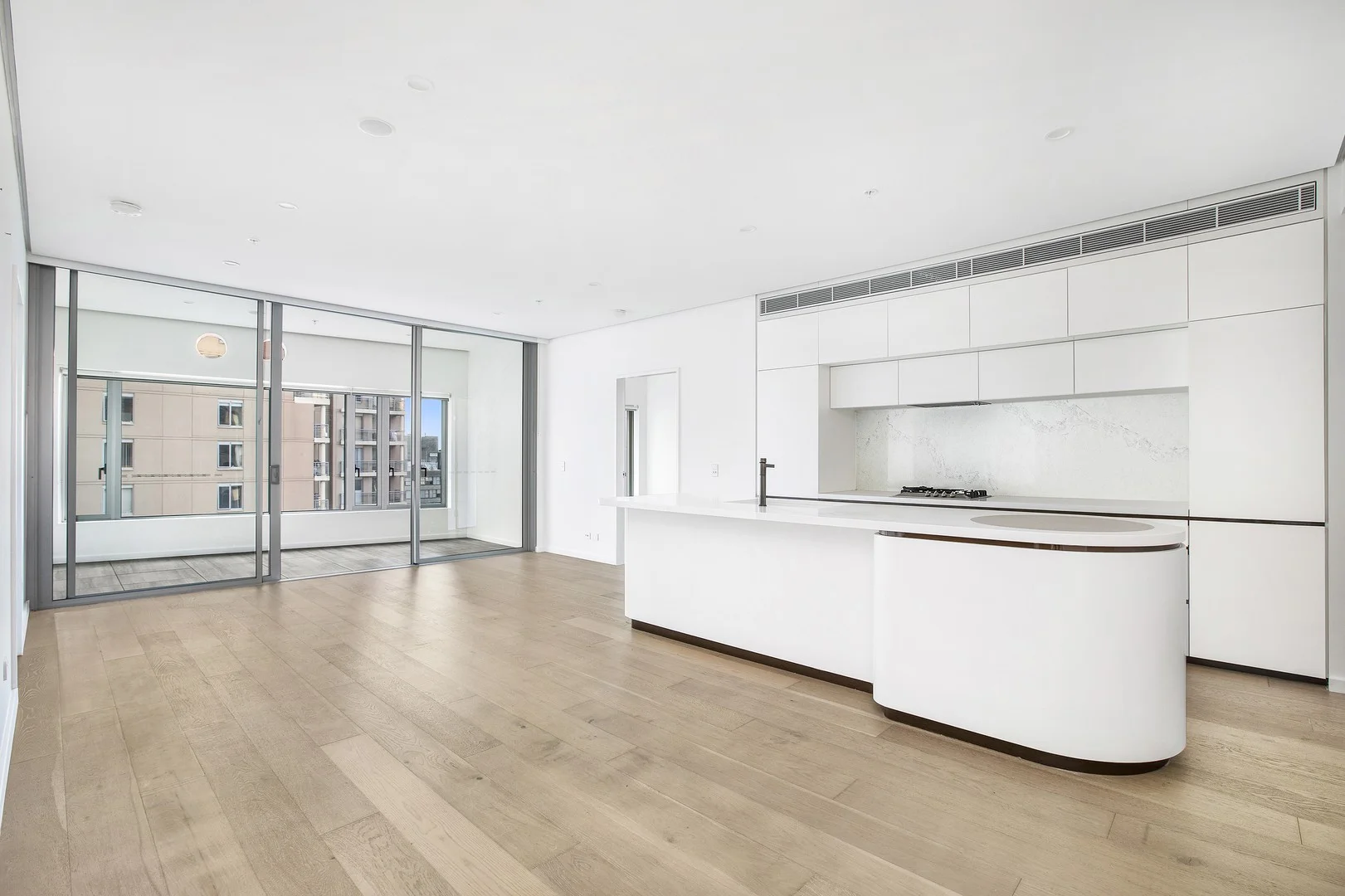 $2,250,000
Apartment / Unit / Flat
$2,250,000
Apartment / Unit / Flat
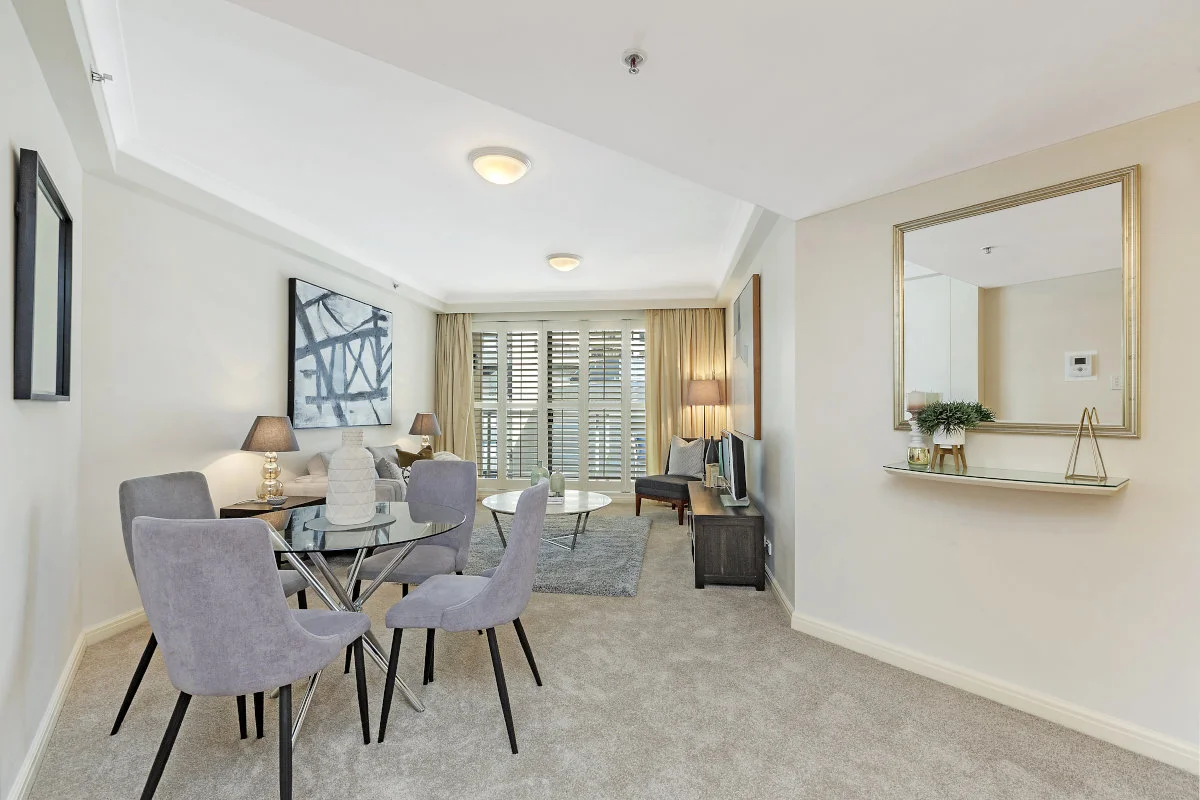 $660,000 - $725,000
Apartment / Unit / Flat
$660,000 - $725,000
Apartment / Unit / Flat


