1. Overview
North Sydney Boys High School is a public, selective high school for boys, serving years 7–12. Known for its strong academic culture and merit-based entry, the school draws students from across the region into a focused learning environment. With around a thousand students, the school offers a medium-to-large community that balances high expectations with opportunities for leadership, sport, and the arts.
- School type: Public selective high school
- School size: Medium–large (roughly 900–1,000 students)
- Class size: About 25–28 students per class
- Atmosphere/culture: Academic, high-achieving, supportive, and inclusive
⸻
2. Academics & Learning
North Sydney Boys High School emphasises rigorous academics and student growth. The curriculum supports core strengths in STEM and English, with opportunities to develop languages and leadership skills through specialist programs and electives. As a selective entry school, it provides pathways for accelerated learning and extension work that challenge high-achieving students.
- Academic strengths: STEM subjects, English, leadership development, language study
- Special programs: Selective entry; extension/accelerated options; opportunities for gifted and talented students
- NAPLAN / trends: Historically strong performance relative to state averages; generally stable or improving trends across reading, writing, and numeracy
- Student-teacher ratios: Approximately 1:12–1:15
- Support for diverse learners: EAL/D support and SEN resources; targeted assistance and inclusive practices
⸻
3. Sports & Extracurricular Strengths
Sports and extracurricular activities are a major focus, with a broad range of options and a history of competitive involvement in interschool events. The school supports both team and individual pursuits, encouraging resilience, teamwork, and school pride. In addition to sport, there are opportunities in music, arts, drama, and a variety of clubs that build practical skills and collaboration.
- Sports offered: Rugby, cricket, basketball, soccer, athletics, swimming, tennis, and other school-wide programs
- Strong teams or achievements: Active participation and competitive results in interschool competitions; tradition of sporting excellence and school-based championships
- Music, arts, drama programs: Comprehensive music ensembles, drama productions, and performing arts activities
- Clubs: Robotics, chess, coding, debating, and other academic/cultural clubs
- Partnerships: Involvement with local academies, interschool competitions, and partnerships with universities or industry programs to support STEM and coding initiatives
⸻
4. Wellbeing & Pastoral Care
The wellbeing and pastoral framework supports academic effort with strong care for students’ personal development. The school's anti-bullying stance, house system, and access to wellbeing professionals help create a safe, respectful learning environment. Transition support and buddy systems assist new students in settling in smoothly.
- Anti-bullying approach: Clear policies, proactive education, and student-led initiatives
- House system: House-based activities and competitions to foster belonging and mentorship
- Counsellors / wellbeing officers: Access to school counsellors and wellbeing staff
- Transition support for new students: Orientation programs, buddy schemes, and transition planning
⸻
5. Facilities
The school’s facilities support a well-rounded education with spaces designed for science, arts, sport, and technology. Visual, bright, and functional layouts help stimulate learning and collaboration.
- Sports grounds
- Libraries
- Science laboratories
- Music/performing arts centers
- Tech/innovation laboratories
- Canteen
- Updated playgrounds
⸻
6. School Values & Community Culture
North Sydney Boys High School cultivates a culture of excellence, integrity, and community. Leadership is encouraged through student voice and teacher guidance, with a clear behaviour framework that supports respectful interaction. The school’s reputation emphasizes achievement, mentorship, and inclusion, with a commitment to diversity and equal opportunity for all students.
- School values / mission: Excellence, respect, integrity, inclusivity
- Leadership style: Collaborative and student-led initiatives complemented by teacher mentorship
- Behaviour expectations: Clear code of conduct emphasizing respect, responsibility, and accountability
- Community reputation: Strong school pride and active engagement among students, families, and alumni
- Diversity & inclusion: A diverse student body with inclusive programs and support for students from varied backgrounds
⸻
7. School Logistics & Daily Operations
Practical day-to-day information helps families plan around school life.
- School hours: Typically around 8:30 am–3:15 pm
- Before/after school care: After-school clubs and activities are common; wrap-around care options may vary
- Uniform requirements: Formal school uniform; seasonal variations (summer/winter); sports uniform for physical education
- Transport (train/bus routes): Well-connected by public transport with nearby train stations and bus routes
- Canteen availability: On-site canteen offering a range of meal options
- Fees (low/medium/high ranges): Public school with no tuition; modest costs for uniforms, excursions, and extra activities
⸻
8. Enrolment & Admissions
11. What is the enrolment process and timeline?
- Entry to Year 7 is via the NSW Selective High School Entrance process. Applicants sit a selective entrance test (SHS Test) in the year prior to starting (typically in Year 5). Registration and testing timelines are set by the NSW Department of Education. Offers are made based on merit and capacity; applicants may indicate up to two selective high schools. Upon success, families proceed with the school-specific enrolment steps and documentation. Results and placement timelines vary by year.
12. Is there a waiting list, and how does it work?
- Selective high schools can have waiting lists. Offers are allocated as spaces become available, often influenced by overall demand and class size. Families may be placed on a waiting list and contacted if a place opens.
13. Are there any entry requirements, tests, or interviews?
- Entry is based on the Selective High School Entrance Test results and state guidelines. Some schools may request additional information; interviews are not universally required for all selective high schools, but documentation and academic records are part of the process.
14. Does the school accept mid-year transfers?
- Mid-year transfers may be possible if there is space, subject to Department of Education approval and the receiving school’s capacity. Parents should contact the school and the NSW Department of Education to confirm current policies and availability.
⸻
9. Frequently Ask Questions
- Why Parents Choose This School?
- Parents value the school’s academic reputation, selective-entry pathway, and the balance of high expectations with strong support for student growth and leadership opportunities.
- What type of student thrives at this school?
- Motivated, academically curious students who are prepared for a rigorous curriculum, enjoy challenging coursework, and value a culture of merit and collaboration.
- What opportunities are available for students to extend their skills (academics, sports, arts)?
- Extension and accelerated coursework in STEM and English; leadership and public speaking opportunities; competitive sports; music, drama, and arts programs; robotics, coding, and debating clubs.
- How does the school communicate with parents?
- Regular emails, newsletters, a parent portal, and parent-teacher meetings; updates on school events and student progress are provided throughout the year.
- What is the school’s approach to teaching and learning?
- Differentiated instruction, data-informed planning, high expectations, and a mix of classroom-based learning, collaboration, and independent study to support deep understanding.
- How does the school support students who need extra academic help?
- Targeted tutoring, learning support teams, EAL/D and SEN services, and structured intervention plans to help students keep pace and progress.
- What support is available for academic challenges?
- Access to counsellors, subject-specific mentoring, study-skills programs, and tailored intervention strategies to help students regain momentum.
- How does the school communicate with parents? (second item)
- In addition to routine updates, the school hosts information evenings, reports, and early notification of upcoming assessments or significant school changes.
- What are the class sizes and how much individual attention do students receive?
- Typical class sizes around 25–28 students, with additional small-group support and teacher access for feedback and guidance.
- What extracurricular and sports opportunities are available?
- A broad range of sports (including rugby, cricket, basketball, soccer, athletics), music ensembles, drama, and clubs such as robotics, chess, coding, and debating.
- What facilities does the school offer (sports, science, arts)?
- Modern science labs, libraries, music/performing arts spaces, tech/innovation labs, well-equipped sports facilities, and a canteen.
- What is the school’s approach to technology and digital learning?
- Integration of digital tools across the curriculum, access to online resources, and technology-enabled projects; emphasis on digital literacy and safe online practices.
- What transport and accessibility options are available?
- Good public transport access with nearby train stations and bus routes; facilities designed to be accessible for students from various backgrounds and locations.
- What are the typical school fees or additional costs?
- As a public school, there is no tuition fee; families may incur costs for uniforms, excursions, and optional activities, which are generally modest.
⸻
10. Short Pros & Cons list
- Pros
- Strong academic reputation and selective-entry pathway
- Broad range of sports, clubs, and competitive opportunities
- Robust wellbeing and pastoral support
- Comprehensive facilities for science, arts, and technology
- Active student leadership and clear behavioural expectations
- Support for diverse learners (EAL/D and SEN)
- Cons
- Highly competitive environment may feel intense for some students
- Single-sex setting may not suit every family or learner
- Travel considerations for families outside the immediate area
- Uniforms and extracurricular costs can add up
- Demand for places can lead to waiting lists and limited availability
⸻


 $95+
$95+









 $2,824,000
Apartment / Unit / Flat
$2,824,000
Apartment / Unit / Flat
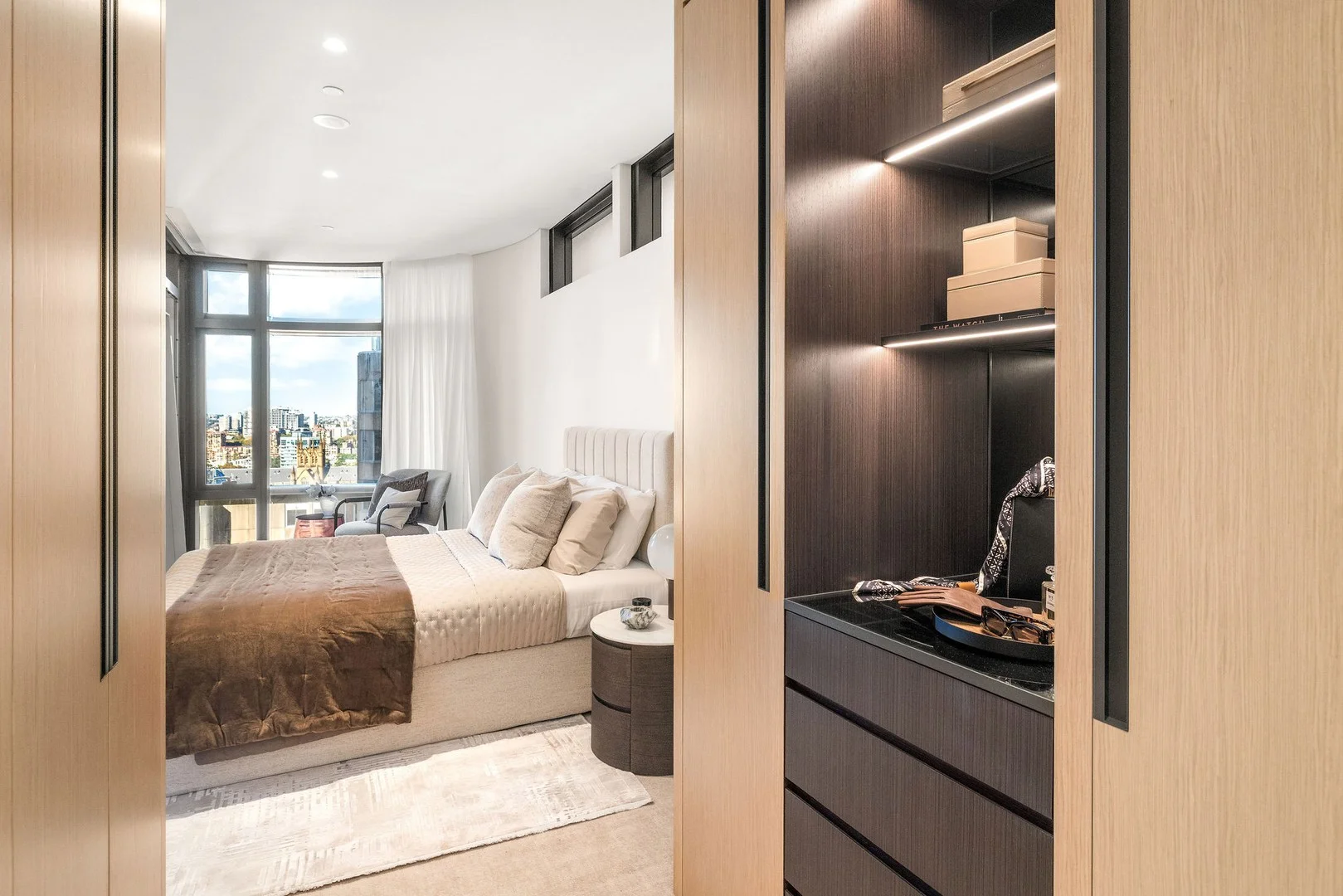
 $26,550,000
propertyType.NEW APARTMENTS / OFF THE PLAN
$26,550,000
propertyType.NEW APARTMENTS / OFF THE PLAN
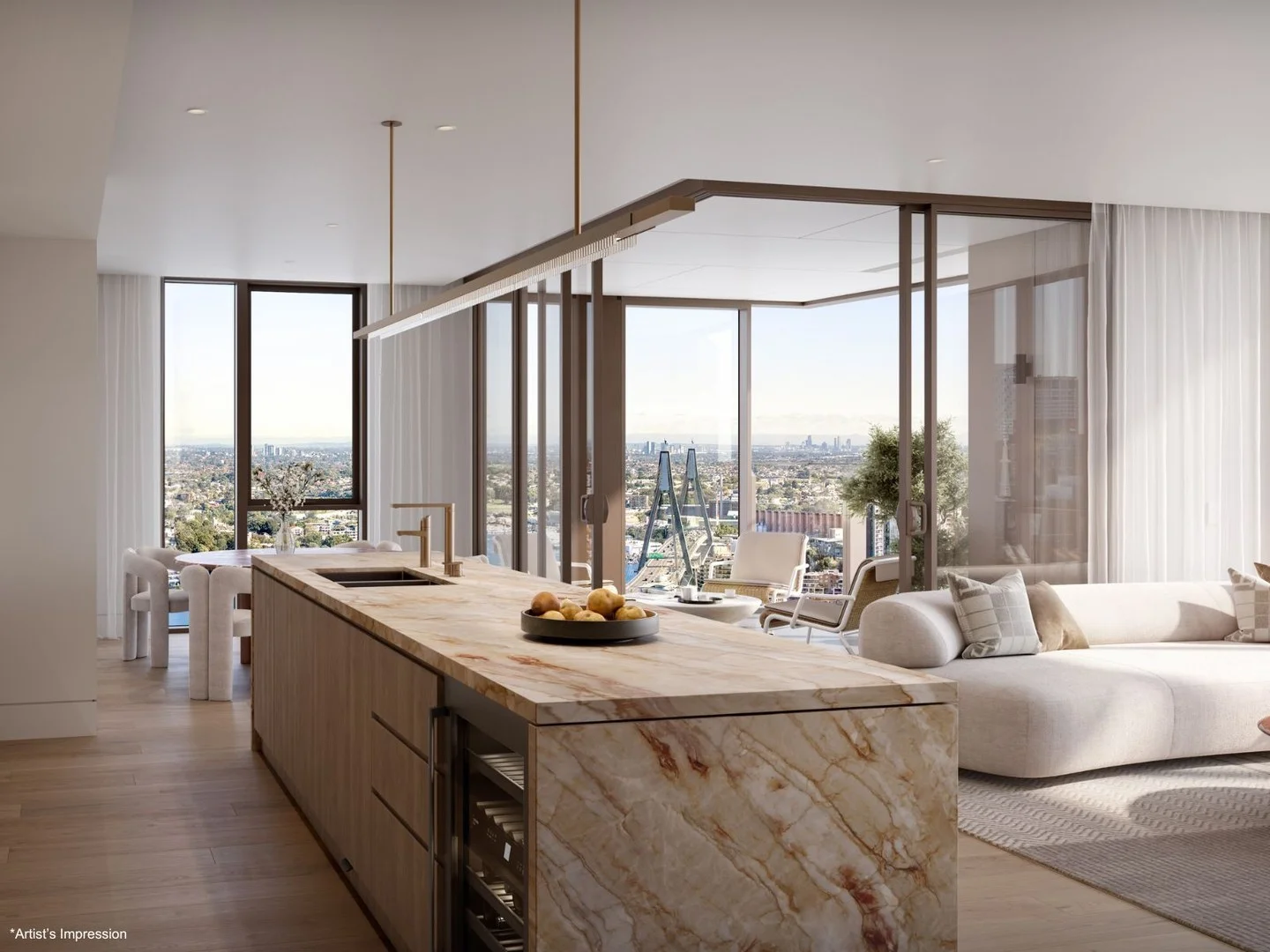
 $2,745,000
propertyType.NEW APARTMENTS / OFF THE PLAN
$2,745,000
propertyType.NEW APARTMENTS / OFF THE PLAN
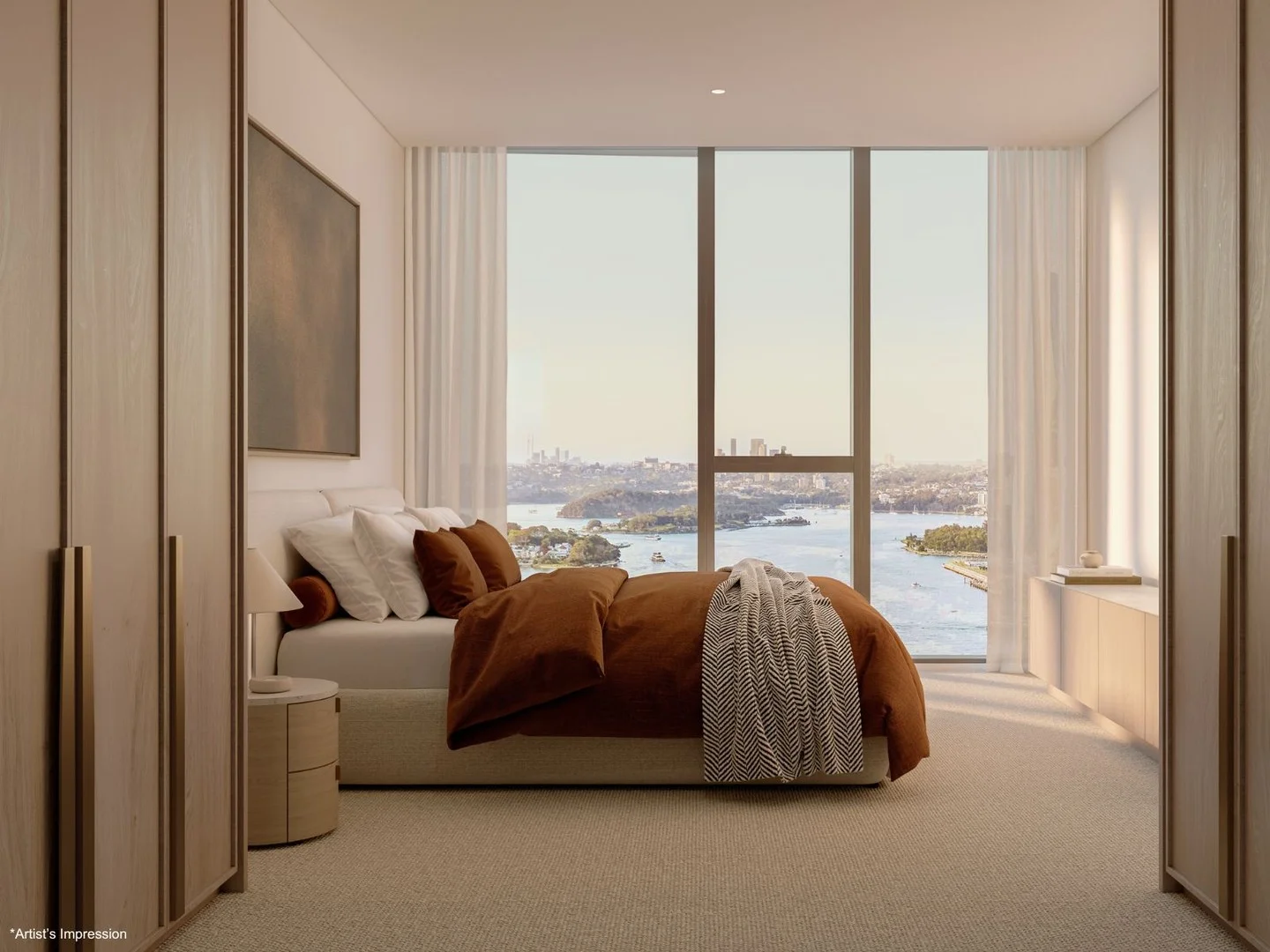
 $9,020,000
propertyType.NEW APARTMENTS / OFF THE PLAN
$9,020,000
propertyType.NEW APARTMENTS / OFF THE PLAN
 $8,630,000
propertyType.NEW APARTMENTS / OFF THE PLAN
$8,630,000
propertyType.NEW APARTMENTS / OFF THE PLAN
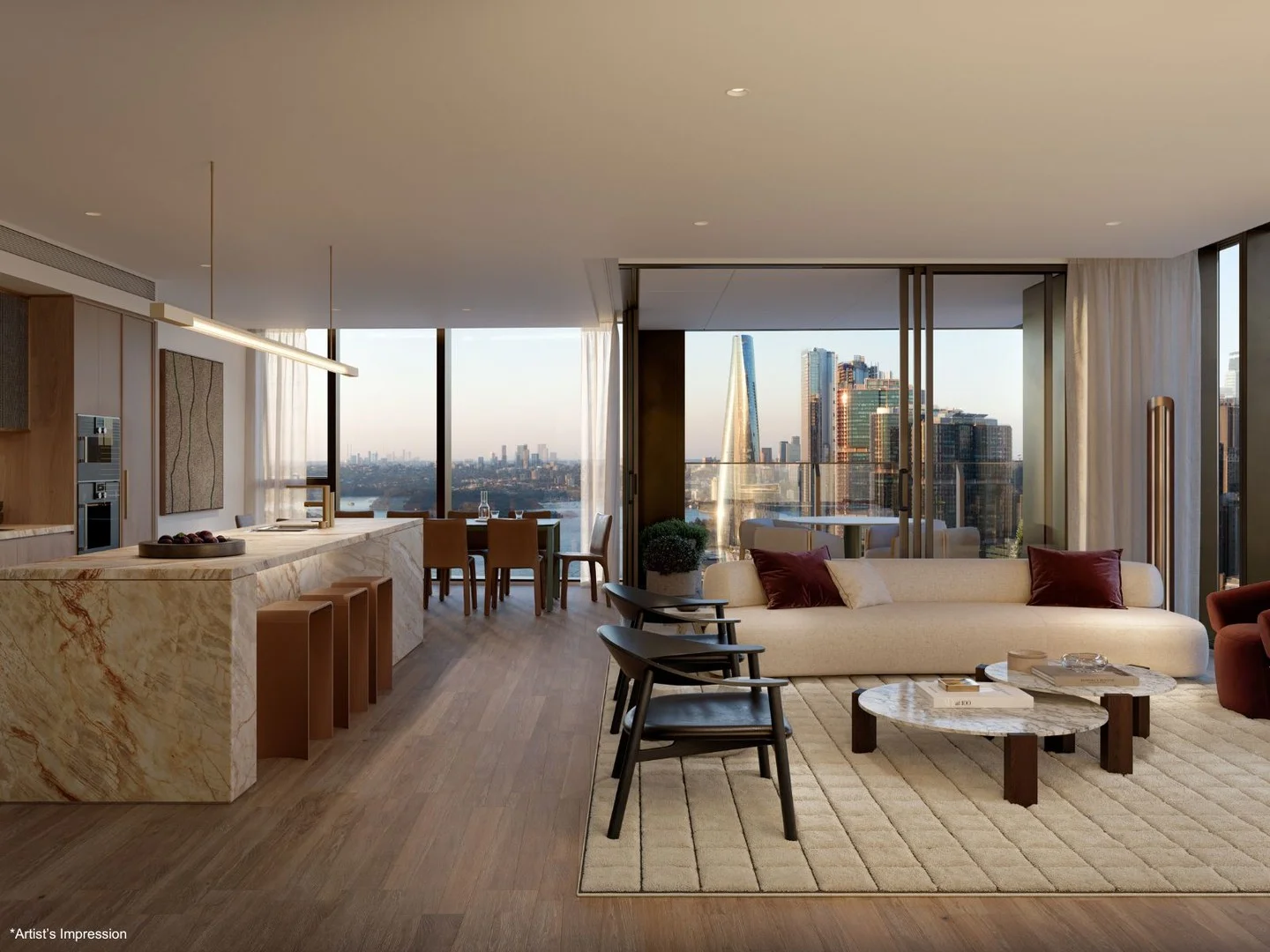 $12,980,000
propertyType.NEW APARTMENTS / OFF THE PLAN
$12,980,000
propertyType.NEW APARTMENTS / OFF THE PLAN
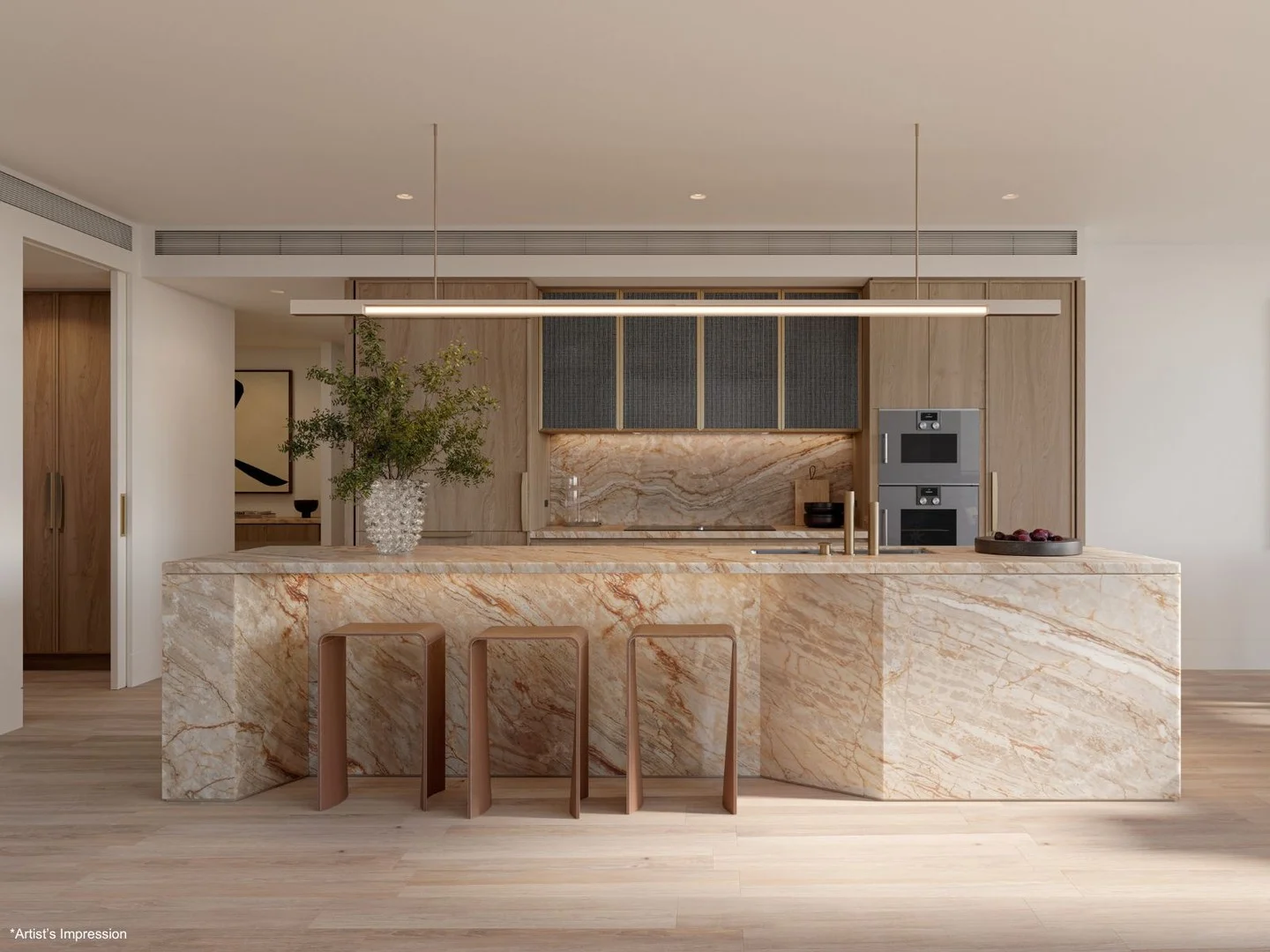 $6,225,000
propertyType.NEW APARTMENTS / OFF THE PLAN
$6,225,000
propertyType.NEW APARTMENTS / OFF THE PLAN
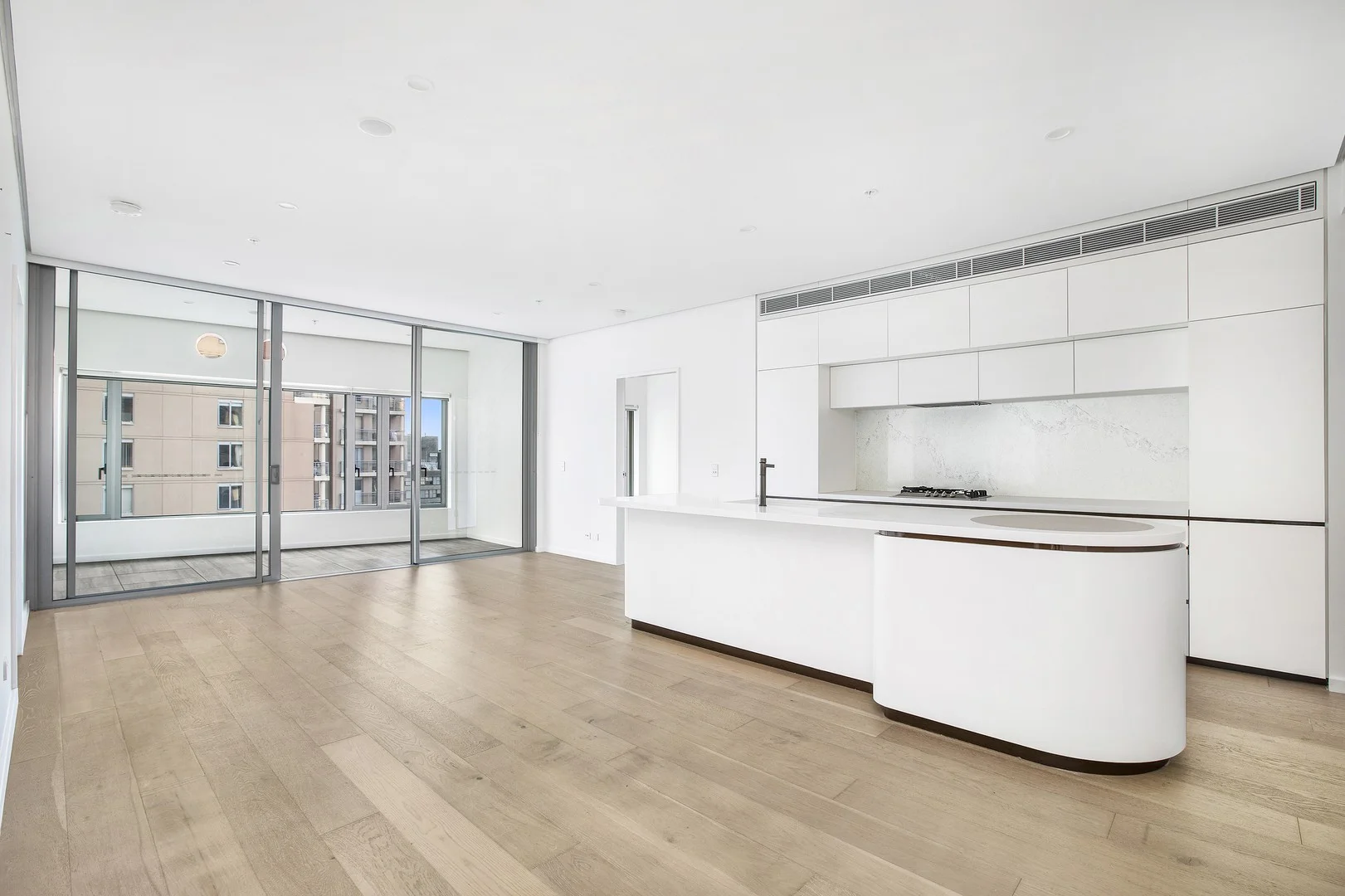 $2,250,000
Apartment / Unit / Flat
$2,250,000
Apartment / Unit / Flat
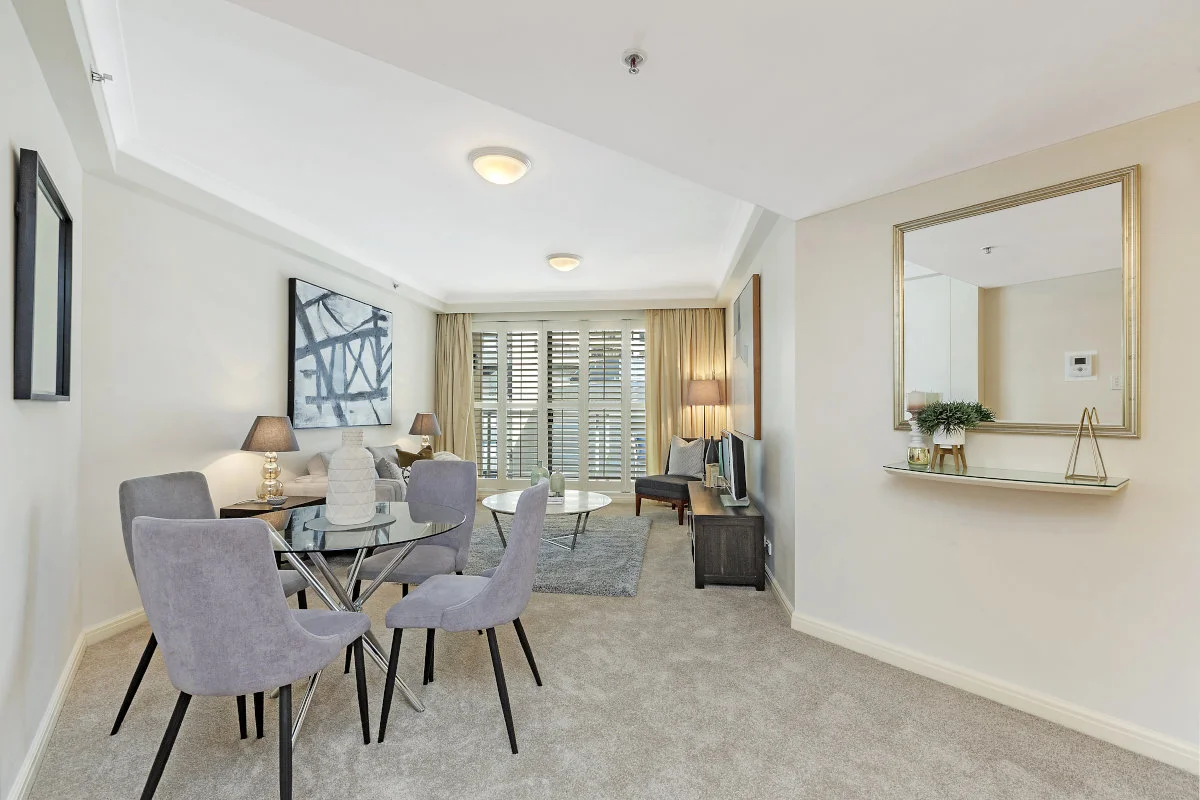 $660,000 - $725,000
Apartment / Unit / Flat
$660,000 - $725,000
Apartment / Unit / Flat


