## 1. Overview (1–2 paragraphs max)
ASMS is a public specialist high school in Bedford Park, Adelaide, focused on science and mathematics within a broad Year 7–12 program. It offers a rigorous, inquiry-led STEM curriculum designed to challenge capable students and prepare them for university study and careers in science, technology, engineering and maths. The school operates as a medium-sized public school, with class sizes and staffing levels that support strong teacher–student relationships, personalized feedback, and collaborative learning. The atmosphere blends academic ambition with a supportive, inclusive culture where curiosity, teamwork and high expectations are encouraged.
The school partners with universities, research institutes and industry to deliver authentic learning experiences, competitions and real-world projects. This creates a motivating environment where students explore big ideas, pursue independent inquiry and develop skills in problem-solving, communication and leadership alongside core STEM subjects.
⸻
## 2. Academics & Learning
- Academic strengths: STEM disciplines (mathematics, physics, chemistry, biology) supported by strong English and literacy across the curriculum; emphasis on inquiry, evidence-based reasoning and problem-solving; leadership development and collaborative project work.
- Special programs: STEM-focused curriculum with inquiry-based learning, extension opportunities in science and maths, robotics and coding clubs, project-based challenges, and pathways for extension or accelerated learning where appropriate.
- NAPLAN trends: Consistently strong performance relative to state averages with positive trends in numeracy, science and reading over recent years; evidence of ongoing improvement in higher bands.
- Student-teacher ratios: Smaller class sizes compared with many public high schools, enabling more frequent teacher feedback and individualised support (approximately in the low-to-mid teens for student-to-teacher ratios in core classes).
- Support for diverse learners: Dedicated support for students with diverse learning needs, including EAL support where relevant and an equipped SEN or learning support program with personalised plans, targeted intervention and inclusive teaching practices.
⸻
## 3. Sports & Extracurricular Strengths
- Sports offered: Basketball, netball, football (soccer), cricket, athletics, swimming and other team/individual sports; a range of lunchtime and after-school activities.
- Strong teams or achievements: Participation in regional competitions and school-level championships; opportunities to join high-performance pathways through sport and fitness programs.
- Music, arts, drama programs: Active performing arts programs, including choir or ensembles and school productions, alongside opportunities to engage in visual arts and music.
- Clubs: Robotics, coding, chess, debating, maths/ science clubs, and other student-led groups that foster problem-solving and collaboration.
- Partnerships: Collaborations with local universities, science institutes and competitions to provide mentoring, workshops and external challenges that extend learning beyond the classroom.
⸻
## 4. Wellbeing & Pastoral Care
- Anti-bullying approach: Clear anti-bullying policies with proactive education, restorative practices and a safe-school framework to support respectful peer relationships.
- House system: A house-based structure to foster belonging, leadership opportunities and healthy competition across academics, sport and wellbeing activities.
- Counsellors / wellbeing officers: Access to school counsellors and wellbeing staff to support academic stress, mental health, and personal development.
- Transition support for new students: Structured orientation, buddy programs and targeted transition support to help new students settle into school life and routines.
⸻
## 5. Facilities
- Sports grounds: On-site sporting facilities suitable for training and interschool competitions.
- Libraries: Well-equipped library with study spaces and access to resources for research and reading.
- Science labs: Dedicated, well-resourced science laboratories for hands-on experiments and inquiry-based learning.
- Music/performing arts centers: Space for music practice, rehearsals and performances.
- Tech/innovation labs: Modern spaces for coding, robotics, digital media and design projects.
- Cafeteria: On-site canteen or food service offering healthy options and daily meals.
- Updated playgrounds: Safe, recent playground and outdoor learning spaces supporting physical activity and collaboration.
⸻
## 6. School Values & Community Culture
- School values / mission: A culture of curiosity, integrity, collaboration, resilience and inclusion; emphasis on academic excellence together with ethical and responsible citizenship.
- Leadership style: Distributed leadership with opportunities for student leadership, teacher collaboration and parent-community involvement.
- Behaviour expectations: Clear expectations around respect, responsibility and safety; emphasis on restorative practices and constructive feedback.
- Community reputation: A well-regarded public school known for strong STEM provision, supportive learning environments and active engagement with the broader science and education community.
- Diversity & inclusion: Commitment to inclusive education, supporting students from diverse backgrounds and ensuring accessibility of programs and resources for all.
⸻
## 7. School Logistics & Daily Operations
- School hours: Typical school day runs from morning start to mid-afternoon (approximately 8:30am–3:30pm), with routines designed to support sustained focus and learning.
- Before/after school care: Availability of before/after school care through OSHC providers or school-arranged arrangements to support working families.
- Uniform requirements: School uniform required, with standard polo/shirt and trousers/shorts options, plus appropriate footwear; guidelines for appearance and presentation.
- Transport (train/bus routes): Access to public transport options (bus routes and nearby train services) with established drop-off/pick-up routines; arrangements may include dedicated school transport in some areas.
- Canteen availability: On-site canteen or approved service offering healthy meal and snack options during the day.
- Fees (low/medium/high ranges): As a public school, there is no tuition fee for attendance; there may be small book/levy charges or voluntary contributions for materials, excursions or program activities but overall costs are moderate.
⸻
## 8. Enrolment & Admissions
11. What is the enrolment process and timeline?
- Enrolments are typically handled through the Department of Education processes for public schools. Applications are submitted within the relevant intake window, with supporting documents such as academic history and any required proofs. Shortlisting, interviews or eligibility checks may occur as part of the selection process, followed by offers and orientation for accepted students. It’s common for timelines to run across several months from application to start date.
12. Is there a waiting list, and how does it work?
- Waiting lists may apply when intake capacity is reached. Status is usually determined by submission date, eligibility, and alignment with the school’s STEM-focused program. Vacancies that arise later may be filled from the waiting list according to established priorities and procedures.
13. Are there any entry requirements, tests, or interviews?
- Entry requirements typically include an application and documentation; some years may involve an interview or aptitude tasks to assess fit with the STEM-focused program. Selection often considers prior achievement, interest in STEM and alignment with the school’s learning approach.
14. Does the school accept mid-year transfers?
- Mid-year transfers may be possible if vacancies exist and the student meets entry requirements. Transfer assessment may include reviewing transcripts, current workload, and readiness to integrate into the program.
⸻
## 9. Frequently Ask Questions
- Why Parents Choose This School?
- What type of student thrives at this school?
- What opportunities are available for students to extend their skills (academics, sports, arts)?
- How does the school communicate with parents?
- What is the school’s approach to teaching and learning?
- How does the school support students who need extra academic help?
- What support is available for academic challenges?
- How does the school communicate with parents? (duplicate)
- What are the class sizes and how much individual attention do students receive?
- What extracurricular and sports opportunities are available?
- What facilities does the school offer (sports, science, arts)?
- What is the school’s approach to technology and digital learning?
- What transport and accessibility options are available?
- What are the typical school fees or additional costs?
⸻
## 10. Short Pros & Cons list
- Pros
- Strong STEM focus with real-world applications and problem-solving
- Smaller class sizes and personalized teacher support
- Positive, inclusive culture with a focus on wellbeing
- Access to partnerships with universities and industry for authentic learning
- Broad range of extracurriculars in STEM, arts and sports
- Cons
- Specialist STEM focus may limit emphasis on non-STEM elective options
- Competitive admission process for some entry years
- Higher workload and expectations can be challenging for some students
- Transport options may require careful planning for families outside the immediate area






 $775,000
House
$775,000
House
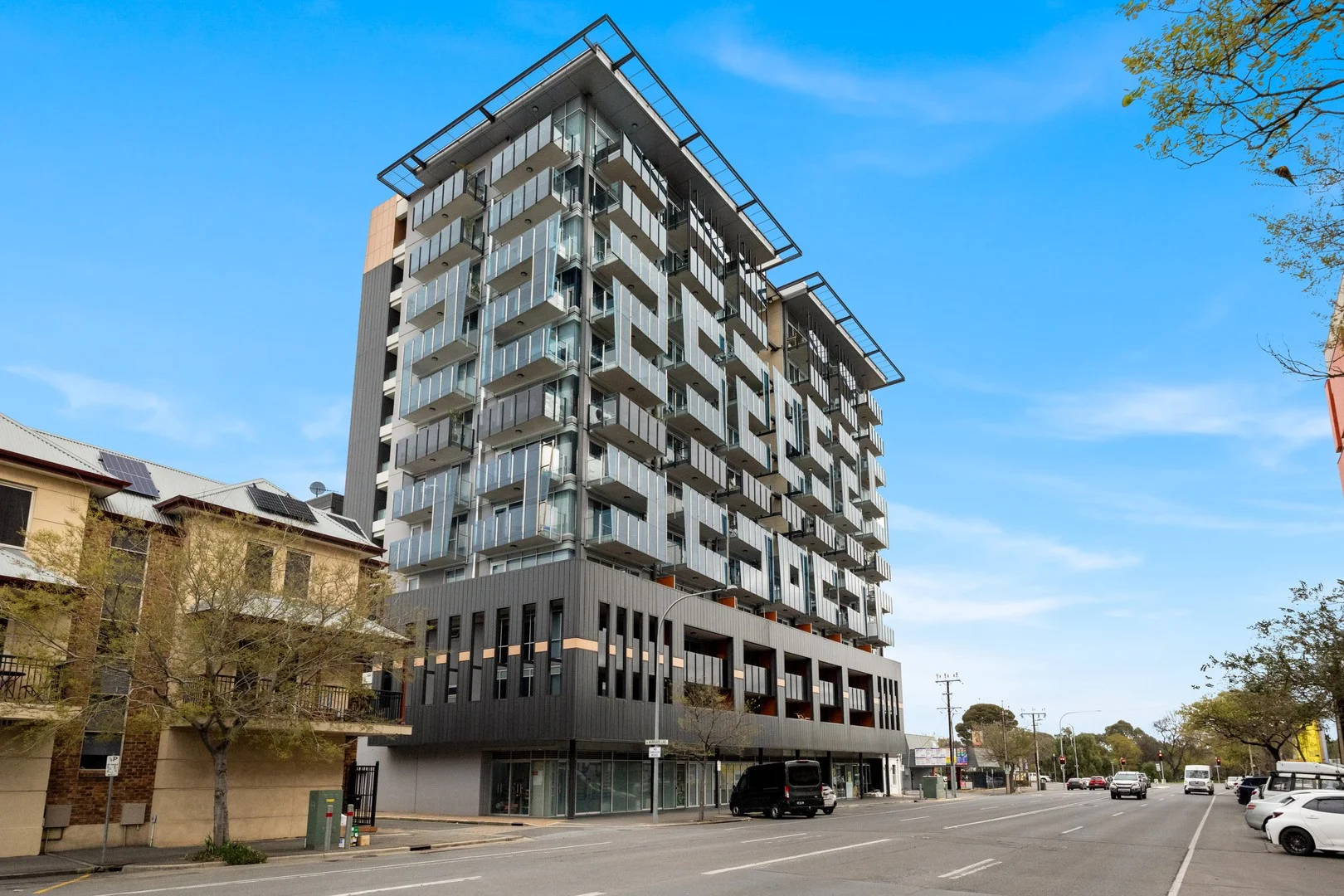 $1,100,000
Apartment / Unit / Flat
$1,100,000
Apartment / Unit / Flat
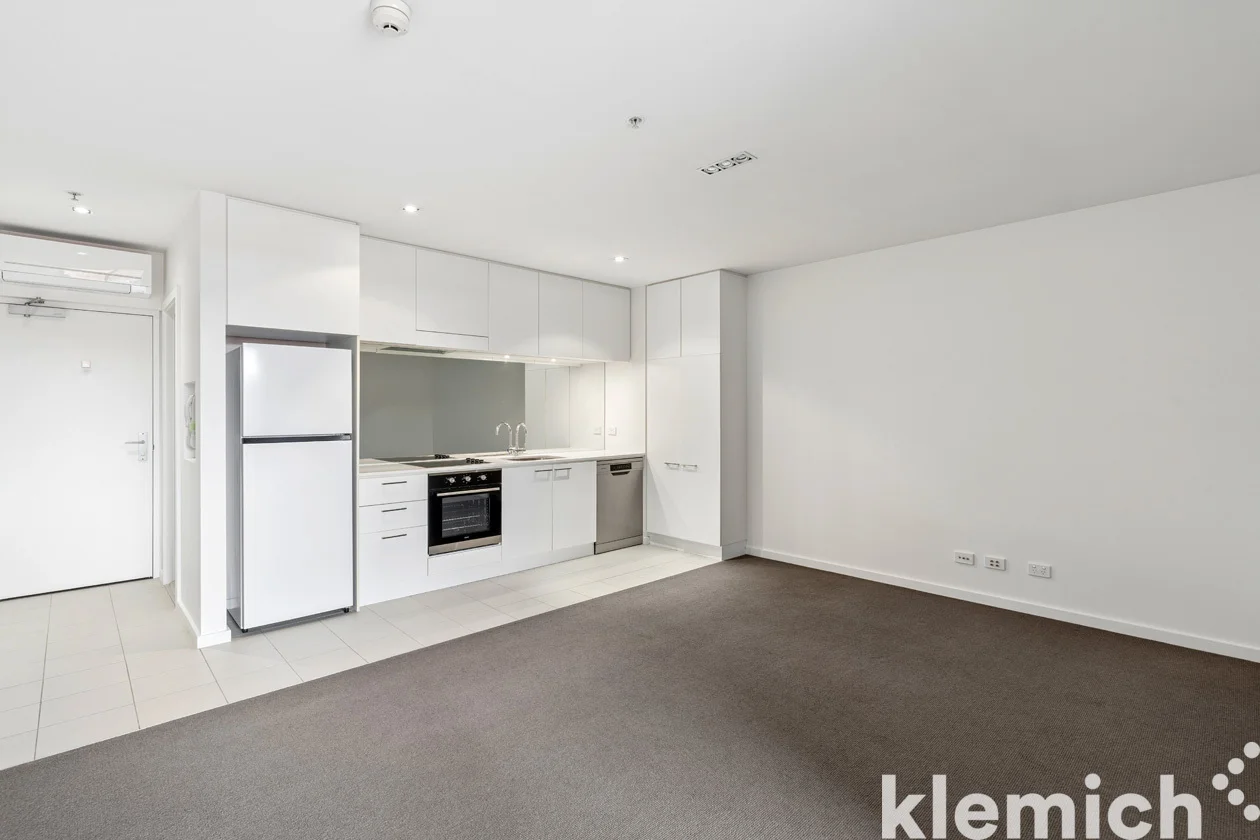 $440,000
Apartment / Unit / Flat
$440,000
Apartment / Unit / Flat
 $935,000
Apartment / Unit / Flat
$935,000
Apartment / Unit / Flat
 $557,000
Apartment / Unit / Flat
$557,000
Apartment / Unit / Flat
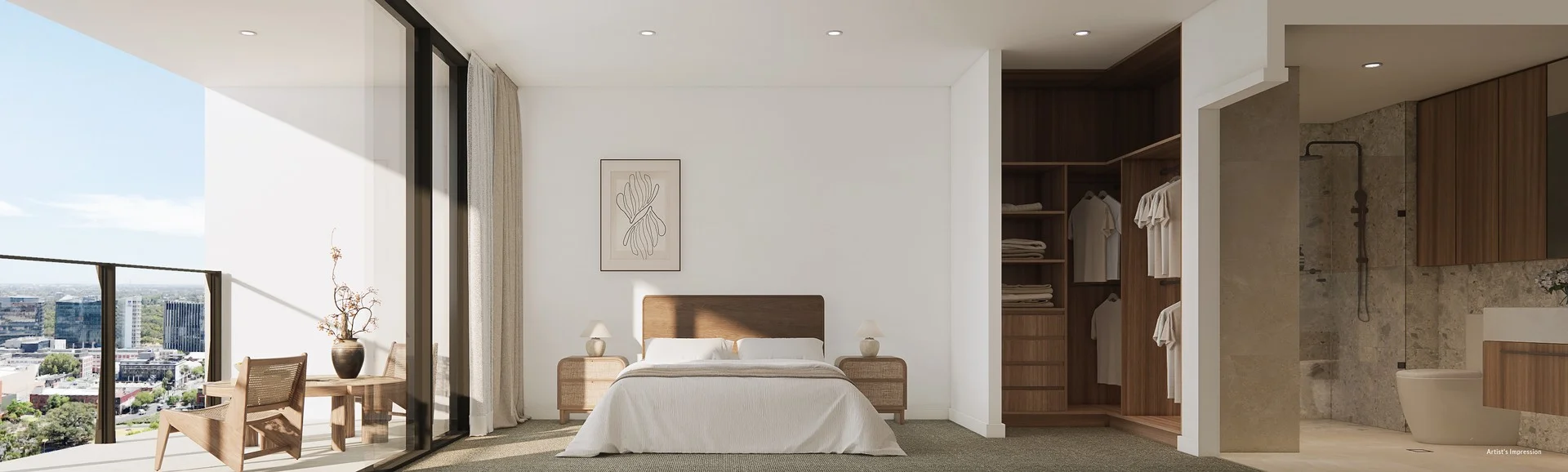 $1,056,000
Apartment / Unit / Flat
$1,056,000
Apartment / Unit / Flat
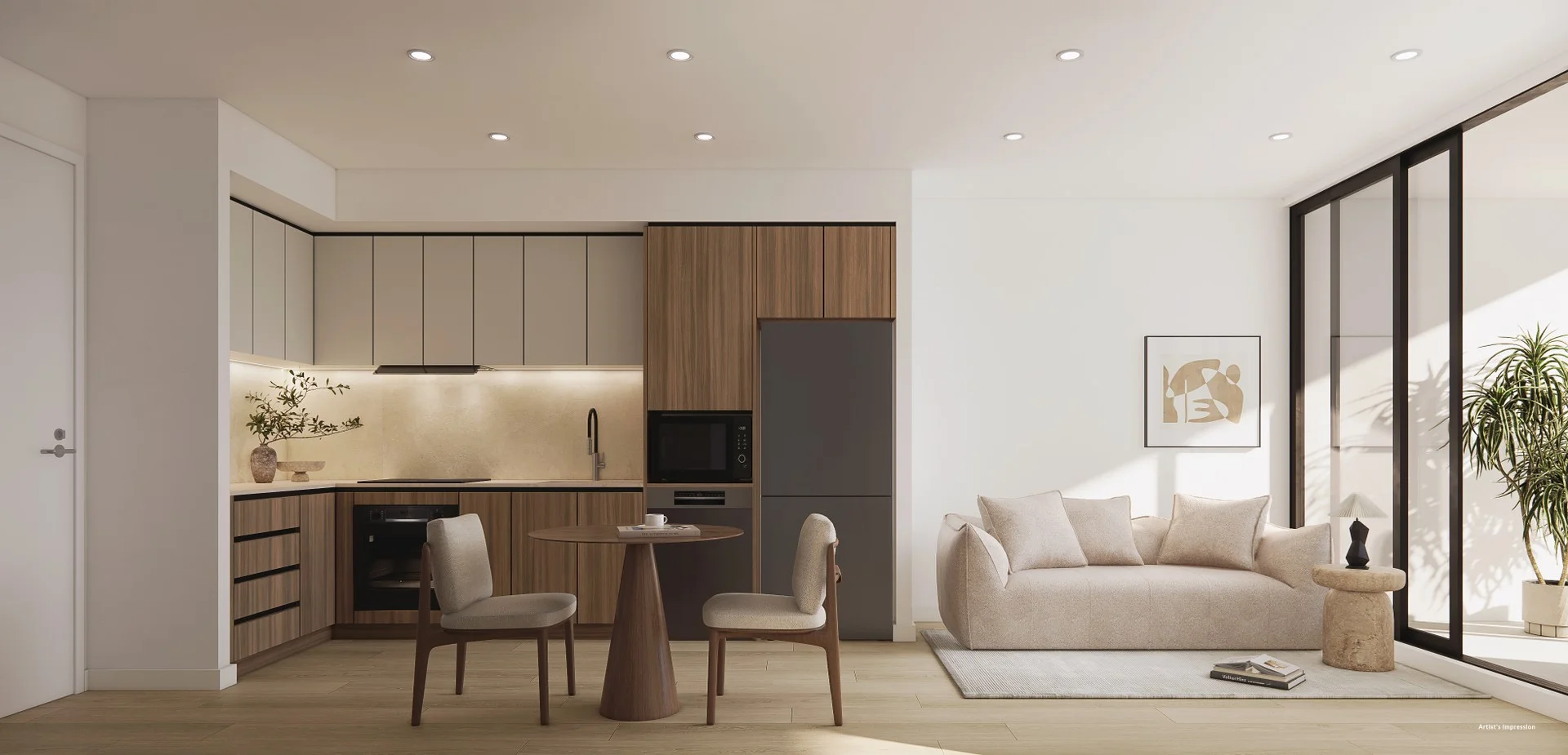 $588,000
Apartment / Unit / Flat
$588,000
Apartment / Unit / Flat
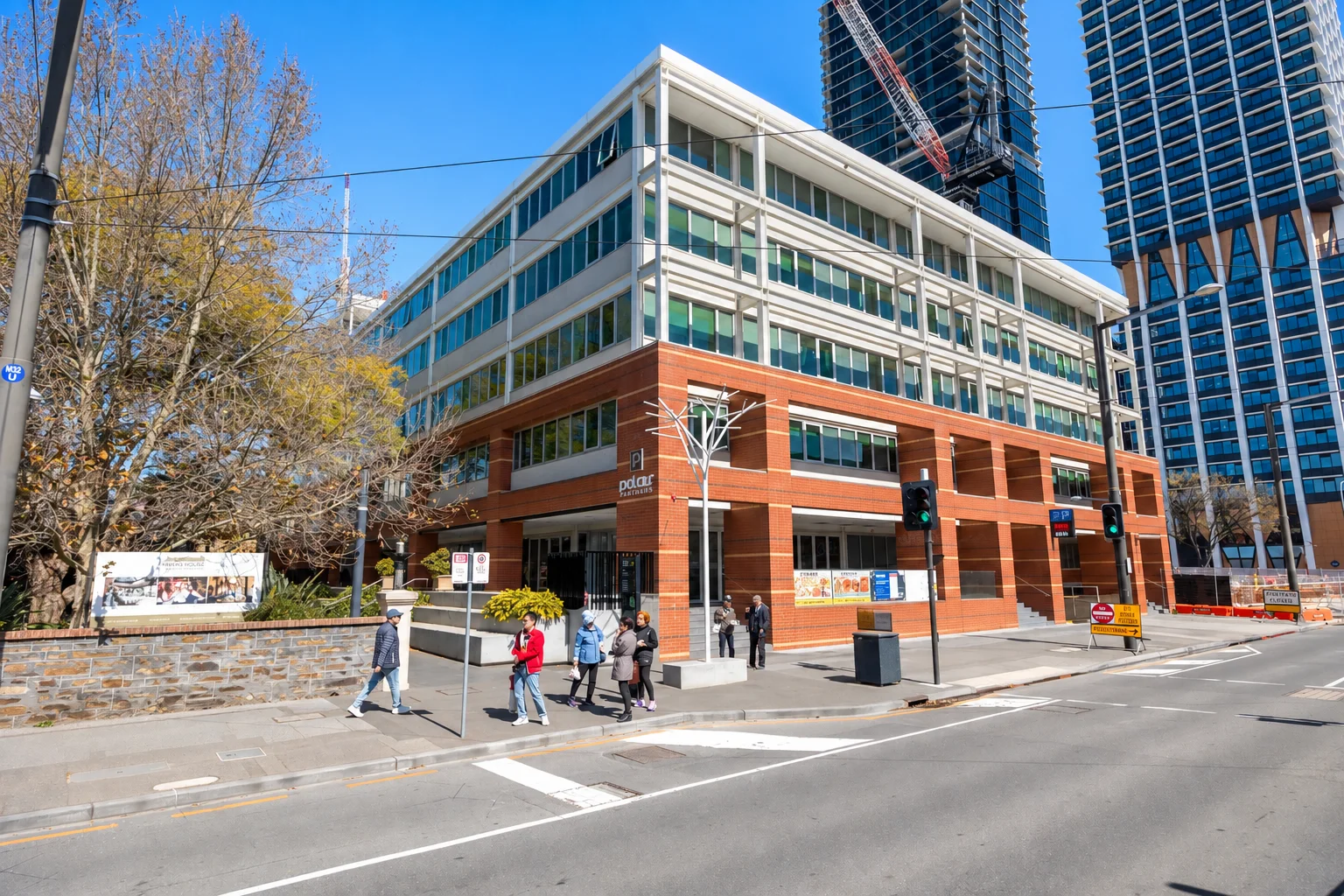 $545,000
Apartment / Unit / Flat
$545,000
Apartment / Unit / Flat


