## 1. Overview
Darlington Primary School is a public (government) primary school that serves families in Seacombe Gardens and surrounding areas. The school aims to provide a welcoming, inclusive learning environment where students feel supported to grow academically, socially and emotionally. It typically offers a medium school footprint with multiple classrooms and a focus on community connections.
Class sizes are generally in the mid-range for public primary schools (roughly 20–25 students per class), enabling teachers to know students well and tailor support. The atmosphere is typically described as nurturing and inclusive, with staff and families working together to create a positive, collaborative culture that supports diverse learners and fosters student wellbeing.
⸻
## 2. Academics & Learning
- Academic strengths: Focus on strong literacy and numeracy foundations, with opportunities to develop in STEM, digital literacy and language learning. The school often emphasises enquiry-based learning and real-world problem solving to build critical thinking skills.
- Special programs: Potential for gifted and talented programs, accelerated learning options, and music/arts enrichment. There may also be targeted supports or clubs that promote extended learning in STEM, literacy or the arts.
- NAPLAN / trends: Public primary schools typically show year-to-year trends in reading and numeracy performance with emphasis on continuous improvement and intervention where needed. Look for steady progress or improvement in core outcomes over recent years.
- Student-teacher ratios: Generally around 1:18 to 1:24 depending on year level and class staffing, with smaller groups for targeted support.
- Support for diverse learners: EAL (English as an Additional Language) support, SEN (special educational needs) programs, and inclusive practices to support a range of learner profiles and needs.
⸻
## 3. Sports & Extracurricular Strengths
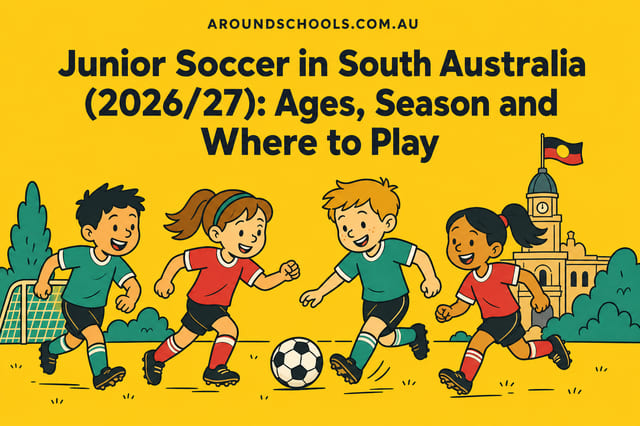
- Sports offered: Common offerings include soccer (football), netball, AFL-style football, athletics and cross-country, with opportunities for intramural and interschool competition.
- Strong teams or achievements: Participation in SAPSASA (South Australian primary school sport) events and district-level competitions is typical, with some schools noting standout teams or personal bests in athletics, cricket, or team sports.
- Music, arts, drama programs: School ensembles or choirs, instrumental lessons, and drama/performing arts activities are often available to broaden creative opportunities.
- Clubs: Robotics, coding, chess, debating and other STEM/technology or academic clubs are commonly offered or explored through after-school programs.
- Partnerships: Connections with local community clubs and participation in regional or state-level competitions and showcases are typical ways schools broaden opportunities for students.
⸻
## 4. Wellbeing & Pastoral Care
- Anti-bullying approach: Whole-school anti-bullying policies, clear expectations, restorative practices and ongoing wellbeing education help create a safe environment.
- House system: A house structure (e.g., Red, Blue, Yellow, Green) is often used to promote teamwork, leadership and healthy competition.
- Counsellors / wellbeing officers: Access to school-based wellbeing staff or counsellors to support social-emotional learning and individual concerns.
- Transition support for new students: Welcome programs, buddy systems and gradual onboarding to help new students settle into the school community.
⸻
## 5. Facilities
- Sports grounds: On-site sports fields or hard courts for PE and games.
- Libraries: A school library with books and learning resources.
- Science labs: Dedicated spaces for science activities and investigations.
- Music/performing arts centers: Rooms or spaces for music practice and drama activities.
- Tech/innovation labs: Computers or maker spaces to support digital learning and projects.
- Cafeteria: On-site canteen or lunch facilities with meal provisions or lunch-order options.
- Updated playgrounds: Safe outdoor play equipment and shaded areas for recess and lunch.
⸻
## 6. School Values & Community Culture
- School values / mission: Emphasis on respect, responsibility, resilience, and collaboration; focus on creating a supportive and inclusive learning community.
- Leadership style: Distributed leadership with opportunities for student voice through councils or representatives, and collaborative planning among staff.
- Behaviour expectations: Clear guidelines aligned with positive behavioural approaches and consistent routines to promote a respectful, safe environment.
- Community reputation: Known for a welcoming, family-friendly culture and strong parent–teacher partnerships.
- Diversity & inclusion: Commitment to inclusion, support for diverse learners and celebrating cultural diversity within the school community.
⸻
## 7. School Logistics & Daily Operations
- School hours: Typical school day runs from morning to afternoon (e.g., 9:00 am–3:00 pm); exact times may vary by term and year level.
- Before/after school care: OSHC or similar arrangements may be available to families.
- Uniform requirements: School uniform policy (standard navy/blue tones with approved items) and guidelines on where to purchase.
- Transport (bus routes): Public transport options and school drop-off/pick-up arrangements; information on bus routes or stops is usually available via the local transport authority.
- Canteen availability: Canteen or lunch order programs often available, with options suitable for primary-aged students.
- Fees (low/medium/high ranges): Being a public school, fees are typically moderate, with voluntary contributions and item costs for activities and excursions.
⸻
## 8. Enrolment & Admissions
11. What is the enrolment process and timeline?
- Enrolment is typically managed through the Department for Education’s process. Families submit an application within the applicable intake period, provide required documentation (proof of residency, immunisation records, etc.), and may receive information about the enrolment timeline, orientation or transition steps. Timelines vary by year and catchment rules.
12. Is there a waiting list, and how does it work?
- If the school is oversubscribed, a waiting list may operate. Priority is often given by catchment eligibility and placement capacity. Families on the waiting list are contacted if space becomes available.
13. Are there any entry requirements, tests, or interviews?
- Primary schools generally do not require entrance tests or formal interviews. Admissions are largely catchment-based, with documentation required to establish eligibility and enrolment details. Some schools may request information about special education needs to plan appropriate support.
14. Does the school accept mid-year transfers?
- Yes, subject to space and meeting enrolment eligibility. Prospective mid-year transfer families should contact the school early to coordinate paperwork and placement.
⸻
## 9. Frequently Asked Questions
- Why Parents Choose This School?
- Families value a welcoming, inclusive environment with strong community connections, supportive staff, and a focus on both academic growth and wellbeing.
- What type of student thrives at this school?
- Students who are curious, cooperative, and engaged in both academics and extracurricular activities tend to thrive, especially those who value teamwork, resilience and positive behaviours.
- What opportunities are available for students to extend their skills (academics, sports, arts)?
- Opportunities typically include targeted literacy/numeracy supports, enrichment clubs (robotics, coding, chess, debating), sport through SAPSASA, and music/arts programs.
- How does the school communicate with parents?
- Through newsletters, emails, school apps or portals, SMS alerts, parent-teacher meetings, and other routine updates.
- What is the school’s approach to teaching and learning?
- A student-centred approach with a emphasis on core literacy and numeracy, real-world applications, collaborative learning, and inclusive practices to support diverse learners.
- How does the school support students who need extra academic help?
- Targeted intervention programs, small-group support, EAL/SEN support, and access to specialist staff or programs as needed.
- What support is available for academic challenges?
- Diagnostic assessments, tailored learning plans, and ongoing progress monitoring with adjustments to teaching strategies and additional tutoring or resources as required.
- How does the school communicate with parents? (Repeated)
- See above; multiple channels are typically used to keep families informed and engaged.
- What are the class sizes and how much individual attention do students receive?
- Class sizes are commonly around 20–25 students, with teachers providing differentiations and small-group instruction to offer more individual attention where needed.
- What extracurricular and sports opportunities are available?
- A range of sports (e.g., soccer, netball, AFL, athletics), music/arts programs, and clubs such as robotics, coding, chess, and debating; involvement in SAPSASA is common for competitive sport.
- What facilities does the school offer (sports, science, arts)?
- On-site sports facilities, library, science labs, music/performing arts spaces, tech/innovation labs, canteen, and updated play areas.
- What is the school’s approach to technology and digital learning?
- Emphasis on digital literacy, use of computers and interactive tools, and integration of technology to support personalised learning and 21st-century skills.
- What transport and accessibility options are available?
- Access to bus routes and public transport; information on drop-off/pick-up and accessibility features is typically available from the school or local transport authority.
- What are the typical school fees or additional costs?
- Public primary schools generally have low fees with voluntary contributions; additional costs may apply for uniforms, excursions, and specific activities or programs.
⸻
## 10. Short Pros & Cons list
- Pros
- Inclusive, supportive school culture with strong community ties
- Focus on core academics plus enrichment in arts, sport and technology
- Range of clubs and extracurricular activities
- Wellbeing and pastoral care embedded in daily routines
- Family-friendly communication and opportunities for parent involvement
- Cons
- As a public school, funding and resources can vary year to year; some programs may be limited by budget or staffing
- Class sizes can be mid-range, which may impact 1:1 time in certain year levels
- Availability of specialist programs (e.g., gifted/accelerated tracks) may depend on school capacity and year level
- Transport and commute considerations depend on family location and local routes
⸻







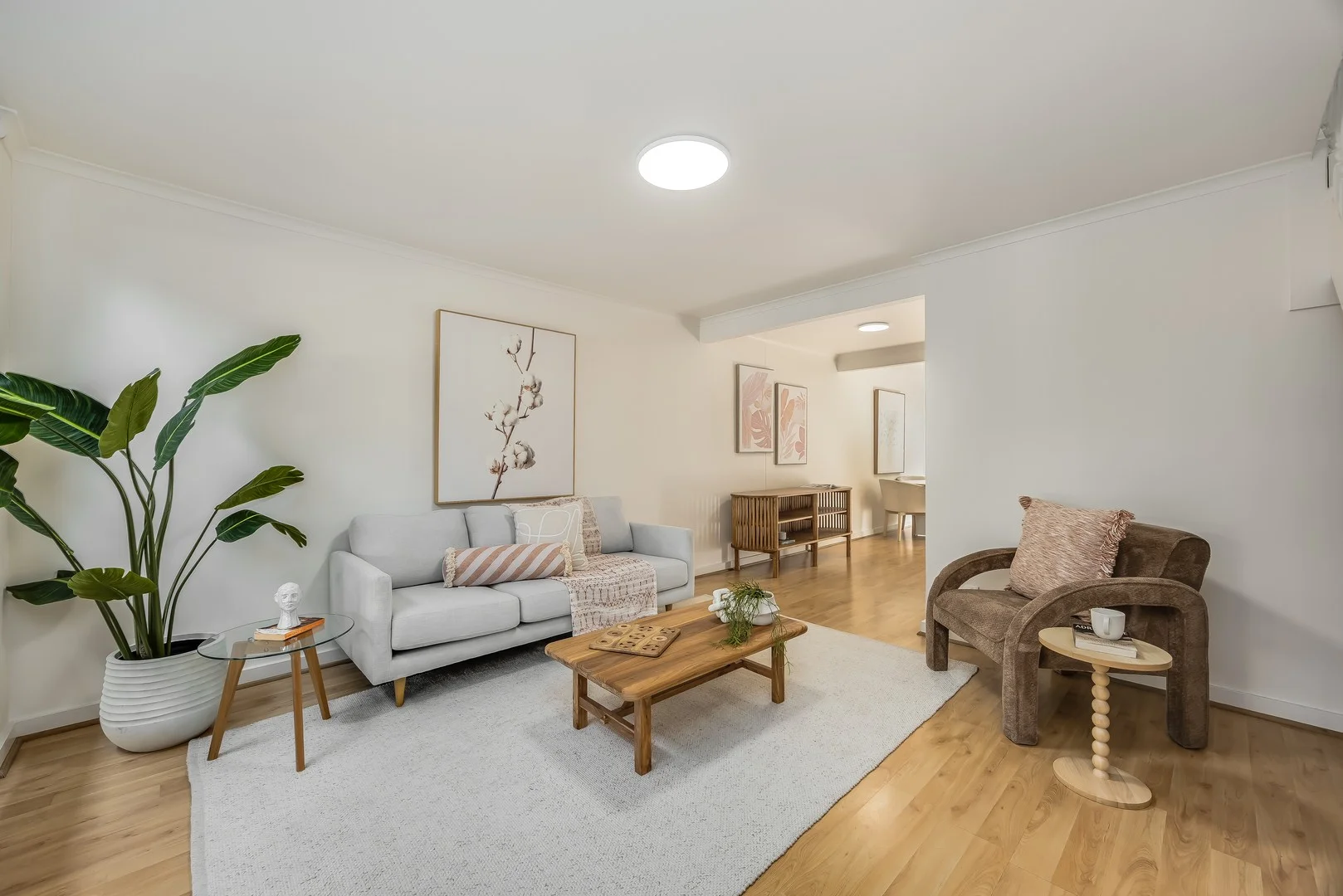 $775,000
House
$775,000
House
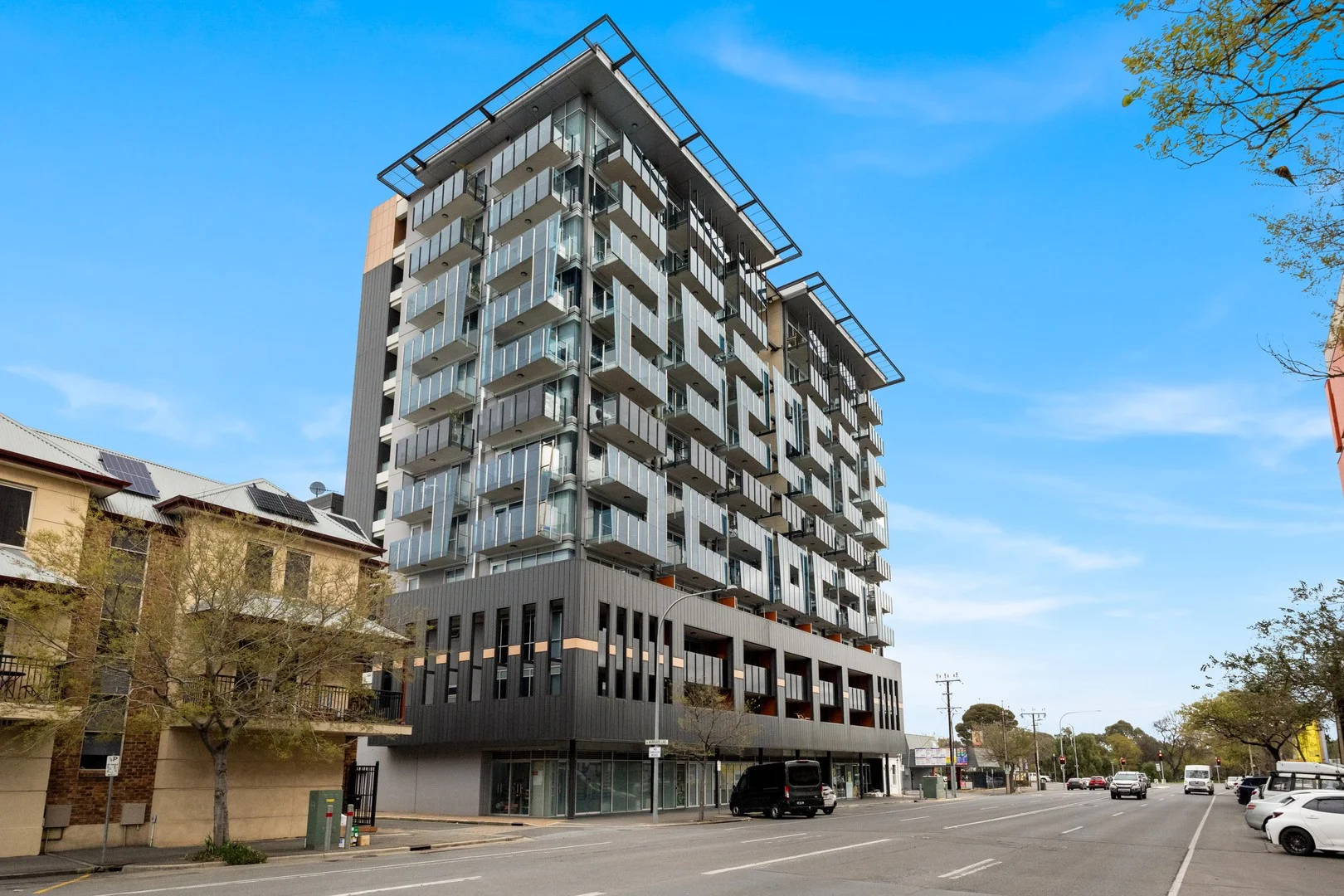 $1,100,000
Apartment / Unit / Flat
$1,100,000
Apartment / Unit / Flat
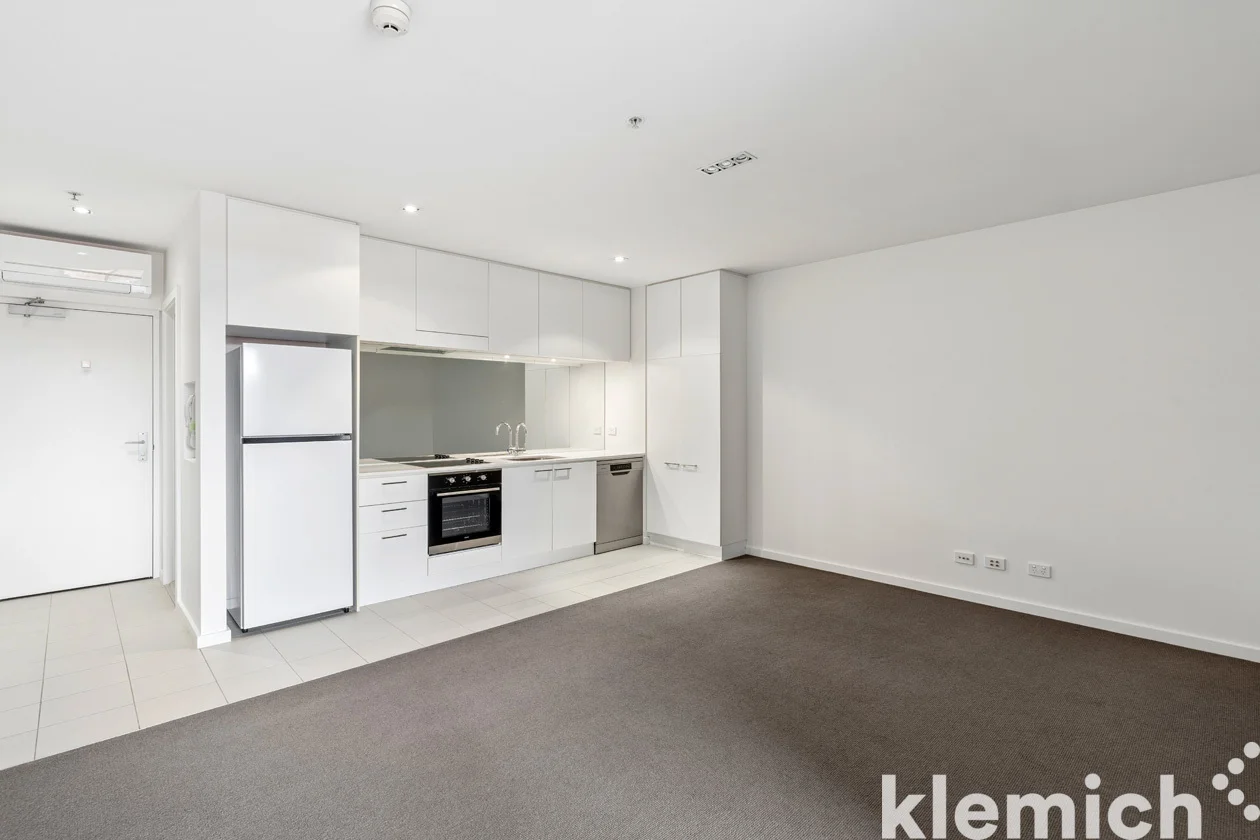 $440,000
Apartment / Unit / Flat
$440,000
Apartment / Unit / Flat
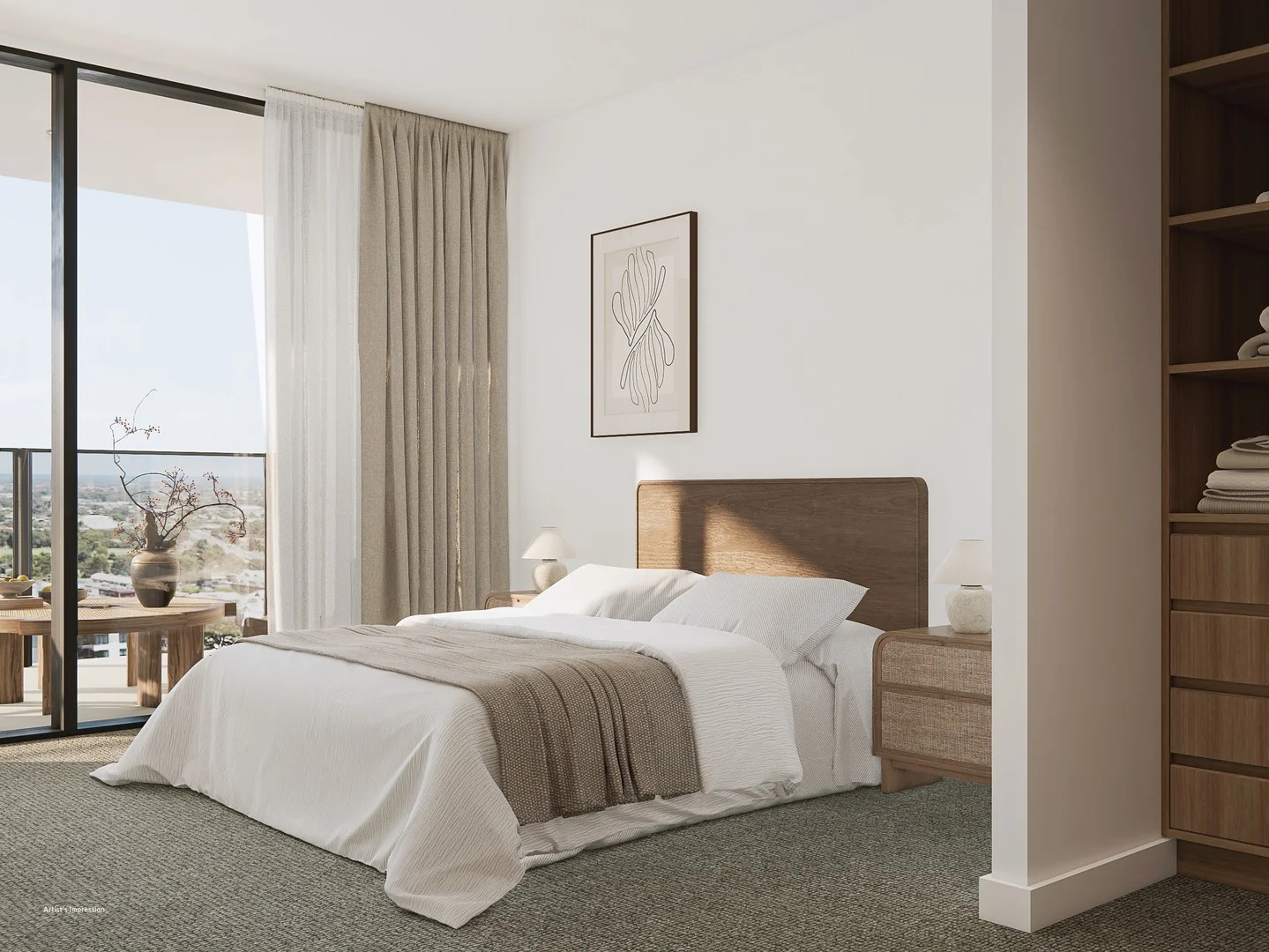 $935,000
Apartment / Unit / Flat
$935,000
Apartment / Unit / Flat
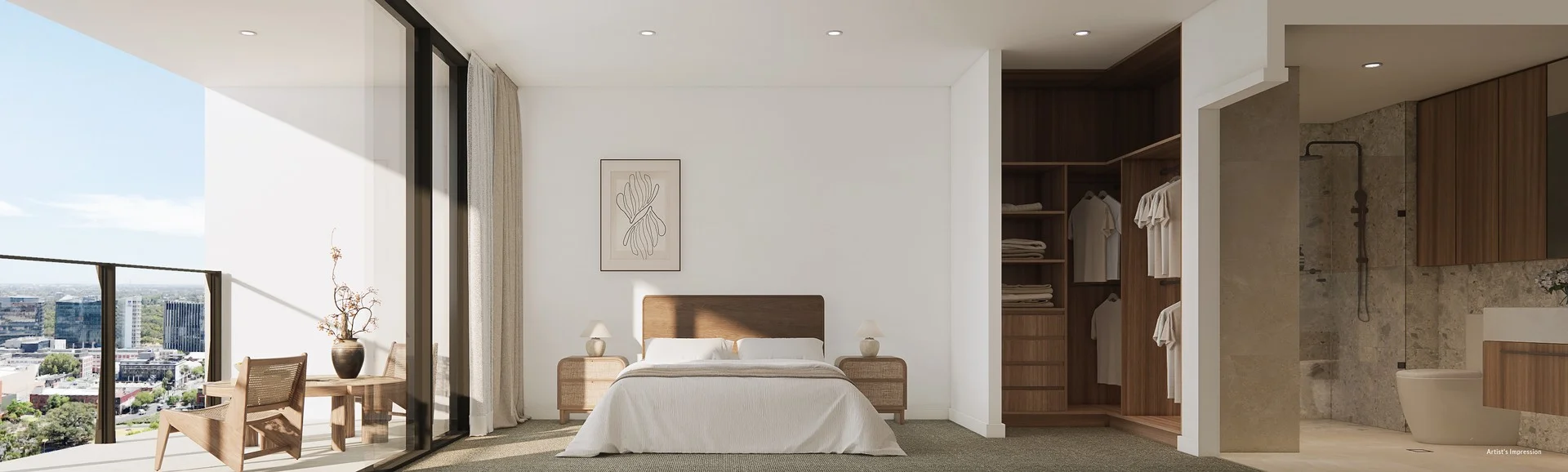 $1,056,000
Apartment / Unit / Flat
$1,056,000
Apartment / Unit / Flat
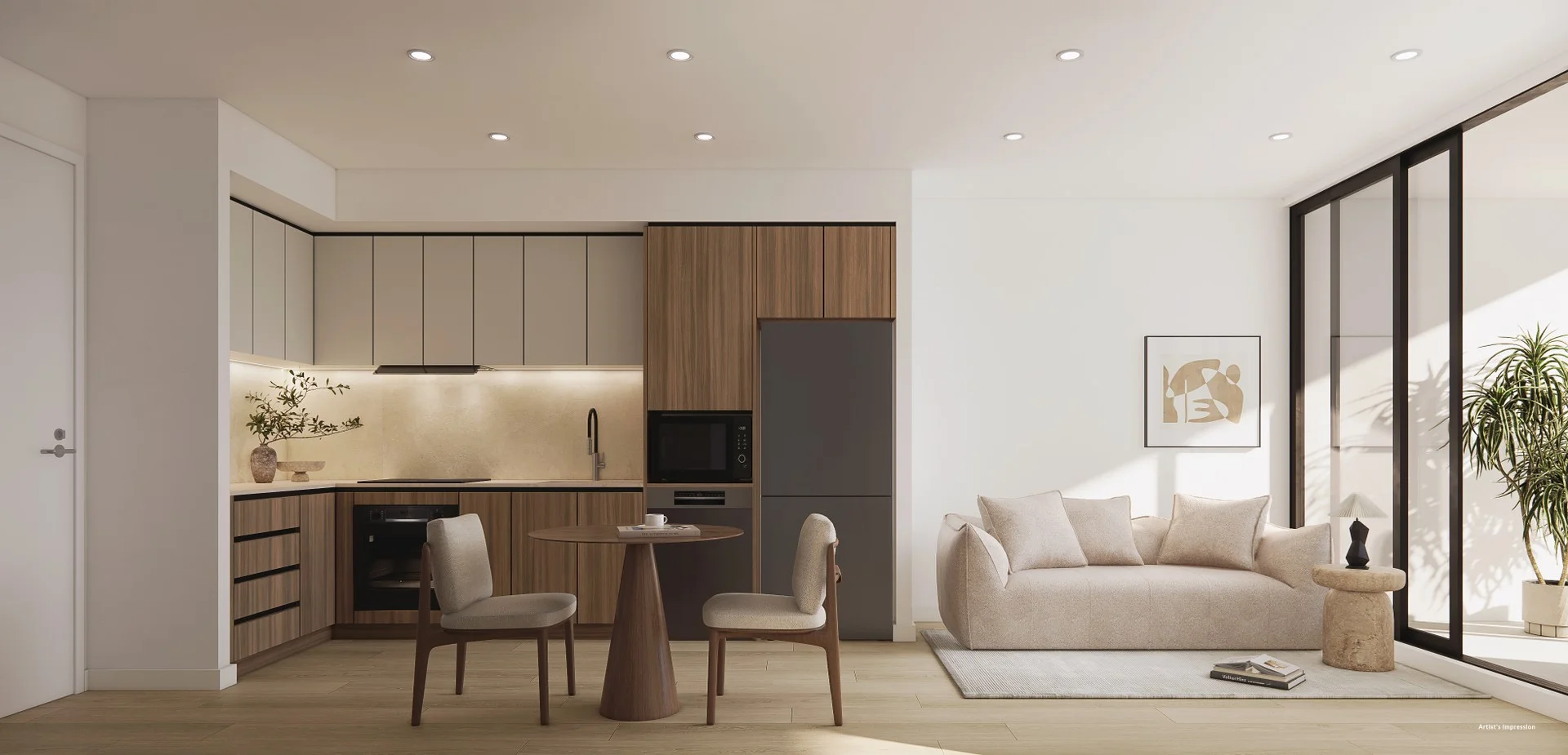 $588,000
Apartment / Unit / Flat
$588,000
Apartment / Unit / Flat
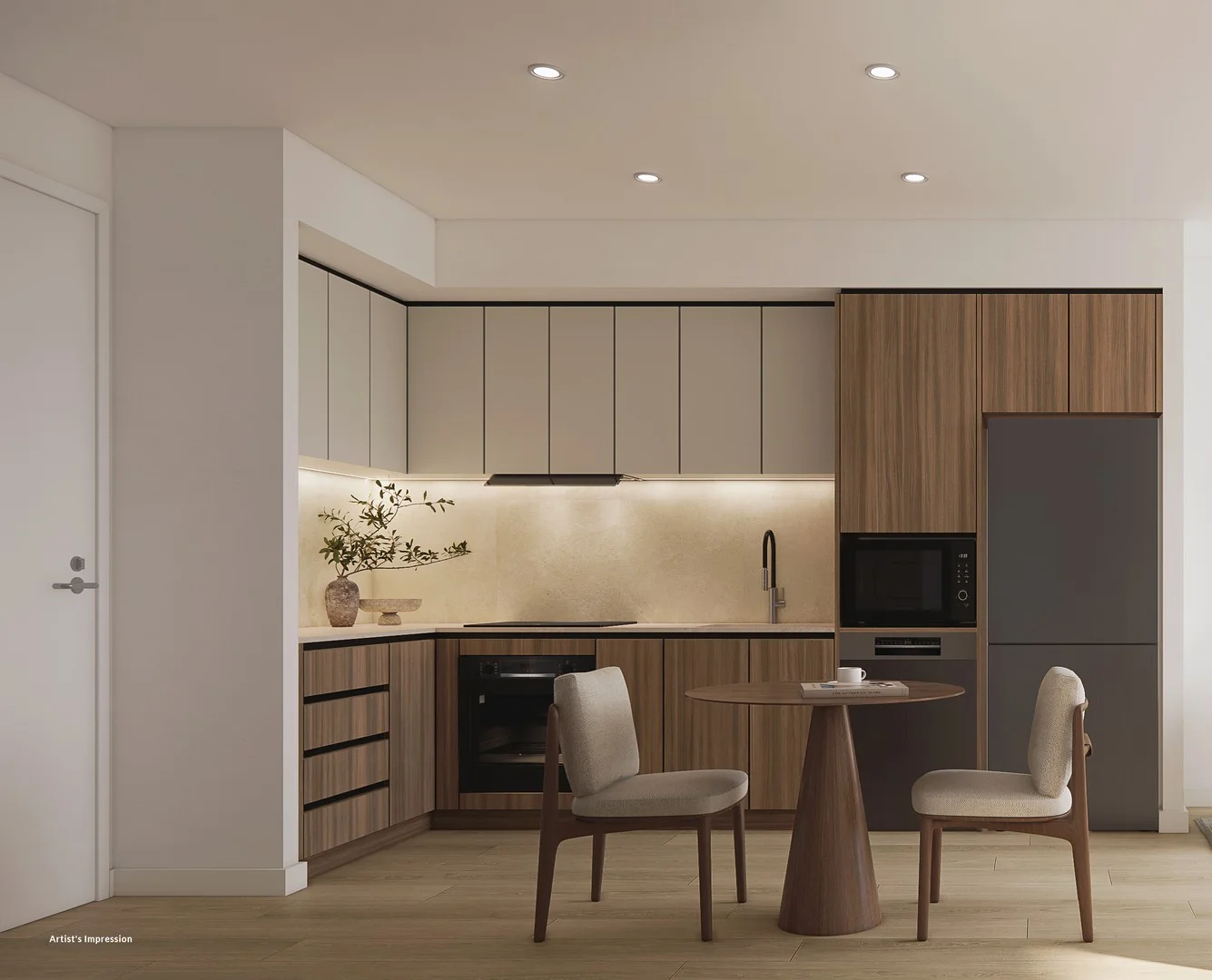 $557,000
Apartment / Unit / Flat
$557,000
Apartment / Unit / Flat
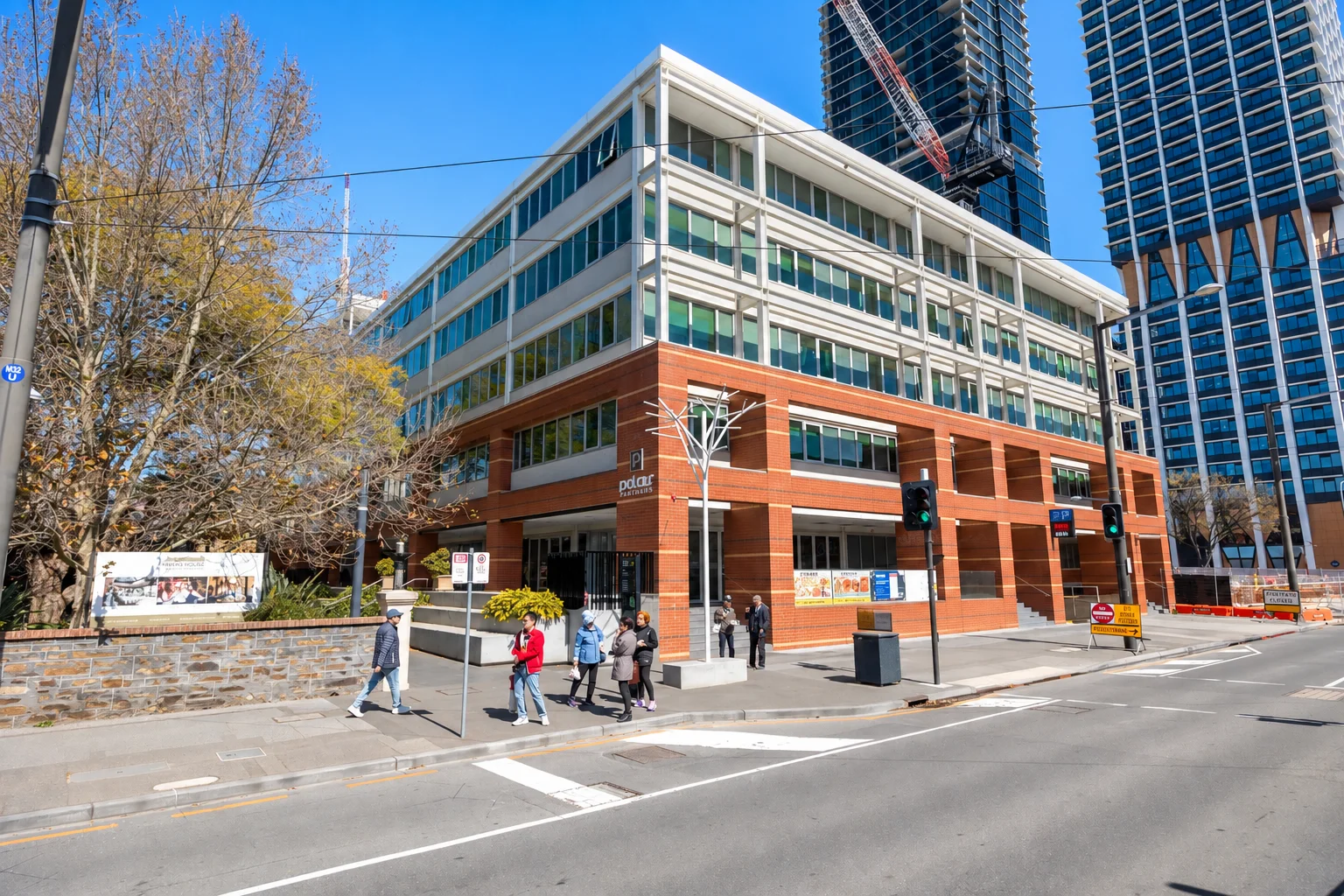 $545,000
Apartment / Unit / Flat
$545,000
Apartment / Unit / Flat