# Overview
St Bernadette’s School is a Catholic primary school in St Marys, South Australia. The school embraces a faith-based, family-oriented community and focuses on holistic development for every student.
- School type: Catholic
- School size: small to medium
- Class size: typically around 20–24 students per class
- Atmosphere/culture: nurturing, inclusive, and values-driven
---
# Academics & Learning
- Academic strengths: strong literacy and numeracy foundations, integrated religious education, and a focus on ICT literacy and critical thinking.
- Special programs: faith formation and Catholic identity integrated across the curriculum; leadership opportunities; provision for accelerated or gifted/talented learning as required.
- NAPLAN / trends: historical trends show steady performance with year-to-year improvement in key areas such as reading and numeracy; results align with state-level progress for primary schools.
- Student-teacher ratios: small to medium classes with supportive teacher-to-student ratios conducive to individualized attention.
- Support for diverse learners: targeted support for EAL learners and students with additional learning needs (SEN) through in-class support and learning support staff.
---
# Sports & Extracurricular Strengths
- Sports offered: soccer, netball, basketball, cricket, AFL, athletics, and other school-based activities; participation in local and regional community competitions.
- Strong teams or achievements: active school teams with opportunities to compete in district and SAPSASA events; emphasis on teamwork and development over win-at-all-costs.
- Music, arts, drama programs: school choir, instrumental music, and performance opportunities; drama and school productions are common parts of the arts program.
- Clubs: robotics, coding, chess, debating, and other STEM/academic clubs; opportunities to engage in extended learning beyond the classroom.
- Partnerships: connections with local clubs and community organizations for events, fixtures, and competitions.
---
# Wellbeing & Pastoral Care
- Anti-bullying approach: clear anti-bullying policies, digital safety education, and supportive pastoral care structures; emphasis on respect, empathy, and responsibility.
- House system: house/group structure to foster belonging, healthy competition, and intra-school spirit.
- Counsellors / wellbeing officers: access to school wellbeing staff and pastoral support to assist students with social, emotional, and academic needs.
- Transition support for new students: orientation activities, buddy systems, and targeted supports to help new families settle in.
---
# Facilities
- Sports grounds: well-maintained playing fields and courts for physical education and team sports.
- Libraries: age-appropriate library facilities supporting literacy and independent reading.
- Science labs: dedicated spaces for hands-on science and practical experiments.
- Music/performing arts centers: spaces for music practice, rehearsal, and performances.
- Tech/innovation labs: learning spaces with basic digital tools and STEM activities.
- Cafeteria: on-site canteen or dining area offering healthy meal options.
- Updated playgrounds: safe, age-appropriate outdoor play spaces.
---
# School Values & Community Culture
- School values / mission: faith-informed education emphasizing compassion, respect, responsibility, and service.
- Leadership style: supportive and collaborative with opportunities for student leadership and student voice within the school community.
- Behaviour expectations: clear codes of conduct and restorative practices to promote positive relationships.
- Community reputation: close-knit, friendly, and engaged with families; emphasis on partnership between school and home.
- Diversity & inclusion: welcoming environment that respects and celebrates diverse backgrounds and abilities.
---
# School Logistics & Daily Operations
- School hours: standard primary-day hours with potential after-school activities; before/after school care options may be available.
- Before/after school care: available in some cases; check local provision.
- Uniform requirements: school uniform with designated items; sports uniform for PE and games.
- Transport: bus routes or public transport access; convenient drop-off/pick-up arrangements.
- Canteen availability: on-site canteen or lunch options; focus on healthy choices.
- Fees: generally in the low-to-mid range for Catholic primary schools; additional costs may include voluntary contributions, excursions, and uniform items.
---
# Enrolment & Admissions
11. What is the enrolment process and timeline?
- Applications typically open well before intake year; families submit an online form with required documentation. Shortlisted applicants may be invited for an interview or meeting with a member of leadership; timelines vary by year level.
12. Is there a waiting list, and how does it work?
- Some intake years may have a waiting list depending on space. Waiting lists are managed by the school; priority may be given to siblings or parish-based criteria, with spaces allocated as available.
13. Are there any entry requirements, tests, or interviews?
- Entry usually involves documentation (birth certificate, immunisation records, proof of address) and an interview or meeting to discuss placement and fit. Formal academic testing is not typically required for primary entry, but assessments may occur if indicated.
14. Does the school accept mid-year transfers?
- Mid-year transfers are considered based on space and timetable compatibility; applications are reviewed promptly to support a smooth transition.
---
# Frequently Asked Questions
- Why Parents Choose This School?
- A strong sense of community, faith-based education, supportive teacher-student relationships, and a focus on holistic development.
- What type of student thrives at this school?
- Students who value community, faith, inclusive education, and collaborative learning environments.
- What opportunities are available for students to extend their skills (academics, sports, arts)?
- Enriched literacy and numeracy programs, leadership opportunities, STEM and coding clubs, arts programs, music ensembles, and a range of sports and SAPSASA involvement.
- How does the school communicate with parents?
- Newsletters, emails, parent portals, conferences, and annual school reports; regular updates on events and student progress.
- What is the school’s approach to teaching and learning?
- Student-centered, differentiated instruction that integrates faith, values, and ICT; emphasis on literacy, numeracy, and critical thinking.
- How does the school support students who need extra academic help?
- In-class support, targeted interventions, learning support staff, and access to EAL/SEN assistance as needed.
- What support is available for academic challenges?
- Early identification, tailored intervention plans, and ongoing teacher collaboration to monitor progress.
- How does the school communicate with parents? (duplicate question)
- See above: newsletters, portals, and meetings; open lines of communication are encouraged.
- What are the class sizes and how much individual attention do students receive?
- Classes typically around 20–24 students; teachers provide frequent feedback and opportunities for guided support.
- What extracurricular and sports opportunities are available?
- A broad range of sports (soccer, netball, basketball, cricket, AFL, athletics), clubs (robotics, coding, chess, debating), and arts programs (music, drama).
- What facilities does the school offer (sports, science, arts)?
- Sports grounds, libraries, science labs, music/performing arts spaces, technology labs, canteen, and updated playgrounds.
- What is the school’s approach to technology and digital learning?
- Integration of ICT across learning, use of digital tools and resources, and safe, age-appropriate digital learning practices.
- What transport and accessibility options are available?
- Local bus routes and public transport access; designated drop-off/pick-up areas and accessibility considerations.
- What are typical school fees or additional costs?
- Fees are in the low-to-mid range for Catholic primary schools; additional costs may include uniforms, excursions, and optional activities.
---
# Short Pros & Cons list
- Pros
- Strong sense of community and faith-based values
- Supportive, small-to-medium class environments enabling individual attention
- Holistic focus on academics, wellbeing, and character development
- Broad range of extracurriculars and clubs
- Active pastoral care and student leadership opportunities
- Cons
- Religious affiliation may not align with all families
- As a smaller school, some specialised programs may be more limited than larger schools
- Availability of certain electives or high-level specialist tracks may vary by year
---
If you’d like, I can tailor these sections further with more precise details you provide from the school or adjust tone for a specific audience (e.g., families with Australian Catholic schooling preferences, or International readers).








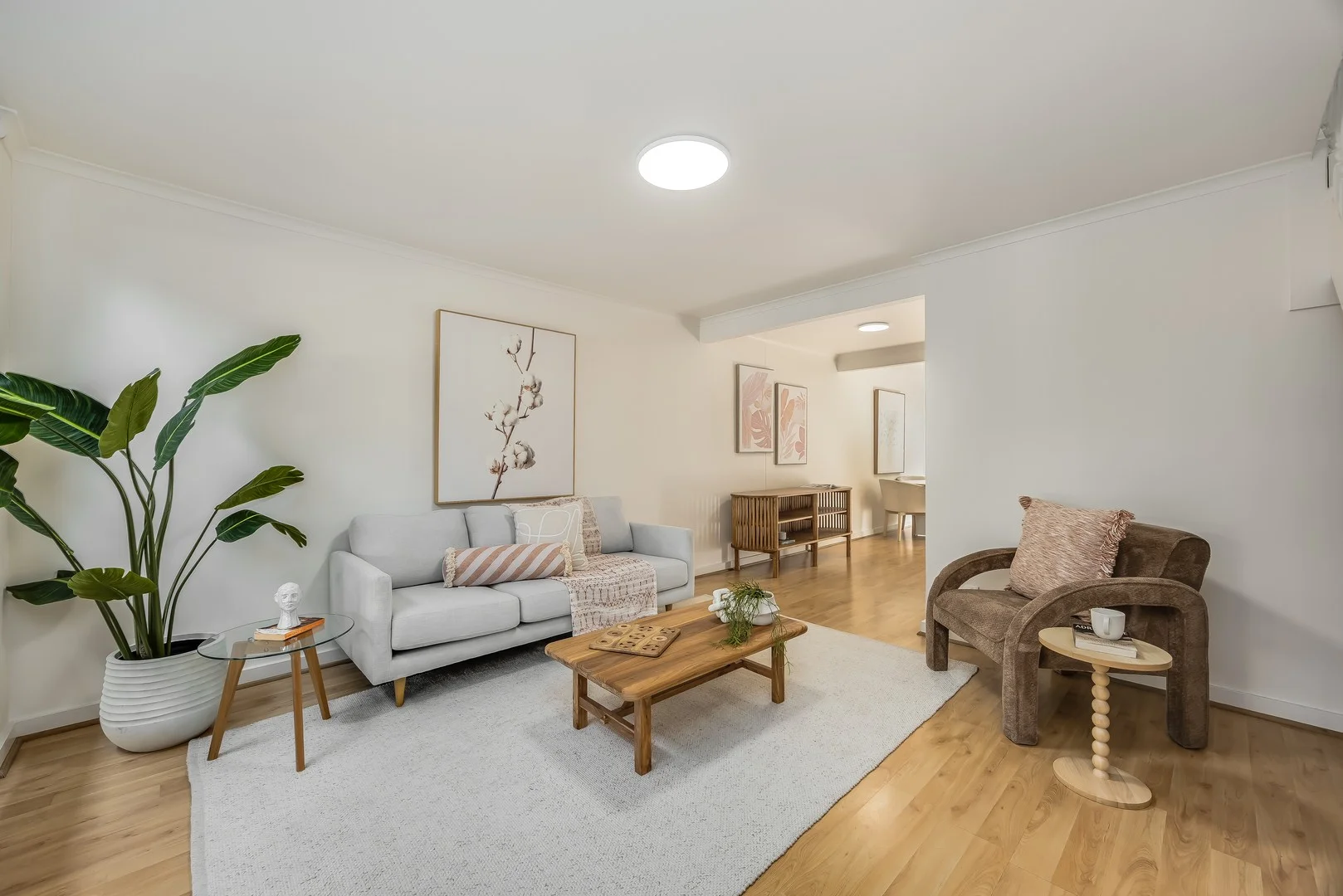 $775,000
House
$775,000
House
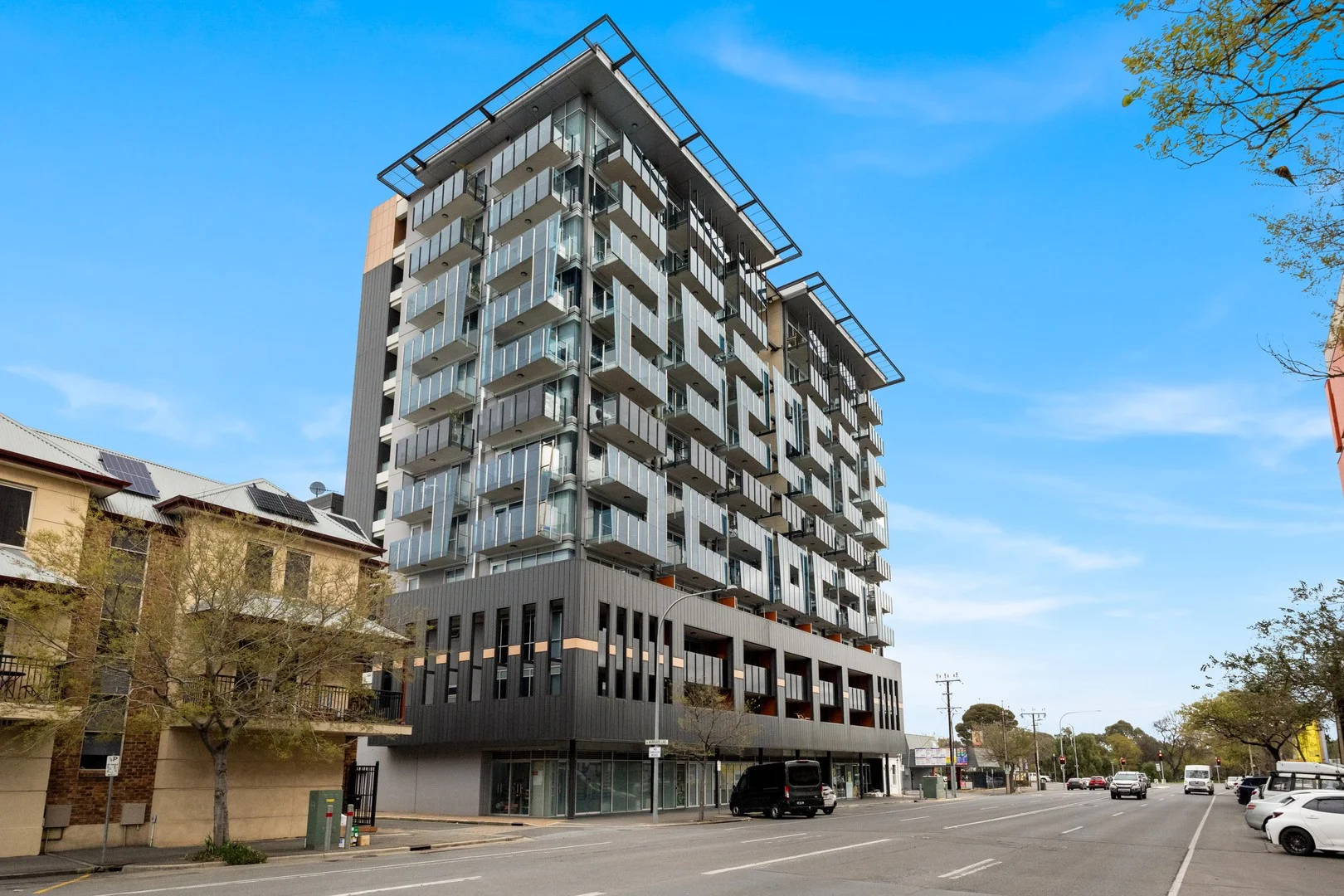 $1,100,000
Apartment / Unit / Flat
$1,100,000
Apartment / Unit / Flat
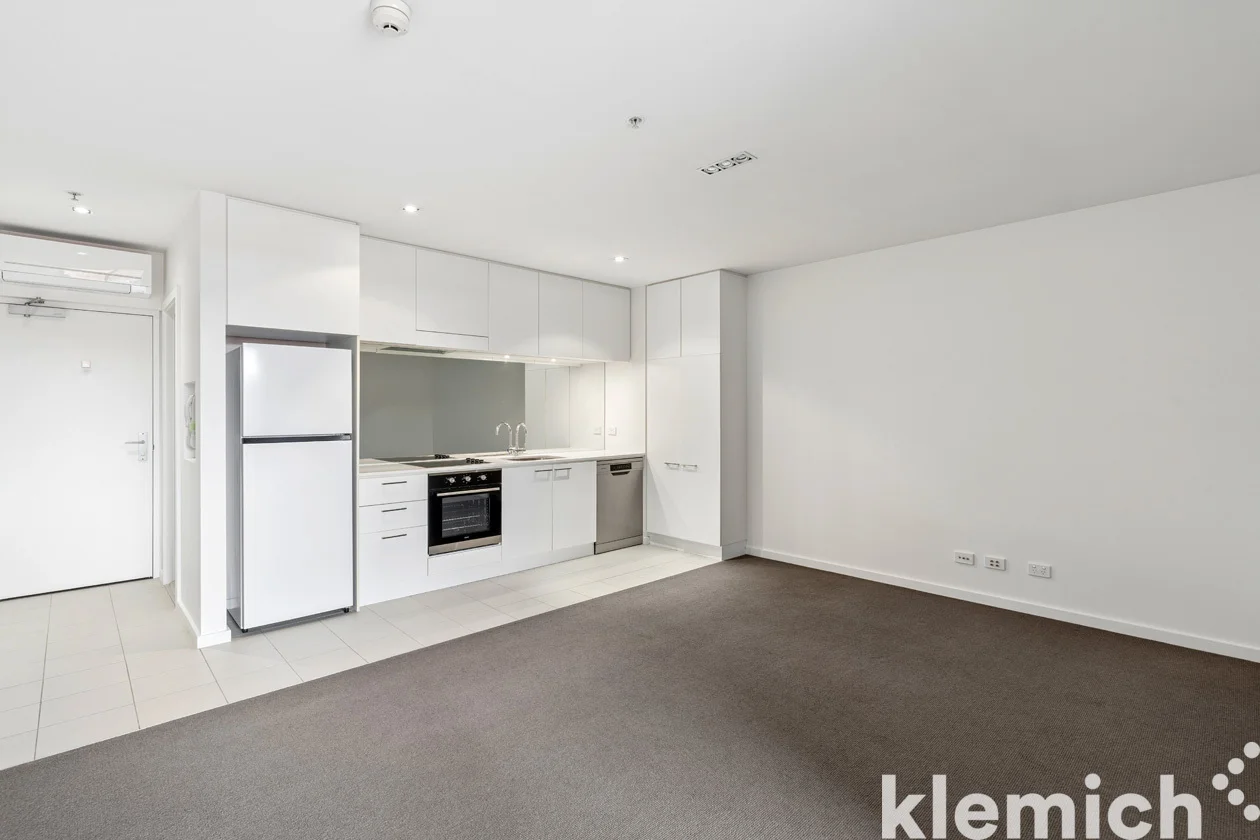 $440,000
Apartment / Unit / Flat
$440,000
Apartment / Unit / Flat
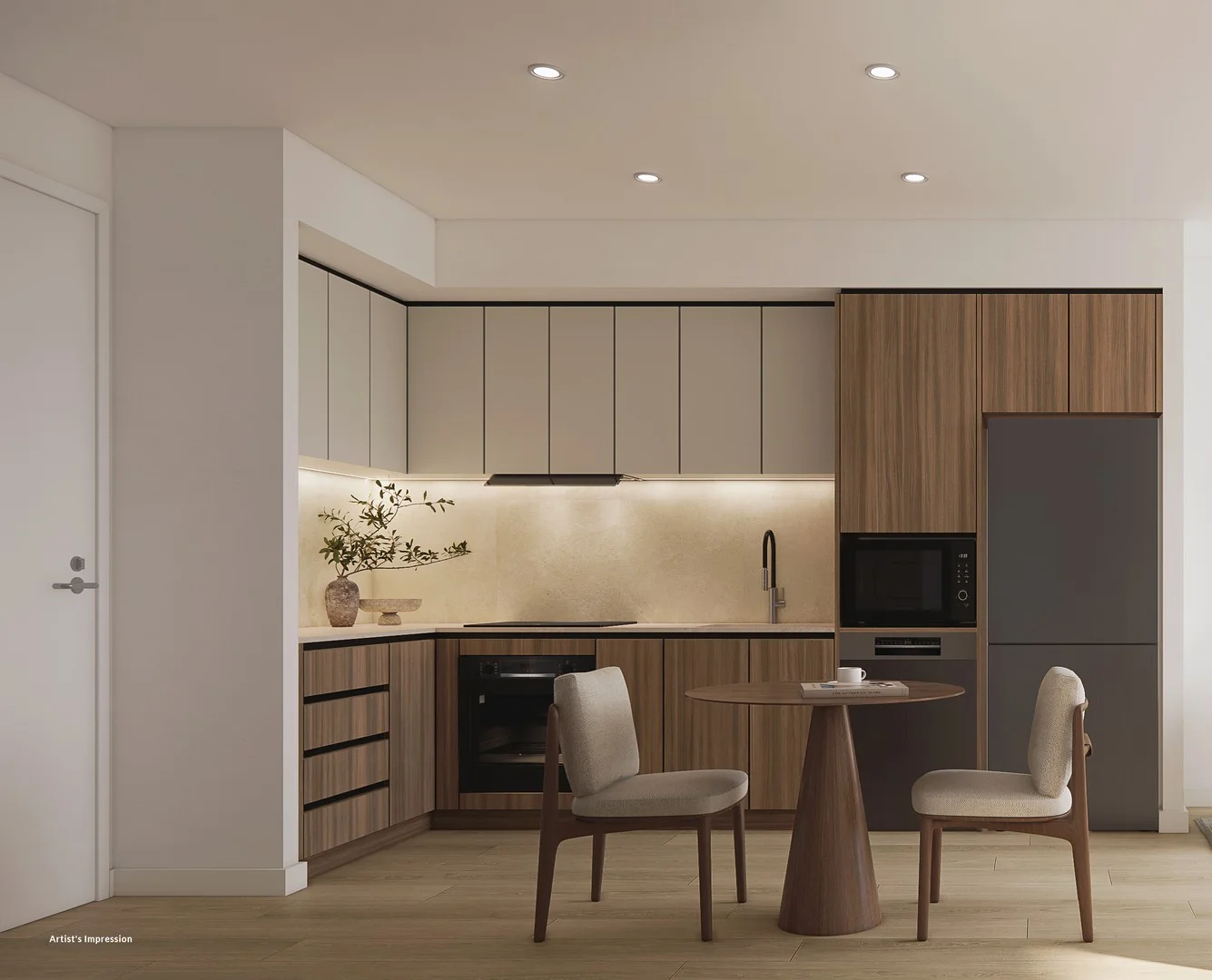 $557,000
Apartment / Unit / Flat
$557,000
Apartment / Unit / Flat
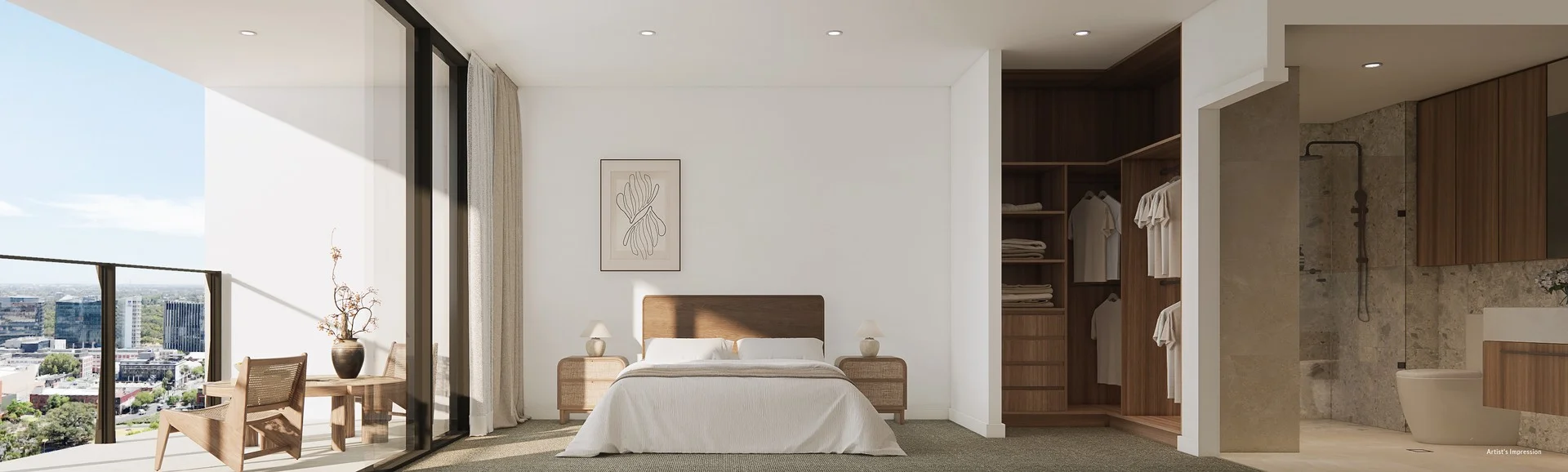 $1,056,000
Apartment / Unit / Flat
$1,056,000
Apartment / Unit / Flat
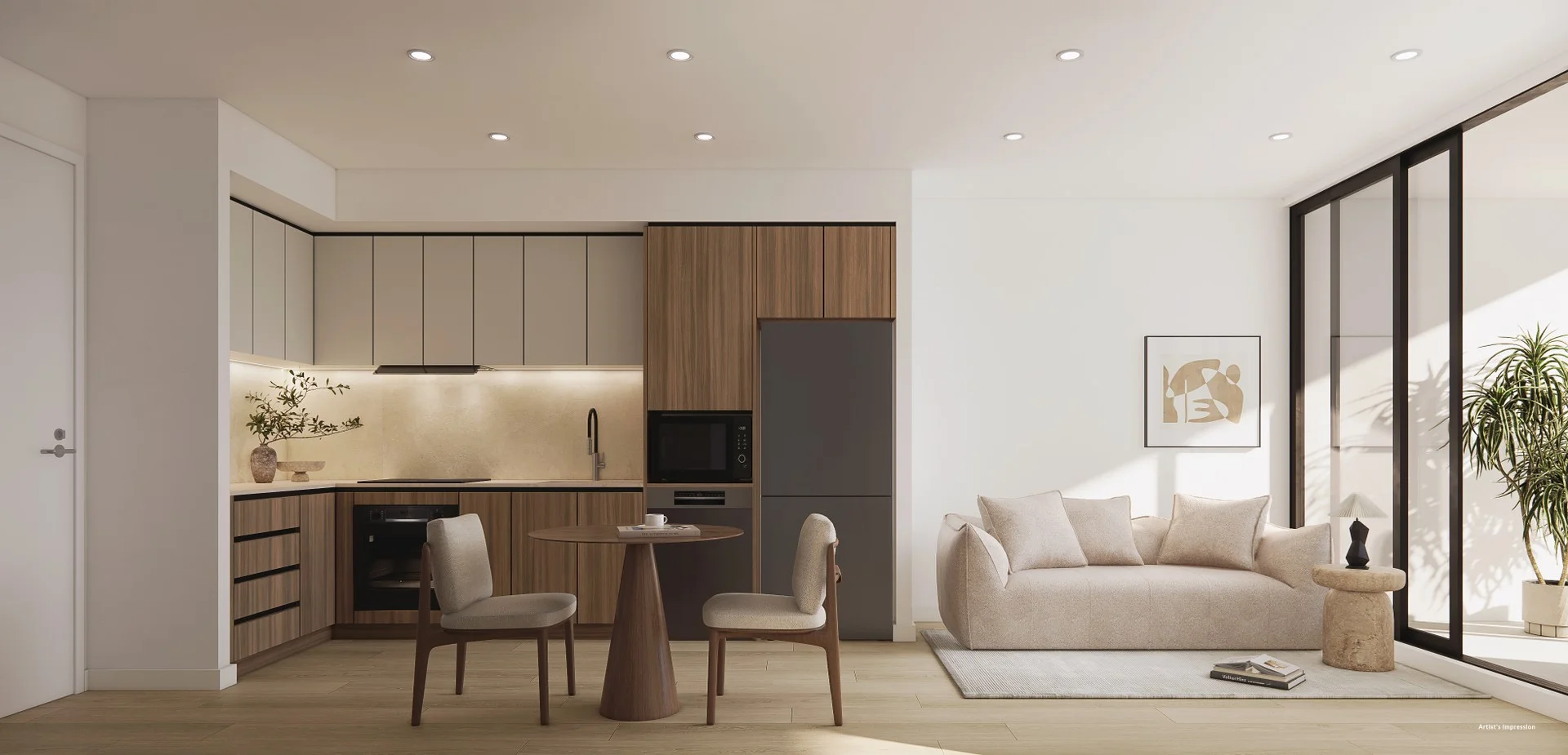 $588,000
Apartment / Unit / Flat
$588,000
Apartment / Unit / Flat
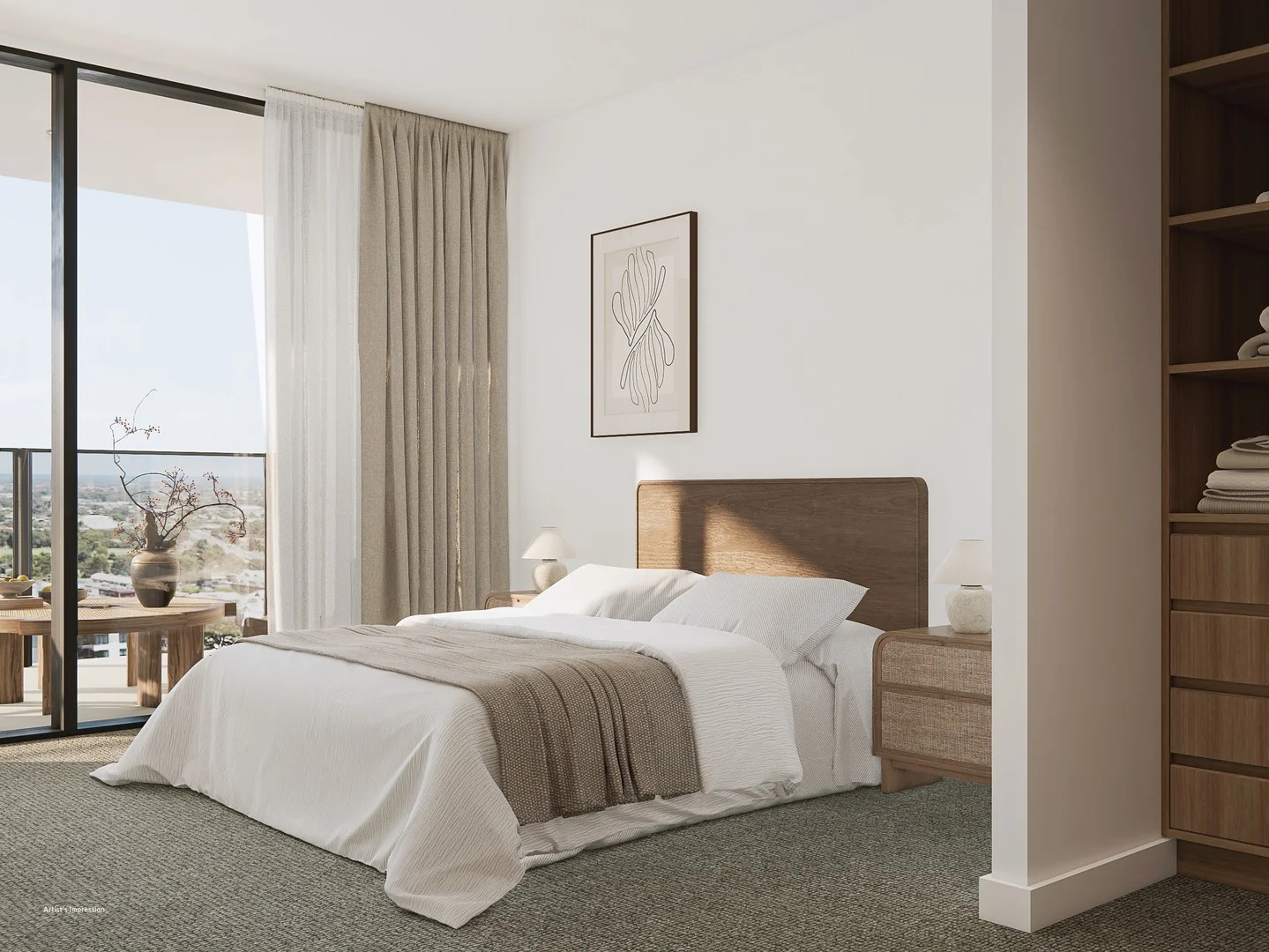 $935,000
Apartment / Unit / Flat
$935,000
Apartment / Unit / Flat
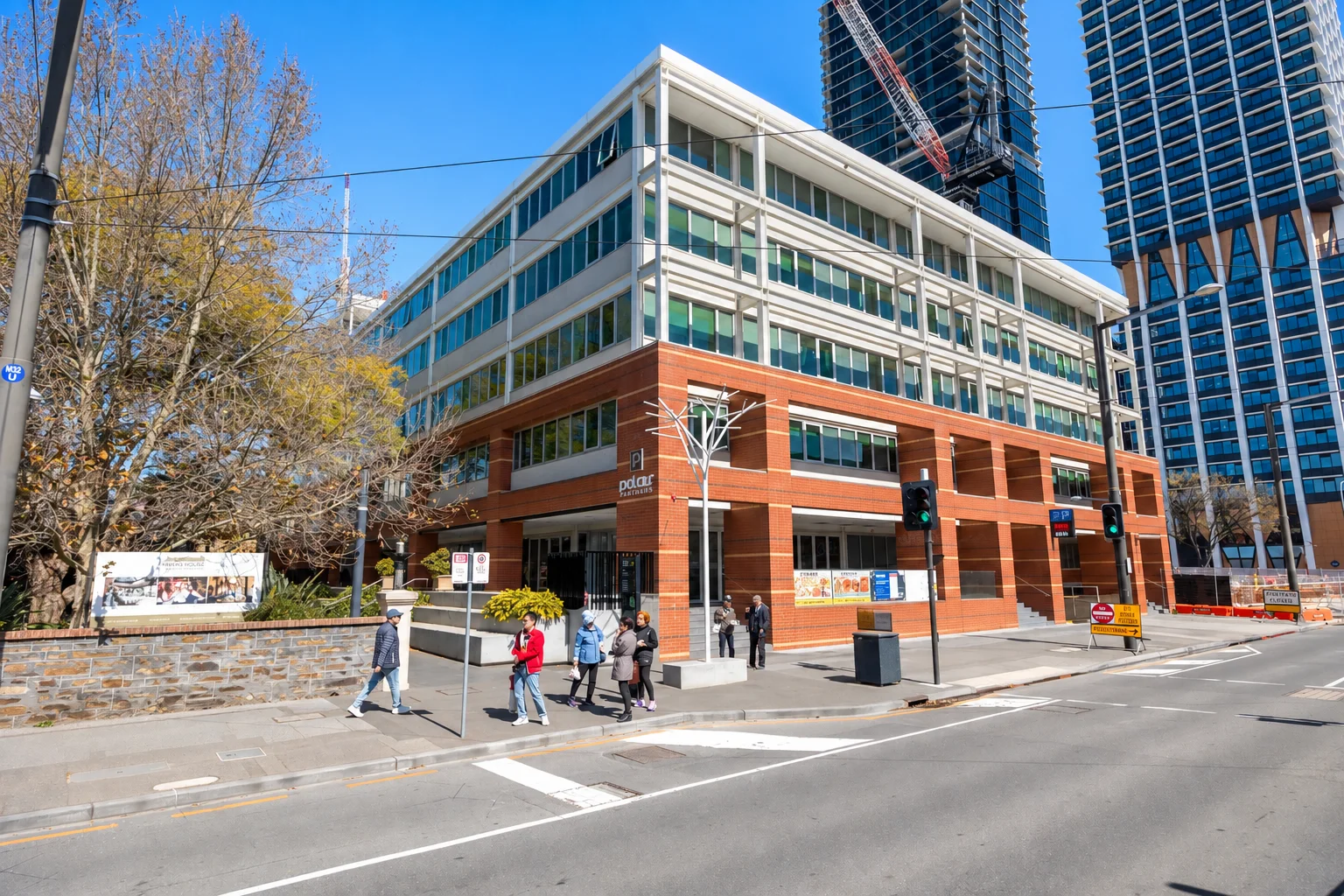 $545,000
Apartment / Unit / Flat
$545,000
Apartment / Unit / Flat