1. Overview
Balgowlah Heights Public School is a public primary school serving students from Kindergarten to Year 6 in the Northern Beaches region. The school is part of the NSW Department of Education and focuses on providing an inclusive, caring learning environment that supports academic growth, wellbeing and active participation in the school community.
The school size is small to medium, with multiple classes across the year. Class sizes are typically in the mid-20s, allowing for more targeted instruction and opportunities for student involvement. The atmosphere is nurturing, inclusive and community‑minded, emphasising teamwork, student wellbeing and a balanced approach to learning.
⸻
2. Academics & Learning
- Academic strengths: Strong foundations in literacy and numeracy, with opportunities to explore STEAM, creative writing and critical thinking across the curriculum.
- Special programs: Access to Gifted and Talented (GT) opportunities and extension activities, along with integrated technology and project-based learning experiences.
- NAPLAN trends: NSW NAPLAN data is tracked over time; trend information is typically available via the NSW My School portal for the school’s cohort progress and direction.
- Student-teacher ratios: Class structures are designed to support effective teaching, with small-to-moderate class sizes enabling closer student-teacher interaction.
- Support for diverse learners: Dedicated support for English as an Additional Language (EAL) learners and students with additional learning needs (SEN), with targeted interventions and inclusive practices.
⸻
3. Sports & Extracurricular Strengths
- Sports offered: A range of team and individual sports, including soccer, netball, cricket, athletics and swimming programs.
- Strong teams or achievements: Regular participation in inter-school and district competitions, with opportunities for students to represent the school in several sports.
- Music, arts, drama programs: Active music and performing arts programs, school productions, and opportunities to participate in ensembles and choir.
- Clubs: Robotics, coding, chess, debating and other-interest clubs available to extend learning beyond the classroom.
- Partnerships: Connections with local community clubs and inter-school events for broader competitive opportunities and experiences.
⸻
4. Wellbeing & Pastoral Care
- Anti-bullying approach: Whole-school wellbeing framework with clear anti-bullying policies, student-led initiatives and proactive supervision.
- House system: House groups support pastoral care, peer mentoring and school events, fostering belonging and healthy competition.
- Counsellors / wellbeing officers: Access to school wellbeing staff to support emotional health, resilience and social development.
- Transition support for new students: Orientation programs, buddy systems and targeted support to ease transitions into the school.
⸻
5. Facilities
- Sports grounds
- Libraries
- Science labs
- Music/performing arts centers
- Tech/innovation labs
- Cafeteria
- Updated playgrounds
⸻
6. School Values & Community Culture
- School values / mission: Emphasis on respect, responsibility, resilience, inclusion and community participation.
- Leadership style: Shared leadership opportunities for students (e.g., student councils, peer mentoring) supported by committed teaching staff.
- Behaviour expectations: Clear, consistently applied behavioural expectations aligned with the school’s wellbeing framework.
- Community reputation: Known for a welcoming, family-friendly atmosphere and active involvement from families and local partners.
- Diversity & inclusion: A commitment to an inclusive environment that supports diverse backgrounds and learning needs.
⸻
7. School Logistics & Daily Operations
- School hours: Regular school day with start and finish times aligned to NSW public school schedules.
- Before/after school care: Availability of before/after school care options or programs (OSHC or equivalent) in the local area.
- Uniform requirements: School uniform policy with prescribed clothing and accessories; details provided by the school.
- Transport (bus routes): Access to local public transport options and school transport arrangements; information on routes available from the school or local transport authorities.
- Canteen availability: Canteen or canteen services on selected days; details provided by the school.
- Fees (low/medium/high ranges): Public school funding means minimal compulsory fees; possible costs for excursions, activities or voluntary contributions outside standard coverage.
⸻
8. Enrolment & Admissions
11. What is the enrolment process and timeline?
- Check your catchment eligibility and prepare documents (birth certificate, immunisation records, proof of address, etc.).
- Submit an enrolment application through the NSW public school process for the relevant year level.
- The school will guide you on required documents, timelines and any testing or interview requirements if applicable, and the expected notification of placement.
12. Is there a waiting list, and how does it work?
- Some year levels or out-of-area requests may have waitlists depending on capacity.
- Waiting lists are typically managed by the NSW Department of Education and school administration, with priority given to in-catchment applicants and siblings where applicable.
13. Are there any entry requirements, tests, or interviews?
- Public primary schools in NSW generally do not require entrance tests.
- There may be informational sessions, tours or interviews in specific circumstances (e.g., out-of-area requests or documentation checks).
- Immunisation requirements and proof of address are usually requested as part of enrolment.
14. Does the school accept mid-year transfers?
- Yes, subject to space and timetabling needs.
- Families seeking mid-year transfers should contact the school promptly to discuss availability and the enrolment process.
⸻
9. Frequently Asked Questions
- Why Parents Choose This School?
- Public, small-to-medium community school with a focus on wellbeing and inclusive education, plus opportunities across academics, sports and arts.
- What type of student thrives at this school?
- Students who are curious, collaborative, resilient and engaged in both academics and active school life.
- What opportunities are available for students to extend their skills (academics, sports, arts)?
- Gifted and Talented programs, extended learning options, sports teams, music and performing arts programs, robotics and coding clubs, debating and other clubs.
- How does the school communicate with parents?
- Regular updates via newsletters, notices, emails and parent-teacher meetings; information shared through the school website and community events.
- What is the school’s approach to teaching and learning?
- Student-centered learning with explicit instruction, differentiation, integration of digital literacy and a focus on wellbeing and inclusion.
- How does the school support students who need extra academic help?
- Targeted support through EAL and SEN programs, in-class differentiation, learning support staff and intervention strategies.
- What support is available for academic challenges?
- Additional tutoring, small-group withdrawal or in-class support, and collaboration with families to monitor progress.
- How does the school communicate with parents? (Yes, repeated)
- See above: newsletters, emails, meetings, and digital channels used by the school.
- What are the class sizes and how much individual attention do students receive?
- Class sizes are generally in the mid-20s, with teachers providing individual and small-group support as part of normal instruction.
- What extracurricular and sports opportunities are available?
- A broad range of sports, music and arts programs, plus clubs such as robotics, coding, chess and debating.
- What facilities does the school offer (sports, science, arts)?
- Comprehensive facilities including sports grounds, libraries, science labs, music/performing arts spaces, tech/innovation labs, a canteen and updated playgrounds.
- What is the school’s approach to technology and digital learning?
- Integrated digital literacy and technology across the curriculum, with access to devices, coding clubs and related activities.
- What transport and accessibility options are available?
- Local bus services and walking/cycling options; information on routes and accessibility provided by the school and local transport authorities.
- What are typical school fees or additional costs?
- As a public school, compulsory fees are limited; additional costs may include excursions, activities and voluntary contributions.
⸻
10. Short Pros & Cons list
- Pros
- Public, community-focused school with a nurturing environment
- Strong focus on wellbeing and inclusive education
- Broad range of academics, sports, arts and clubs
- Support for diverse learners (EAL, SEN)
- Active involvement with local community and inter-school opportunities
- Cons
- Larger, formal systems may limit some specialist program availability compared to private/independent schools
- Mid-year transfers depend on space and timetabling
- Some programs may require additional costs for excursions or extracurriculars
⸻







 $2,824,000
Apartment / Unit / Flat
$2,824,000
Apartment / Unit / Flat
 $26,550,000
propertyType.NEW APARTMENTS / OFF THE PLAN
$26,550,000
propertyType.NEW APARTMENTS / OFF THE PLAN
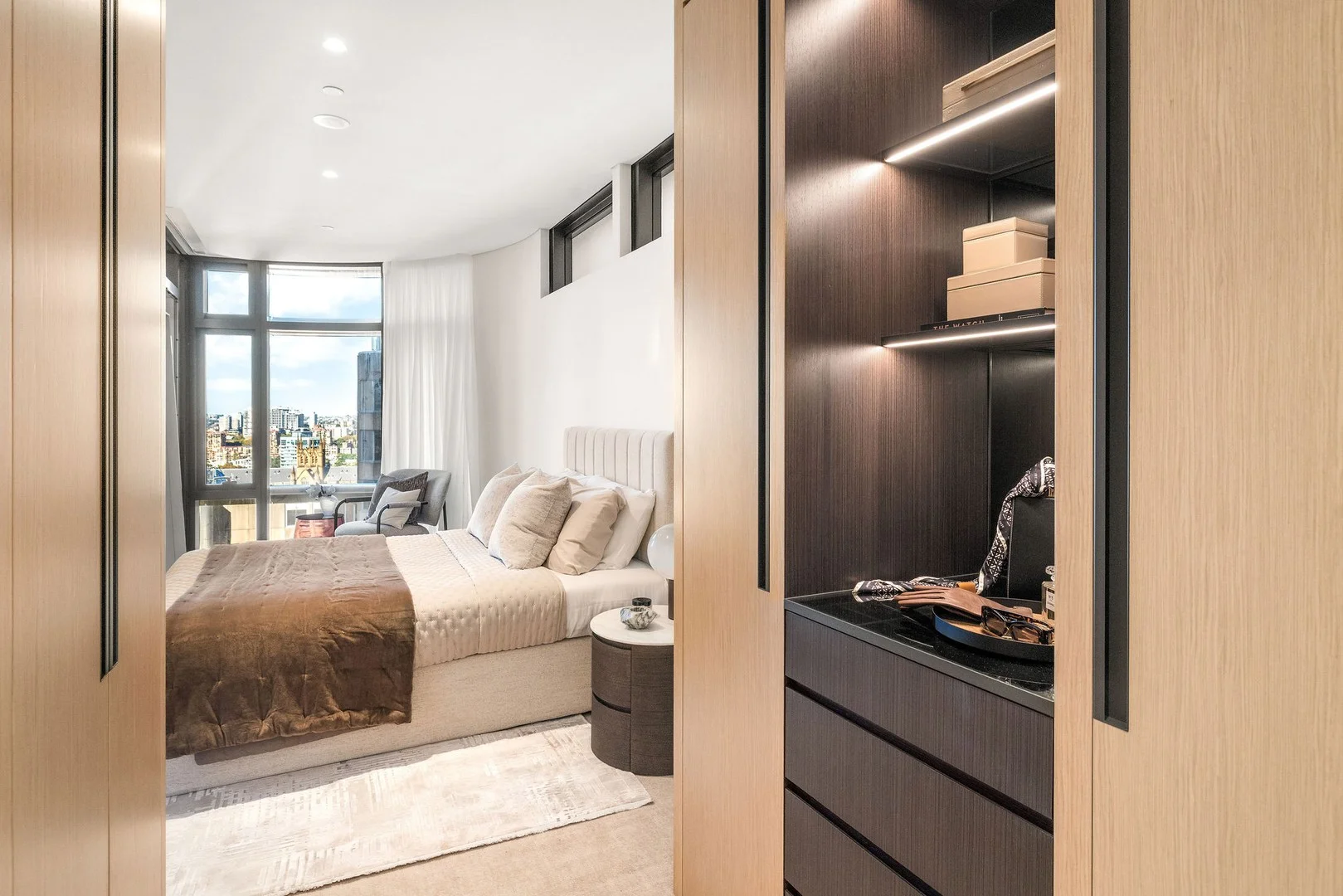 $2,745,000
propertyType.NEW APARTMENTS / OFF THE PLAN
$2,745,000
propertyType.NEW APARTMENTS / OFF THE PLAN
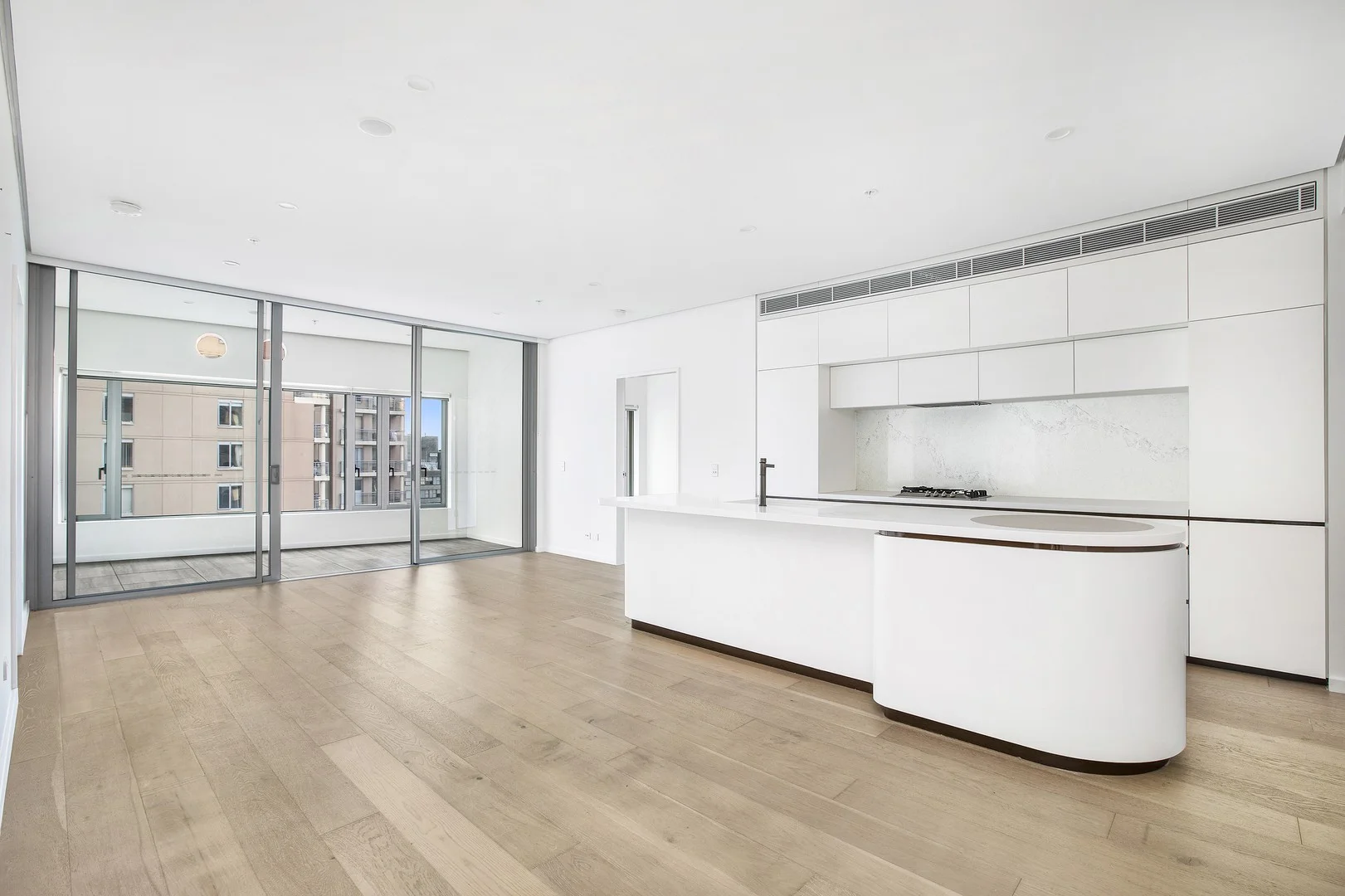 $2,250,000
Apartment / Unit / Flat
$2,250,000
Apartment / Unit / Flat
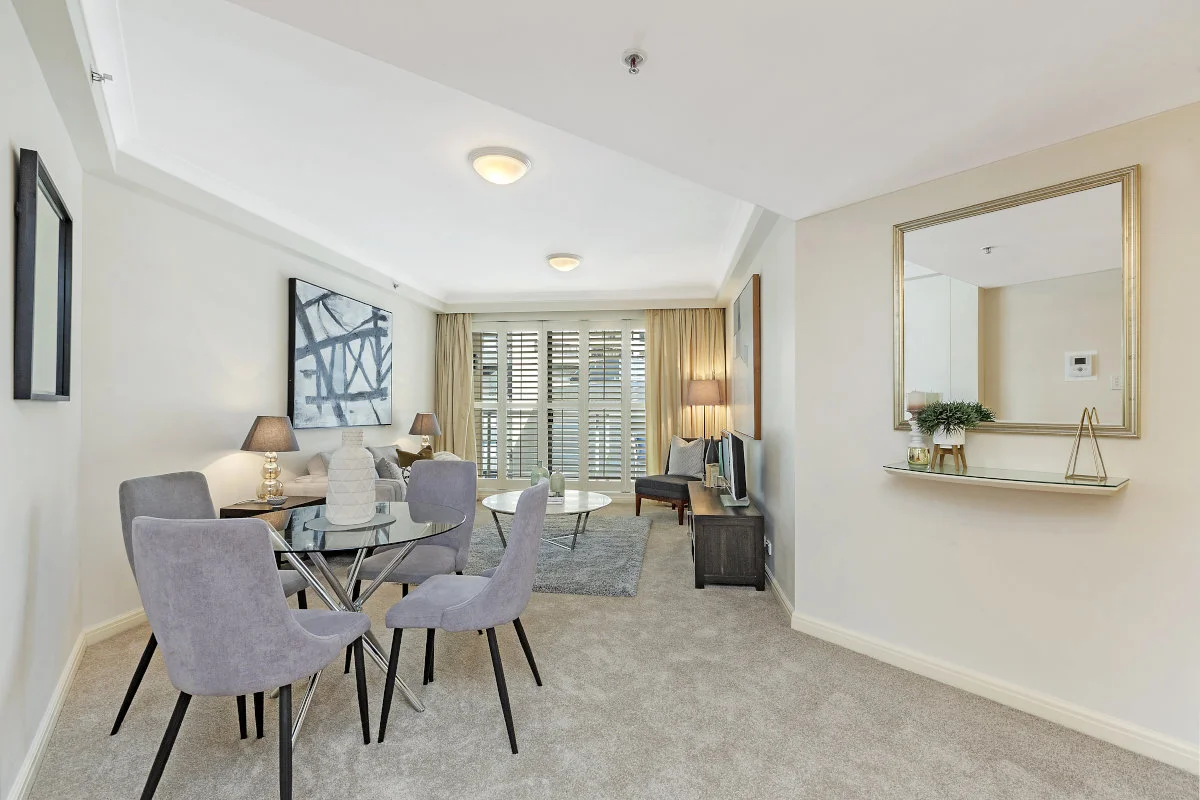 $660,000 - $725,000
Apartment / Unit / Flat
$660,000 - $725,000
Apartment / Unit / Flat
 $8,630,000
propertyType.NEW APARTMENTS / OFF THE PLAN
$8,630,000
propertyType.NEW APARTMENTS / OFF THE PLAN
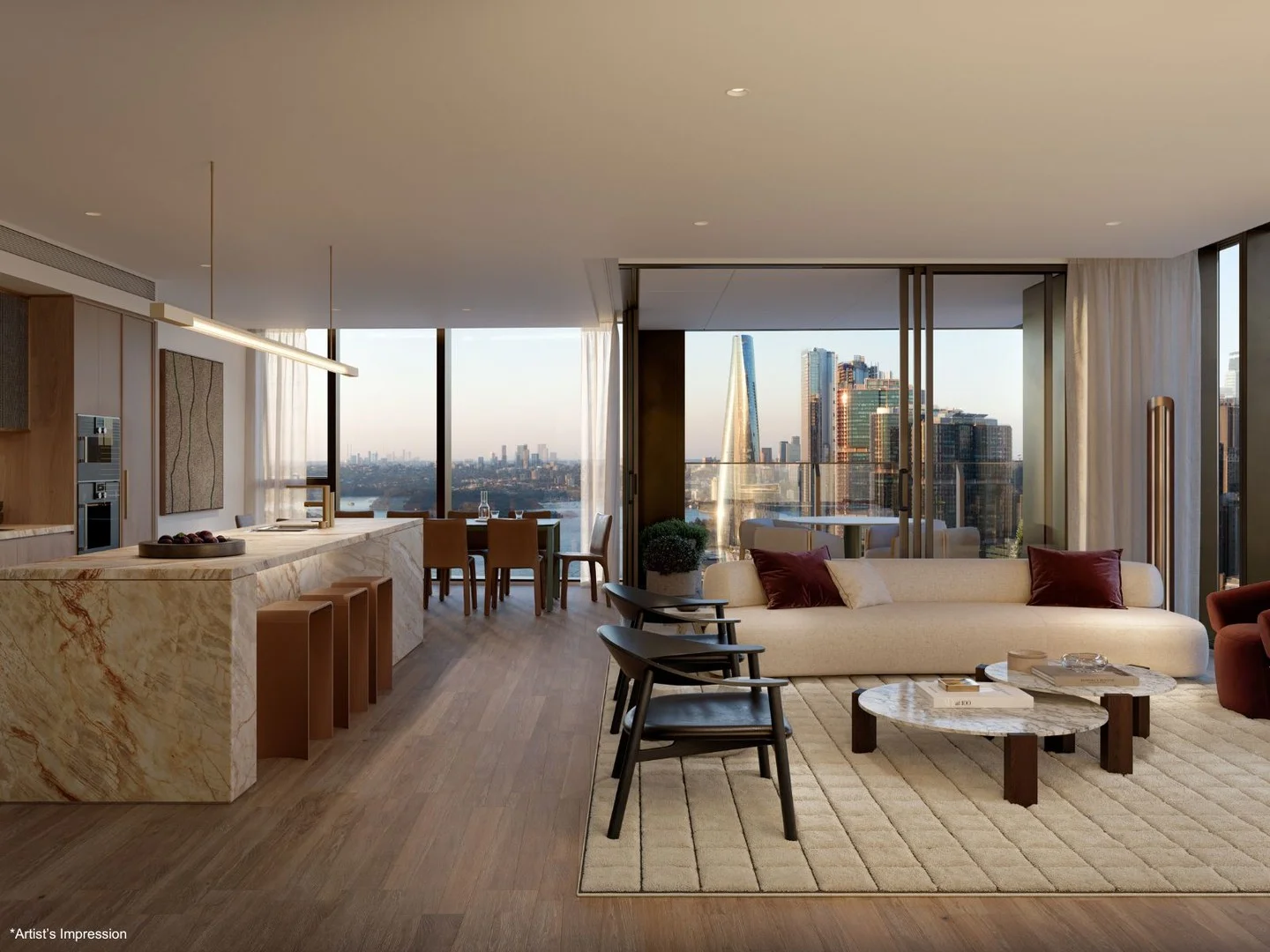 $12,980,000
propertyType.NEW APARTMENTS / OFF THE PLAN
$12,980,000
propertyType.NEW APARTMENTS / OFF THE PLAN
 $6,225,000
propertyType.NEW APARTMENTS / OFF THE PLAN
$6,225,000
propertyType.NEW APARTMENTS / OFF THE PLAN
 $9,020,000
propertyType.NEW APARTMENTS / OFF THE PLAN
$9,020,000
propertyType.NEW APARTMENTS / OFF THE PLAN


