## 1. Overview
Beauty Point Public School is a public primary school located in Mosman, NSW, offering Kindergarten to Year 6 education. The school emphasises an inclusive, community-focused approach with strong support for student well-being and learning. It tends to be small to medium in size, which supports intimate class environments and close relationships between students, families, and staff. Class sizes are typically in the mid-teens to low-20s, contributing to a nurturing atmosphere where students can grow academically and socially.
The atmosphere at Beauty Point Public School is described as nurturing and inclusive, with a commitment to high standards across the curriculum and a broad range of extra-curricular and wellbeing opportunities. The school aims to celebrate diversity and involve families and the local community in the learning journey.
## 2. Academics & Learning
- Academic strengths: focus on strong literacy and numeracy foundations, with opportunities to develop in STEM, creative thinking, and practical problem-solving. The school emphasizes a well-rounded curriculum that supports students to explore and apply knowledge across subjects.
- Special programs: opportunities for gifted and talented learners and participation in school-wide enrichment activities; provision for differentiated instruction to meet diverse learner needs.
- NAPLAN / trends: historically, the school aims for stable or improving performance in key areas (reading, writing, numeracy) across year levels; trends are monitored to guide teaching and support.
- Student-teacher ratios: generally maintains small-to-moderate class sizes, with supportive teacher-to-student ratios typical of a quality primary setting.
- Support for diverse learners: dedicated support for EAL (English as an Additional Language) learners and students with additional learning needs (SEN), including targeted interventions and in-class support.
## 3. Sports & Extracurricular Strengths
- Sports offered: a range of school sports suitable for primary students, with opportunities to participate in competitive and non-competitive activities according to season and interest.
- Strong teams or achievements: participation in local and district level activities is encouraged; there are opportunities to contribute to school pride through team involvement.
- Music, arts, drama programs: active engagement in music and performing arts, with opportunities to perform and develop stage presence and creativity.
- Clubs: robotics, coding, chess, debating, and other enrichment clubs are available to extend learning beyond the core curriculum.
- Partnerships: connections with local clubs, community groups, and competitions to broaden experience and representation in sport, technology, and the arts.
## 4. Wellbeing & Pastoral Care
- Anti-bullying approach: whole-school welfare programs that promote respectful relationships, with clear expectations and restorative practices.
- House system: a house structure supports belonging, healthy competition, and peer support across year levels.
- Counsellors / wellbeing officers: access to wellbeing professionals to support social-emotional learning, resilience, and mental health.
- Transition support for new students: orientation activities, buddy systems, and targeted supports to help students settle in smoothly.
## 5. Facilities
- Sports grounds: dedicated outdoor space for physical activity and sports.
- Libraries: a library that supports reading for pleasure and information literacy.
- Science labs: facilities to support hands-on science learning and inquiry.
- Music/performing arts centers: spaces for music, drama, and performances.
- Tech/innovation labs: learning spaces that support technology and digital projects.
- Cafeteria: on-site canteen or cafe-style options that promote healthy choices.
- Updated playgrounds: modern, safe play areas for breaktimes and active play.
## 6. School Values & Community Culture
- School values / mission: emphasis on respect, responsibility, inclusivity, curiosity, and a love of learning.
- Leadership style: collaborative and student-centered, with opportunities for student leadership and voice through class roles and activities.
- Behaviour expectations: clear standards for conduct, supported by consistent routines and restorative practices where needed.
- Community reputation: regarded as a welcoming, family-friendly school with active parent involvement and partnerships.
- Diversity & inclusion: commitment to embracing diverse backgrounds and ensuring all students feel valued and supported.
## 7. School Logistics & Daily Operations
- School hours: typical school day runs during standard NSW hours with start and finish times aligned to the primary school schedule.
- Before/after school care: OSHC or other caregiver services may be available to support families with before and after-school needs.
- Uniform requirements: school uniform is standard, typically including navy and white attire with school-branded items; details provided by the school.
- Transport (train/bus routes): accessible by local bus services and other public transport options; drop-off and pick-up arrangements are guided by the school and local infrastructure.
- Canteen availability: a canteen or snack service is available, offering healthy options for students.
- Fees (low/medium/high ranges): as a public school, core education is funded through the NSW Department of Education; additional costs may include approved excursions, specific activity levies, or optional programs.
## 8. Enrolment & Admissions
11. What is the enrolment process and timeline?
- Enrolment is managed through the NSW Department of Education process. Families typically submit an application for enrolment for the intake year, with timelines defined by the Department. The school will communicate the outcome and any next steps, including orientation if offered.
12. Is there a waiting list, and how does it work?
- Some year levels may have limited places. If places are full, families may be placed on a waiting list. The school will notify families if a position becomes available and the placement timeline.
13. Are there any entry requirements, tests, or interviews?
- For primary enrolments, entry requirements are generally documentation and eligibility checks rather than entrance tests. Interviews are not typically required for K-6 enrolments, though some cases may involve brief transitions or information sessions.
14. Does the school accept mid-year transfers?
- Mid-year transfers are possible if there are vacancies and the NSW Department of Education procedures are followed. Applicants should contact the school early to discuss availability and required documentation.
## 9. Frequently Ask Questions
- Why Parents Choose This School?
- A strong sense of community, supportive staff, a focus on holistic development, and a nurturing learning environment.
- What type of student thrives at this school?
- Students who value a close-knit, inclusive community, strong teacher-student relationships, and opportunities to participate in a well-rounded program.
- What opportunities are available for students to extend their skills (academics, sports, arts)?
- Enrichment through gifted and talented pathways, STEM and coding clubs, language and arts programs, sports teams, and performing arts opportunities.
- How does the school communicate with parents?
- Regular updates via newsletters and online portals, parent-teacher meetings, and direct contact from teachers when needed.
- What is the school’s approach to teaching and learning?
- Student-centered, differentiated instruction that supports inquiry, collaboration, and the use of practical experiences to reinforce learning.
- How does the school support students who need extra academic help?
- Targeted small-group interventions, in-class support, EAL and SEN assistance, and access to wellbeing and learning support staff.
- What support is available for academic challenges?
- Additional tutoring or intervention programs, progress monitoring, and tailored plans to address learning gaps.
- How does the school communicate with parents?
- See above: ongoing channels include newsletters, portals, and formal and informal meetings.
- What are the class sizes and how much individual attention do students receive?
- Class sizes are typically small to medium (approximately 20–24 students), with regular opportunities for individualized feedback and teacher support.
- What extracurricular and sports opportunities are available?
- A range of sports, music and arts programs, and clubs such as robotics, coding, chess, and debating, plus opportunities to participate in district events.
- What facilities does the school offer (sports, science, arts)?
- Sports grounds, libraries, science laboratories, music/performing arts spaces, technology/innovation labs, a canteen, and updated playgrounds.
- What is the school’s approach to technology and digital learning?
- Integration of digital tools to support learning, with emphasis on digital citizenship and safe use of technology in classroom activities.
- What transport and accessibility options are available?
- Access to local bus routes and public transport, with appropriate arrangements for drop-off and pick-up and accessible facilities as appropriate.
- What are the typical school fees or additional costs?
- Core education is funded publicly; additional costs may include approved excursions, activity levies, and optional programs or materials.
## 10. Short Pros & Cons list
- Pros
- Close-knit, inclusive community with strong support for well-being.
- Small-to-medium class sizes that enable more individualized attention.
- Broad range of academic, arts, and sports opportunities.
- Active student leadership, clubs, and enrichment programs.
- Positive emphasis on values, respect, and inclusion.
- Cons
- As a smaller school, there may be fewer specialized programs than larger schools.
- Availability of certain programs may depend on term/year level and student interest.
- Some families may seek broader district-level competition or larger cohort activities that come with bigger schools.












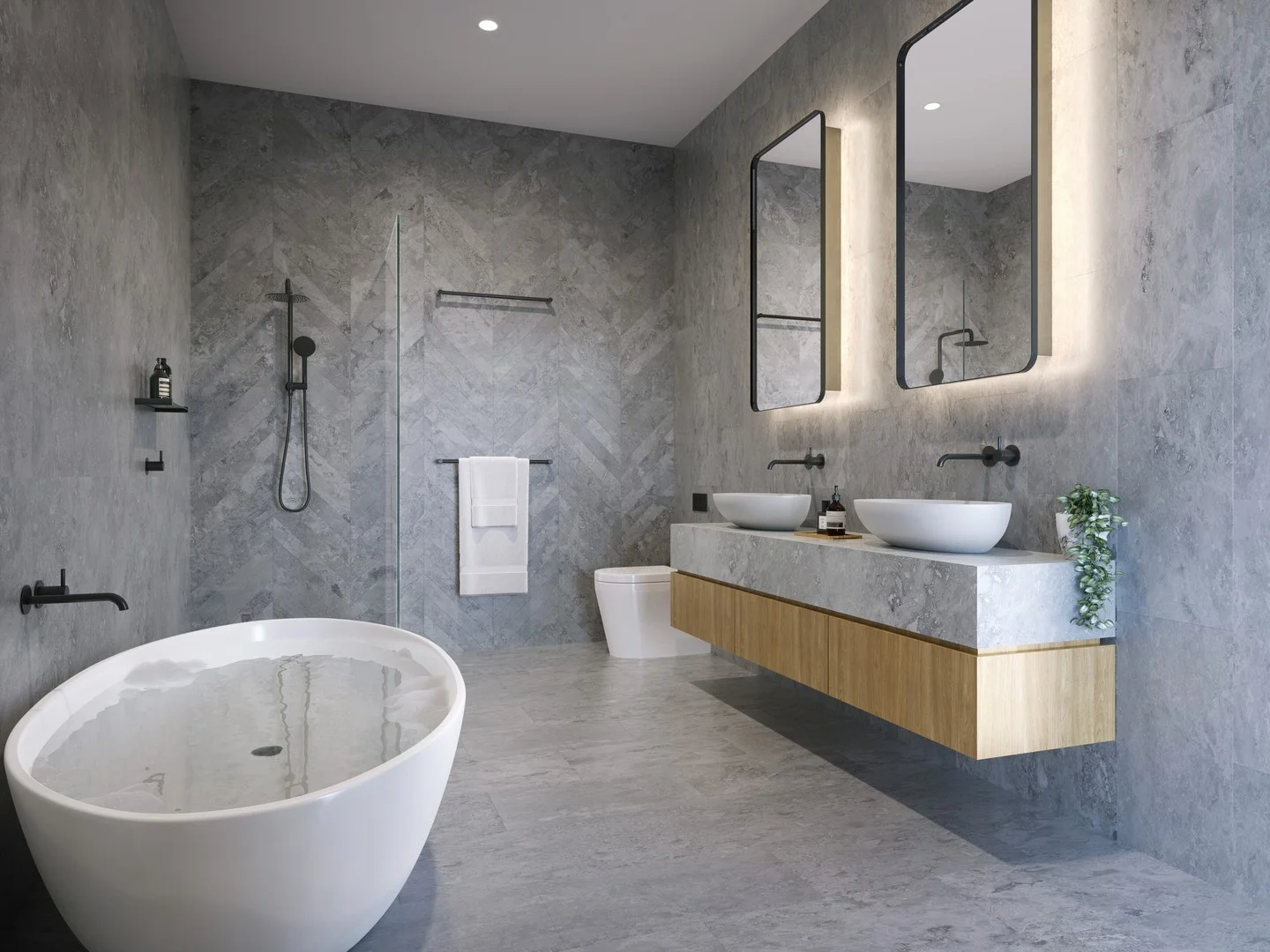 $2,824,000
Apartment / Unit / Flat
$2,824,000
Apartment / Unit / Flat
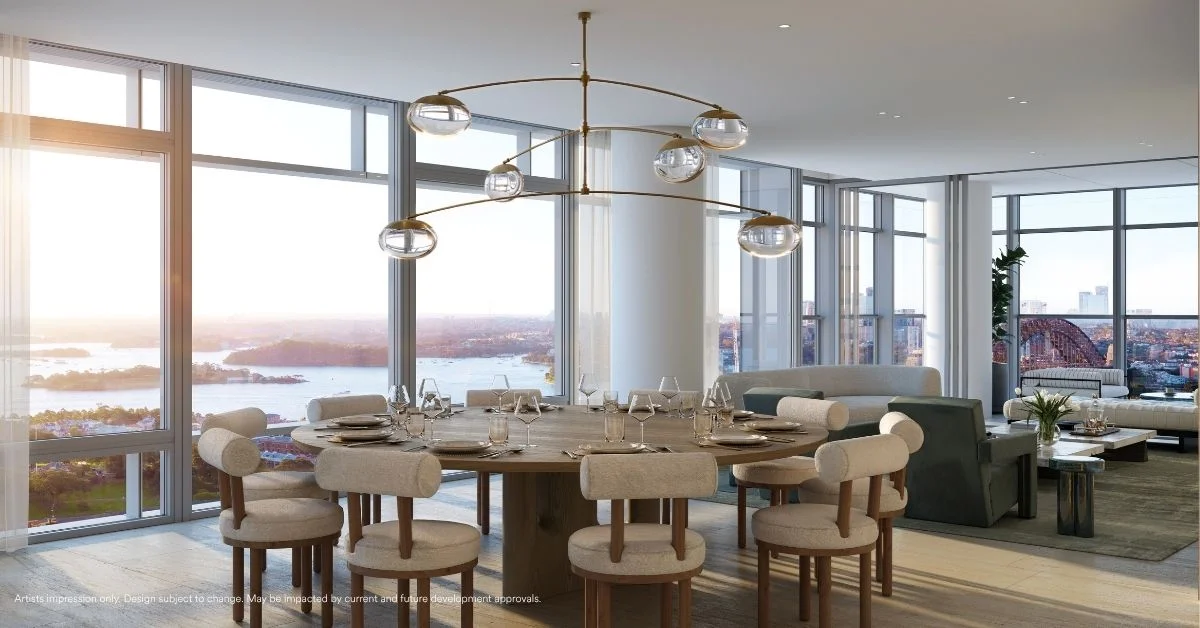 $26,550,000
propertyType.NEW APARTMENTS / OFF THE PLAN
$26,550,000
propertyType.NEW APARTMENTS / OFF THE PLAN
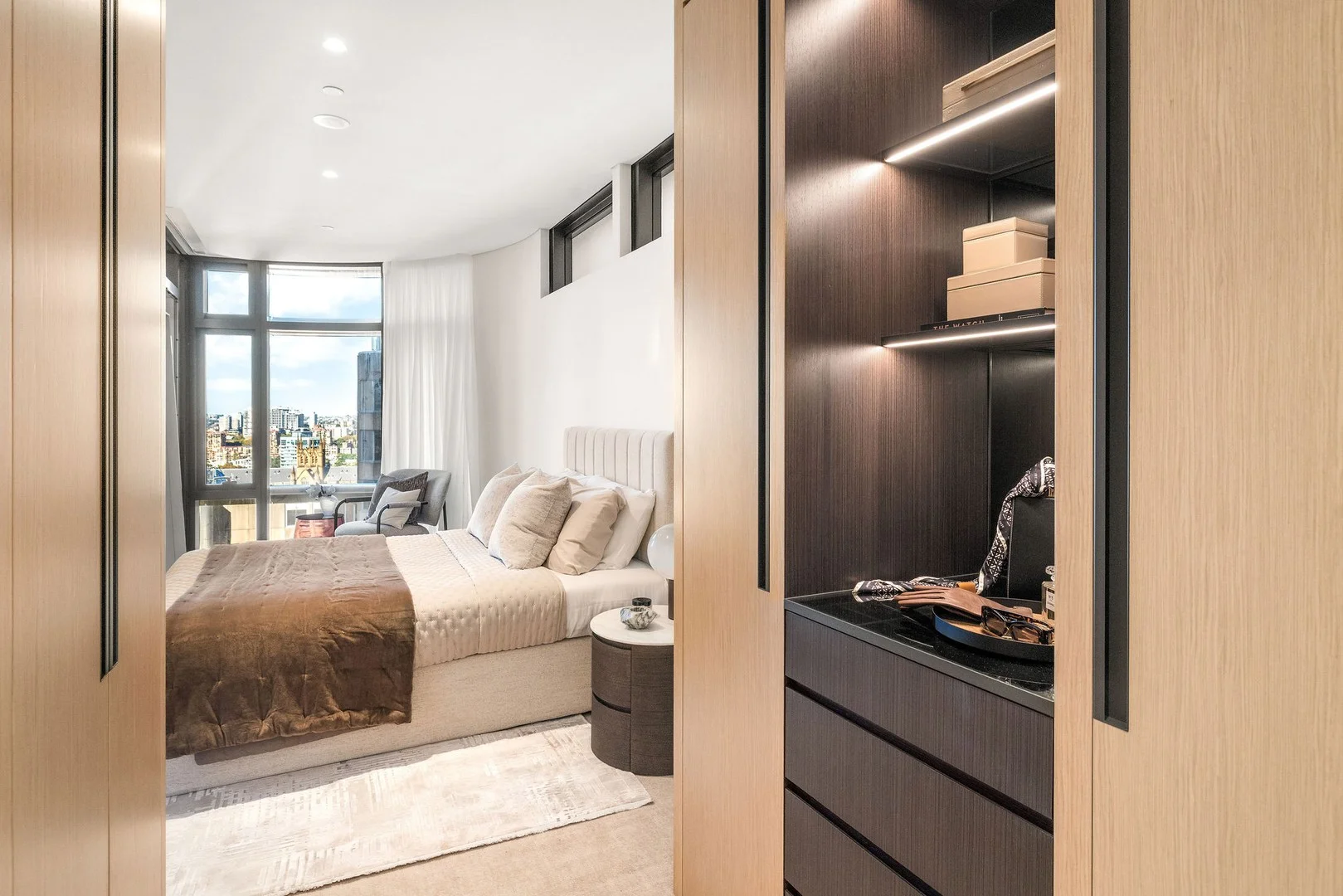 $2,745,000
propertyType.NEW APARTMENTS / OFF THE PLAN
$2,745,000
propertyType.NEW APARTMENTS / OFF THE PLAN
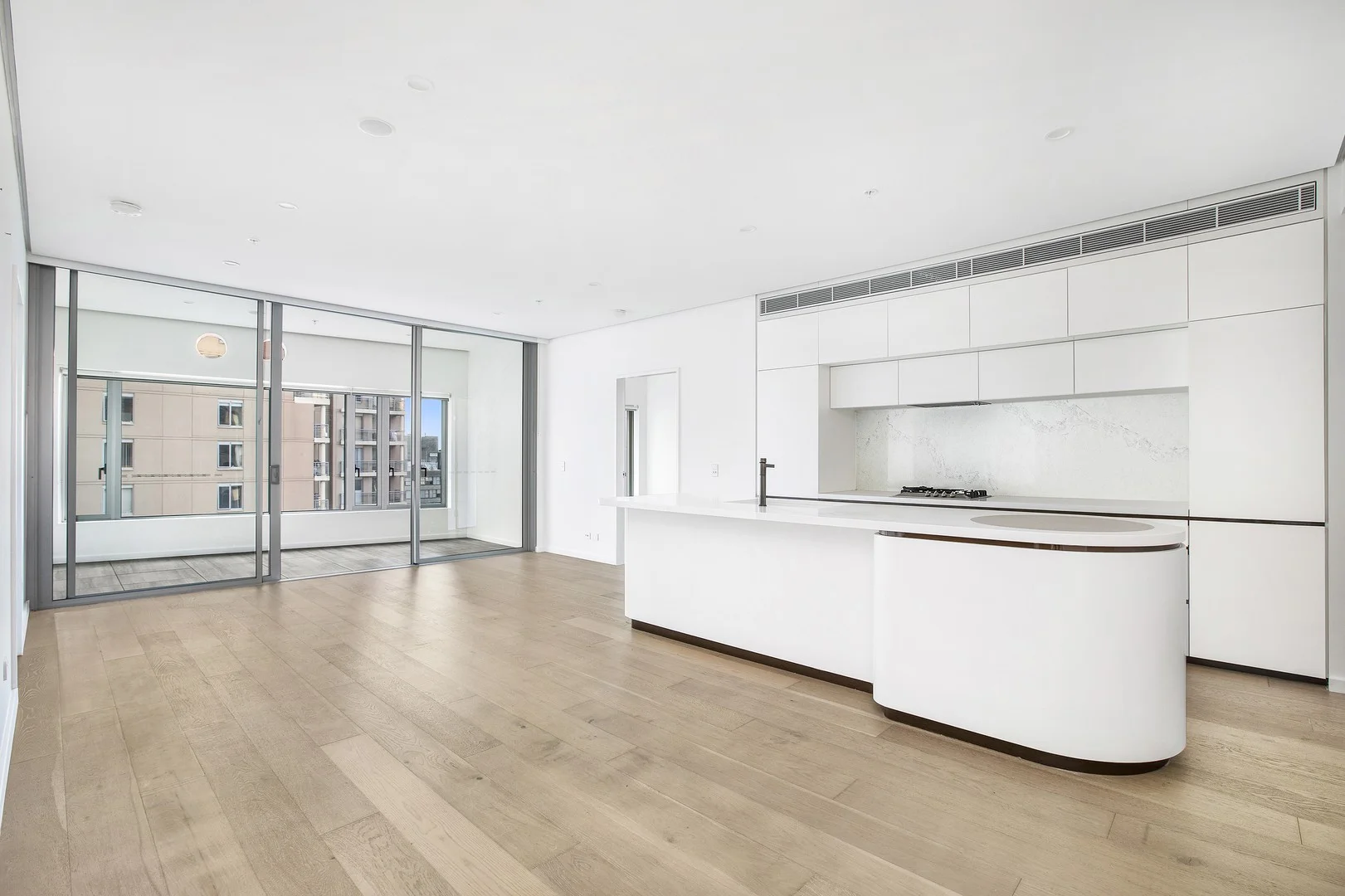 $2,250,000
Apartment / Unit / Flat
$2,250,000
Apartment / Unit / Flat
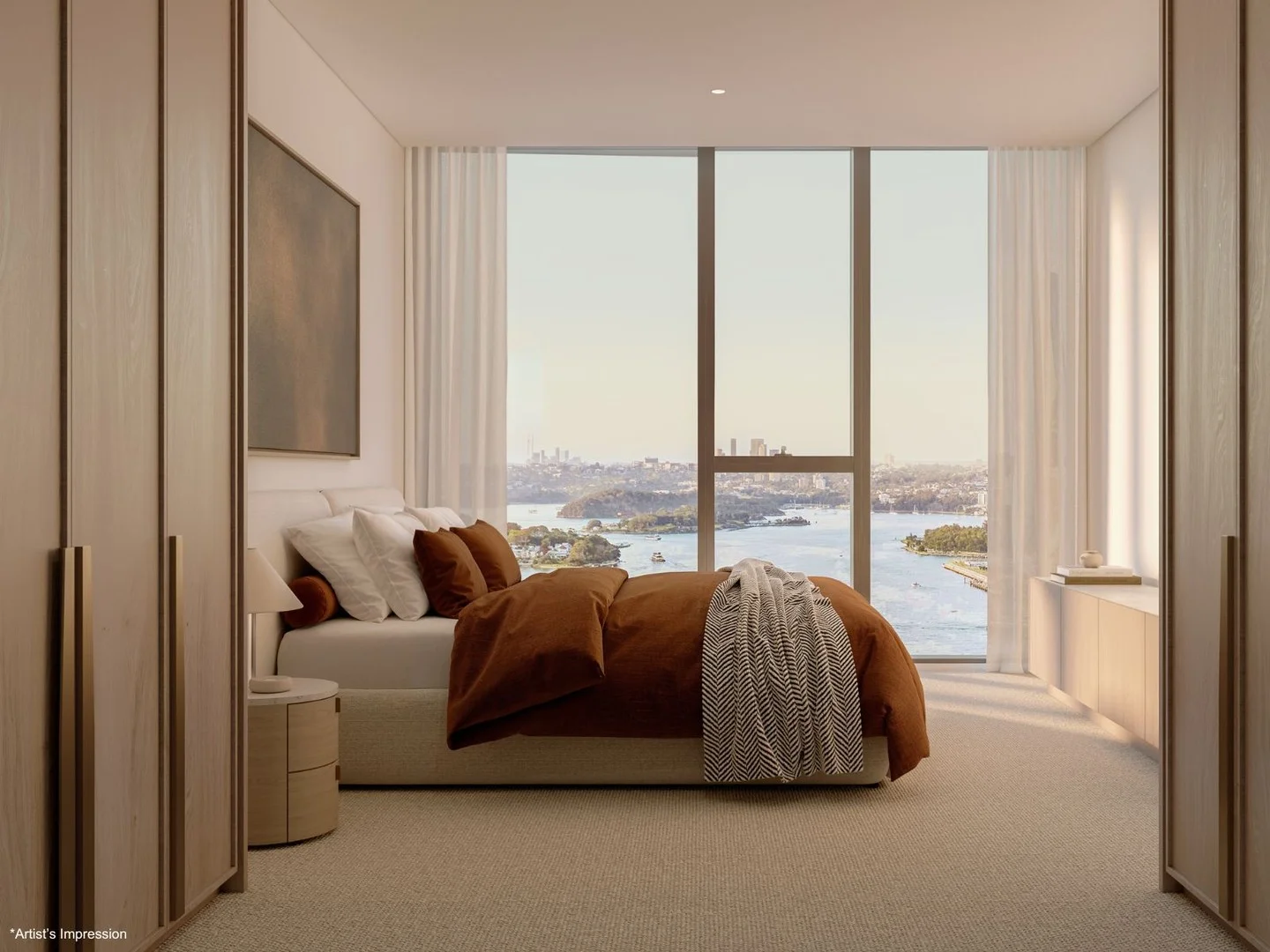 $8,630,000
propertyType.NEW APARTMENTS / OFF THE PLAN
$8,630,000
propertyType.NEW APARTMENTS / OFF THE PLAN
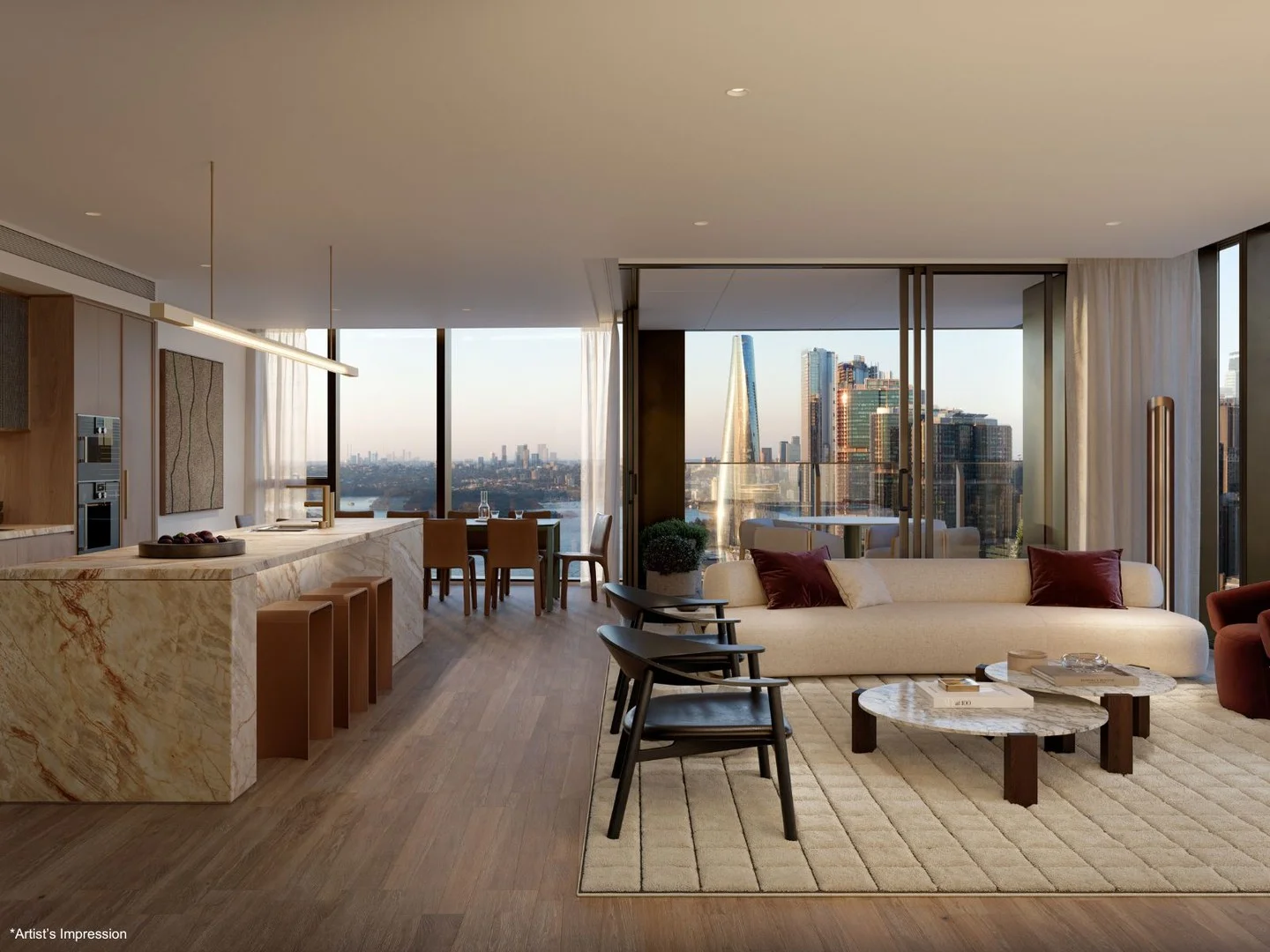 $12,980,000
propertyType.NEW APARTMENTS / OFF THE PLAN
$12,980,000
propertyType.NEW APARTMENTS / OFF THE PLAN
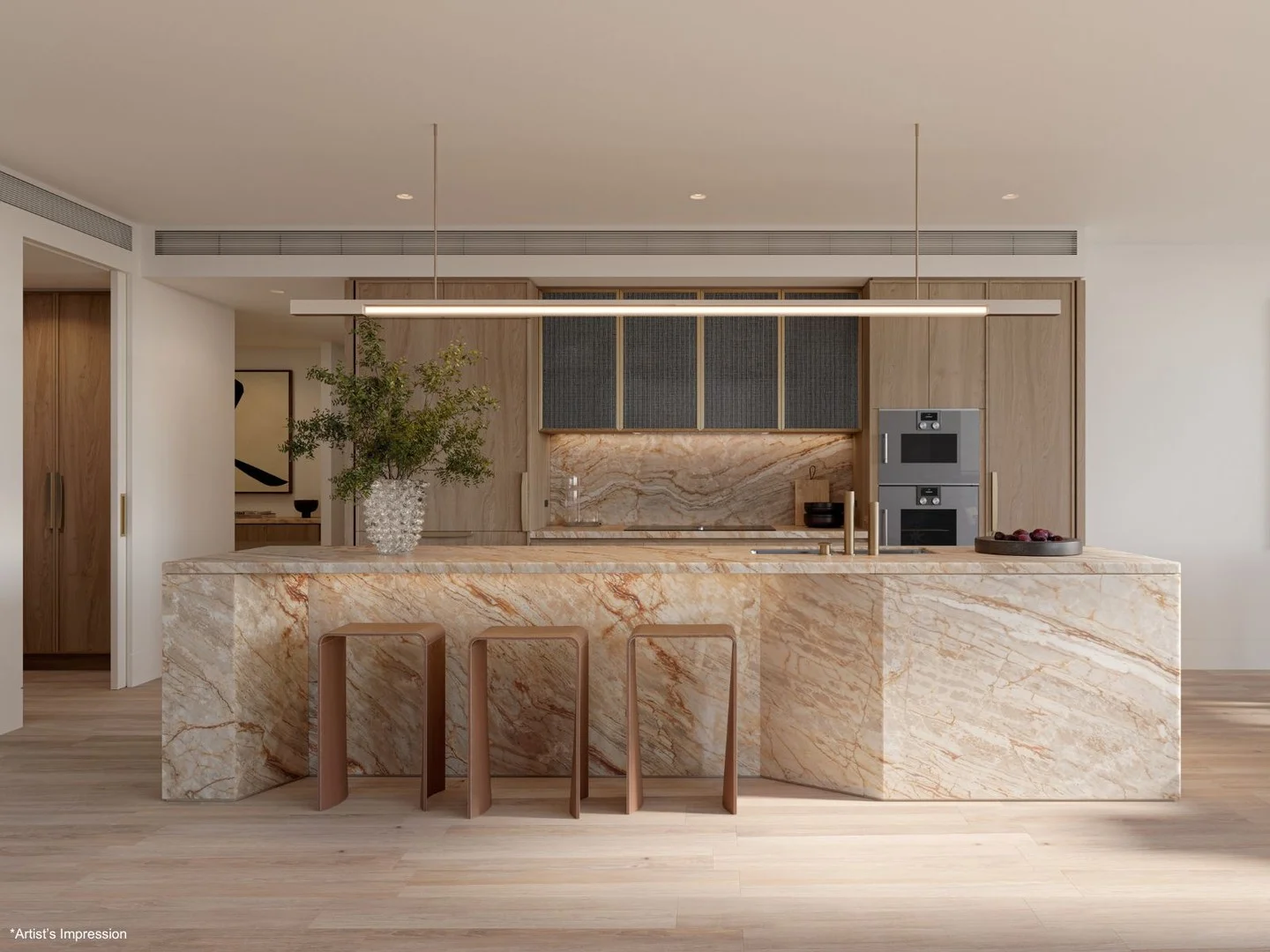 $6,225,000
propertyType.NEW APARTMENTS / OFF THE PLAN
$6,225,000
propertyType.NEW APARTMENTS / OFF THE PLAN
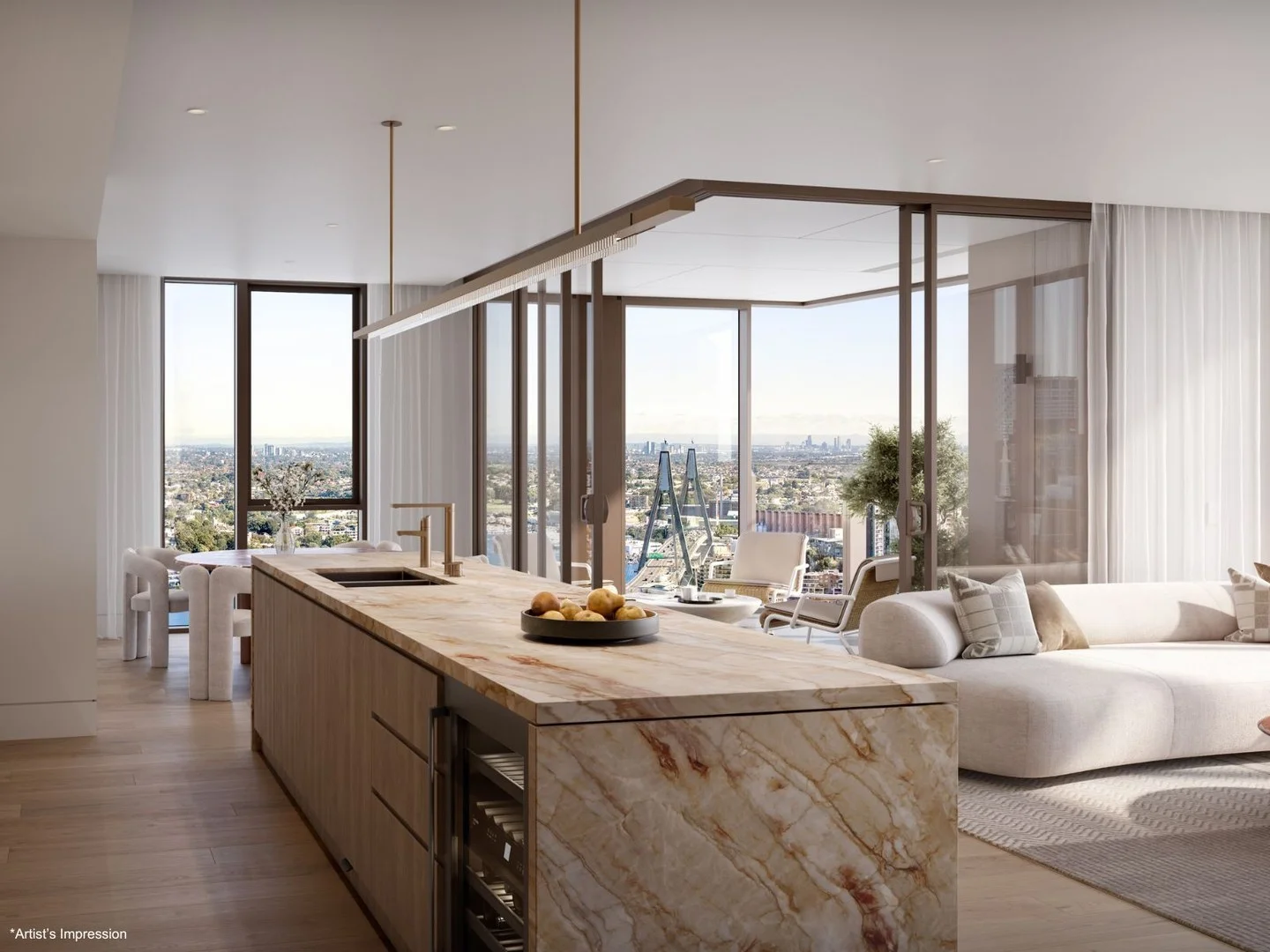 $9,020,000
propertyType.NEW APARTMENTS / OFF THE PLAN
$9,020,000
propertyType.NEW APARTMENTS / OFF THE PLAN
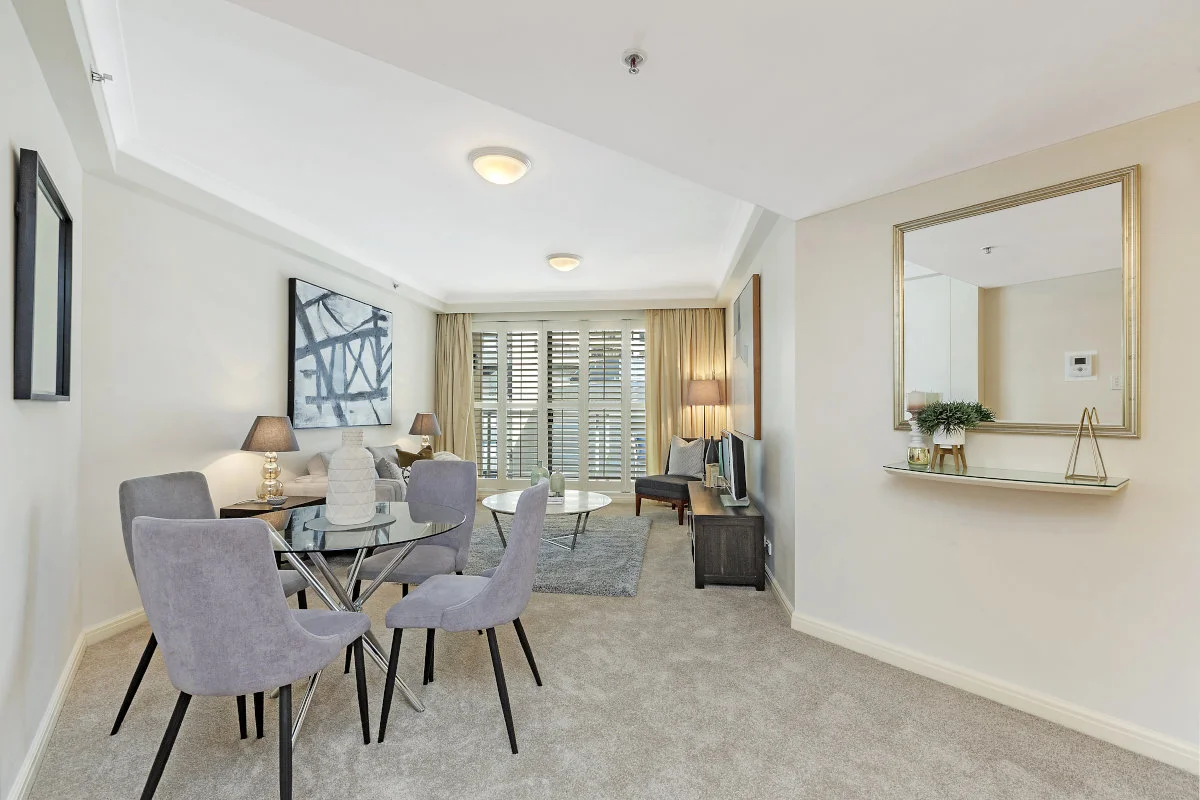 $660,000 - $725,000
Apartment / Unit / Flat
$660,000 - $725,000
Apartment / Unit / Flat


