## 1. Overview
Public school, medium size, with a strong sense of community and belonging. The school emphasises a nurturing, inclusive culture where students are encouraged to try new things, work collaboratively, and develop confidence across academics, sport, and the arts. Class sizes are typically in the low-to-mid 20s, which supports individual attention and teacher accessibility.
Classroom environments focus on positive relationships and student wellbeing, alongside a solid academic program. The school aims to balance academic achievement with opportunities for creativity, sport, and local community involvement, helping students feel prepared for the next steps in their education.
## 2. Academics & Learning
- Academic strengths: strong literacy and numeracy foundations, integrated STEM activities, and emphasis on critical thinking and problem-solving. The school supports leadership development and digital literacy as part of everyday learning.
- Special programs: Gifted and Talented opportunities, targeted intervention and enrichment options, and support for diverse learners (including EAL/D and students with additional learning needs).
- NAPLAN trends: consistent positive progress over recent years, with steady performance in key areas such as reading and writing and ongoing focus on improving numeracy. NSW-based trends are used to monitor growth rather than focusing on scores alone.
- Student-teacher ratios: generally around 1:20 to 1:24, allowing for meaningful teacher access and small-group support.
- Support for diverse learners: strong emphasis on inclusive education, with EAL/D support, SEN support, and small-group instruction to help every student participate and progress.
## 3. Sports & Extracurricular Strengths
- Sports offered: a broad program including team and individual sports such as soccer, netball, cricket, basketball, rugby league, athletics, and swimming programs.
- Strong teams or achievements: regular participation in district events with opportunities for team recognition and development through inter-school competitions.
- Music, arts, drama programs: active involvement through school choirs, bands, instrumental programs, and regular drama productions.
- Clubs: robotics, chess, coding, debating, and other interest-based clubs designed to engage students beyond the classroom.
- Partnerships: collaborations with local community clubs, sporting associations, and regional competitions to broaden opportunities and experiences for students.
## 4. Wellbeing & Pastoral Care
- Anti-bullying approach: clear anti-bullying policies, whole-school positive behaviour frameworks, and proactive student wellbeing programs.
- House system: house groups organise events and competitions, fostering belonging, teamwork, and healthy competition.
- Counsellors / wellbeing officers: dedicated wellbeing staff or access to school counsellors to support emotional and social development.
- Transition support for new students: orientation activities, buddy systems, and transition programs to help students settle smoothly into the school community.
## 5. Facilities
- Sports grounds: well-maintained playing fields and courts for physical education and sport.
- Libraries: inviting library spaces with a focus on reading and information literacy.
- Science labs: dedicated spaces for hands-on experiments and scientific exploration.
- Music/performing arts centers: facilities to support music education, drama, and performances.
- Tech/innovation labs: computer and technology spaces for coding, robotics, and digital learning.
- Cafeteria: on-site canteen offering healthy choices for students.
- Updated playgrounds: safe, modern play areas for recess and exploration.
## 6. School Values & Community Culture
- School values / mission: a focus on respect, responsibility, resilience, and inclusion, with students encouraged to contribute positively to the school and wider community.
- Leadership style: collaborative and student-inclusive, with opportunities for student voice in planning and decision-making.
- Behaviour expectations: clear codes of conduct, consistent routines, and positive reinforcement to support a respectful learning environment.
- Community reputation: family-oriented and welcoming, with strong parent involvement and regular community events.
- Diversity & inclusion: commitment to welcoming students from diverse backgrounds and ensuring equitable access to learning opportunities.
## 7. School Logistics & Daily Operations
- School hours: typical day runs from around 9:00 am to 3:00 pm, with some variation by year level and term.
- Before/after school care: options available through approved providers or school-approved arrangements.
- Uniform requirements: standard school uniform with required items and seasonal adjustments; hats for outdoor use; clear dress code expectations.
- Transport: local bus routes and proximity to train or bus services; arrangements for student drop-off and pick-up.
- Canteen availability: on-site canteen or snack programs offering healthy choices.
- Fees: voluntary contributions or fundraising for activities and resources; overall low-to-medium cost structure for essential programs.
## 8. Enrolment & Admissions
- 11. What is the enrolment process and timeline?
- Apply through the NSW Public Schools system. Gather required documents (e.g., birth certificate, proof of address, immunisation records). Submit proof of residency within the school’s catchment area. Follow any local timelines for enrolment, including confirmation of placement. The school may provide information sessions or tours as part of the process.
- 12. Is there a waiting list, and how does it work?
- If the school is in high demand, a waiting list may operate. Placement can be influenced by catchment priority, vacancies, and readiness to enrol. Families on the list are contacted if space becomes available.
- 13. Are there any entry requirements, tests, or interviews?
- NSW public primary schools generally do not require entrance exams. Some schools may conduct informal discussions or tours for prospective families, and assessment may occur if the student has specific learning needs requiring planning. There is typically no standard entry test.
- 14. Does the school accept mid-year transfers?
- Mid-year transfers can be possible, subject to space and district guidelines. Families should contact the school’s enrolment office to discuss availability, required documentation, and timing for a smooth transition.
## 9. Frequently Asked Questions
- Why Parents Choose This School?
- A supportive, inclusive environment with strong literacy and numeracy foundations, balanced with opportunities in sport, arts, and digital learning. A focus on wellbeing and community involvement helps students feel valued and motivated.
- What type of student thrives at this school?
- Students who respond well to a collaborative, well-supported learning environment; those who enjoy both academics and extra-curricular activities; and students who benefit from structured wellbeing and transition support.
- What opportunities are available for students to extend their skills (academics, sports, arts)?
- Enrichment and Gifted & Talented options, coding and robotics clubs, sports teams, music groups, drama productions, and leadership opportunities.
- How does the school communicate with parents?
- Regular newsletters, parent-teacher meetings, online portals for grades and assignments, and open channels with teachers and the leadership team.
- What is the school’s approach to teaching and learning?
- Student-centered learning with clear expectations, differentiated instruction, and a focus on literacy, numeracy, and digital literacy within a supportive environment.
- How does the school support students who need extra academic help?
- Targeted interventions, small-group instruction, EAL/D and SEN support, and access to wellbeing staff to address non-academic barriers to learning.
- What support is available for academic challenges?
- Additional tutoring, tailored learning plans, and scheduling adjustments through the school’s support services.
- How does the school communicate with parents? (Repeated)
- See above: newsletters, meetings, online portals, and direct contact with teachers and the leadership team.
- What are the class sizes and how much individual attention do students receive?
- Class sizes typically range in the low-to-mid 20s, with opportunities for small-group instruction and teacher check-ins to ensure individual attention.
- What extracurricular and sports opportunities are available?
- A wide range of sports, music and arts programs, and clubs such as robotics, chess, coding, and debating.
- What facilities does the school offer (sports, science, arts)?
- Sports grounds, libraries, science labs, music/arts spaces, tech/innovation labs, a canteen, and updated playgrounds.
- What is the school’s approach to technology and digital learning?
- Integration of digital literacy across the curriculum, access to computers or tablets for classwork, and opportunities to develop coding and problem-solving skills.
- What transport and accessibility options are available?
- Local bus routes or proximity to train services, and arrangements for safe student drop-off and pick-up.
- What are the typical school fees or additional costs?
- Public schools usually have low to moderate voluntary contributions for resources, activities, and programs beyond the standard curriculum.
## 10. Short Pros & Cons list
- Pros
- Public school with a strong community focus and supportive environment
- Balanced emphasis on academics, wellbeing, and extracurriculars
- Diverse clubs and sports, plus opportunities in arts and technology
- Inclusive practices and strong support for EAL/D and SEN learners
- Moderate class sizes enabling teacher access and student engagement
- Cons
- As a public school, space and enrolment can be competitive during peak intake periods
- Some programs or facilities may vary in availability year to year depending on funding and schedules
- Transport options depend on local routes and may require planning for families outside the immediate catchment
If you’d like, I can tailor the content further with more specific details or adjust the tone to fit a particular audience (e.g., early years families vs. parents of students transitioning to high school).









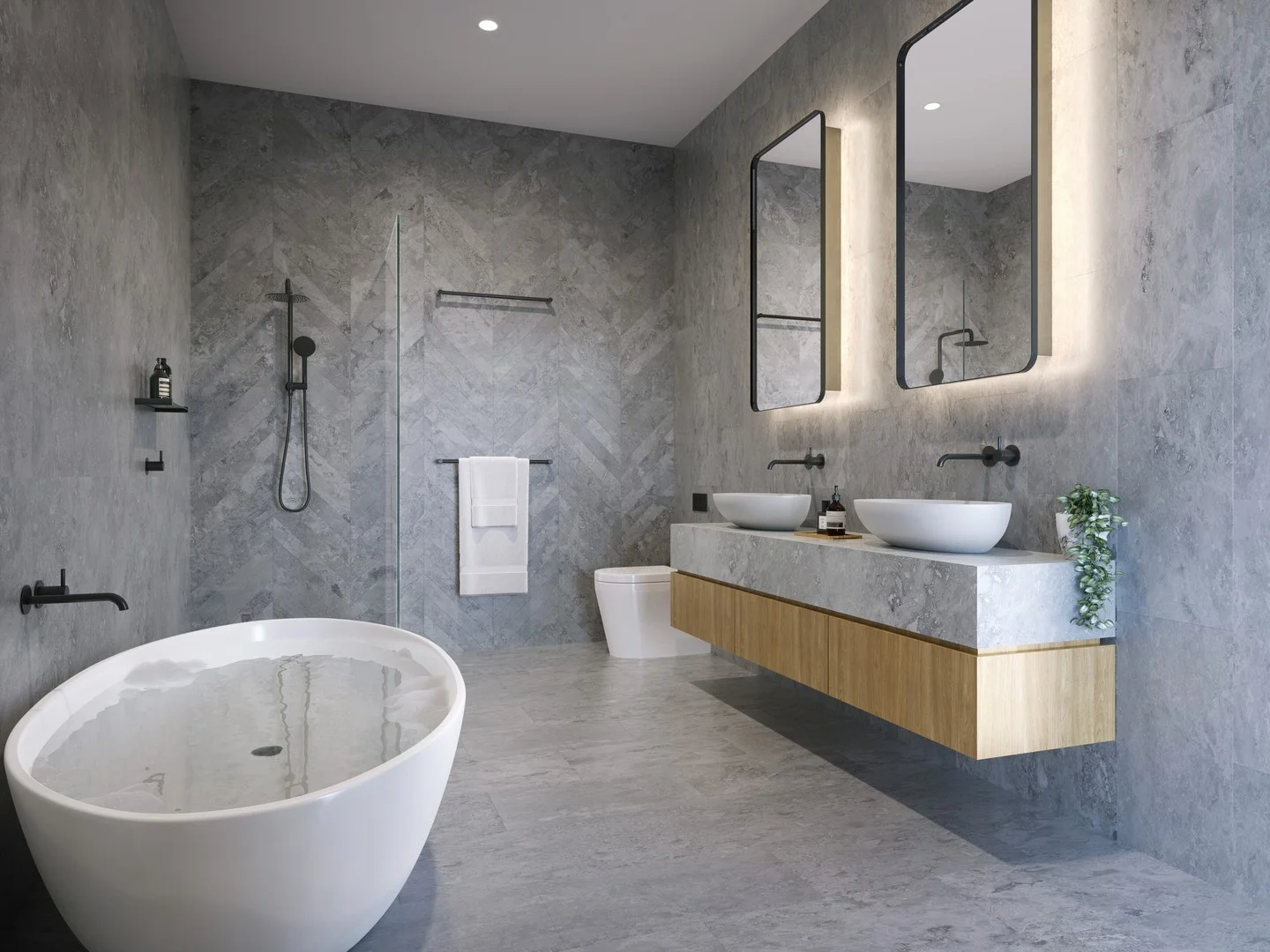 $2,824,000
Apartment / Unit / Flat
$2,824,000
Apartment / Unit / Flat
 $26,550,000
propertyType.NEW APARTMENTS / OFF THE PLAN
$26,550,000
propertyType.NEW APARTMENTS / OFF THE PLAN
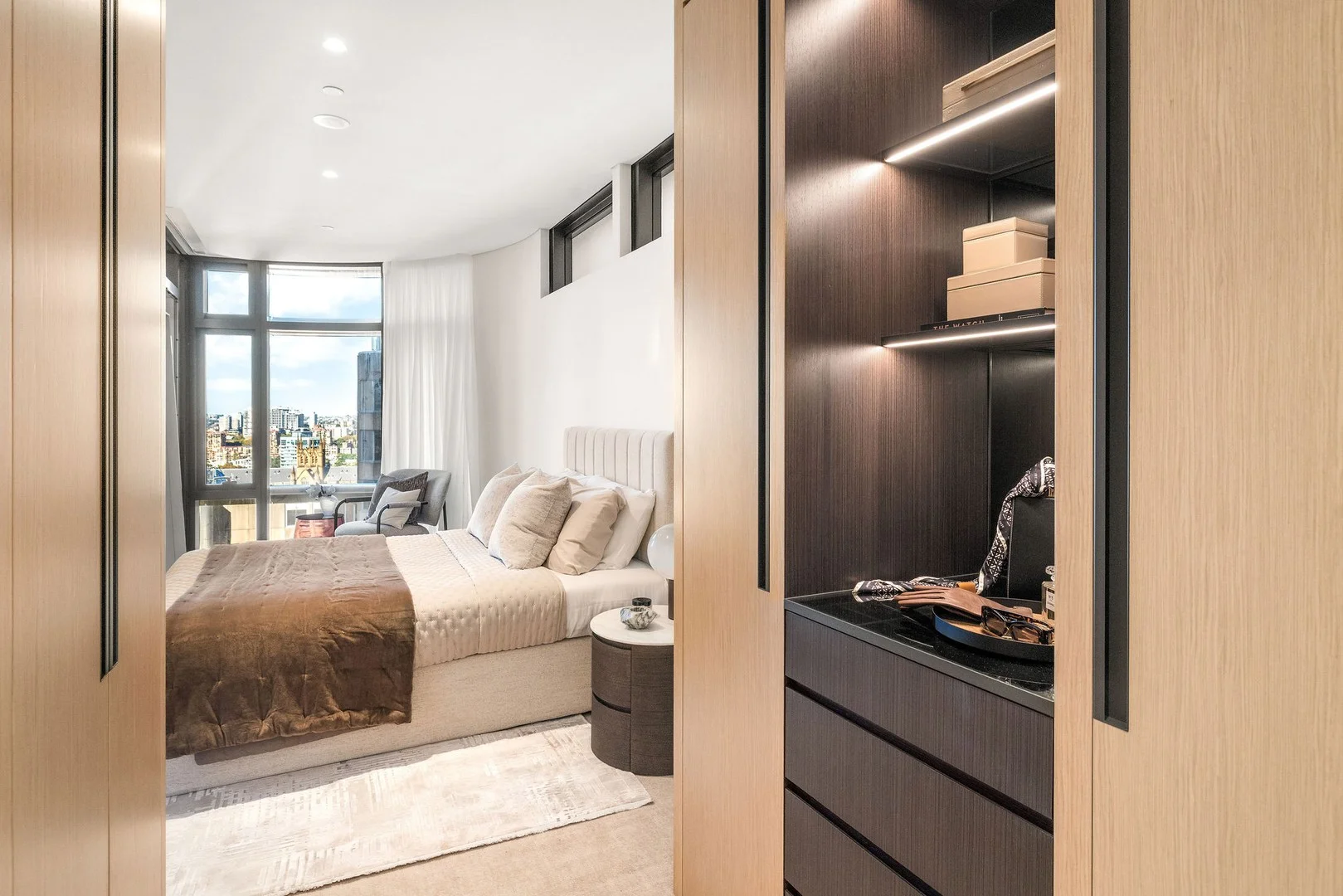 $2,745,000
propertyType.NEW APARTMENTS / OFF THE PLAN
$2,745,000
propertyType.NEW APARTMENTS / OFF THE PLAN
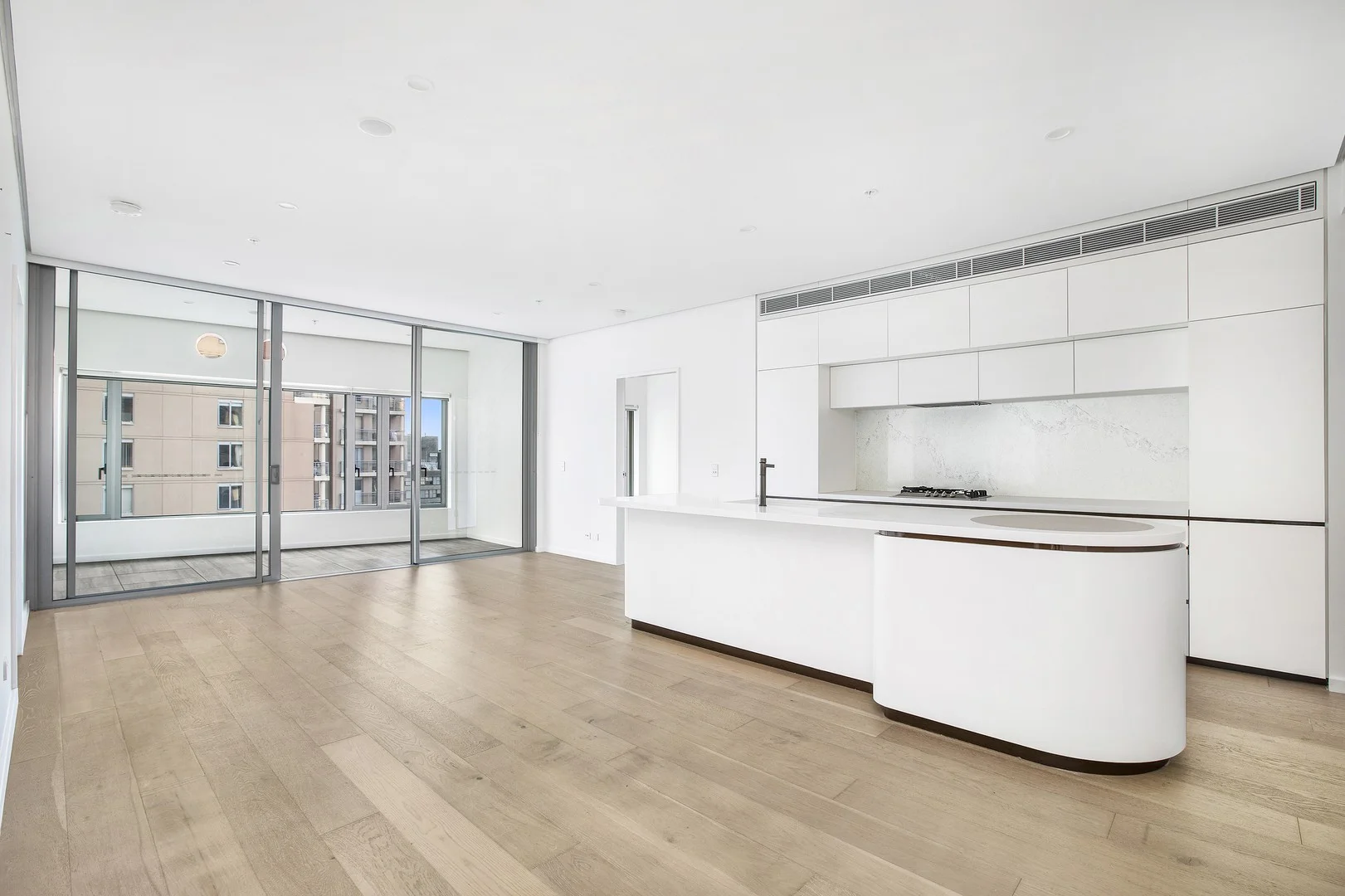 $2,250,000
Apartment / Unit / Flat
$2,250,000
Apartment / Unit / Flat
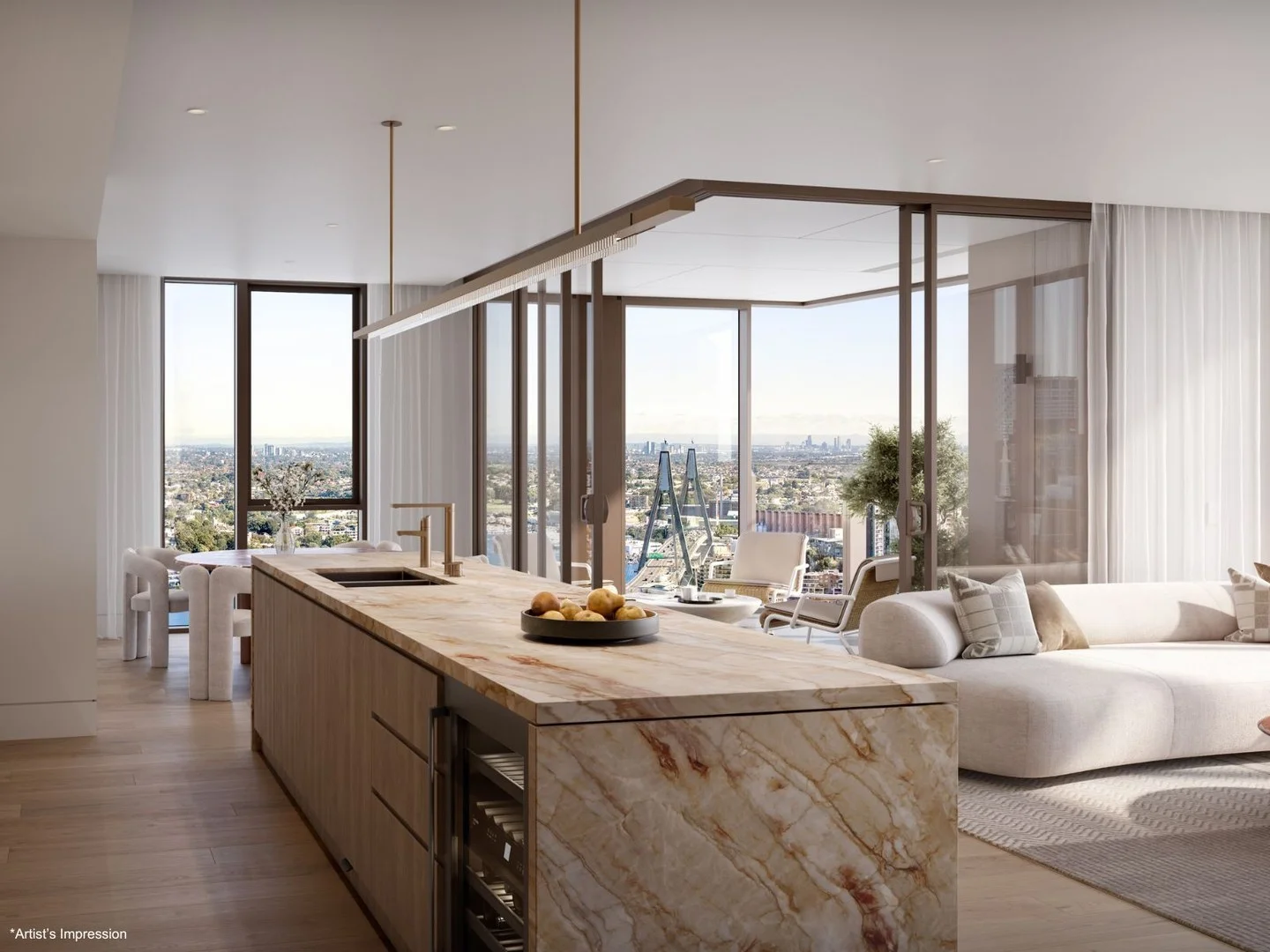 $9,020,000
propertyType.NEW APARTMENTS / OFF THE PLAN
$9,020,000
propertyType.NEW APARTMENTS / OFF THE PLAN
 $6,225,000
propertyType.NEW APARTMENTS / OFF THE PLAN
$6,225,000
propertyType.NEW APARTMENTS / OFF THE PLAN
 $8,630,000
propertyType.NEW APARTMENTS / OFF THE PLAN
$8,630,000
propertyType.NEW APARTMENTS / OFF THE PLAN
 $12,980,000
propertyType.NEW APARTMENTS / OFF THE PLAN
$12,980,000
propertyType.NEW APARTMENTS / OFF THE PLAN
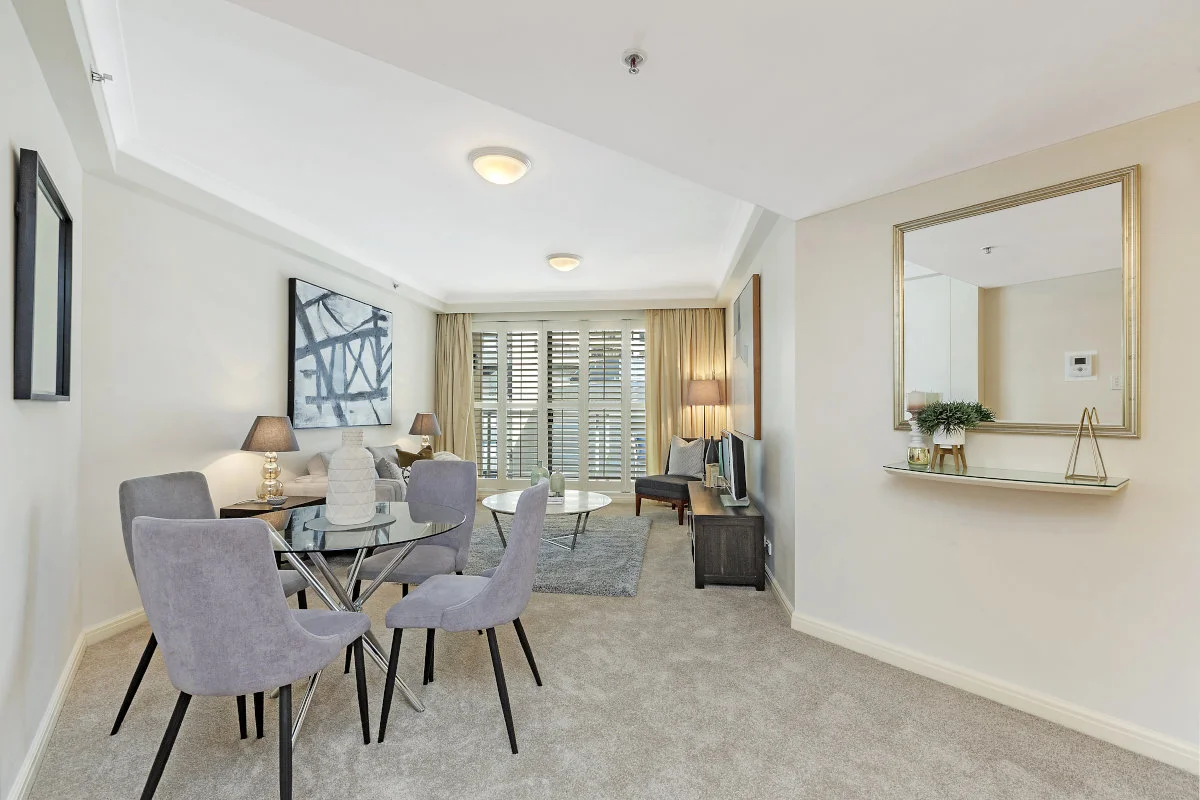 $660,000 - $725,000
Apartment / Unit / Flat
$660,000 - $725,000
Apartment / Unit / Flat


